

Table of Contents
Construction Communication Trends in 2026: How Safer, Smarter Jobsites Are Changing the Way Crews Connect
- Posted by:Retevis
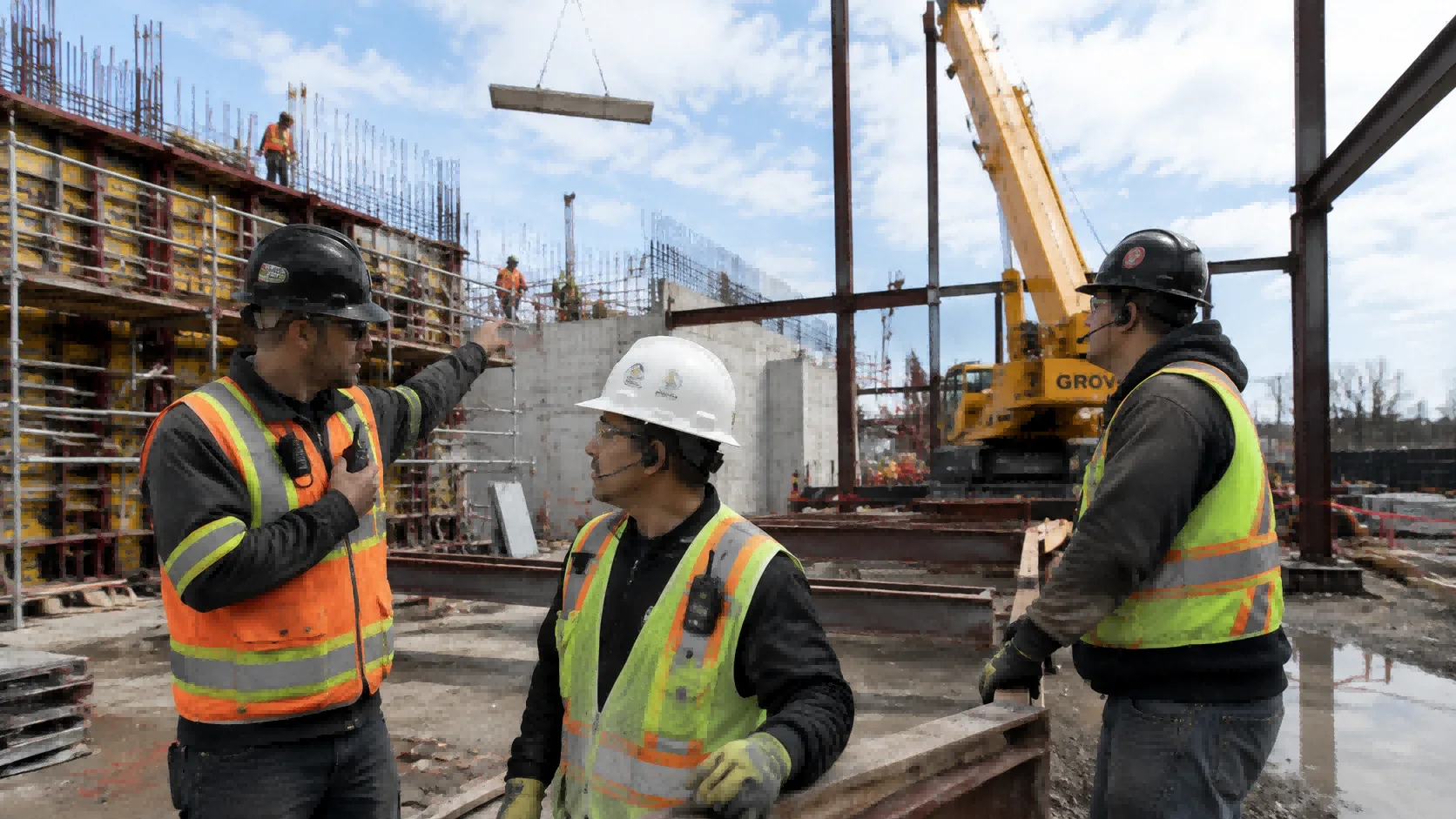
Construction communication is taking on a bigger role in 2026. For contractors across North America and Europe, it is no longer just about reaching someone on site. On today’s more complex jobsites, communication directly affects safety, response speed, and daily coordination. With multiple trades working at once, heavy equipment in motion, and tighter project schedules, poor jobsite communication can lead to delays, confusion, and higher operational risk.
As a result, more companies are rethinking the role of the construction communication system. Traditional methods such as shouting, hand signals, phone calls, and basic radios still have their place, but they often fall short in noisy, fast-moving environments. Whether the solution is a wireless construction intercom, a jobsite intercom, or a construction communication headset, the goal is the same: clearer, faster, and more reliable field communication. This article explores the key construction communication trends in 2026 and why better construction site communication is becoming a strategic advantage for modern contractors.
Why Communication Is Becoming a Strategic Jobsite Issue
Construction sites have always depended on communication, but today the stakes are higher. Projects are larger, timelines are tighter, and coordination demands are increasing. A single commercial or infrastructure site may involve general contractors, subcontractors, operators, safety personnel, delivery teams, and specialist crews working across multiple active zones.
In this environment, communication affects much more than convenience. It directly shapes how quickly problems are solved, how well teams stay aligned, and how safely high-risk tasks are performed. When communication breaks down, the consequences are familiar: repeated instructions, unnecessary walking, missed updates, task interruptions, and delays between crews.
Traditional methods still have a place, but they also show clear limits on modern jobsites. Shouting can be unreliable in noisy areas. Hand signals may work only in line-of-sight conditions. Phone calls interrupt workflow and are often too slow for real-time coordination. Even basic radios may create stop-and-start communication that slows decision-making.
This is why construction site communication is becoming a strategic issue rather than a simple operational detail. Contractors are recognizing that better communication supports stronger safety performance, smoother daily coordination, and more efficient execution across the site.
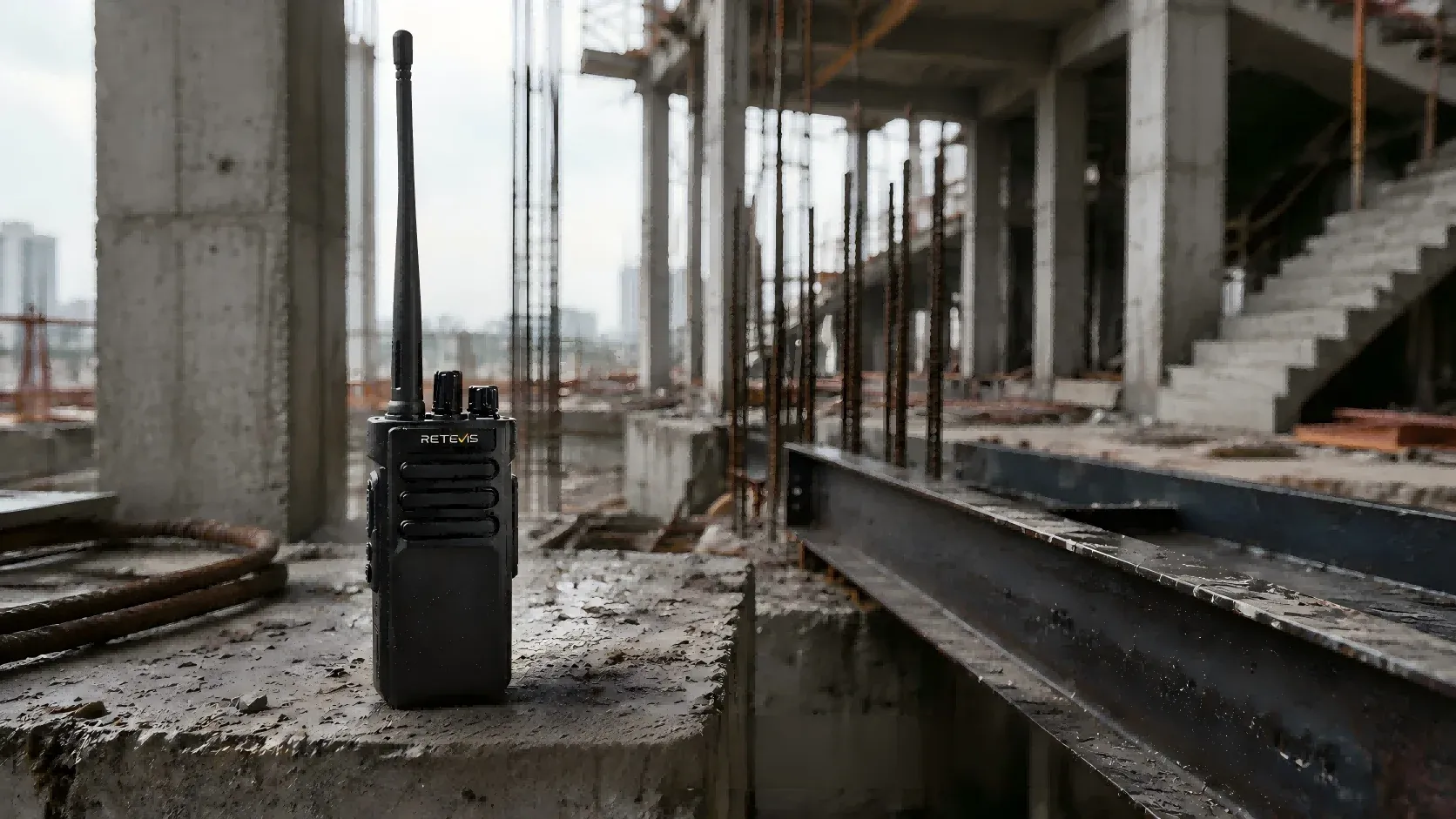
What Is Driving Construction Communication Change in 2026?
Several broader industry pressures are pushing communication higher on the agenda.
|
Industry Pressure |
Communication Impact on Jobsites |
|
Tighter project schedules |
Crews need faster decisions and fewer delays |
|
More multi-trade activity |
Better coordination is needed across teams |
|
Noisy jobsite conditions |
Clear voice transmission becomes critical |
|
Higher safety expectations |
Communication must support risk reduction |
|
Labor shortages |
Smaller teams need more efficient collaboration |
|
Connected jobsite workflows |
Communication tools must fit modern operations |
These pressures explain why communication is evolving from a basic contact method into a more important field system. The issue is no longer just whether workers can talk to one another. It is whether communication supports the pace, complexity, and risk profile of the modern jobsite.
Trend 1: Real-Time Communication Is Becoming Essential
One of the biggest construction communication trends in 2026 is the growing need for real-time coordination. On busy jobsites, delayed communication slows work down. When crews have to stop, call, wait, repeat, and confirm, small interruptions quickly add up.
Real-time communication in construction helps reduce that friction. It allows supervisors, operators, and field crews to respond faster as conditions change. This is especially important during lifts, equipment movement, material handling, and schedule adjustments.
For contractors, the value is clear:
- faster response to field issues
- fewer repeated instructions
- smoother workflow between crews
In 2026, communication speed is becoming a direct part of jobsite productivity.
Trend 2: Safety Is Driving Communication Upgrades
Safety is becoming a major reason contractors are upgrading communication tools. On modern jobsites, clear communication is critical during high-risk tasks such as crane operator communication, heavy equipment communication, steel erection, demolition, and restricted-access work.
In these situations, delayed or unclear instructions can increase risk immediately. Better construction safety communication helps workers coordinate more clearly and respond faster to changing conditions or hazards.
This is also why more contractors are looking at PPE-compatible communication systems. If a system does not work well with hard hats, hearing protection, and other safety gear, it is less effective in real use.
The shift is clear: communication is increasingly being treated as part of the site safety strategy, not just a convenience tool.
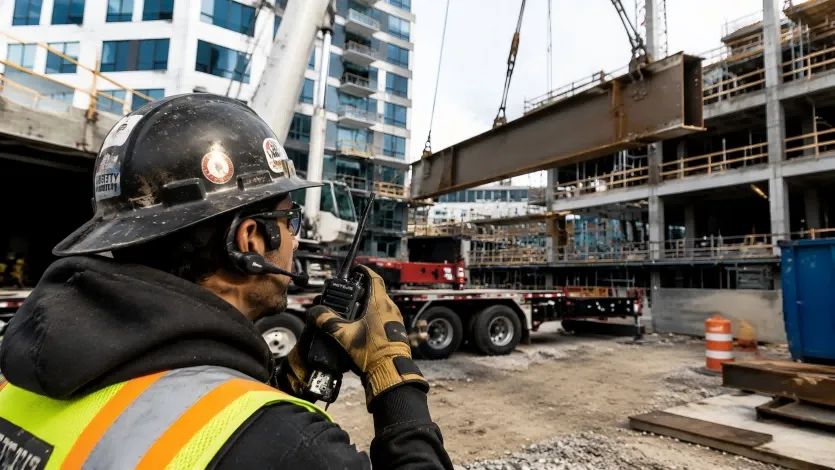
Trend 3: Hands-Free Communication Is a Better Fit for Field Work
Construction work is active and hands-on. Workers are often climbing, guiding loads, carrying materials, or moving through tight work areas. In these situations, stopping to handle a device is not always practical.
That is why hands-free communication for construction is gaining more attention. Construction communication headsets and jobsite intercom systems allow crews to stay connected without interrupting the task itself.
This is especially useful for:
- riggers and lift teams
- foremen moving across work zones
- crews working at height
- workers handling tools or materials
For many contractors, hands-free communication is not just about convenience. It is about better workflow, fewer interruptions, and safer coordination on active jobsites.
Trend 4: Audio Clarity Matters More in Noisy Environments
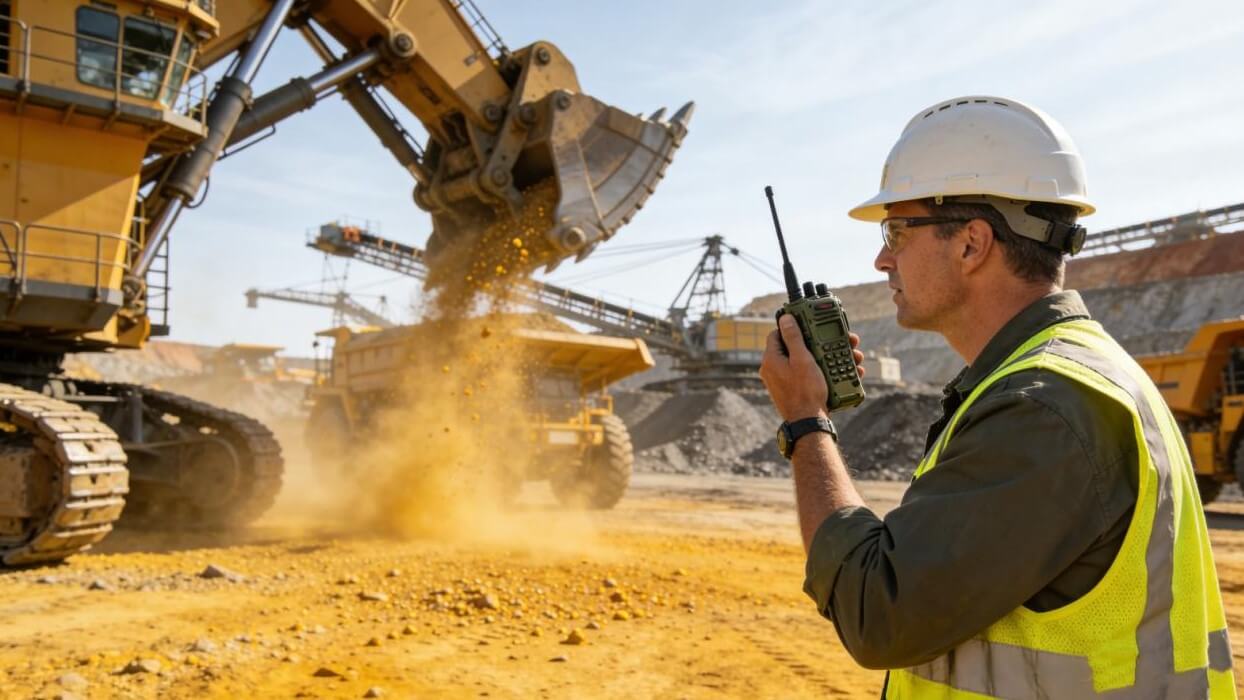
On construction sites, being connected is not enough if workers cannot clearly understand the message. Engines, cutting tools, wind, alarms, and heavy equipment all make communication harder. In noisy construction environments, poor audio quality can lead to repeated calls, slower reactions, and avoidable mistakes.
That is why contractors are paying more attention to speech clarity, microphone performance, and noise-canceling communication headsets. The goal is simple: workers should be able to hear and be heard clearly under real jobsite conditions.
|
Audio Challenge |
Jobsite Impact |
|
High background noise |
More missed or repeated instructions |
|
Unclear voice transmission |
Slower responses and more confusion |
|
Poor microphone performance |
Less reliable communication during active work |
In 2026, clear audio is becoming a core requirement for any effective construction communication system.
Trend 5: Multi-Trade Coordination Requires Better Communication
Modern jobsites depend on multiple crews working in sequence or at the same time. That makes multi-trade coordination one of the biggest communication challenges in construction.
When communication is weak, common problems follow: crews arrive too early, access is not ready, equipment is moved at the wrong time, or teams work from outdated assumptions. These issues often look like scheduling problems, but many start as communication problems.
Better contractor communication tools help foremen, supervisors, and subcontractors stay aligned throughout the day. Faster updates mean fewer delays between crews and smoother coordination across work zones.
As projects become more specialized, stronger subcontractor communication is becoming essential for keeping work on track.
Trend 6: Connected Jobsites Need Smarter Communication Systems
As construction becomes more connected, communication tools are becoming part of a wider jobsite workflow. Digital schedules, mobile reporting, and field updates are more useful when crews can respond to them quickly on site.
That is why the connected jobsite is increasing demand for more dependable communication tools. Contractors want systems that help supervisors coordinate faster, keep crews aligned across active zones, and support day-to-day execution without adding complexity.
This is one reason the wireless construction intercom and other smarter construction communication systems are gaining attention. In 2026, the priority is not complicated technology. It is reliable communication that supports faster field execution.
What These Trends Mean for Contractors in 2026
Taken together, these trends point to a major shift in how communication should be evaluated. Contractors should no longer think of communication tools as basic accessories that only need to provide simple voice contact. They should be treated as field equipment that affects safety, productivity, and coordination.
This means asking better questions. Does the system support real-time communication in construction? Can workers use it effectively in noisy construction environments? Does it allow hands-free communication for construction tasks where mobility and focus matter? Is it suitable for active coordination between contractors, subcontractors, and operators? Does it fit with PPE and the demands of the site?
These questions matter because communication problems create operational costs. Repeated instructions waste time. Misheard updates affect sequencing. Poor coordination creates delays between crews. In some cases, unclear communication can also increase safety risk.
The strongest communication system is not simply the one with the most features. It is the one that matches the way crews actually work and helps them communicate more clearly under pressure.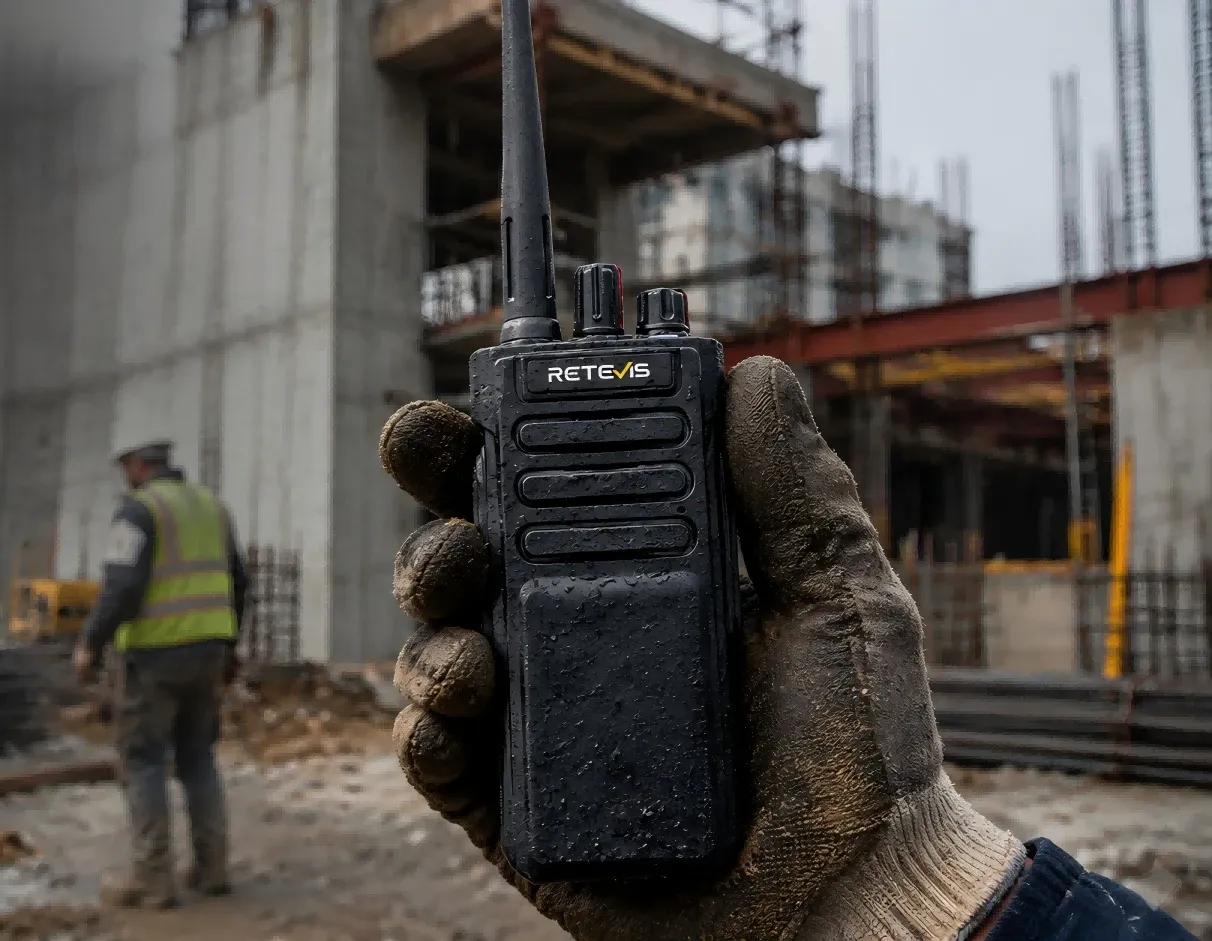
What to Look for in a Construction Communication System in 2026
For contractors reviewing a construction communication system, field performance should come first.
|
What Contractors Need |
Why It Matters |
|
Hands-free operation |
Supports active work and reduces interruption |
|
Clear audio in noisy environments |
Helps avoid repeated or misunderstood instructions |
|
PPE compatibility |
Fits real construction safety requirements |
|
Reliable site-wide coverage |
Keeps crews connected across active work zones |
|
Group communication capability |
Supports multi-trade and supervisor-led coordination |
|
Rugged durability |
Withstands dust, moisture, impact, and long shifts |
|
Easy deployment and training |
Improves adoption across field teams |
These criteria apply whether a team is evaluating a jobsite intercom, a wireless construction intercom, or a construction communication headset. The right system should not only function technically. It should fit naturally into the realities of construction work.
Conclusion
The most important construction communication trends in 2026 all reflect the same broader change: communication is becoming part of the infrastructure of jobsite performance. It now plays a larger role in safety, decision-making, crew coordination, and day-to-day execution.
Across North America and Europe, contractors are facing more complex jobsites, tighter schedules, and greater expectations around safety and productivity. In that environment, better jobsite communication is no longer optional. It is becoming a practical advantage.
Whether the focus is construction safety communication, hands-free communication for construction, better audio in noisy environments, or stronger multi-crew coordination, the goal remains the same: help crews work more clearly, more safely, and with fewer delays.
In 2026, the future of construction site communication is not just about replacing old tools. It is about building smarter, safer, and more connected ways for teams to work together.





 Google
 Amazon
Comments
No data Yet