

Table of Contents
RB48 vs. RB48D: Choosing the Best Tough Radio for industrial Sites
- Posted by:Retevis
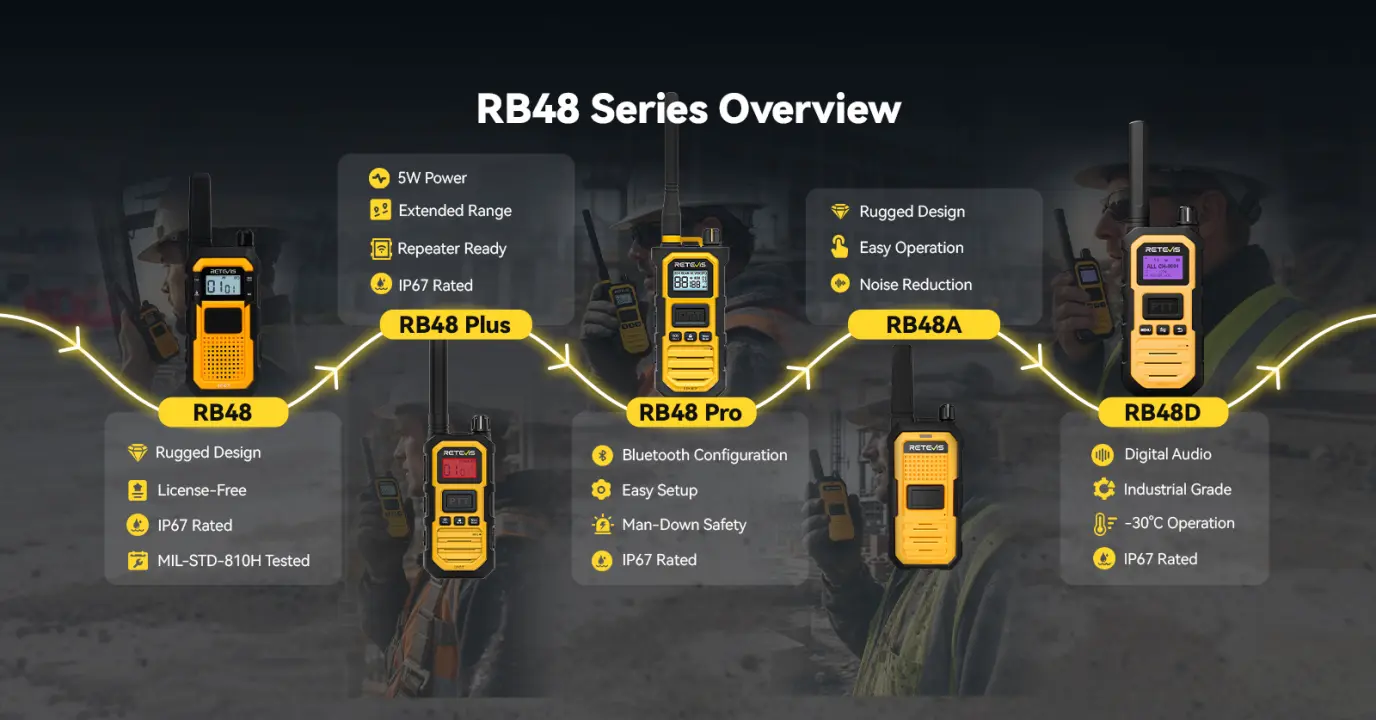
Reliable, tough communication sits at the core of every productive and safe industrial work sites. Retevis RB48 series and RB48D walkie talkies both deliver solid heavy-duty build quality, but they meet very different team needs. The right choice depends on work environment, team size, and daily performance requirements.
The base RB48 model works well for small to mid-sized crews on flat or low-rise sites. The RB48D industrial digital walkie talkie brings meaningful upgrades in range, clarity, and management capability for high-rise construction, steel structure projects, loud operations, and large multi-crew sites. This guide breaks down real-world performance differences across the most demanding construction and industrial scenarios.
RB48 Series: Solid Base Performance for Standard Industrial Sites
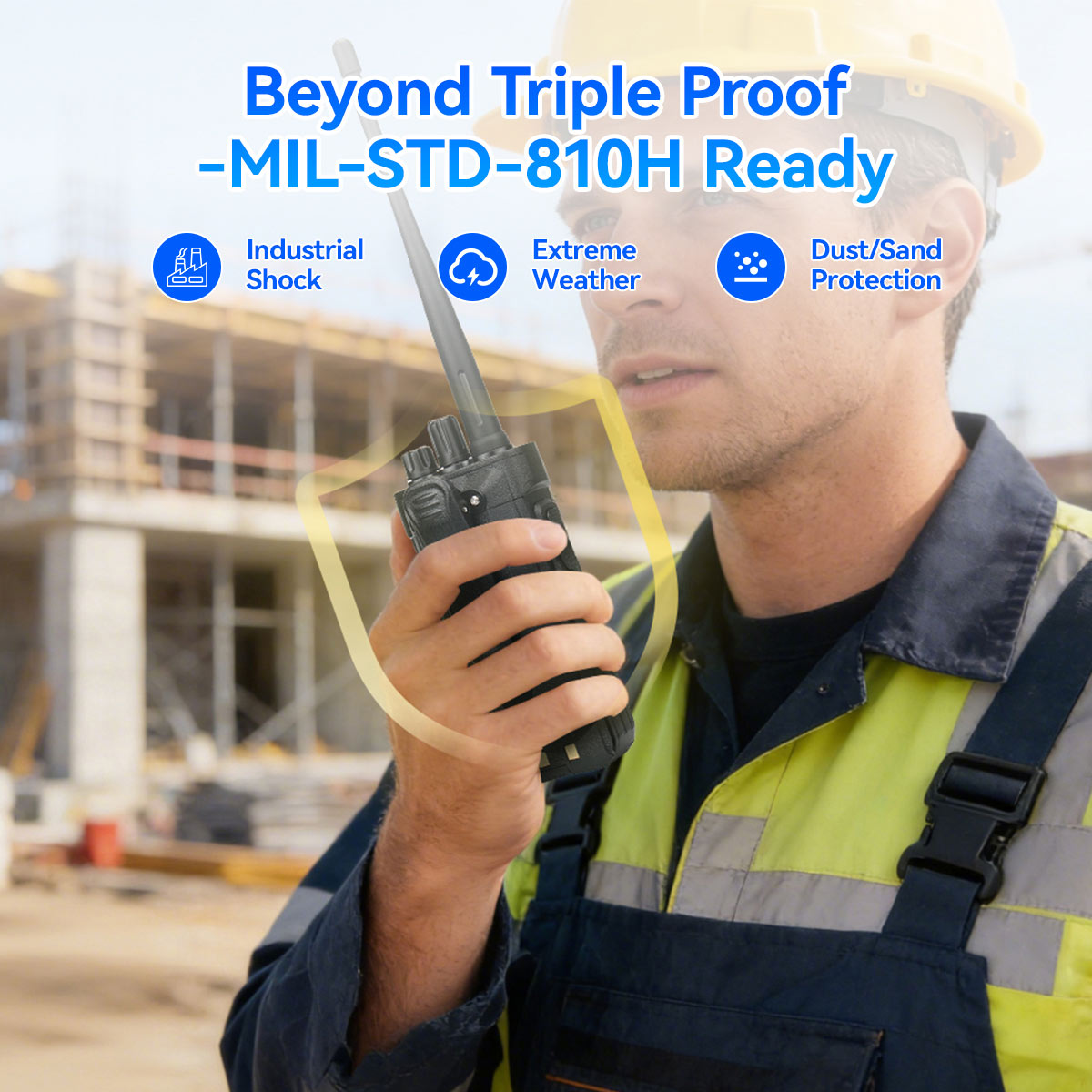
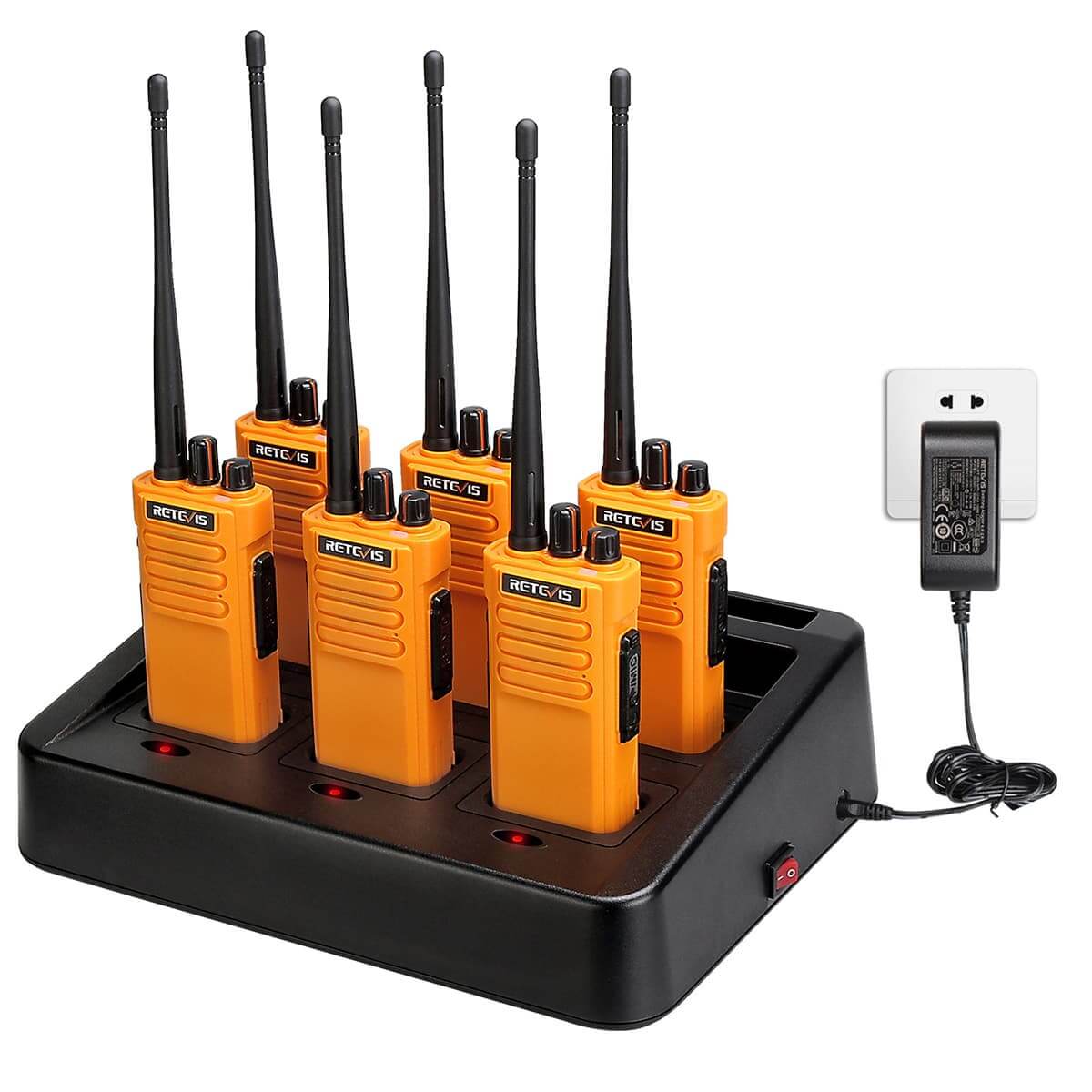
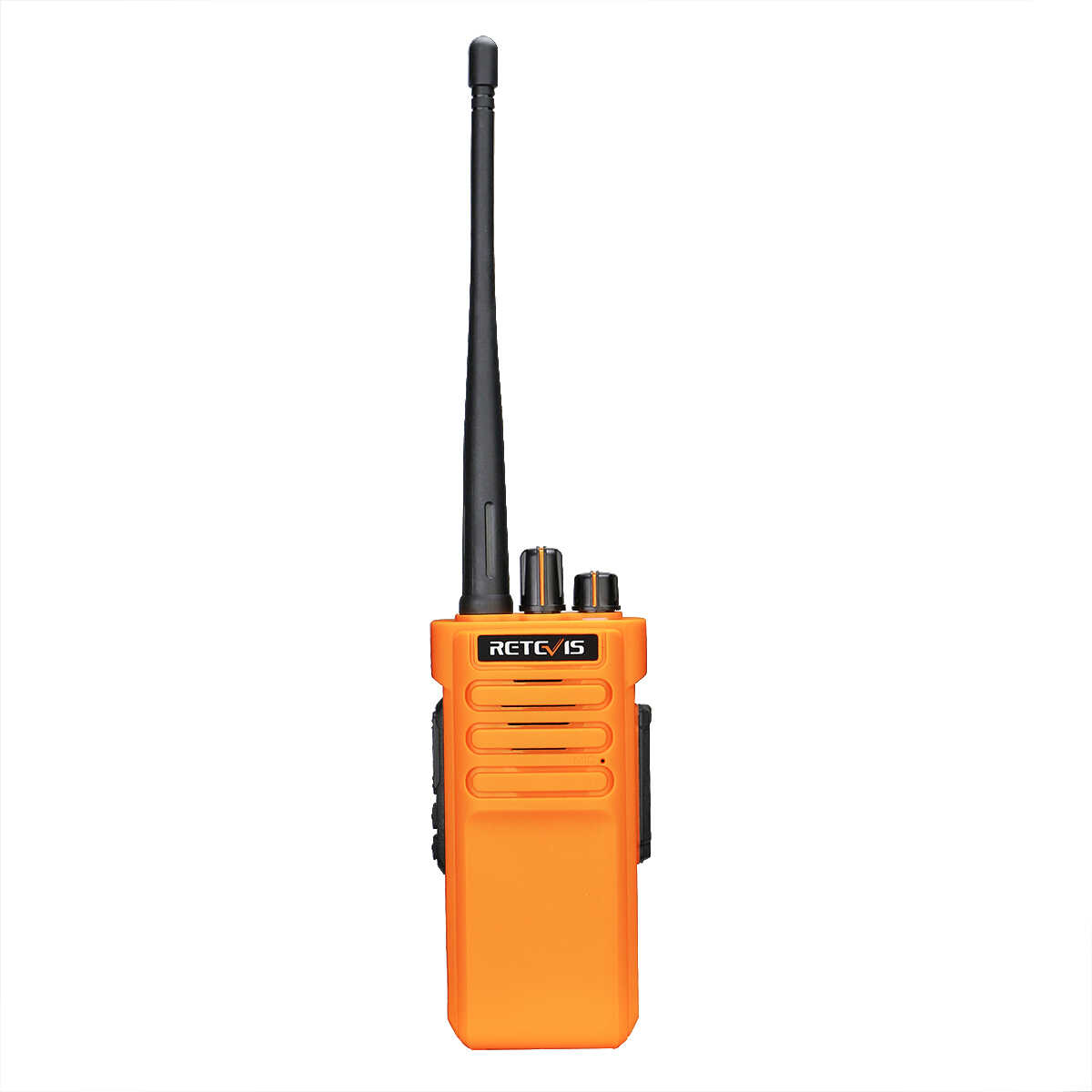
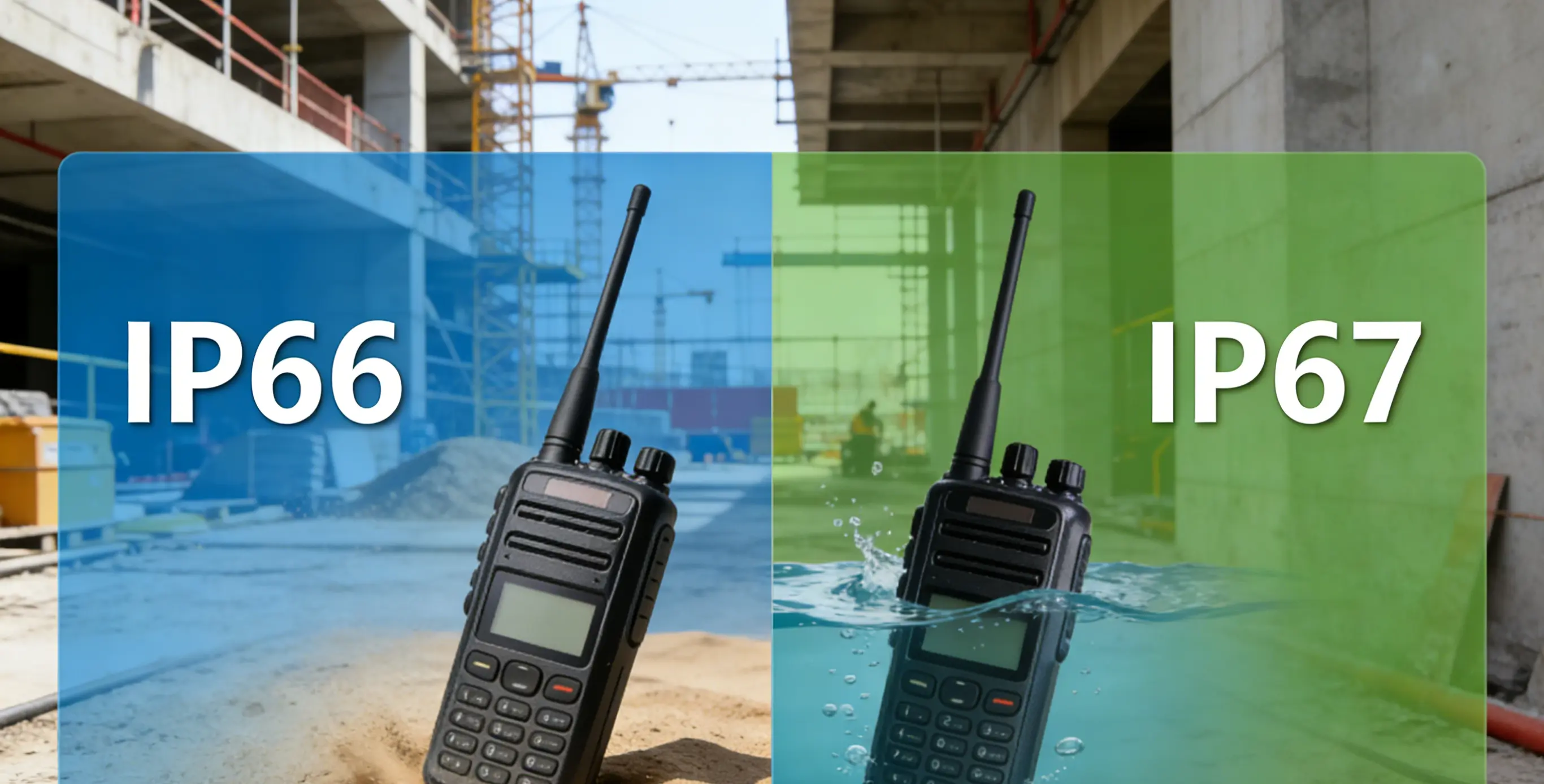
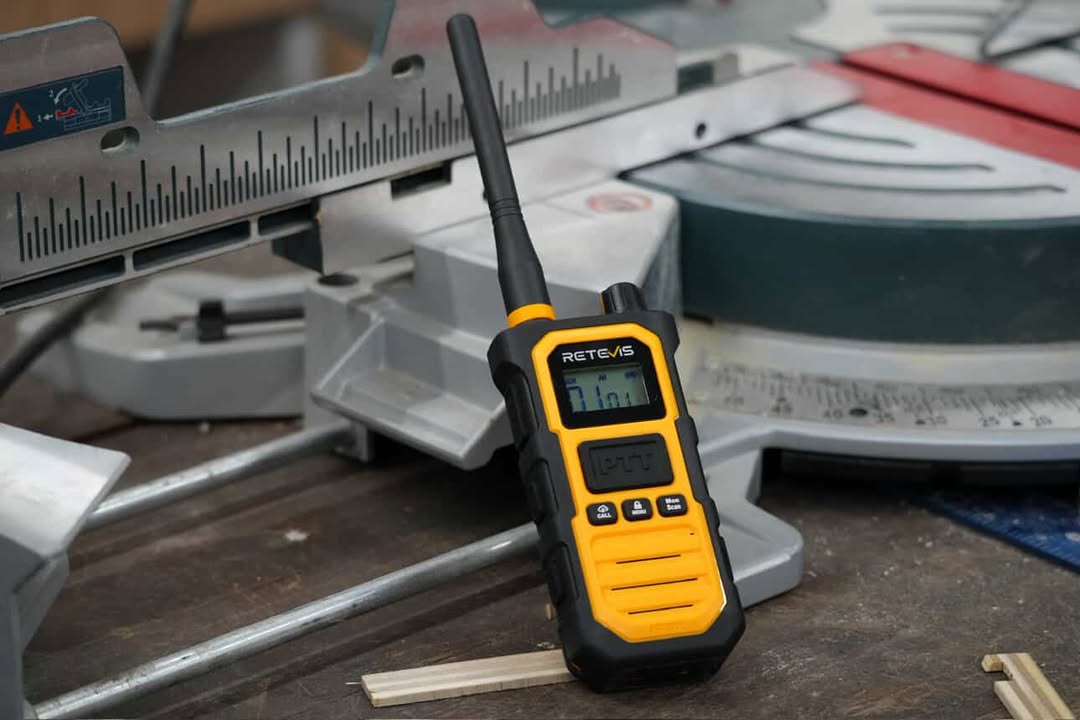
The base RB48 heavy duty walkie talkie serves as a dependable entry-level option for daily job site use. It runs on analog frequencies and needs no license to operate. It works straight out of the box. Its IP67 rating and MIL-STD-810H build stand up to dust, rain, and accidental drops.
This model fits small to mid-sized crews on low-rise buildings, flat warehouses, masonry work, and general commercial sites. Its 2W output covers most open yard layouts and delivers a rated penetration of 25 floors in standard concrete structures. It includes 22 channels for basic team grouping. Simple controls and large, glove-friendly PTT buttons let all workers use it with very little training.
The RB48 works as a dependable commercial walkie talkie for teams with simple communication needs and tight budgets. Performance drops noticeably in dense steel-frame sites and high-interference environments, where signal fade reduces usable vertical range. It does not perform as well on tall steel buildings, loud work sites, and large projects with multiple subcontractors.
RB48D: Upgraded Digital Performance for Demanding Industrial Work Site
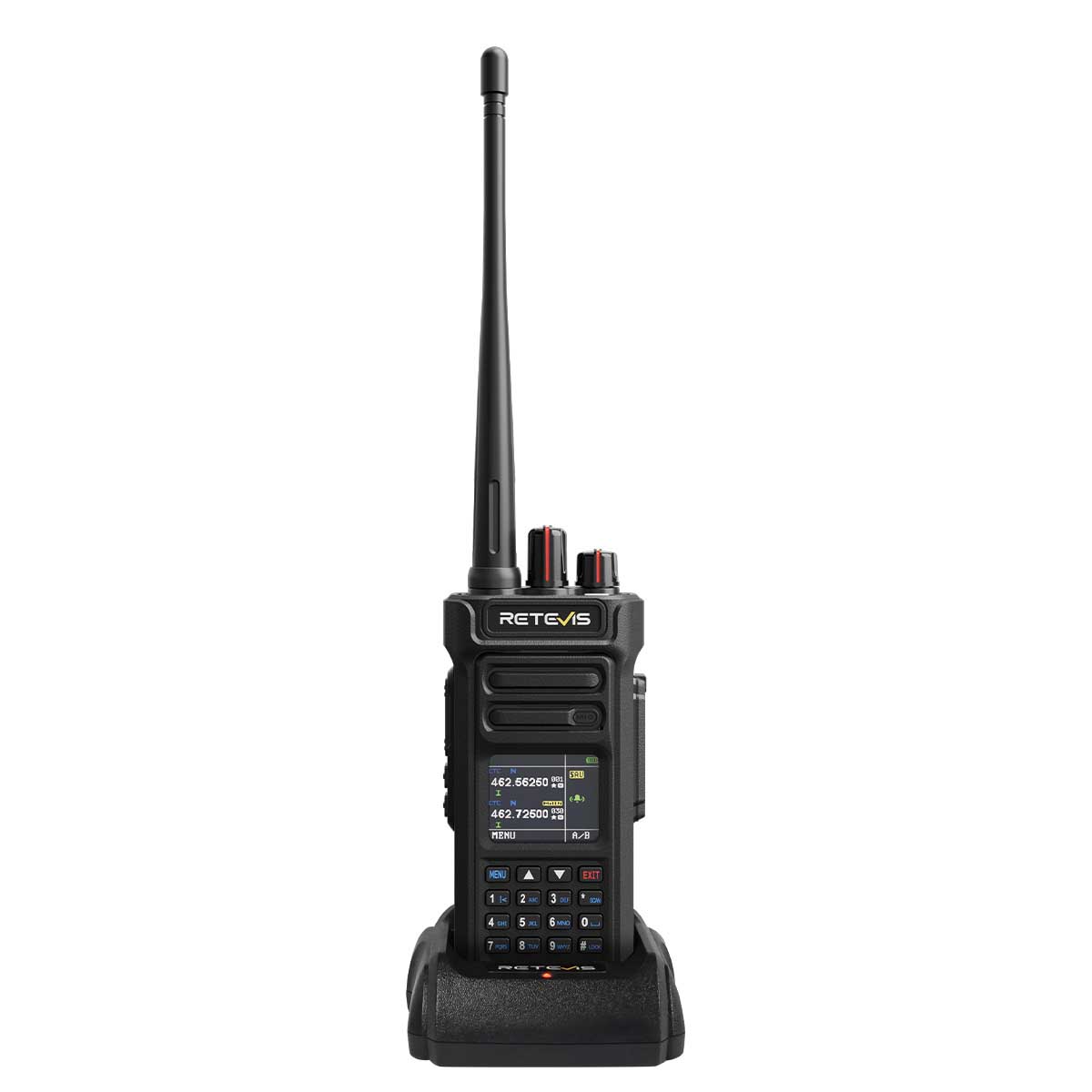
The RB48D DMR walkie talkie keeps the tough build of the RB48 line, and replaces analog technology with digital DMR technology. This upgrade brings clear performance improvements across four common high-demand work site scenarios.
High-Rise Building Construction Site: Steady Coverage From Ground to Top Floor
High-rise construction puts extra strain on radio systems. Radio signals lose strength fast when they move up through concrete floors, elevator shafts, and layered building materials.
The base RB48 construction walkie talkie carries a rated coverage of 25 floors in standard concrete buildings. In dense steel structures and high-interference job sites, analog signals degrade quickly. Usable vertical range drops sharply, and ground foremen lose direct contact with upper-floor crews. Teams have to pass messages floor by floor, which slows work and raises the risk of miscommunication.
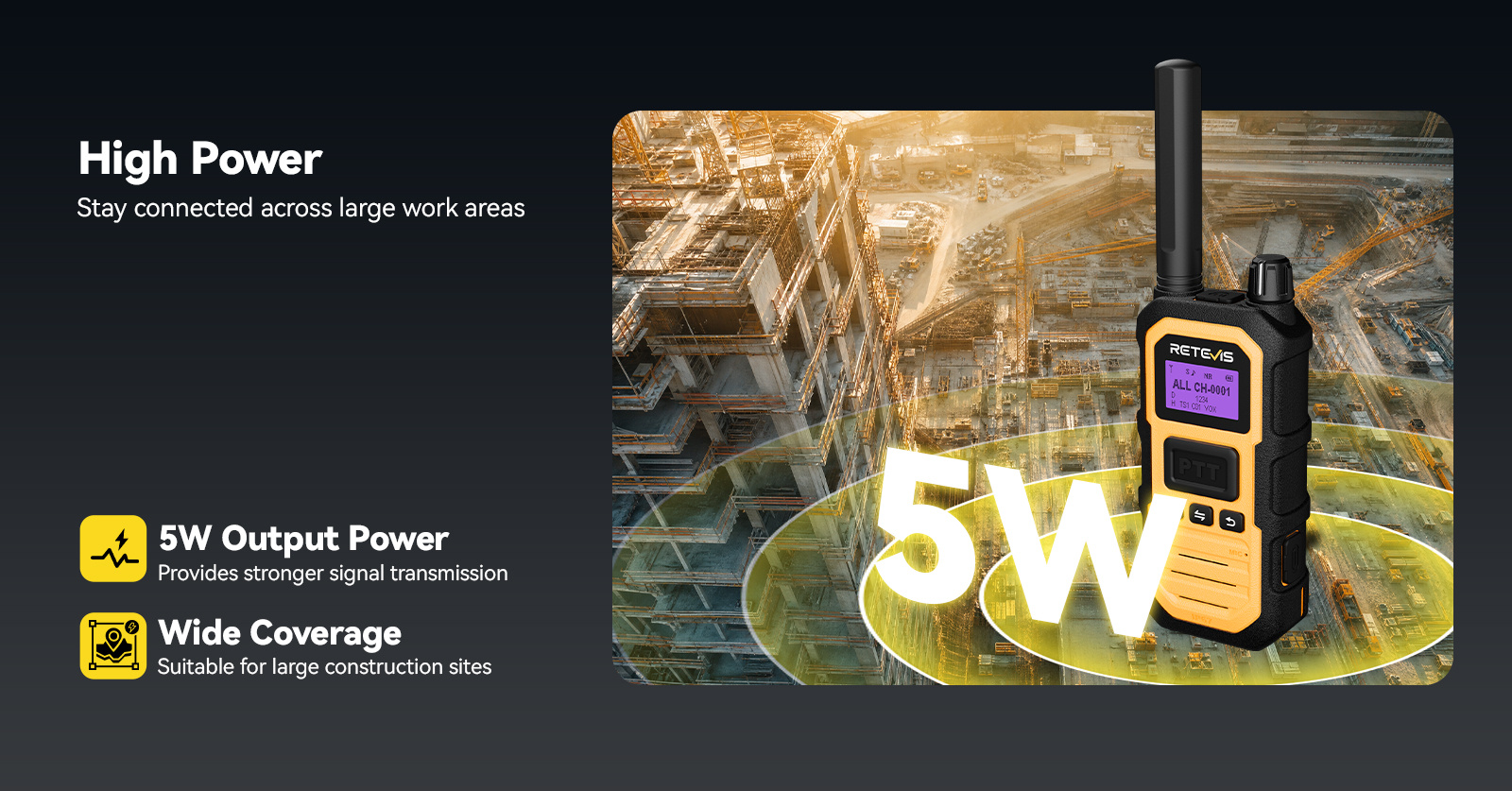
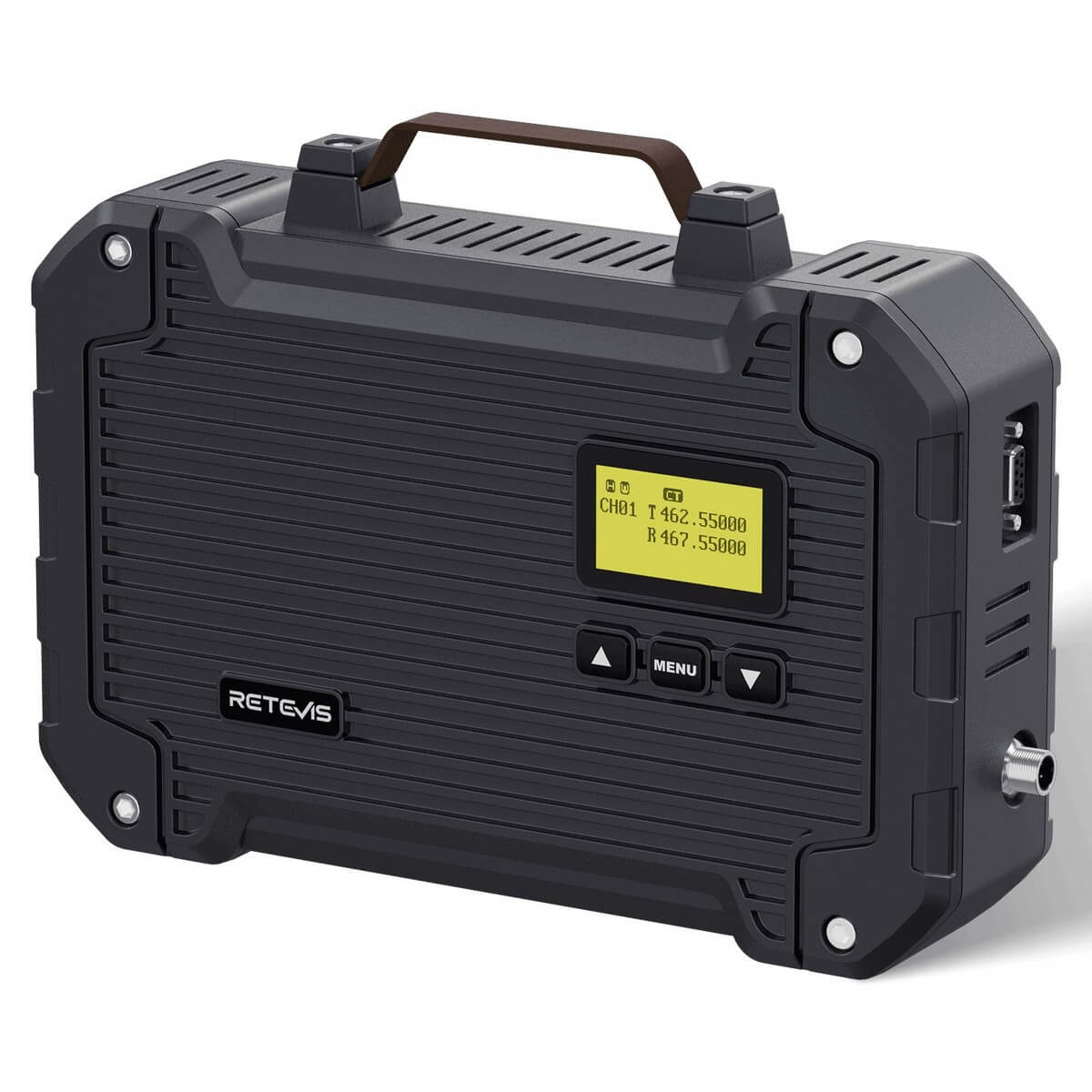
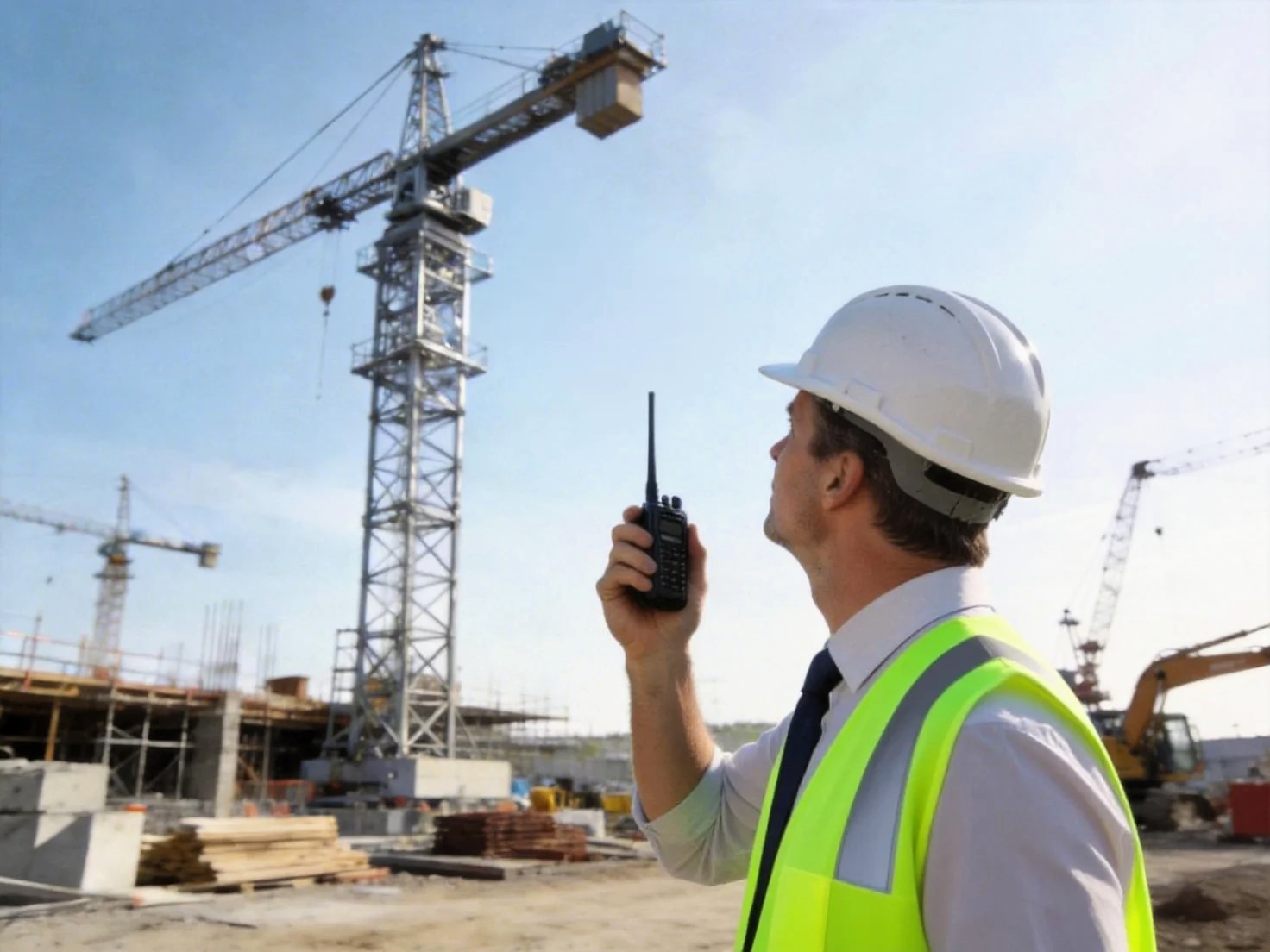
The RB48D construction radio fixes this with 5W output power and digital signal processing. Digital signals hold their quality much better than analog signals when passing through thick concrete and structural walls. The radio delivers reliable coverage across 25+ floors even in complex, high-interference environments. Ground crews, lifting teams, and upper-floor workers stay in direct contact, with no relay system required. For even taller towers, the radio works with standard DMR repeaters to extend coverage further. This makes it a top long range walkie talkie for construction sites focused on vertical building work. For teams focused on tall, complex projects, it ranks among the best walkie talkie for construction workers.
High-Altitude Welding Work Site: Clear Audio Above Constant Equipment Noise
Welders who work at height face two key communication challenges. First, equipment creates constant loud noise. Second, misheard instructions on scaffolding or steel beams can create safety risks.
Standard analog radios such as the base RB48 do not perform well in loud settings. Background noise from grinders, welding gear, and wind mixes into the audio. Workers have to repeat messages many times. On elevated work platforms, wasted time and misheard orders create direct safety hazards.
The RB48D walkie talkie for noisy environments uses digital audio processing to filter out background noise and focus on human speech. Welders and signalers hear clear, sharp voice audio even when heavy machinery runs nearby. Its high-output speaker cuts through wind and equipment noise without distortion. The radio also works with compatible headsets for hands-free use. For high-altitude work where every instruction counts, this clearer audio directly improves both safety and work speed.
Steel Structure Projects: Strong Signal Penetration Through Metal Framing
Steel-framed buildings and industrial steel sites create some of the toughest conditions for radios. Metal beams and panels reflect and block radio signals. This creates dead ares even over short distances.
On steel erection sites, analog construction radios often cut out completely when workers move behind thick beam groups. Crews inside steel wall sections cannot reach teams outside. Workers have to walk to open areas just to send updates, which slows progress.
As a digital walkie talkie for industrial use, the RB48D handles metal interference far better than analog models. DMR digital signals resist reflection and absorption from steel structures much more effectively. Workers inside steel framing, enclosed service cores, and metal-clad work areas keep steady contact with the rest of the site. Fewer dead zones mean fewer work stoppages and faster coordination between steel erection crews and ground support.
Large-Scale Construction Project Management: Organized Multi-Team Coordination
Large building projects include dozens of separate crews working at the same time. General contractors need separate communication lines for concrete teams, steel workers, electricians, safety staff, and management.
The base RB48 has 22 analog channels. This works for small teams, but runs out of space fast on large sites. With multiple subcontractors on site, channel crowding and cross-talk become regular problems. Important safety or scheduling messages get lost in busy talk channels.
The RB48D two-way radio for construction solves this with DMR two-slot technology. Each physical channel splits into two separate talk paths. This doubles the available channel capacity without extra frequencies. Project managers can set up dedicated talk groups for each trade, plus separate channels for safety alerts and site-wide announcements. Teams only hear messages related to their work. Critical instructions never get lost under unrelated chatter. This level of organized coordination makes the RB48D a professional walkie talkie for business and large-scale site management.
Shared Rugged Build, Different Levels of Reliability
Both the base RB48 and RB48D have IP67 waterproof and dustproof ratings. Both withstand 2-meter drops, support USB-C charging, and last a full shift on one battery charge. They both work well as walkie talkie for warehouse operations, radio communication for security teams, and general construction use.
The difference appears under tough conditions. Digital technology uses battery power more efficiently. The RB48D delivers more consistent performance through long shifts and overtime work. Digital signals also stay more stable through extreme temperature changes, from cold winter mornings to hot summer afternoons on exposed steel structures. For teams that work year-round in changing weather, this consistency means fewer radio issues and more dependable daily operation.
How to Choose the Right Radio for Your Team
The base RB48 fits small to mid-sized crews that work mostly on low-rise or standard concrete sites. It works well for teams that want license-free operation, simple setup, and low upfront cost. It serves as a solid construction site communication solution for residential builds, small commercial projects, warehouse operations, and basic security teams.
The RB48D walkie talkie fits work that involves high-rise buildings, steel structure projects, loud operations, or large multi-crew sites. The shift to DMR digital technology brings clearer audio, better vertical range in complex environments, stronger signal penetration through steel, and more flexible team management. These benefits directly reduce downtime, cut communication errors, and improve on-site safety. For teams that rely on constant, reliable radio contact to complete work, the RB48D delivers clear value across every shift.
Reliable communication is not an extra feature for industrial work. It is the foundation of both productivity and worker safety. Choosing a radio that matches the real demands of a worksite keeps teams connected from the first shift to project completion.



 Google
 Amazon
Comments
No data Yet