

Table of Contents
Why Construction Teams Still Rely on Two-Way Radios in 2026
- Posted by:Retevis
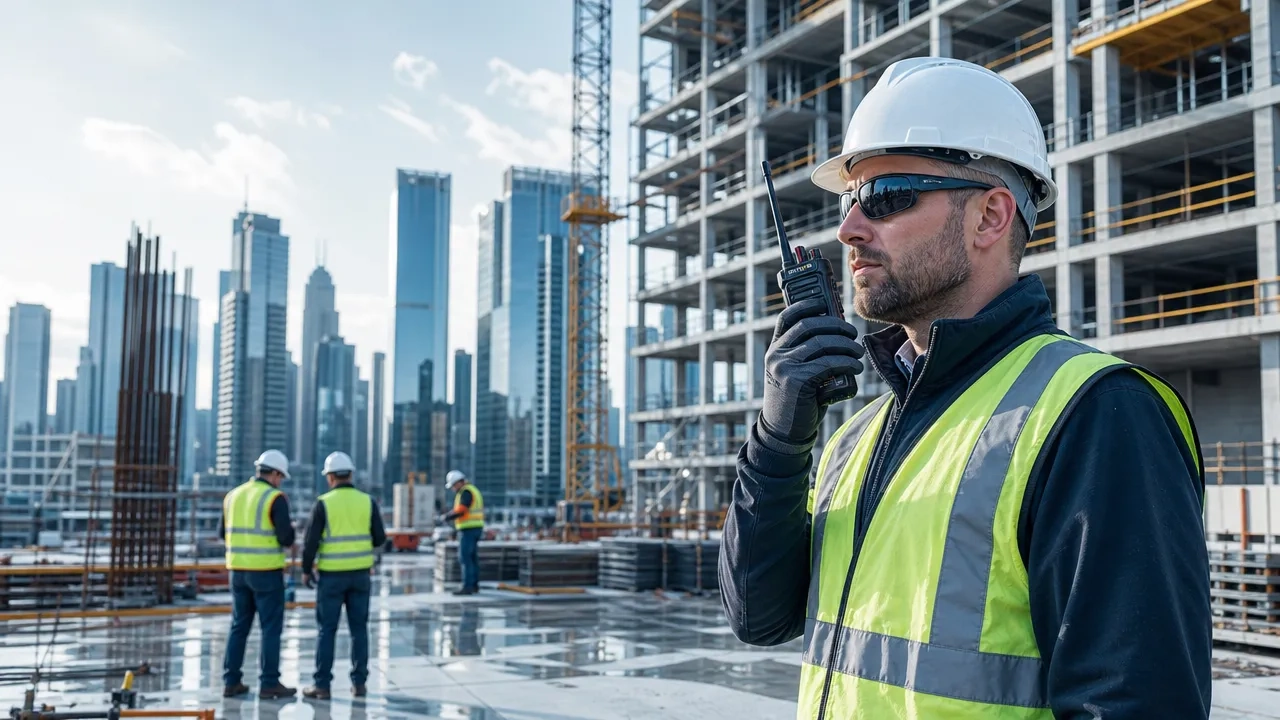
Two-Way Radios Are Still a Core Industrial Tool for Construction
The construction walkie talkie remains a ubiquitous tool on jobsites across the United States, Germany, and the United Kingdom. In an era of smartphones, 5G networks, and cloud-based project management software, this decades-old technology refuses to retire. The question is not whether these devices still have a place—but why they continue to outperform fancier alternatives on the job site.
North America dominates the global two-way radio market, capturing approximately 38.2% of total revenue valued at $4.48 billion in 2025, according to Dataintelo market research. Europe follows closely with roughly 30% of global market share, led by Germany, the UK, and France. These numbers tell a clear story: the construction radio is not a relic—it is a growing industry staple.
Consumer Smartphones vs. Industrial Two-Way Radios: Fundamental Differences
Critics often argue that smartphones can do everything a two-way radio for construction can do—and more. They point to video calls, document sharing, and GPS tracking as evidence. But this argument misses the fundamental difference between a consumer gadget and a purpose-built industrial tool. A smartphone is a Swiss Army knife; a commercial walkie talkie is a sledgehammer. Each excels at its own job, and on a construction site, you need the sledgehammer far more often.
Consider the reality of a typical workday. A foreman needs to alert twenty workers simultaneously about a pending concrete pour. Does he call each person individually? Does he send a group text and wait for replies? With a heavy-duty walkie-talkie, he presses one button and speaks. Everyone hears the message instantly. No dialing, no loading screens, no dropped calls. That is efficiency you cannot put a price on.
Workforce Structure: Why All Generations of Workers Prefer Construction Radios
Senior Construction Workers Prioritize Stable, Low-Threshold Tools
The construction workforce itself explains part of this persistence. Data from the Bureau of Labor Statistics show that the median age of construction workers is now 42, with nearly one in four workers aged 55 or older. These veterans know what works. They have watched fads come and go—from pagers to flip phones to early generation smartphones—and they trust tools that do not require a steep learning curve. A long-range walkie-talkie operates on muscle memory: press to talk, release to listen. No training manual required.
Young Digital Natives Recognize On-Site Practicality
Younger workers bring their own set of expectations. Gen Z now represents about 12.4% of the construction workforce, and they grew up with touchscreens and instant messaging. Yet even digital natives quickly recognize the value of dedicated job site communication. When you are standing on scaffolding thirty floors up, you do not want to fumble with a touchscreen while wind blows and machinery roars. You want a physical button you can find without looking.
Multilingual Workforces Benefit from Direct Voice Communication
Language diversity plays a role too. In the United States, Hispanic workers represent nearly 32% of the construction labor force, and foreign-born workers account for 28.4% of the total. When crews speak multiple languages, clear verbal communication becomes even more critical. A construction radio delivers voice directly and clearly, without the auto-correct errors and translation mishaps that plague text-based communication on job sites.
Core Industrial Advantages of Heavy-Duty Construction Walkie Talkies
Extreme Environmental Reliability & Durability
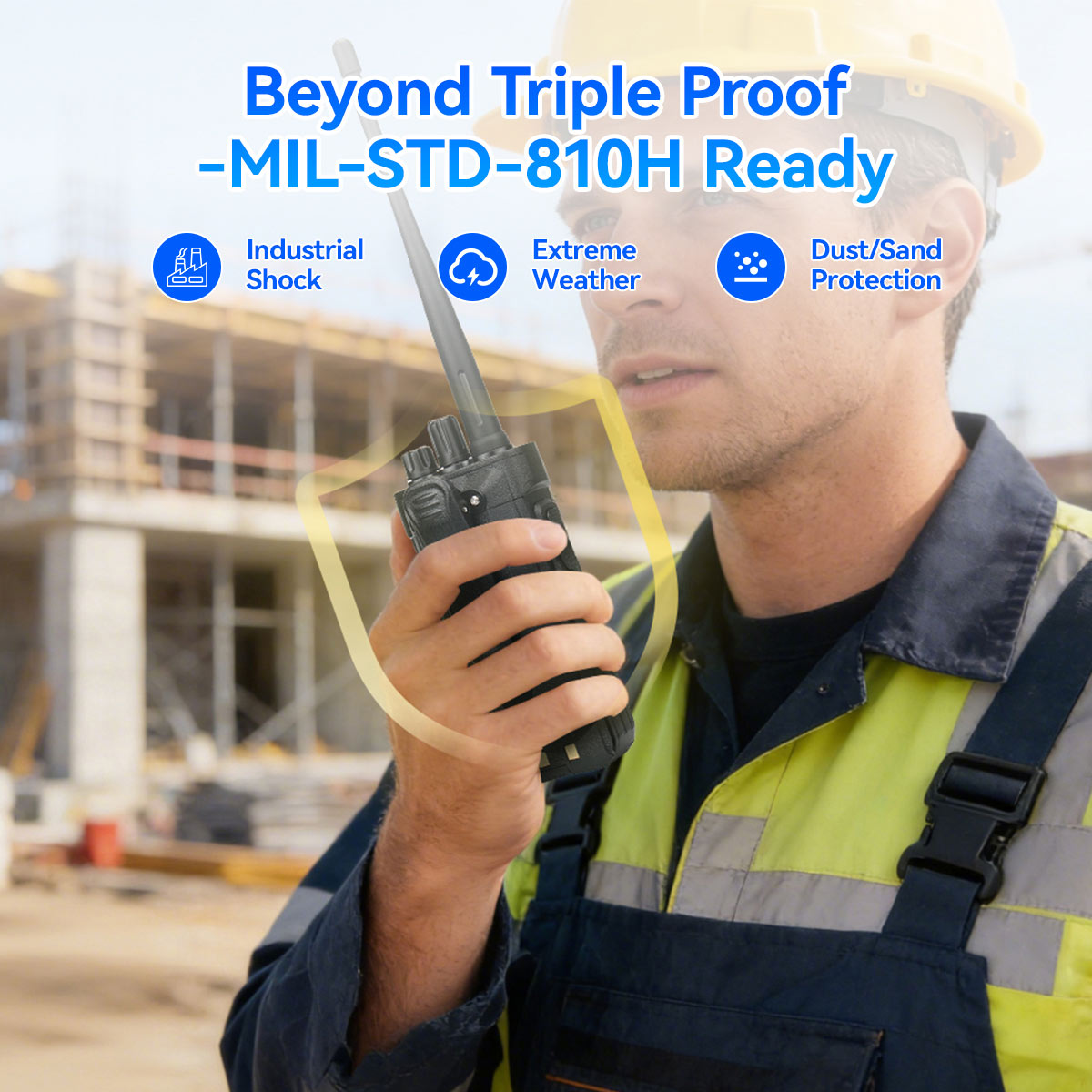
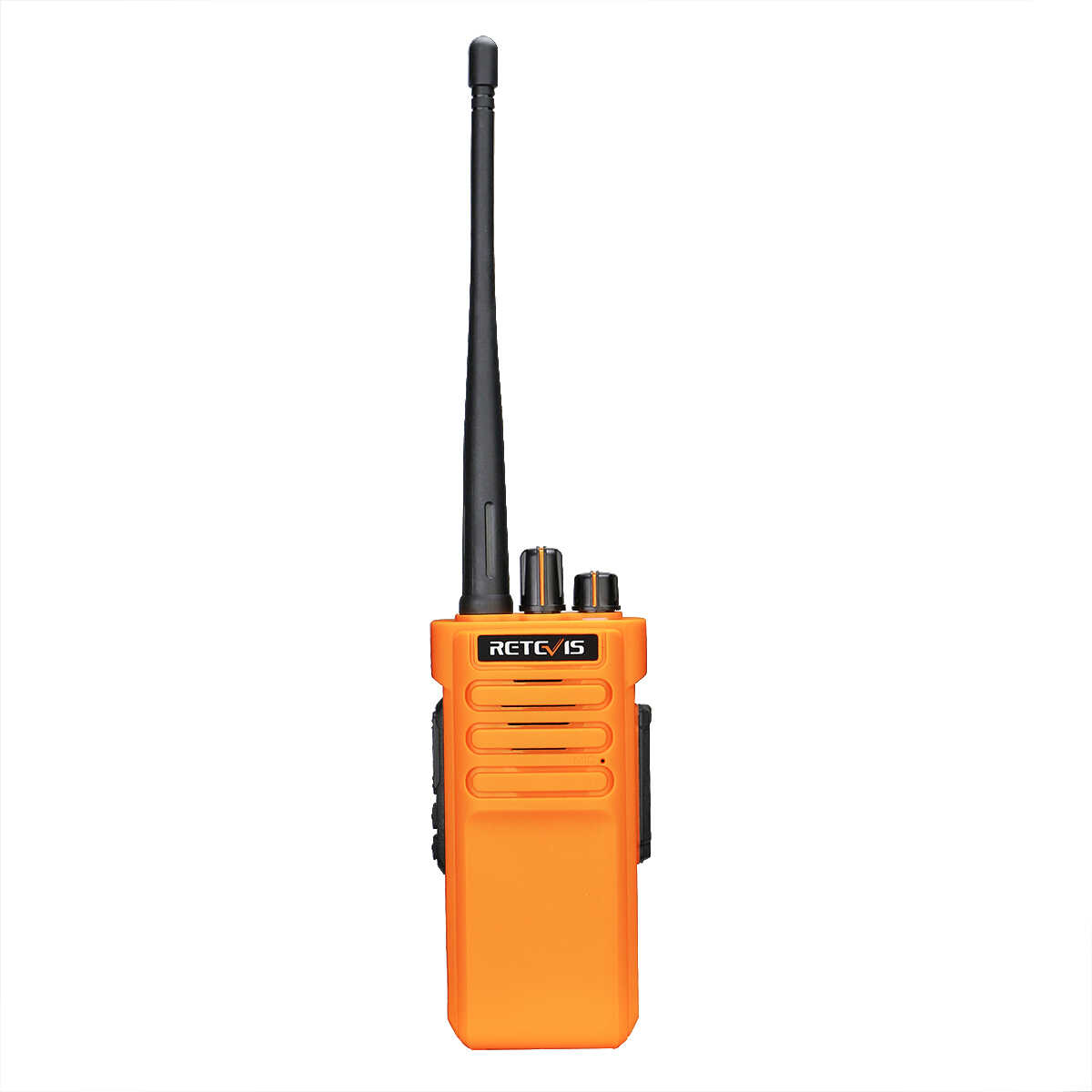
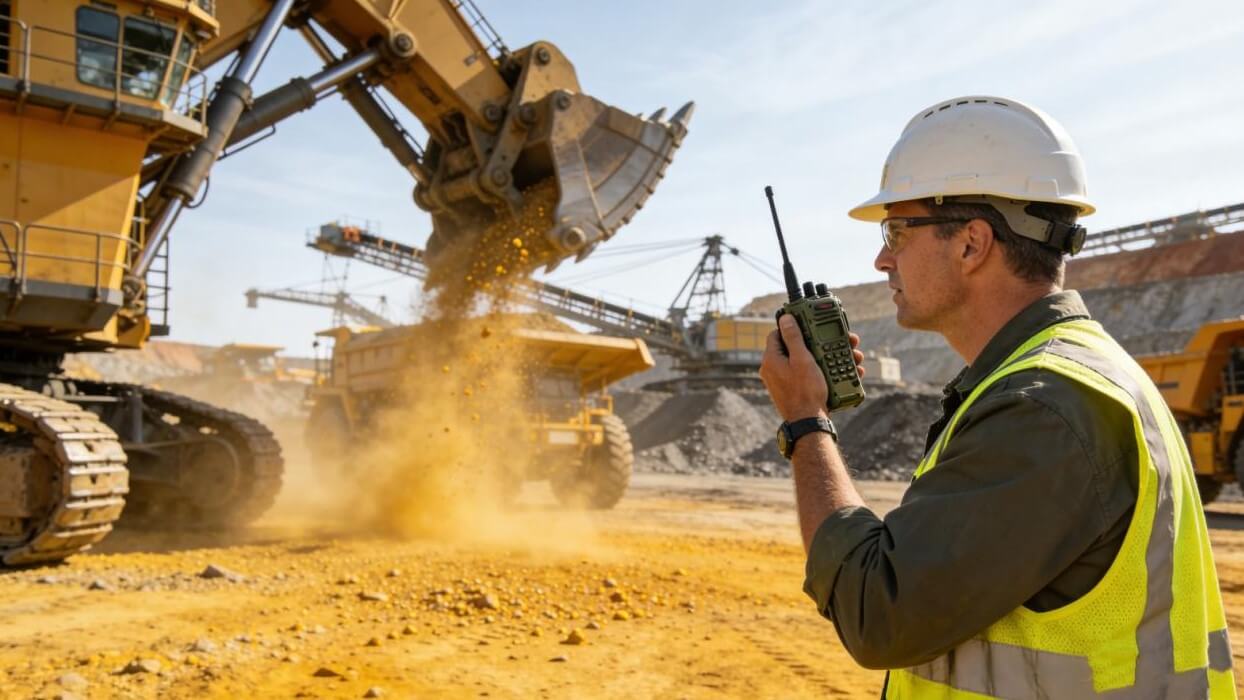
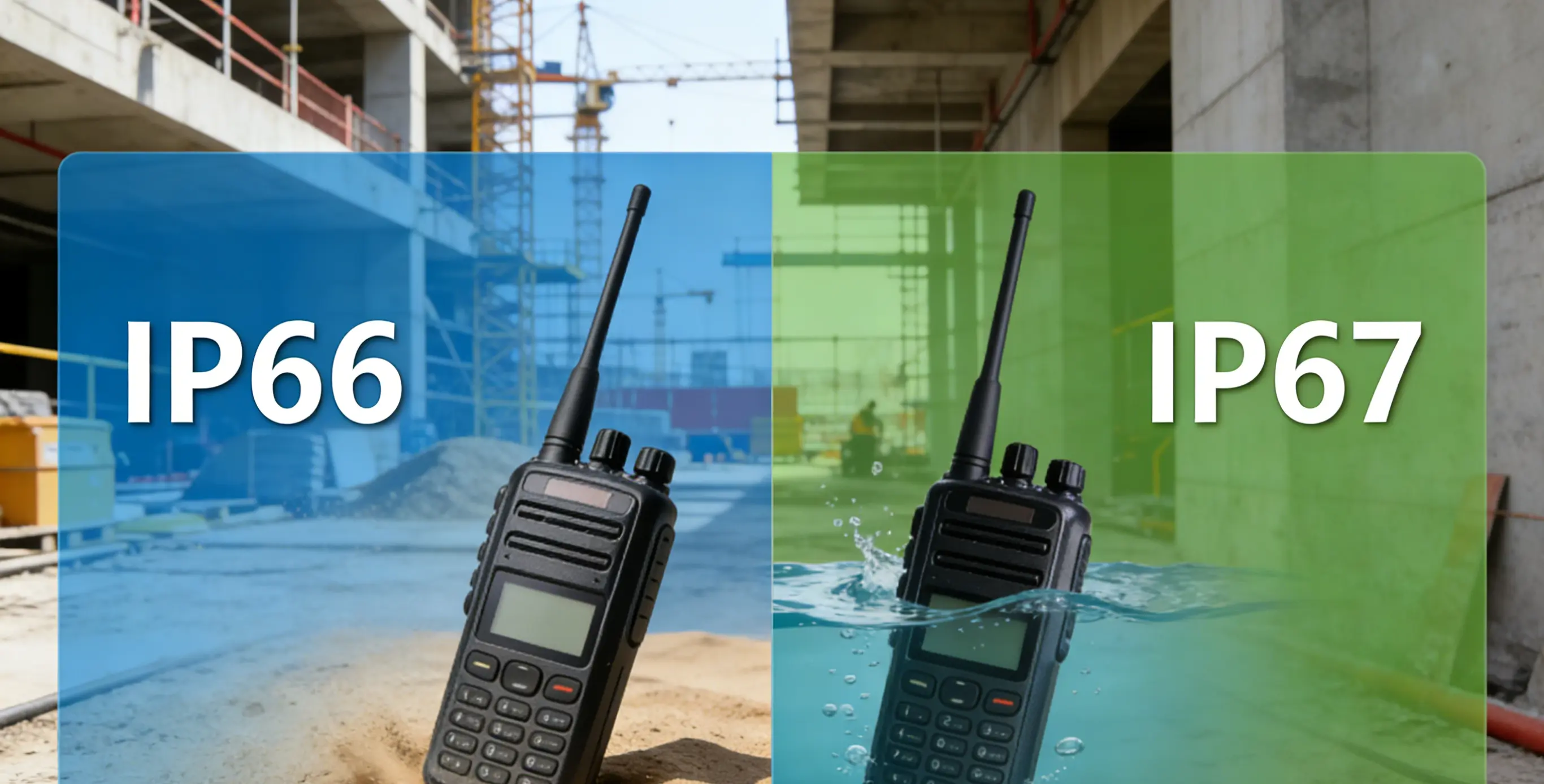
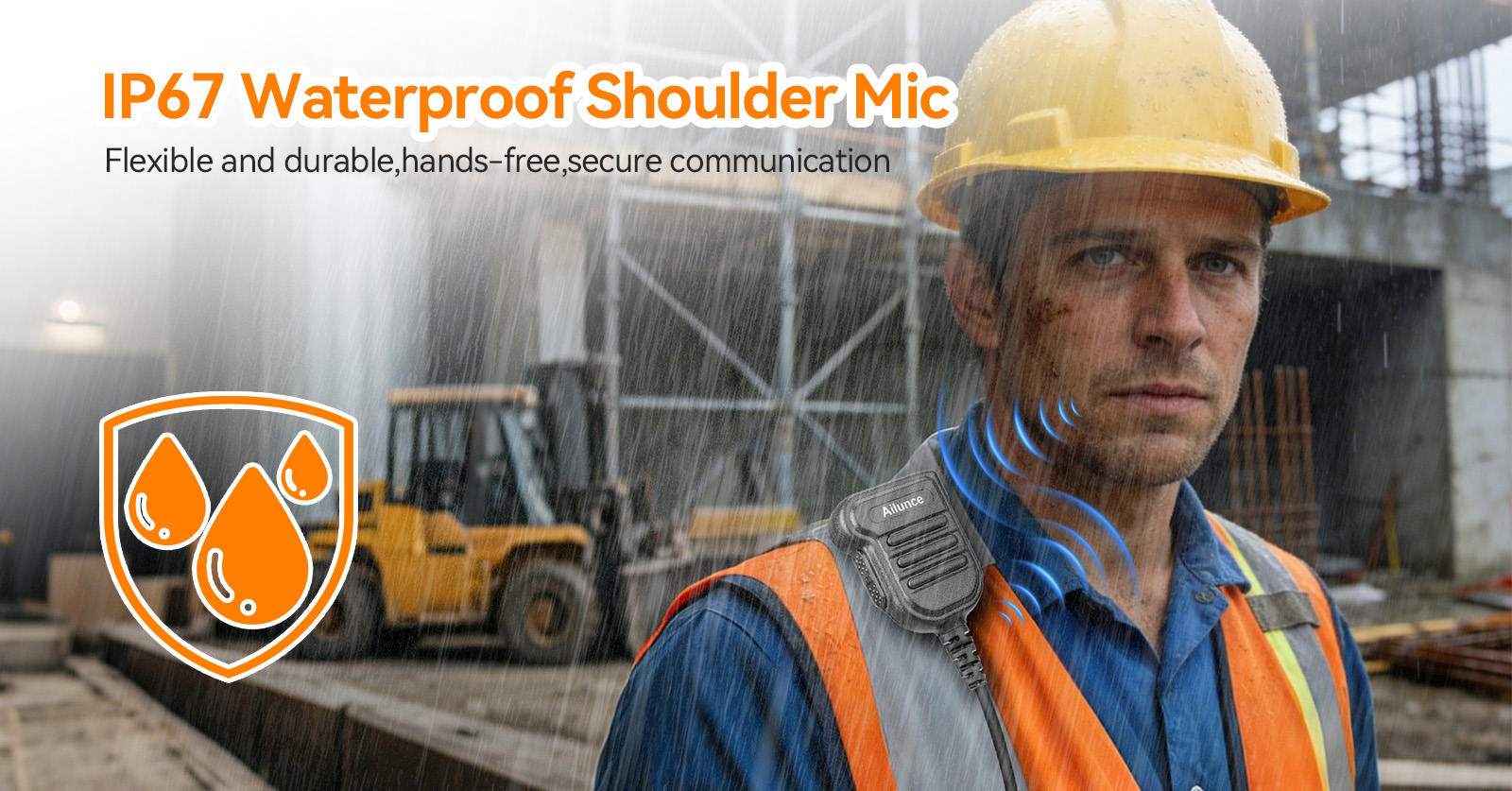
Reliability stands as the single biggest reason these devices endure. Construction sites are brutal environments. Dust clogs circuits. Rain seeps into cracks. Equipment gets dropped from scaffolding. Concrete splatters on everything. Consumer electronics crumble under these conditions. A heavy duty walkie talkie thrives in them. IP67-rated models withstand dust, water, and impact—they are built for the job, not for a desk.
Long-Lasting Battery for Full-Shift Operation
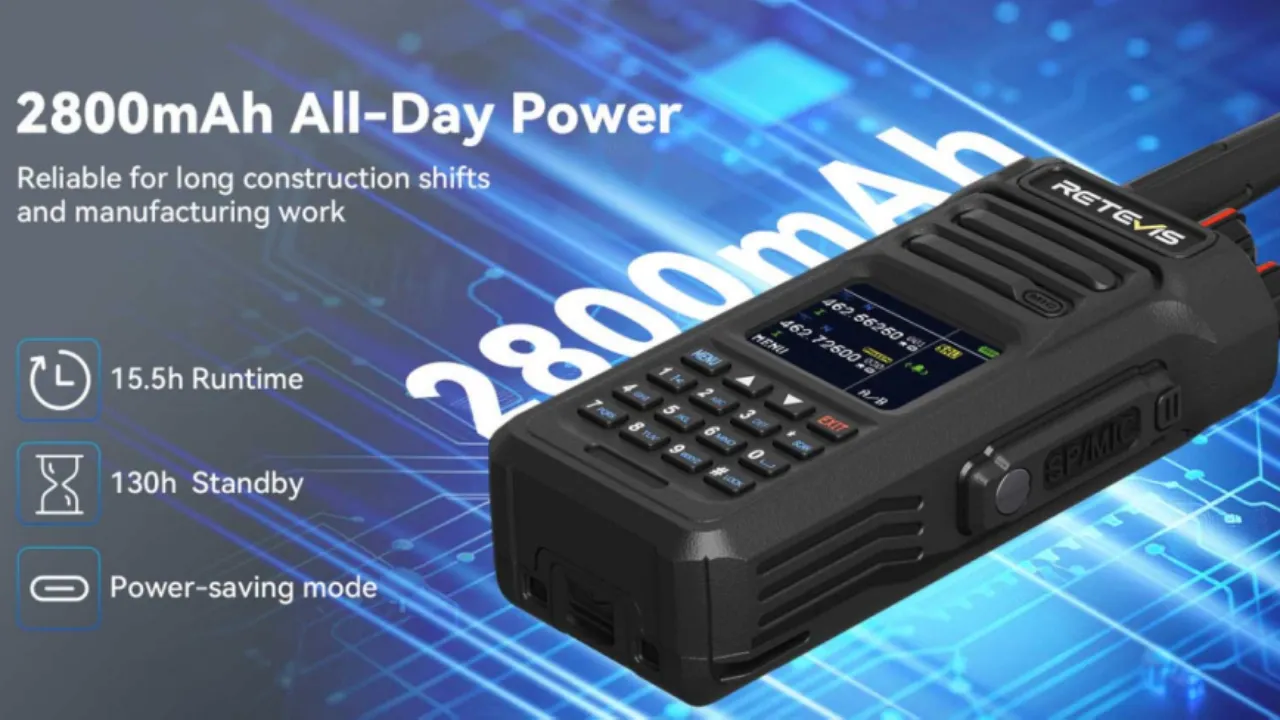
Battery life tells another part of the story. The average smartphone struggles to last a full workday with moderate use. A construction site is not moderate use. Workers spend 10-12 hours on site, often in remote locations with no access to charging. A quality long range walkie talkie delivers 12-16 hours of continuous use on a single charge, with standby times stretching into days. That is the difference between finishing the shift and being stranded with a dead device.
Significant Cost Savings for Construction Enterprises
Cost efficiency rounds out the case. A construction company might spend $1,000 per year per worker on cellphone plans—plus the cost of replacing broken phones. A two-way radio for construction requires no monthly fees, no data plans, no carrier contracts. Buy the devices once, and they work for years. For a crew of 50 workers, that is tens of thousands of dollars in annual savings. Money that goes straight to the bottom line.
Efficient One-to-Many Team Collaboration
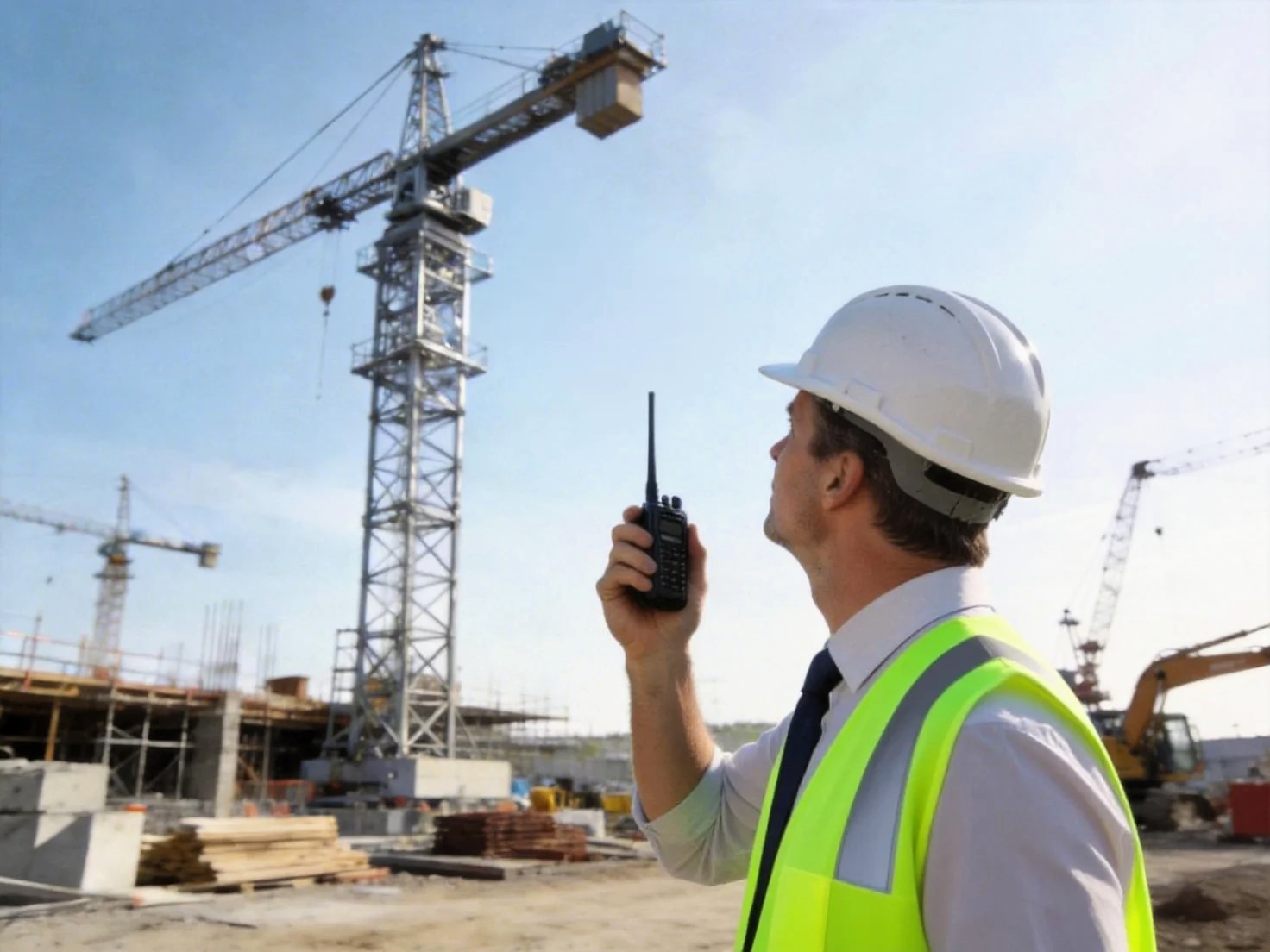
Team collaboration represents another compelling advantage. Construction is not a solo activity. It requires coordination across multiple trades, multiple shifts, and multiple locations. A commercial walkie talkie enables one-to-many communication with a single button press. A foreman can issue instructions to the entire crew simultaneously. A safety officer can broadcast a hazard alert to everyone on site. A crane operator can coordinate with signal persons and ground crews instantly. This group communication capability is not a nice-to-have feature—it is the foundation of how construction teams work.
Modern Upgrades & Regulatory Compliance of Construction Two-Way Radios
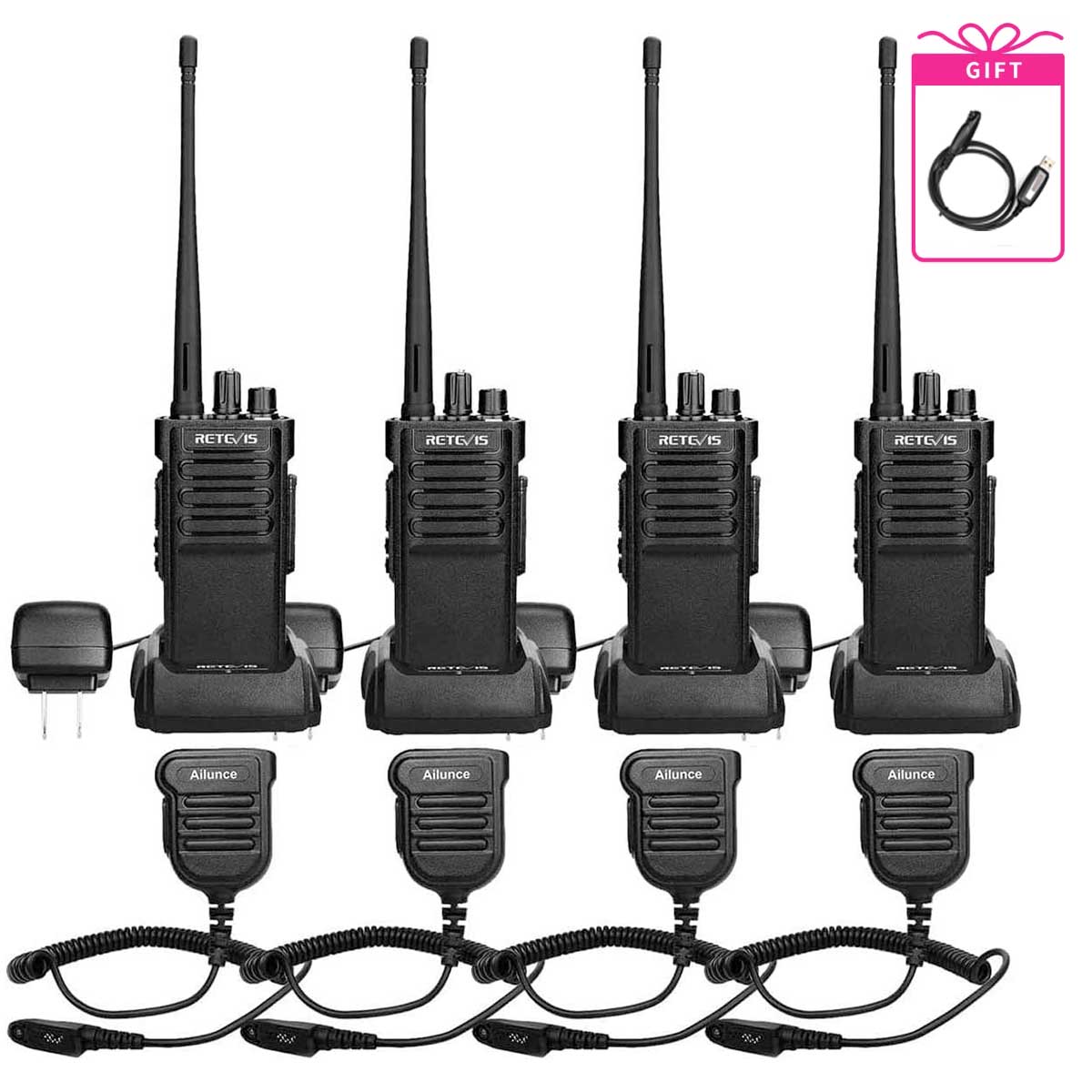
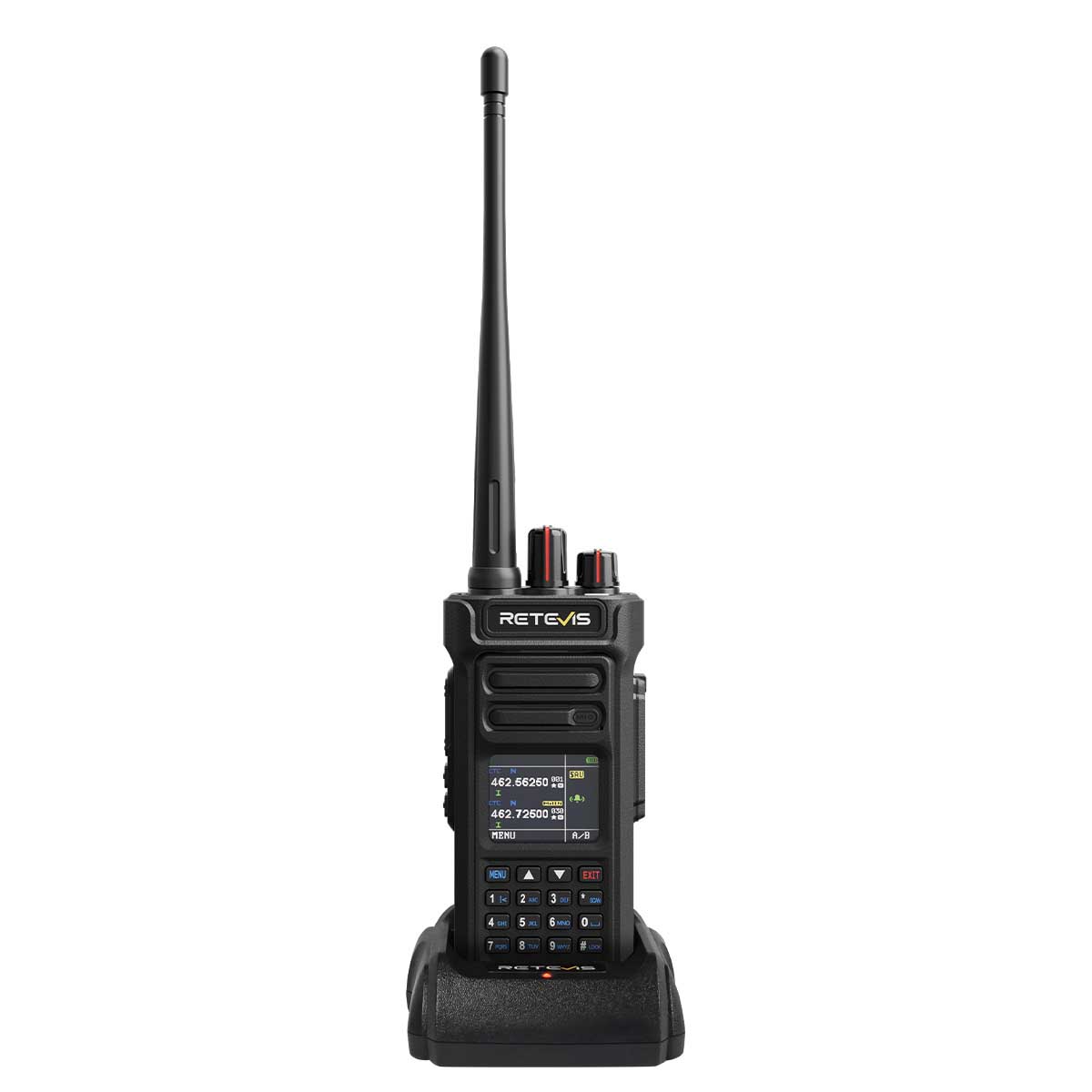
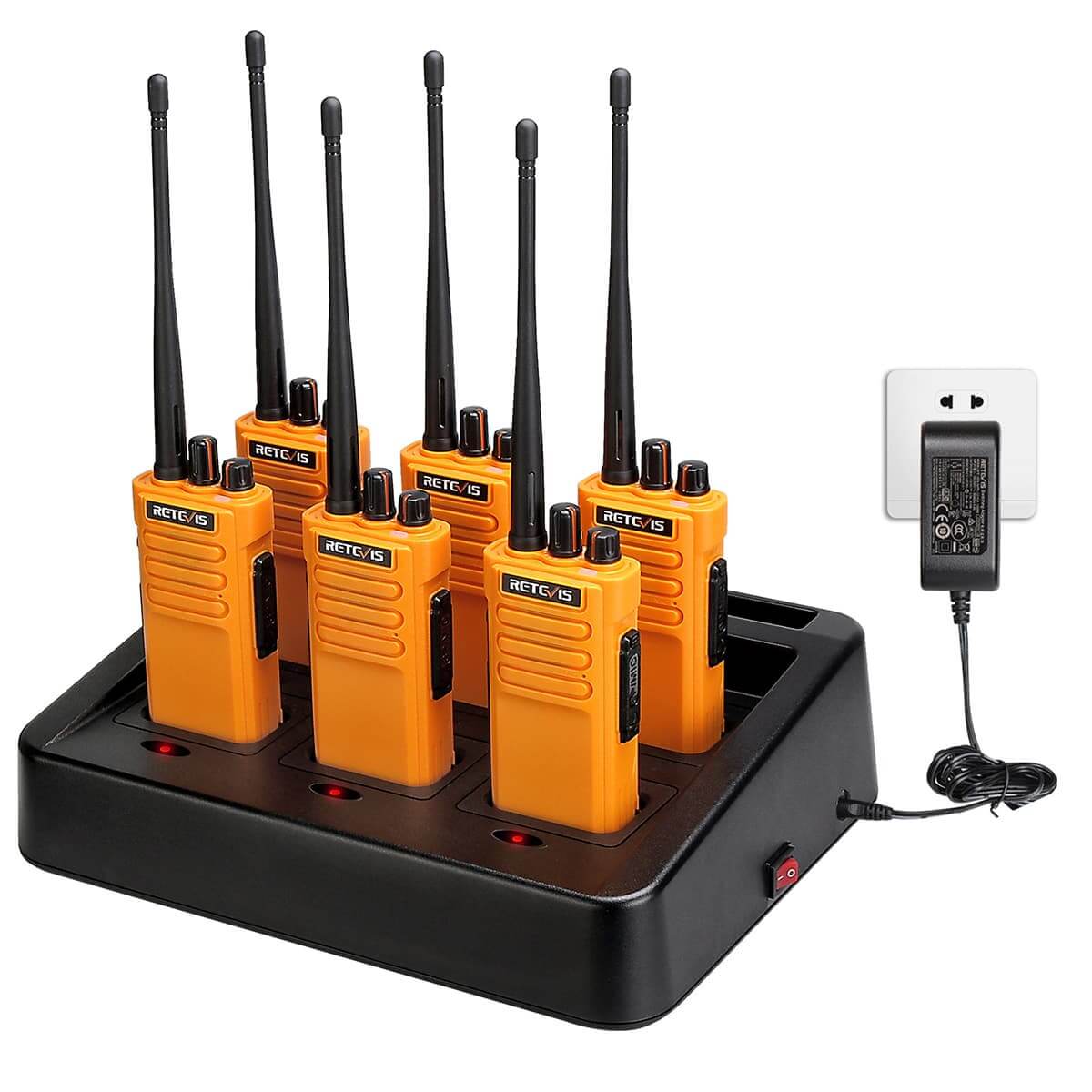
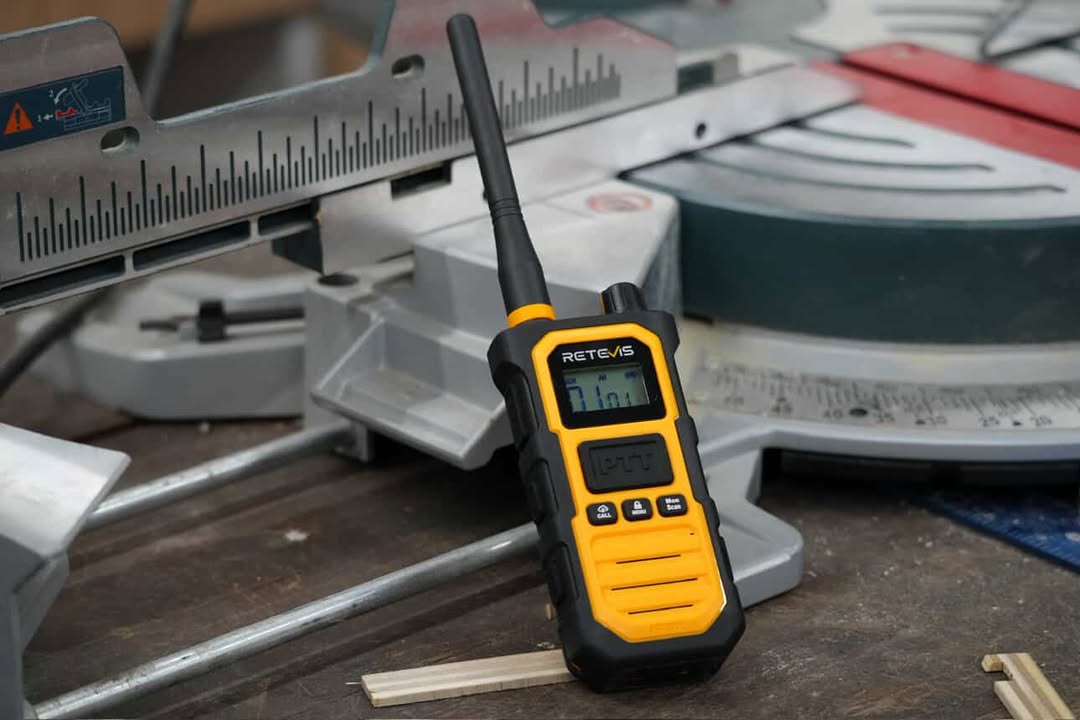
None of this means technology stands still. Modern construction walkie talkies have evolved significantly. Digital models offer clearer audio, better encryption, and advanced features like noise cancellation and GPS tracking. The Retevis RT29S for example, combines 10W of power with AI noise reduction and adjustable squelch levels, making it effective even in the loudest industrial environments. It is the same core concept—push to talk, instant communication—refined with modern engineering.
Conclusion: Two-Way Radios Remain the Backbone of 2026 Jobsite Communication
The construction industry moves slowly when it comes to technology adoption—and that is often a good thing. New tools must prove themselves before crews trust them with safety-critical communication. The construction radio has already passed that test, decade after decade, on millions of job sites around the world. It is not the flashiest tool in the toolbox. It is the most reliable.
Will smartphones and apps eventually replace two-way radios on construction sites? Maybe one day. But that day is not 2026, and it is not coming anytime soon. The gap between what consumer technology promises and what industrial reality demands remains too wide. Until that changes, the construction walkie-talkie will remain the backbone of job site communication—simple, rugged, and essential.
References
- Gen Z Construction Workers Hit 12% of the Workforce - BuilderMuse
- How Diverse Is the Construction Workforce? - NAHB
- OSHA Construction Signs, Signals, and Barricades - OSHA Education Center
- The Hidden Costs of Poor Communication in Construction - BuilderComs



 Google
 Amazon
Comments
No data Yet