Workplace safety is becoming increasingly connected.
As industrial environments become more automated, distributed, and data-driven, safety management is moving beyond traditional inspections and protective equipment. Organizations are adopting technologies that can identify hazards earlier, monitor working conditions in real time, and help safety teams respond faster.
This shift will be visible at the 2026 NSC Safety Congress & Expo, where more than 1,000 exhibiting companies and over 130 educational opportunities will bring together safety and health professionals to explore new technologies, products, and practices.
Among the technologies attracting attention are AI, industrial wearables, location monitoring, proximity sensors, digital safety management systems, and other connected safety technologies. The broader direction is clear: workplace safety is becoming more real-time and technology-enabled.
But there is one basic capability behind almost every real-time safety process:
Information must reach the right people at the right time.
That is where industrial communication becomes more than a productivity tool. Reliable, real-time communication can become an important connection layer between frontline workers, supervisors, safety teams, and operations.
Traditional workplace safety has often focused on prevention through procedures, training, inspections, and protective equipment. These remain fundamental, but modern safety technology is adding another layer: real-time awareness and response.
The National Safety Council's 2026 technology outlook highlights technologies that can help organizations identify high-risk conditions earlier, monitor hazards in real time, intervene sooner, and make faster safety decisions.
This represents an important change in how technology supports safety.
Instead of:
Incident → Report → Investigation → Corrective Action
More connected safety systems aim to support:
Risk Detection → Communication → Coordination → Response
Communication sits directly in the middle of this process.
A sensor may detect an unsafe condition. A wearable may identify a worker's location. A supervisor may notice a change in operations. But these signals only become useful for frontline action when the relevant people can receive and respond to the information.
This is why real-time communication deserves a place in the broader conversation about industrial safety technology.

Industrial environments are rarely static.
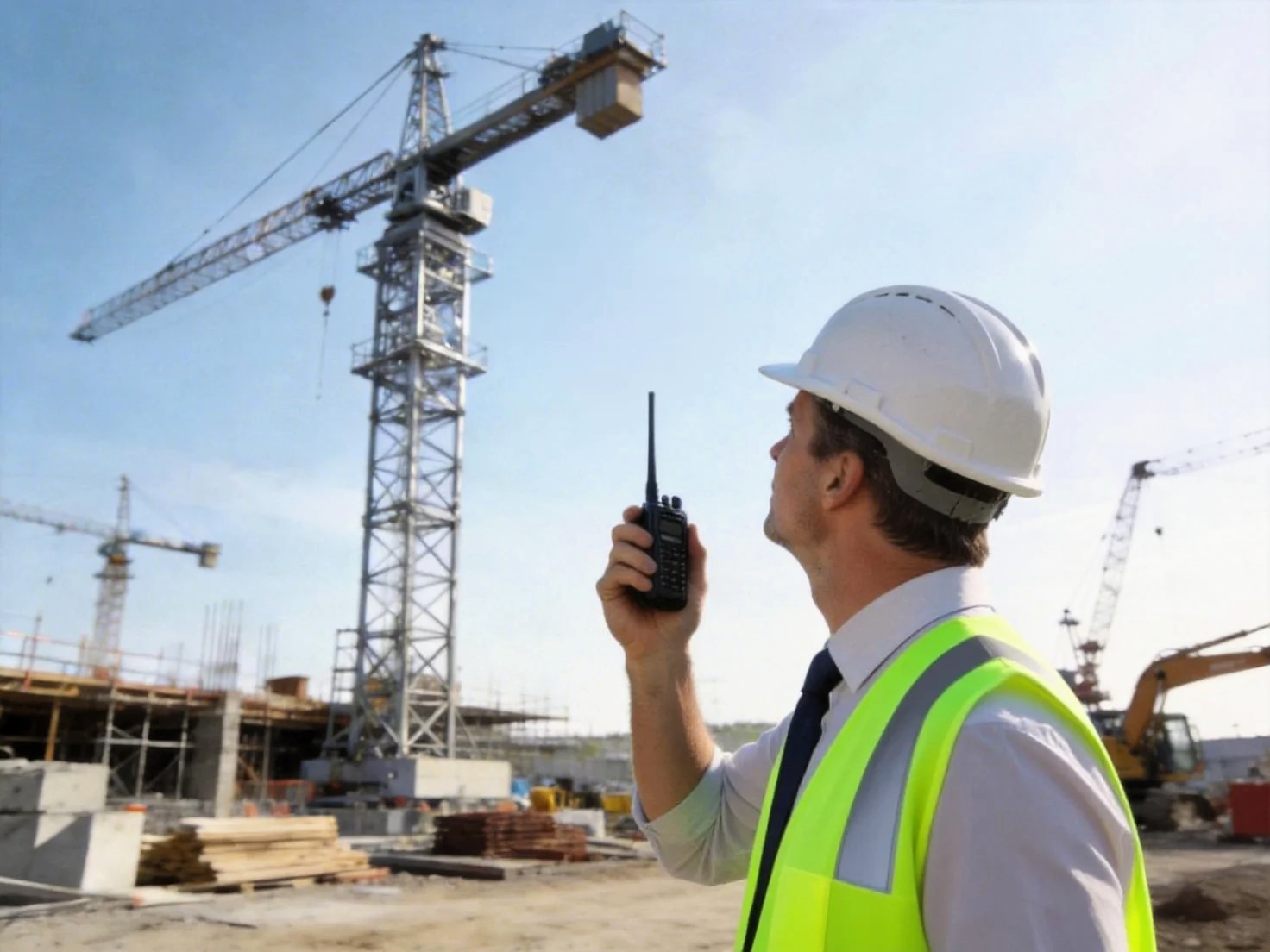
A manufacturing plant may have multiple production areas operating simultaneously. A warehouse may have workers, forklifts, and other vehicles moving through shared spaces. Construction sites can change throughout the day as teams, equipment, and work zones move.
In these environments, safety information cannot always wait for a scheduled meeting, a radio call from a control room, or a face-to-face conversation.
Workers may need to know that:
l A production area has changed
l A vehicle is approaching
l Maintenance work is starting
l A route is temporarily closed
l A piece of equipment requires attention
l A team needs to move to another area
l A safety condition requires immediate awareness
The value of communication is therefore not simply that people can talk. It is that information can move with the operation.
Noise is one of the most obvious barriers to workplace communication.
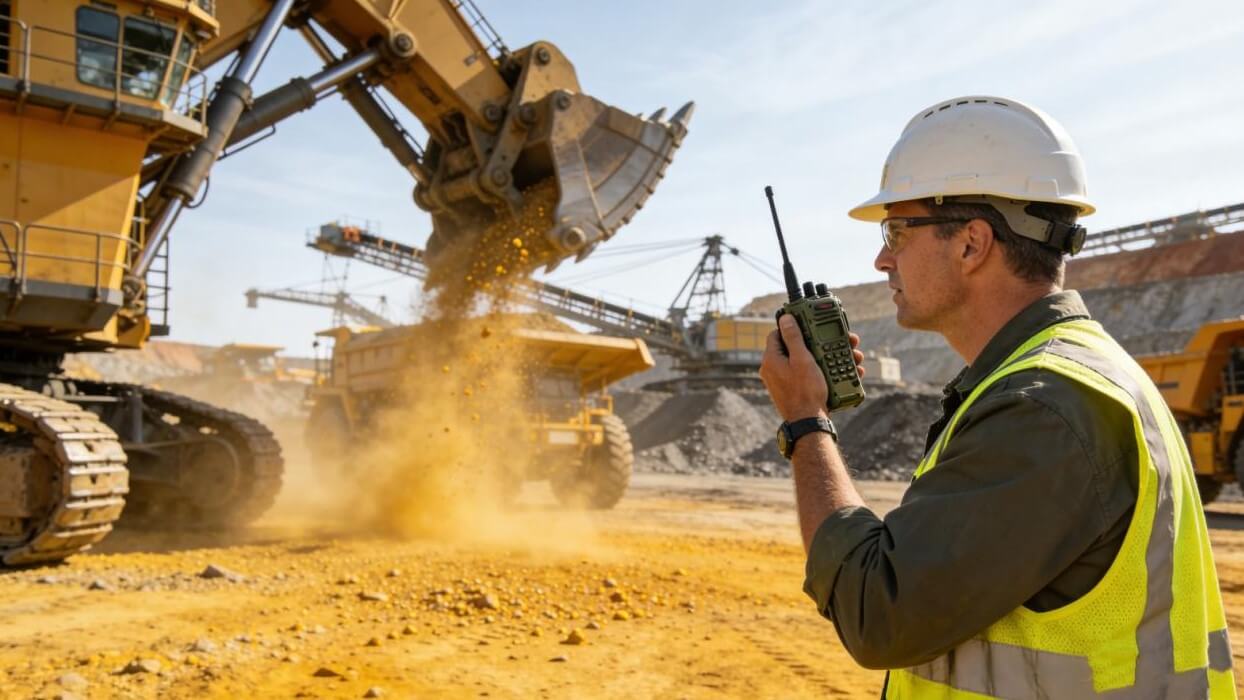
Manufacturing plants, warehouses, construction sites, logistics facilities, and other industrial environments can involve machinery, vehicles, tools, and continuous operational noise. In these conditions, verbal communication between workers may become difficult, particularly when people are separated by distance or physical barriers.
A communication system can provide a more consistent way to exchange information without requiring workers to remain within speaking distance.
This is especially important for safety-related messages.
A worker who needs to warn a colleague about a changing condition should not have to walk across a busy work area simply to deliver the message. Likewise, supervisors should be able to communicate with distributed teams without repeatedly leaving their own work locations.
Real-time communication does not eliminate the underlying hazard, but it can help people coordinate around changing conditions more efficiently.
Modern industrial operations often involve multiple teams performing different tasks at the same time.
A production supervisor may coordinate with operators. A warehouse manager may need to communicate with forklift drivers. Maintenance teams may work across several areas while safety personnel monitor site conditions.
Without a common communication channel, information can become fragmented.
One team knows about a change while another does not. A message is passed from person to person. A supervisor has to locate someone physically before communicating an instruction.
Two-way radio communication addresses a simple but important problem:
How can distributed workers stay connected while continuing their jobs?
A dedicated communication system gives teams a shared channel for operational and safety communication, reducing reliance on face-to-face communication when workers are spread across a facility.
This is particularly relevant as safety management becomes more connected. NSC's safety technology resources now cover technologies such as location geofencing, lone-worker monitoring, proximity sensors, downed-worker devices, and work-zone intrusion detection.
Many of these technologies generate information about what is happening around workers.
Communication helps turn that information into human coordination.
Safety is not only about detecting a problem. It is also about what happens next.
Consider a changing worksite.
A vehicle route needs to be adjusted. A maintenance team needs to stop work temporarily. A supervisor notices an unexpected condition. A worker needs assistance from another team.
In each case, the effectiveness of the response depends partly on how quickly information reaches the people who need it.
This is where two-way communication becomes particularly valuable.
A one-way alert can tell workers what is happening.
A two-way communication system can also allow workers to respond.
That creates a simple loop:
Notify → Acknowledge → Coordinate → Act
The ability to communicate in both directions can be especially useful when conditions change quickly and a supervisor needs feedback from the people actually working in the area.
Real-time communication should not be viewed in isolation from other safety technologies.
In fact, one of the more interesting trends heading into NSC 2026 is the increasing convergence between communication, sensing, wearables, and digital safety platforms.
For example, NSC's technology resources include industrial wearables that can monitor location, fatigue, posture, and environmental conditions, as well as technologies for proximity detection and lone-worker monitoring.
Some solutions are already combining several capabilities into a single connected device. At the 2026 NSC Safety Congress & Expo, for example, Blackline Safety's G8 is presented as a connected safety wearable combining gas detection, lone-worker functionality, radio communication, cloud connectivity, and real-time hazard information.
This illustrates an important direction in workplace safety technology:
Detection and communication are increasingly being designed to work together.
Sensors can detect. Software can analyze. Wearables can monitor.
But people still need to communicate, coordinate, and make decisions.
As communication becomes part of a broader safety strategy, choosing a radio should involve more than range or basic voice transmission.
Industrial teams should consider four practical questions.
Equipment needs to remain usable in noisy and active industrial environments.
The communication system should match the size and layout of the workplace and the way teams actually operate.
Hands-free accessories and practical controls can make communication easier during active work.
Communication technology should complement established safety protocols, training, supervision, and emergency procedures rather than attempt to replace them.
This last point is particularly important. NSC emphasizes that safety technology is not a standalone solution; effective implementation also depends on worker involvement, clear communication, training, and alignment with actual workplace risks.
The right technology is therefore not necessarily the most advanced technology.
It is the technology that addresses the real communication gaps in a specific workplace.

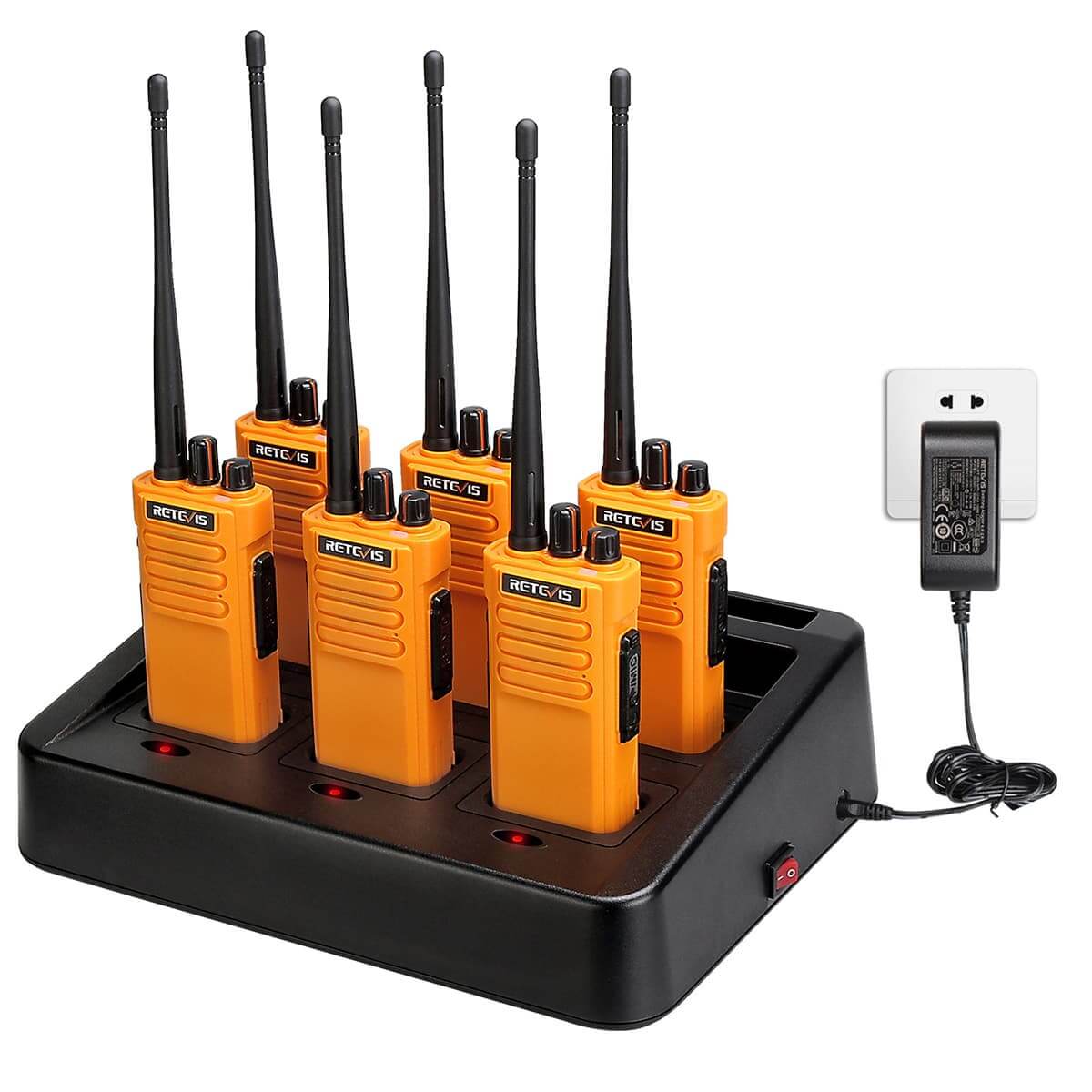
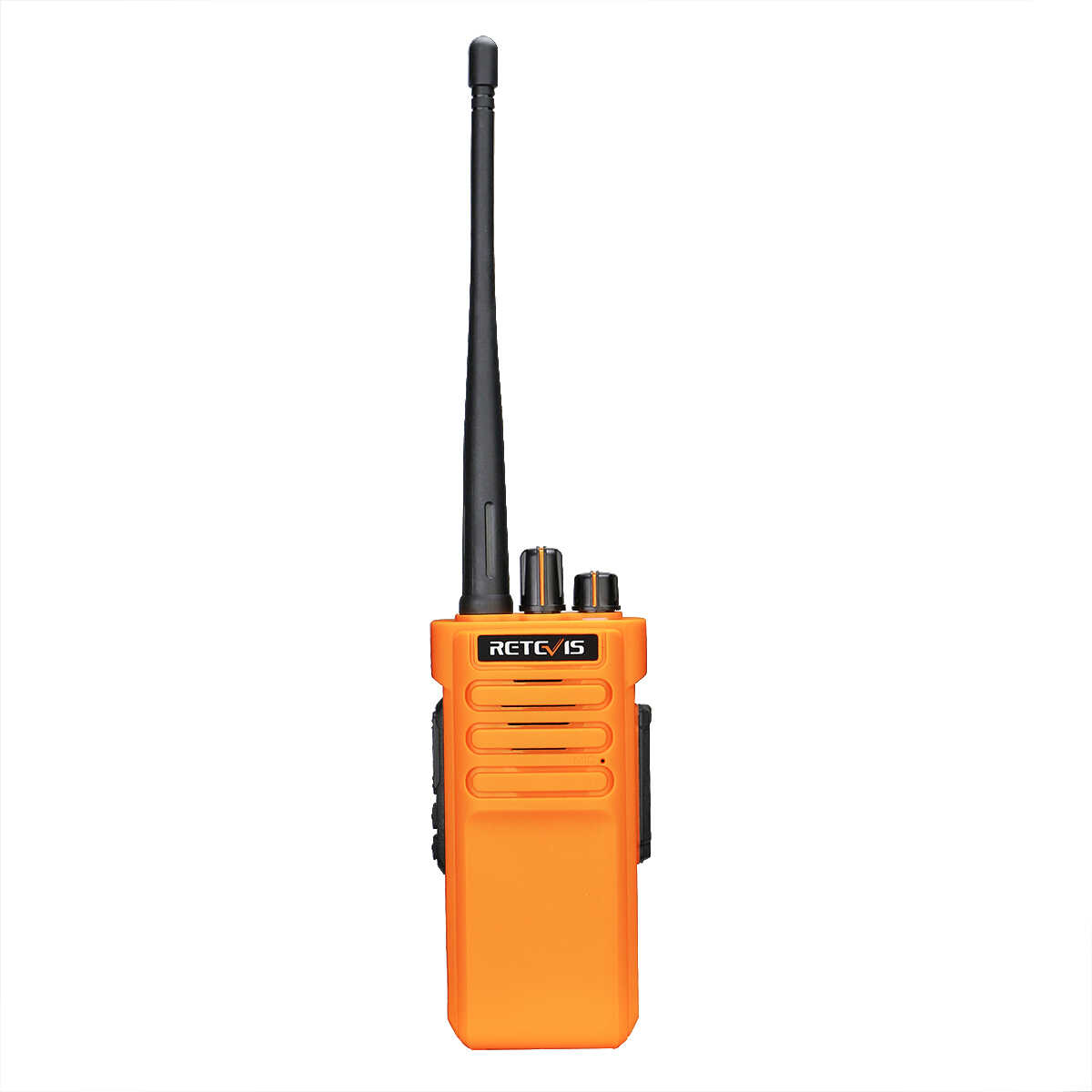
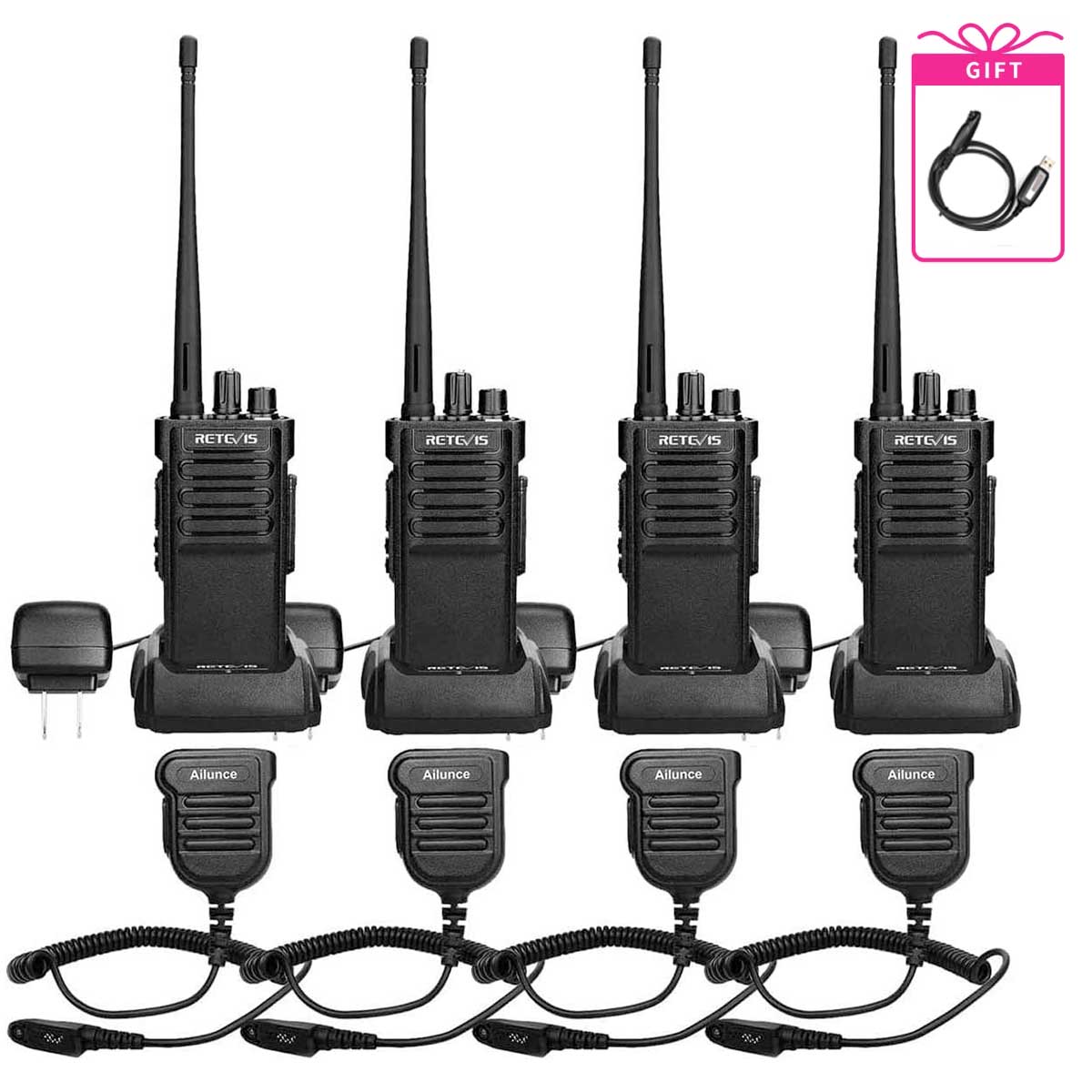
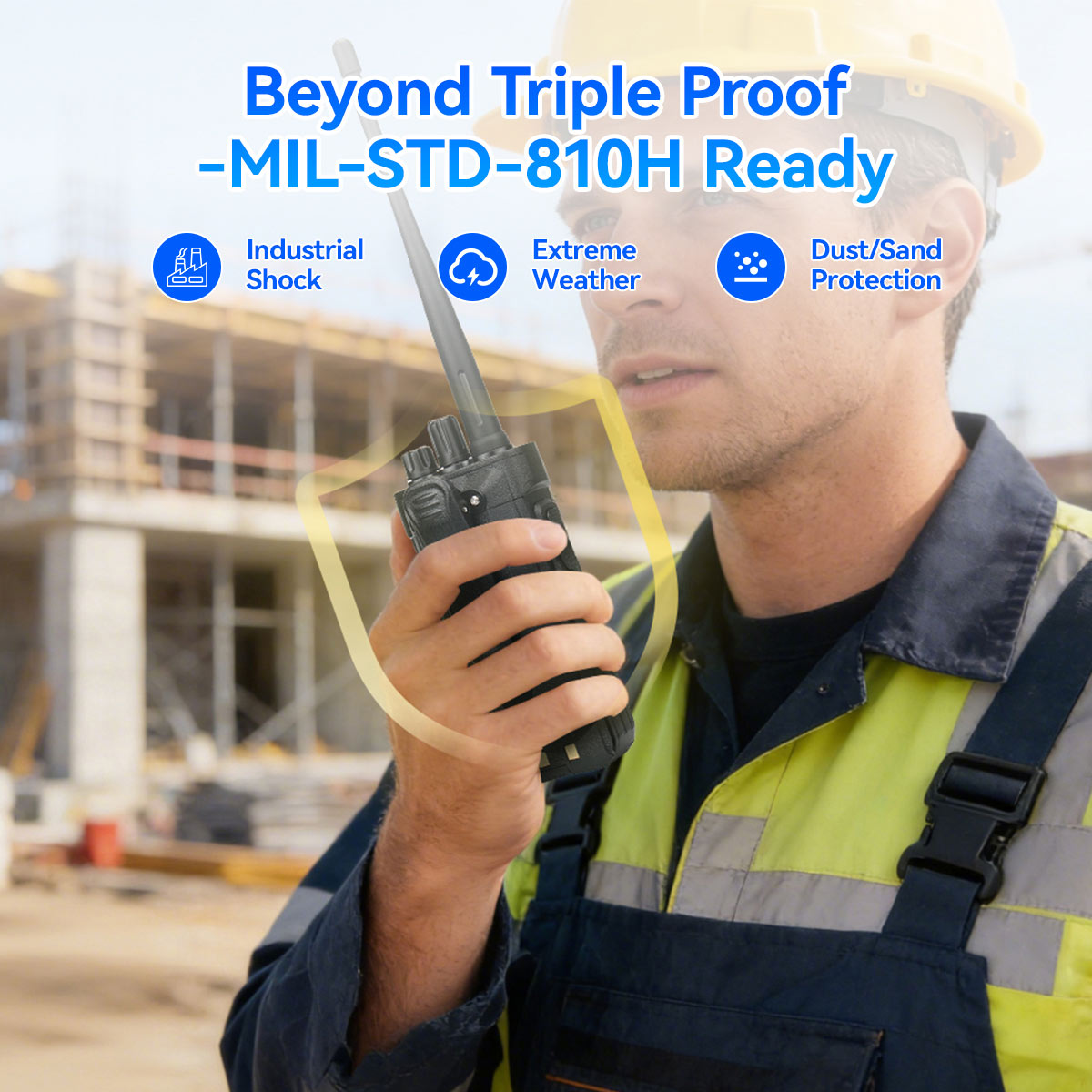
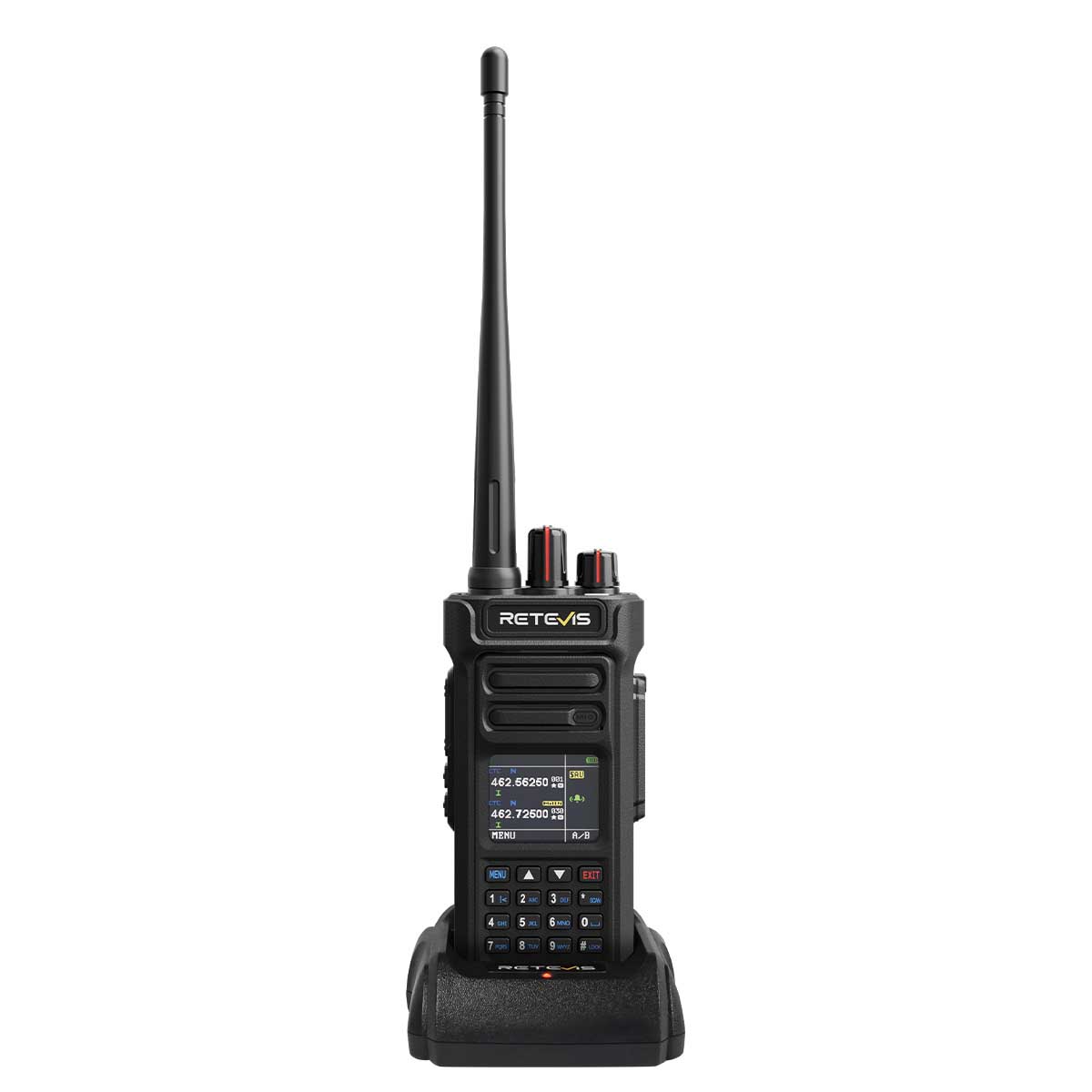
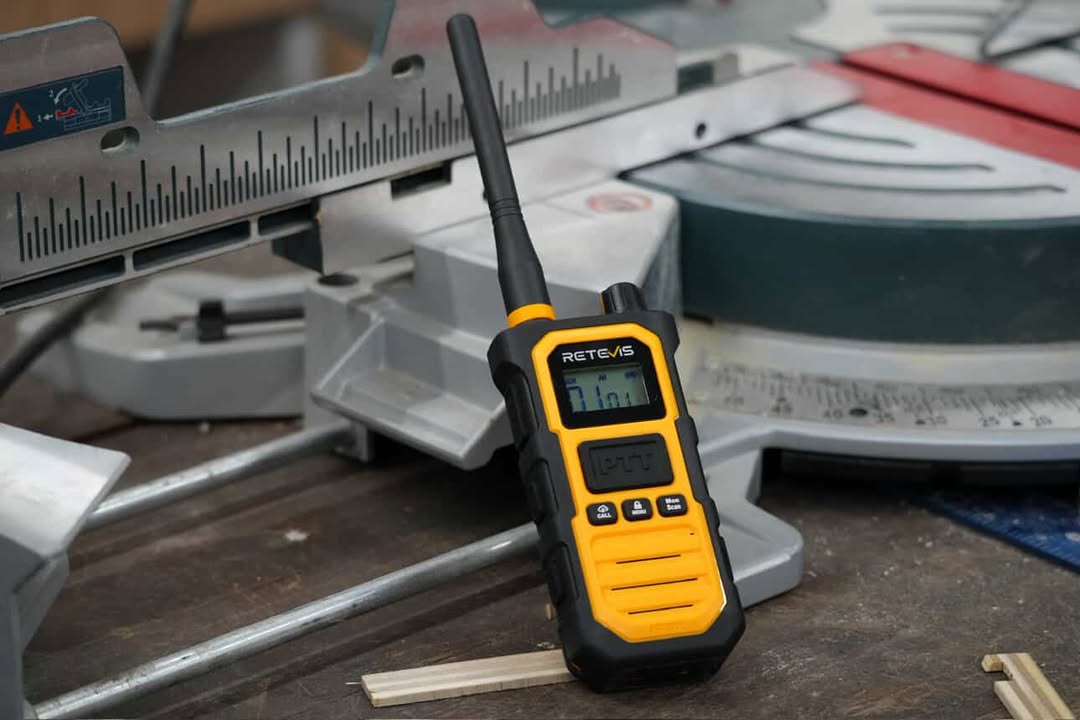
This is where Retevis approaches construction communication solutions from a practical perspective.
Rather than treating two-way radios as standalone communication devices, a Retevis solution can be positioned as part of the communication layer connecting frontline workers, supervisors, maintenance teams, warehouse personnel, and safety managers.
The specific configuration can then be matched to different workplace scenarios, from manufacturing and warehousing to construction, logistics, maintenance, and other industrial operations.
The goal is not to turn every radio into a safety device.
It is to make sure that when a safety-related message needs to move across the workplace, the communication channel is already there.
The most important trend to watch at NSC 2026 may not be any single device or technology category.
It is the growing connection between people, data, equipment, and real-time decision-making.
AI can analyze information. Sensors can detect hazards. Wearables can monitor workers and environments. Digital platforms can organize safety data.
But industrial operations still depend on people communicating with one another.
That makes reliable communication an important part of the infrastructure behind connected safety.
The future of industrial safety is not simply about adding more technology. It is about creating a system in which information can move quickly enough to support better decisions and coordinated action.
And in that system, real-time communication has a fundamental role to play:
Detect the risk. Share the information. Coordinate the response. Keep the operation moving safely.
No data Yet





 Google
 Amazon