

Table of Contents
Greenfield Site Development: Outdoor Walkie-Talkies for Heavy Landscaping Teams
- Posted by:Retevis
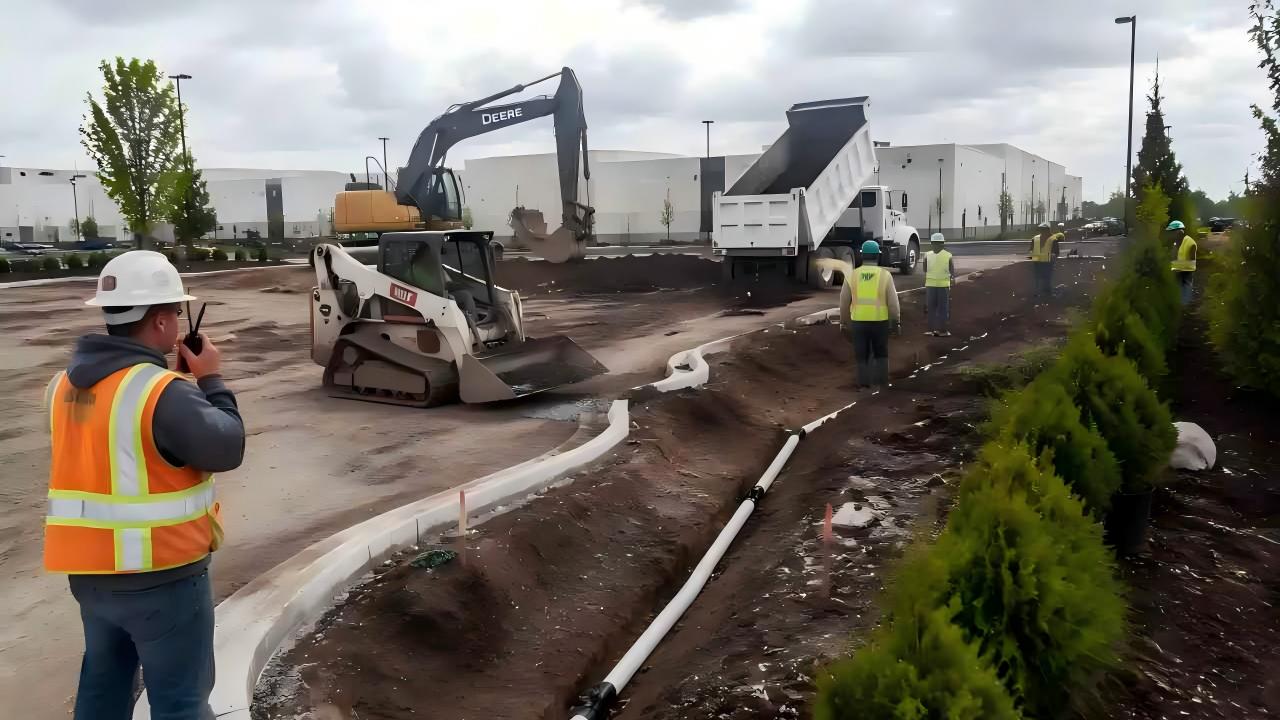
On large greenfield projects, communication is easy to underestimate.
A site may look open and uncomplicated from a distance, but once work begins, heavy landscaping operations quickly become complex. Crews spread out across grading areas, irrigation zones, planting sections, hardscape staging points, and temporary access routes. Equipment is moving. Deliveries are arriving. Weather can shift the plan within hours. In that environment, a missed instruction is not a small issue—it can affect productivity, safety, and schedule control.
That is why a reliable radio for landscape crew coordination still matters on modern outdoor jobsites. For teams working across unfinished ground, active machine zones, and changing site conditions, communication needs to be immediate, durable, and easy to use. A purpose-built portable site communication device often fits that need far better than ad hoc methods.
Communication Is the Hidden Weak Point on Outdoor Site Development Projects
Greenfield development often starts before a site has the systems that make coordination easier. There may be limited infrastructure, incomplete access routes, uneven terrain, and multiple subcontracted teams operating at the same time. Landscaping work is especially exposed to this problem because it typically happens across wide outdoor areas rather than in one contained zone.
A heavy landscaping team may be handling several workflows at once:
- rough grading and finish grading
- trenching for irrigation
- tree and shrub placement
- hardscape material staging
- truck movement and unloading
- cleanup and final surface preparation
Each of these activities may involve different people, different tools, and different timing requirements. If a supervisor cannot quickly reach an operator, or if a planting crew does not receive an updated delivery instruction in time, the result is often delay, idle labor, or rework.
For construction and site development professionals in the U.S., Canada, the U.K., and Europe, this is a familiar issue. Large outdoor projects depend on coordination between people who are not always within sight or hearing distance. In practice, communication becomes part of site control. A dependable radio for landscape crew use helps close that gap.
Why Heavy Landscaping Teams Still Rely on Two-Way Radios
Despite the rise of mobile apps and smartphones, the basic strengths of a two way radio for landscape crew communication are still highly relevant on outdoor projects.
The reason is simple: landscaping and site development work is mobile, noisy, and time-sensitive. Teams do not need a communication tool that is feature-heavy—they need one that works instantly.
A walkie talkie for landscape crew use offers several practical advantages:
- push-to-talk communication without dialing or scrolling
- immediate contact with supervisors and field crews
- the ability to reach multiple workers at once
- less interruption to active work
- simpler operation while wearing gloves or working in wet conditions
That matters when the day does not go according to plan—which is common on greenfield sites.
A foreman may need to redirect labor after a grading delay. An operator may need confirmation before moving equipment near an irrigation trench. A planting crew may need a quick update when material delivery timing changes. A supervisor may need to warn several work zones that a truck is entering a shared access road.
In all of these cases, a two way radio for landscape crew operations supports faster decisions and smoother coordination. The value is not just that people can talk; it is that the right people can respond immediately without slowing down the work around them.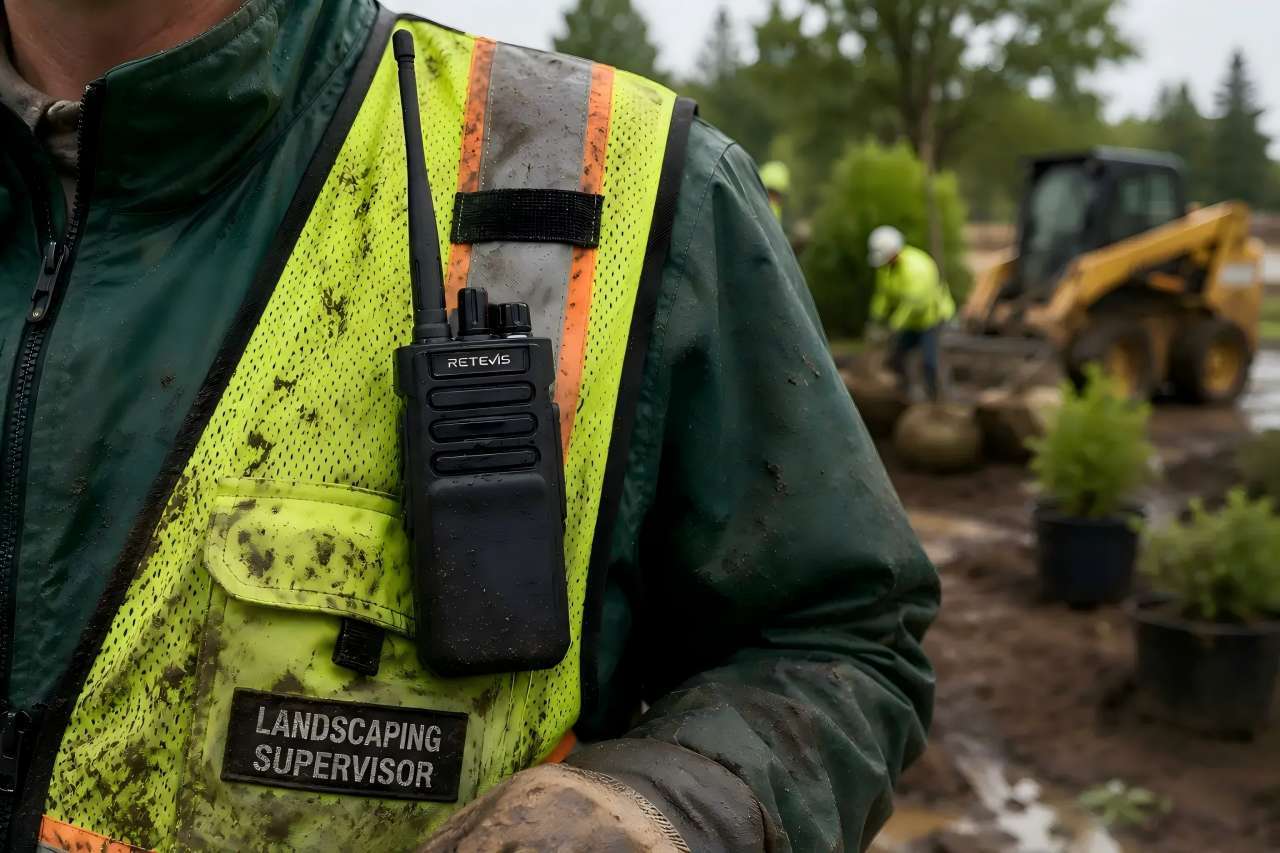
Where Communication Breakdowns Happen Most on Greenfield Landscaping Sites
Communication issues on outdoor development sites are rarely random. They tend to happen in predictable conditions, and heavy landscaping teams encounter those conditions every day.
Distance Between Crews
Greenfield projects often cover large footprints. Even when visibility is good, crews may be working hundreds of feet apart in separate task areas. A supervisor might be near the site entrance while irrigation installers are on one side of the property and finish grading equipment is operating on the other.
Verbal communication is not realistic over that distance. Hand signals only work when there is direct line of sight. As projects expand, the communication gap becomes operationally significant.
This is one reason a walkie talkie for landscape crew use remains practical. It gives dispersed teams a way to stay connected without physically regrouping every time a change occurs.
Equipment Noise
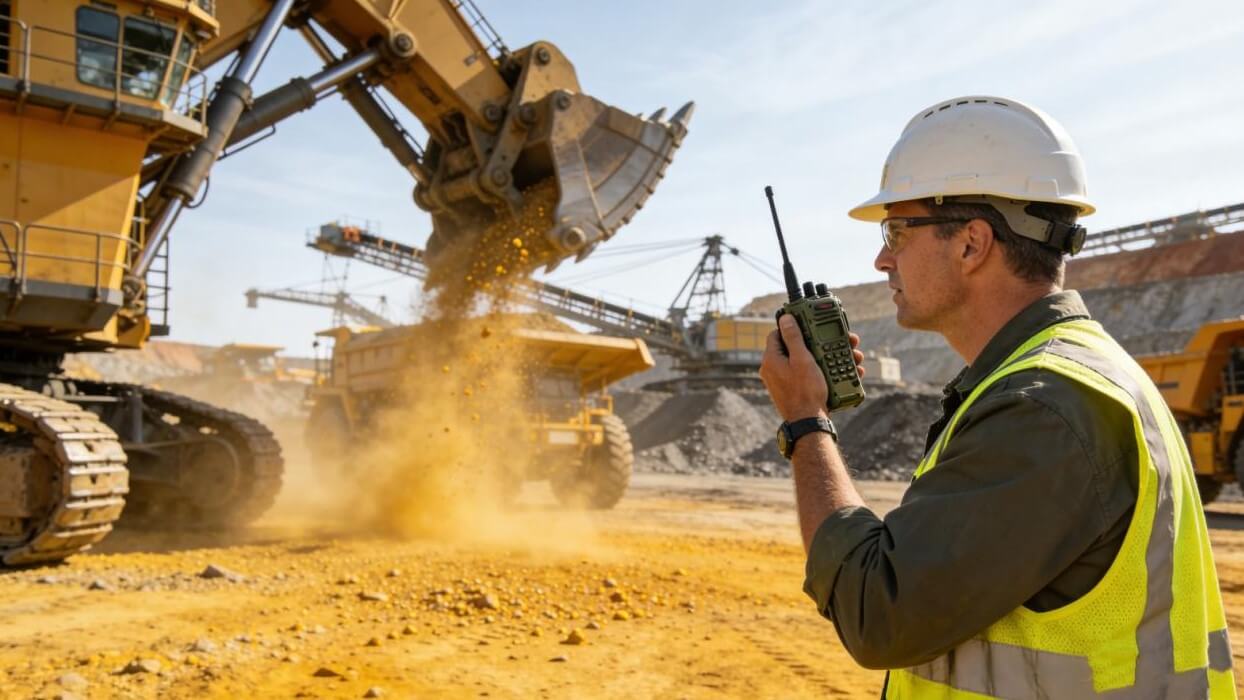
Heavy landscaping is not a quiet trade. Skid steers, excavators, compactors, blowers, pumps, and trucks all compete with spoken instructions. Even short conversations can become unclear when crews are standing near running machines or active unloading points.
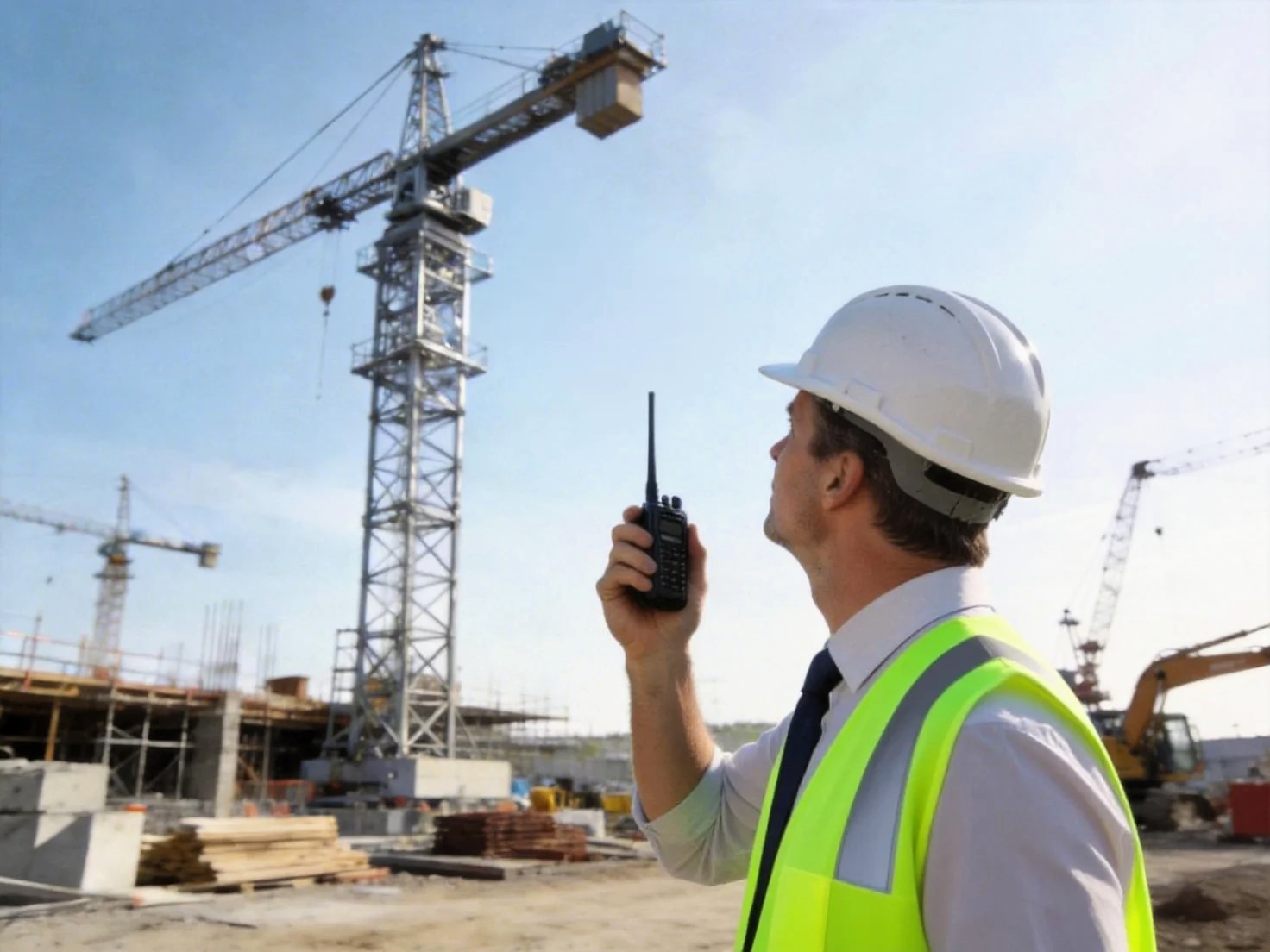
This is where radio communication earns its value on real jobsites. A two-way radio for outdoor construction team coordination allows instructions, warnings, and updates to cut through the noise more effectively than shouting across an active work area.
Constant Crew Movement
Unlike fixed interior trades, landscaping crews often change position repeatedly throughout the day. A team may start by staking planting areas, move to trench support, assist with unloading, then return to installation work later in the afternoon.
That mobility makes static communication methods inefficient. Teams need contact that moves with them and remains usable across shifting work zones. A portable site communication device is effective because it is tied to the worker, not to a location.
Weather and Exposure
Outdoor communication equipment also has to survive outdoor reality. Dust from dry grading conditions, mud after rain, wet gloves, airborne debris, and wind all affect usability. Devices that perform well in light recreational use may struggle on a real development site.
For that reason, any serious radio for landscape crew deployment has to be evaluated in relation to environmental exposure, not just basic connectivity.
What Makes a Radio Suitable for Heavy Outdoor Landscaping Work
Not every radio is built for heavy landscaping or site development. On professional outdoor jobsites, the best walkie talkie for outdoor work is not the one with the most consumer features. It is the one that remains reliable under rough daily conditions.
Rugged Durability
Landscaping crews work around trailers, machinery, tools, stone, wet ground, and uneven surfaces. Radios get clipped on and off, tossed into trucks, dropped on compacted soil, and exposed to vibration throughout the day.
A rugged portable radio is designed for that kind of handling. For greenfield work, durability is not a bonus feature—it is part of baseline usability.
Waterproof and Dustproof Protection
Heavy landscaping sites expose devices to mud, spray, rain, dirt, and airborne dust. This is where ingress protection matters.
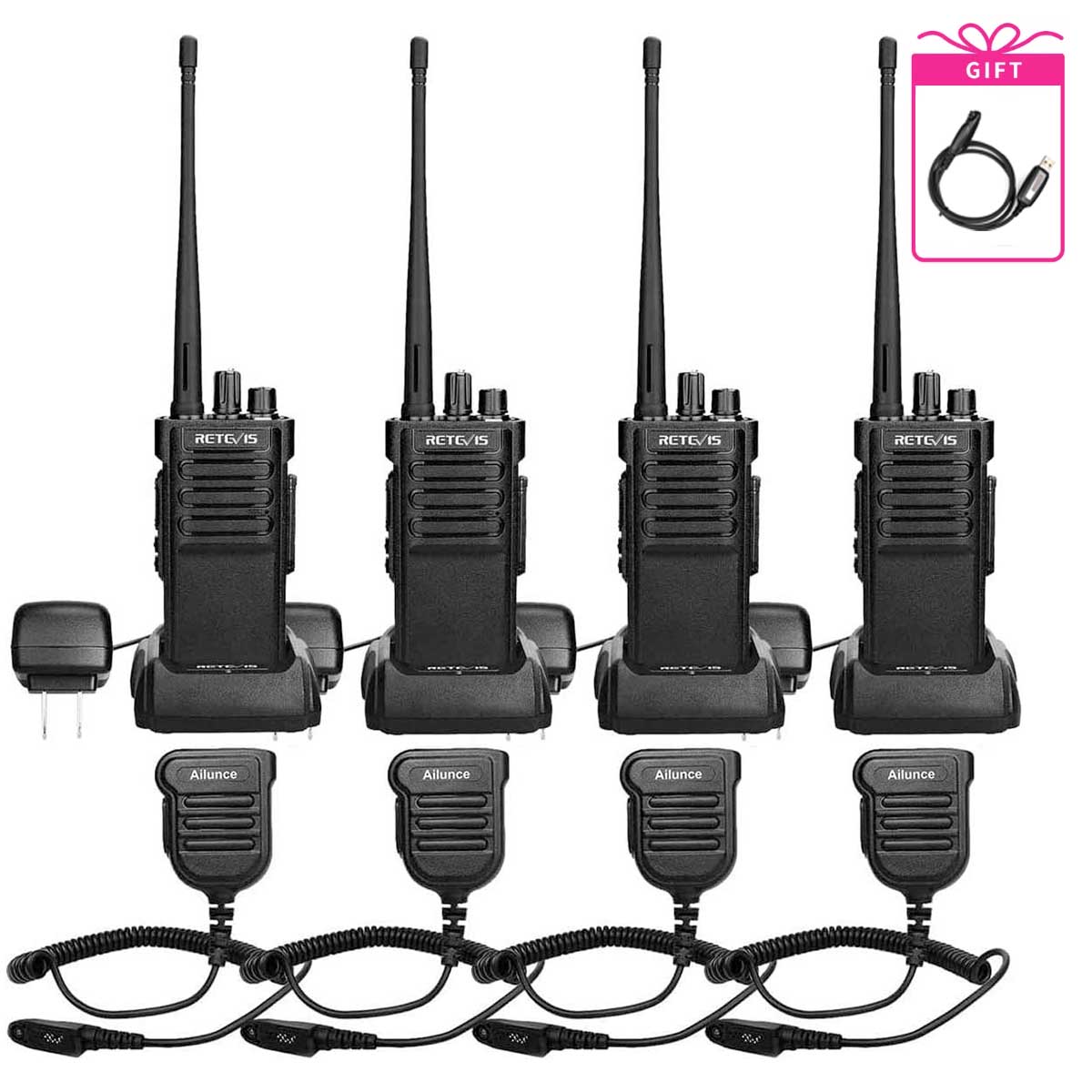
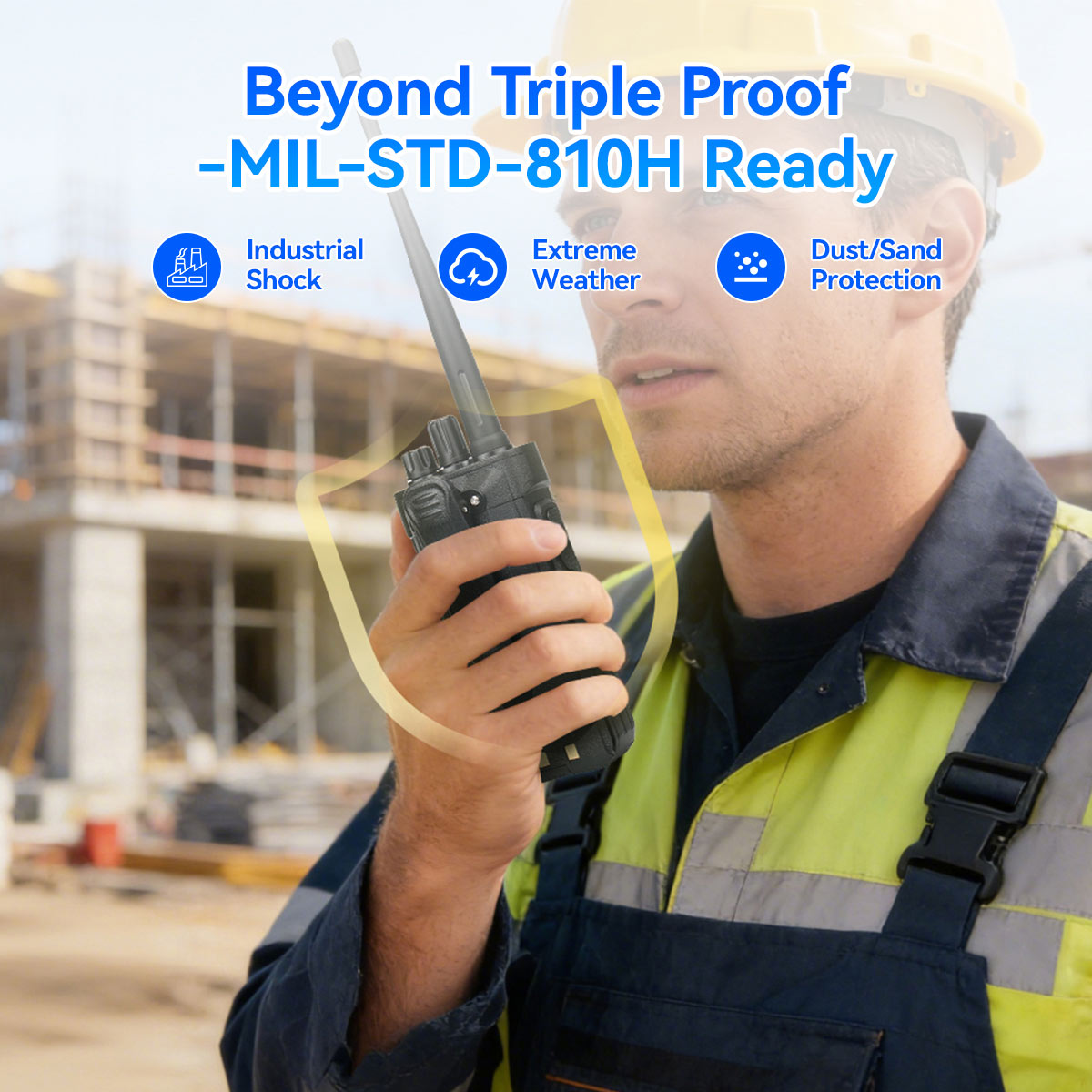
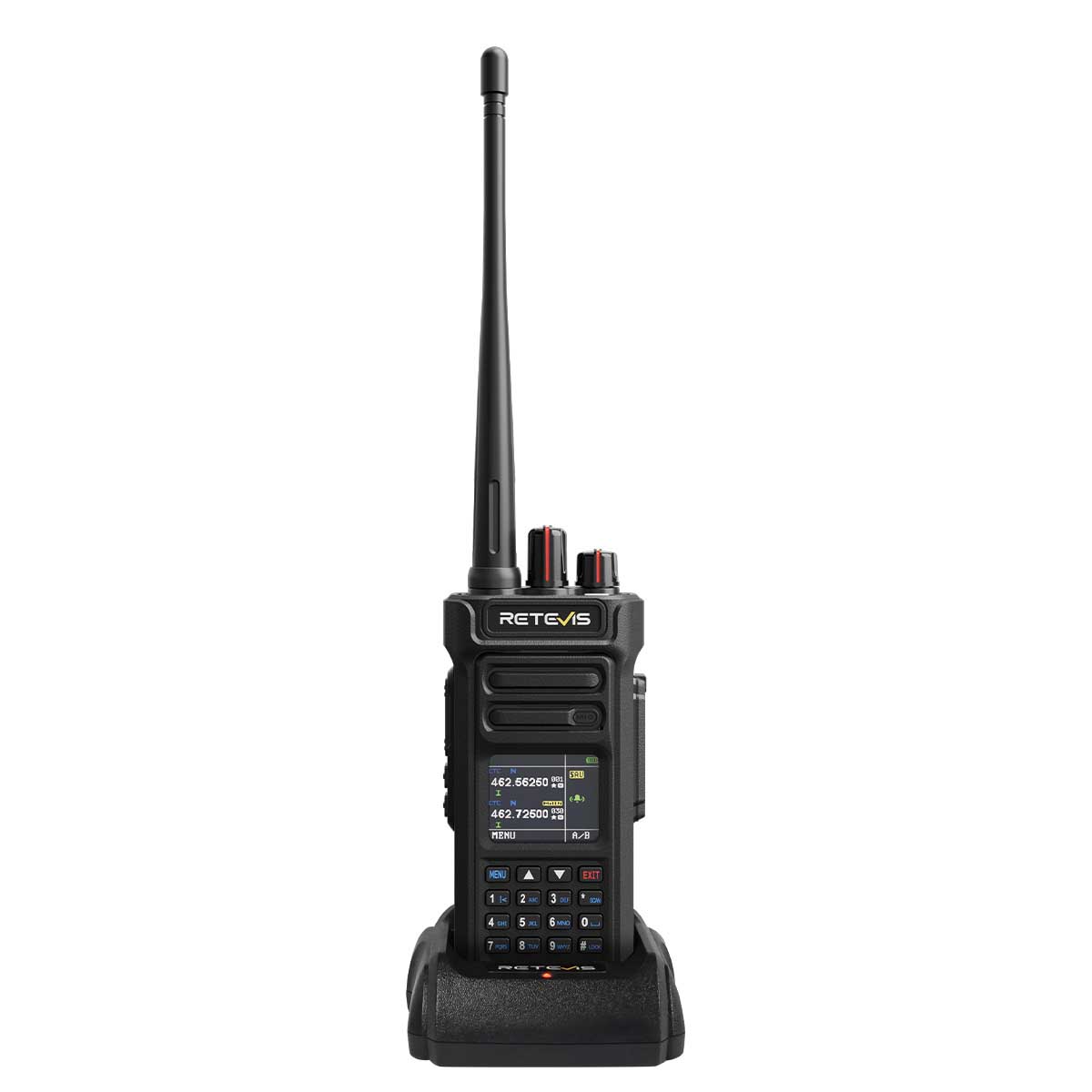
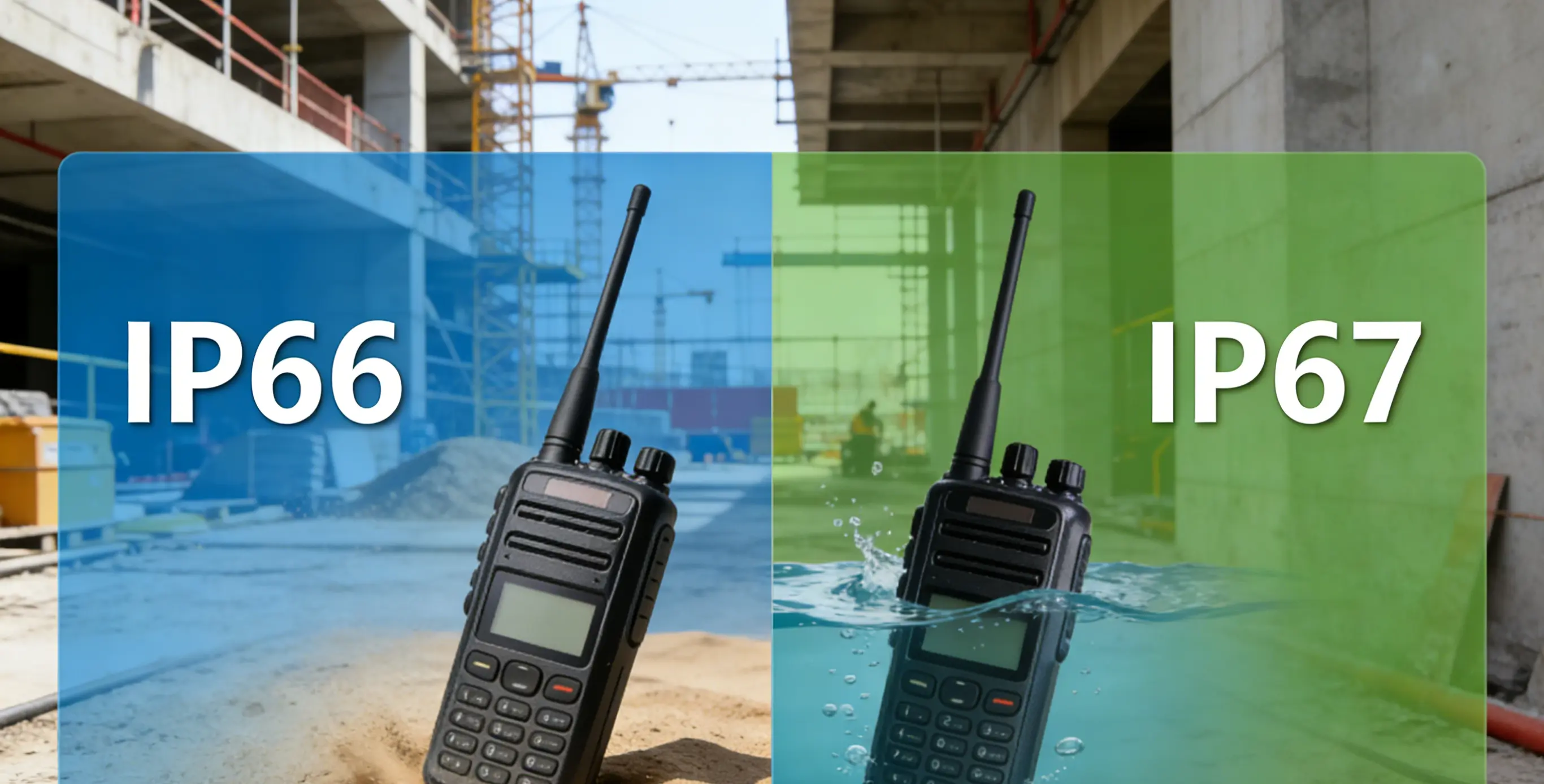
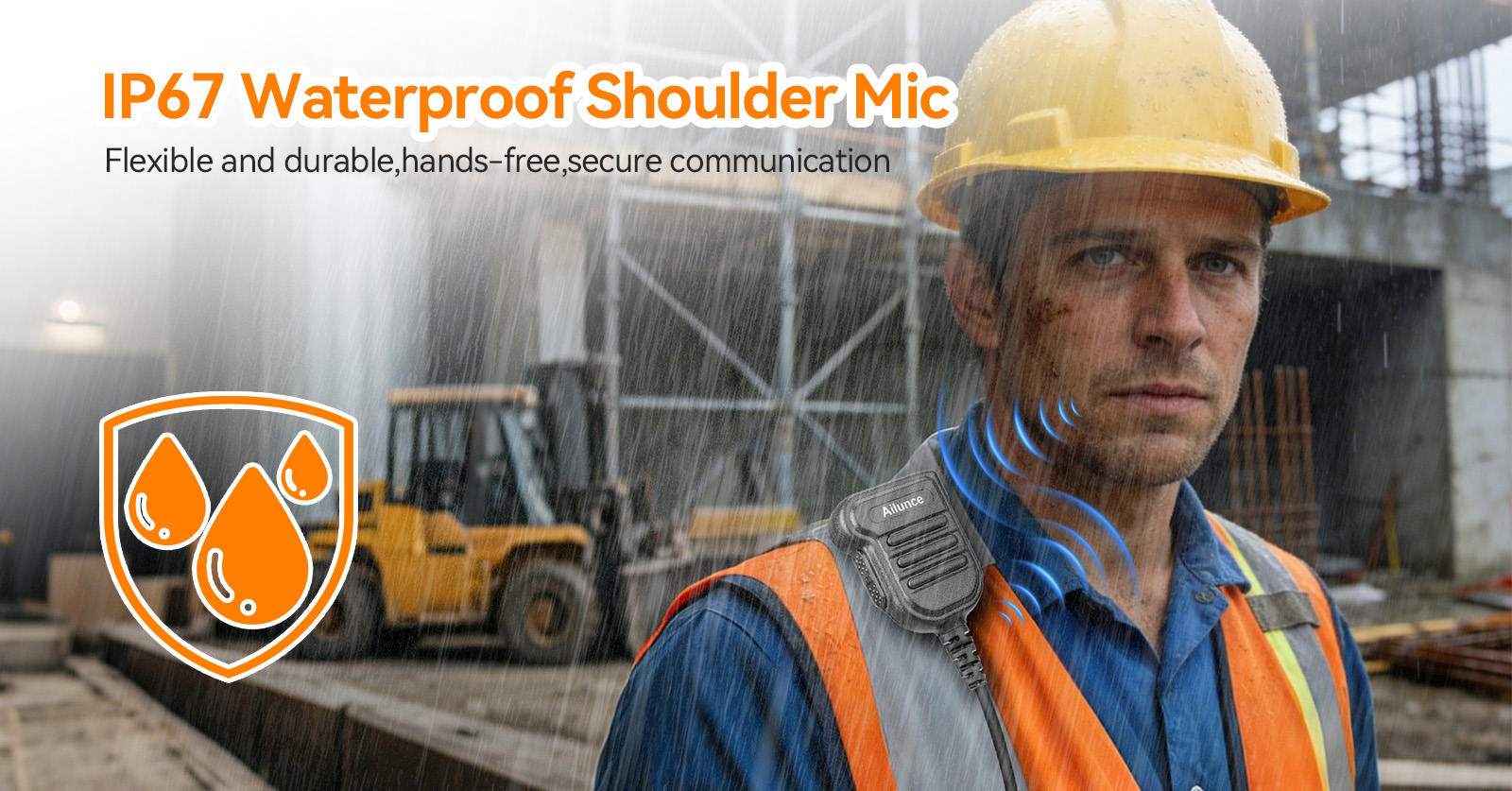
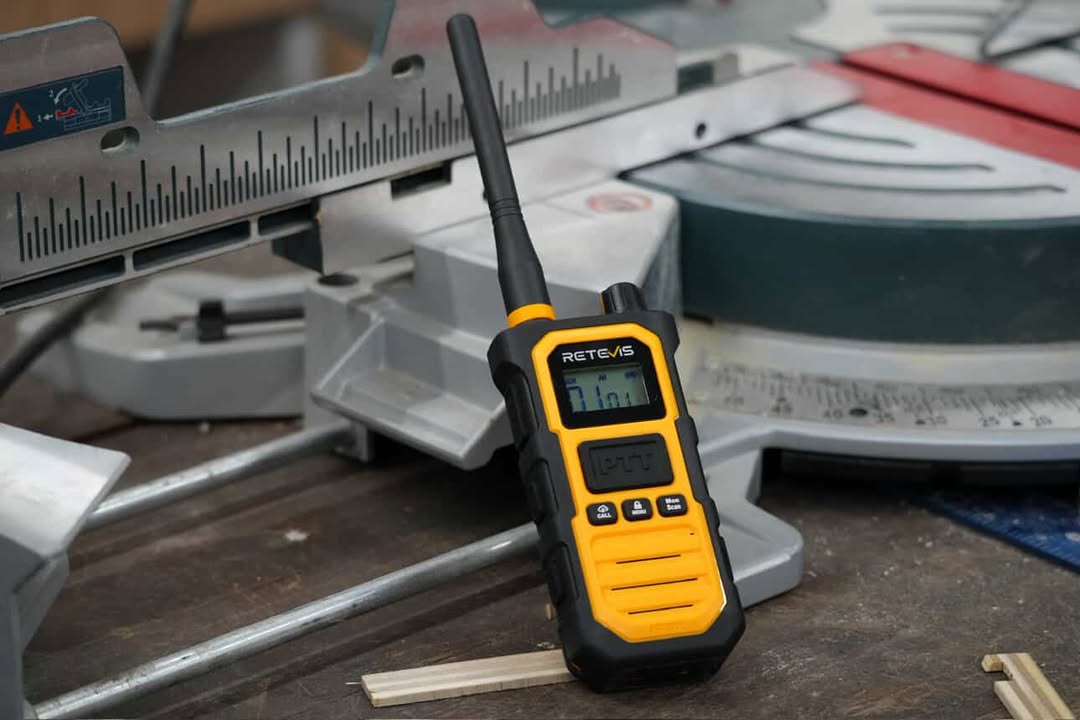
A waterproof and dustproof radio is better suited to these conditions because it is designed to resist the kind of contamination common on outdoor sites. In practical terms, IP ratings help indicate how well a radio can tolerate environmental exposure. For example, higher ratings offer stronger protection against dust entry and water contact, which is highly relevant when crews work through rain, irrigation installation, muddy ground, or dusty grading operations. For crews evaluating field-ready options, models such as the Retevis RT29 are often discussed because IP67 protection is highly relevant in this kind of environment.
All-Weather Reliability
Site work does not pause every time conditions become inconvenient. Crews may begin on cold, damp mornings, continue through midday heat, and finish with wind or light rain. A true all-weather site radio should remain dependable across those changes.
This is especially important on projects where the team is expected to maintain momentum despite variable ground and weather conditions.
Battery Endurance
Long shifts are standard in site development and landscaping. Communication should last from briefing to wrap-up, not fail halfway through the day.
Battery endurance is often overlooked until it becomes a field problem. If crews have to rotate radios, recharge mid-shift, or work around dead units, communication quality drops quickly. The best walkie talkie for outdoor work should support the full workday with minimal disruption. The same goes for range: on broad outdoor sites, teams often need dependable long-distance communication between foremen, operators, and installation crews, which is why durable commercial units like the Retevis RT29 tend to come up in jobsite discussions.
Audio Clarity in Active Site Conditions
Clear audio is not a luxury feature on a landscaping site. If a crew member cannot hear an instruction over engine noise or wind, the communication did not succeed. Loud, intelligible sound is a practical requirement for supervisors, operators, and ground crews working in active areas.
Simple Operation
Construction and landscaping teams need communication tools that work under pressure. Gloves, dirt, wet hands, and fast-moving tasks make complicated interfaces frustrating and inefficient.
A good portable site communication device should be simple enough to use quickly and confidently in real field conditions.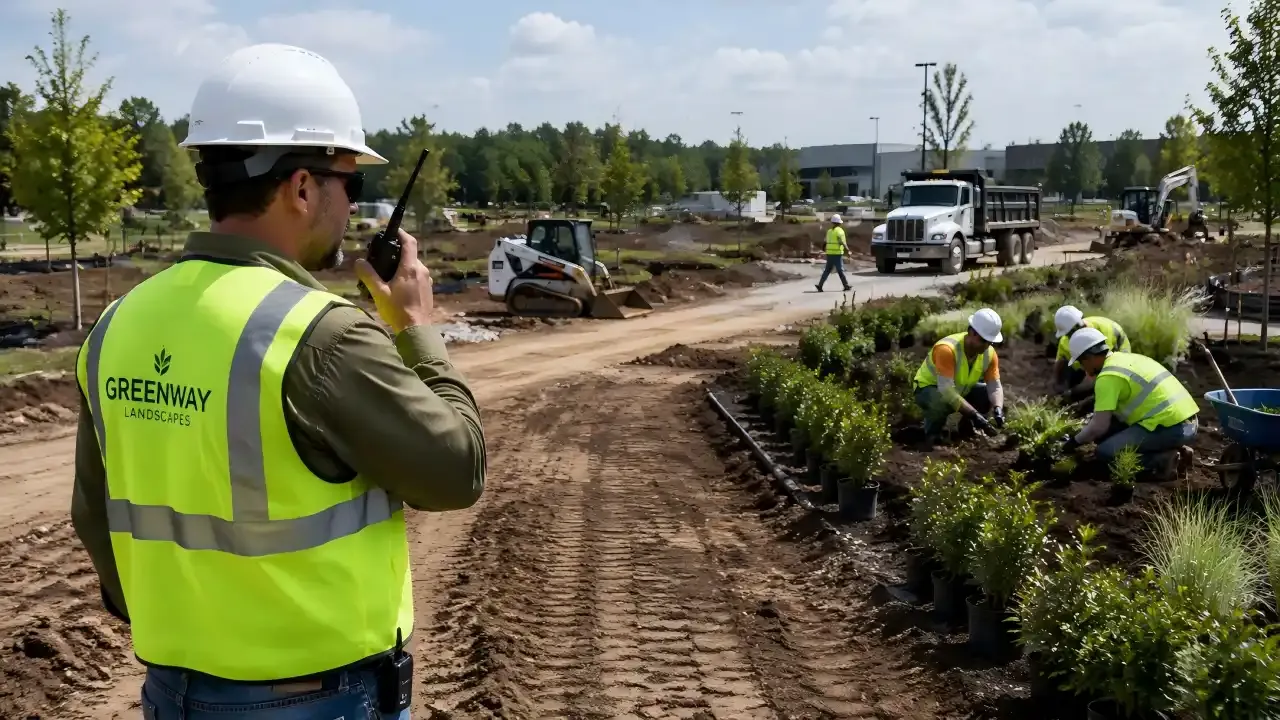
How Better Radio Communication Improves Productivity and Safety
On outdoor construction and landscaping projects, productivity and safety are closely connected. The same communication problems that slow work often increase risk.
When crews are spread out and the site is changing quickly, better communication improves performance in several ways.
From a productivity perspective, a reliable radio for landscape crew operations helps reduce downtime between tasks. Supervisors can redirect labor faster, confirm equipment routes before movement, and align crews with material deliveries more accurately. Instead of walking across the site to relay updates or waiting for missed calls to be returned, teams can communicate in real time.
That leads to measurable operational benefits:
- less idle time for labor and equipment
- better timing between deliveries and installation
- faster adjustments when priorities shift
- fewer misunderstandings that lead to rework
- improved oversight across large work areas
The safety case is equally strong. Heavy landscaping sites involve moving machines, blind spots, shared access routes, trench work, and changing ground conditions. Delayed communication in those environments can create avoidable hazards.
A dependable two-way radio for outdoor construction team coordination supports faster hazard reporting, clearer warnings around machine movement, and better awareness when multiple crews are working near one another. It also helps supervisors respond more quickly to weather changes, access issues, or field conditions that require immediate adjustment.
For project managers and construction professionals, this is the key point: communication quality affects site control. A radio is not just a convenience tool. In the field, it supports safer decisions and more consistent execution.
On Large Outdoor Sites, Communication Equipment Is Jobsite Equipment
On greenfield developments, communication should be treated like any other essential site resource. Heavy landscaping teams work across distance, noise, weather exposure, and moving equipment. In that setting, communication tools are part of the operational system that keeps the job moving.
A reliable walkie talkie for landscape crew use helps connect supervisors, operators, laborers, and delivery teams without adding unnecessary friction to the workday. The right device supports faster coordination, stronger field awareness, and better control over changing site conditions.
For contractors and outdoor construction teams, that is the real value of a professional radio for landscape crew operations. It is not simply about staying in touch. It is about keeping the site organized, responsive, and safer under real working conditions.
In heavy landscaping and greenfield site development, a reliable radio is not just an accessory—it is practical jobsite equipment.



 Google
 Amazon
Comments
No data Yet