

Table of Contents
Instant Response: Setting Up Construction Site Emergency Radio Systems
- Posted by:Retevis
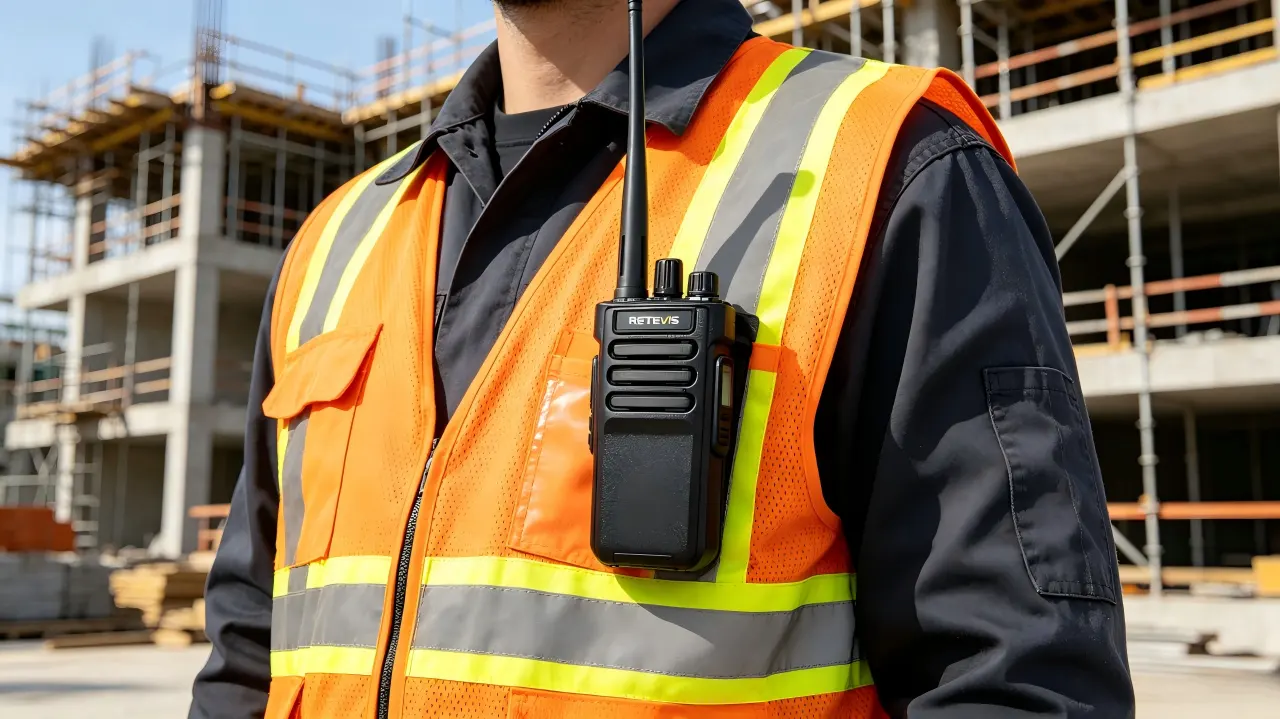
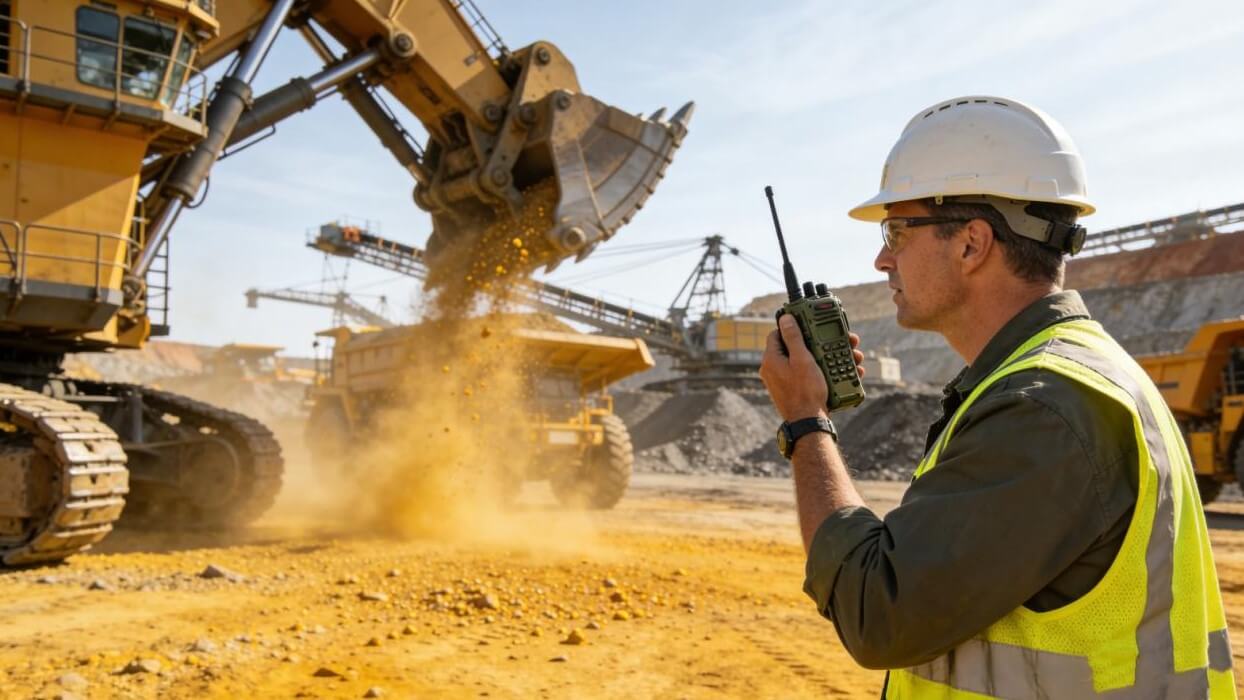
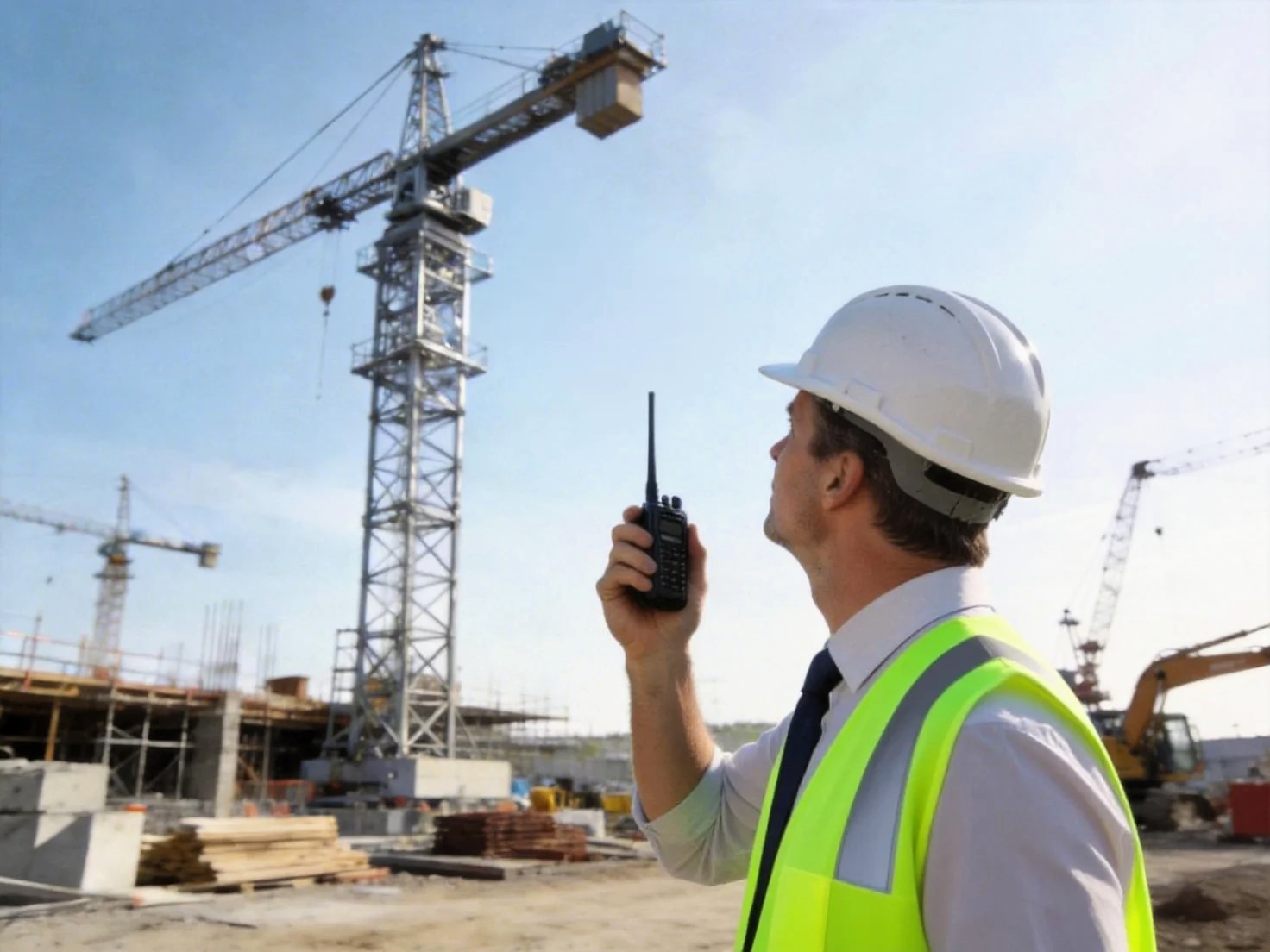
Construction sites are fast-moving, noisy, and full of variables. Workers operate around heavy equipment, elevated work areas, electrical systems, concrete structures, steel framing, scaffolding, and constantly changing site layouts. In that kind of environment, emergency communication has to be immediate. There is no room for delay when a worker falls, a vehicle strikes a barrier, or a fire starts near active equipment.
That is why more contractors, site managers, and safety teams are turning to the construction site emergency alert system as a practical part of jobsite safety planning. A rugged emergency alert radio for construction gives crews a fast way to call for help, notify supervisors, and trigger a coordinated response. Instead of searching for a phone, unlocking a screen, and placing a call, a worker can press a dedicated SOS or emergency alert button and alert the right people in seconds.
For commercial builders, general contractors, subcontractors, and industrial project teams, the value is simple: faster alerts, clearer coordination, and better site safety.
Why Fast Emergency Communication Matters
On a busy construction project, even a small incident can escalate quickly. A fall from a ladder, a struck-by event near moving machinery, an electrical shock, a trench emergency, or a medical collapse can happen without warning. In these moments, the first challenge is not always rescue itself. Often, it is communication.
A worker may be injured and unable to move. A supervisor may be on another floor of a high-rise structure. A crew may be spread across steelwork, concrete pours, mechanical installation areas, and perimeter access points. Site noise from generators, cutting tools, cranes, loaders, and demolition work can make verbal calling ineffective.
This is where an emergency communication walkie-talkie becomes a real safety tool. A radio with a dedicated SOS radio for workers function lets users send a distress alert instantly. That matters on large building sites, roadwork zones, infrastructure projects, warehouses under construction, energy facilities, and industrial jobsites where response time affects outcomes.
For emergency communication for contractors, speed is only part of the picture. Clear radio alerts also reduce confusion. Everyone knows that something serious has happened, who should respond, and which channel or team is involved. That can make a major difference in evacuation, medical response, and hazard control.
What Is a Construction Site Emergency Radio System?
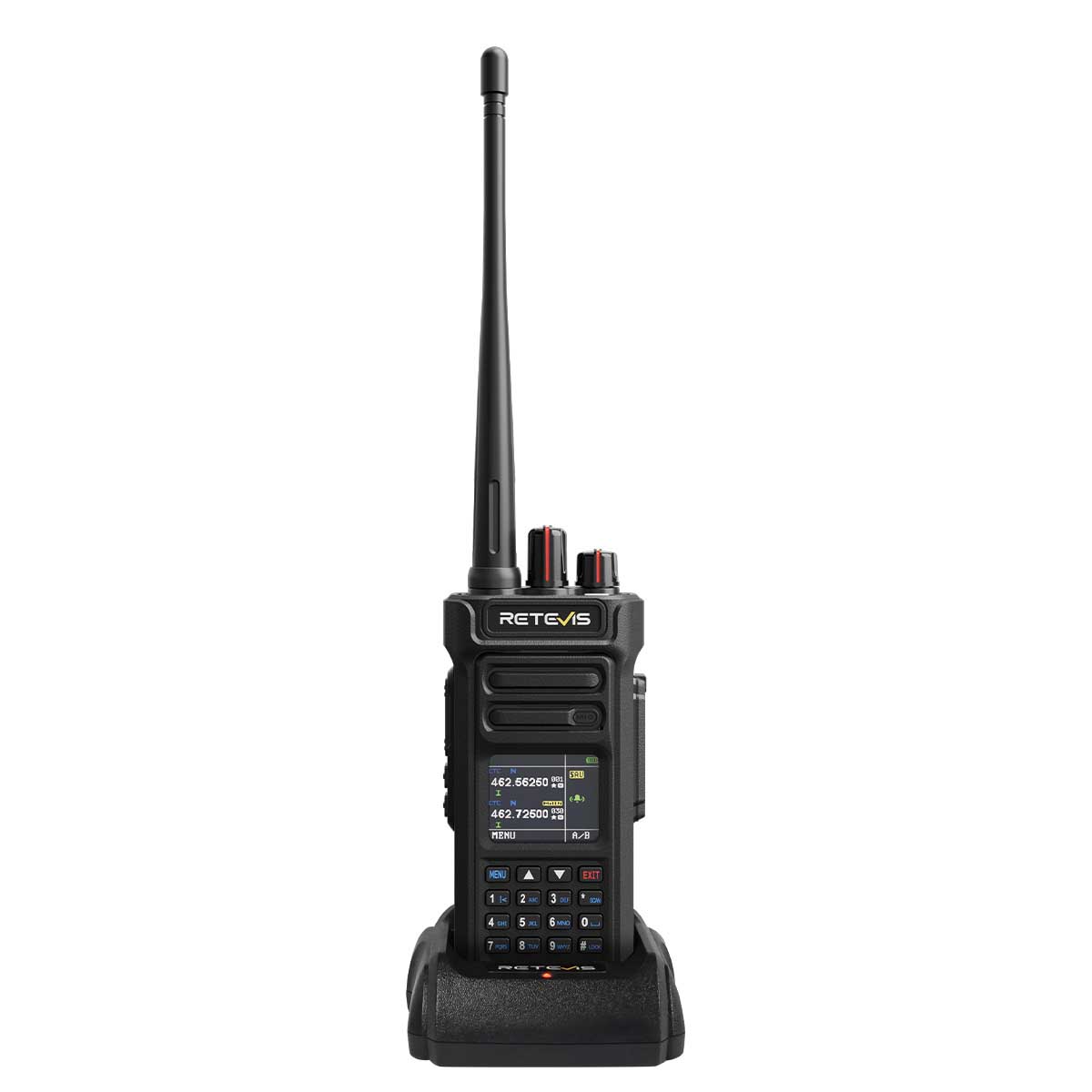
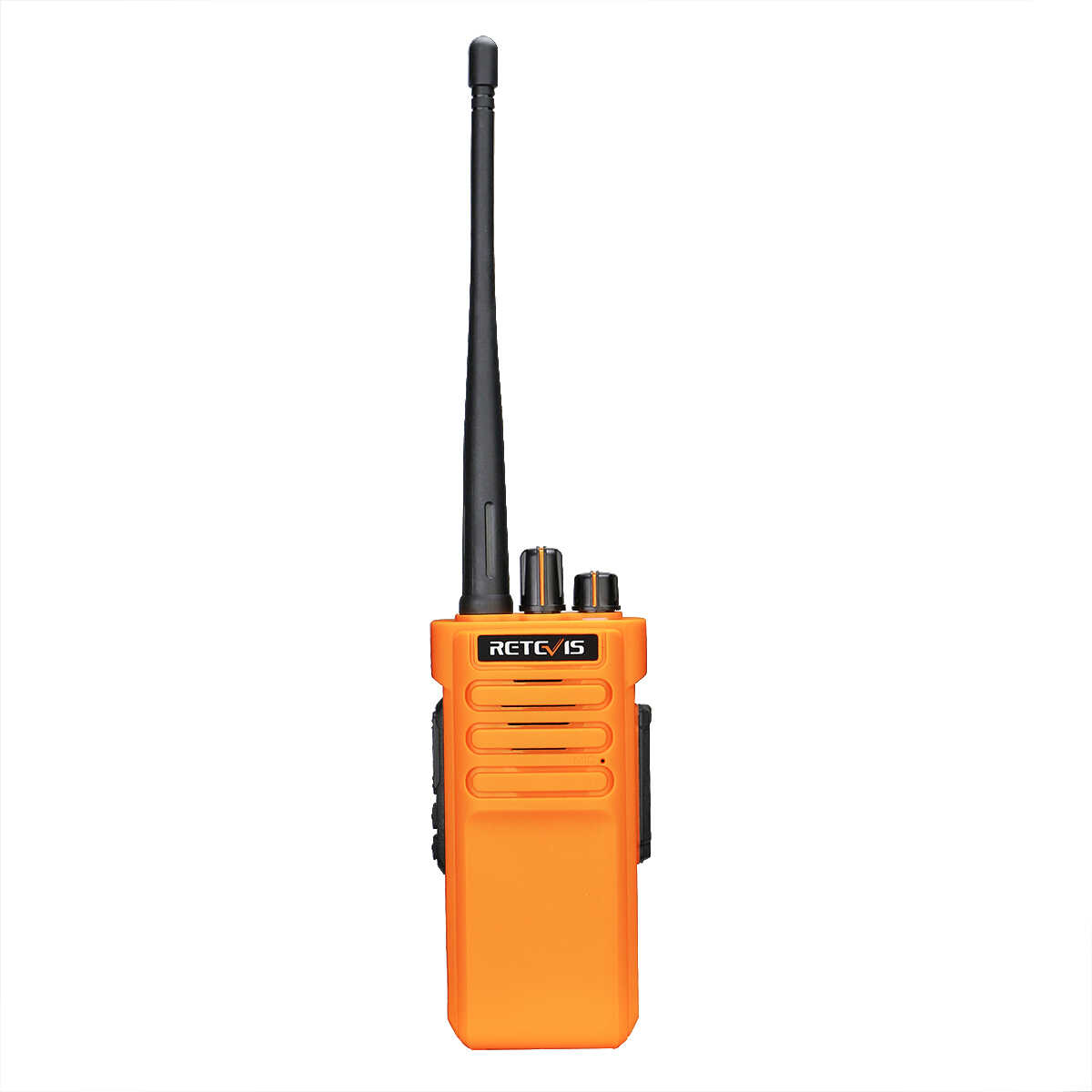
A construction site emergency alert system is a radio-based communication setup designed to support immediate distress signaling and faster emergency coordination across a jobsite. At its core, it uses emergency alert two-way radios with dedicated emergency functions built into the device.
A typical system includes:
- Rugged emergency alert walkie-talkie units for workers, supervisors, and safety staff
- A dedicated SOS/emergency alert button or panic button
- Pre-programmed emergency channels or emergency call groups
- Alert notifications sent to supervisors, security, or site leadership
- Follow-up voice communication after the alert is triggered
The system is designed for practical use in real building environments. If a worker on scaffolding, in a plant room, near a crane lift zone, or inside a concrete core experiences an emergency, they can trigger an alert immediately. Instead of relying on one-to-one phone contact, the radio system can notify the right people at once.
This is what separates a standard radio from an emergency-ready construction walkie-talkie. A normal radio allows basic voice communication. An emergency construction radio adds dedicated safety features that support urgent alerts under pressure. In industrial and commercial construction, that extra function can be critical.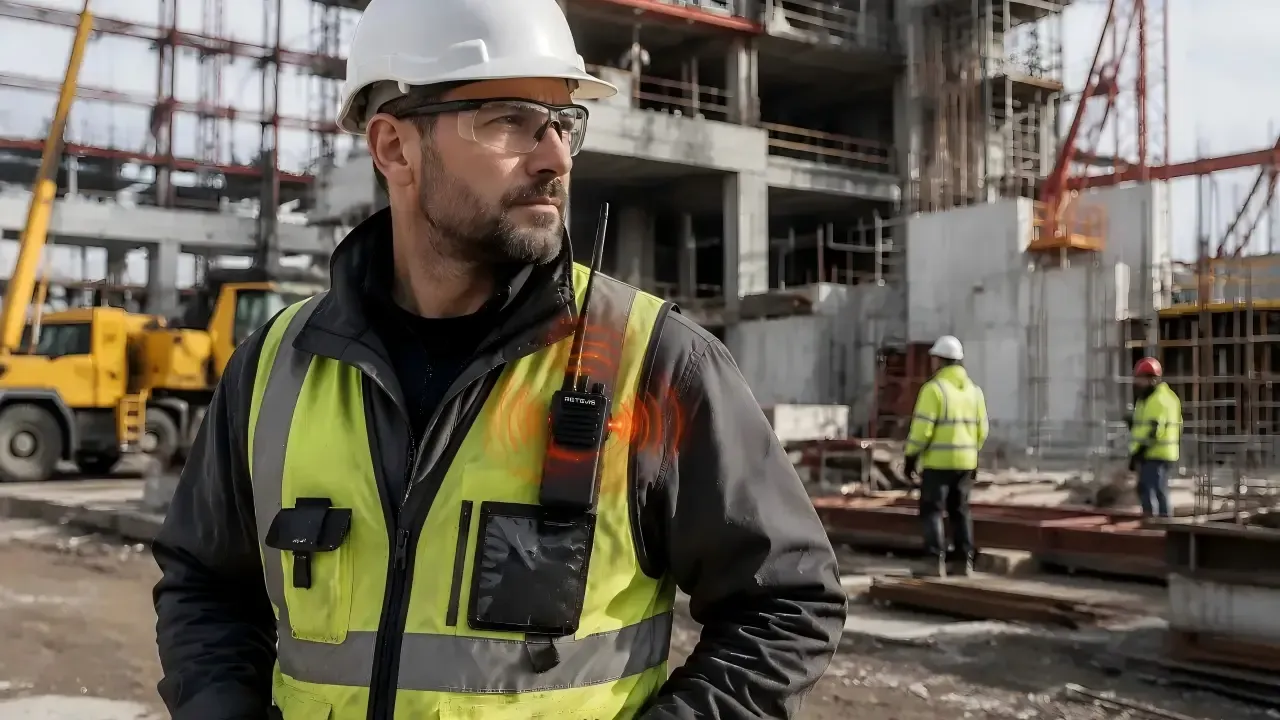
Core Features That Matter Most
Not every two-way radio is built for emergency use on a construction site. If the goal is better site safety and faster emergency response, contractors should focus on a few features that deliver the most value.
SOS / Panic Button
The most important function is the dedicated SOS or emergency alert button. In a real emergency, a worker may not be able to explain the situation immediately. They may be injured, trapped, disoriented, or in a high-noise area. A construction radio with panic button gives them a one-touch method to signal distress without delay.
For many sites, this is the single most important difference between a general communication radio and an industrial radio with panic button capability.
Loud, Clear Audio
Construction sites are not quiet environments. Steel erection, concrete cutting, demolition, earthmoving, HVAC installation, and powered access work all generate high background noise. A useful emergency alert two-way radio must deliver loud, intelligible audio so alerts and follow-up instructions can still be heard.
This is especially important on commercial construction projects, manufacturing expansions, infrastructure works, and industrial shutdown sites where communication conditions are difficult.
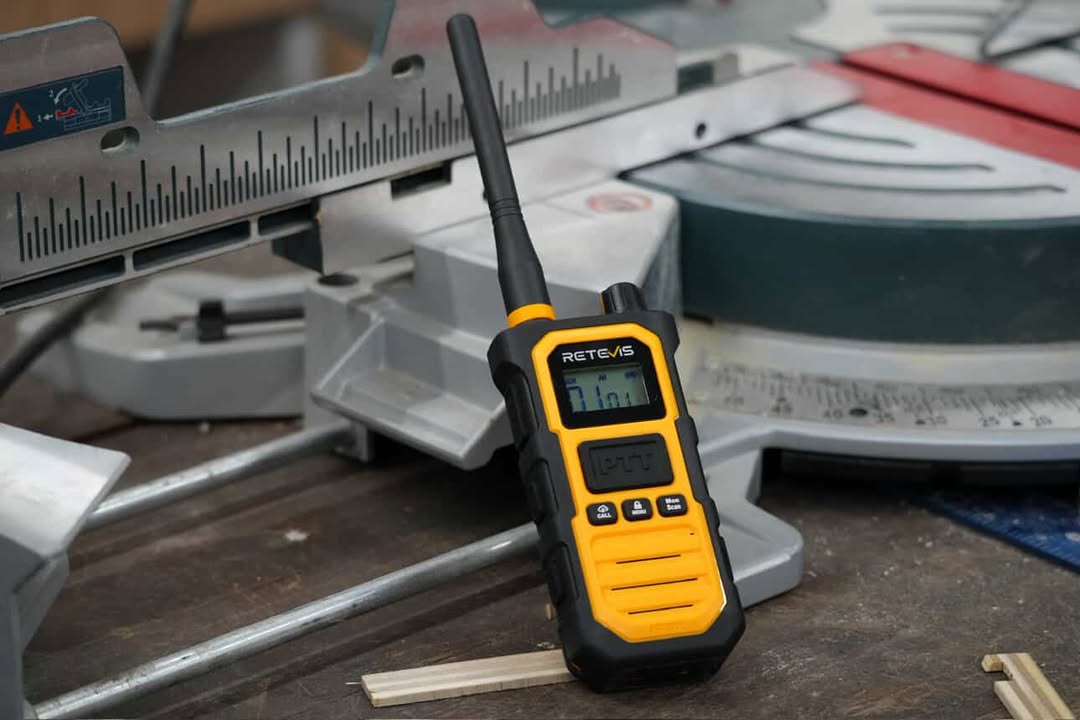
Rugged Industrial Design
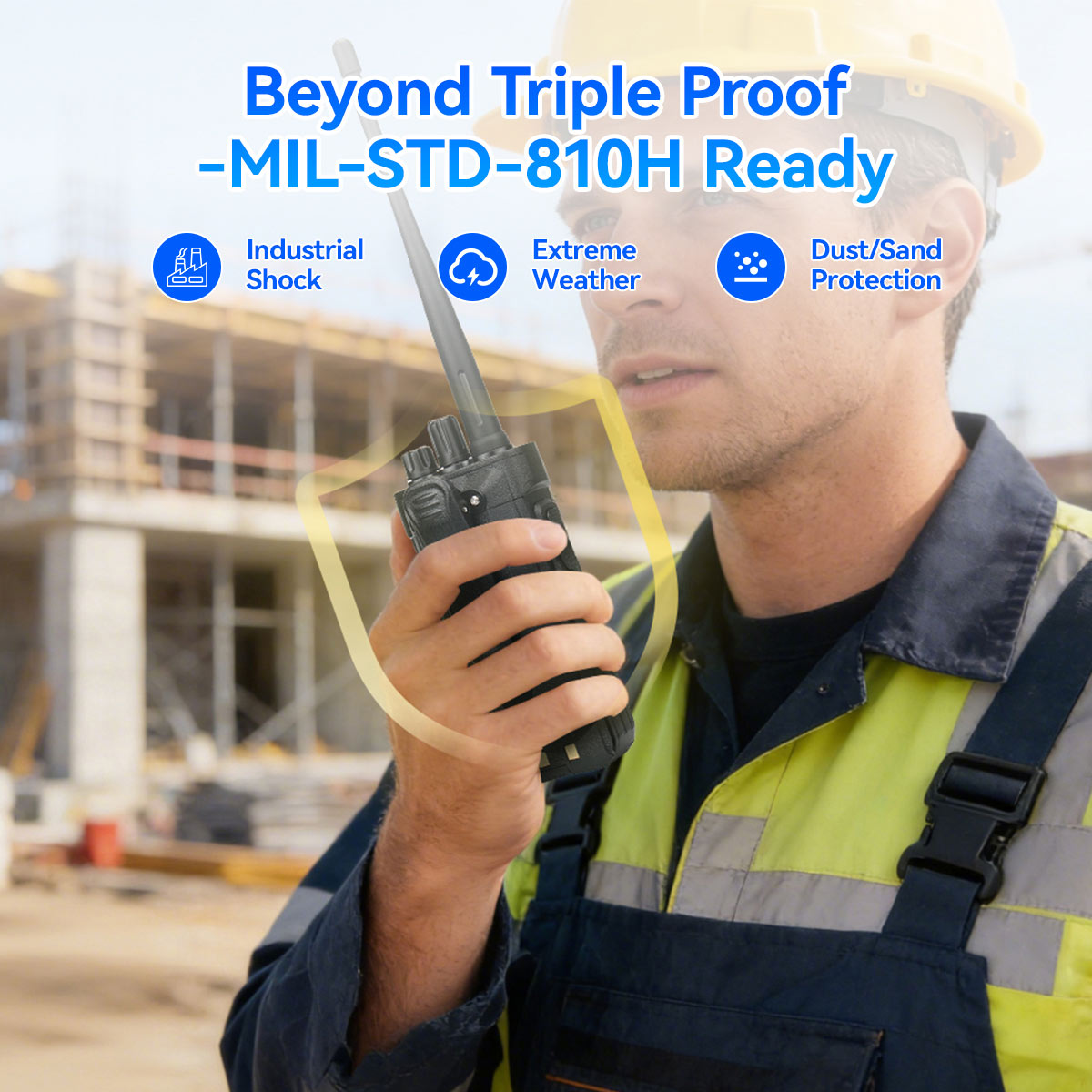
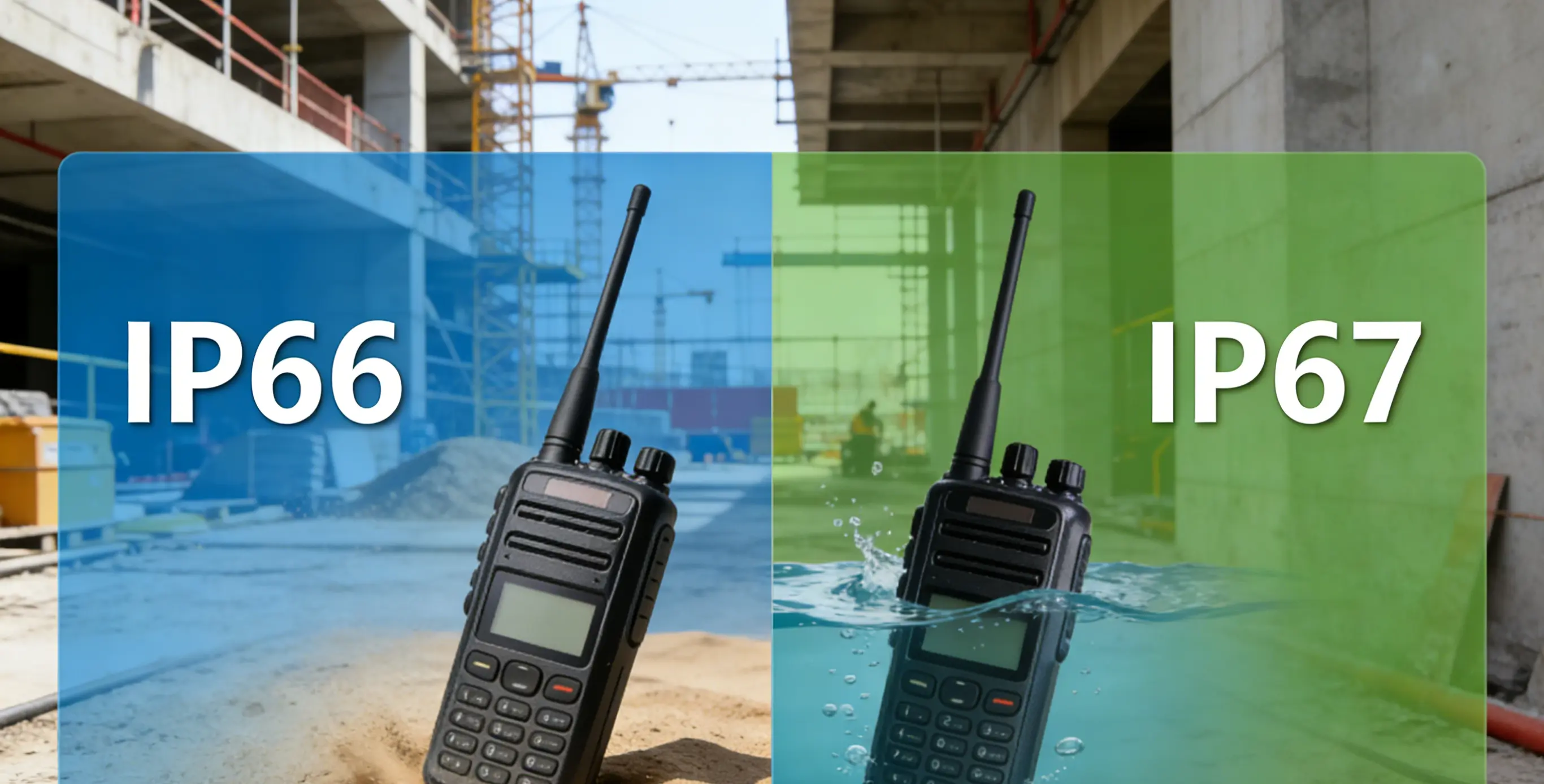
A radio used on a building site has to survive dust, drops, vibration, rain, and rough daily handling. A good industrial radio with alarm feature should be built for actual field conditions, not office use.
For contractors working in structural steel, civil works, utility installation, concrete formwork, exterior envelope work, or plant construction, ruggedness is not a bonus feature. It is part of reliability.
Long Battery Life
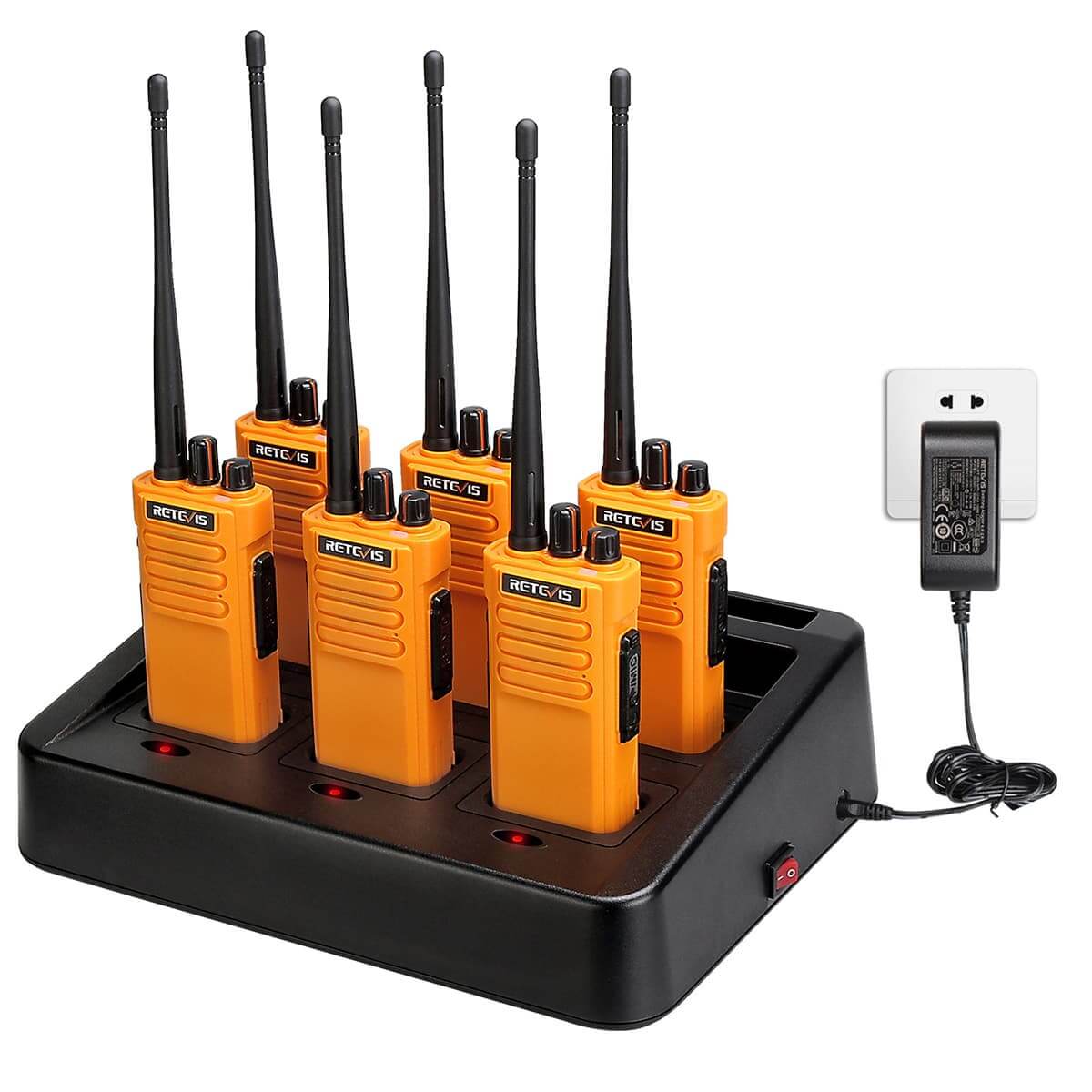
Emergency communication devices must last through full work shifts, overtime periods, and demanding jobsite conditions. If radios regularly run low before the shift ends, the emergency system becomes less dependable.
This is especially important on large construction developments, multi-trade projects, data center builds, mining-related works, and long-duration infrastructure sites where crews may be active for extended periods.
Group Alert Capability
A good site alert radio for construction should not only alert one person. It should support fast notification to supervisors, safety officers, or designated response teams. On some projects, it may also be necessary to send alerts to multiple workgroups or trigger a wider site safety two way radio alerts workflow.
This feature improves coordination and reduces the risk of missed messages during a critical event.
Common Construction Emergencies Where Radio Alerts Help
Emergency radio systems are most valuable when they are connected to real site hazards. On construction projects, several common incidents show why an emergency alert radio for site can improve response time.
Falls from Height
Falls remain one of the most serious construction risks, especially around scaffolding, ladders, roof edges, steelwork, and elevated platforms. If a worker falls and cannot move safely, an SOS walkie-talkie for construction allows immediate signaling to nearby supervisors or rescue personnel.
Equipment and Vehicle Incidents
Construction sites involve forklifts, telehandlers, excavators, cranes, dump trucks, loaders, and other mobile equipment. A struck-by event or equipment collision may require rapid communication across multiple teams. A site alert walkie-talkie helps notify site control quickly and keeps crews informed.
Fire or Electrical Emergencies
Temporary power systems, welding activity, fuel storage, battery charging stations, and electrical installation work all create potential fire and shock risks. In these cases, fast alerting is essential not only for the affected worker but also for area isolation and evacuation.
Medical Events
Not every emergency is caused by site activity itself. Heat stress, cardiac events, breathing difficulty, or sudden illness can happen on any project. A SOS walkie-talkie for workers gives crews a simple way to call for help when time matters most.
Restricted-Area or Hazardous-Zone Incidents
Large jobsites often include confined spaces, lift zones, energized areas, demolition sections, and other restricted work zones. If a worker encounters danger or an unauthorized person enters a hazardous area, an emergency alert walkie-talkie for site safety can speed up the response.
In each of these situations, the value of the radio is the same: it turns a delayed, uncertain warning into an immediate, actionable alert.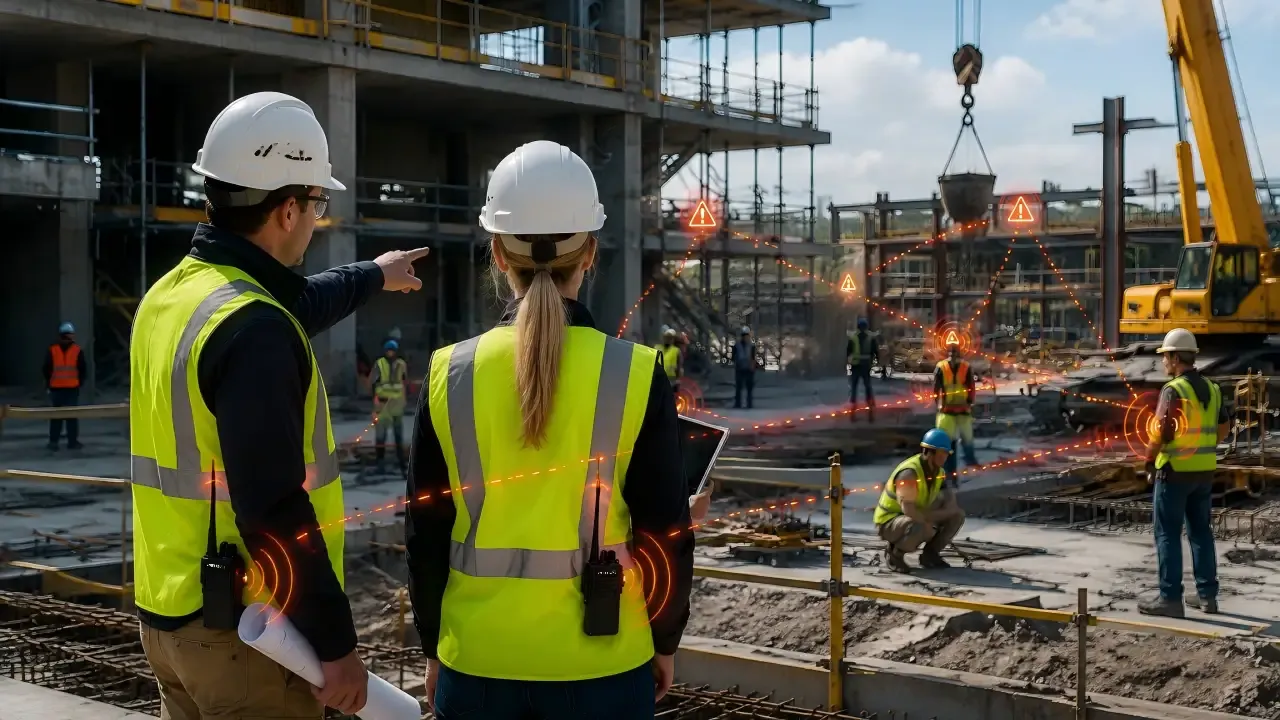
How to Set Up a Construction Site Emergency Alert System
A strong construction site emergency alert system is not only about buying radios. It depends on planning, configuration, and site-specific testing. The best systems are simple enough for workers to use under pressure and structured enough for supervisors to respond quickly.
1. Assess Site Risks
Start with the actual hazards on the project. Consider work at height, confined spaces, heavy vehicle movements, electrical exposure, remote work zones, temporary structures, and high-noise operations. A high-rise project, industrial plant build, road construction site, and warehouse expansion will all have different emergency communication needs.
This step helps define where site safety radio alerts are most important.
2. Choose the Right Radios
Select radios based on real construction conditions, not just general specifications. Look at:
- Site size and layout
- Indoor and outdoor coverage needs
- Noise level
- Durability requirements
- Shift length
- Number of users
- Need for a dedicated emergency alert walkie-talkie
For commercial contractors and industrial builders, the ideal device is usually a rugged emergency-ready construction walkie-talkie with strong audio, reliable battery life, and a clearly accessible emergency button.
3. Program Emergency Functions
The emergency system should be configured before deployment. That includes:
- Setting the behavior of the SOS/emergency alert button
- Choosing who receives the alert first
- Defining emergency call groups or emergency channels
- Setting alert tones or notification methods
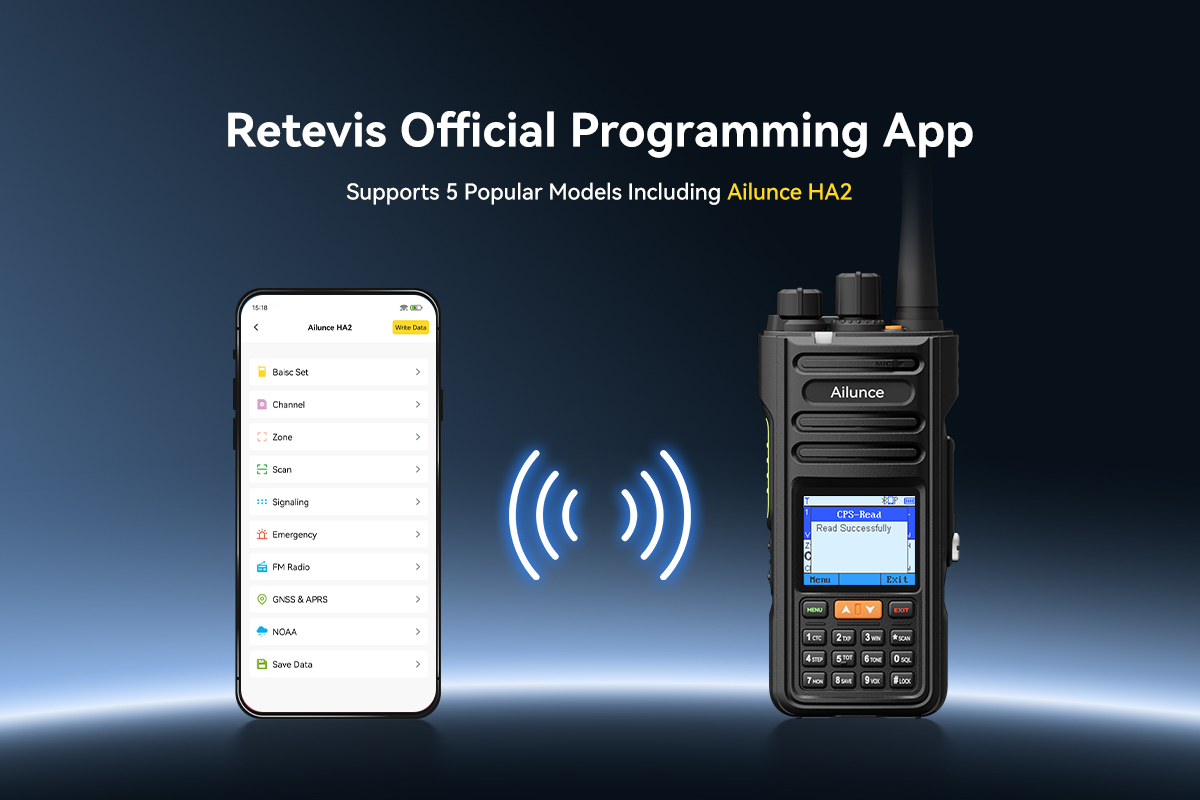
- Assigning radio IDs if needed for team tracking
A well-configured emergency communication walkie-talkie system makes it easier for site leaders to identify who triggered the alert and respond faster.
4. Test Coverage Across the Jobsite
Even a strong radio can perform differently depending on the environment. Steel framing, reinforced concrete, basements, stair cores, tunnels, temporary offices, and mechanical rooms may affect signal coverage.
Contractors should test all major work zones before relying on the system. This is especially important on large commercial developments, hospitals, airports, manufacturing projects, and multi-level building sites.
5. Train Workers
Every worker should know when and how to use the emergency function. Training should cover:
- What qualifies as an emergency
- How to press the emergency alarm walkie talkie button
- What to say after the alert
- Which team responds
- How to avoid accidental activation
Training should include subcontractors, temporary labor, and new starters. On many projects, communication gaps happen not because the system is poor, but because not everyone has been trained consistently.
How to Choose the Best Radio for Emergency Alerts
The best two way radio for construction site emergency alerts is not simply the toughest model or the most expensive unit. It is the radio that fits the site, supports the safety plan, and works reliably in real jobsite conditions.
For most contractors, the right choice should include:
- A dedicated SOS emergency walkie-talkie function
- Rugged construction-grade housing
- Clear audio in high-noise work areas
- Strong battery performance for full shifts
- Easy programming for emergency contacts and groups
- Coverage suitable for the project layout
- Dependable performance in dust, rain, and rough handling
A contractor managing a compact commercial fit-out may need a different solution than a civil engineering team, an industrial maintenance contractor, or a large general contractor working on a multi-building development. The key is to match the radio to the actual risk profile and communication workflow.
When evaluating an emergency alert radio for construction, think beyond standard voice communication. Ask whether the device will still be easy to use with gloves, in bad weather, on scaffolding, near machinery, or during a high-stress incident. That is what determines real safety value.
Conclusion
On a modern construction site, emergency communication needs to be immediate, simple, and reliable. A well-planned construction site emergency alert system helps workers send distress signals faster, helps supervisors respond with less confusion, and strengthens overall site safety.
Whether the project involves commercial building, civil works, industrial construction, steel erection, utility installation, or infrastructure development, an emergency alert two-way radio gives crews a practical way to call for help when every second counts. For contractors, safety managers, and site leaders, investing in the right emergency alert walkie-talkie is not just a communication upgrade. It is a direct improvement to emergency readiness on the jobsite.
If you are evaluating emergency alert radios for construction, focus on what matters most: fast access to help, reliable performance in harsh conditions, and a system that fits the way your site actually works.




 Google
 Amazon
Comments
No data Yet