

Table of Contents
High-Temperature Outdoor Patrol: How to Judge Radio High-Temperature Resistance & Extend Battery Life
- Posted by:Retevis
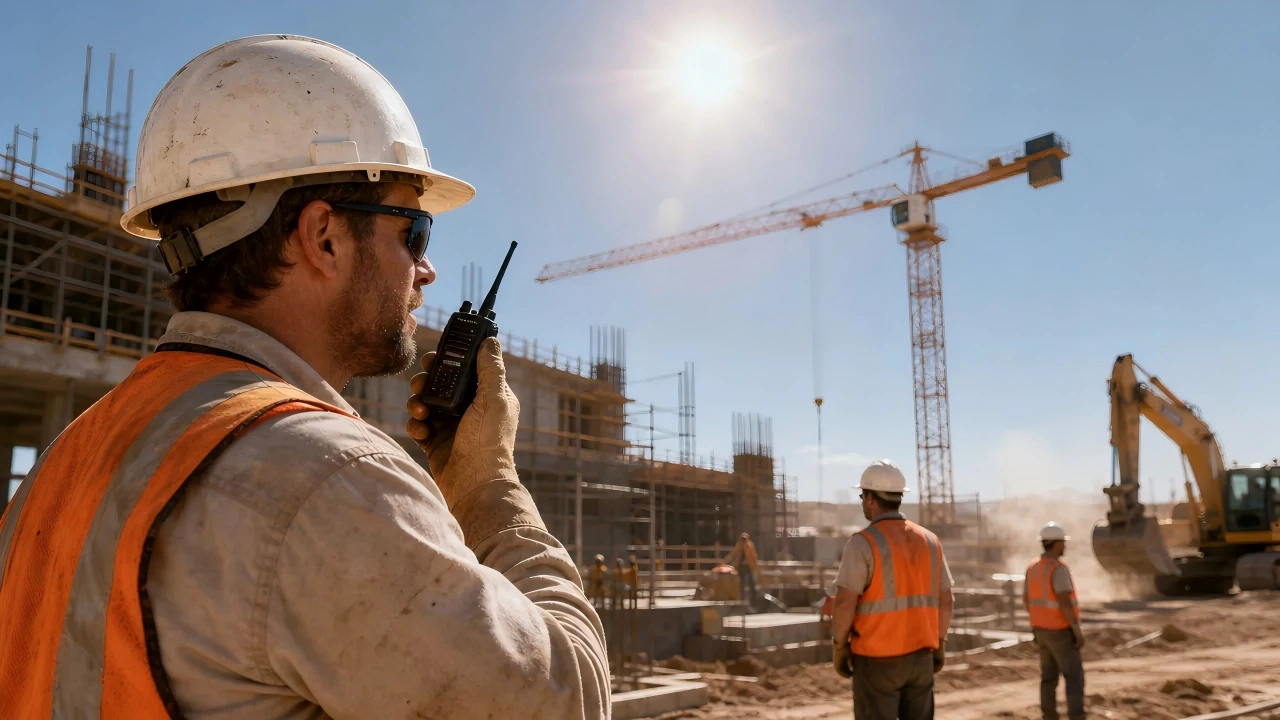
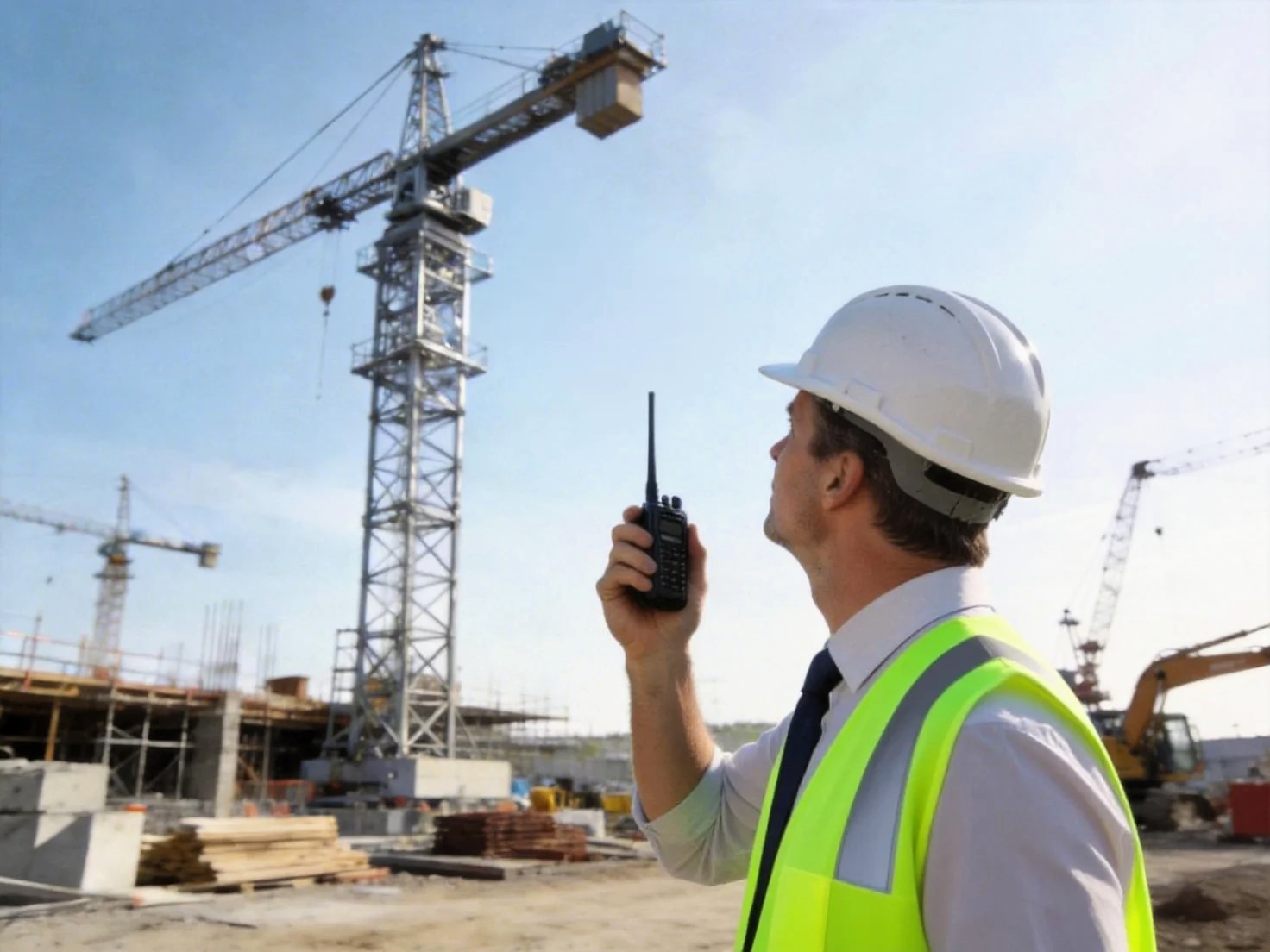
When exploring what are the tools helpful in construction site inspections, a reliable construction communication system stands as a foundational piece of equipment for safety and operational efficiency. The construction site walkie talkie serves as the core of this system, enabling real-time coordination, hazard alerts, and routine check-ins across open-air work zones. Unlike shaded indoor or urban work environments, open construction sites face amplified heat stress from direct sun exposure and ground heat reflection, where device surface temperatures can rise 10–15°F above ambient air temperature. This makes high-temperature tolerance a non-negotiable performance indicator for on-site communication equipment.
As summer temperatures rise, outdoor patrol and inspection teams face consistent device performance challenges. Per OSHA’s proposed heat illness prevention rule, employers must maintain regular two-way communication with outdoor workers when heat indices reach 80°F, with enhanced monitoring requirements at 90°F and above. Construction site walkie talkies that fail under high heat and shut down mid-shift create both compliance gaps and safety risks.
This guide covers clear criteria for judging high-temperature resistance performance, proper high-temperature operating practices, battery maintenance techniques, and overheat emergency handling steps to keep construction communication systems stable through peak summer heat.
How High Temperatures Impact Construction Site Walkie Talkies
High heat affects device performance and lifespan in three key ways:
- Circuit and function disruption
Prolonged high-power transmission under high temperatures triggers internal heat buildup. Devices may reduce transmission power automatically or shut down completely to protect internal circuits, interrupting continuous communication.
- Accelerated battery degradation
High temperatures speed up internal chemical consumption in batteries. Runtime decreases noticeably, and long-term exposure to heat shortens overall battery service life.
- Structural aging
Extended direct sun exposure damages exterior casing and sealing components over time, reducing dust and water resistance and shortening the device’s service life.
3 Key Criteria to Evaluate High-Temperature Resistance of Radios
These three verifiable indicators allow direct evaluation from product specification sheets, with no professional technical background required.
- Official rated operating temperature range
This is the most intuitive reference index. For open construction site scenarios, industrial-grade models with an upper temperature limit of 60°C or above are recommended. Wider upper temperature limits mean the device can maintain stable function longer in extreme summer heat, with fewer unexpected outages. Basic consumer models usually have narrower temperature tolerance and are unsuitable for long-term outdoor patrol use.
- Industrial-grade component and wide-temperature circuit design
High-temperature resistance relies first on component selection, not auxiliary structural design. Models built with industrial-grade core components and wide-temperature circuit boards maintain stable electrical performance even under sustained high temperatures. Low-end models using consumer-grade components degrade quickly when exposed to heat, leading to frequent functional failures.
- Built-in intelligent overheat protection mechanism
Quality devices include graded overheat protection logic. When internal temperatures reach warning levels, the device adjusts operating parameters gradually to reduce heat generation, instead of shutting down abruptly. This design balances uninterrupted communication and long-term hardware durability.
Standard Operating Rules for High-Temperature Outdoor Use
Follow these practices to reduce unnecessary heat stress and extend device lifespan during summer patrols.
- Avoid prolonged continuous high-power transmission. Use short, clear transmissions instead of long speaking sessions to reduce internal heat generation.
- Place devices in shaded areas when not in active use. Do not leave walkie talkies on sun-exposed tool benches or vehicle dashboards for extended periods.
- Do not seal active devices in closed toolboxes. Restricted air flow traps heat and speeds up internal temperature rise.
- Conduct quick device checks before each shift. Inspect for abnormal surface heat or battery swelling to identify potential issues early.
Battery Maintenance Tips for High-Heat Conditions
Proper battery care prevents premature degradation and safety risks. Follow separate guidelines for different usage states.
- During operation
Moderate runtime reduction in high temperatures is normal. Store spare batteries in shaded areas instead of direct sun exposure.
- During charging
Do not charge batteries in direct sun or high-temperature environments. Move batteries to a cool, ventilated indoor space and allow them to cool to room temperature before plugging in.
- Short-term storage
Store unused batteries in cool, dry indoor spaces. Do not leave them inside hot vehicles or closed tool cabinets overnight.
- Long-term storage
Store batteries at approximately 50% charge in room-temperature, dry conditions. Check charge status periodically to prevent over-discharge and swelling.
Emergency Handling Steps for Overheating Walkie-Talkies on Construction Sites
Follow these steps if a device triggers overheat protection during use.
- Stop transmission immediately, power off the device, and move it to a cool, ventilated area to cool down naturally.
- Do not apply ice water, ice packs, or cold water rinses to the device. Sudden temperature changes cause internal condensation and permanent circuit corrosion.
- Wait until the device returns to room temperature before restarting and testing function. Do not force power on during high-temperature states.
- If overheat protection triggers frequently, check for blocked external openings and contact after-sales support for internal inspection.
Team-Level Bulk Communication System Management Practices
Standardized team management reduces uneven device wear and lowers overall failure rates, which is especially valuable for large construction sites with multiple work crews.
- Establish a pre-shift device inspection process. Record abnormal conditions uniformly for each shift to track long-term device health across different work zones.
- Implement a battery rotation system. Avoid running single batteries through full consecutive high-load shifts to extend overall battery lifespan and reduce bulk replacement costs.
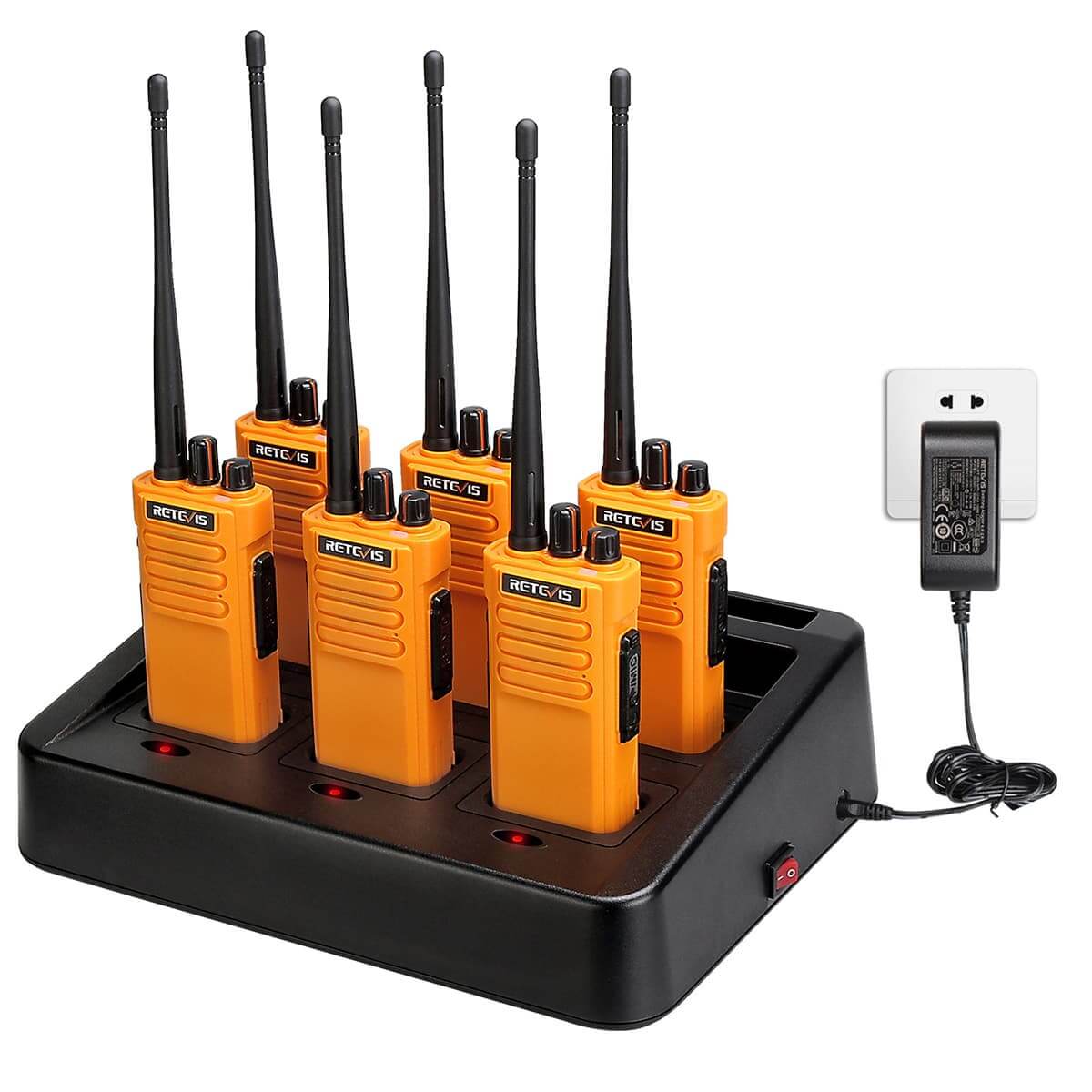
- Set up centralized storage in cool, ventilated indoor areas. Charge and store devices in a unified space away from direct sun exposure to ensure consistent starting condition for every shift.
- Conduct regular training on high-temperature operating rules to reduce device damage caused by improper handling.
Recommended Model for High-Temperature Construction Site Inspections
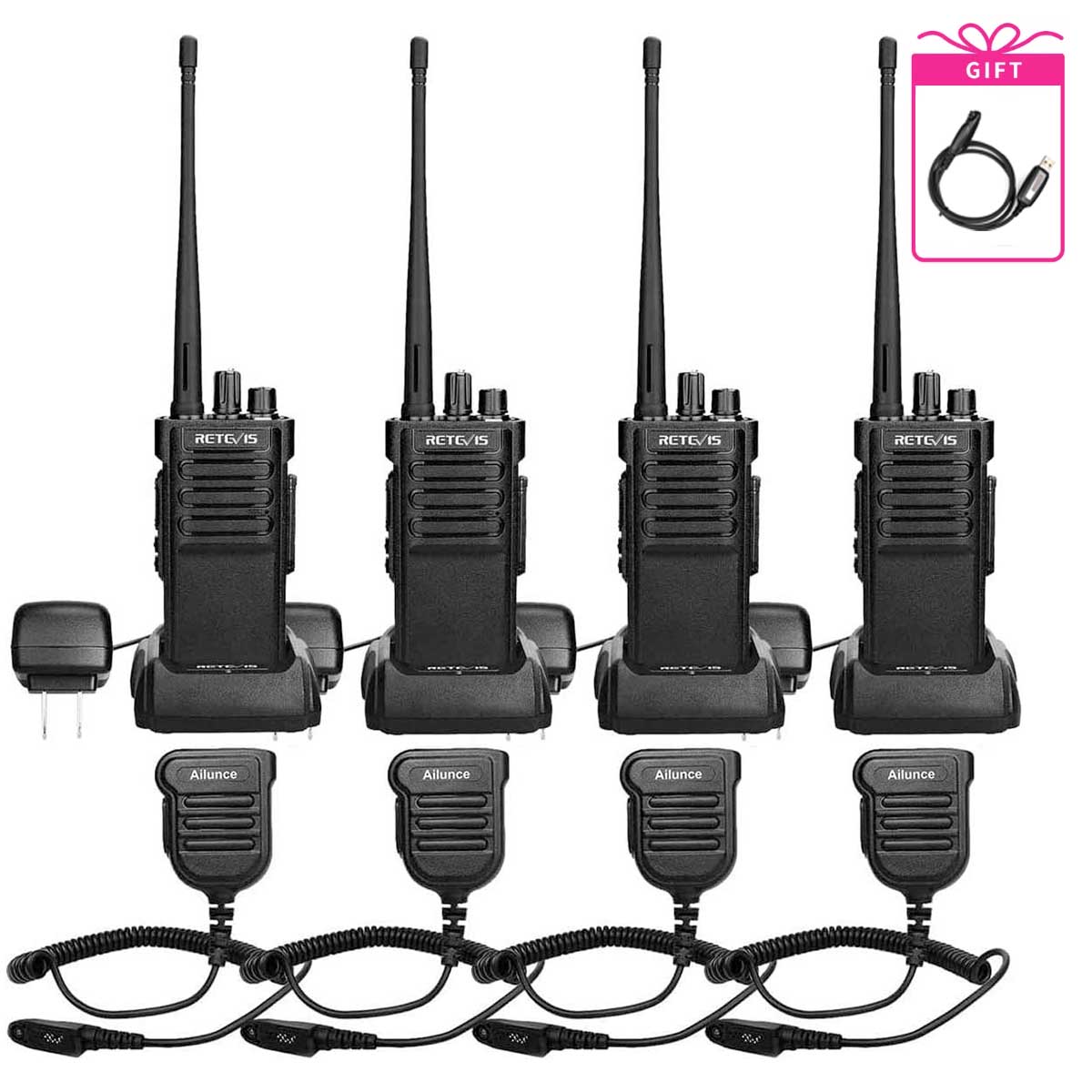
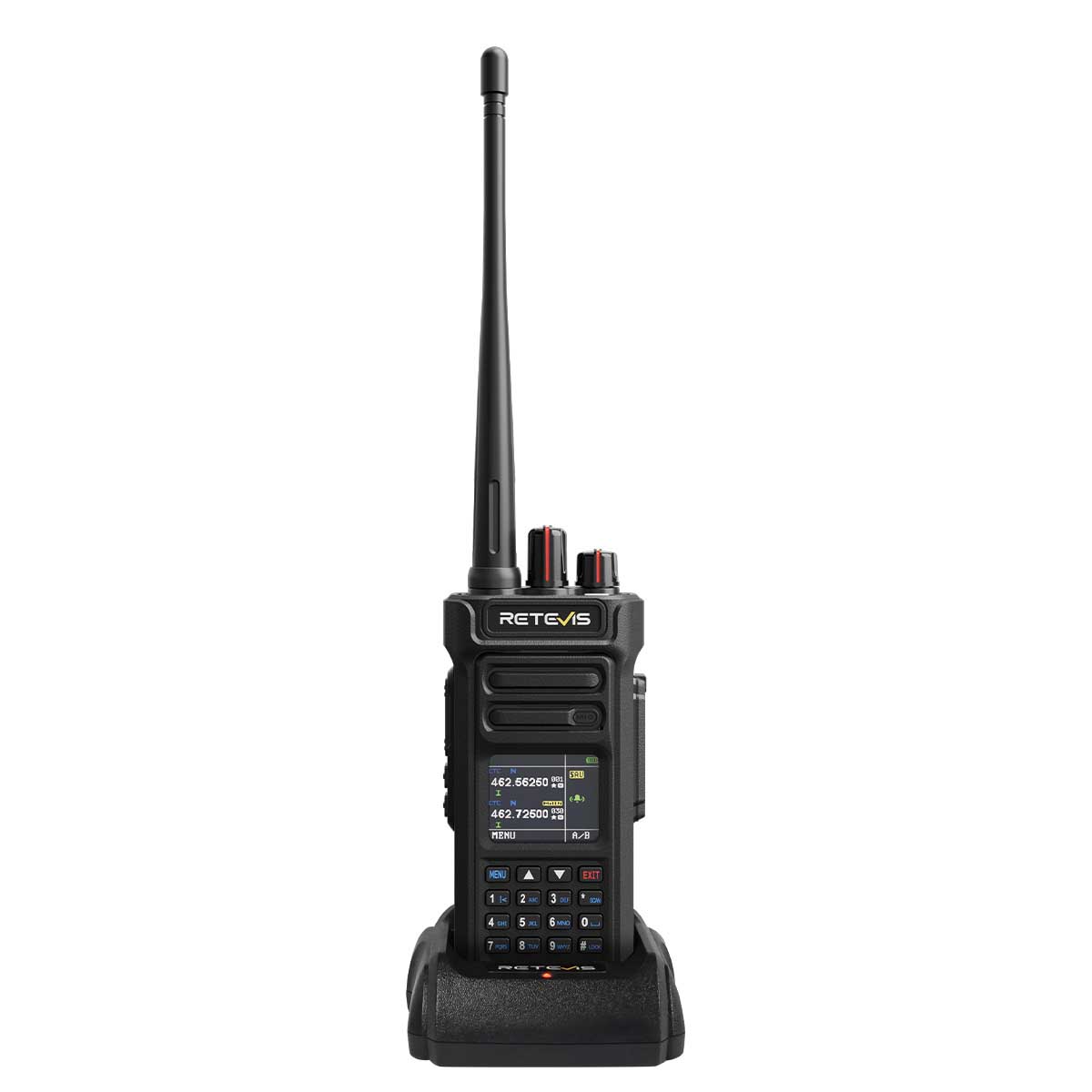
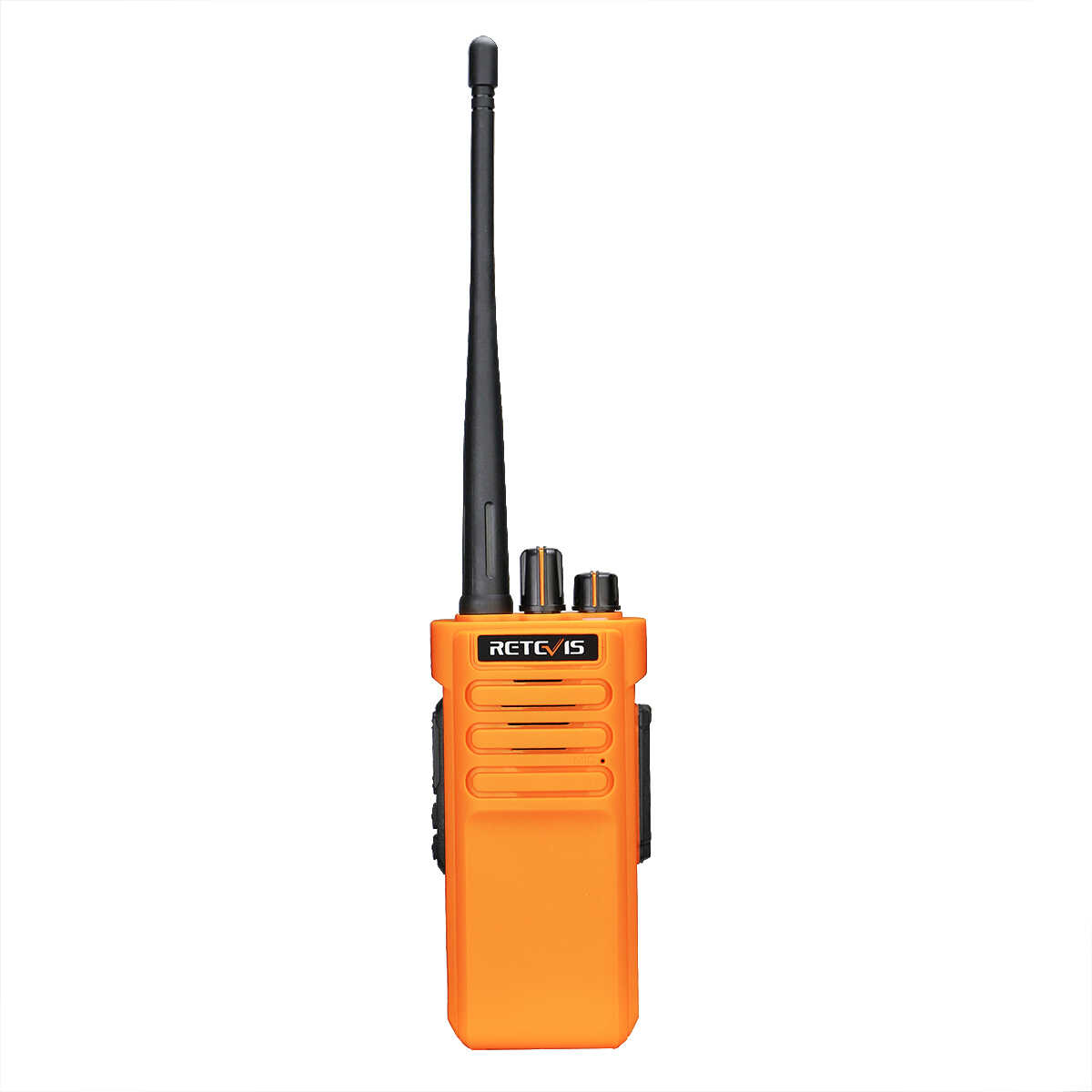
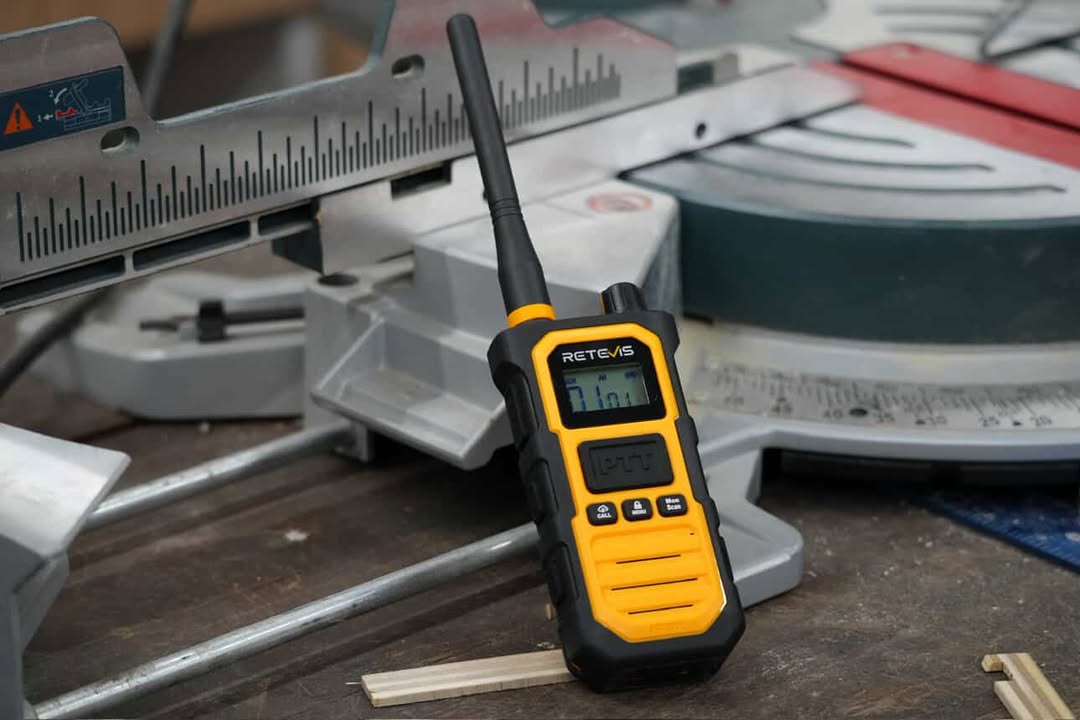
The Retevis RT29 construction site walkie talkie is engineered for heavy-duty outdoor inspection scenarios, meeting all the high-temperature resistance and durability criteria outlined above. It serves as a reliable core component of any construction communication system.
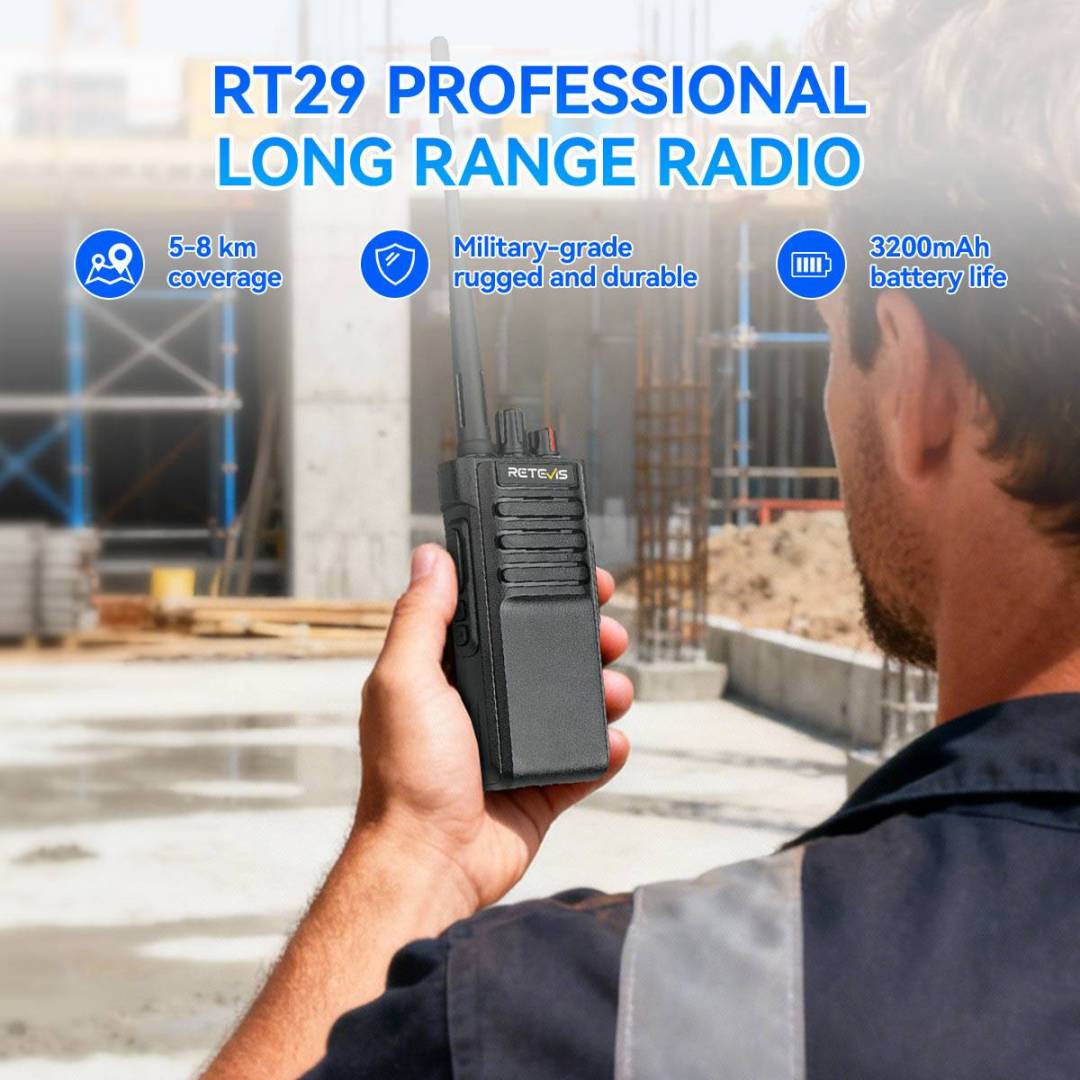
- Supports a wide operating temperature range from -10°C to +50°C, with core components selected to industrial-grade wide-temperature specifications. The device maintains stable transmission and reception performance even during peak summer heat on open construction sites, with no unexpected shutdowns during routine full-shift use.
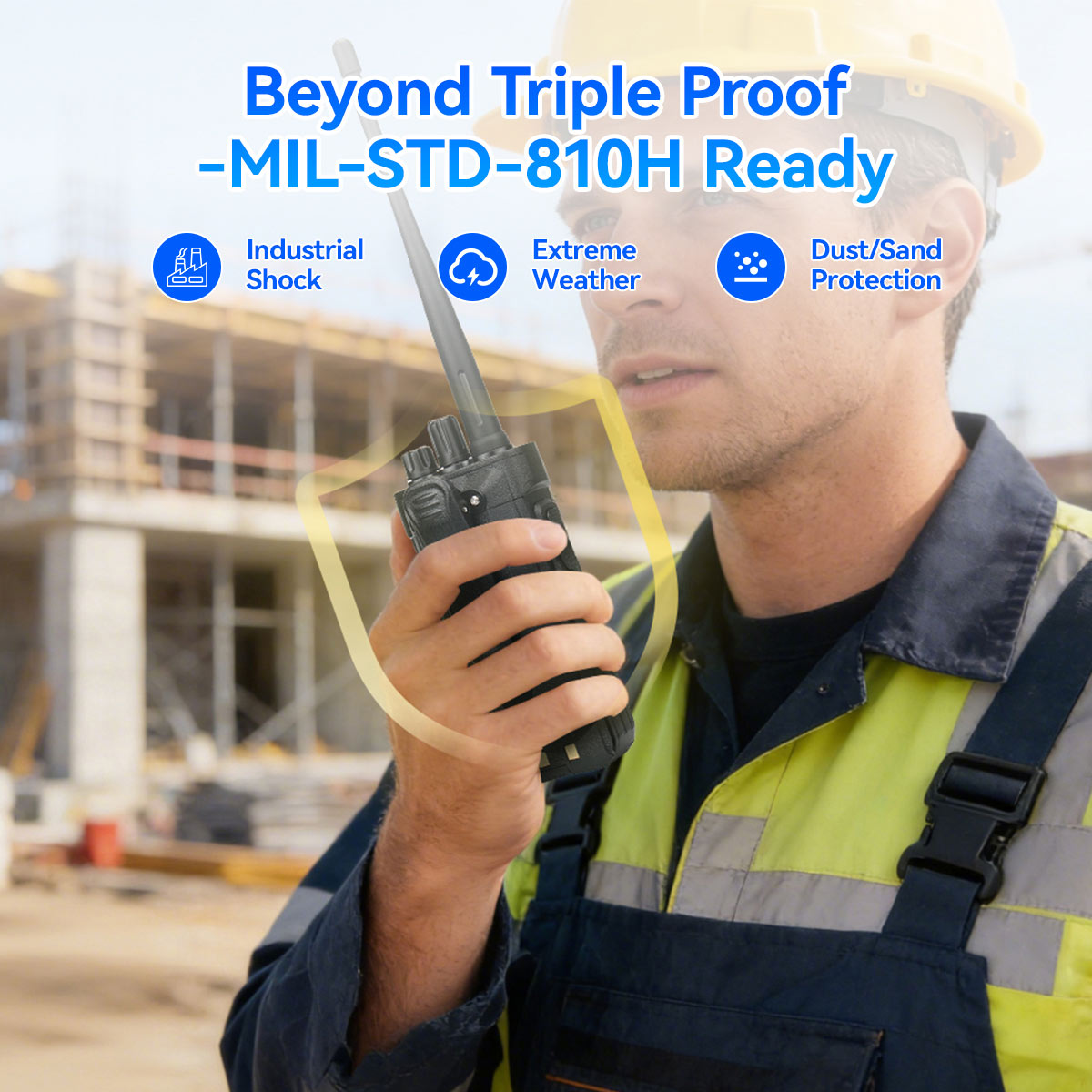
- Adopts a high-temperature resistant engineering plastic housing with UV-resistant treatment, which withstands prolonged direct sun exposure without casing aging, deformation or sealing performance degradation. The built-in graded overheat protection mechanism adjusts operating parameters smoothly to preserve communication continuity under sustained high-load use.
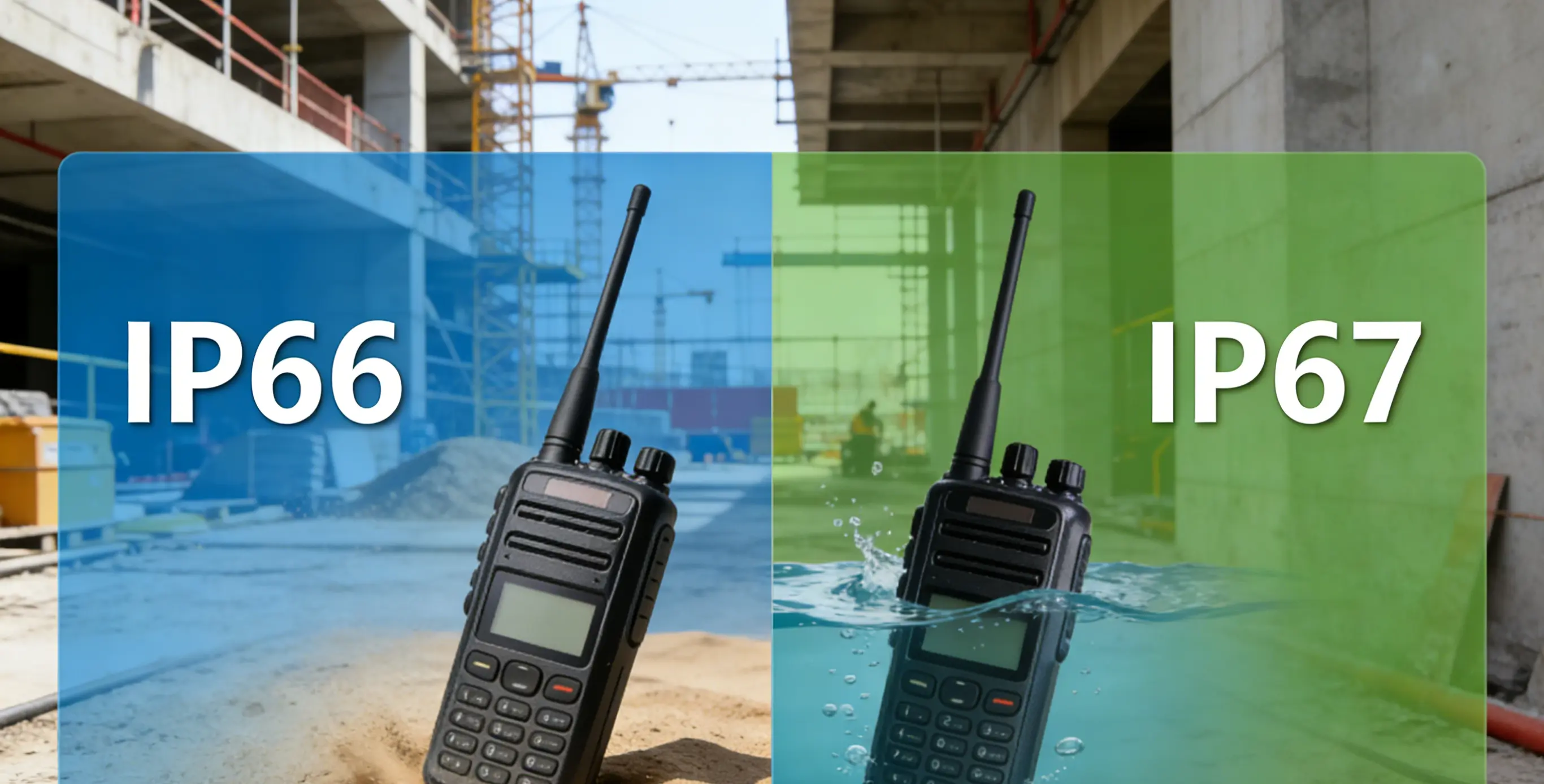
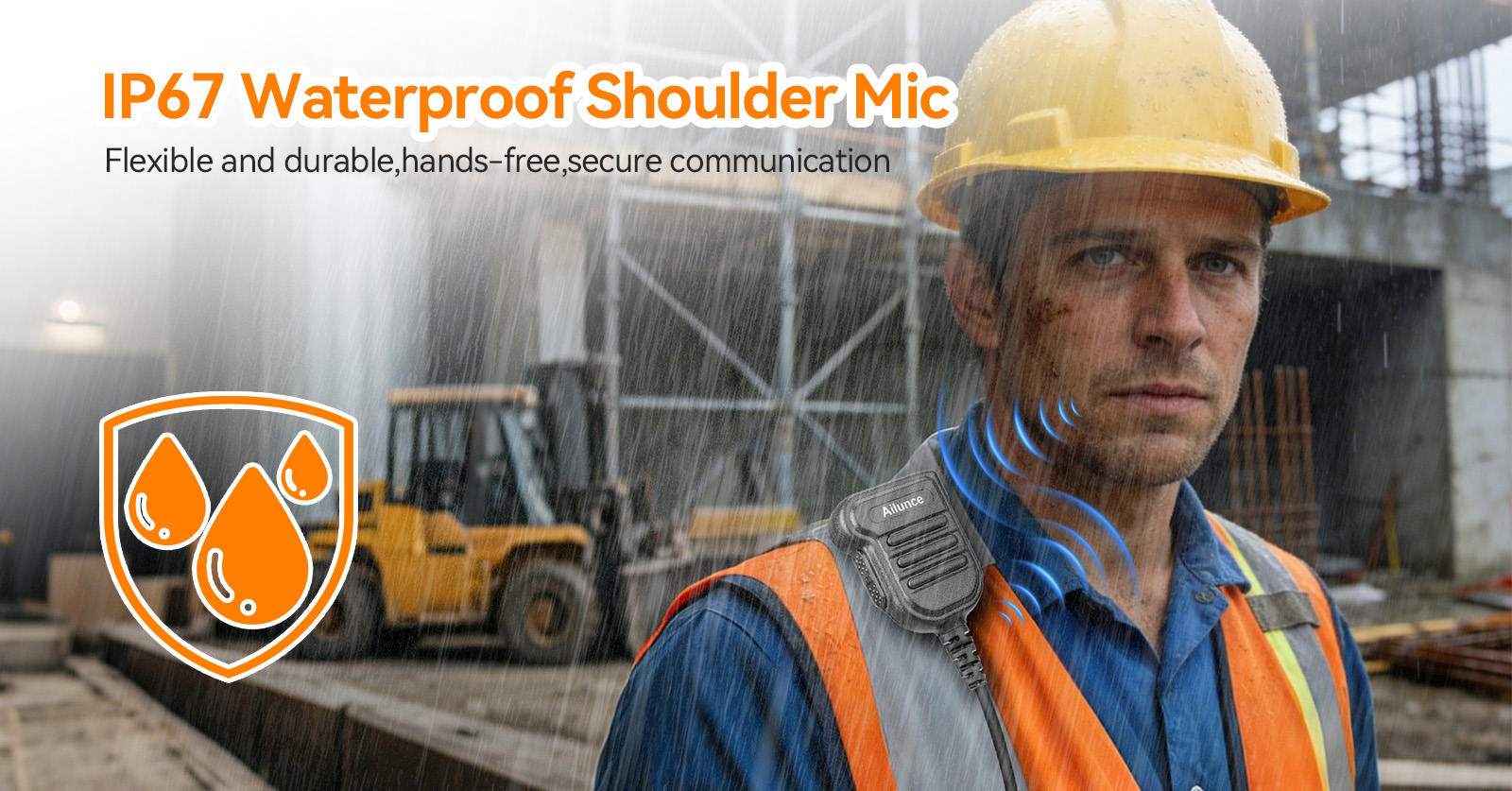
- Carries an IP67 dustproof and waterproof rating, withstanding dust, occasional rain and harsh outdoor conditions common on construction sites.
- Equipped with a high-capacity battery with built-in temperature protection, which automatically adjusts charging current based on battery temperature to reduce degradation risk and prevent safety hazards. It delivers long battery life to support full-shift patrols without mid-shift recharging.
Frequently Asked Questions
Q: Is reduced battery life in summer a sign of battery failure?
A: Moderate battery life reduction in high temperatures is normal. If runtime drops by more than 30% compared to room temperature performance, inspect the battery for swelling or damage.
Q: Can walkie talkies be used continuously when the heat index exceeds 100°F?
A: Models with qualified high-temperature ratings operate normally under these conditions. Avoid prolonged continuous transmission and leave short intervals between long transmissions to reduce unnecessary internal heat buildup.
Q: Do all construction site walkie talkies have overheat protection?
A: No. Entry-level consumer models often lack dedicated overheat protection circuits. Industrial-grade models like the RT29 include full graded overheat protection for reliable heavy-duty use.




 Google
 Amazon
Comments
No data Yet