

Table of Contents
Construction Radio Procurement Guide: Why Retevis RT29 Is Ideal for Peak Summer Jobsites
- Posted by:Retevis
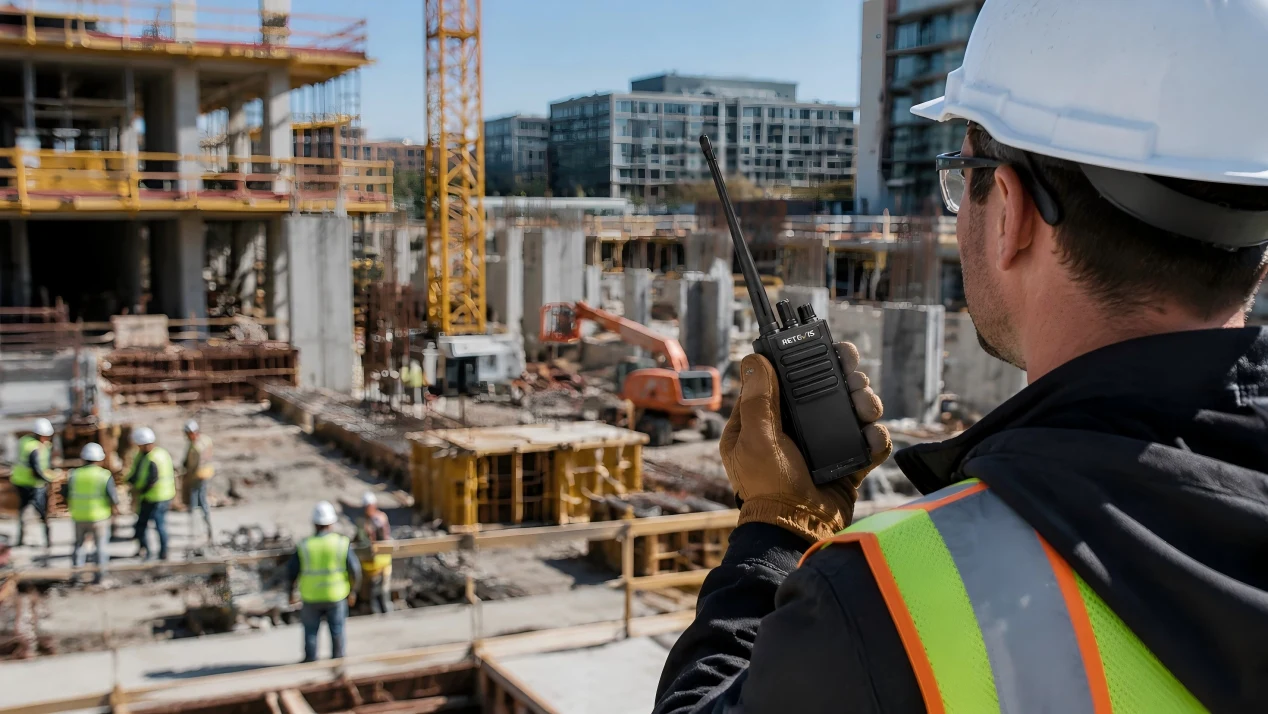
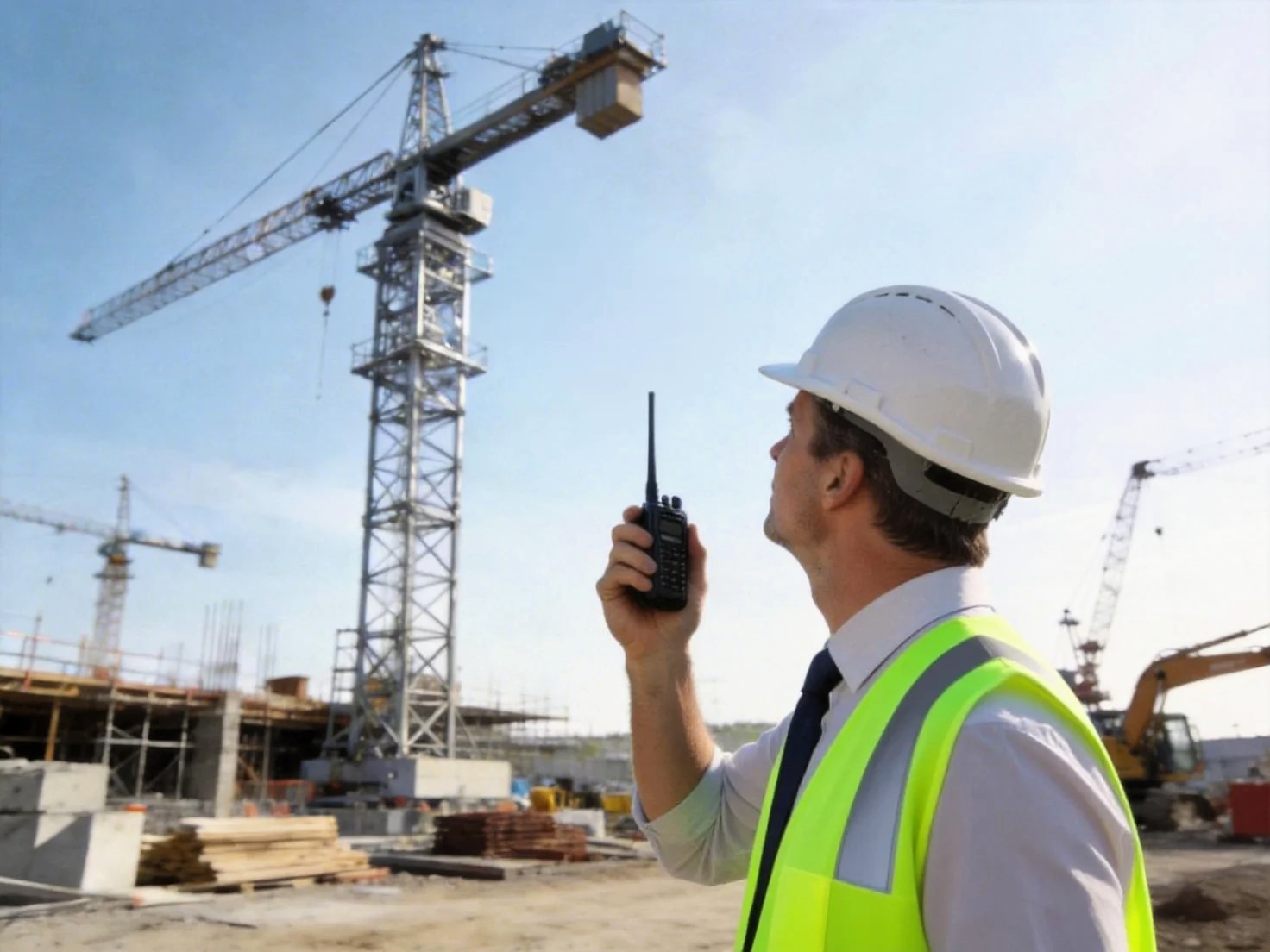
Effective ways to improve communication on a construction site are critical for mid-late July peak construction. European and North American residential and commercial projects face tight schedules and complex outdoor conditions, making reliable jobsite communication radios a core operational necessity. Stable real-time team coordination directly boosts productivity, reduces miscommunication errors, and minimizes on-site safety risks during high-intensity summer construction.
Optimize Jobsite Communication Radios for Peak Construction Seasons
-
Why Mid-Late July Is the Best Procurement Window for Construction Radios
Construction project progress is highly seasonal, and July to September is the busiest construction period for European and American building industries. Concentrated project start-ups bring massive equipment renewal and replenishment demands, making mid-late July the most valuable procurement node for jobsite communication radios. Summer’s high temperatures, frequent rainstorms, and heavy dust accelerate wear on old communication devices, causing common issues like signal interruption, battery aging, and water damage that hinder continuous peak-season operation.
Peak construction also involves multi-area partition work, cross-team collaboration, and extended work shifts, where outdated low-performance radios severely limit coordination efficiency. Advance batch procurement avoids seasonal equipment shortages and price hikes while allowing time for equipment debugging and worker adaptation. Additionally, European and American sites enforce strict summer safety inspections, and fully functional industrial radios are essential for compliance, making pre-season radio replenishment a necessary investment for smooth project delivery.
-
Scientific Jobsite Communication Radios Quantity Allocation for Single Projects
Blind radio procurement often leads to equipment waste or shortages, hurting efficiency and raising project costs. Reasonable radio allocation is one of the most practical ways to improve communication on a construction site. Below are standardized, reusable allocation benchmarks tailored for European and American residential and commercial construction projects.
-
Residential Building Construction Allocation Standard
Small 1–3 floor residential renovations and new builds feature simple layouts and concentrated work areas, requiring 6 to 10 radios per project. This setup covers construction foremen and 1–2 devices for core teams including carpentry, masonry, and hydropower crews to support daily scheduling and basic on-site communication. For medium and high-rise residential buildings (4–12 floors), multi-layer scattered work creates more signal blind spots, requiring 12 to 20 radios to cover management, security, material delivery, and all construction teams for full vertical and horizontal site coverage.
-
Commercial Building Construction Allocation Standard
Commercial buildings such as offices, malls, and industrial facilities have large, complex layouts with simultaneous multi-process operations, demanding strong signal penetration and full-site coverage. Most projects require 25 to 40 jobsite communication radios, with dedicated devices for key roles including supervisors, tower crane operators, high-altitude workers, and safety officers, plus independent channel scheduling for each professional team to ensure orderly multi-task operation.
-
General Allocation Principles for Peak Seasons
During July’s peak construction period with high personnel turnover and heavy equipment usage, follow two key principles. Core management and safety roles require one dedicated radio per person for instant scheduling and emergency responses. Auxiliary teams like material handling and site cleanup can share devices in shifts to cut procurement costs. Always reserve 10%–15% spare radios to offset sudden equipment failure and temporary staff expansions, preventing communication outages.
Practical Accessory Selection Guide for Construction Jobsite Communication Radios
Matching professional accessories maximizes industrial radio performance, adapts to harsh summer construction environments, and extends equipment lifespan. For noisy, hot, rainy, and dusty peak-season job sites, targeted accessory selection is essential for stable jobsite communication radios operation.
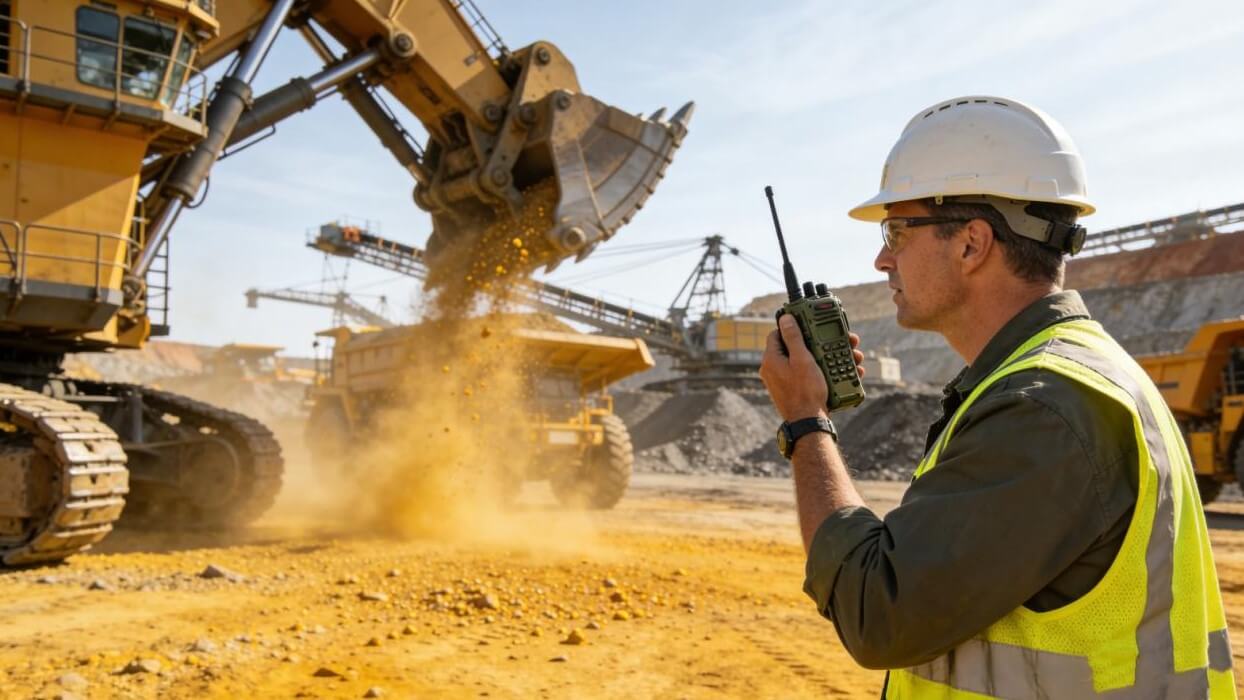
Noise-canceling safety headsets are indispensable for machinery-heavy construction zones, filtering ambient noise to ensure clear instruction transmission while meeting European and American workplace noise safety standards. High-capacity spare batteries resolve insufficient power issues during long summer work shifts, supporting all-day uninterrupted communication. Waterproof protective cases defend against sudden rain and ground water to prevent equipment damage. Vehicle-mounted and multi-port desktop chargers enable flexible, centralized power supply for batch devices. For high-rises and large sites, high-gain antennas enhance signal penetration, eliminating wall and floor shielding blind spots.
Safety & Functional Screening Standards for Industrial Construction Radios
Unlike civilian radios, professional jobsite communication radios must meet strict industrial durability and safety standards, a core benchmark for foremen selecting peak-season equipment. Choosing compliant industrial devices is fundamental to optimize ways to improve communication on a construction site and reduce operational risks.
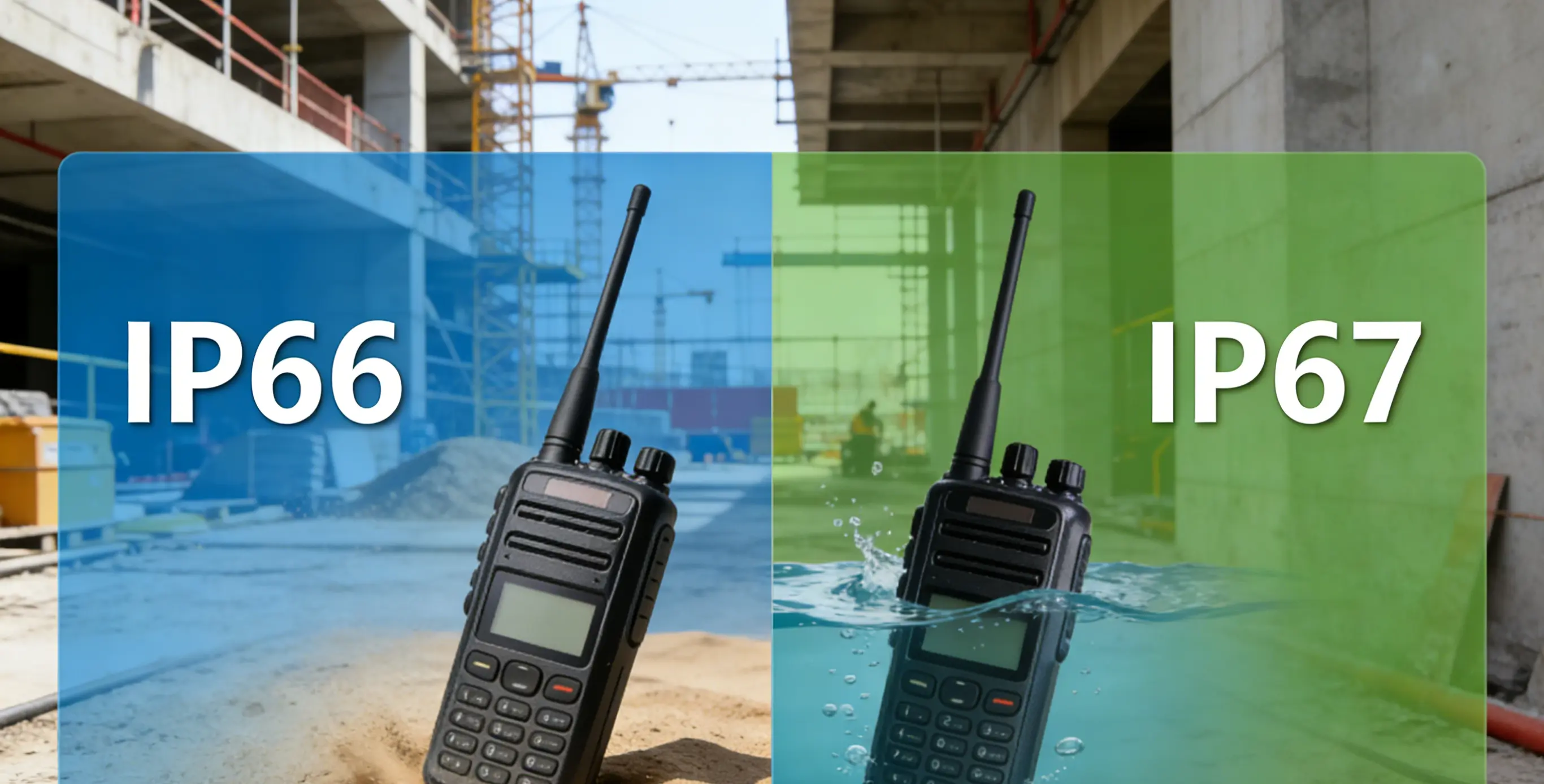
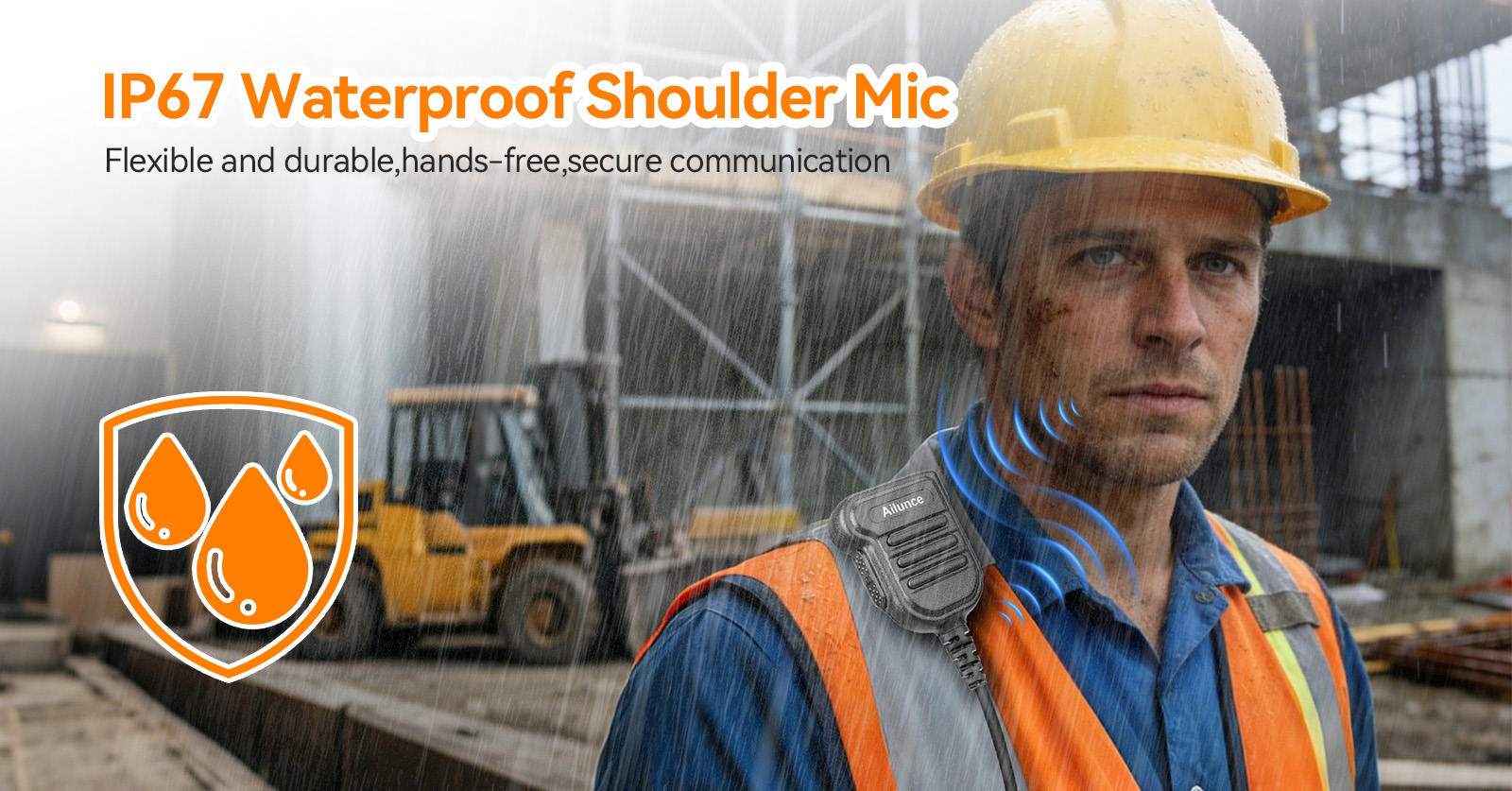
First, IP67 dustproof and waterproof grading is non-negotiable to withstand summer rain, dust buildup, and outdoor exposure that disable ordinary consumer radios. Second, high-power output and high-gain antennas deliver strong wall and floor penetration, solving signal attenuation in multi-layer and large-scale sites. Third, integrated one-touch SOS emergency alarms enable rapid distress signal transmission for falls, equipment failures, and other emergencies, improving on-site emergency response efficiency.
Professional anti-interference technology eliminates signal clutter and frequency hopping caused by construction machinery and electrical equipment. Additionally, industrial-grade drop-proof and high-temperature resistant bodies withstand 2-meter drops and long-duration high-heat outdoor work, ensuring stable all-weather peak-season operation.
Top Jobsite Communication Radios: Retevis RT29 for Heavy Construction Peak Seasons
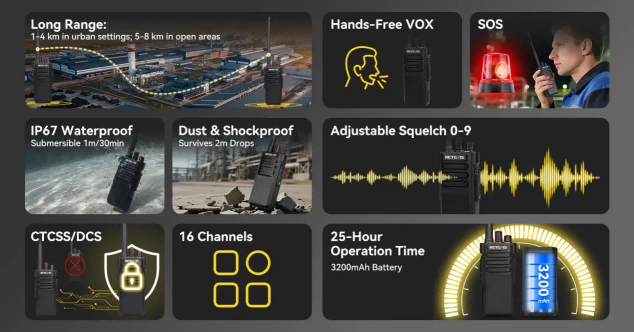
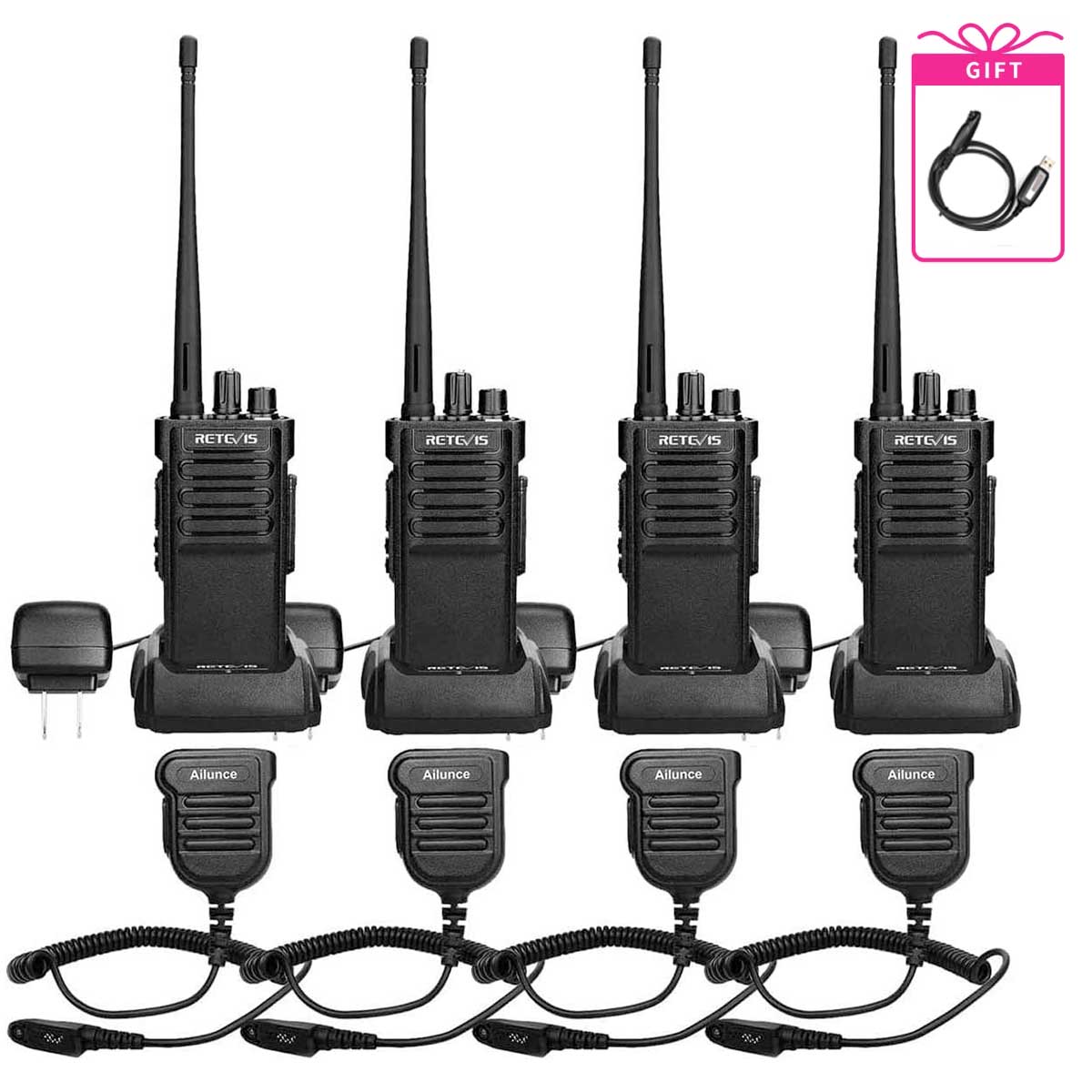
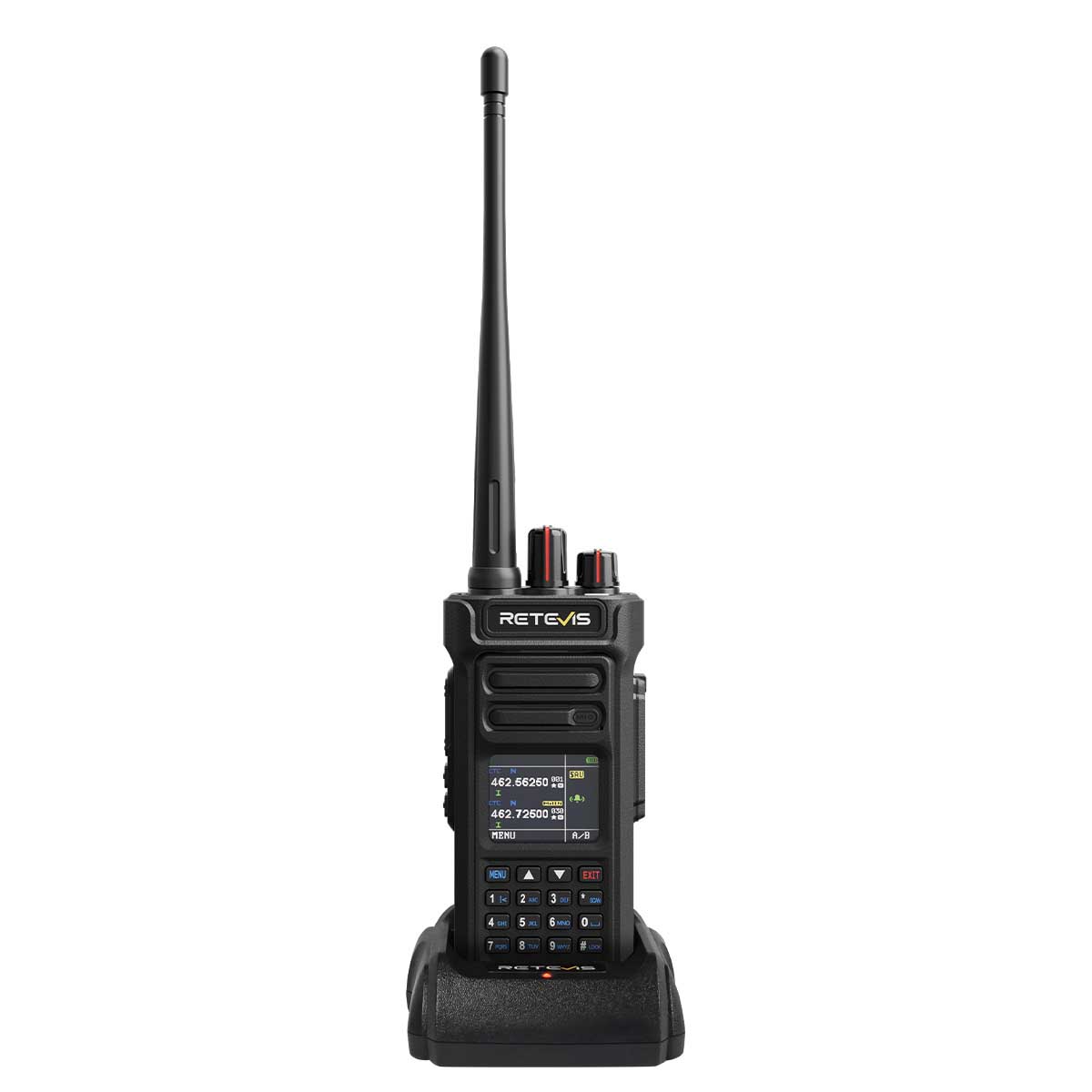
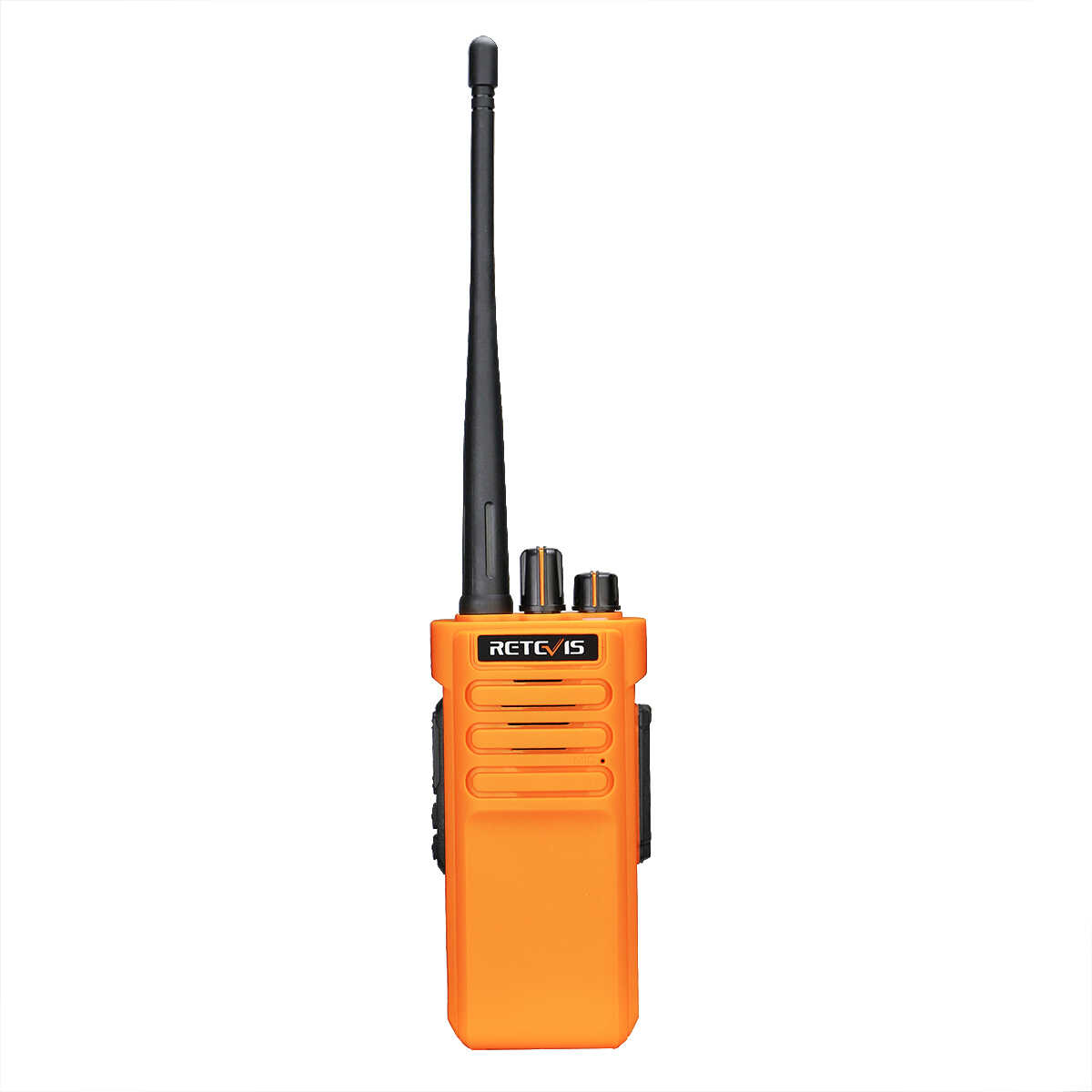
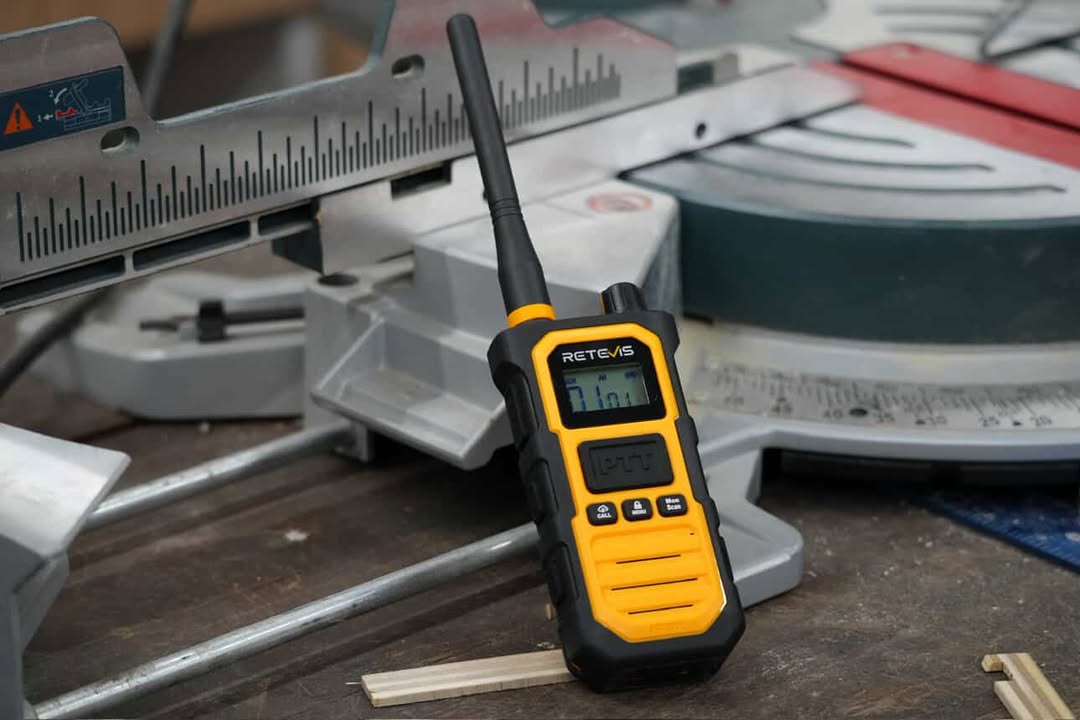
For construction teams seeking stable, safe, and efficient on-site communication this July, the Retevis RT29 heavy-duty industrial radio is a premium solution. It fully complies with all construction industrial standards, solves peak-season high-intensity communication pain points, and stands out as one of the most cost-effective jobsite communication radios for European and American residential and commercial projects.
-
Long-Range Signal Penetration for Large Obstructed Worksites
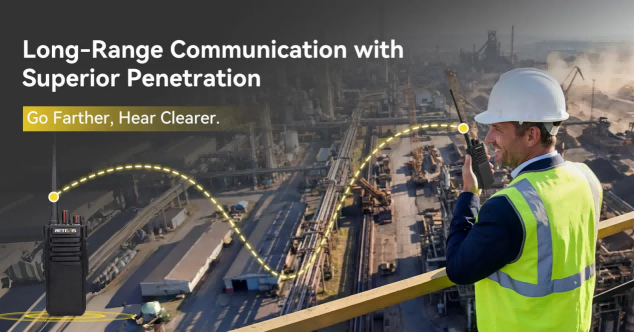
Most on-site communication failures stem from structural barriers and long-distance signal loss. Equipped with high-power output and a professional high-gain antenna, Retevis RT29 extends communication range and boosts penetration capability. It seamlessly connects crews across multi-floor buildings, partitioned work zones, and wide open sites, eliminating dead zones caused by walls, steel structures, and terrain obstacles. Reliable cross-area, cross-team coordination makes it one of the most practical ways to improve communication on a construction site.
-
Military-Grade Rugged Build for Harsh Summer Jobsites
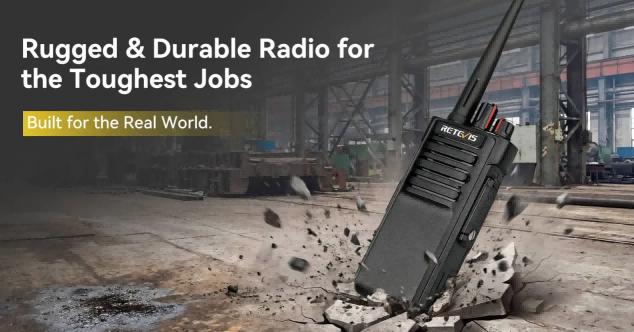
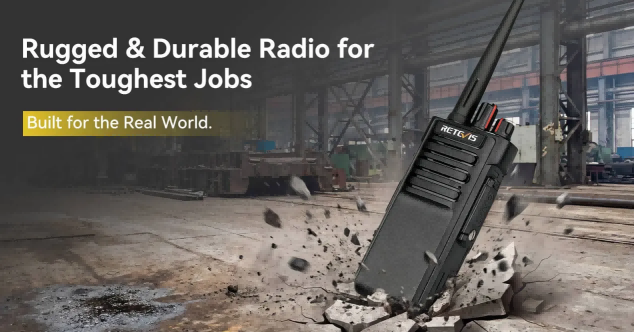
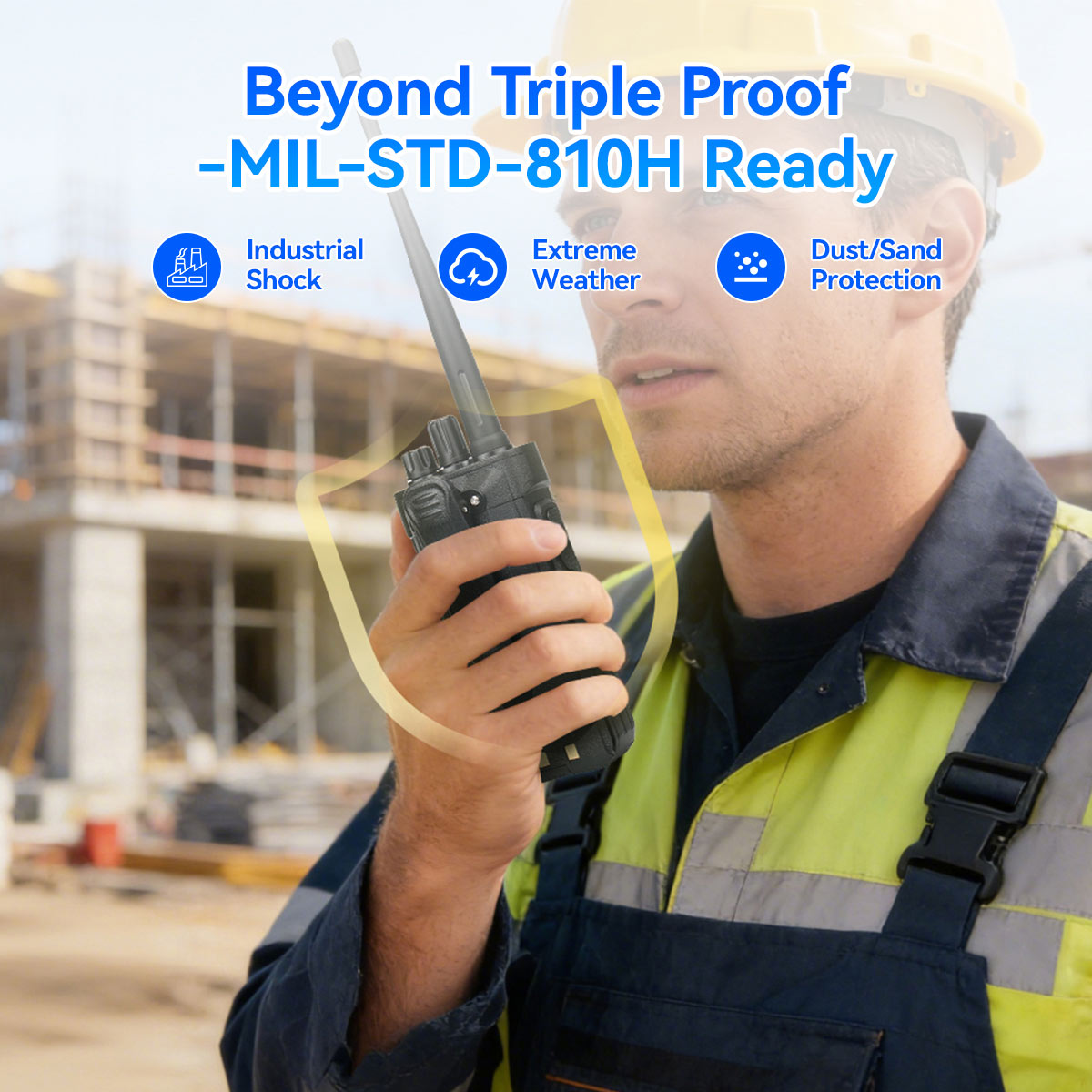
Summer peak construction exposes devices to extreme wear and tear. The RT29 features a military-grade aluminum alloy body and authentic IP67 dustproof and waterproof rating, resisting 2-meter free drops, daily collisions, rain erosion, dust accumulation, and high-temperature exposure. Its heavy-duty stability minimizes seasonal equipment failures and replacement costs, delivering excellent long-term value for peak-season batch procurement.
-
3200mAh Long Battery Life for Full-Shift Continuous Operation
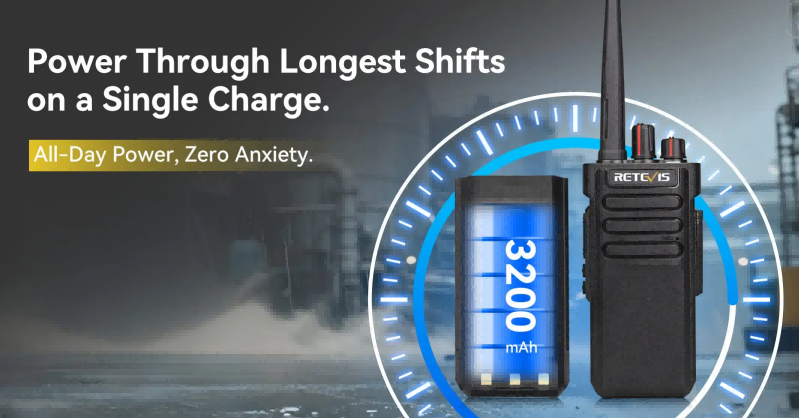
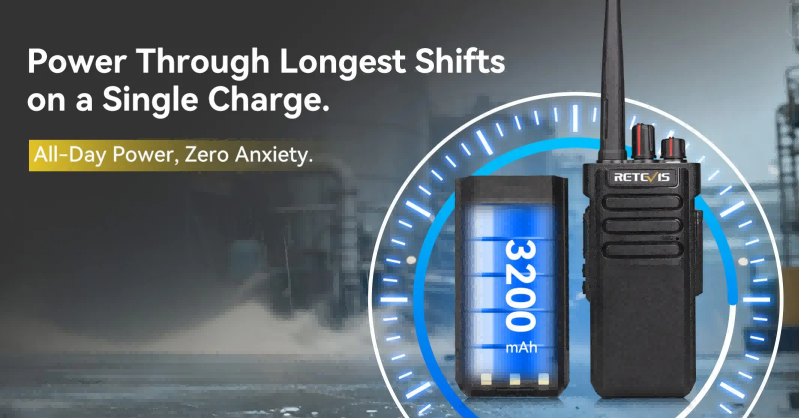
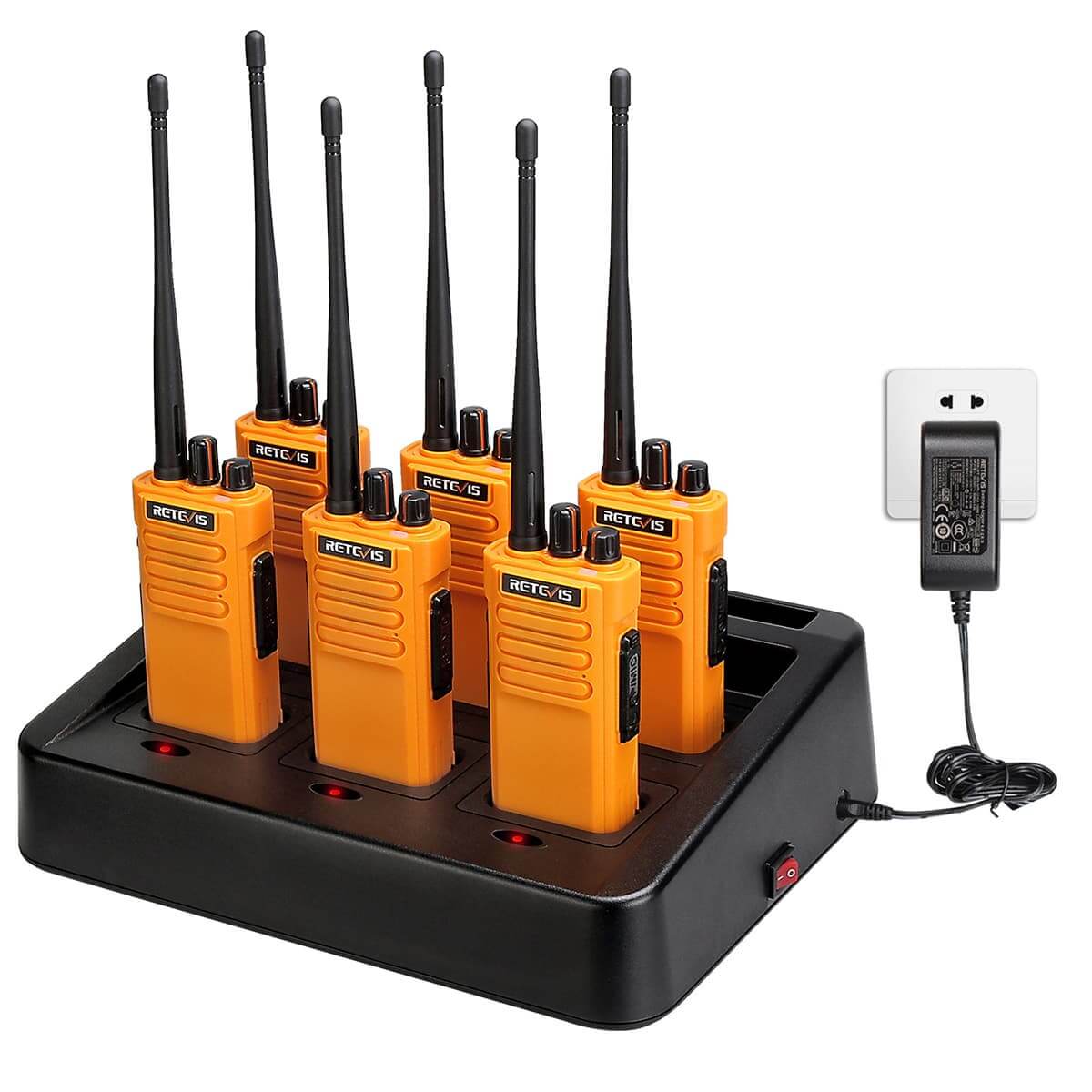
Long work shifts and inconvenient on-site charging are common summer construction pain points. The RT29’s built-in 3200mAh large-capacity battery supports all-day continuous operation on a single charge, fully matching peak-shift work schedules. The optional six-way multi-port charger enables efficient centralized charging for multiple devices, reducing equipment downtime and ensuring non-stop jobsite communication radios operation for large crews.
-
Clear Noise-Cancelling Audio for High-Noise Construction Zones
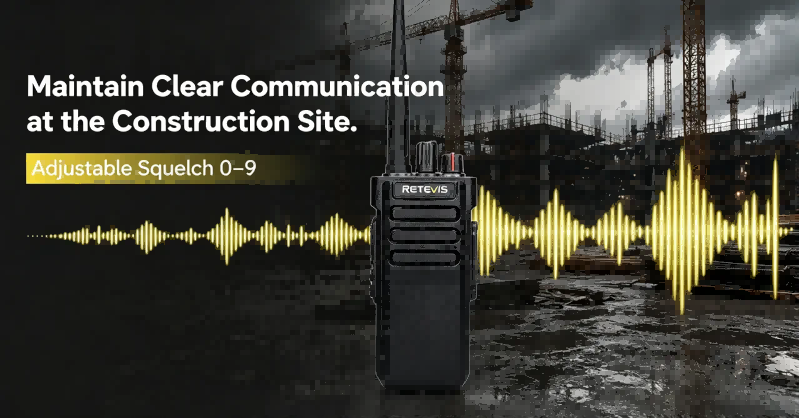
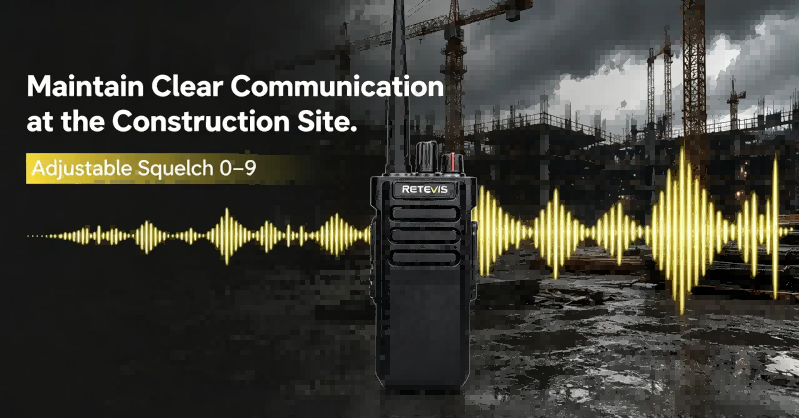
Heavy machinery, loading work, and renovation noise often distorts voice commands and causes misoperation. Retevis RT29 integrates professional noise-cancelling technology, 0–9 adjustable squelch levels, and a high-volume speaker to filter background noise intelligently. It delivers loud, clear, accurate audio even in the noisiest work environments, ensuring precise instruction delivery and eliminating communication-triggered safety hazards.
-
Humanized Industrial Functions for Safer, Easier Operation
Tailored for professional construction scenarios, the RT29 integrates practical industrial functions to elevate on-site efficiency and safety. VOX hands-free operation allows workers to communicate without pressing keys during hands-on tasks. Large tactile buttons support easy operation even with thick work gloves. A one-touch SOS alarm triggers instant emergency assistance during accidents. 16 fully programmable channels and custom shortcuts support flexible team grouping, enabling refined, efficient site management for complex peak-season projects.
Conclusion
Mid-to-late July is the critical replenishment and optimization window for summer construction peak seasons. Efficient on-site communication underpins safe production and on-time project delivery. Scientific radio allocation, professional accessory matching, and industrial-grade equipment selection are actionable ways to improve communication on a construction site and resolve common peak-season pain points. As rugged, high-performance jobsite communication radios, Retevis RT29 combines long-range penetration, military durability, all-day battery life, noise-cancelling audio, and professional safety functions. It adapts to all harsh summer construction environments, serving small, medium, and large construction teams alike. Equipping job sites with Retevis RT29 helps foremen stabilize team coordination, cut maintenance costs, reduce safety risks, and maximize overall construction efficiency throughout the busy peak season.



 Google
 Amazon
Comments
No data Yet