

Table of Contents
Reliable Short-Term Radio Solutions for Construction Projects: Maximize Battery Life and Durability for Peak Canadian Build Season
- Posted by:Retevis
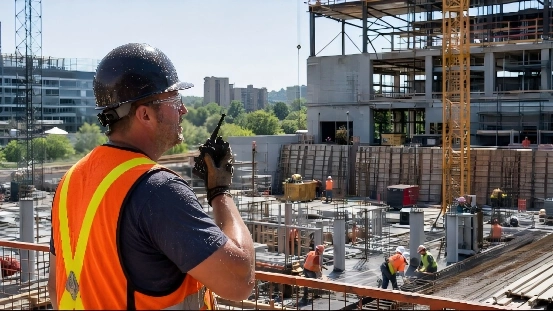
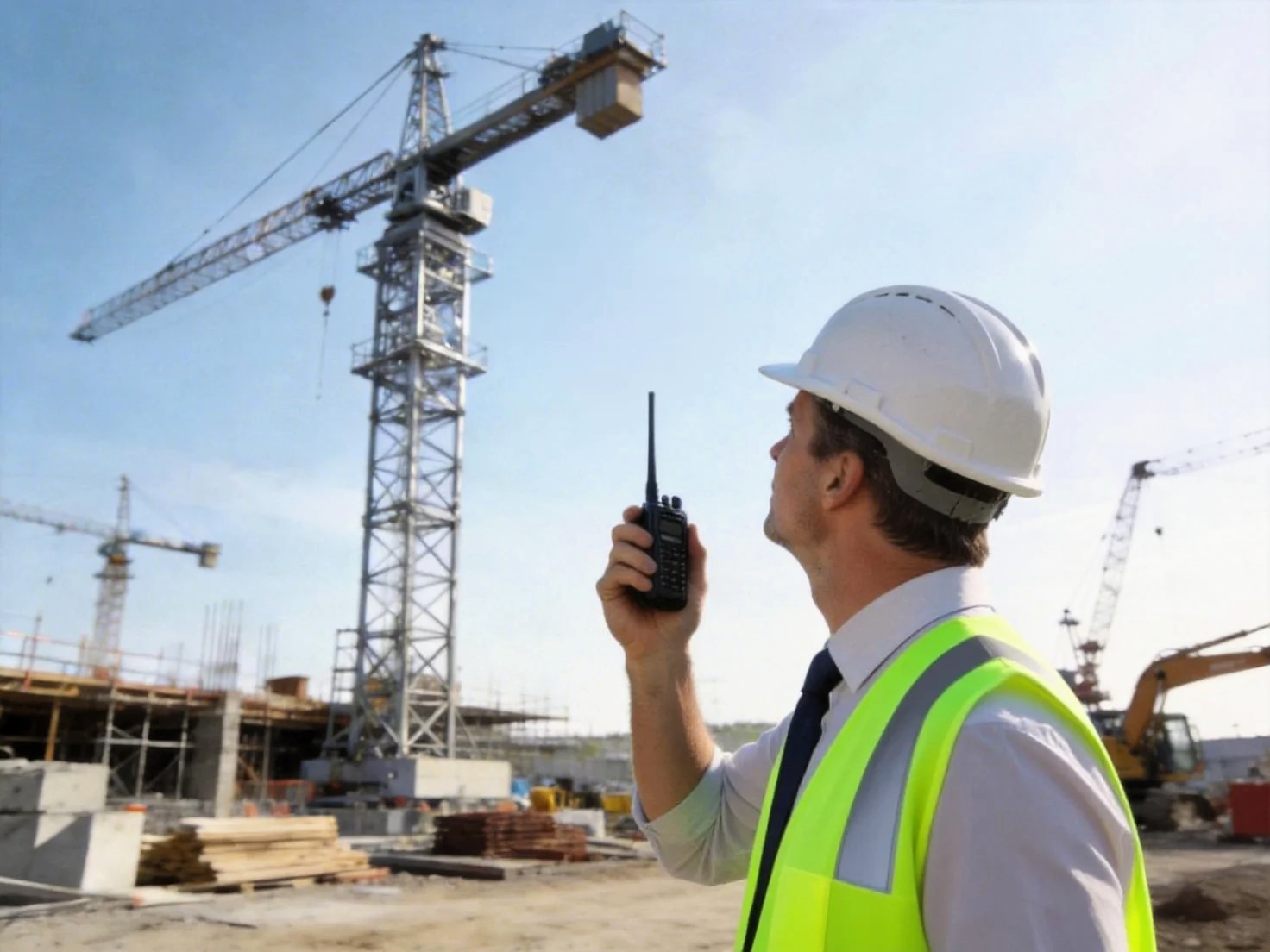
Canadian construction work hits its busiest stretch from July to September. August is the peak month for short-term residential and commercial building projects. Crews work 10 to 12-hour shifts to make the most of narrow weather windows. Some tight-deadline sites run double shifts to stay on track. Across multi-floor buildings and open outdoor lots, teams rely on constant cross-trade coordination to keep projects moving. Jobsite communication radios are the backbone of reliable construction communication, keeping teams connected across different work zones.
Too many jobsites face unnecessary delays when radios die mid-shift or break down from heavy daily use. Frequent charging stops cut into work time. Short device lifespans bloat equipment budgets. Unplanned breakdowns throw carefully timed work sequences off schedule. For short-term projects with no room for delays, reliable short-term radio solutions for construction projects are not an extra perk. They are essential construction two way radios that help crews maintain fast and accurate jobsite communication.
This guide explains how to select long-lasting radios built for high-intensity summer construction. It also covers simple maintenance steps to cut downtime and make equipment last longer.
Why Battery Life and Durability Matter for Short-Term Construction
Short-duration projects run on tight schedules with very little margin for error. Long-term builds can absorb small delays. But 2 to 3-month projects tie every work hour directly to critical milestones: concrete pours, framing handoffs, MEP rough-ins. A single gap in communication during these windows causes delays that pile up across the whole project.
Weak batteries cause the most common disruptions. Standard consumer-grade radios often fail to last a full 12-hour shift with regular talk time. Crews have to pause work to swap batteries or find power outlets. On spread-out sites, workers leave their posts mid-task to charge or swap radios. This slows entire crews down and wastes paid labor hours. Foremen already manage material deliveries, safety checks, and trade schedules. Extra battery management adds unnecessary work to already full plates.
Harsh site conditions make the problem worse. Dust, rain, accidental drops, and direct sun wear down basic radios quickly. Cracked casings, clogged speakers, and corroded charging ports lead to frequent replacements. This drives up equipment costs over time. For teams running multiple short projects per year, these repeated replacement costs add up far faster than most initial budgets plan for.
3 Key Standards for Choosing Construction Radios with Long Battery Life
Not all radios are built to handle peak-season construction demands. Focus on these three criteria to pick units that keep up with short-cycle, high-intensity work:
- Prioritize real-world runtime over advertised standby hours
Manufacturer-listed standby times almost never match actual jobsite use. On site, crews talk regularly, monitor channels, and run features for the full shift. Look for ratings based on a 5-5-90 duty cycle: 5% transmit, 5% receive, 90% standby. This matches typical construction use patterns. Units should deliver at least 10 to 12 hours of consistent runtime on one charge, enough to cover full long shifts without mid-day battery swaps. This directly cuts down on charging downtime and reduces the number of spare batteries each crew needs to carry.
- Industrial-Grade Build Quality for Demanding Construction Jobsites
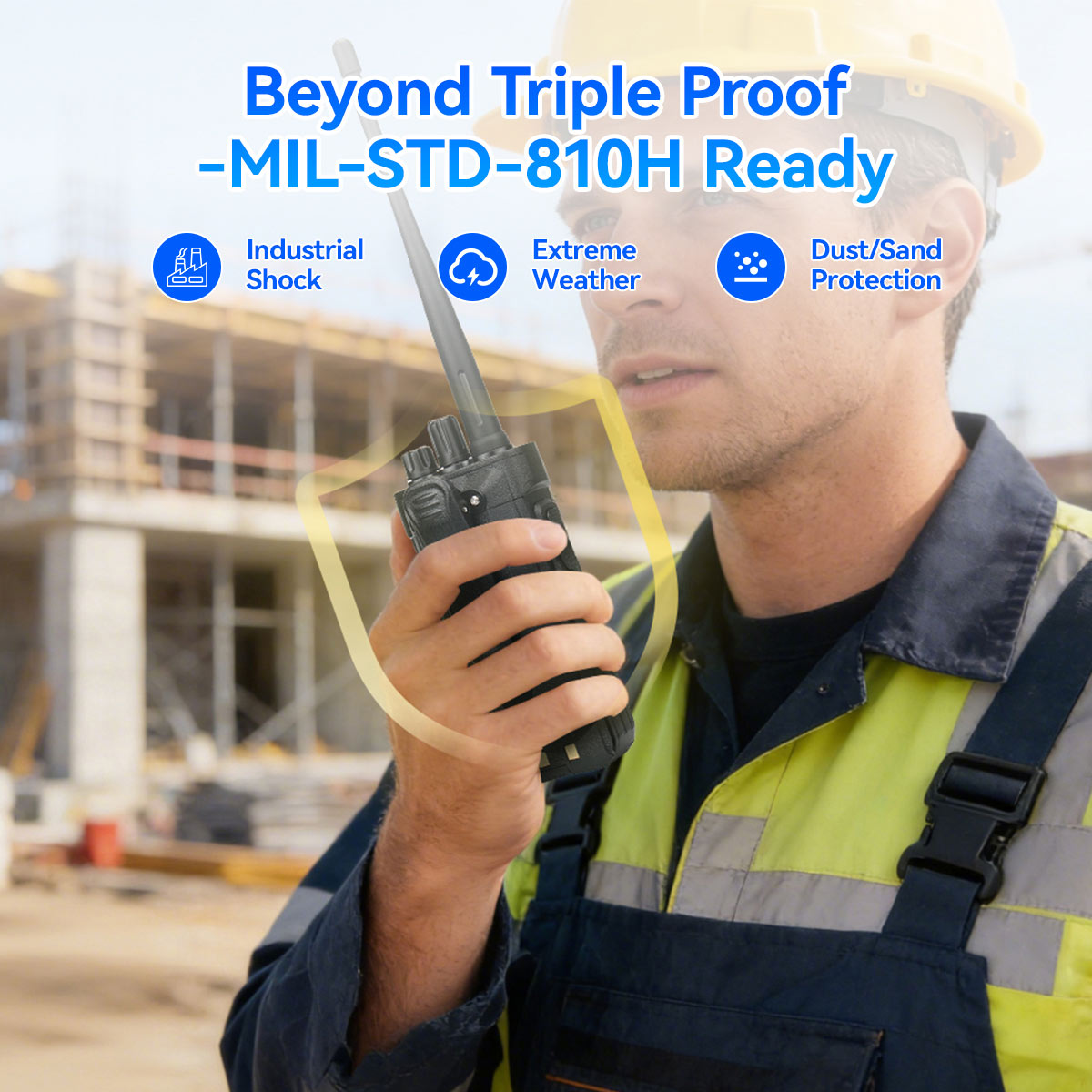
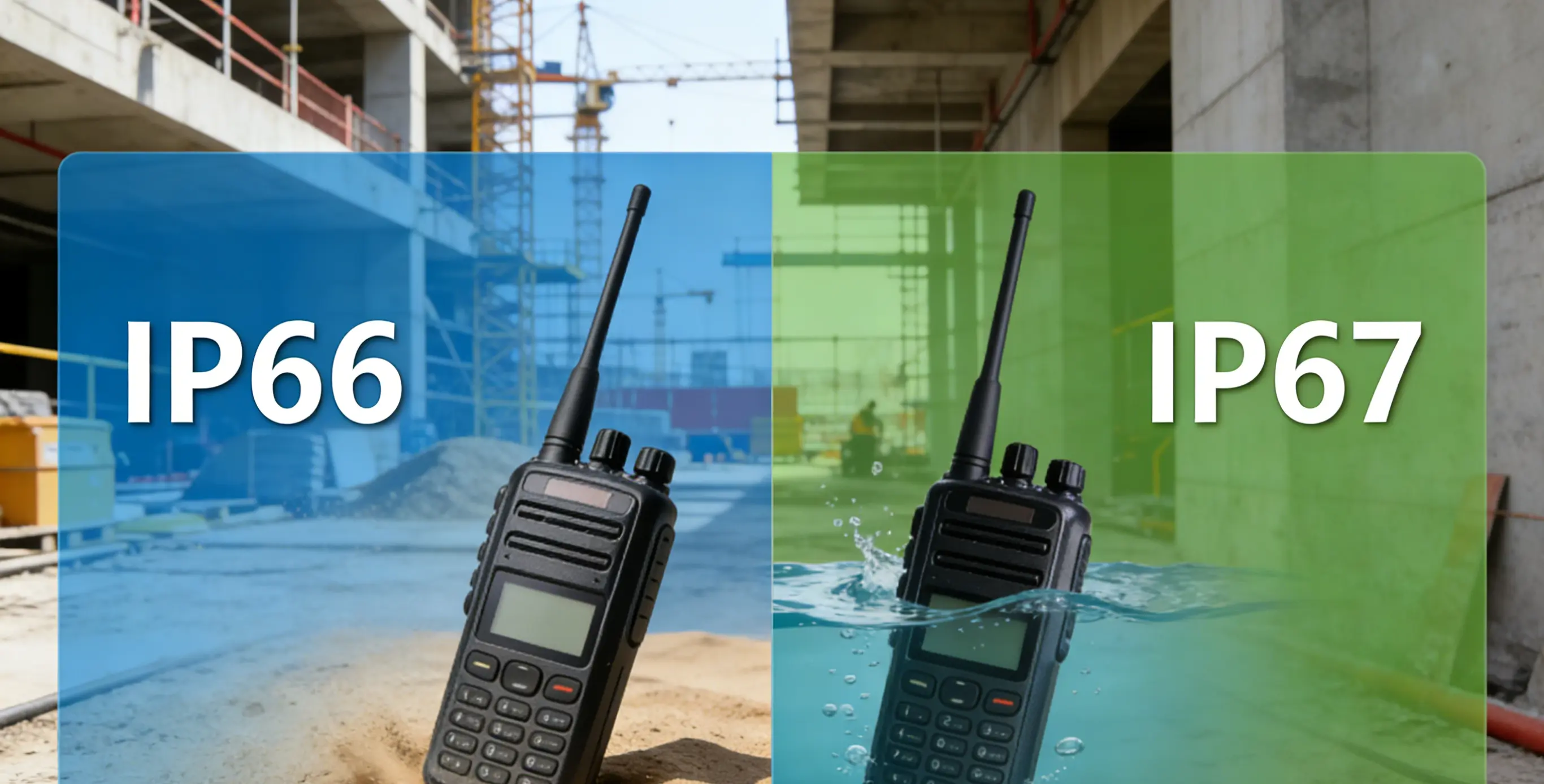
Building sites are hard on equipment. Radios need more than basic plastic casings to hold up. Look for models with official dust and water protection ratings, and impact-resistant designs built to survive drops from ladders or tool belts. Tough construction reduces unplanned breakdowns and extends total device lifespan, so crews get more use out of each unit they buy. Over multiple short projects, this durability cuts long-term replacement costs by a wide margin.
- Crew-friendly battery and charging design
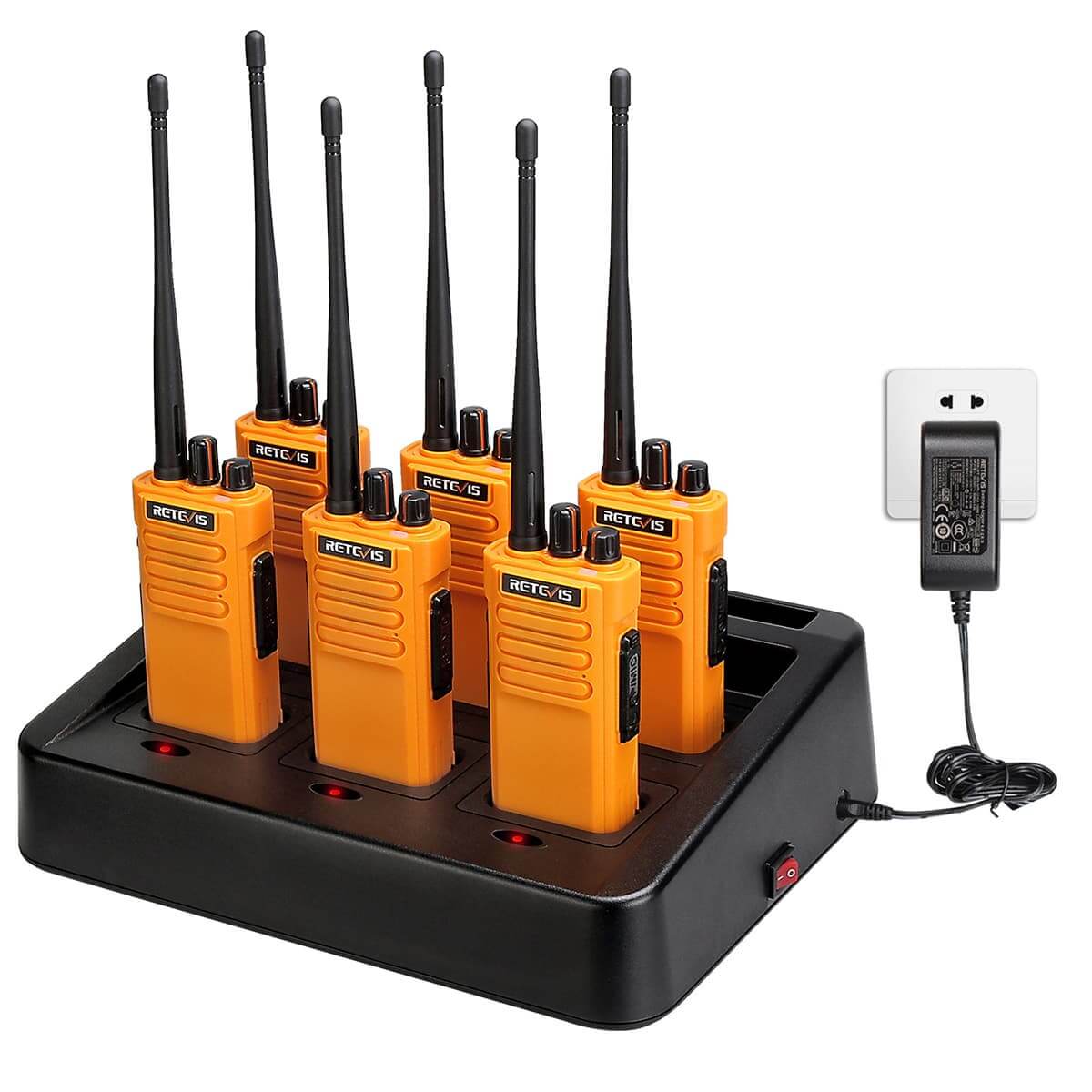
For teams managing 10 or more radios at once, individual charging and battery tracking wastes valuable time. Prioritize radios that work with multi-unit charging docks, so all devices can charge overnight in one location. Fast-charging capability also provides a backup for units that run low on power unexpectedly. Simple, scalable charging systems cut down the foreman’s daily management work and keep all units ready to go for each shift.
3 Simple Maintenance Tips to Extend Radio and Battery Lifespan
Even the most durable radios wear out faster without basic care. These straightforward practices take only a few minutes per day and add months of usable life to each device:
- Follow proper charge cycles to preserve battery capacity
Lithium-ion batteries degrade faster when fully drained or left plugged in after reaching full charge. For longest life, plug batteries in when they drop to around 20% remaining capacity, and unplug them once fully charged. For radios stored between projects, keep batteries at roughly 50% charge and store them in cool, dry areas. Never mix chargers from different radio models — mismatched voltage speeds up battery wear. Following these rules noticeably cuts battery replacement frequency over a year of use.
- Daily dust cleaning prevents hardware failures
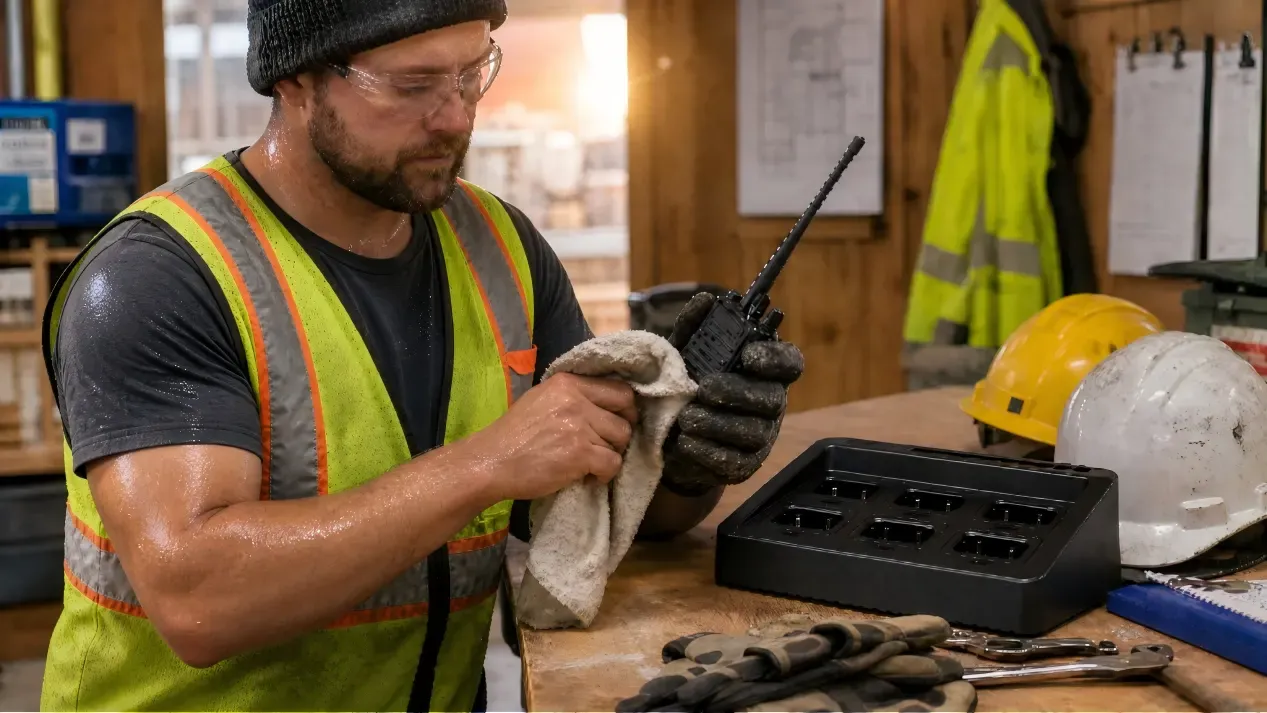
Construction dust clogs speaker grills, seeps into button gaps, and builds up on charging contacts over time. Each day at shift end, wipe down radio exteriors with a dry cloth and clear debris from speaker and microphone openings. Avoid rinsing units directly with water, even water-resistant models, because moisture can corrode internal charging ports over time. This simple daily step prevents muffled audio, stuck buttons, and charging connection issues that cause mid-shift failures.
- Safe handling and storage reduces physical damage
Most radio damage comes from preventable drops and improper storage. Use belt clips or holsters to keep radios secured during work instead of setting them on ledges or stacking them under heavy tools. On rainy days, keep units under rain gear when not in use, and avoid leaving them in direct sun inside hot vehicles for long periods. Reducing physical impact and extreme temperature exposure cuts cracked screens and broken casings dramatically.
Top Construction Radio Options for Short-Term Canadian Projects
Two models align closely with the durability, runtime, and practicality standards outlined above, each suited to common Canadian build site sizes:
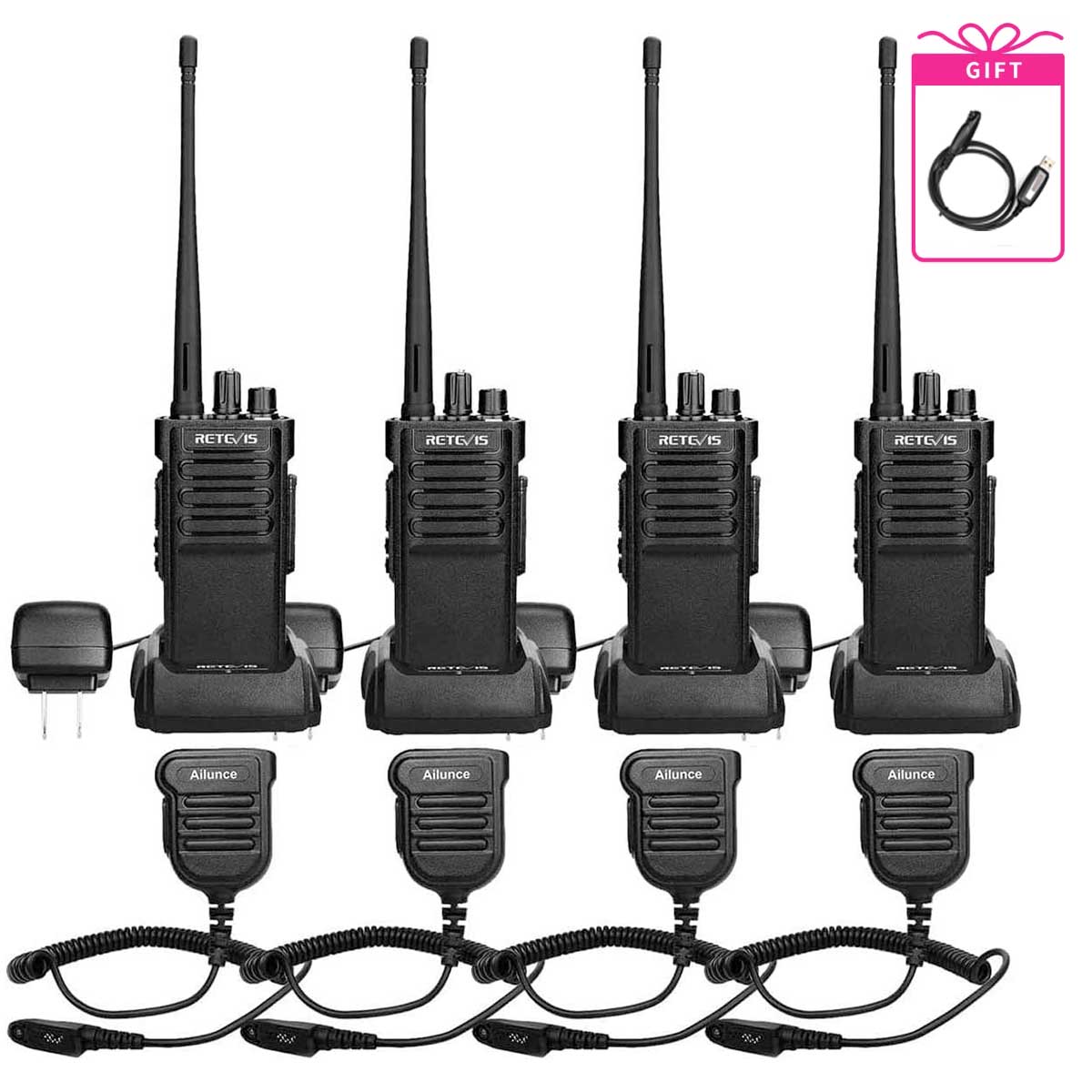
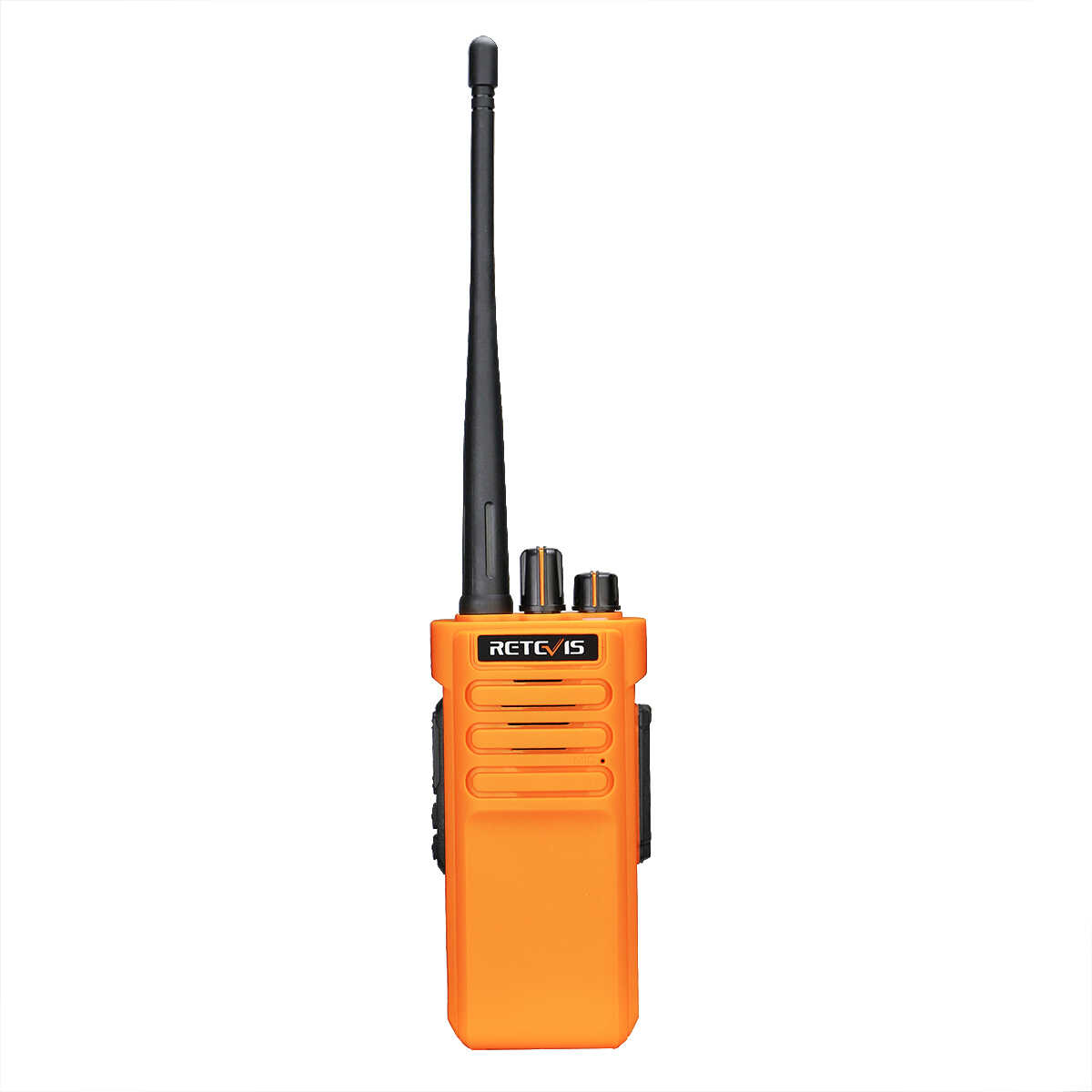
The Retevis RT29 high-power long-range radio works best for large commercial construction sites and spread-out outdoor projects. Its high-capacity lithium battery delivers 12+ hours of runtime under heavy talk use, eliminating mid-shift battery changes for most crews. With IP67 dust and water protection and a rugged impact-resistant body, it holds up well to daily drops and dusty conditions. Its strong signal penetration also keeps communication clear across multiple floors and separate work zones.
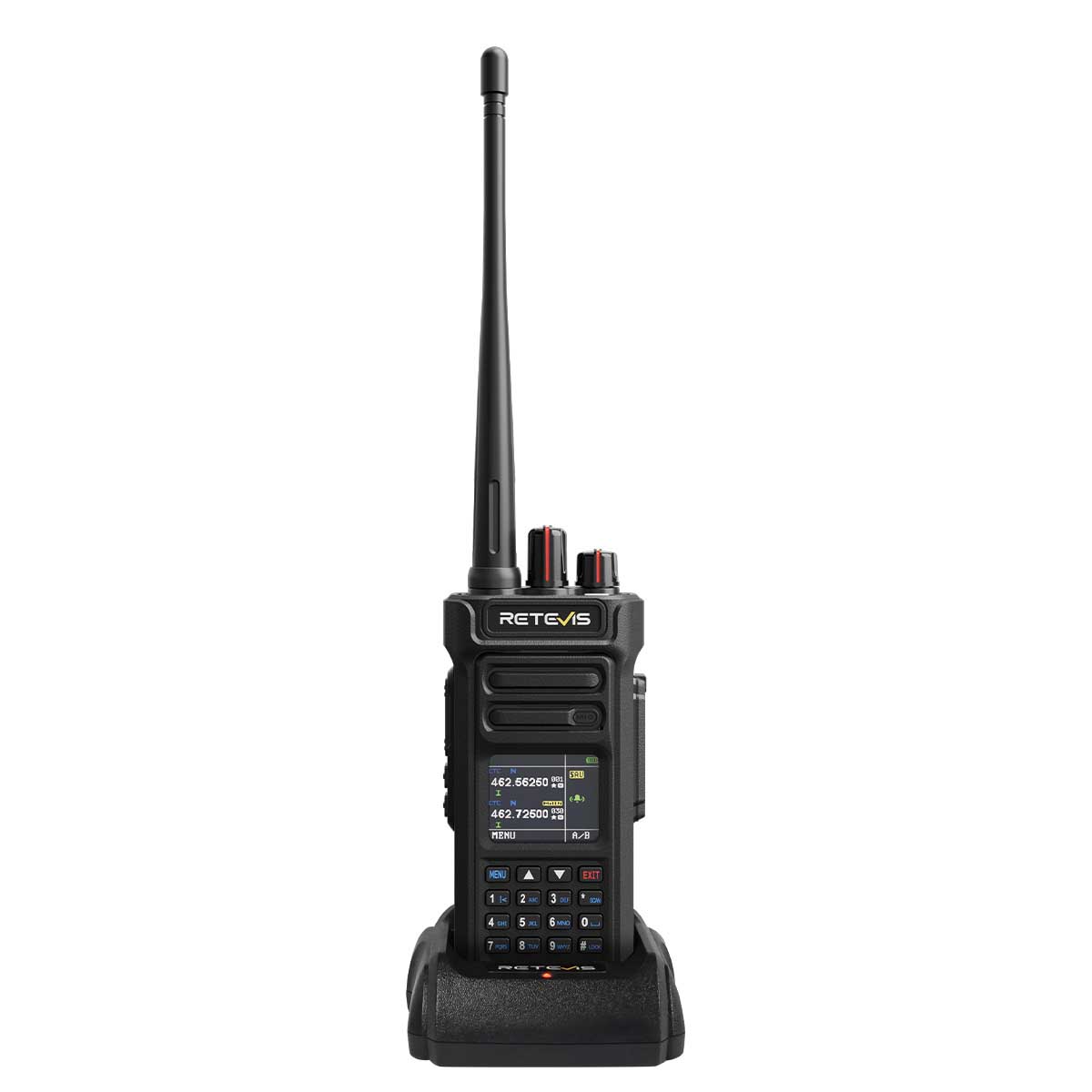
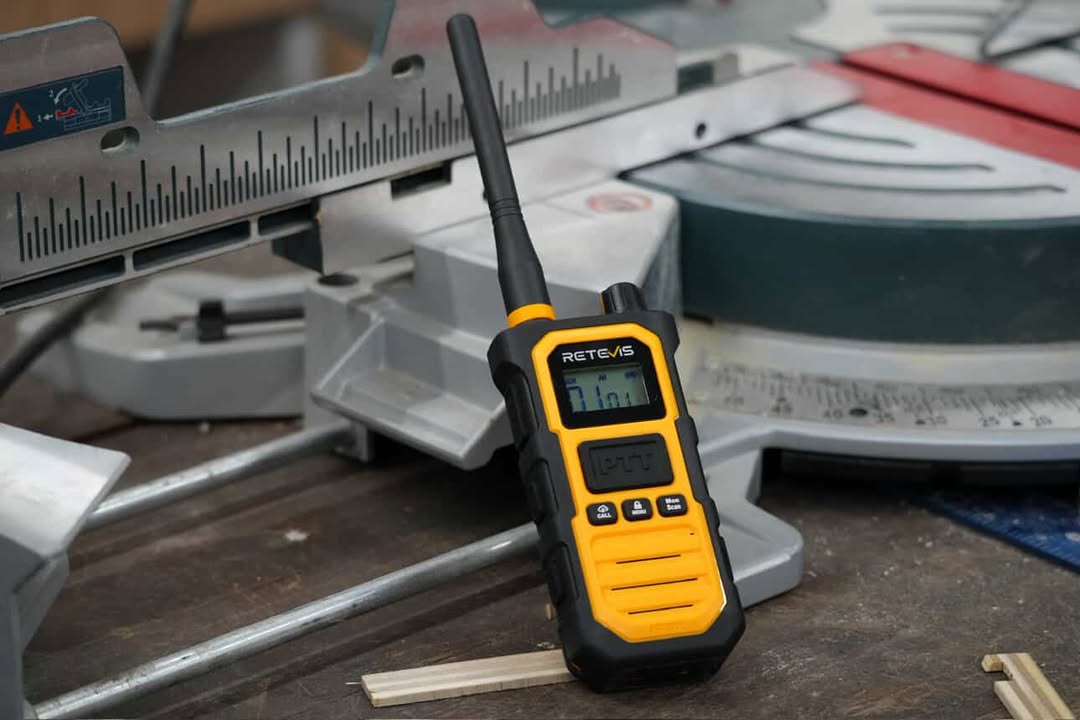
The Retevis RB48 Pro fits residential build teams and smaller construction crews well. It delivers 10+ hours of reliable runtime for standard shifts, with fast-charging capability for quick top-ups between tasks. Its industrial-grade casing resists dust and impact for daily site use, and its lightweight design stays comfortable for workers wearing units all day. It carries a lower upfront cost while still delivering the durability short-cycle projects require.
Both models hold ISED certification for legal use on Canadian jobsites, and both work with multi-unit charging docks for simple crew-wide management.
Frequently Asked Questions
Are rental radios better than buying construction walkie talkies for short projects?
Rental radios often have high per-week costs and tend to have worn-out batteries from heavy previous use, leading to more mid-shift failures. For teams running multiple short projects per year, purchasing durable industrial radios delivers lower total cost and more reliable performance, with units that carry over from one job to the next.
Do these radios meet Canadian jobsite regulatory requirements?
Both the RT29 and RB48 Pro have full ISED certification, meeting all Industry Canada standards for commercial jobsite use. No additional licensing is required for standard on-site operation.
How often should construction radio batteries be replaced?
With proper charge and storage care, lithium-ion construction radio batteries last 300 to 500 full charge cycles, equal to roughly 1 to 2 years of regular site use. Poor charging habits and exposure to extreme temperatures can cut that lifespan in half.
Final Thoughts
Short-term, high-intensity construction projects leave no room for avoidable communications failures. Reliable short-term radio solutions for construction projects depend on two core factors: selecting construction communication radios with enough real-world runtime and tough build quality, and following simple daily maintenance practices to extend equipment life.
Foremen who get this right reduce unplanned downtime, cut long-term equipment costs, and keep tight schedules on track through the busiest summer build months.
For full specifications on the RT29 and RB48 Pro, visit the product pages for detailed performance data. Teams working on large multi-zone commercial projects can reach out directly for custom site communication plans tailored to short-cycle timelines.
Our next piece in this series will cover fast radio network setup and channel planning for short construction projects, to help crews get fully operational on day one of every new job.





 Google
 Amazon
Comments
No data Yet