

Table of Contents
Radio Channels vs. Simultaneous Calls: What Facility Managers Need to Know
- Posted by:Retevis
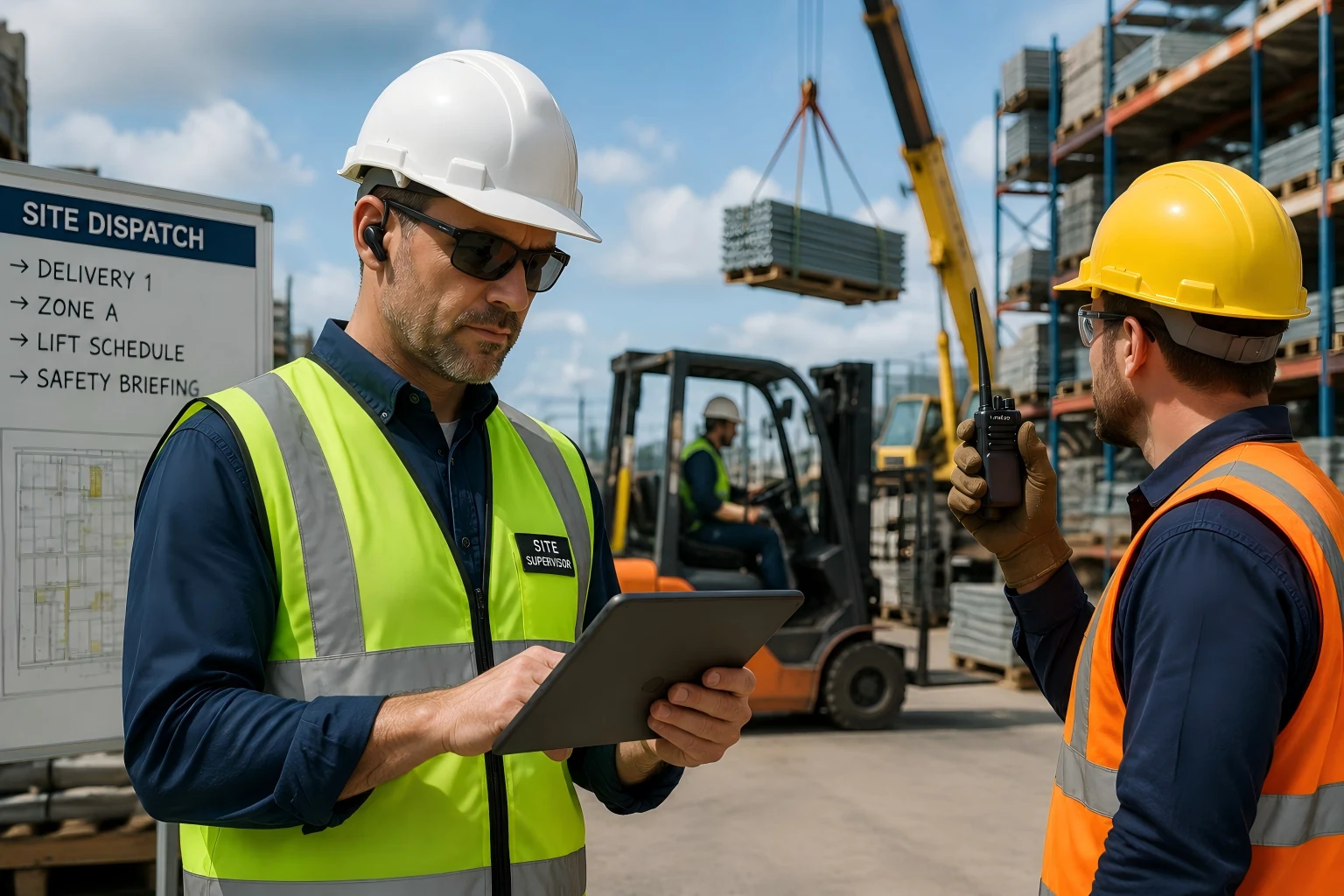
When planning a radio system, facility managers often ask:
“How many channels do we need?”
However, radio channels and simultaneous calls are not the same thing.
A radio may have multiple programmed channels, but that does not mean each channel can support an independent conversation at the same time. For construction sites, mining operations, warehouses, and industrial facilities, understanding this difference is essential for designing reliable communication.
What Is a Radio Channel?
A radio channel is a configured communication path used to organize different teams or communication groups.
For example, a facility may assign separate channels for:
- Operations
- Maintenance
- Safety
- Security
- Management
- Emergency communication
Channel planning helps reduce communication confusion, but the number of channels alone does not determine system capacity.
Direct Radio Communication vs. Repeater-Assisted Communication
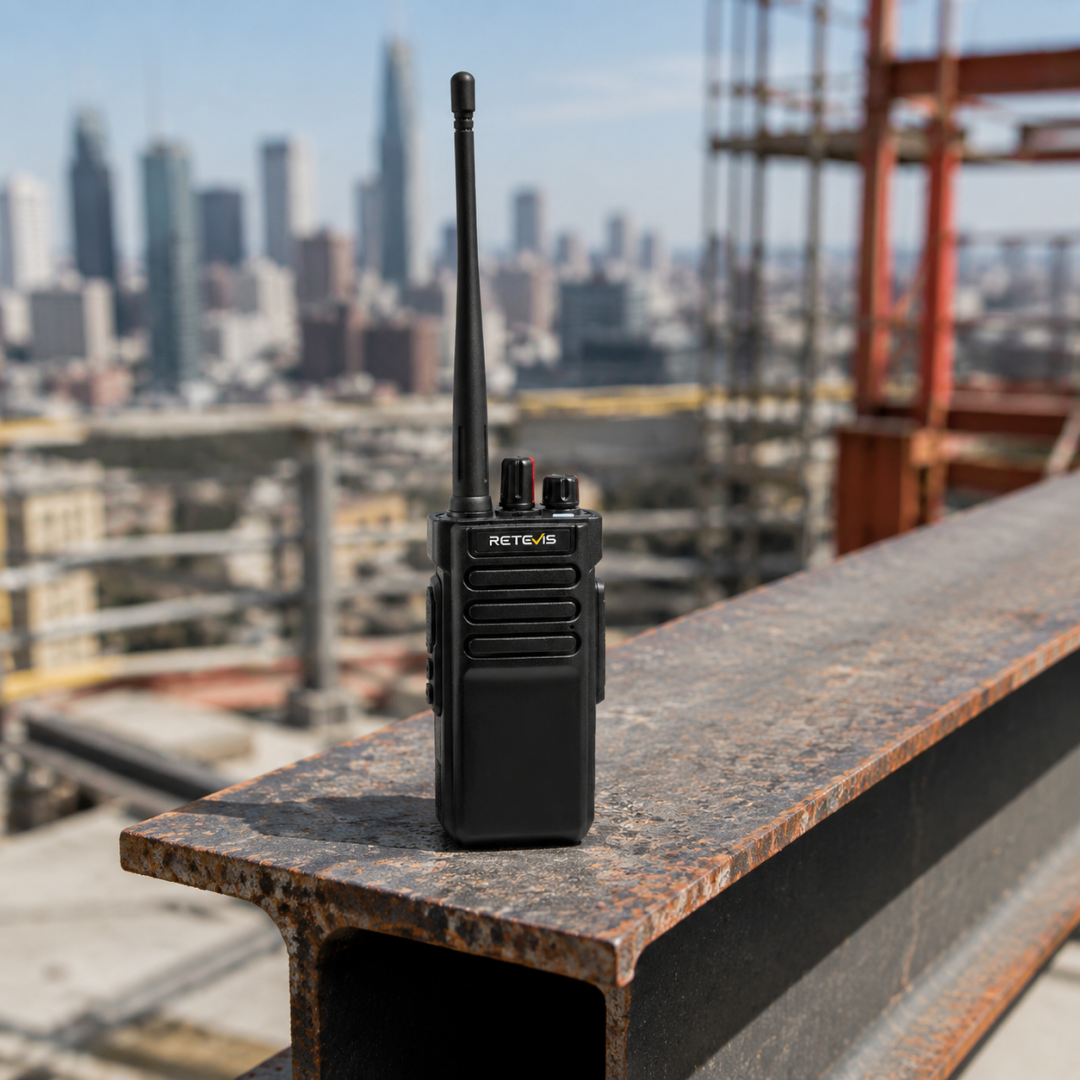
Direct radio communication allows handheld radios to communicate without additional infrastructure. It is simple and suitable for small work areas.
However, distance, buildings, terrain, and industrial equipment can affect communication reliability.
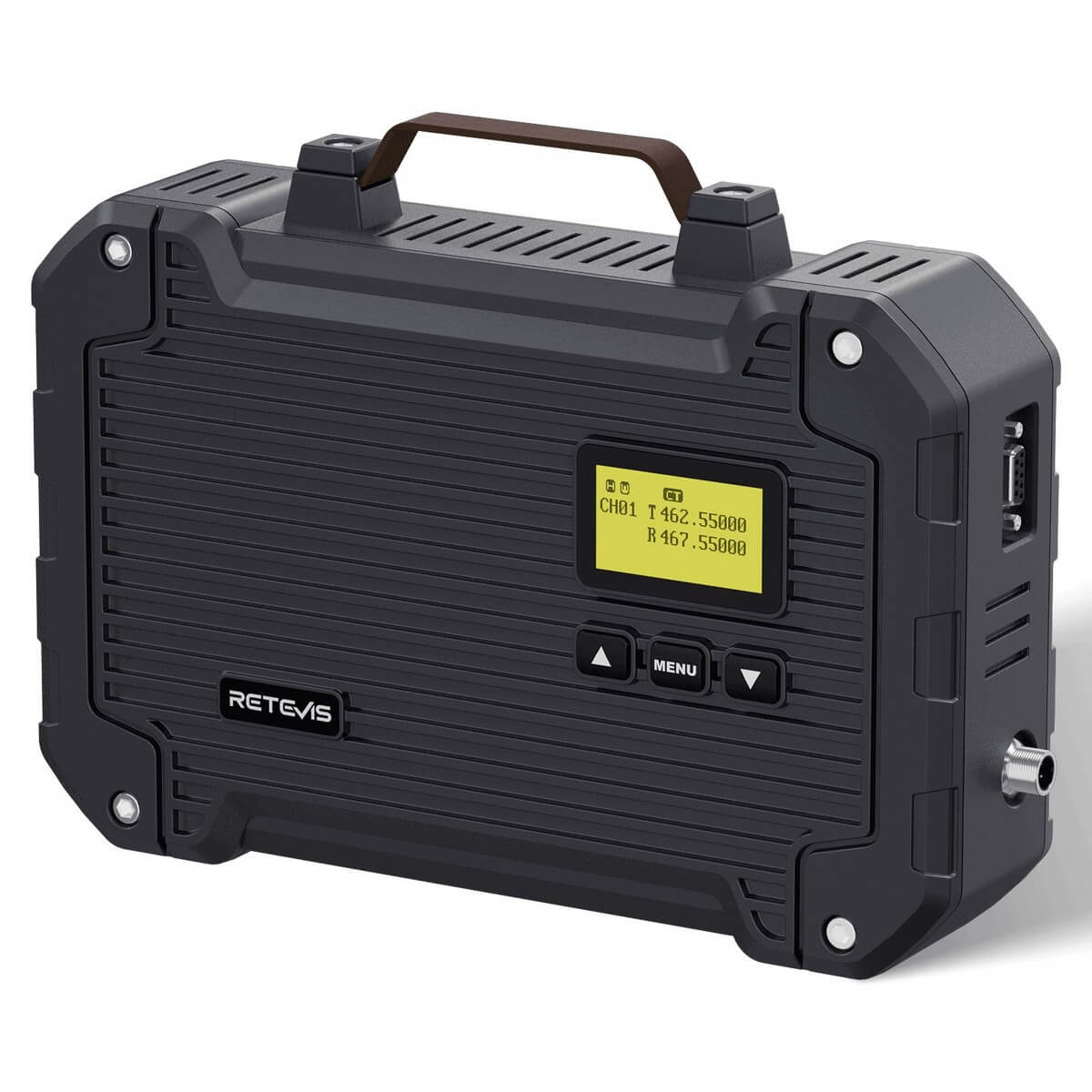
For larger sites, repeater-assisted communication is often used to extend coverage. A repeater receives and retransmits signals, helping connect teams across large facilities or outdoor operating areas.
A repeater improves coverage, but it does not automatically create unlimited simultaneous calls. The actual communication capacity depends on the radio technology and system design.
Why Radio Channels Do Not Equal Simultaneous Calls
A common misunderstanding is that a radio system with 10 channels can support 10 conversations at the same time.
In reality, simultaneous communication depends on:
- Radio technology
- Repeater capacity
- Frequency resources
- System configuration
- User communication patterns
A channel defines how users are organized, while communication capacity determines how many conversations the system can handle.
Analog and DMR Communication Capacity
Traditional analog repeater systems usually provide one communication path through one repeater channel.
A DMR system improves spectrum efficiency by using two time slots on a single RF carrier under suitable configurations. This allows more flexible communication management for organizations with multiple teams.
However, the success of a DMR system depends on proper planning, including user numbers, coverage requirements, and expected communication traffic.
Example: Open-Pit Quarry Communication
Large industrial environments demonstrate why channel planning requires more than simply adding channels.
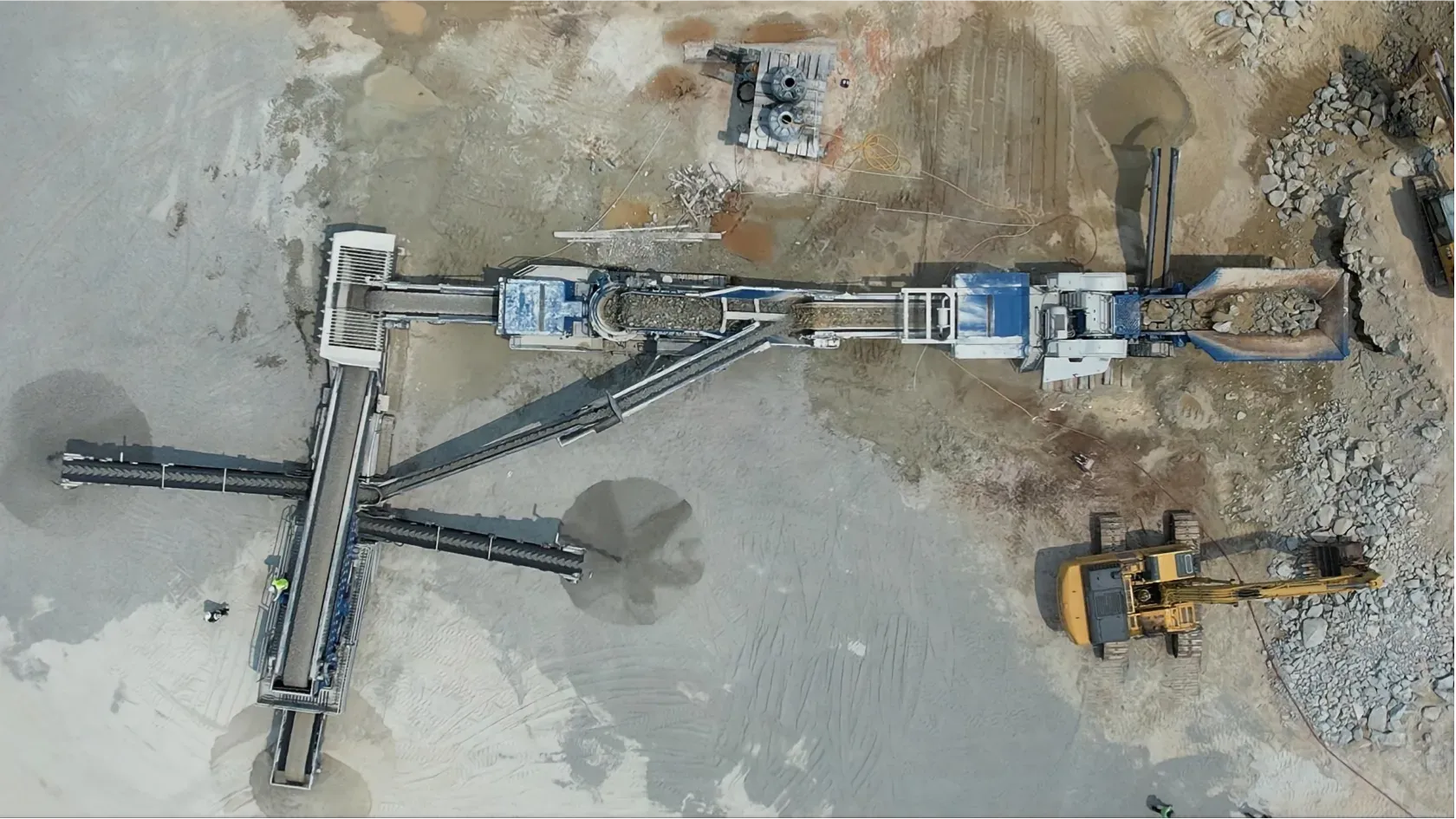
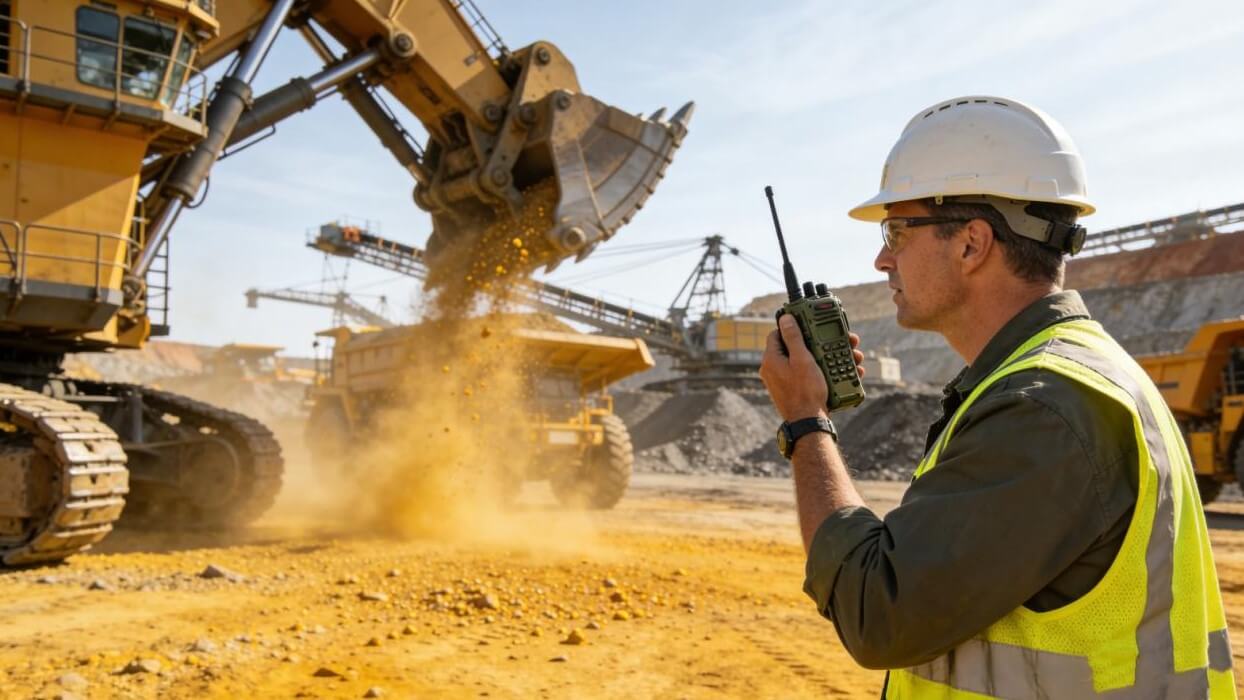
An open-pit quarry operation covering approximately 2.23 km² required communication support for around 40 users, including operators, drivers, maintenance teams, and supervisors.
Because the site included large operating areas and heavy equipment zones, the communication solution used a DMR repeater-based architecture with handheld and mobile radios. The system was designed to support team coordination, safety communication, and future expansion.
This type of industrial communication project shows that effective radio planning depends on matching communication architecture with actual workflows, rather than only increasing the number of available channels.
How to Plan Channels for Industrial Communication
Before selecting a radio system, facility managers should consider:
- Which teams need separate communication groups?
- Which users need facility-wide coverage?
- Which communication requires emergency priority?
- When will communication traffic be highest?
- Will future expansion add more users or locations?
A practical channel plan may combine:
- Local direct channels for small-area communication
- Repeater-assisted channels for large coverage areas
- Emergency channels for critical communication
Conclusion: Plan Communication Around Real Operations
A reliable radio system is not defined by the number of channels programmed into the radios.
Effective communication depends on understanding:
- Who needs to communicate
- Where communication is required
- How often teams transmit
- How much communication capacity is needed
For industrial environments, channel planning is part of the overall communication system design. By combining the right technology, coverage strategy, and workflow analysis, organizations can build a radio system that improves coordination, efficiency, and safety.




 Google
 Amazon
Comments
No data Yet