

Table of Contents
Severe Weather Communication for Construction: How to Keep Crews Connected Before Winter Storms
- Posted by:Retevis
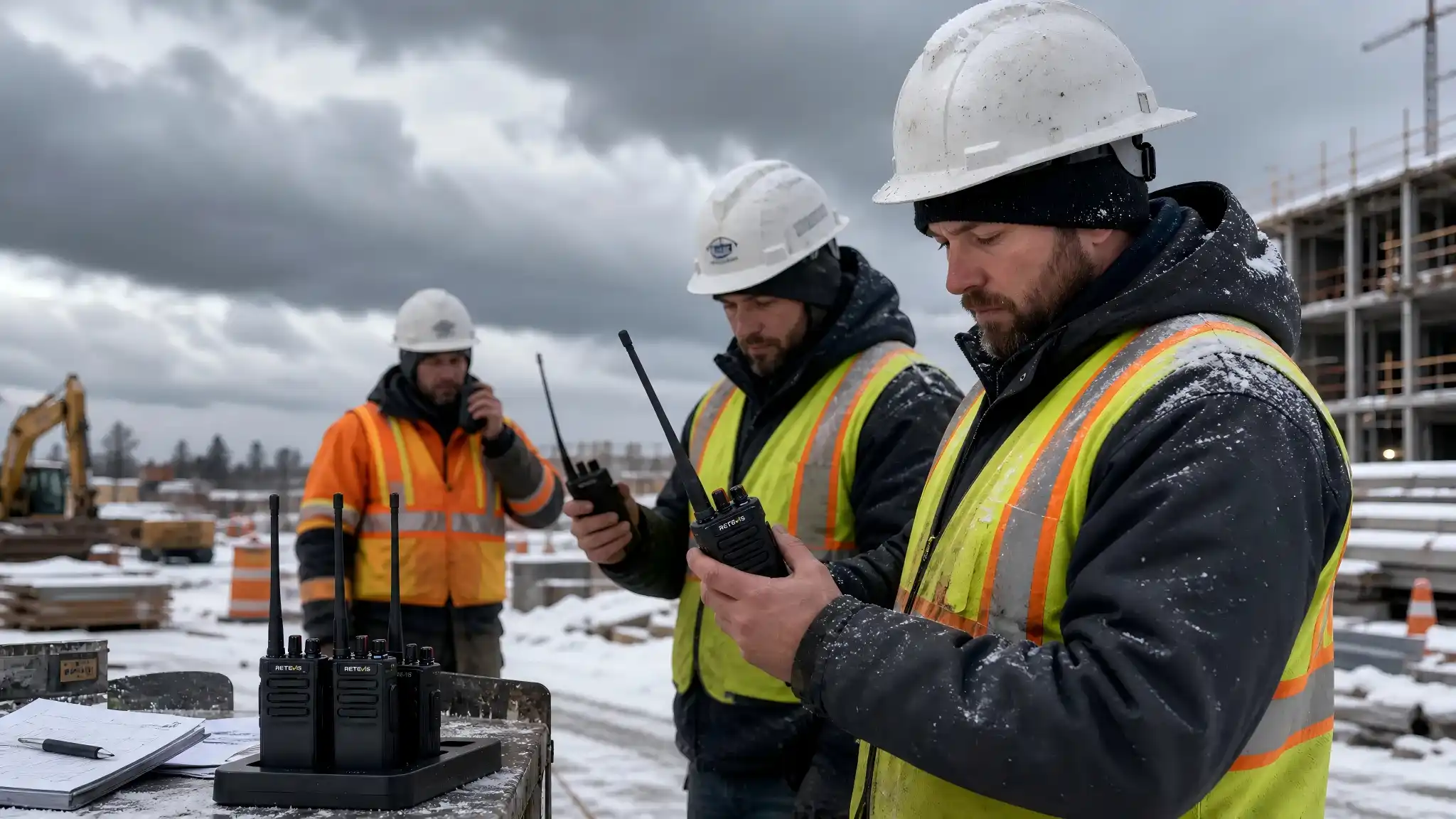
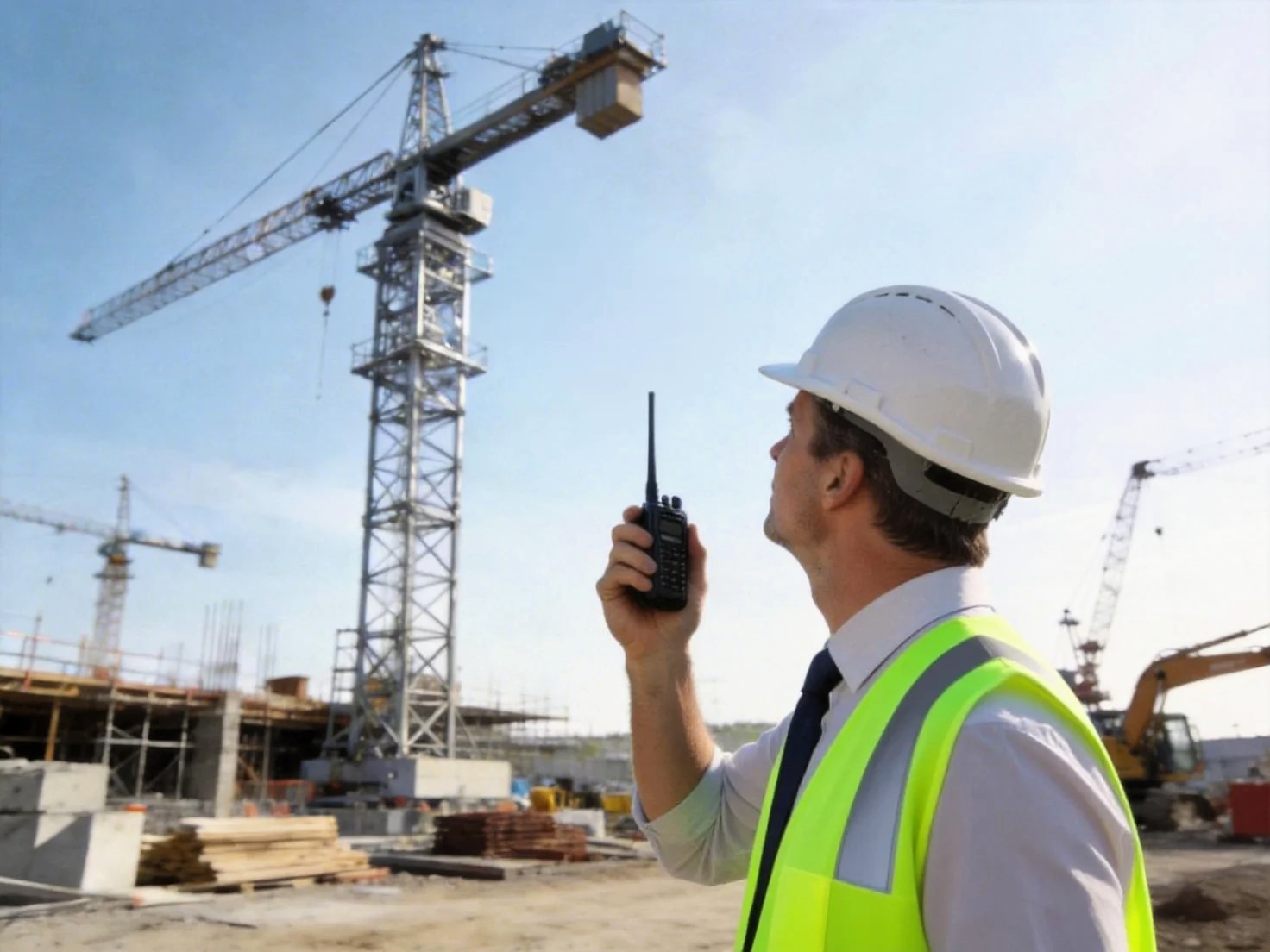
Many construction projects speed up before winter. Deadlines push crews to keep working even as the weather becomes less predictable. Rain, wind, storms, and cold temperatures all create more pressure on the jobsite. That is why winter construction safety is not only about clothing, shelters, or material handling. It is also about construction communication. When weather turns severe, teams need a way to stay connected, share instructions, and respond quickly.
A radio that works on a normal day may not be enough when the site gets wet, cold, or noisy. In severe weather, communication becomes part of the safety system. That is why crews need to prepare before storms arrive, not after they start. A reliable emergency communication plan helps workers stay informed, supervisors stay in control, and the whole site stay safer.
Why Construction Teams Need Better Preparation Before Winter
Before winter, many construction sites try to finish as much work as possible. That means more pressure, tighter timelines, and less room for delay. Crews often keep moving while weather conditions get worse. A project may need to deal with rain one day, wind the next, and a sudden cold snap after that.
This creates a real challenge for site managers. Workers still need updates. Supervisors still need to confirm progress. Teams still need to coordinate across different zones. But the weather makes that harder.
This is why winter preparation should not stop at tools, materials, and safety gear. It should also include communication systems. When workers are under time pressure and the weather changes fast, construction communication has to stay stable. A good communication plan helps the site keep working without losing control.
How Severe Weather Creates Communication Challenges on Jobsites
Severe weather affects communication in several ways.
Heavy rain and storms
Rain creates background noise. It also makes it harder to hear across distance. In a storm, even a simple message can get lost. Workers may need to stop what they are doing just to confirm instructions.
Strong wind
Wind affects voice clarity. Outdoor communication becomes harder because the message has to travel through noise and air movement at the same time. On open jobsites, this can slow down coordination very quickly.
Cold conditions
Cold weather can affect battery performance and make equipment harder to use. Workers wearing gloves may also have a harder time handling controls or changing settings. That makes reliable communication even more important.
Emergency situations
When something unexpected happens, response speed matters. Teams need to know what to do, where to go, and who is in charge. If communication is delayed, the situation becomes harder to manage.
This is why severe weather safety for construction workers depends on more than general site procedures. It also depends on communication that still works when the weather gets worse.
How to Build a Severe Weather Communication Plan
A good communication plan helps the site stay organized before weather becomes a problem.
Assign communication roles
Supervisors, emergency coordinators, and team leads should know who is responsible for updates. If everyone expects someone else to handle the call, the response slows down.
Prepare backup equipment
A severe weather plan should include spare radios and extra batteries. If one device fails, the team should still have a backup.
Create weather response rules
Workers should know when to stop work, when to check in, and when to move to a safer area. These rules should be clear before the storm season starts.
Confirm emergency channels
Everyone on site should know which channels to use in an emergency. That keeps communication from becoming confusing when conditions are already stressful.
A good plan reduces panic. It also helps the crew act as one team instead of a group of individuals reacting on their own. That is especially important in winter, when the weather can change quickly and communication gaps become more costly.
Why Radio Inspection Matters Before Storm Season
A radio should never be tested for the first time during bad weather. Before storm season, teams need to check every part of the communication setup.
Battery condition
Check whether the battery still holds a strong charge. Cold weather can make battery problems worse, so weak batteries should be replaced early.
Charging ability
Make sure the radio charges normally and that the charger works well. A charging problem in good weather can become a major issue in an emergency.
Backup power
Spare batteries or extra charging support can help keep communication alive through long shifts or weather delays.
Accessories
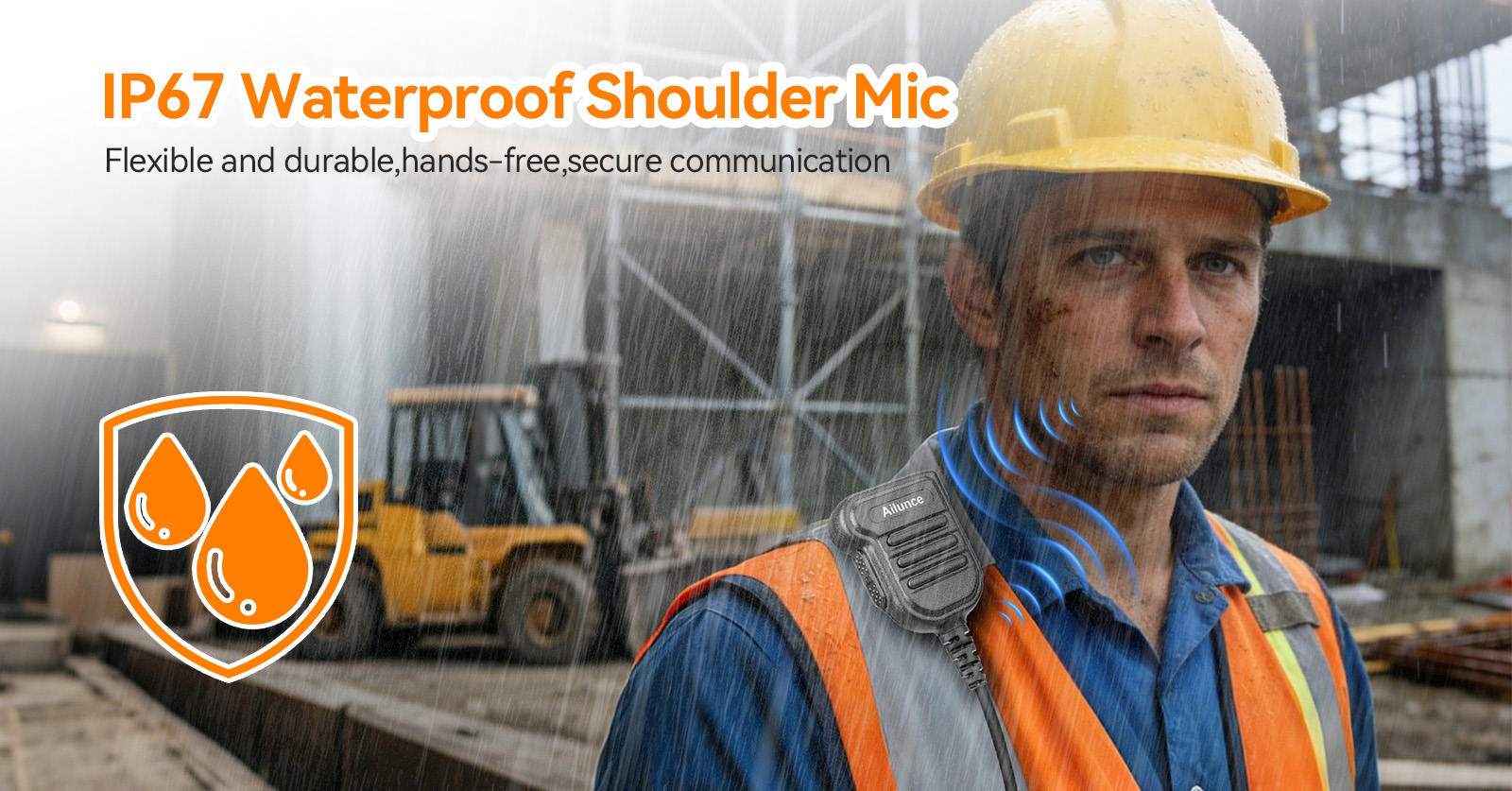
Microphones, antennas, chargers, and clips should all be in good condition. If a small accessory fails, the whole system can become less reliable.
Communication range
Test the radio before an emergency happens. A device that sounds fine in a quiet office may not perform the same way on a large, noisy, outdoor jobsite.
Physical condition
Look for damage, wear, or signs of water exposure. A radio that appears fine may still have hidden problems that show up later.
A radio that works normally in good weather may fail when teams need it most. That is why inspection matters. It gives the crew time to fix problems before winter storms turn them into safety risks.
Choosing Weather-Ready Radios for Construction Teams
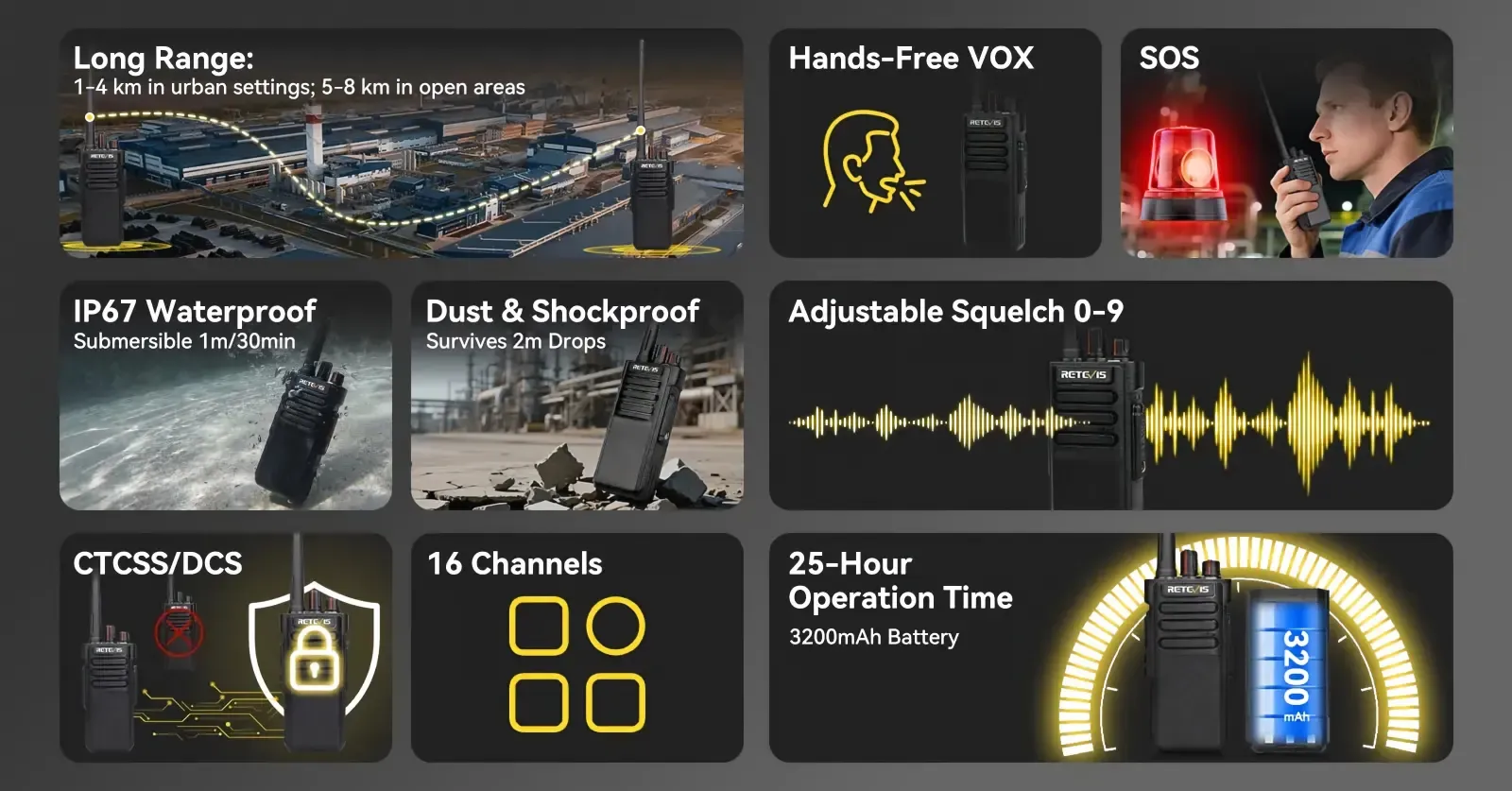
Not every radio is built for severe weather. When choosing equipment, construction teams should look for a few key features.
Durability
The radio should have a rugged housing that can handle drops, daily use, and rough site conditions. Construction work is hard on equipment, so durability matters from the start.
Weather protection
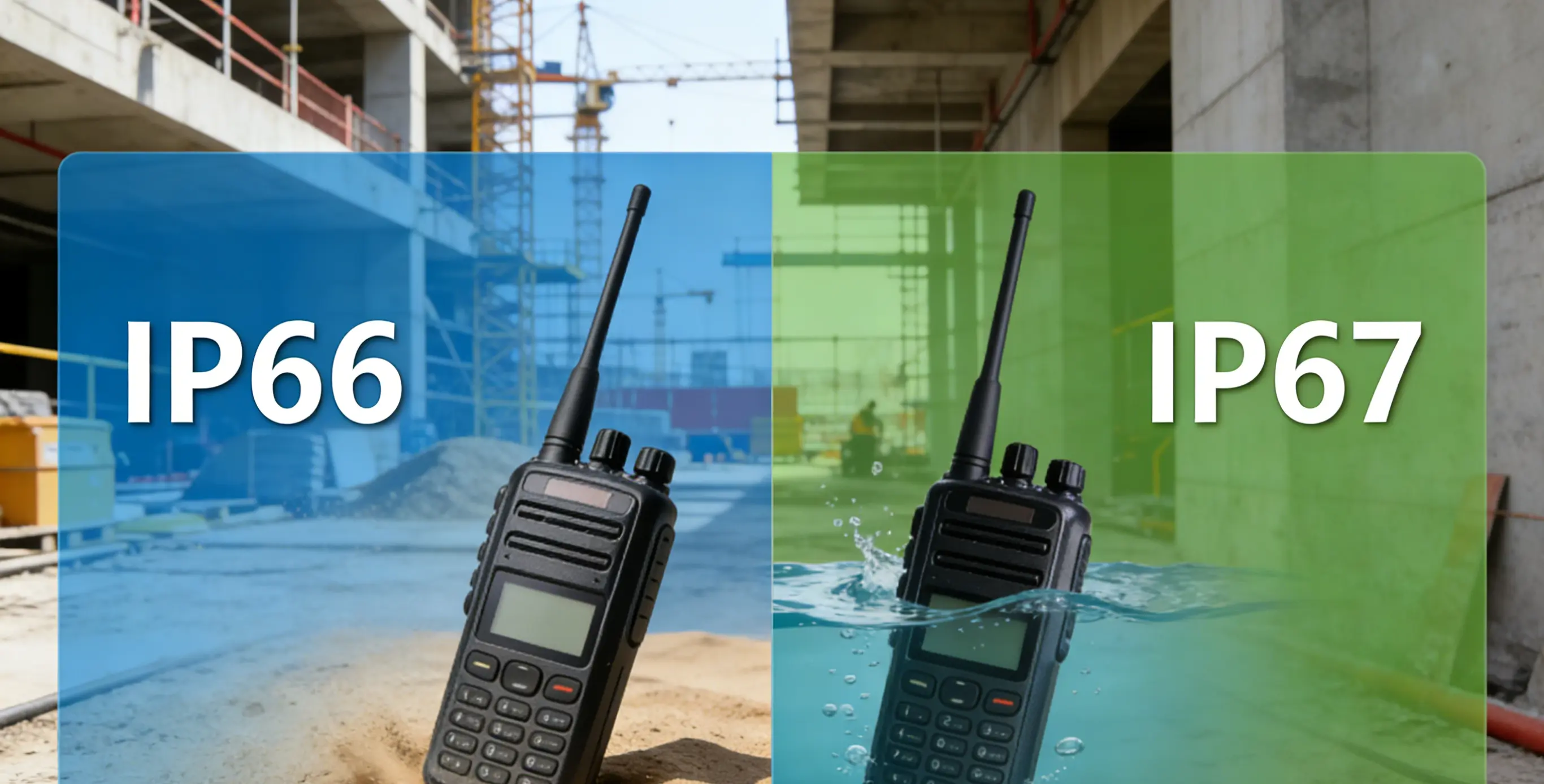
A good radio should be suitable for outdoor use and able to handle moisture. Rain, wet conditions, and cold weather are common on winter jobsites, so weather resistance is important.
Clear audio
A radio should stay understandable in noisy environments and windy conditions. If workers cannot hear the message clearly, the device is not doing its job.
Battery reliability
Long shifts require a battery that can last. In emergency situations, the radio should still be ready when the weather gets worse.
Simple operation
In stress and cold, people need equipment that is easy to use. Radios should work well with gloves and should not require a complicated setup.
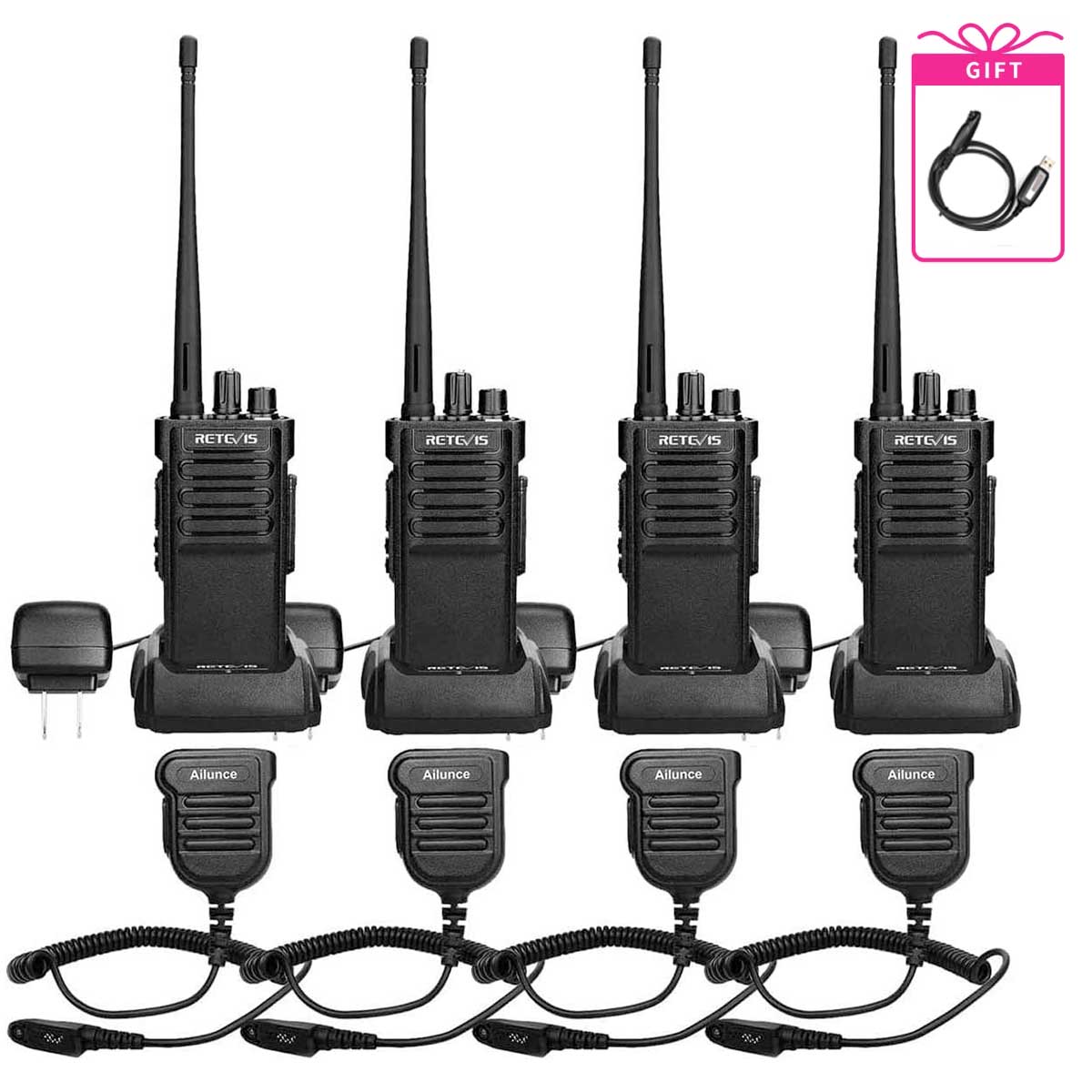
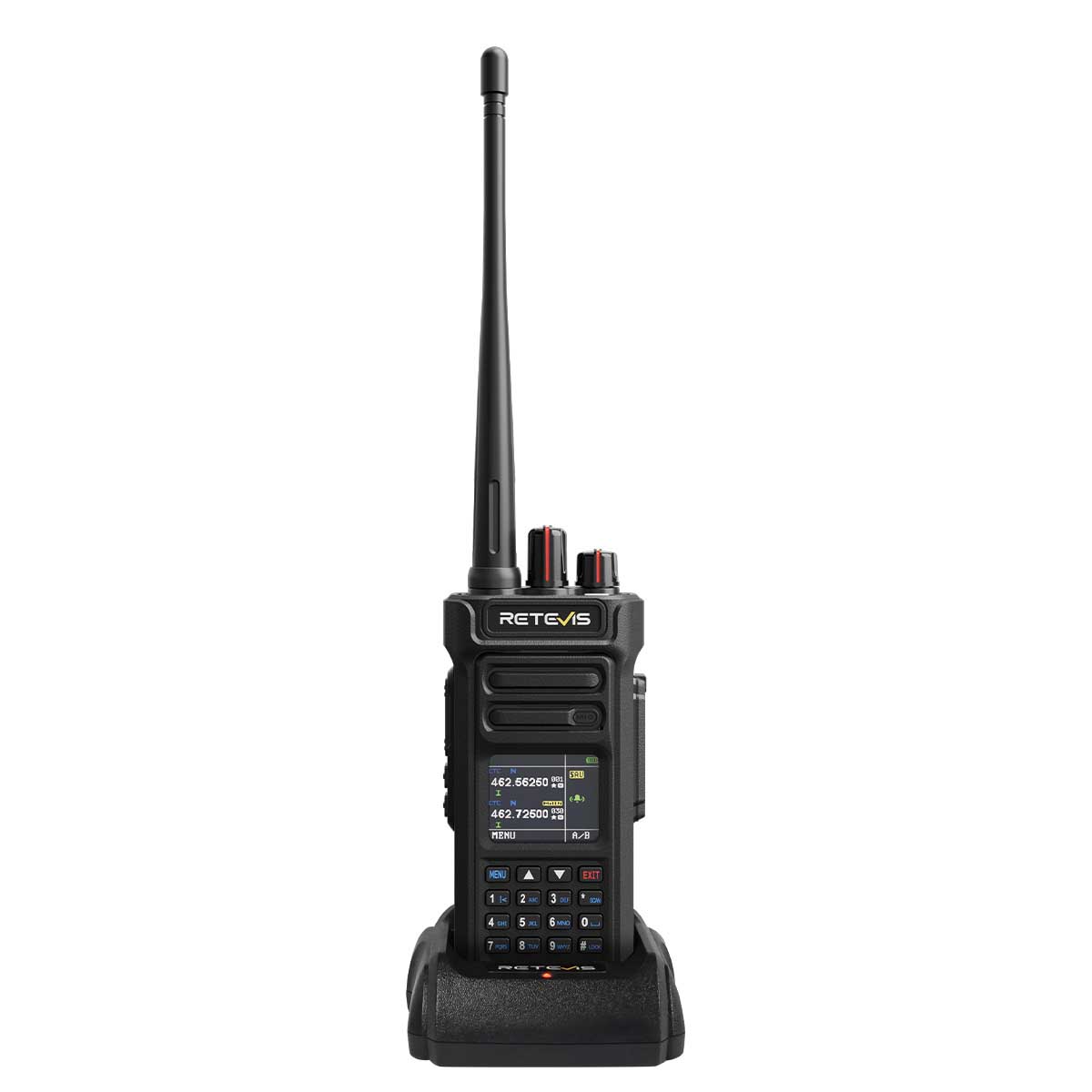
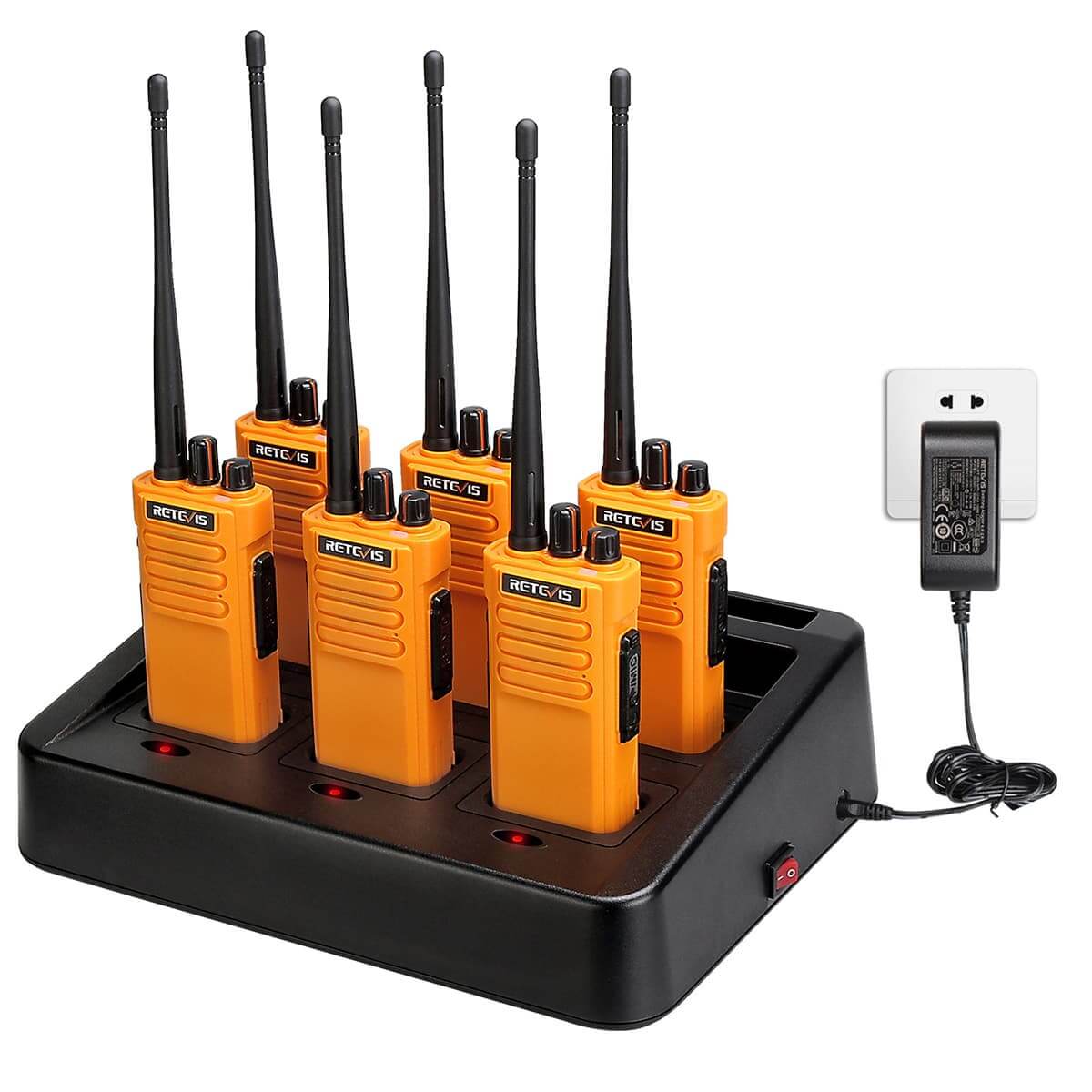
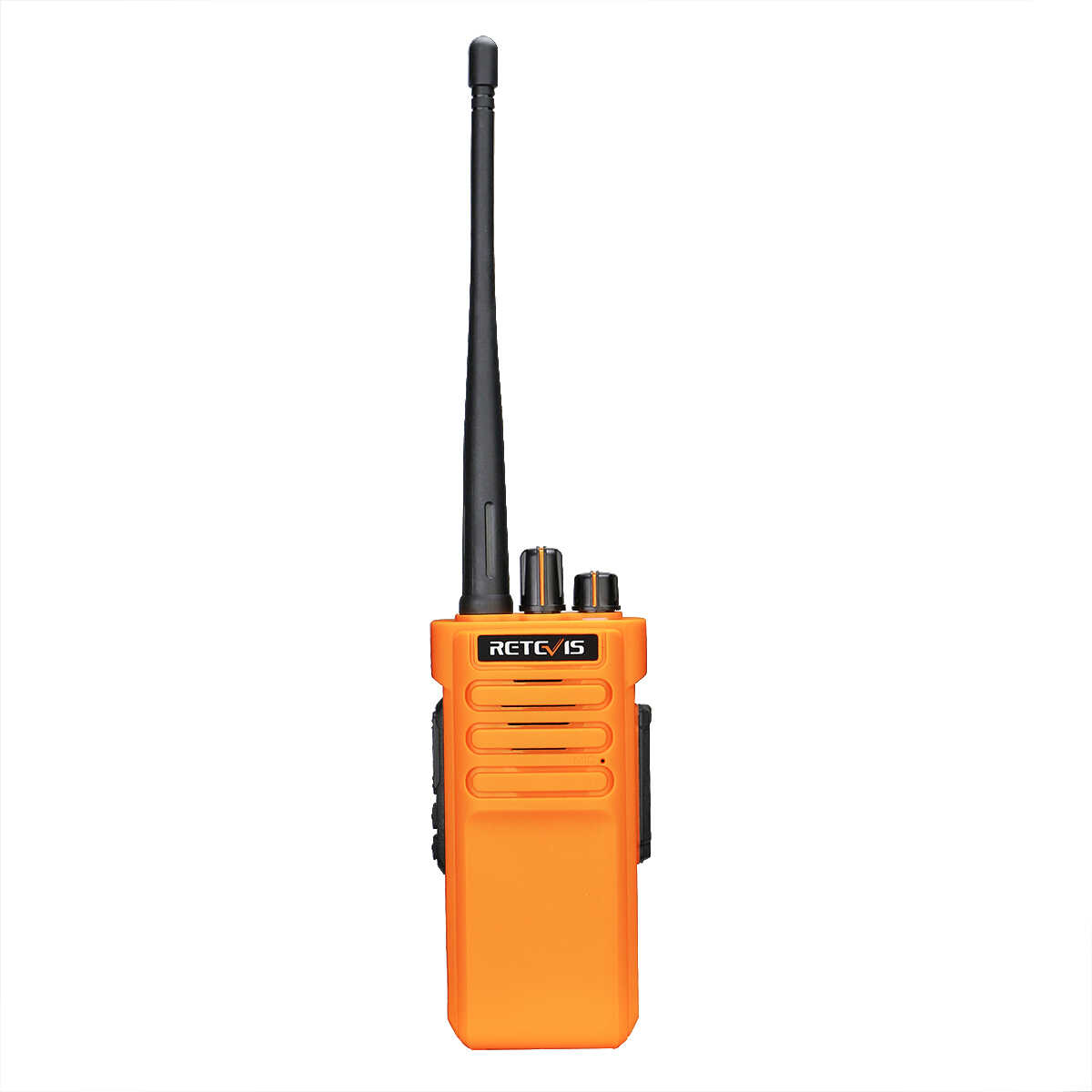
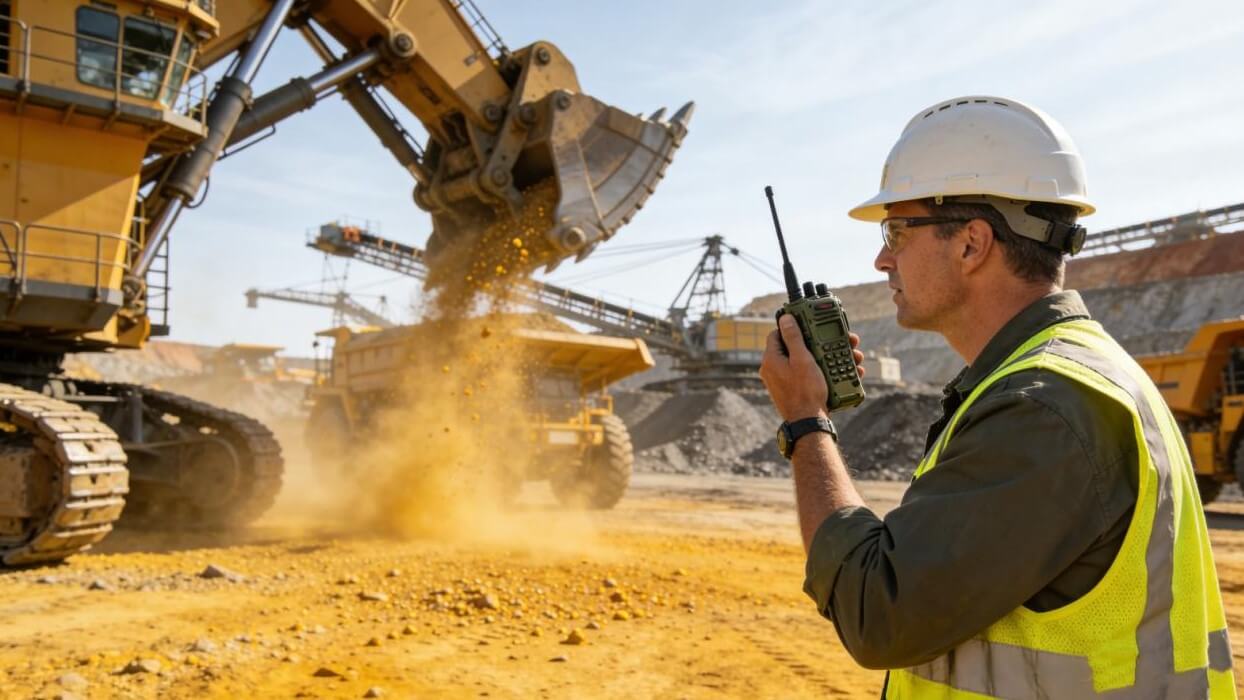
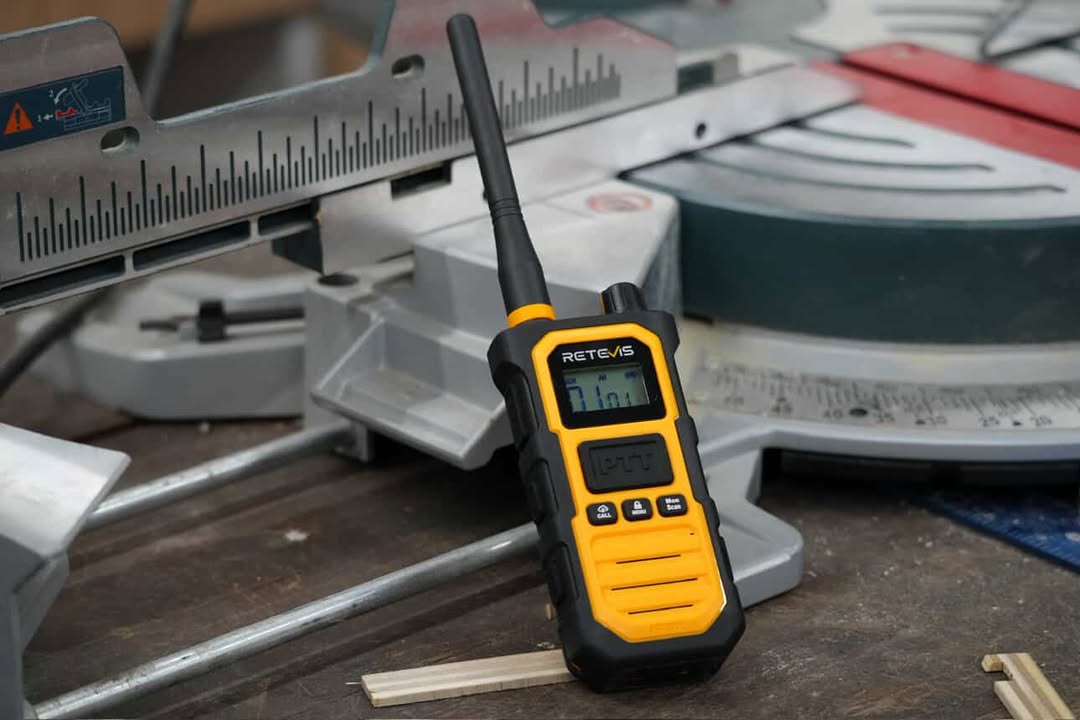
For teams that need a practical communication solution in demanding conditions, Retevis RT29 is one example of a radio built for rugged use. It is designed to support reliable communication in outdoor and industrial environments where weather and working conditions can change quickly. For construction teams preparing for winter, that kind of reliability is an important part of staying connected.
Final Takeaway: Communication Readiness Is Part of Construction Safety
Winter construction creates extra risk. Rain can reduce visibility. Wind can make voices harder to hear. Cold weather can affect both equipment and reaction time. When conditions change, communication becomes one of the most important parts of site safety.
That is why severe weather safety for construction workers should include emergency communication planning. It is not enough to have radios on site. Teams need to check them, test them, assign roles, and make sure everyone knows how to use them before storm season starts.
Reliable communication helps crews stay connected, respond faster, and maintain control when the weather turns bad. For construction teams that want to stay ready, the smartest move is to prepare communication before severe weather arrives.




 Google
 Amazon
Comments
No data Yet