

Table of Contents
How to Pick The Best Ham Radios For Beginners
- Posted by:Retevis

Most entry-level ham radios end up in a drawer within six months. The issue is rarely a lack of interest in the hobby. It is the hidden practical barriers that stop people from actually taking the radio out and using it. Too many models are built for desk programming, not for real field use.activator
For ham radio beginner operators, SOTA activators, and emergency preparedness users choosing a sustainable and unbreakable ham radio, three selection criteria matter far more than a long list of obscure menu features. Prioritize these three points below:
Rule 1: Choose a beginner radio you can reprogram in the field
Traditional handheld radios require a laptop, a special programming cable, and driver installation to add new channels or adjust settings. This works fine for a fixed home station, but it falls apart for portable use.
Operators rarely plan every single repeater and frequency before leaving home. On a mountain top, at a park activation, or during an emergency response, new frequencies and repeaters come up all the time. Being stuck with a pre-programmed channel list limits flexibility and cuts off useful operating opportunities.
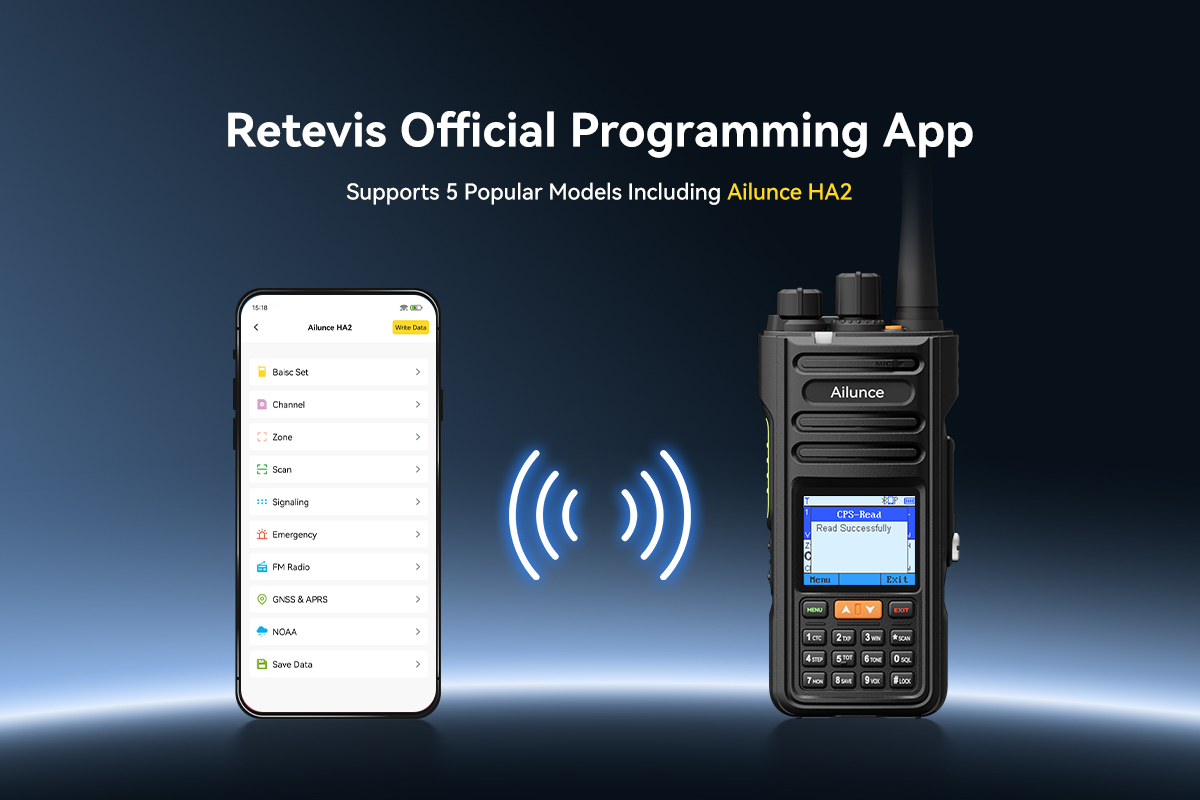
The most practical modern ham radios support mobile programming via Bluetooth. Operators pull out a phone, adjust settings through an app, and save changes directly to the radio in seconds. No cables, no drivers, no desk required. This single feature changes how often a radio gets taken out on trips.
Rule 2: Pick built-in features over add-on accessories
Many budget radios advertise advanced features, but they require extra modules, cables, and adapters to work. APRS position reporting is the most common example. Most entry-level models need an external GPS unit, separate wiring, and manual configuration to transmit location data. Almost no one goes through the trouble for casual portable use.
For outdoor and emergency use, features only matter if they work out of the box. A built-in GNSS receiver means APRS works with one menu setting, no extra gear needed. Integrated weather alert monitoring adds safety value without extra accessories. These native features get used. Add-on modules usually stay in the box.
The same logic applies to scanning and reception features. A ham radio with built-in airband receive and a basic spectrum scope gives beginners or operators more utility without extra equipment to carry.
Rule 3: Build quality beats extra menu options
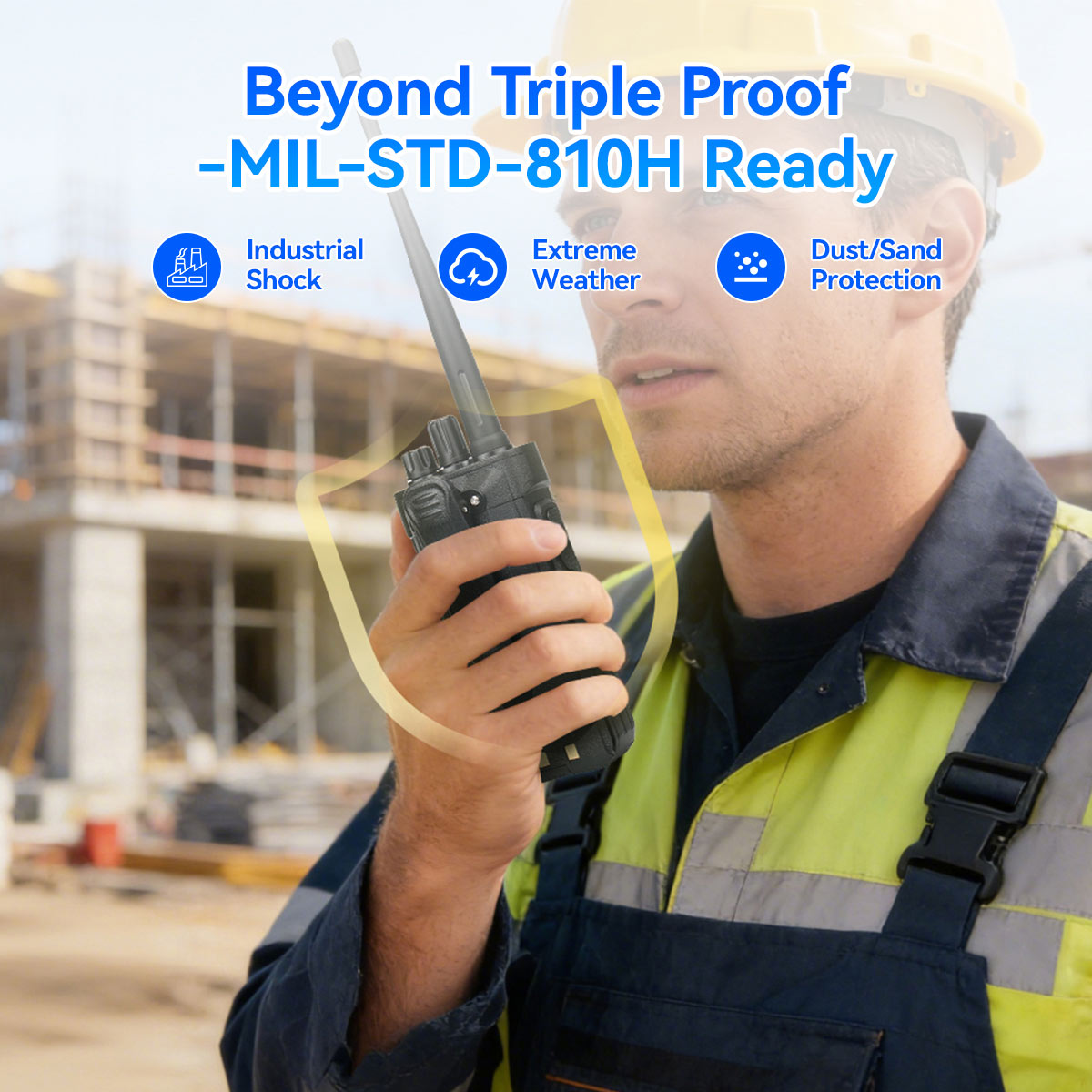
Thin plastic bodies, exposed ports, and low water resistance mean the entry-level radios breaks easily in rain, dust, or rough handling. For field use, a rugged chassis is not a luxury — it is a basic requirement.
Output power also follows this rule. A 5W ham radio works fine for close-in repeater access, but struggles with terrain and vegetation in backcountry areas. A 10W radio output rating gives a meaningful range boost for outdoor operation, with selectable lower power levels available to save battery when range is not an issue.
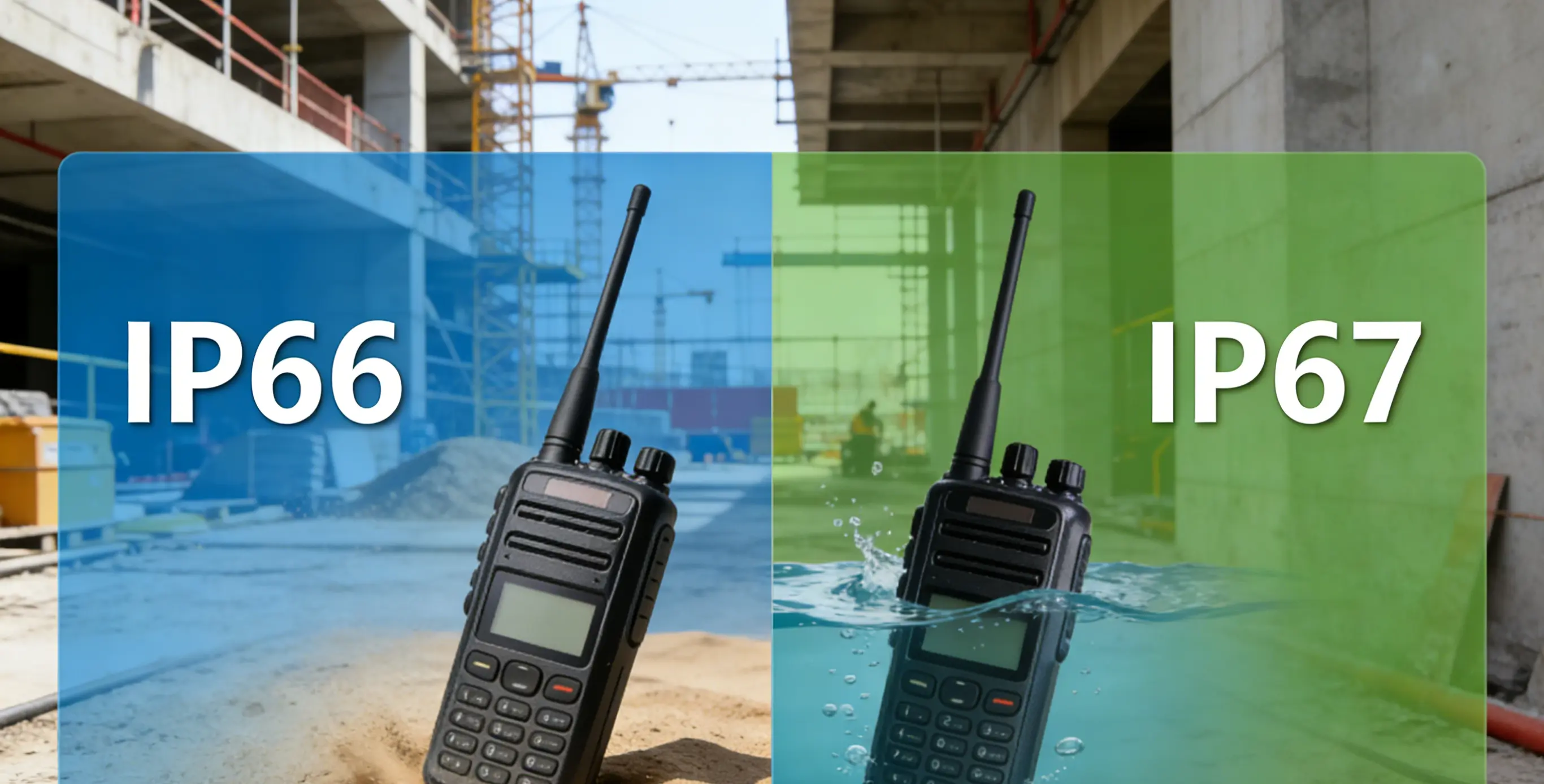
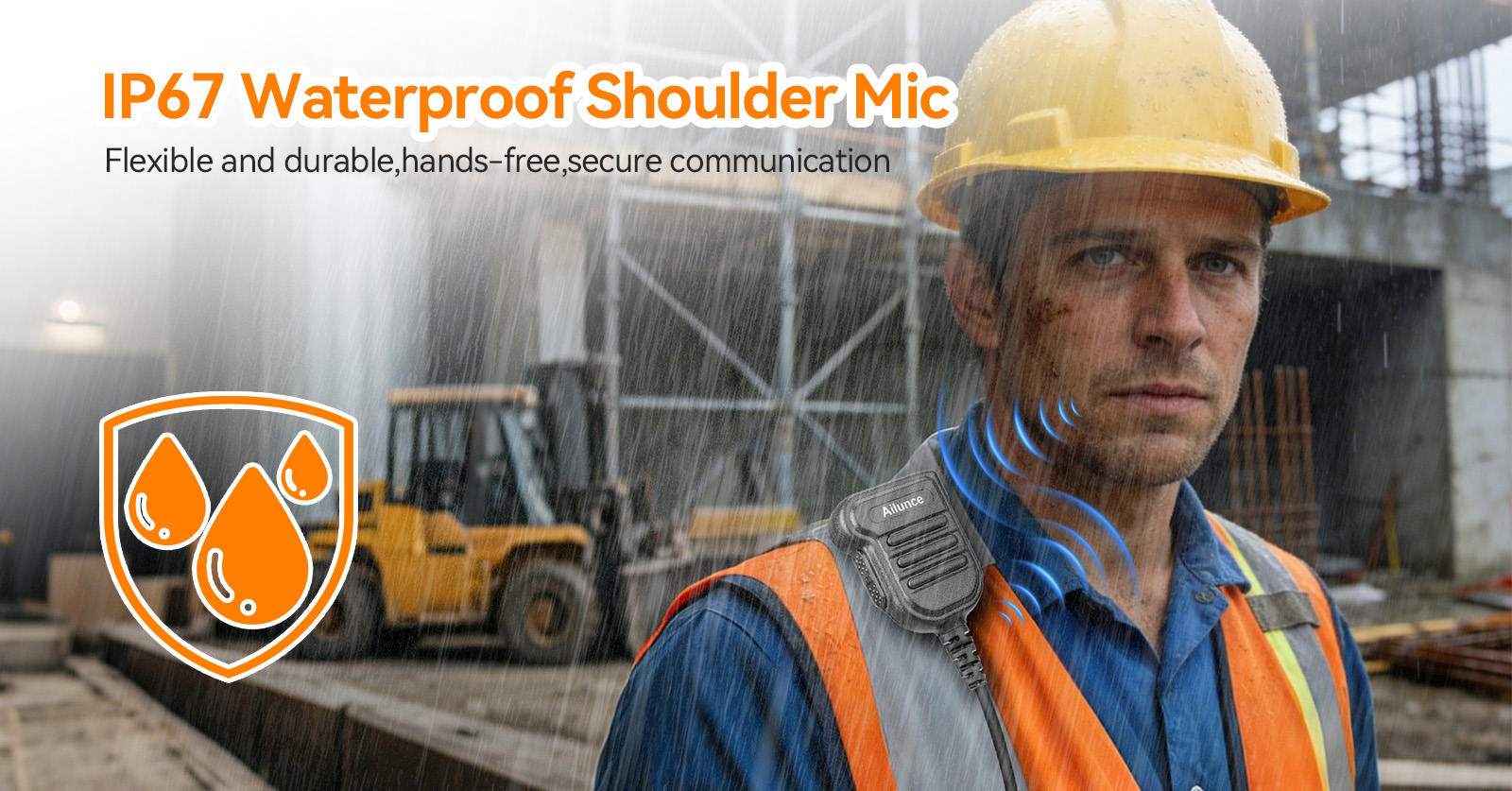
Look for a formal IP dust and water rating, and a solid chassis that can handle accidental drops. These features extend the usable life of the sustainable radio by years.
A Practical Model That Checks All Three Boxes
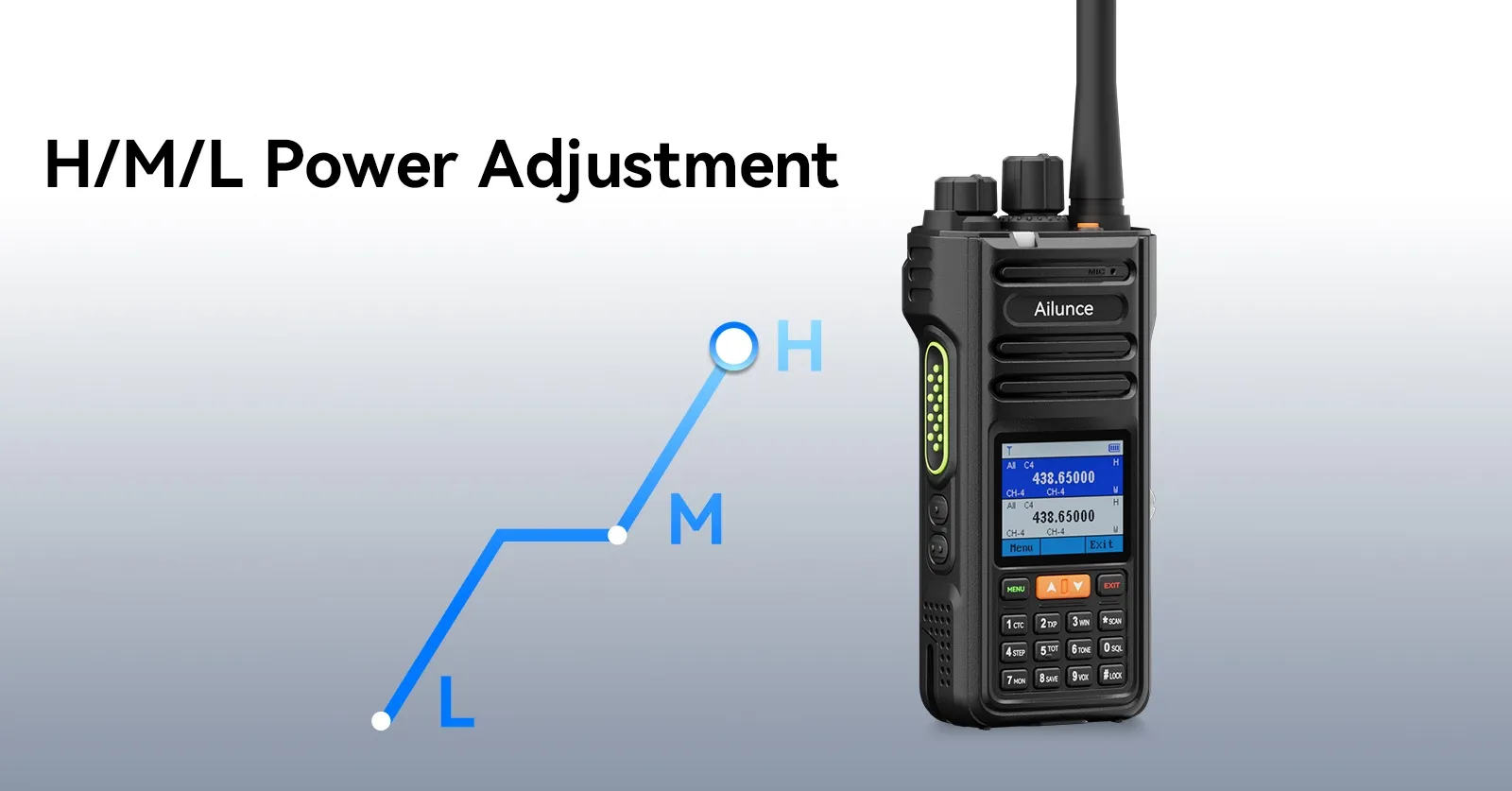
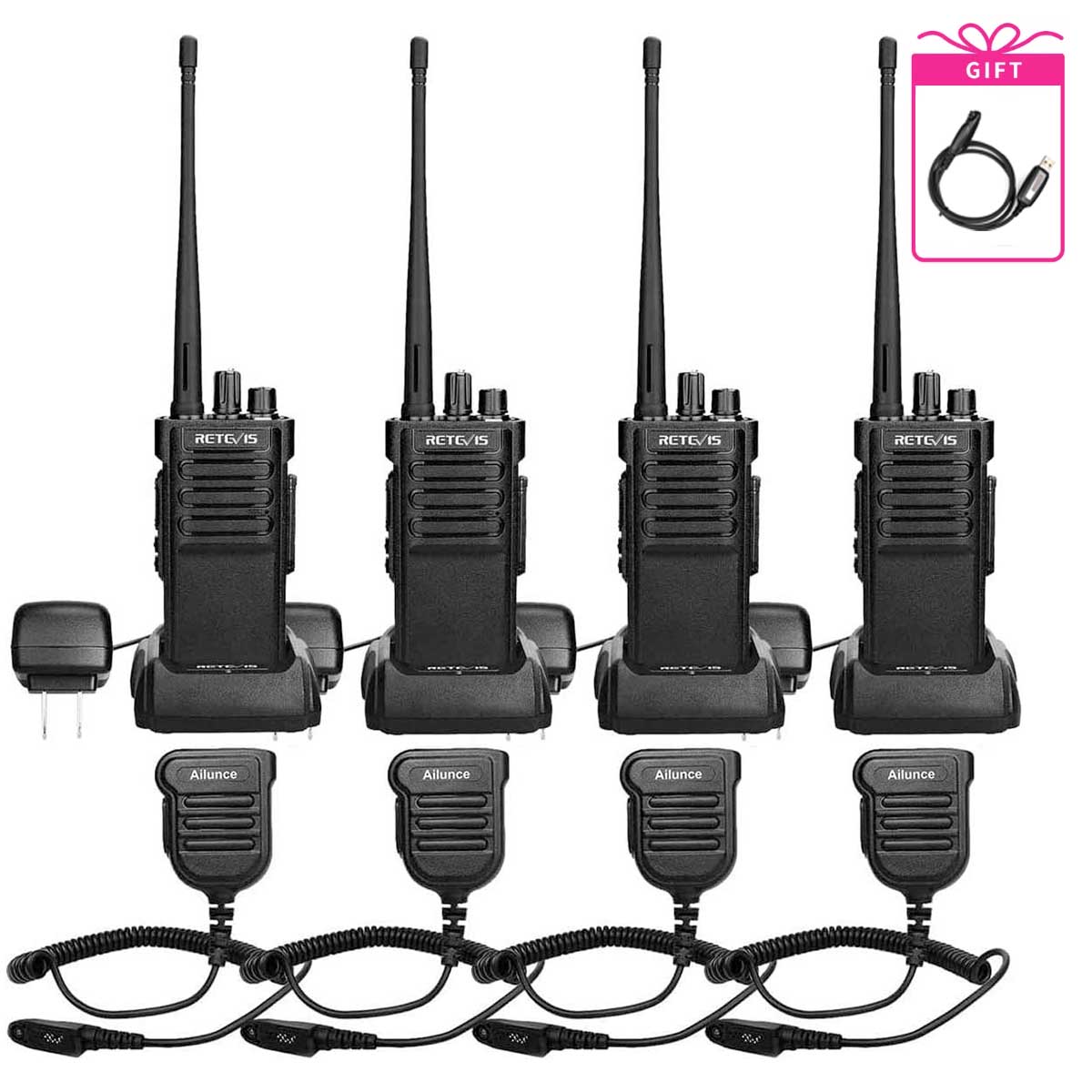
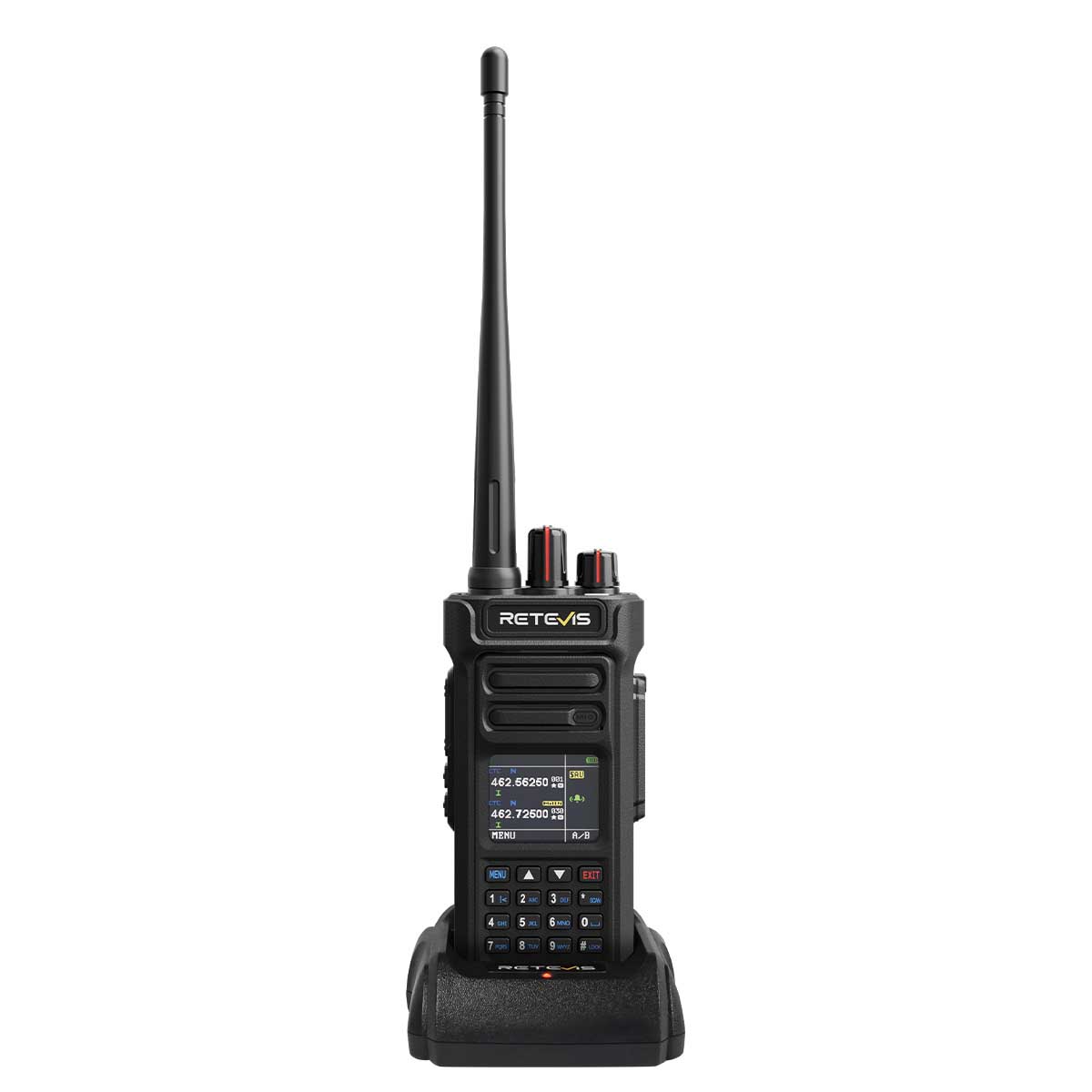
The Ailunce HA2 fully meets all three criteria, making it the perfect sustainable, unbreakable walkie-talkie for beginners. It supports full Bluetooth programming via the official Retevis mobile app. Operators add repeaters, adjust tone settings, and update APRS configurations directly from a phone, with no cable or computer needed. A traditional programming cable and desktop software are still included for users who prefer that workflow.
It has an integrated GNSS receiver for native APRS position reporting, with no external modules required. It also includes airband reception, a built-in spectrum scope, and NOAA weather alerts with audible warning functionality.
The chassis carries a full IP67 rating for dust and water protection, and it delivers up to 10W of output power on both VHF and UHF bands. A 2800mAh Type-C rechargeable battery covers full days of field operation.
For beginner anateurs who want a radio they will actually use outside the house, and for portable operators who value field flexibility, it is a well-rounded option that fixes the most common pain points of entry-level handhelds.
The best ham radio for beginners is not the one with the longest feature list. It is the one that gets taken out, turned on, and used regularly. Pick a model that removes barriers to operation instead of adding them, and it will earn its place in a field kit for years.
73!





 Google
 Amazon
Comments
No data Yet