

Table of Contents
Underground Tunneling Safety: Sourcing Two Way Radios for Dense, Subterranean Works
- Posted by:Retevis
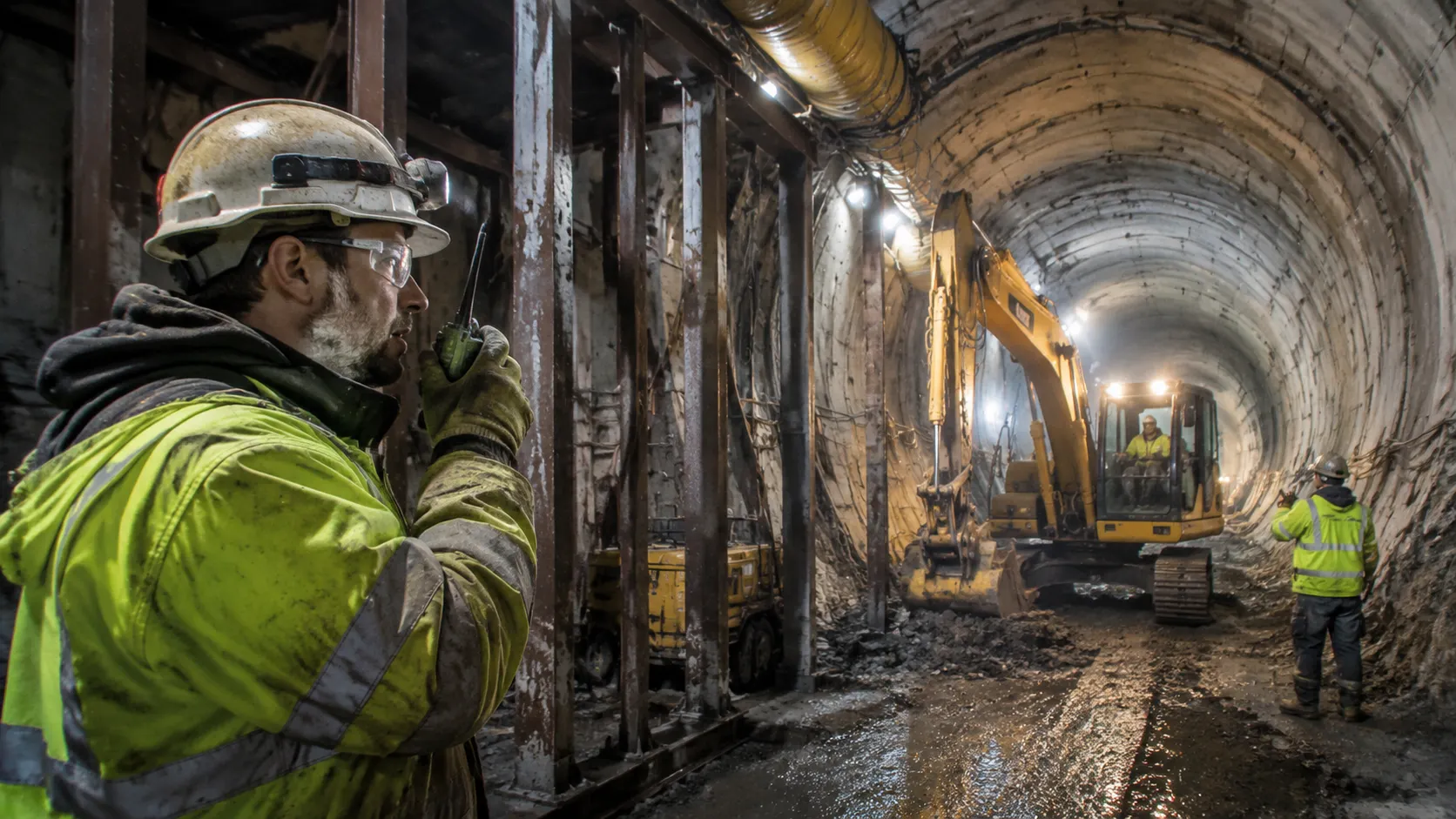
Reliable communication is critical in underground tunnel projects. Unlike surface construction sites, tunnels create unique communication challenges caused by concrete structures, rock, steel supports, curved layouts, machinery noise, dust, and limited visibility.
For tunneling and excavation teams, selecting the right radio tunnel communication solution is not only about equipment selection. It directly affects worker coordination, equipment operation, and emergency response efficiency.
If you are evaluating walkie talkies for tunnel work, understanding the requirements of underground environments is essential.
Why Is Tunnel Communication Challenging Underground?
Many teams ask: do walkie talkies work underground? The answer depends heavily on the environment and equipment.
Underground tunnels create multiple barriers that weaken radio signals:
- Reinforced concrete and steel structures
- Rock and soil obstruction
- Curved tunnel layouts
- Shafts, chambers, and changing work zones
- Heavy machinery interference
Unlike open areas, underground spaces often create non-line-of-sight conditions. This makes standard consumer radios less reliable for professional applications.
A proper tunnel communication system needs to be designed around actual site conditions rather than advertised open-field range.
Why Reliable Radios Matter for Underground Safety
Communication failures underground can delay operations and increase safety risks.
Workers may need to:
- Coordinate vehicles and heavy machinery
- Report equipment issues
- Manage restricted areas
- Respond to emergencies
- Communicate during ventilation or rescue situations
For these applications, underground communication equipment should provide stable voice transmission even when mobile networks are unavailable.
This is why many construction companies use construction site communication radios instead of basic consumer walkie talkies.
What Features Matter in Walkie Talkies for Tunnel Work?
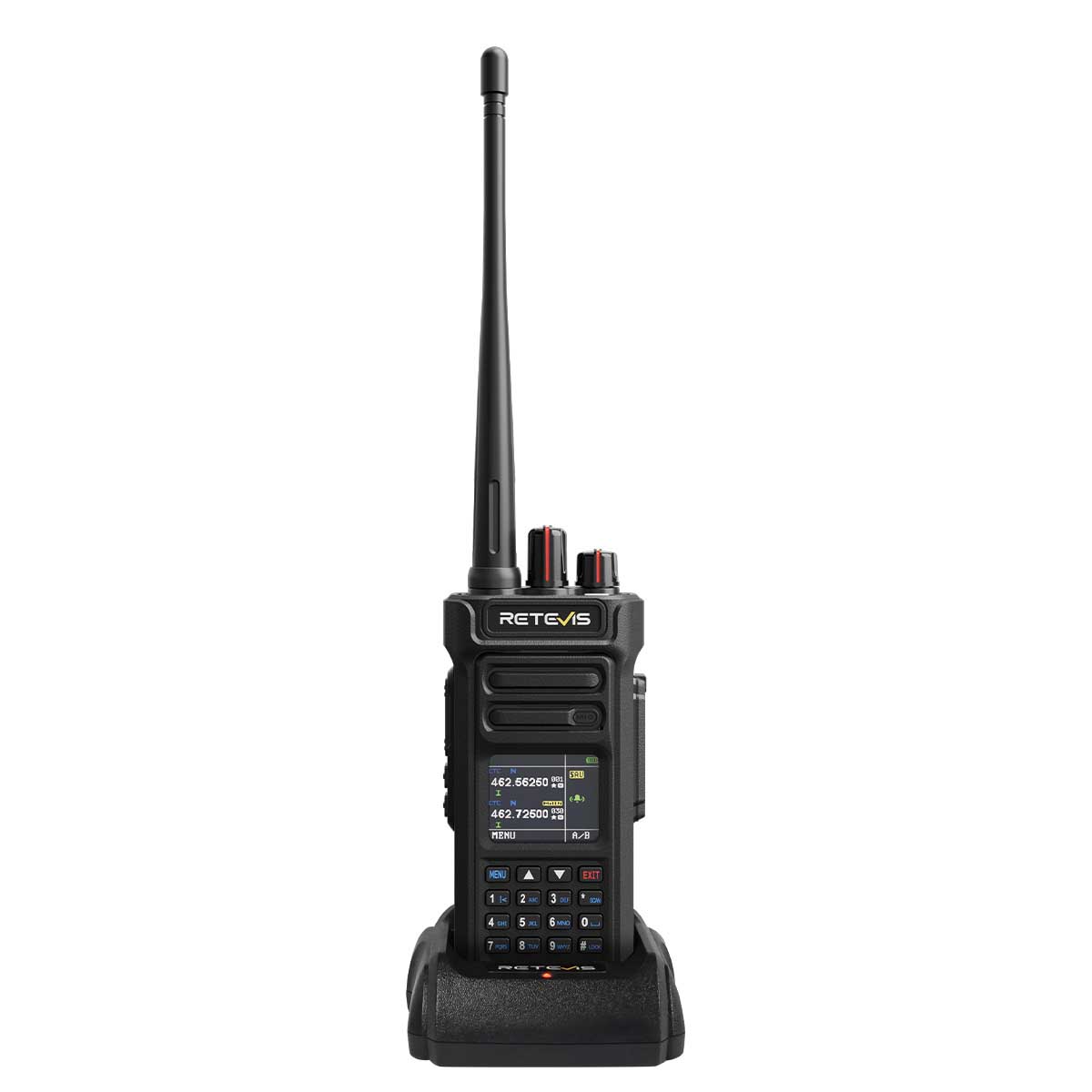
Choosing the right radio requires more than checking range numbers. Underground environments demand durability, audio clarity, and reliable performance.
1. Strong Signal Performance in Underground Environments
A quality tunnel radio should maintain usable communication through obstacles such as concrete, steel structures, and underground passages.
When selecting a long range walkie talkie, contractors should consider:
- Real-world coverage conditions
- Building and tunnel materials
- Antenna performance
- Whether repeaters or extended systems are required
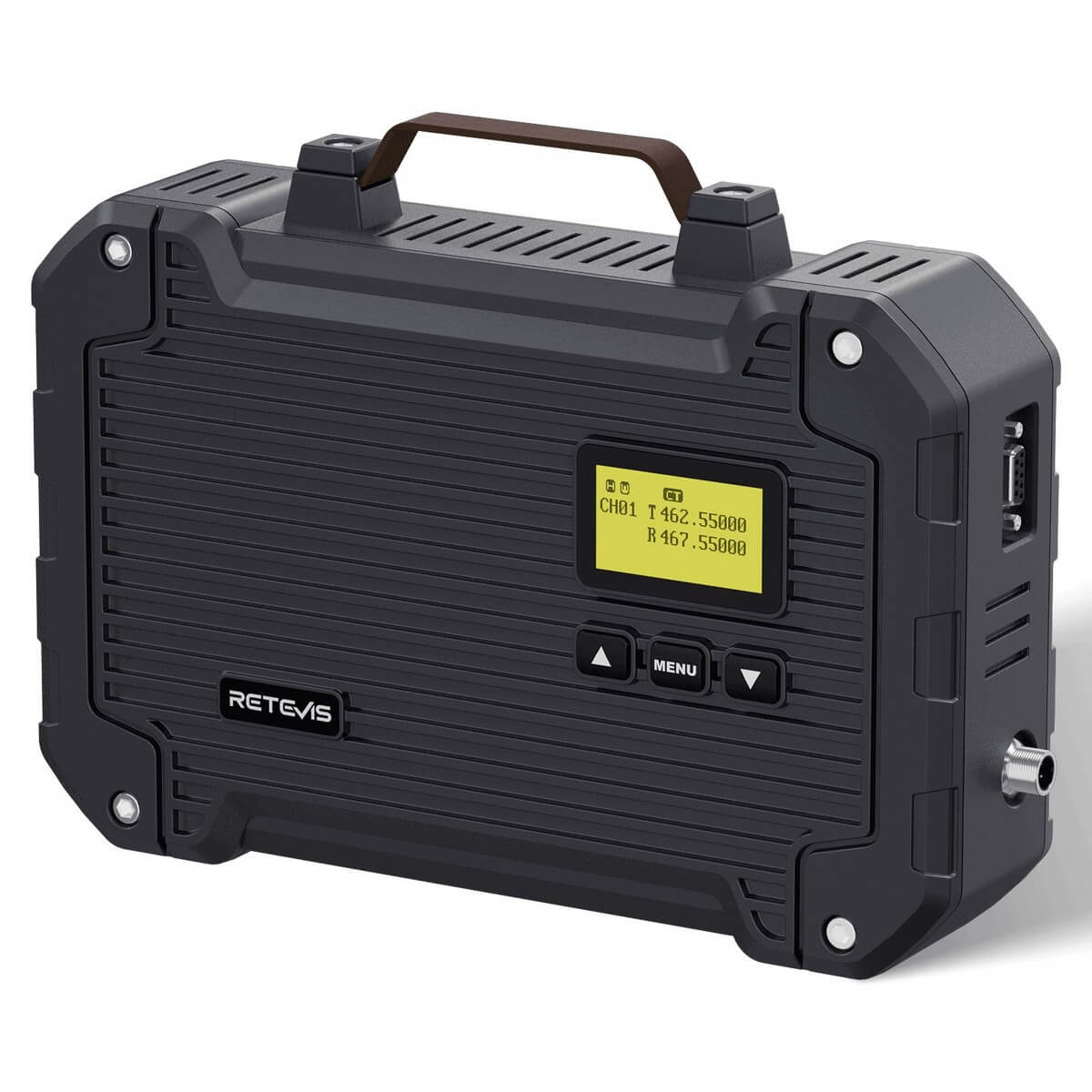
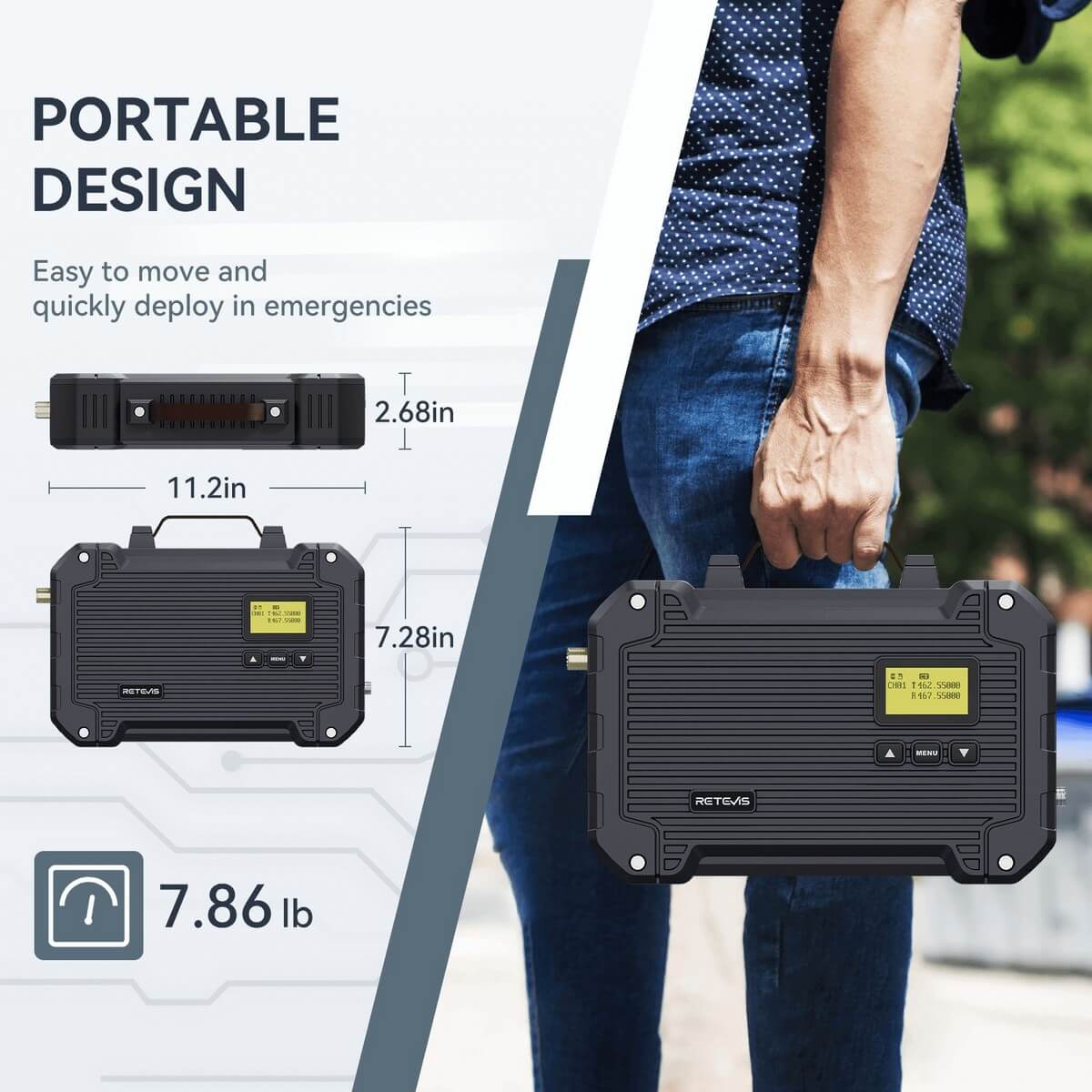
For larger projects, underground radio communication systems may combine handheld radios with repeaters or distributed antenna solutions to improve coverage.
2. Clear Audio in Heavy Machinery Areas
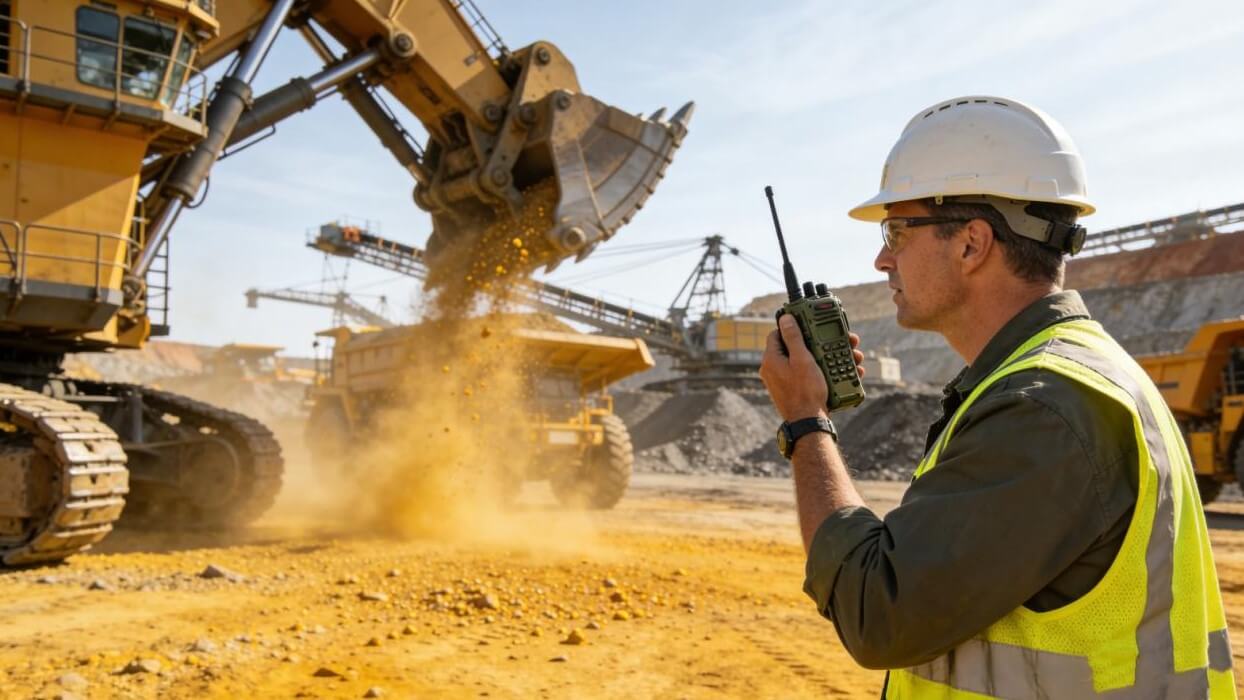
Signal strength alone is not enough. Underground worksites often include drilling machines, pumps, ventilation systems, and transportation equipment.
A suitable walkie talkie for heavy machinery zones should provide:
- High-output speakers
- Noise reduction technology
- Clear microphone pickup
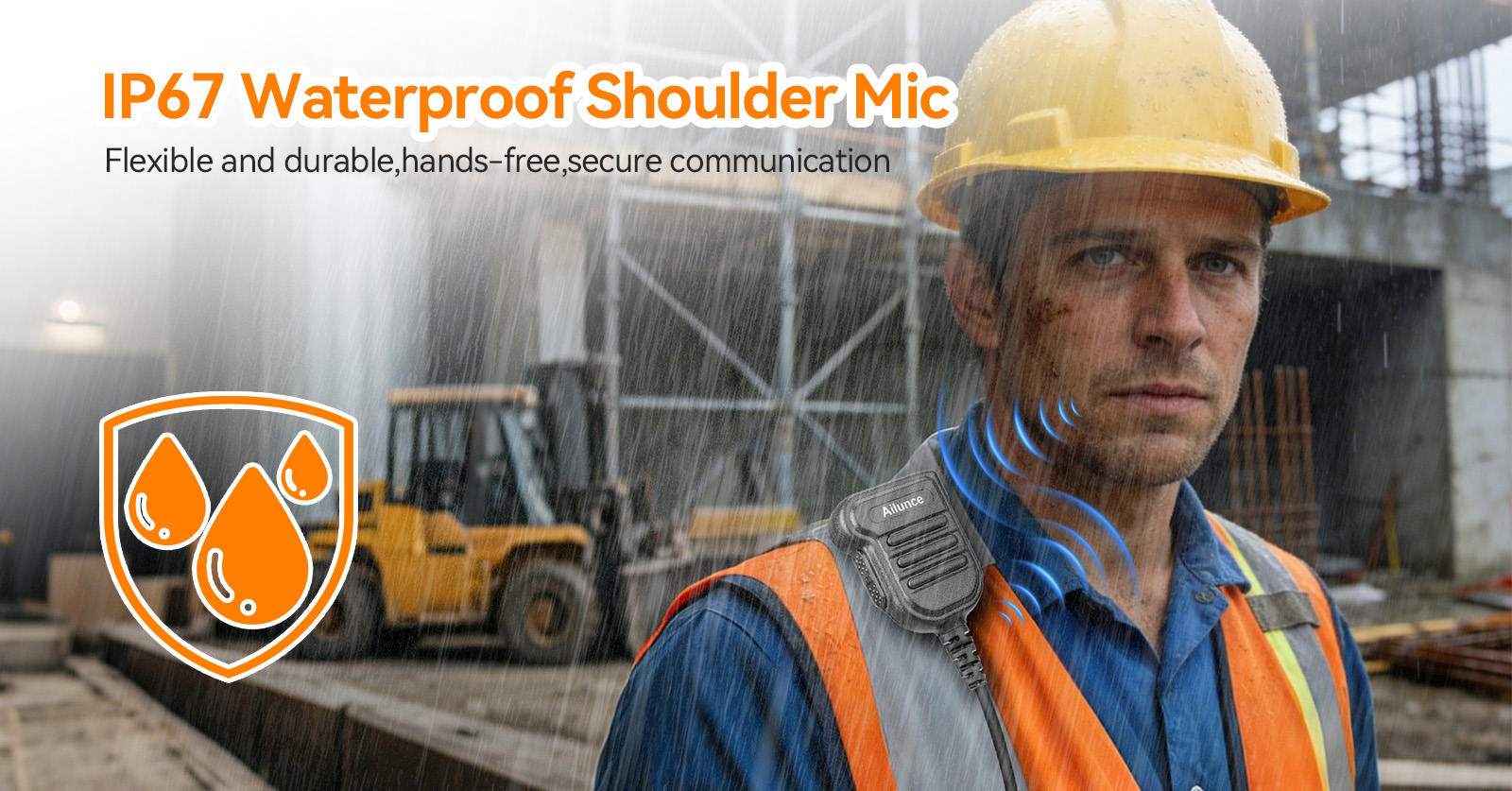
- Compatible audio accessories
For teams working around constant equipment noise, choosing the right radio audio system is as important as coverage.
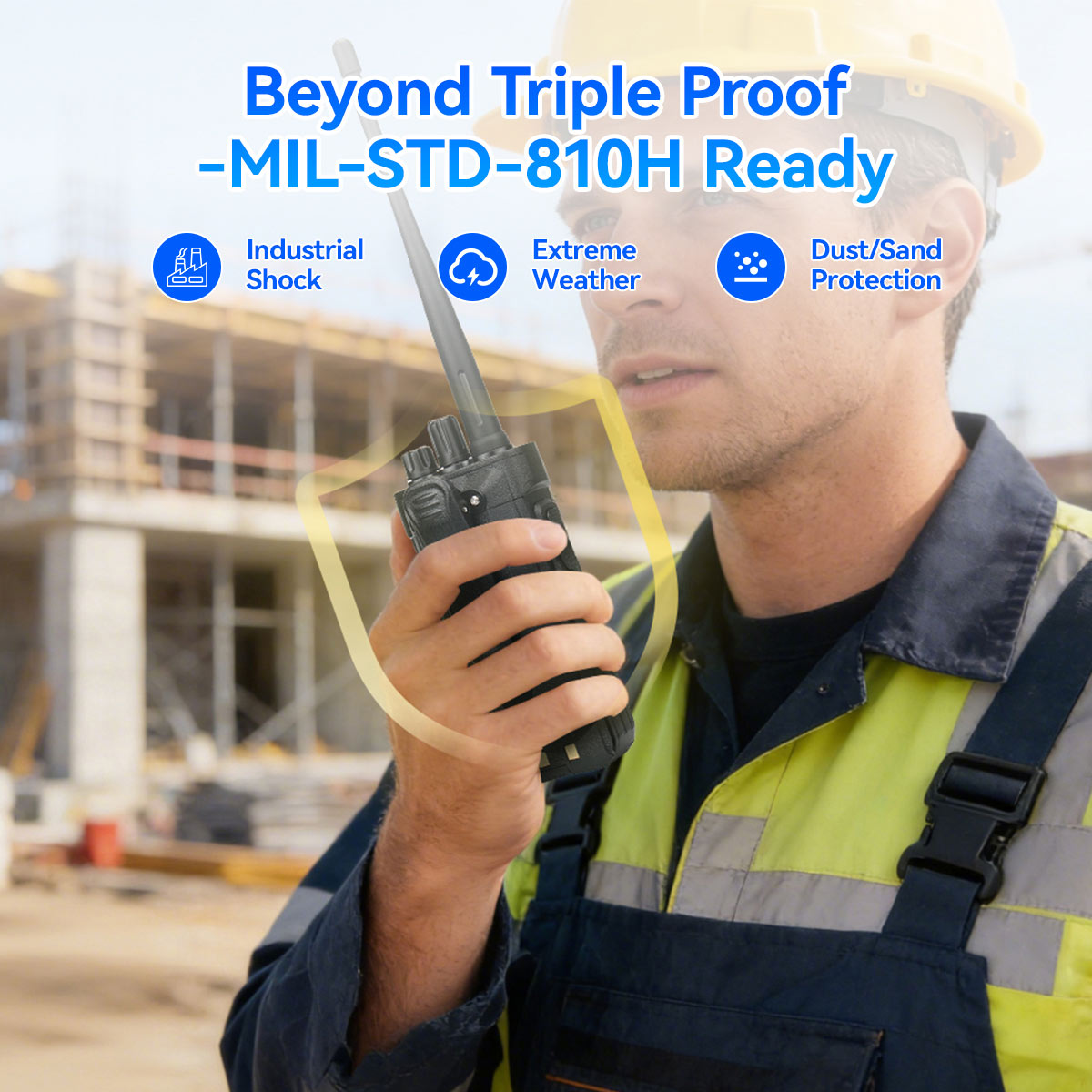
3. Rugged Design for Harsh Underground Conditions
Underground environments expose radios to:
- Dust and debris
- Water spray
- Mud
- Drops and impacts
- Continuous vibration
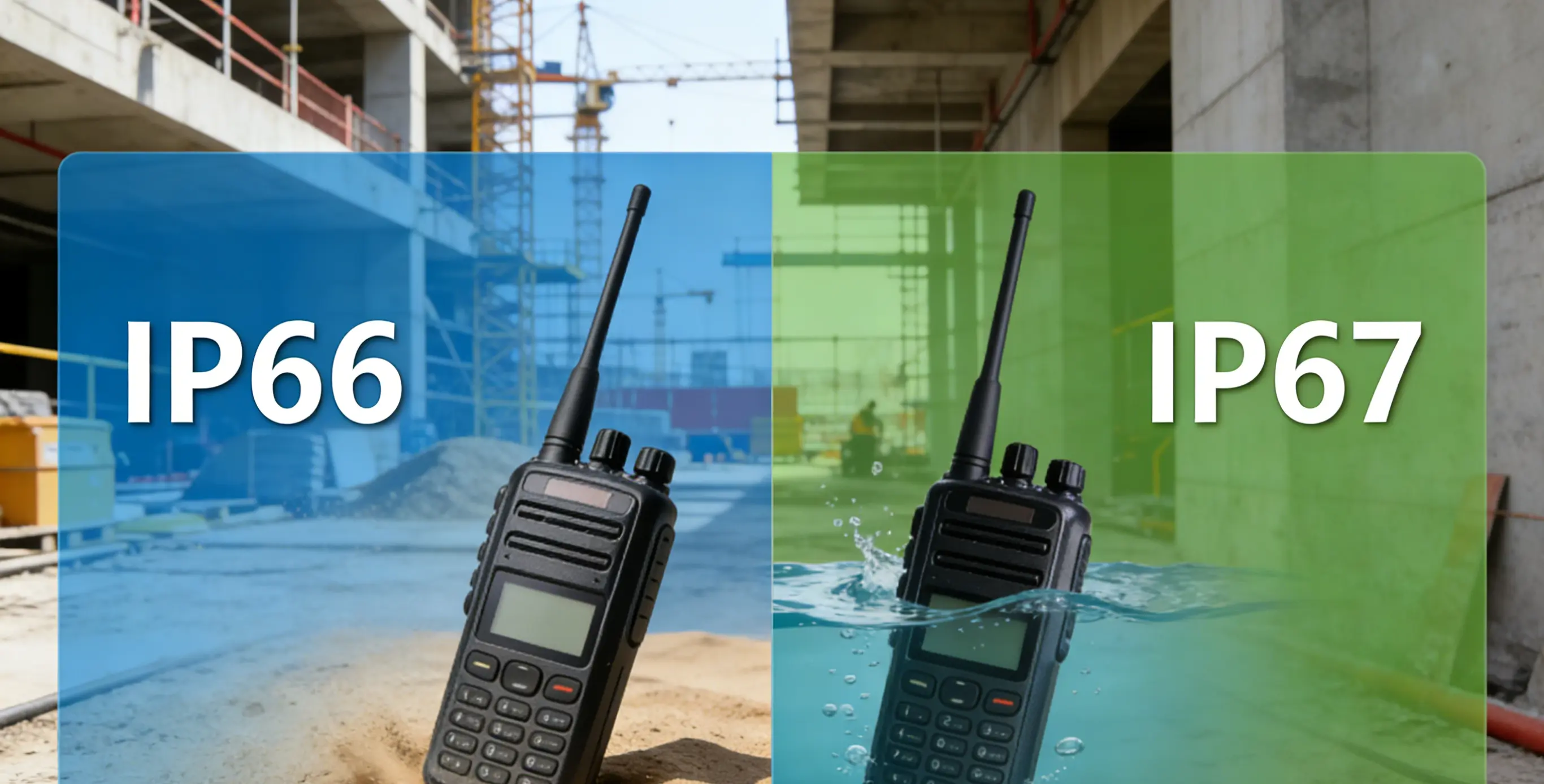
A durable industrial radio with strong protection, such as IP-rated construction, is better suited for tunneling, excavation, and utility projects.
4. Battery Life for Long Tunnel Shifts
Many underground projects operate extended shifts. Communication equipment must remain available throughout the work period.
Consider:
- Long battery runtime
- Spare batteries
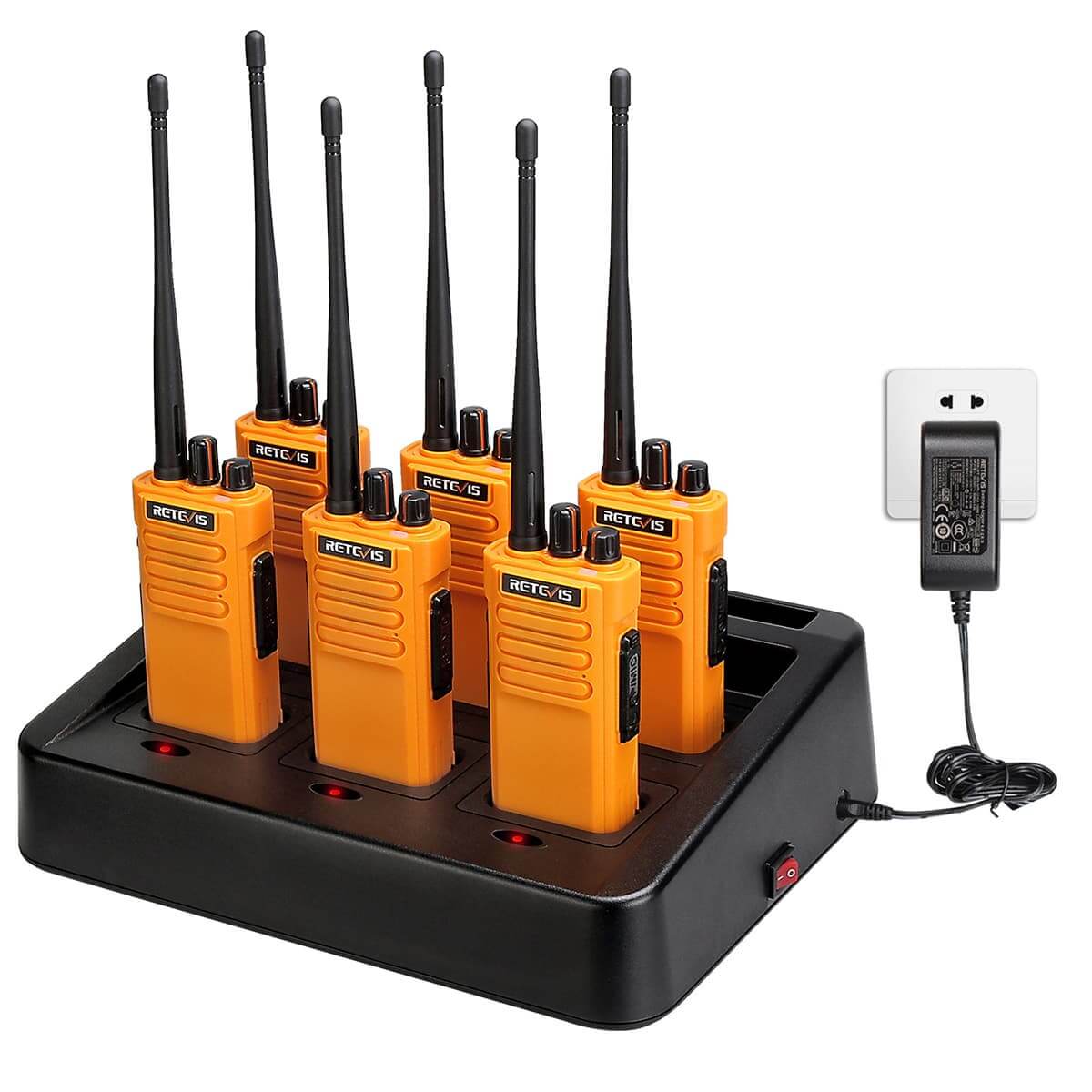
- Multi-unit charging stations
- Battery replacement plans
Reliable power management is especially important for remote underground locations.
5. Emergency Features for Tunnel Safety
A professional tunnel communication solution should support more than basic voice calls.
Useful features include:
- Emergency alarm
- Group calling
- Priority communication
- Lone worker support
- Man-down alerts
These functions help improve response speed during unexpected situations and support broader tunnel safety communication solutions.
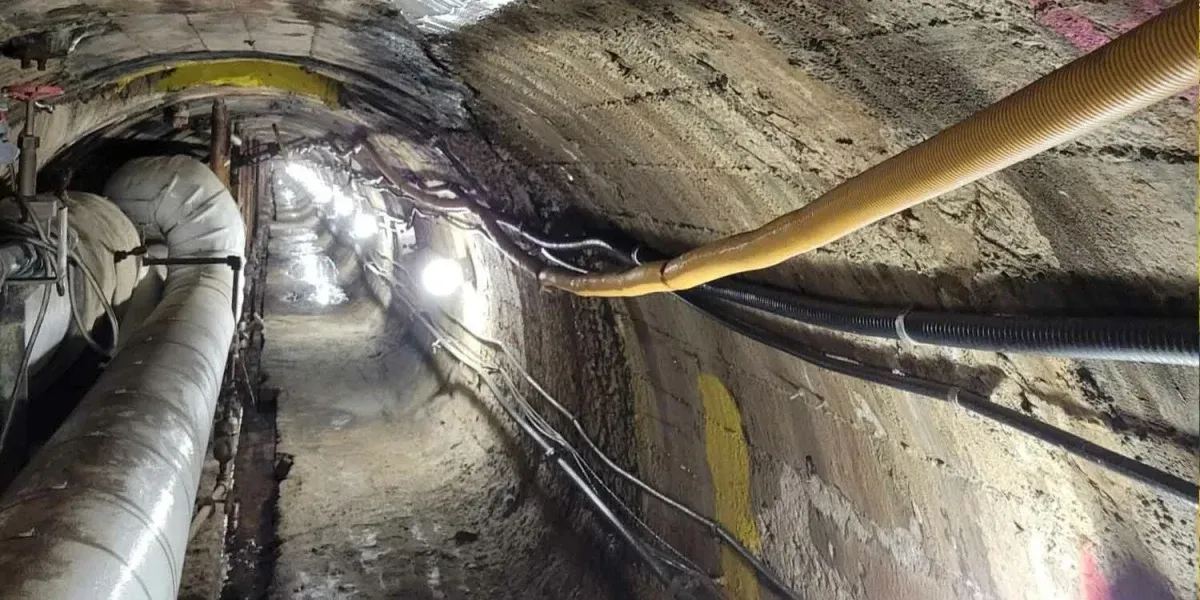
Industrial Radios vs. Consumer Walkie Talkies Underground
Some users search “does radio work underground” or “do radios work underground” expecting a simple yes or no answer.
The reality is that radio communication underground depends on:
- Radio power and frequency
- Site structure
- Antenna position
- Interference levels
- Communication system design
Consumer radios may work in simple underground areas, but industrial projects usually require stronger, more durable solutions.
For tunnels, mines, excavation projects, and underground construction, industrial radios provide better reliability for demanding environments.
Common Mistakes When Buying Tunnel Radios
Choosing Based Only on Range Claims
Advertised range is usually measured in ideal conditions. Tunnel performance can be very different.
Ignoring Noise Conditions
A radio that cannot deliver clear audio near machinery does not support effective communication.
Selecting Radios Without Field Testing
Testing communication performance in the actual tunnel environment is one of the best ways to identify coverage issues before deployment.
Best Practices for Underground Radio Communication
To improve reliability:
- Test radios before full deployment
- Identify tunnel dead zones
- Assign channels by work group
- Train workers on communication procedures
- Maintain spare batteries and accessories
- Review communication performance during project progress
A good radio walkie talkie system works best when combined with proper planning and operating procedures.
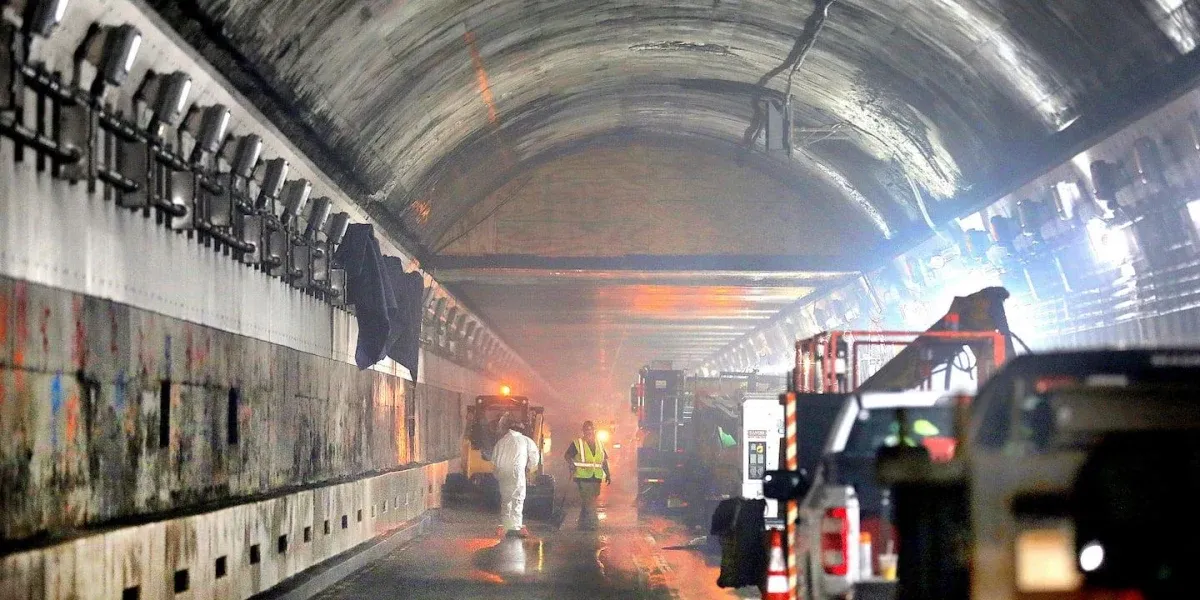
FAQ About Underground Tunnel Radio Communication
Do walkie talkies work underground?
Yes, walkie talkies can work underground, but performance depends on tunnel structure, distance, obstacles, radio power, and whether additional communication equipment such as repeaters is used.
Do radios work underground tunnels?
Professional radios can support underground tunnel communication, but reinforced concrete, rock, and steel structures may reduce coverage. Industrial radios and properly designed systems provide more reliable results.
Why should you turn on the radio in a tunnel?
Radios provide immediate communication between teams when visibility is limited, mobile coverage is unavailable, or workers need rapid coordination during safety situations.
What type of radio is best for tunnel construction?
The best choice depends on tunnel size, working conditions, and communication requirements. Most tunnel projects need radios with strong signal performance, clear audio, rugged protection, and long battery life.
Final Takeaway
Underground communication requires more than a standard handheld radio. Tunnels create challenges that surface construction rarely faces, including signal blockage, machinery noise, harsh conditions, and emergency response requirements.
The right tunnel radio or underground communication system should combine strong coverage, clear audio, rugged durability, and reliable battery performance.
For tunneling, excavation, and underground construction projects, choosing the right construction site communication radios helps teams stay connected when communication matters most.



 Google
 Amazon
Comments
No data Yet