
Table of Contents
Using GMRS Repeaters for Community Networks: How to Build a Local Communication Hub
- Posted by:Anna
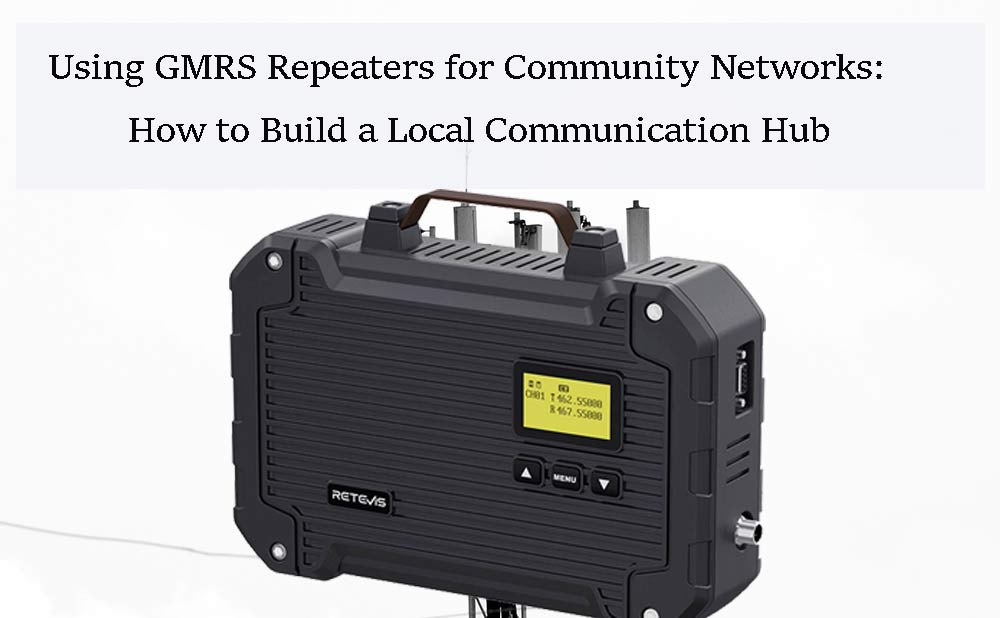
In an era of increasing reliance on digital networks, having a local, independent communication system is invaluable for communities. Whether for neighborhood safety, emergency preparedness, or outdoor group coordination, GMRS repeaters offer a reliable solution. This guide will show you how to build a community communication hub using IP66 waterproof, 25W GMRS repeaters—ensuring durability, long-range coverage, and resilience in any weather.
Why GMRS Repeaters Are Ideal for Community Networks
GMRS repeaters are perfect for local communication because they:
- Extend range (up to 20+ miles with proper antenna placement)
- Support multiple users (family, neighbors, volunteer groups)
- Work without internet or cellular networks (critical during outages)
- Are FCC-licensed for personal and community use (no ham radio exam required)
Key Components for a GMRS Repeater Hub
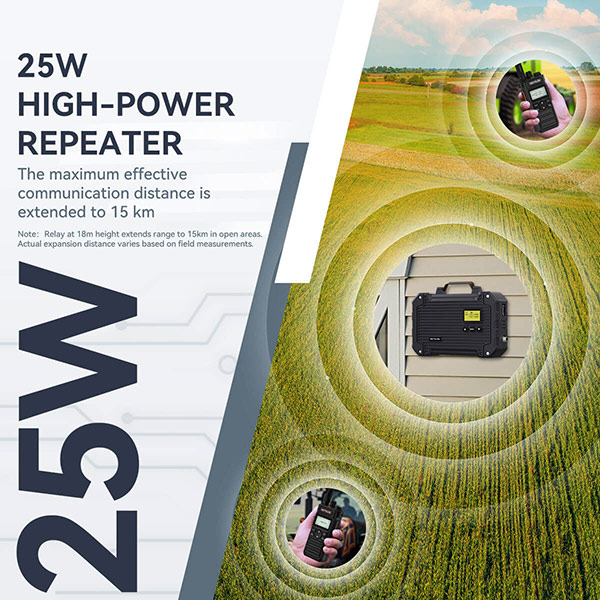
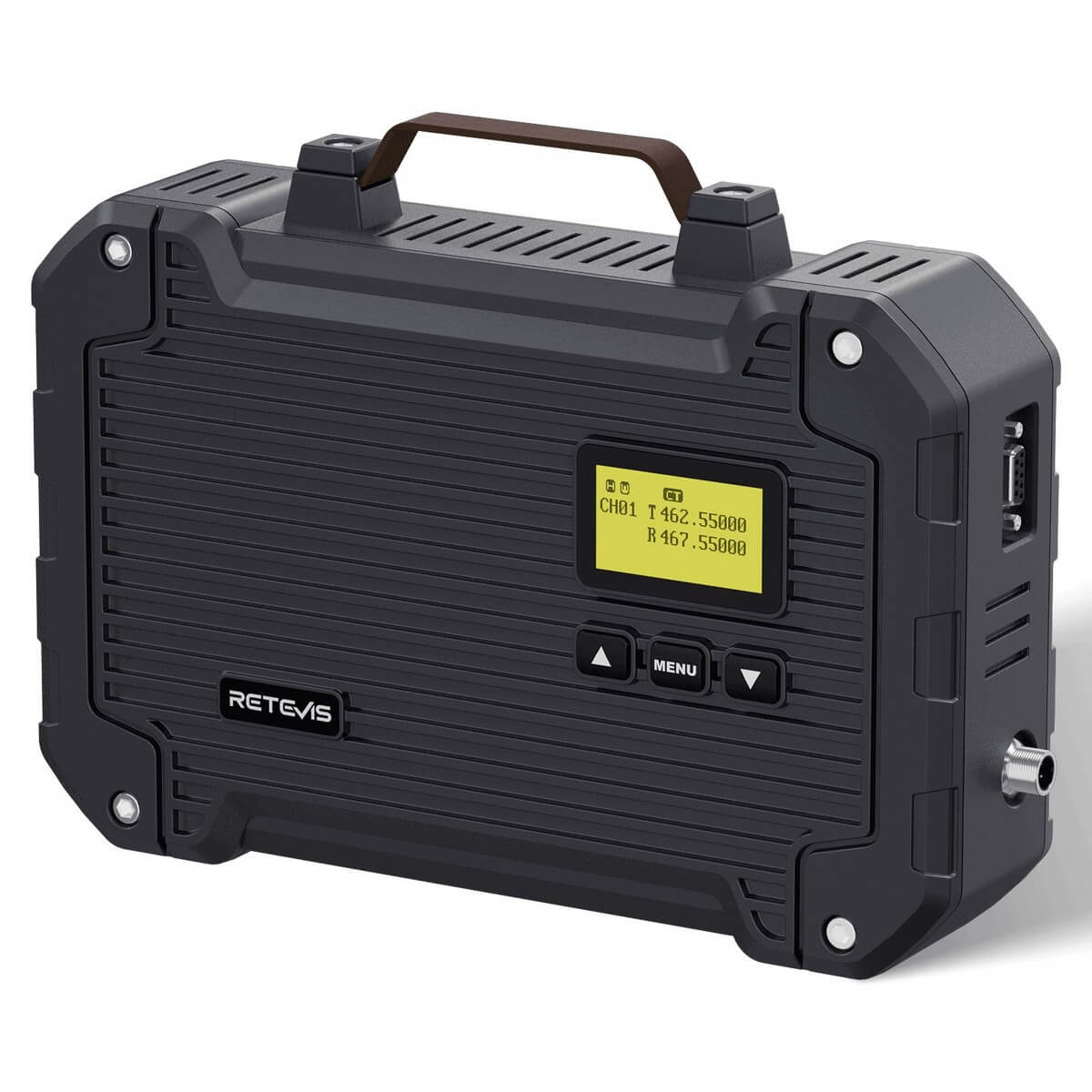
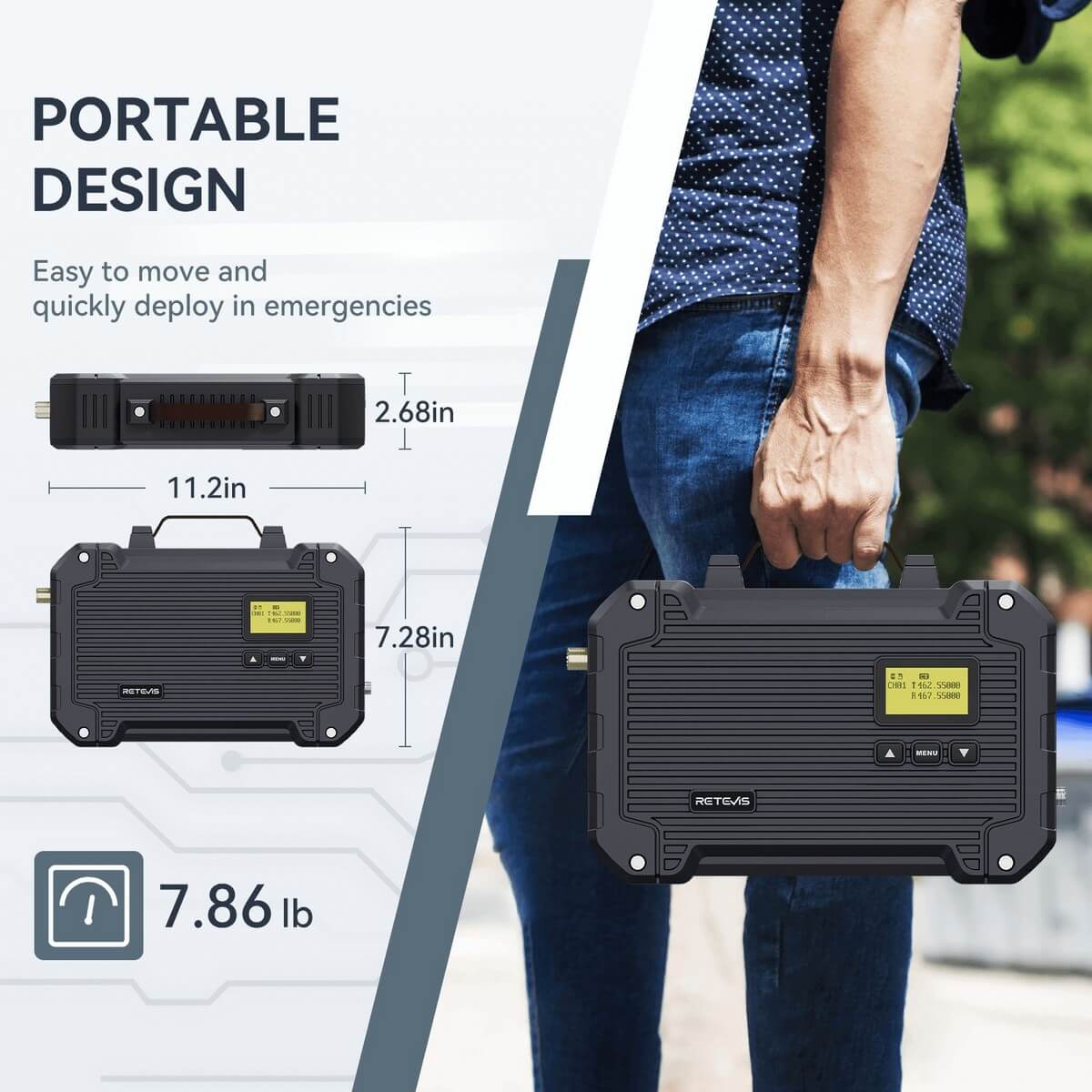
1. IP66 Waterproof GMRS Repeater (25W)
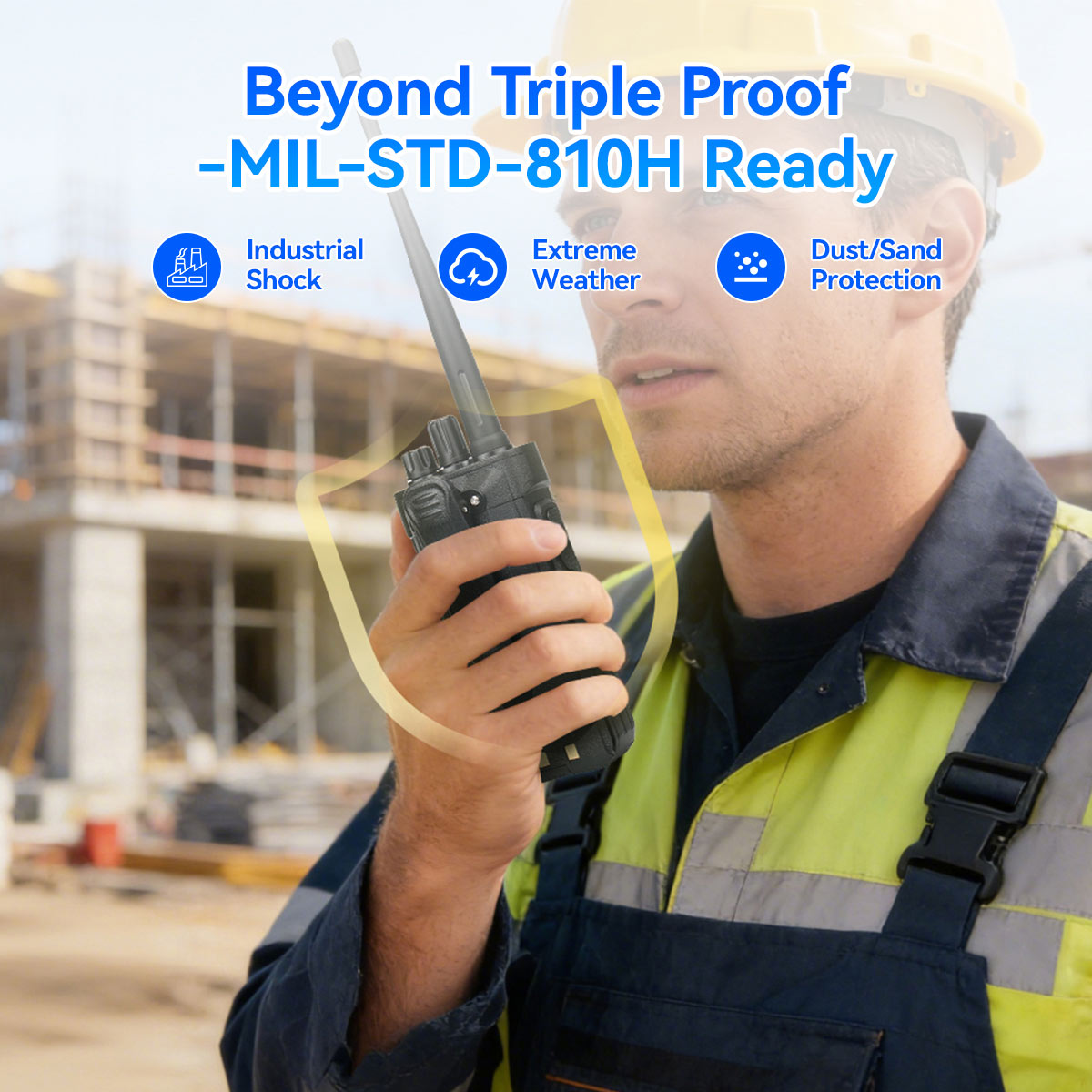
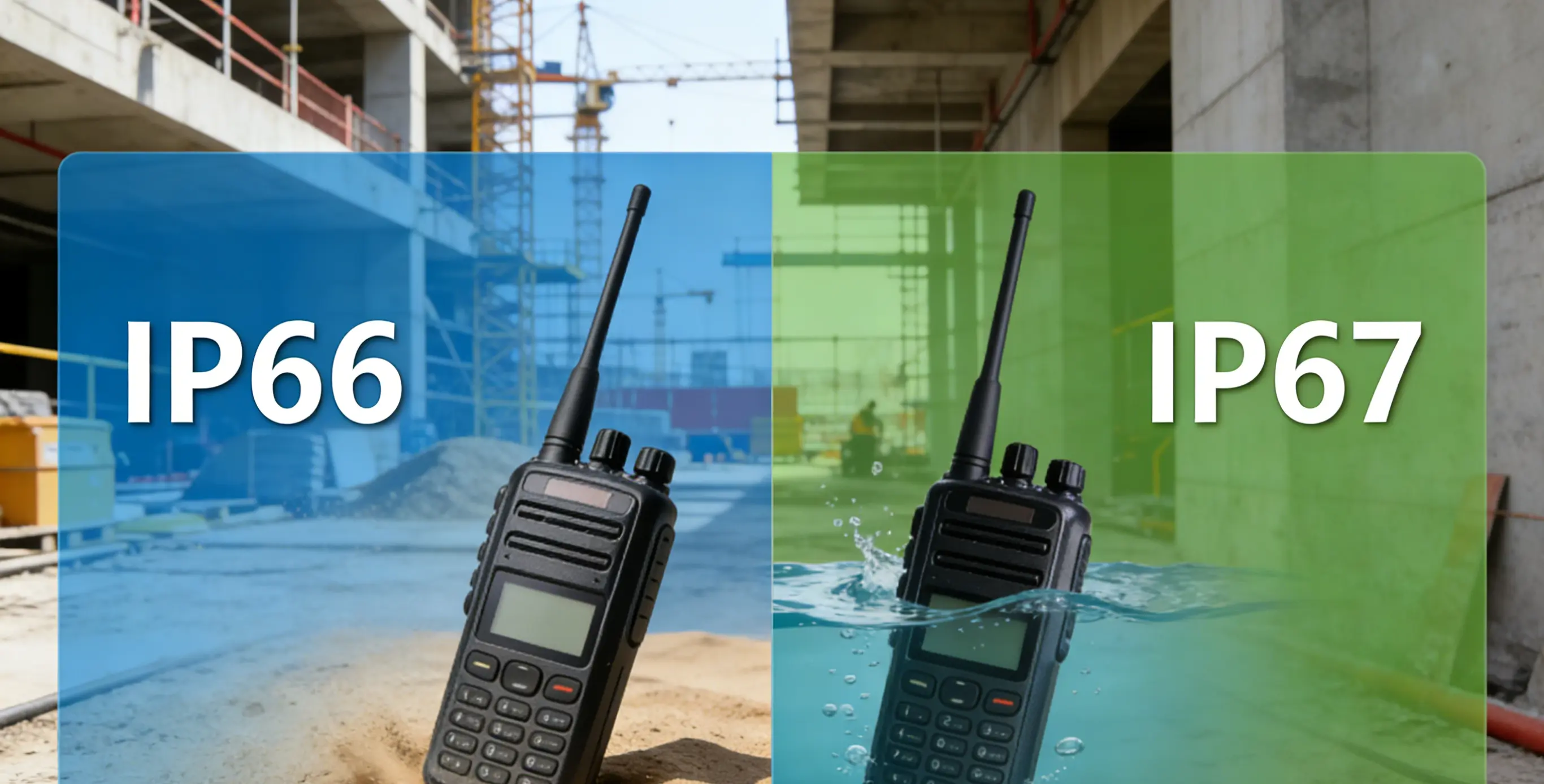
- Why it matters: Resists rain, dust, and extreme temperatures for outdoor installations.
- Recommended setup: Mount on a rooftop, water tower, or elevated structure.
2. High-Gain Antenna
- A duplexer-equipped antenna ensures clear transmission and reception.
- Optimal height = highest possible location (e.g., a mast or building top).
3. Power Supply & Backup
- Use a 12V deep-cycle battery + solar panel for off-grid reliability.
- Ensures operation during power outages.
4. GMRS Radios for Members
-
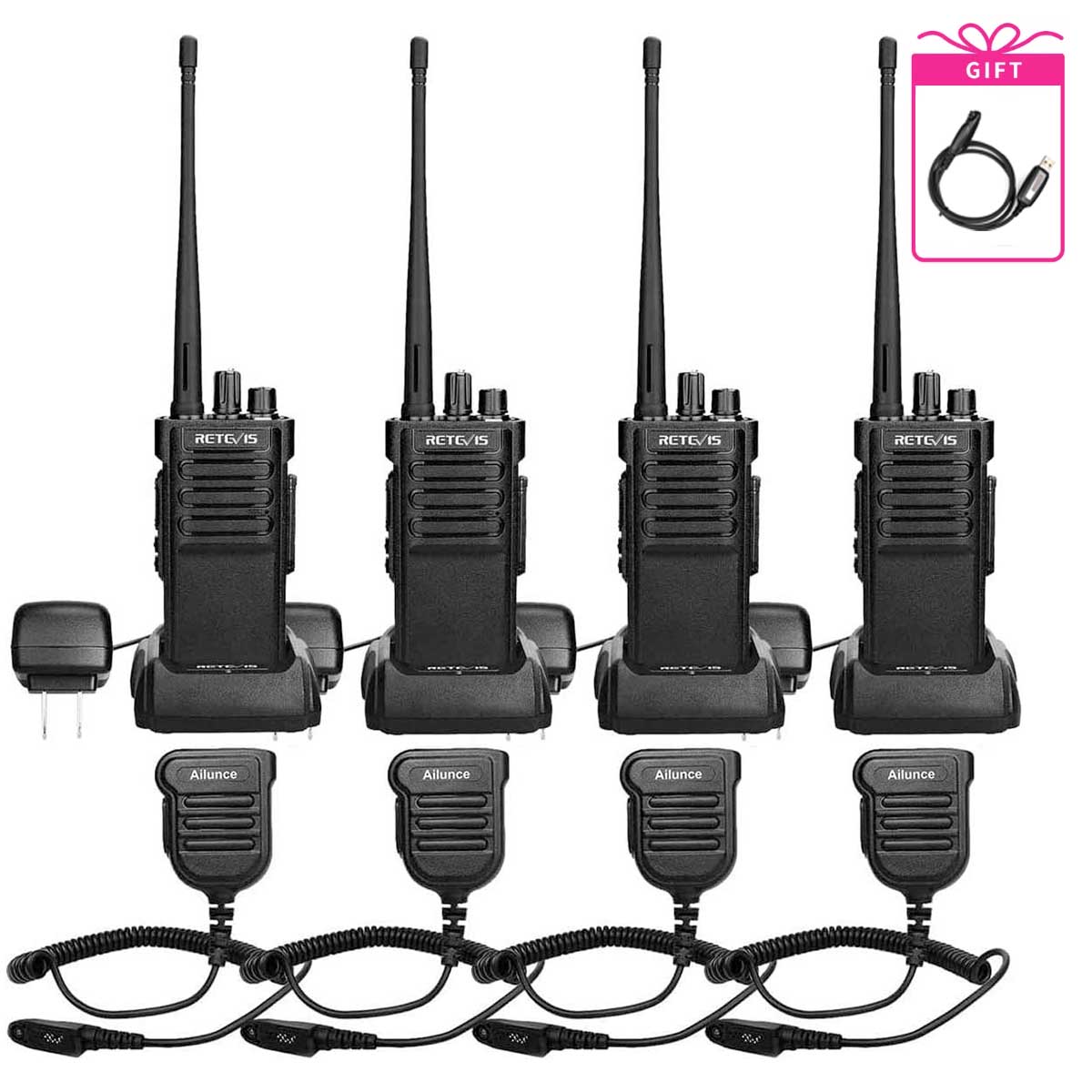
Handheld (portable) and mobile (vehicle-mounted) radios for all users.
-
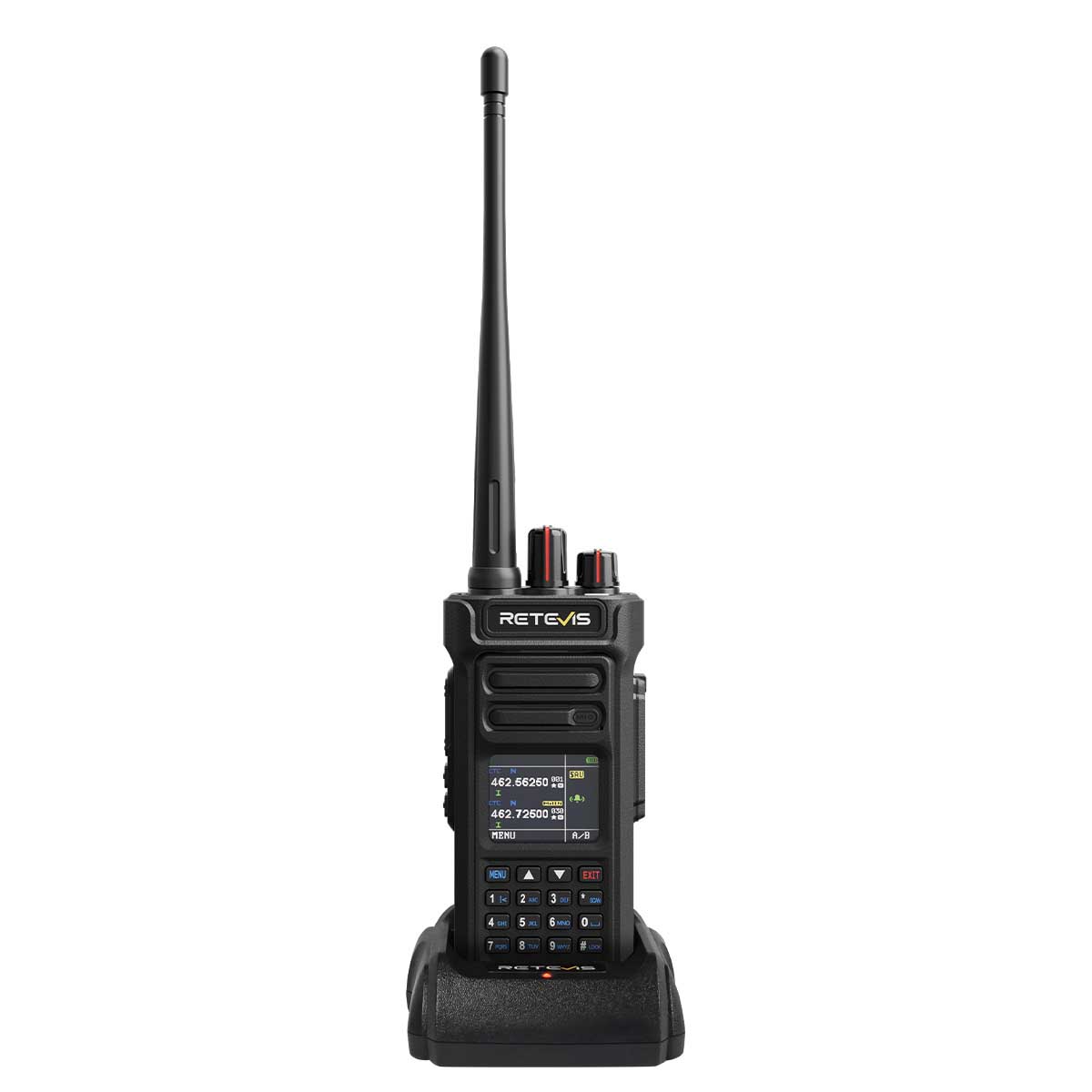
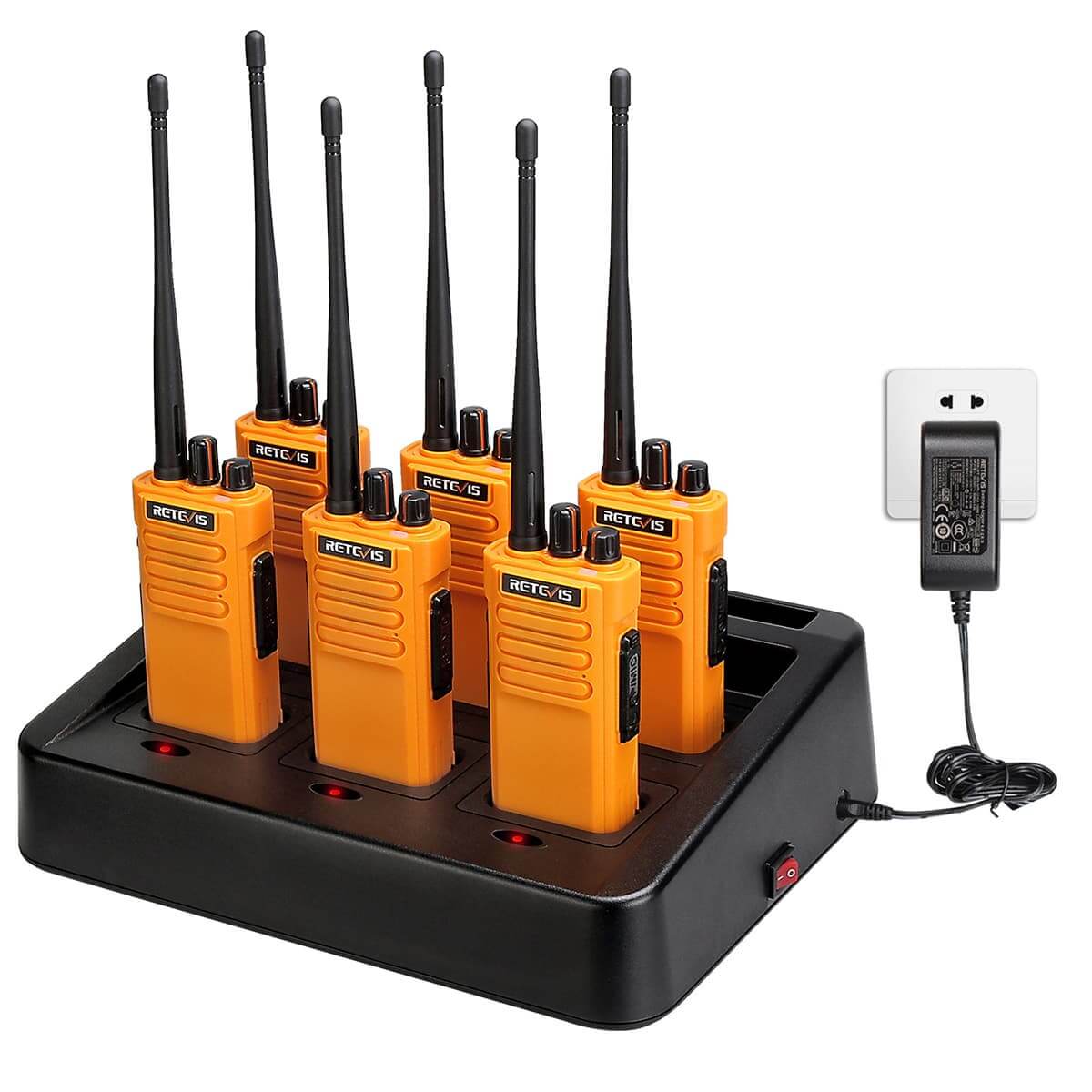
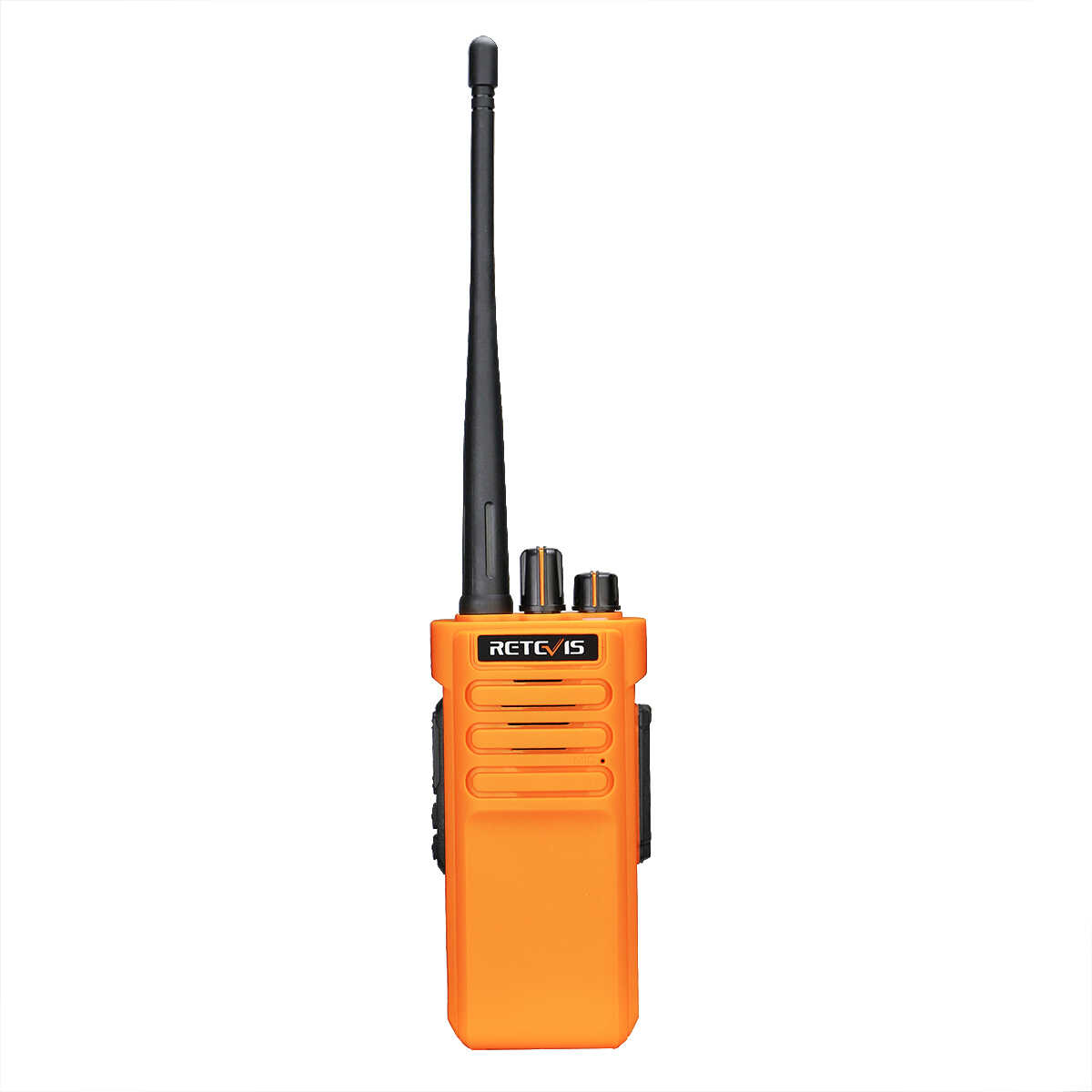
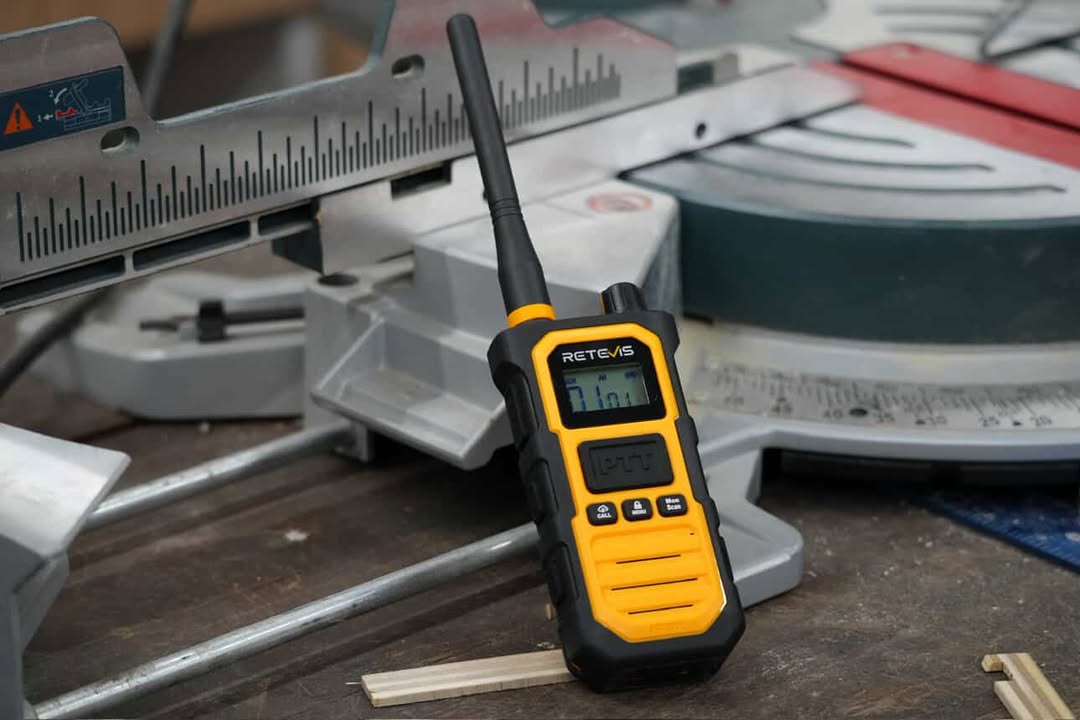
Recommended: Retevis, Midland or Wouxun GMRS radios for best performance.
Step-by-Step: Building Your Community Repeater Hub
Step 1: Obtain a GMRS License
-
FCC GMRS license ($35 for 10 years, covers immediate family).
-
No test required—just register online.
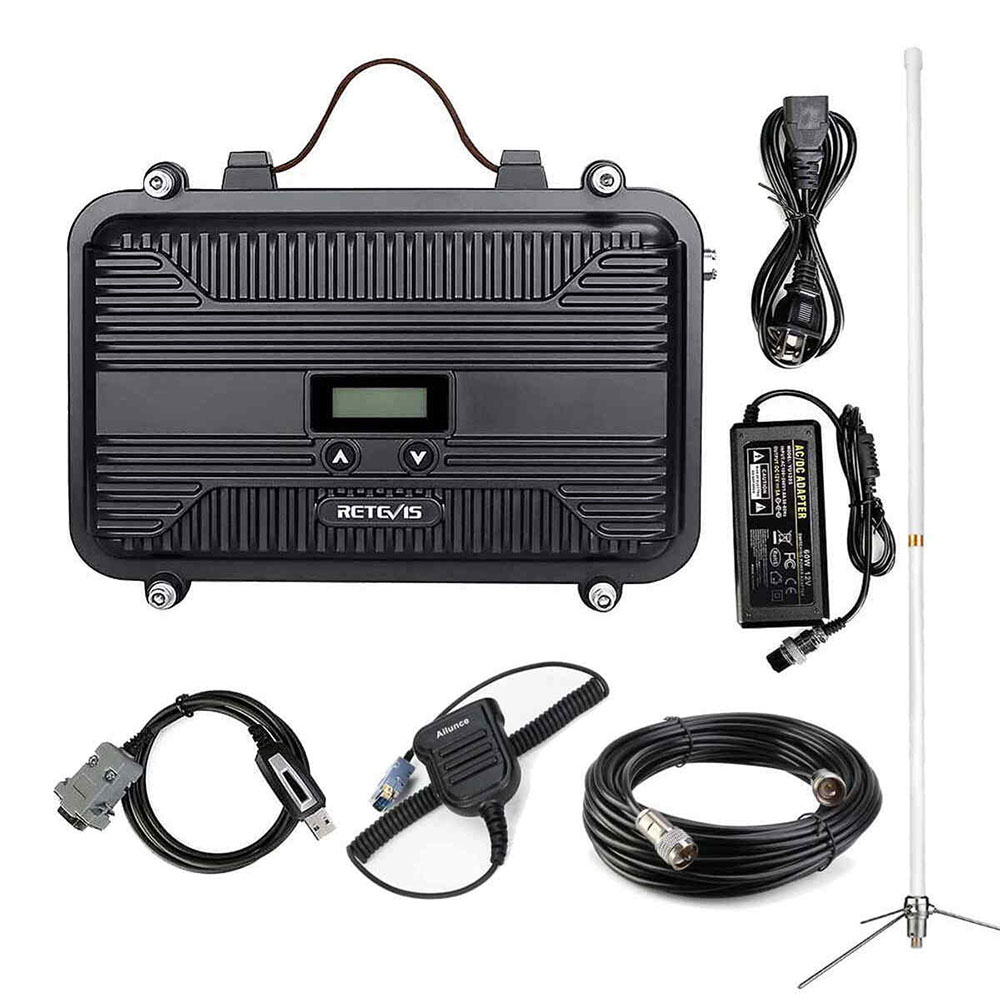 Build Your GMRS Repeater Station with RT97S GMRS Repeater Kit
Step 2: Install the Repeater & Antenna
- Mount the IP66-rated repeater in a weatherproof enclosure.
- Position the antenna as high as possible (reduces obstructions).
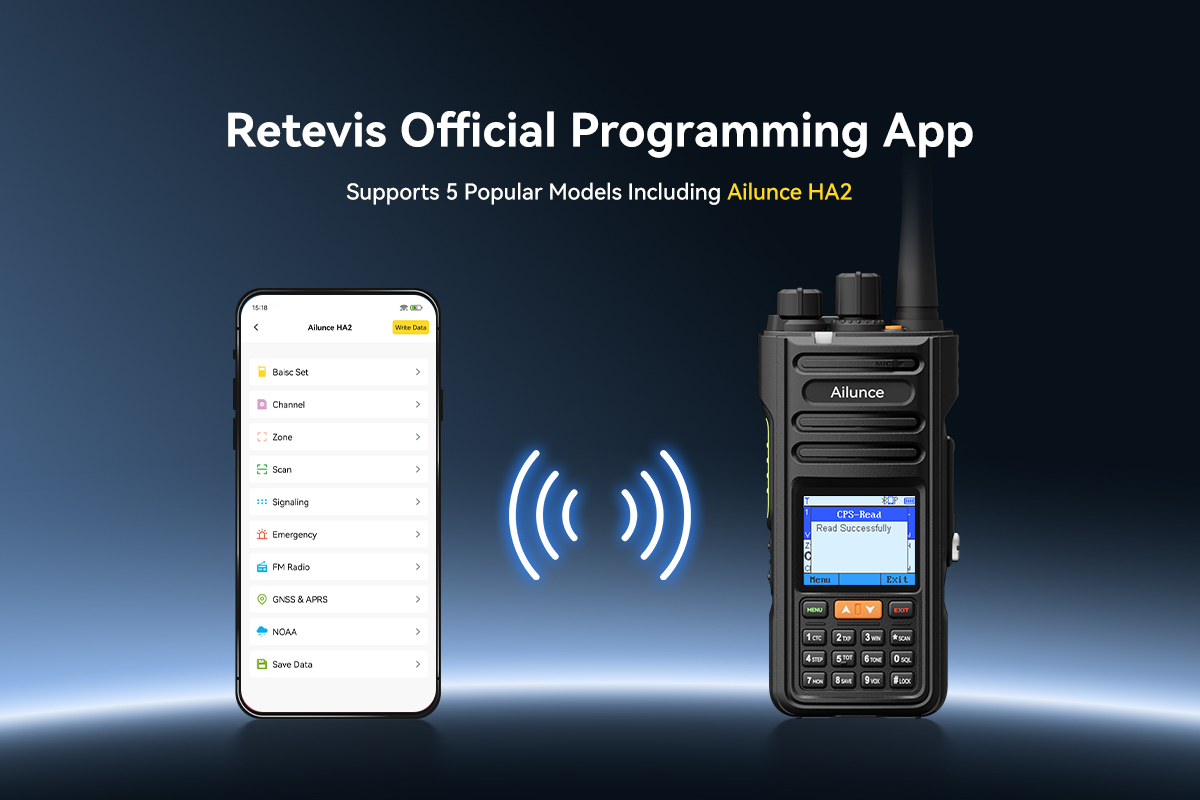
Step 3: Configure Frequencies & Privacy Tones
- Set up repeater input/output pairs (e.g., 462.550 MHz / 467.550 MHz).
- Use CTCSS/DCS tones to minimize interference.
Step 4: Test & Optimize Coverage
- Conduct field tests with members at different locations.
- Adjust antenna placement if needed for maximum range.
Step 5: Train Your Community
- Teach users how to operate GMRS radios.
- Establish protocols for emergencies and daily communication.
Benefits of a GMRS Community Network
Disaster Resilience – Works when cell towers fail.
Neighborhood Safety – Instant communication for emergencies.
Outdoor Group Coordination – Ideal for events, hiking clubs, or farms.
Low-Cost & Long-Lasting – Minimal maintenance, no monthly fees.
Conclusion
A 25W GMRS repeater with IP66 waterproofing is the backbone of a reliable, independent community network. Whether preparing for emergencies, coordinating local events, or simply staying connected off-grid, this setup ensures clear, long-range communication without reliance on fragile infrastructure.



 Google
 Amazon
Comments
No data Yet