

Table of Contents
What is Facilities Management in Construction Projects
- Posted by:Retevis
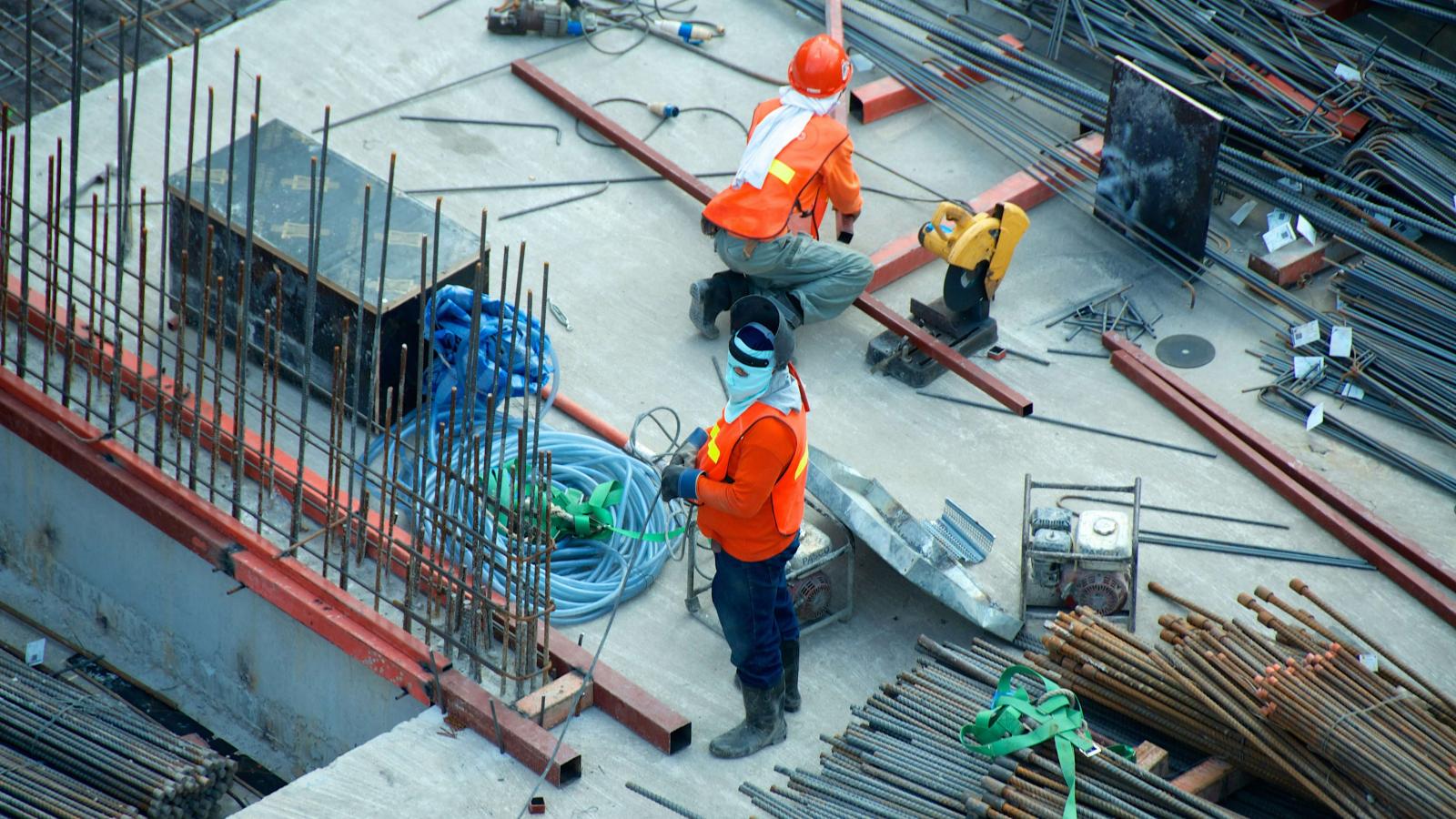
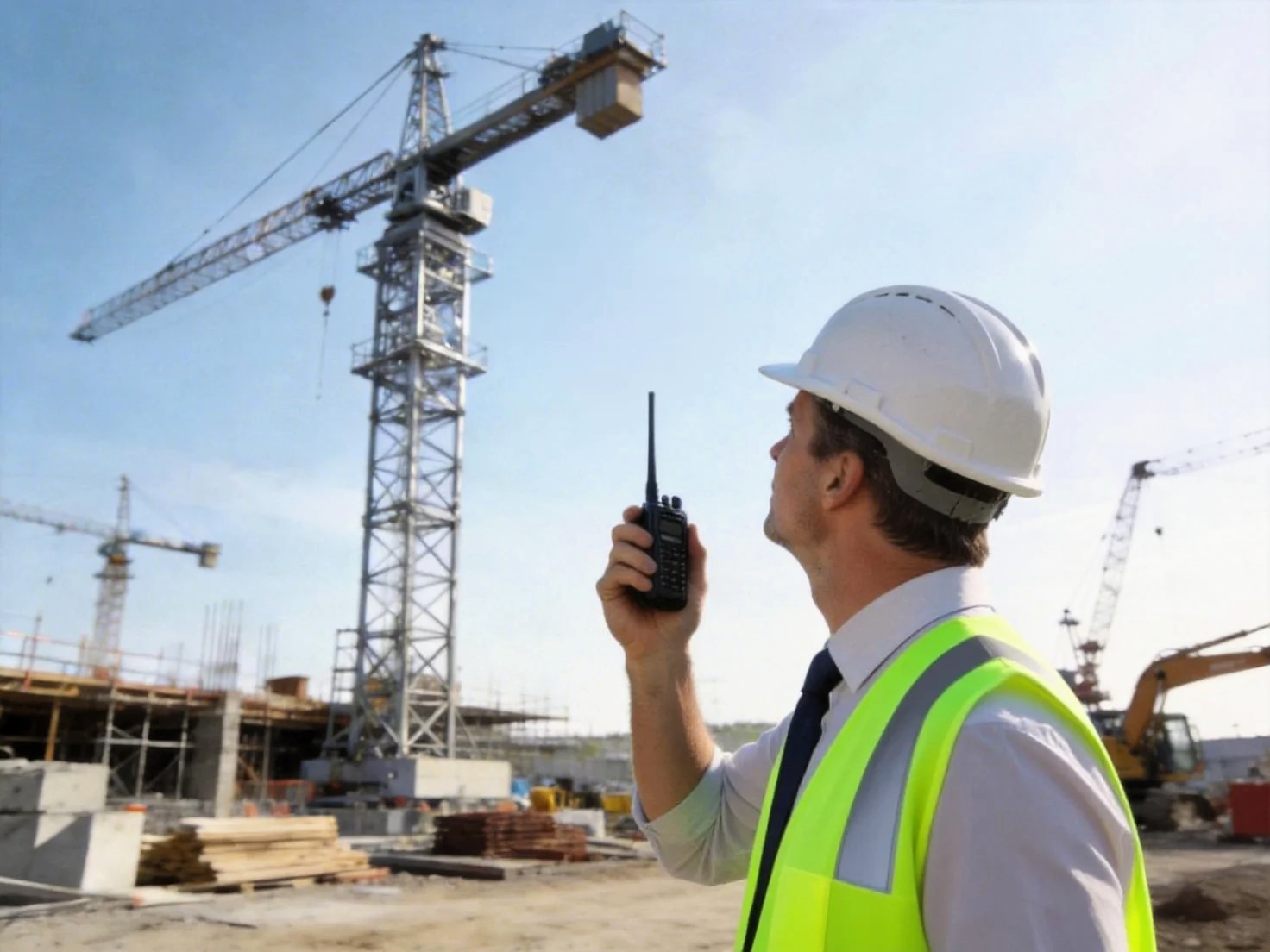
On a bustling construction site, you often see this scene: concrete mixers roaring, cranes lifting heavy loads, and hundreds of workers moving between scaffolding and the unfinished ground. In this intensive construction environment, facilities managers need to coordinate promptly and effectively to prevent chaos and ensure smooth operation. In construction projects, effective facilities management ensures safety, efficiency, and longevity of operations. But what is facilities management in construction projects? How does it differ from general facilities management? Let’s dive into the topic of facility management.
What is Facility Management?
Facilities management (FM) is a field work organization function that integrates people, places, and processes within a field environment into workflows to ensure safe and efficient production and operations. At its core, facility management is about ensuring that a building or infrastructure operates smoothly. Think of it as the invisible backbone that maintains comfort, safety, and efficiency in any physical environment. A facilities manager orchestrates maintenance schedules, oversees building systems, and ensures that operations comply with safety and regulatory standards.
Key Responsibilities of a Facilities Manager
A facilities manager wears many hats. From handling facilities maintenance to supervising security facility management, their role ensures everything—from HVAC systems to emergency exits—works perfectly. They coordinate teams, manage budgets, and integrate technology to streamline operations. In construction, this becomes even more critical, as the facilities team supports both temporary structures and long-term assets.
What is Facilities Management in Construction Projects?
When we talk about facilities management in construction projects, we’re looking at managing the entire lifecycle of a building—from the groundbreaking stage to completion, and even beyond. This includes construction facilities management, facility maintenance management, and post-construction operations.
Unlike standard facility management, which often focuses on finished buildings, construction facility management integrates site operations, worker safety, and asset protection, ensuring the construction process runs efficiently and hazards are minimized.
Differences Between General Facility Management and Construction Facility Management
The general facilities management emphasizes operations in completed spaces. Construction-focused management, however, deals with dynamic environments. Materials, machinery, and staff are constantly in flux, requiring agile decision-making, proactive communication, and integrated facilities management strategies.
Core Components of Construction Facilities Management
Facilities Operations and Maintenance
Operations and maintenance are the core of construction facilities management. From scheduling preventive maintenance for temporary equipment to ensuring structural integrity, these tasks prevent delays and accidents, enhancing overall productivity.
Building Facilities Management
Even during construction, building components need management. Whether it’s ensuring proper ventilation in an unfinished warehouse or maintaining temporary office spaces, building facilities management ensures that temporary and permanent structures remain functional and safe.
Security Facility Management
Construction sites are vulnerable to theft, accidents, and unauthorized access. Security facility management involves surveillance, access control, and emergency planning, protecting assets, personnel, and the project timeline.
Facility Management in the Oil and Gas Industry
In high-stakes industries like oil and gas, facility management in construction requires precision. Managing pipelines, rigs, and industrial facilities demands adherence to strict safety protocols and robust communication systems to prevent costly accidents.
Integrated Facilities Management for Large Projects
Large-scale projects benefit from integrated facilities management, which consolidates operations, maintenance, and communications into a unified strategy. This holistic approach reduces delays, improves resource allocation, and ensures compliance with safety regulations.
Communication in Facilities Management
Facilities Management Communications
Clear communication is essential on any construction site. Facilities management communications coordinate between site supervisors, engineers, and maintenance teams, keeping everyone informed and synchronized. A facility management system is software that streamlines operations, tracks assets, schedules maintenance, and improves communication. By leveraging these systems, facilities management in construction projects becomes data-driven and more efficient.
Remote Facilities Management Tools
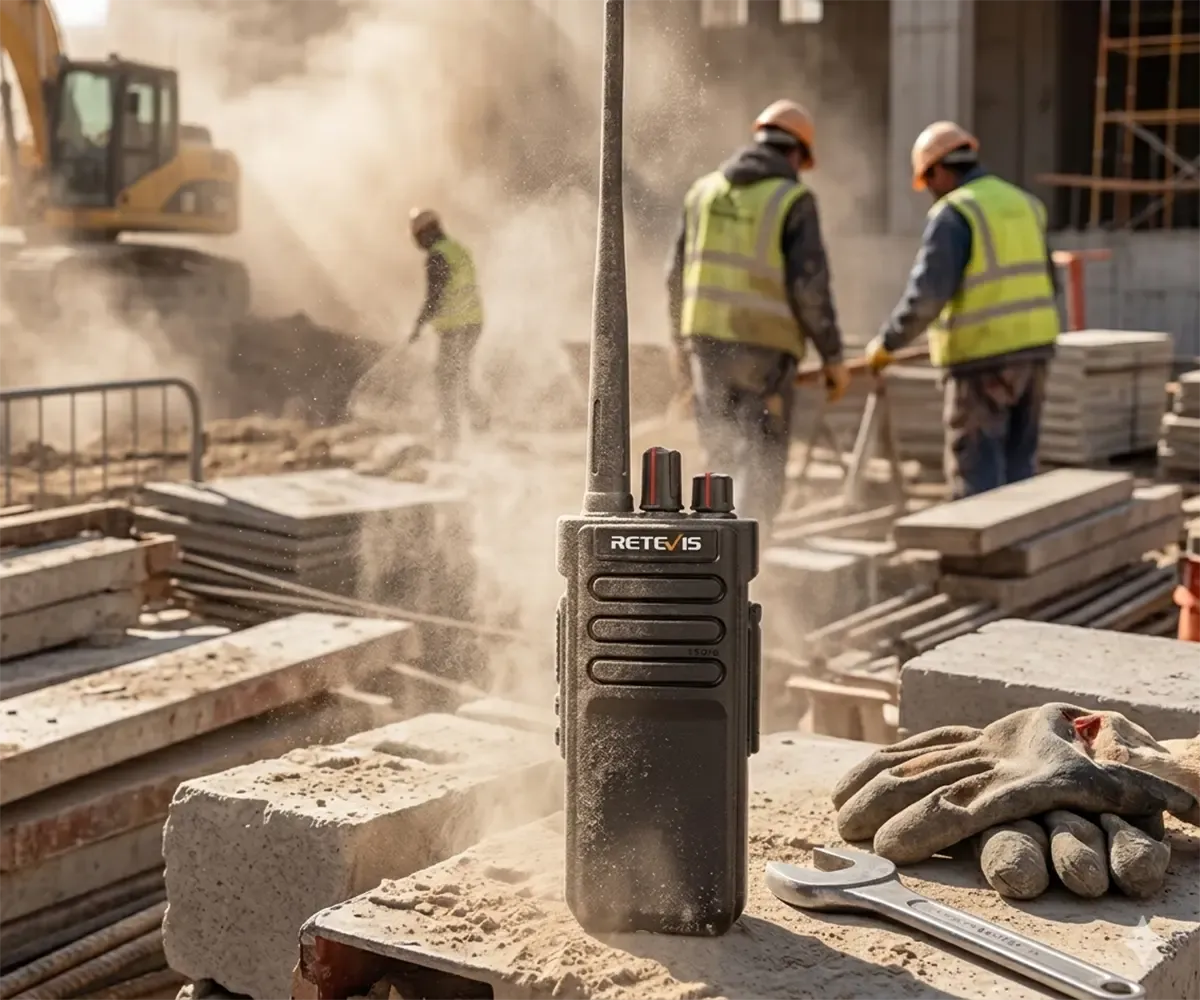
From mobile communication tools to digital radio systems, modern construction relies on communications facilities, remote monitoring, and real-time reporting. Communication tools plays a vital role in effective facilities management projects. Cloud-based platforms, mobile apps, and facility management two-way radios allow managers to monitor and control facilities from anywhere, providing real-time updates and rapid response capabilities.
Best Practices for Effective Facilities Management
Building a Strong Facilities Management Team
The success of any construction project depends on the facilities management team. Training, clear role definitions, and continuous communication create a team capable of handling complex operations seamlessly.
Strategies for Efficient Operations and Maintenance
- Implement preventive facilities maintenance schedules
- Use facilities management two way radios for rapid communication
- Leverage remote facilities management for oversight of multiple sites
- Foster collaboration among the management team for quick decision-making
Conclusion
Effective facilities management in construction projects isn’t just about maintaining buildings; it’s about orchestrating complex operations, managing people, and leveraging technology to ensure every element of a construction site runs smoothly. From security facility management to operations and maintenance, and from remote facilities management to integrated systems, every piece contributes to project success. For contractors, project managers, and facilities teams, embracing these principles translates to safer, more efficient, and more predictable construction outcomes.
By understanding what is facilities management in construction projects and implementing robust systems, you empower your teams to act decisively, respond quickly to challenges, and maintain operational excellence—even in the most dynamic construction environments.
Leave a Reply

















 Google
 Amazon
Comments
No data Yet