

Table of Contents
Ham Analog Radio for Beginners: What New Amateur Radio Operators Need to Know
- Posted by:Retevis
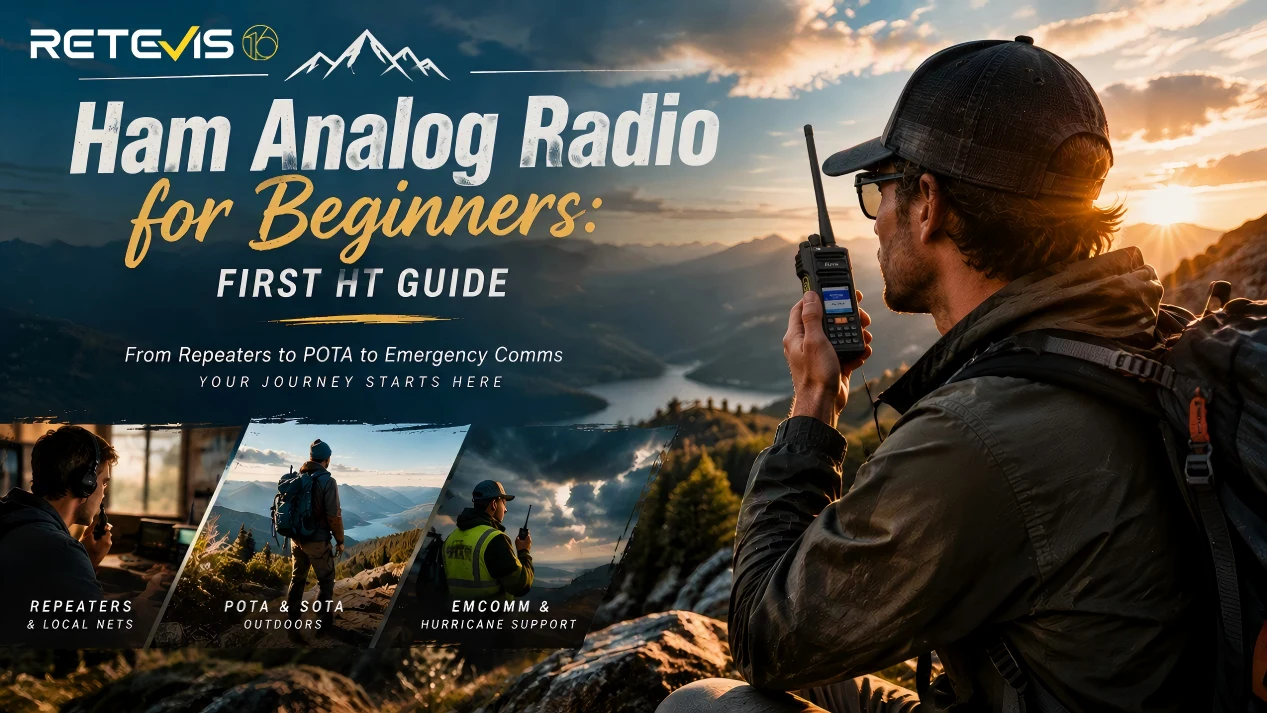
"I just got my amateur radio license. What kind of handheld radio should I start with?"
The honest answer for most new operators is an analog VHF/UHF handheld — cheap, easy to learn, and works almost everywhere. This guide walks through three things in order: why analog is the right starting point for ham radio for beginners, how you will actually use your first handheld, and what to look for before you buy.
Why Analog Is the Right Starting Point
Digital radios promise more features and advanced modes. For a beginner, those features often get in the way. Analog FM on VHF and UHF gives you three things that digital cannot match at this stage.
Universal Access
The ARRL reports that roughly 82 percent of repeaters in the United States are analog. Only about 18 percent operate in digital modes like DMR or C4FM. Buy a digital radio and your local repeaters are analog, and you paid for modes you cannot use.
Gentle Learning Curve
Analog FM teaches you the core habits of operating: listening before you transmit, identifying with your callsign, speaking clearly, and following repeater etiquette. Digital radios add codeplugs, talkgroups, time slots, and contact lists — none of which helps you make your first QSO.
Graceful Degradation
When an analog signal gets weak, you hear static. The audio gets noisy, but you can still make out words. Digital signals sound perfect until they do not. When the signal drops below a threshold, the audio cuts out completely — the "cliff effect" — and it becomes hard to tell whether the problem is your radio, your antenna, or propagation.
Those three advantages explain why analog is the right technology to start with. But technology alone does not tell you what to buy. You also need to know what you will actually do with the radio once you have it. A handheld is not a collection of specs — it is a tool for specific situations. Most new hams use their first analog HT in three ways.
Three Ways You'll Actually Use It
Local Repeaters and the Ham Shack
That is where most beginners start: scanning local repeaters, listening to conversations, and learning how things sound on the air.
Repeater etiquette in four rules. Listen before you transmit. Do not call CQ on a repeater — say your callsign followed by "listening" or "monitoring." Identify with your callsign at least every ten minutes and at the end of each contact. To join a conversation, wait for a pause and say your callsign — do not use the word "break," which implies emergency traffic.
Your first QSO will probably feel awkward. That is normal. Most local hams remember their first contact and go out of their way to welcome new operators. Many clubs run a weekly net on a local 2 meter ham radio repeater — one of the best places to practice.
Band choice matters here. The 2 meter band (144–148 MHz) has the most repeaters and the most active local traffic. The 70 centimeter band (420–450 MHz) adds flexibility, especially in urban areas where UHF signals penetrate buildings better than VHF. This is why a VHF UHF ham radio that covers both bands is the smart first purchase.
POTA, SOTA, and Outdoor Team Communication
Once you are comfortable with local repeaters, you will probably want to take the radio outside. That is where POTA — Parks on the Air — comes in.
POTA is "hiking plus ham radio." You drive to a qualifying park, set up at a picnic table or trailhead, make enough contacts to verify an activation, and submit your log online. A handheld ham radio with a simple antenna is enough for many activations, especially if you can hit a local repeater. Analog FM means you spend less time configuring the radio and more time making contacts.
SOTA — Summits on the Air — is the more demanding cousin: set up on a mountain peak and make contacts from high elevation. The same analog handheld works.
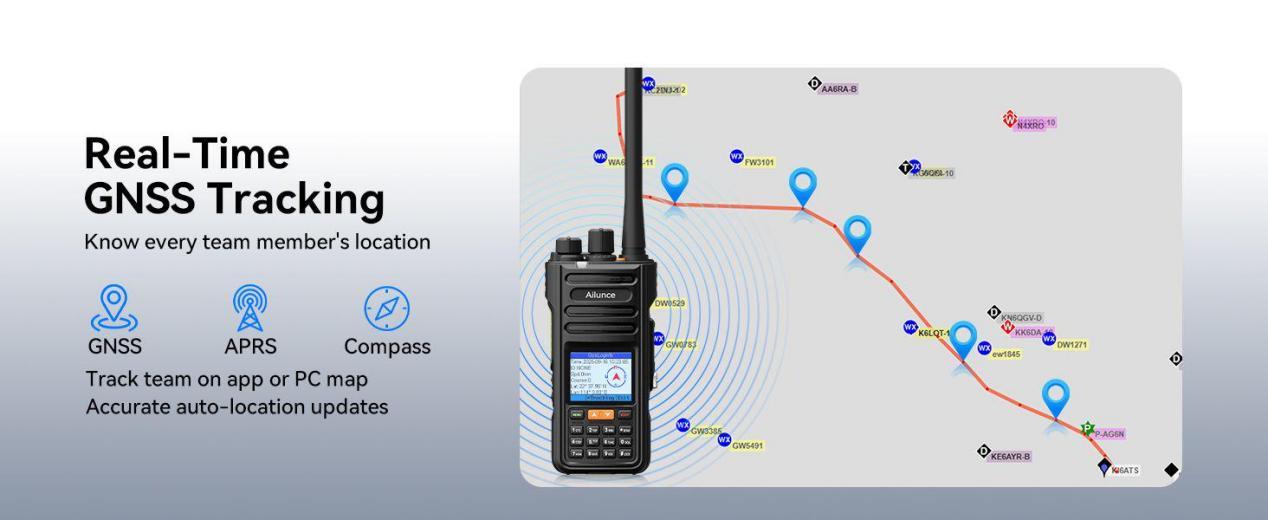
Outdoor team communication is the everyday use case. Hiking groups, camping trips, and search-and-rescue teams use handheld radios to stay in contact when cell service is unreliable or nonexistent. A group spread across a trail can coordinate without texting or calling. If your radio has APRS — Automatic Packet Reporting System — you can also share your position with the group, which adds a layer of safety when someone gets separated.
EmComm, ARES, and Hurricane Volunteer Support
Many hams get into the hobby because they want to give back. Emergency communications — EmComm — is one of the most direct ways to do that.
ARES (Amateur Radio Emergency Service) is organized through the ARRL. Licensed amateurs register their qualifications and equipment, then provide communications support to Red Cross shelters, hospitals, and local government when disaster strikes. ARES radios operate completely off-grid.
SKYWARN is the National Weather Service's volunteer storm spotter program: roughly 290,000 trained spotters across the United States, and a large share are licensed hams. During severe weather, a local SKYWARN net activates on a designated 2 meter or 70 centimeter repeater. Trained spotters relay ground-truth observations — hail size, storm rotation, flooding, wind damage — directly to NWS meteorologists.
Hurricanes show why this matters. When a hurricane makes landfall, cell towers go down and power grids fail. Amateur radio is often the only working communications infrastructure. The National Hurricane Center in Miami runs its own amateur station, WX4NHC, which activates during hurricane season to exchange weather data between NWS forecast offices and SKYWARN volunteers.
Almost all of this EmComm work happens on analog VHF and UHF repeaters. Emergency nets favor analog because it is simple, reliable, and compatible with the widest range of equipment. A new ham with an analog handheld can join a local ARES or SKYWARN net and start contributing within weeks of getting licensed.
Those three situations — local repeaters, outdoor activities, and emergency service — do more than describe how you will use the radio. They also tell you exactly what features matter. The features that matter are the ones that match how you will use the radio.
What to Look for in Your First Analog HT
Dual-band VHF/UHF with long range power. Covers both 2 meters and 70 centimeters, with adjustable power levels so you can choose between reach and battery life. This gets you on the most repeaters and emergency nets.
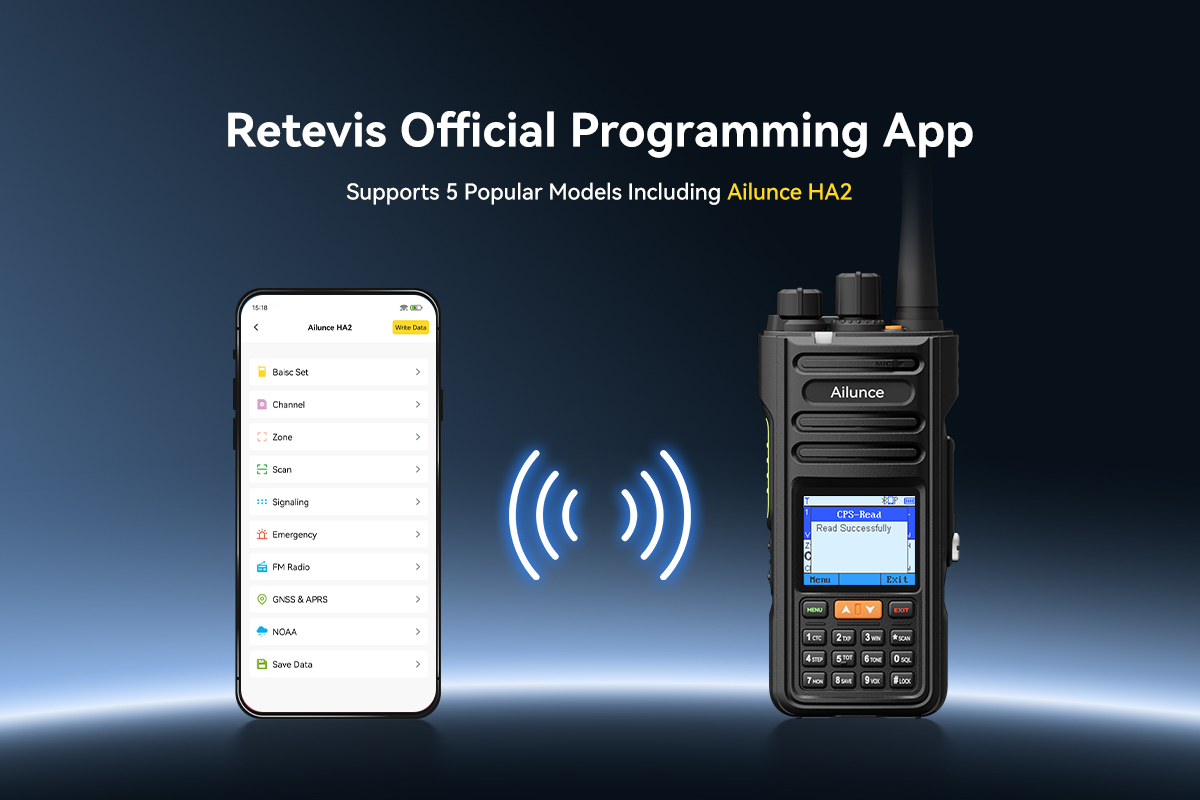
Easy programming. The biggest pain point for new hams. A radio you can program from a phone app via Bluetooth saves you from buying a cable and installing desktop software. You can update channels anywhere.
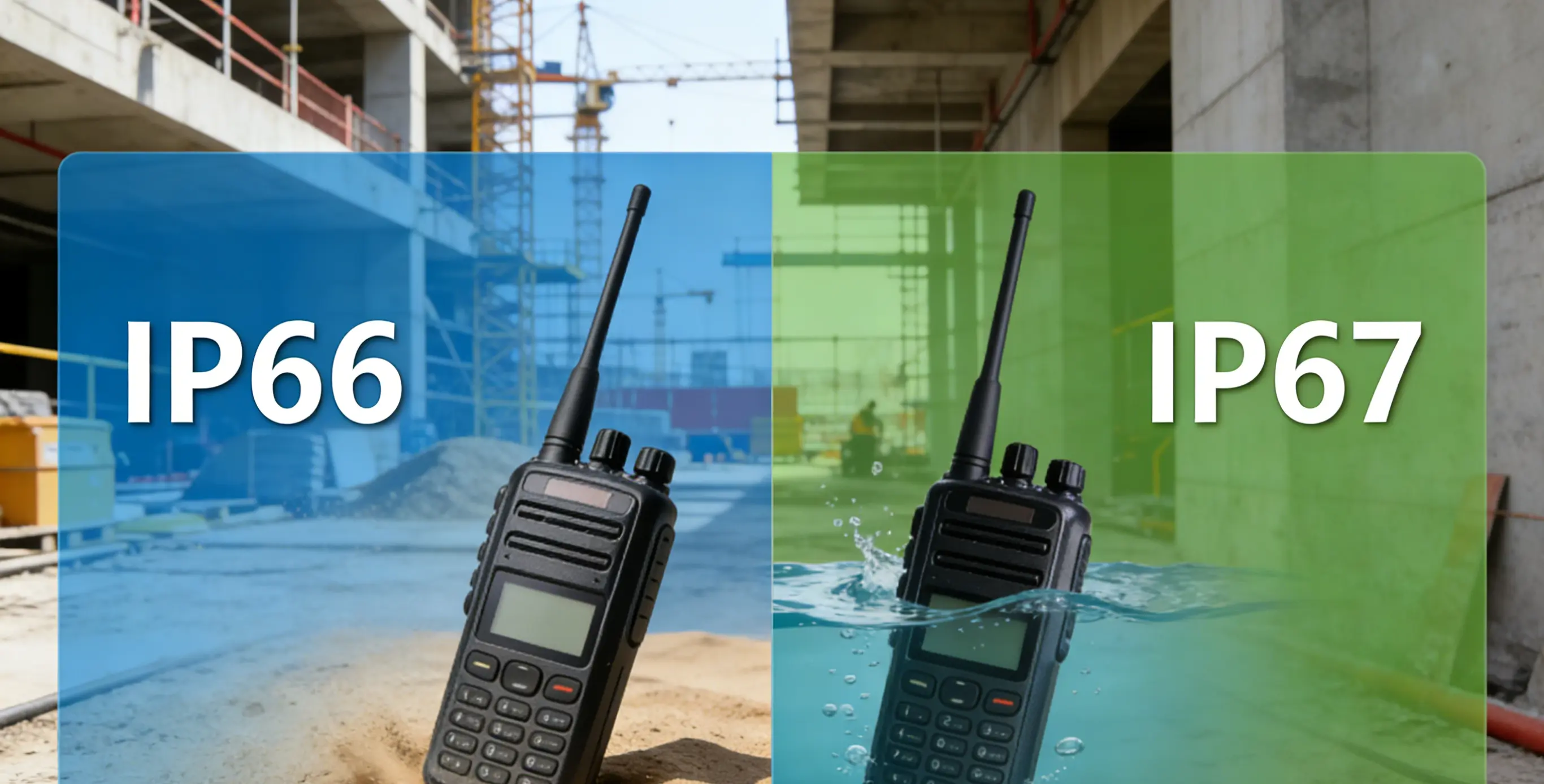
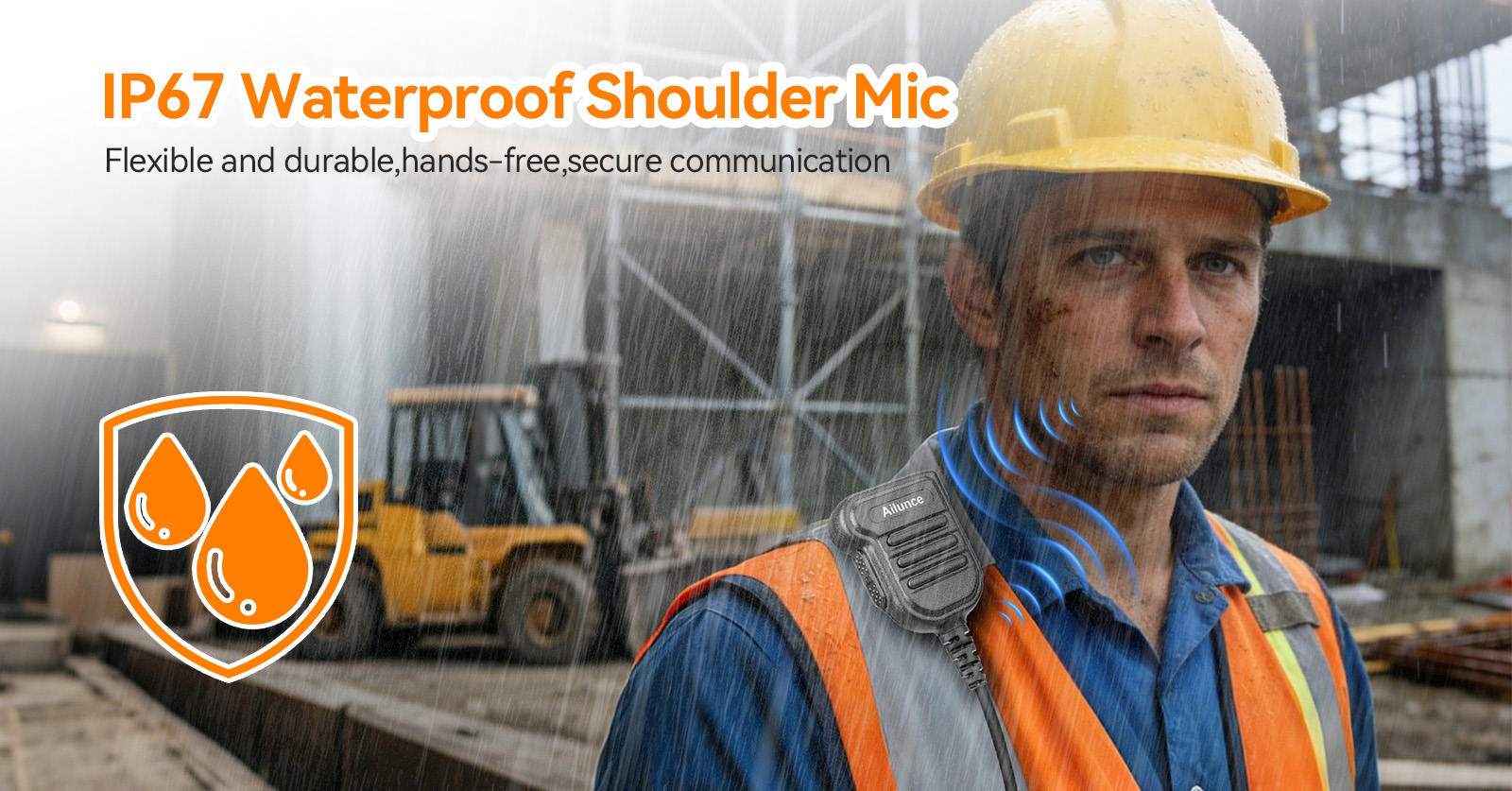
Battery, durability, and weather. A 2800 mAh removable battery gets you through a full day or an emergency deployment. IP67 waterproof and dustproof rating handles rain, mud, and drops. NOAA weather channels with alert keep you informed outdoors and during storms.
Room to grow. 1024 channels with zone organization and programmable function keys give you space as you discover more repeaters, join more nets, and explore more activities. Built-in GPS and APRS is a bonus for POTA and EmComm.
If those four priorities describe what you need, one radio worth looking at is the Ailunce HA2.
The Ailunce HA2: Built for This Journey
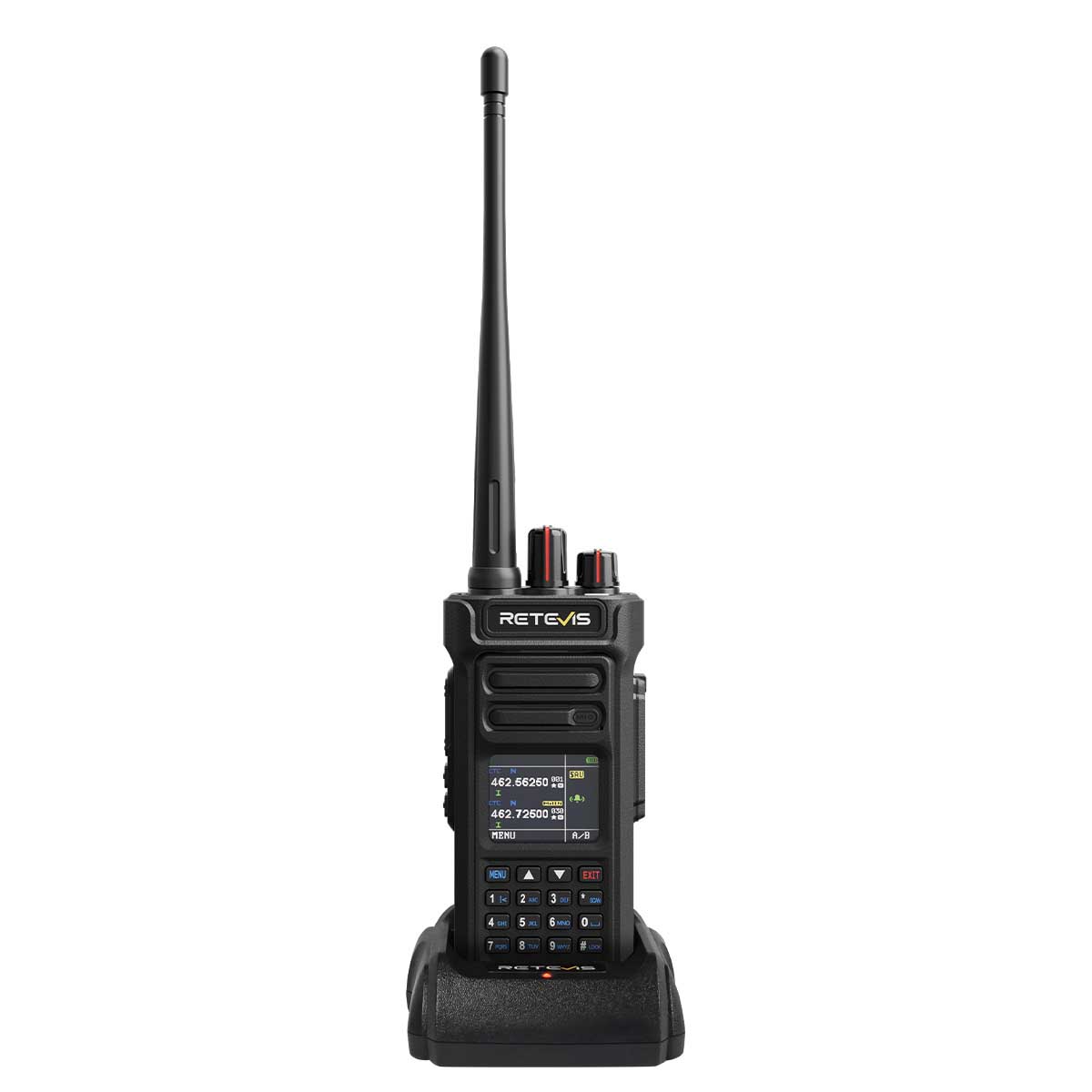
The Ailunce HA2 is an analog dual-band handheld that covers all four of those priorities. Ailunce is the ham radio brand of Retevis, focused on amateur radio operators who want solid performance without unnecessary complexity. If you have been researching ham radio walkie talkie retevis options, the HA2 sits in the analog sweet spot — simple enough for a beginner, capable enough to grow with you.
It covers VHF 144–148 MHz and UHF 420–450 MHz with long range adjustable power. Programming happens through a Bluetooth phone app — no cable, no computer. The 2800 mAh battery is removable, the radio carries an IP67 rating, and NOAA weather channels with alert are built in. It stores 1024 channels organized into zones, with three programmable function keys and built-in GPS plus analog APRS.
Two features stand out for beginners. The spectrum scope lets you see signal activity across a band, helping you understand what is happening on the air instead of just hearing it. Alias display shows custom names instead of just frequencies or callsigns.
Final Thoughts
An analog VHF/UHF handheld is the best first radio for most new hams because it connects you to the most repeaters, teaches the most important operating habits, and works in the situations where hams actually use their radios — local nets, outdoor activities, and emergency service.
You do not need the most expensive radio. You need the one that gets you on the air, keeps you there, and grows with you.
Welcome to the hobby. 73.
As Retevis marks 16 Years of Reliable Connections, we remain committed to giving hams — new and experienced — the tools they need to communicate when it matters most.
Leave a Reply




 Google
 Amazon
Comments
No data Yet