

Table of Contents
How to Choose the Best Radio for Crane Operators for Steel Structure Construction
- Posted by:Retevis
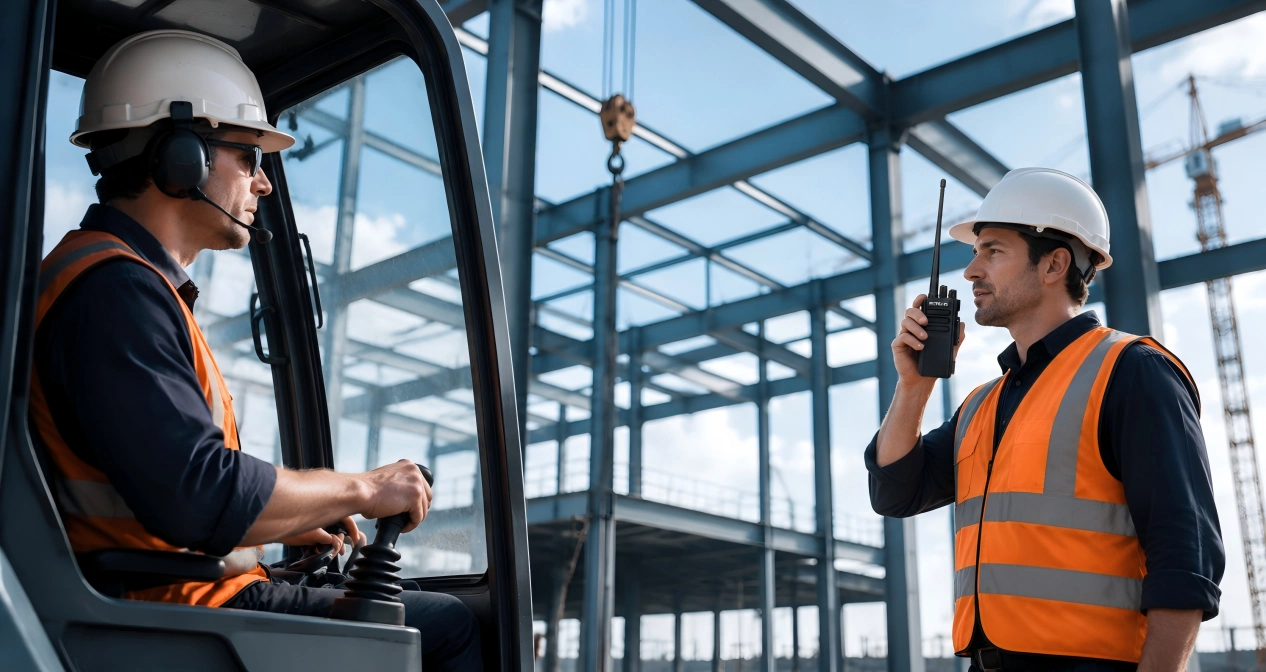
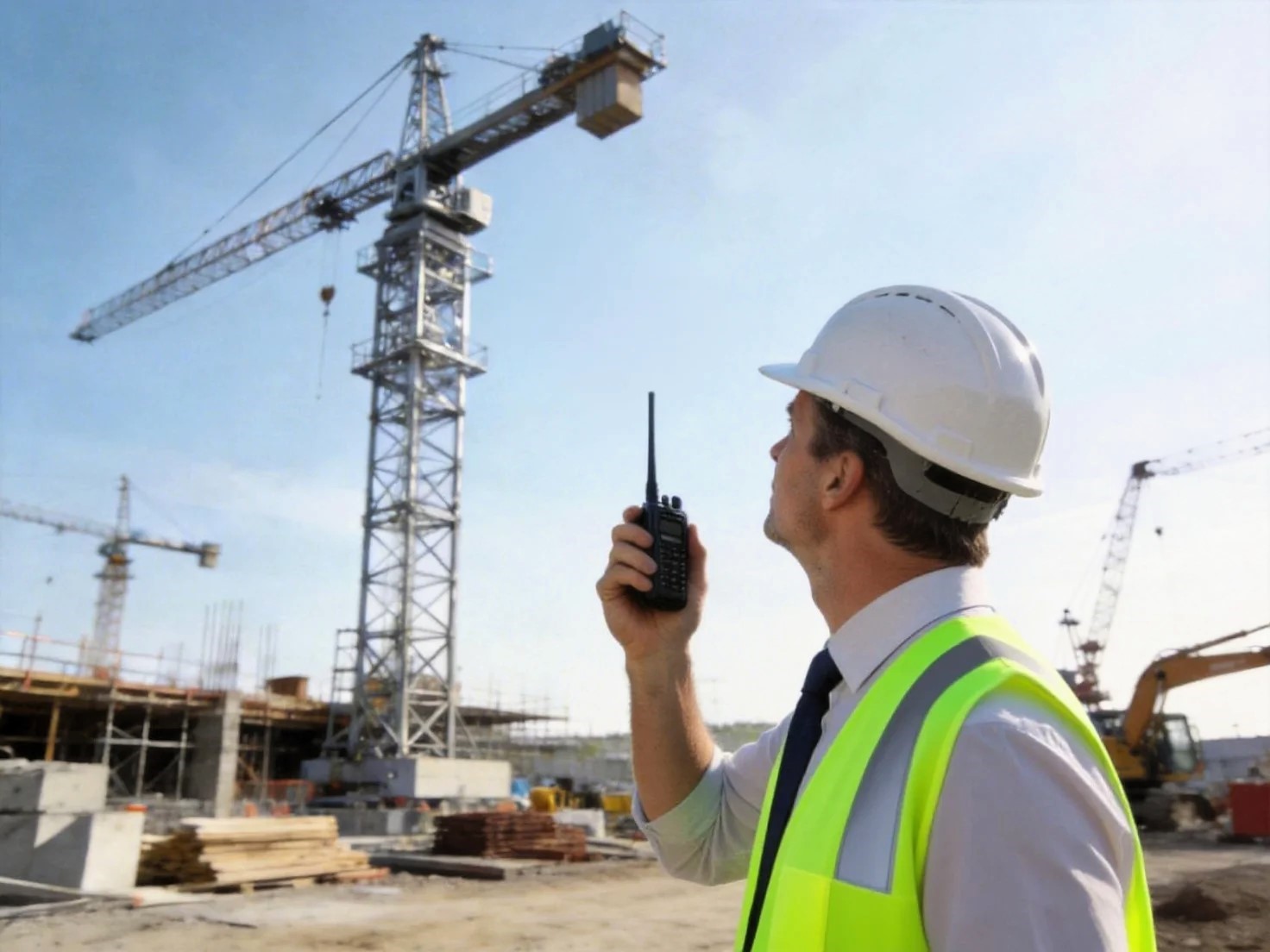
On a typical steel frame construction site, one tower crane completes 20 to 30 lifts every shift. Each lift relies on instant communication between the operator 80–120 feet in the air and the ground signaler. When radio signals drop or audio cuts out, crews fall back on hand signals. Hand signals become unreadable past 50 feet or in bright sunlight.
This is why choosing the best radio for crane operators is no small procurement decision. It is a core part of your site safety plan and production schedule. Standard two-way radios usually fail in this environment. Steel beams and concrete slabs soak up signals, jobsite noise drowns out audio, and long site distances push basic units past their limits.
These communication gaps do not just slow work down. They create avoidable safety risks for crews on the ground and in the crane cab.
Why Standard Radios Fail on Steel Erection Projects
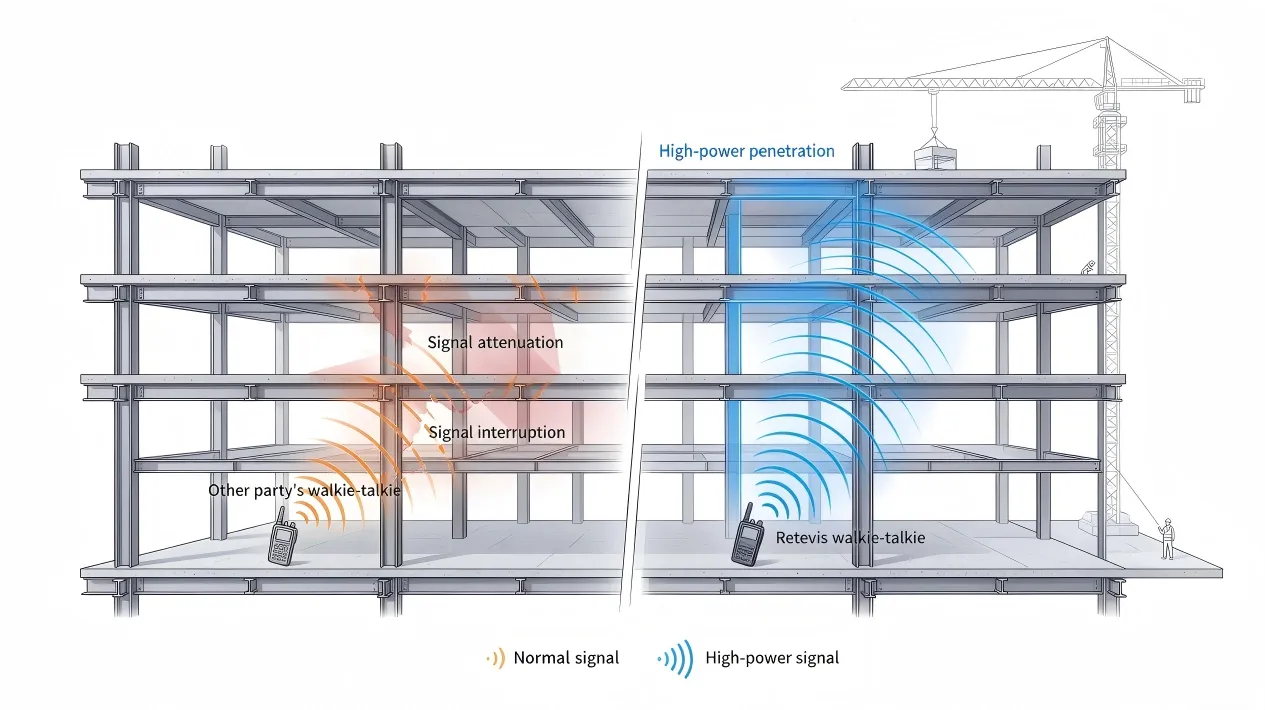
Steel and concrete act as natural signal blockers on construction sites. A single layer of steel decking can cut analog radio range by 50% or more. Reinforced concrete floors weaken signals even more with each new level. On multi-level steel structure commercial buildings, upper-floor operators often hit complete signal dead zones with standard consumer radios.
Even on single-story steel warehouse construction projects, rows of steel columns and stacked panels reflect signals. This breaks up reception and causes frequent drops. Every time a lift pauses to reconnect a signal, you lose 5 to 15 minutes of work time per incident. On tight project schedules, these delays add up to missed milestones and higher labor costs.
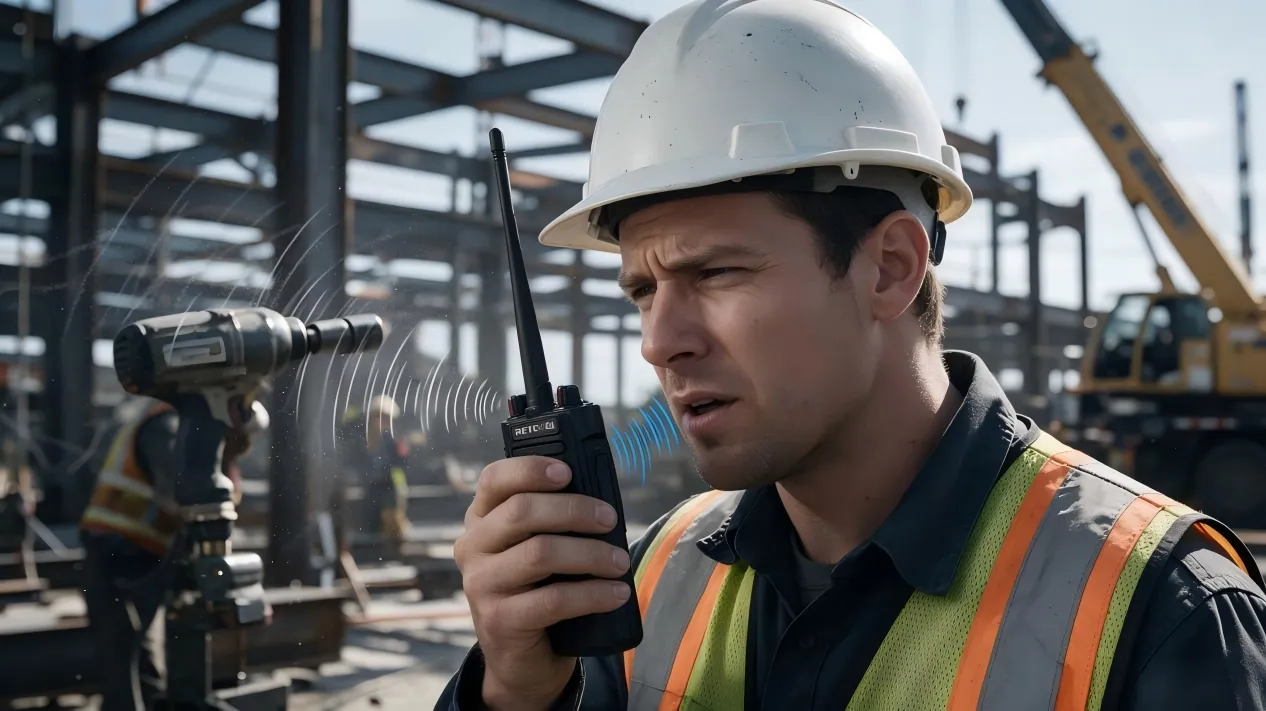
High noise is a constant on steel structure sites. Impact wrenches, diesel crane engines, and steel work equipment create steady background noise. This noise overwhelms standard radio speakers. OSHA rules require all crane signal communications to stay clear and reliable at all times. OSHA only approves hand signals as backups, not primary communication tools.
When equipment noise drowns out radio audio, crews work without approved signaling. Crane operators cannot leave their cabs to listen closer. Ground crews cannot shout over machinery to repeat instructions. Misheard lift commands lead to misaligned beams, near-misses, and serious struck-by incidents. These create immediate safety risks and compliance problems.
Large steel erection projects cover multiple work zones across wide areas. Ironworkers, rigging crews, and crane teams work at different heights and distances from each other. Large projects often run 2 to 4 cranes at the same time across different zones. Each crew needs its own clear communication channel.
Basic radios do not have enough range to connect these groups reliably. Shared public channels also pick up interference from nearby job sites. This is a big problem on urban tower crane construction site locations, where nearby projects use the same airwaves. Poor coordination slows lift cycles, creates scheduling bottlenecks, and leaves gaps in site safety checks.
What Makes the Best Radio for Crane Operators for Steel Construction
Penetrate Steel & Concrete Barriers With High-Power Signal
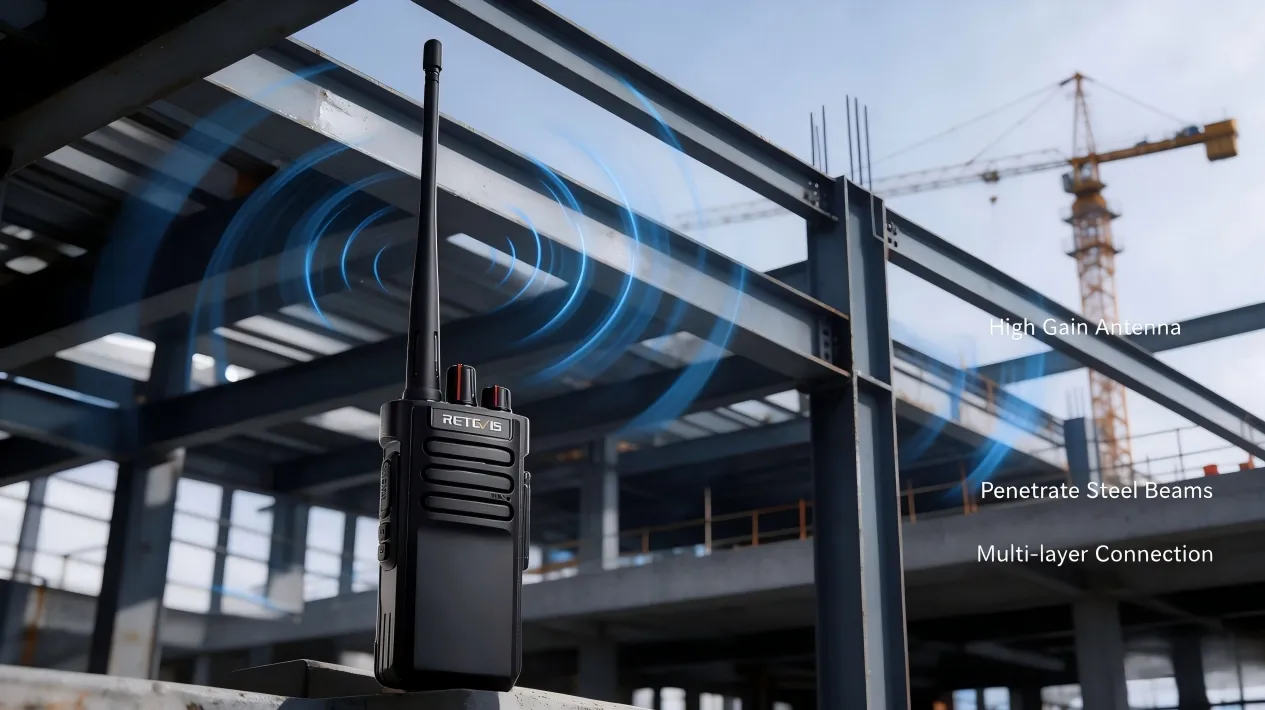
The main fix for steel-related signal loss is high output power paired with high-gain antennas. These features push signals through metal beams and concrete slabs. They keep crane cabs and ground crews connected consistently across all levels of the site.
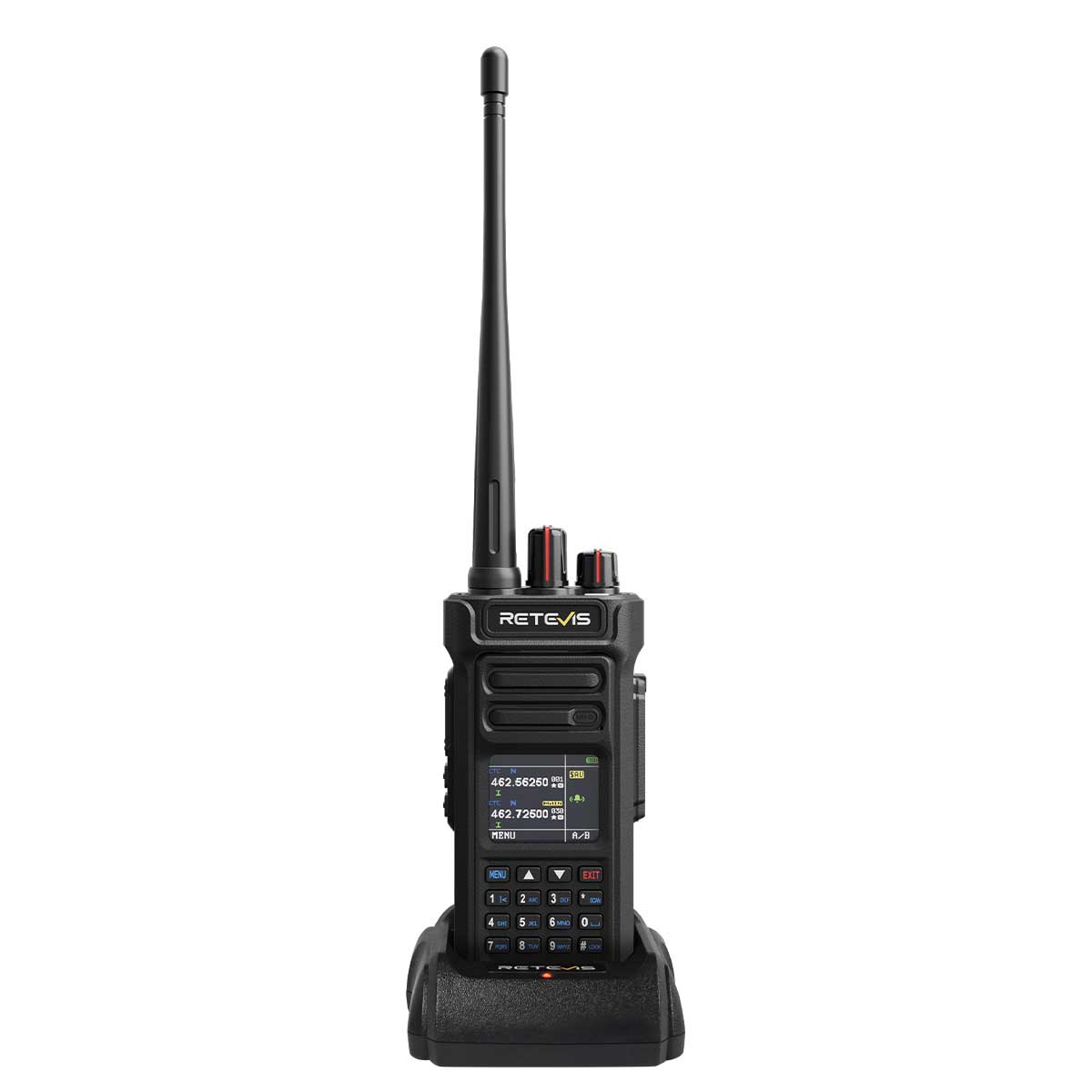
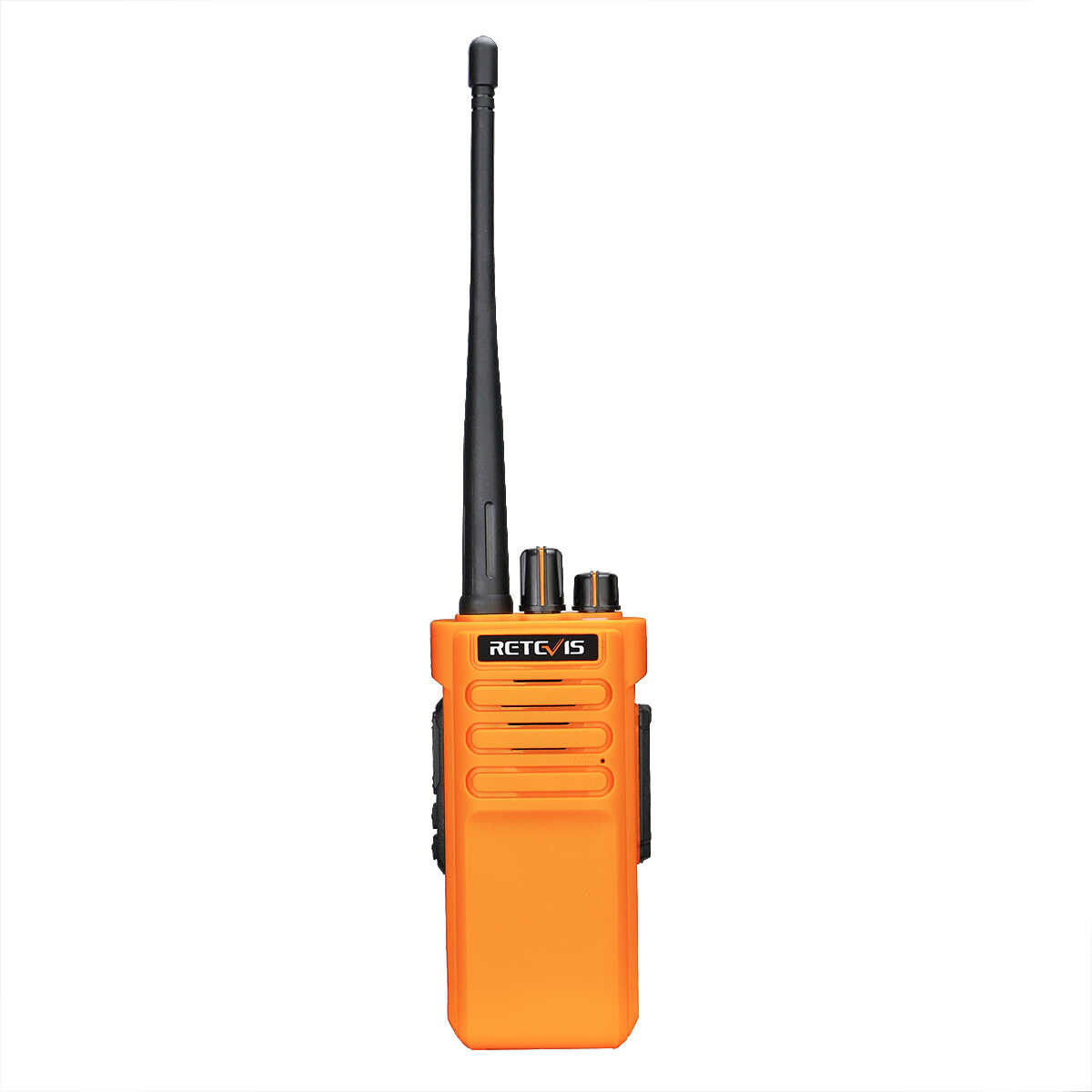
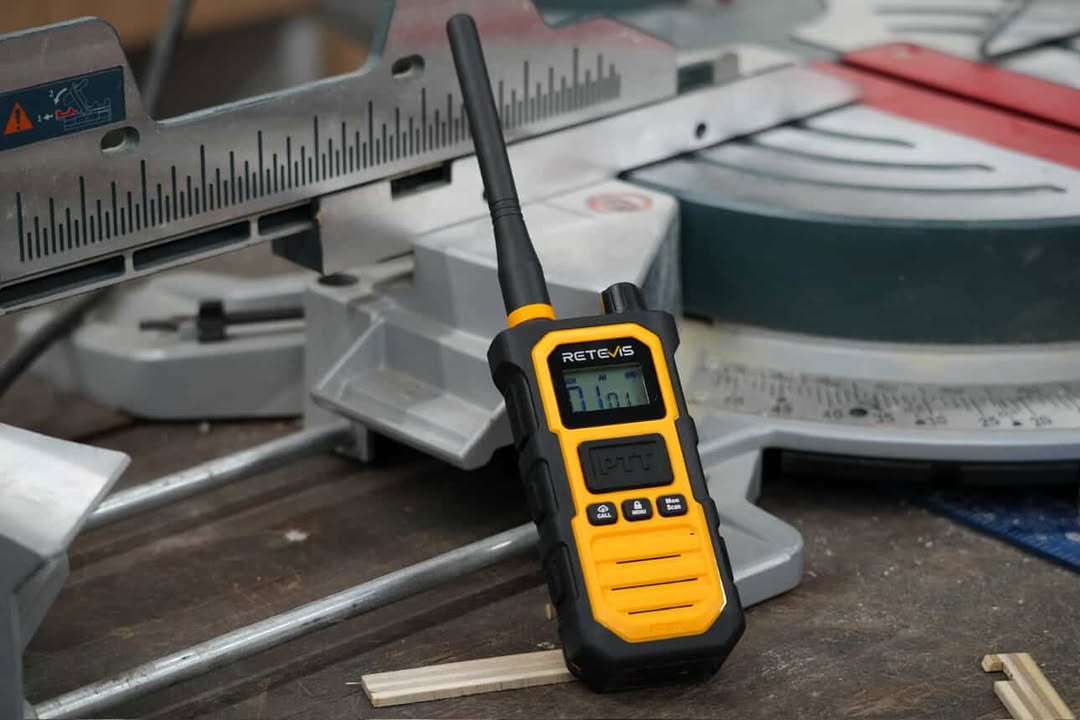
The Retevis RT29 delivers 5–8 km of open-site coverage. It has high-power output and a high-gain antenna built to cut through dense building materials. It keeps a usable signal even through multiple floors of steel decking, so crane operators stay connected to signalers without breaks.
For smaller steel warehouse construction or open-yard work sites, this power level eliminates dead spots entirely. For denser multi-story sites, it cuts signal dropouts by up to 70% compared to standard 2-watt consumer radios. This cuts unplanned work stops and removes the need for crews to cross active work zones to relay messages. It reduces downtime and lowers trip-and-fall risks.
Cut Through Jobsite Noise With Clear, Filtered Audio
For loud construction environments, you need radios with active noise cancellation and adjustable squelch controls. These features filter out steady machine noise and boost voice signals. Every lift instruction comes through loud and clear.
The Retevis RT29 has built-in noise cancellation, 0–9 level squelch adjustment, and a loud built-in speaker. This combination blocks out steady motor and equipment noise. It delivers clear voice audio directly to crane operators, even at full worksite volume.
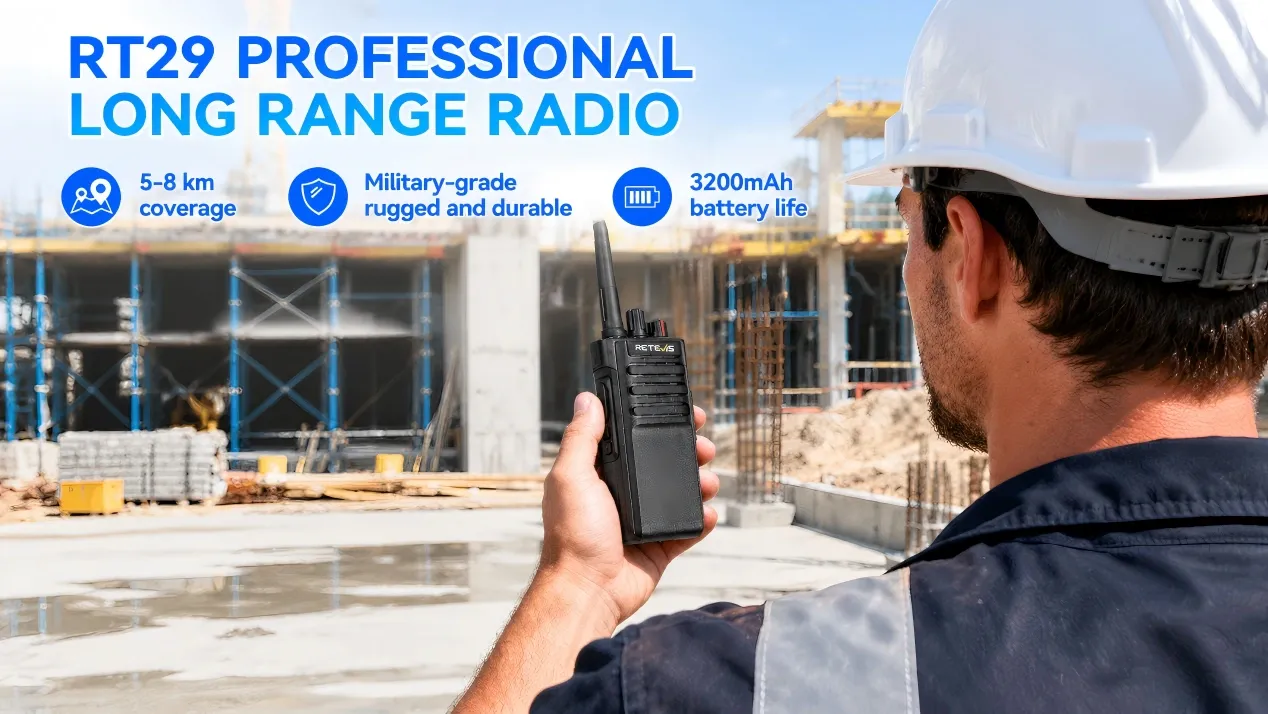
The 0–9 squelch adjustment lets crews match performance to their work zone. Turn squelch up for noisy fabrication areas, or down for quiet open yards to pick up faint long-distance signals. For even clearer sound, the Retevis NR30D adds a dedicated noise reduction chip and DMR digital transmission.
Unlike static-prone analog audio that fades with distance, it sends clean digital signals. Every word stays clear even in the busiest work areas. DMR digital audio also stays consistent across the radio’s full range. This is critical for crane lifting operation communication, where steady audio quality prevents misheard instructions.
Support Long-Range, Multi-Zone Coordination With Rugged, Flexible Performance
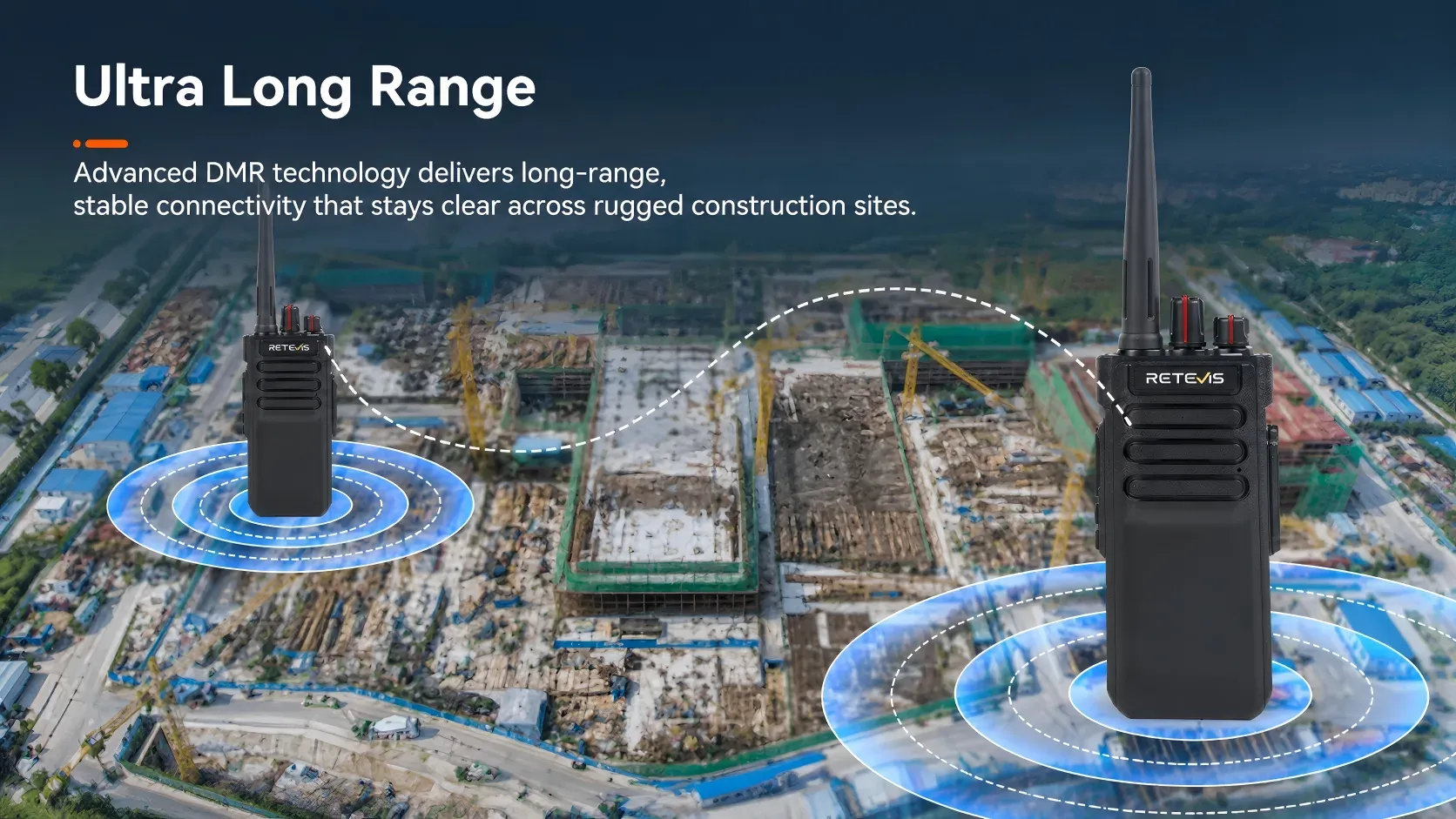
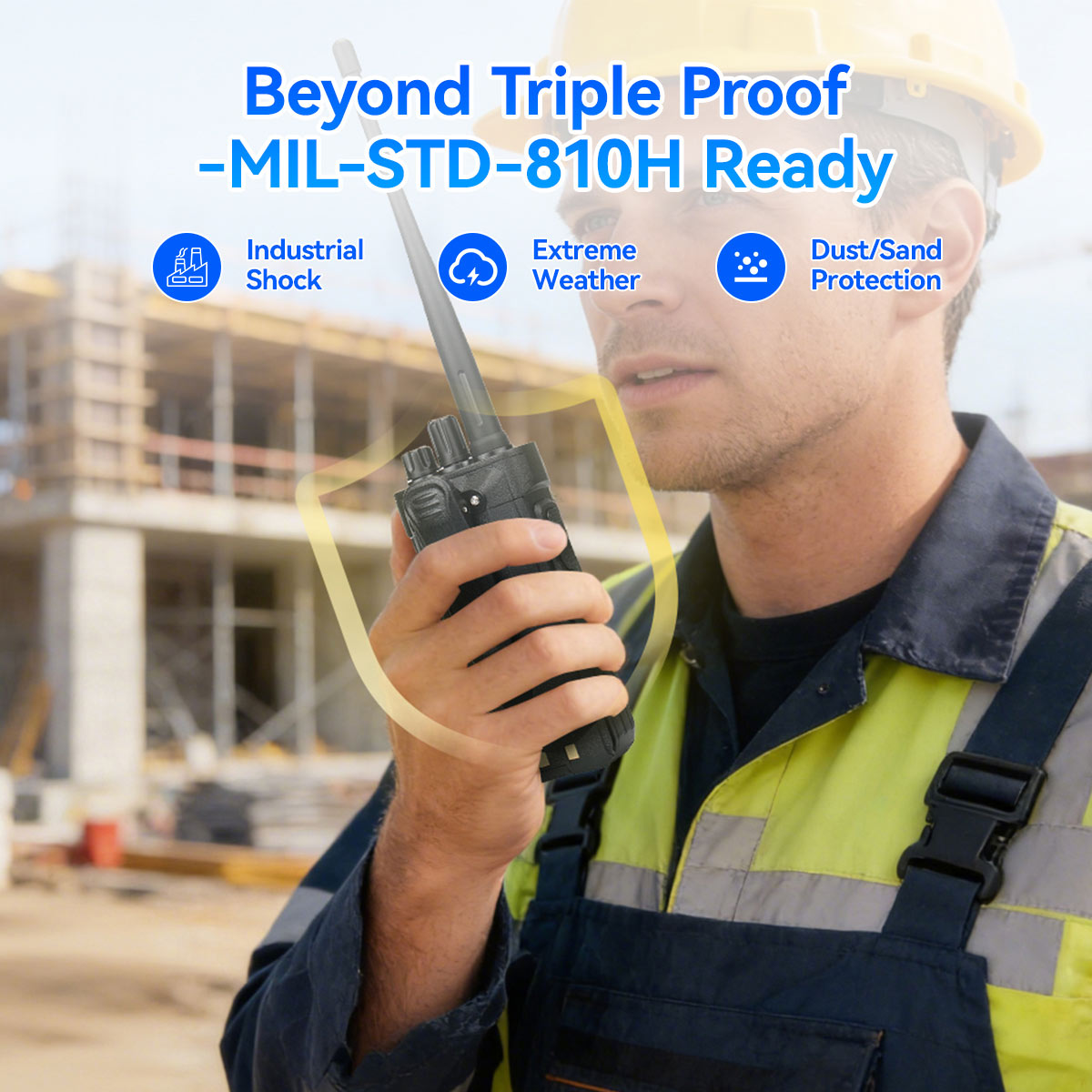
Large steel projects need radios that cover wide site areas and stand up to rough jobsite conditions. Adjustable power settings let crews balance range and battery life. Waterproof, durable builds resist dust, rain, and daily wear across full 12-hour shifts.
The Retevis RT29D is a rugged waterproof DMR radio built for multi-zone steel construction. It has adjustable high, middle, and low power modes. Use high power for cross-site crane lifting operation communication, or low power for close-quarters crew work to extend battery life.
On large steel structure commercial buildings with multiple tower cranes, this flexibility lets each team match radio output to their work zone. Crane operators on the far end of the site use high power for clear long-distance links. Ground crews in the assembly zone use low power to save battery and avoid channel crowding. Its Bluetooth connectivity also lets crane operators pair with wireless headsets for hands-free use. This is essential for keeping both hands on crane controls during lifts.
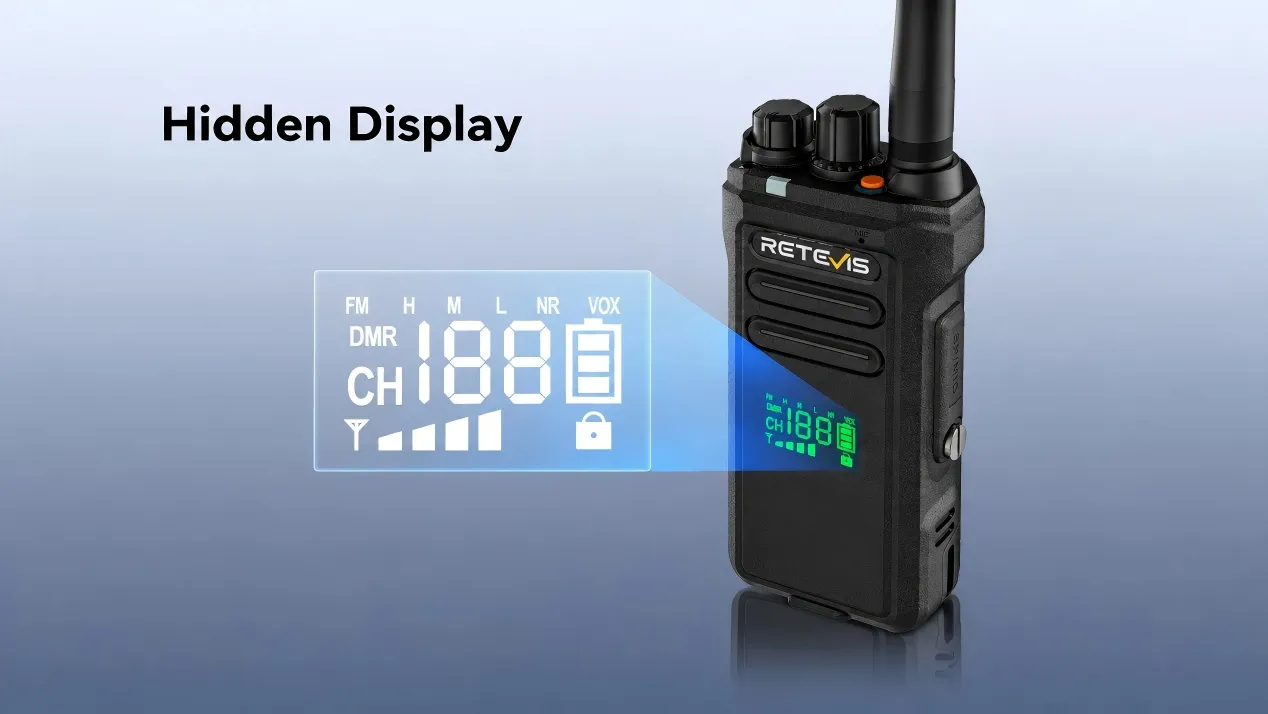
For remote or busy sites, the Retevis NR30D adds high receiver sensitivity and AES256 encryption. It delivers stable long distance radio communication construction site performance with secure, private channels. These channels avoid interference from nearby sites.
AES256 encryption keeps sensitive project communications private. This is valuable for secure industrial construction sites or bid-sensitive commercial projects. Its high receiver sensitivity also picks up weak signals from far edges of the site. It works perfectly for spread-out industrial steel building projects that cover large areas.
How to Select the Best Radio for Crane Operators: 4-Step Guide
Use this four-step framework to find the best radio for crane operators that fits your project’s exact needs and site conditions.
Map Your Site Size and Structural Density
Start by measuring your site’s total size and noting how dense the steel and concrete structures are. For single-story steel warehouse construction sites under 5 acres, a high-power analog radio like the Retevis RT29 usually gives enough range and penetration.
For multi-story steel structure commercial buildings or sites over 10 acres, choose DMR digital radios like the RT29D or NR30D. These deliver stronger signal performance and longer range. Count the number of floors and steel beam rows to estimate signal loss before you pick a power rating.
Audit Noise and Environmental Conditions
Walk through your active work zones to measure typical background noise levels. Sites with constant steel work, impact tools, and diesel equipment need active noise cancellation and adjustable squelch.
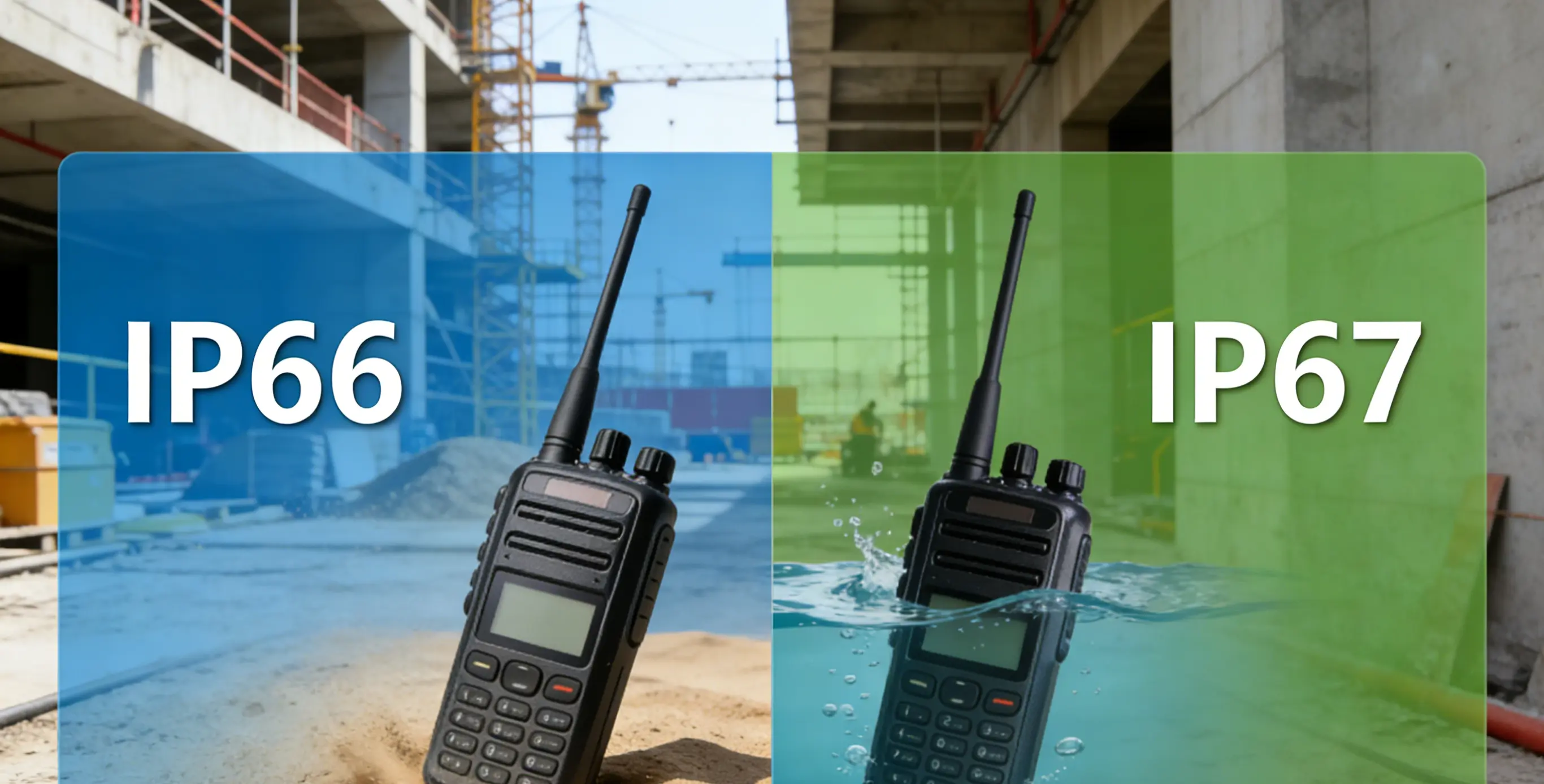
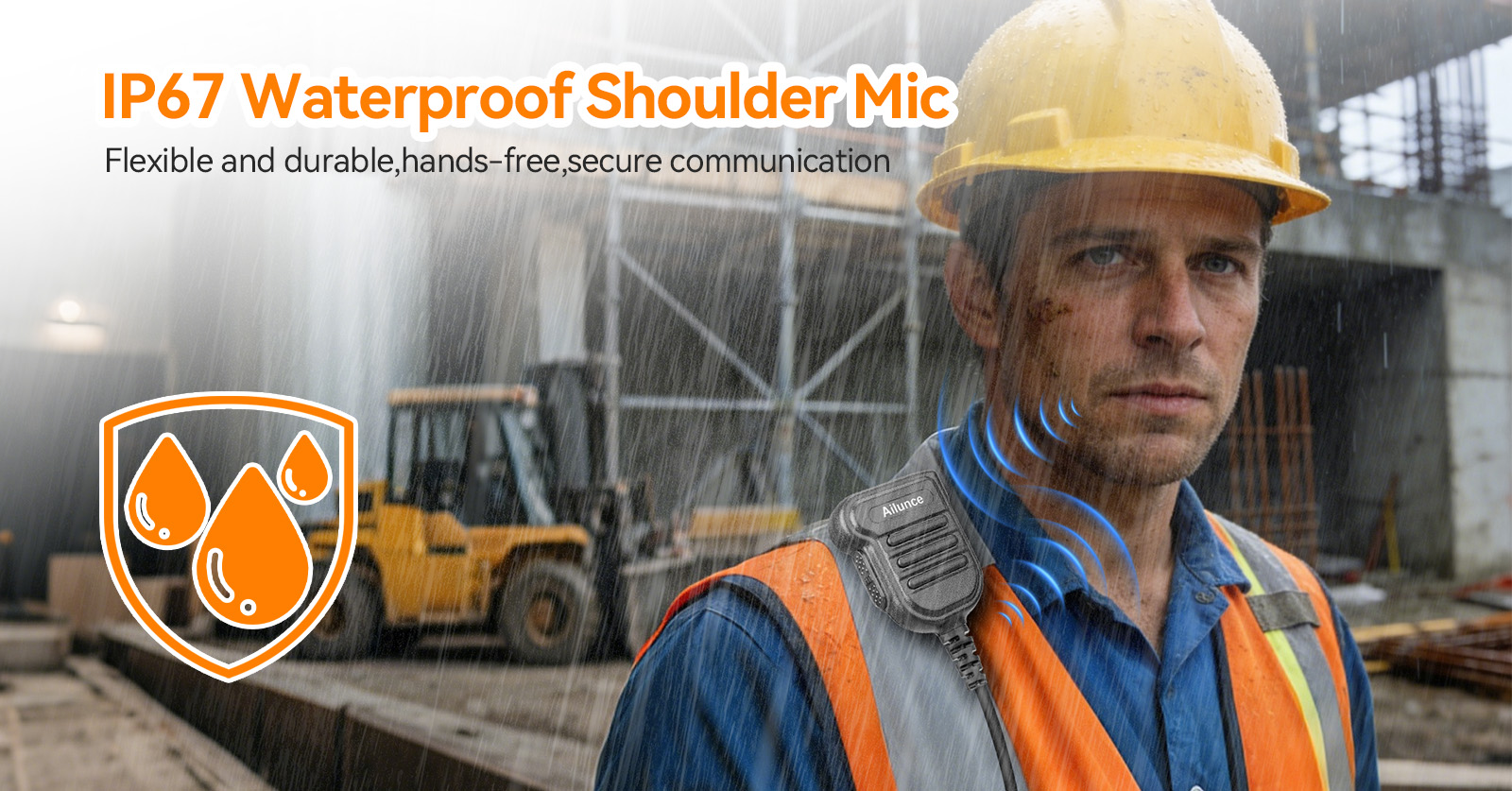
If your project runs in rainy, dusty, or extreme temperature conditions, prioritize IP-rated waterproof and dustproof radios. For enclosed crane cabs, Bluetooth headset support adds convenience and safety by enabling hands-free use.
Align With Crew Size and Communication Workflows
Count all crane operators, signalers, rigging crews, and ironworking teams that need radio access. More crews mean you need more channel options to avoid overcrowding.
DMR radios offer more channel space and private call options. They work better for large teams with multiple work zones. If you run 3 or more cranes on one site, look for radios with dedicated channel groups and priority call features. These keep critical crane lifting operation communication clear of other site traffic.
Verify Compliance and Durability Requirements
All crane communication systems must meet OSHA requirements for clear, reliable signaling. Make sure your chosen radios deliver consistent audio across your entire site, not just in perfect line-of-sight conditions.
Also check build quality: construction sites expose radios to drops, vibration, dust, and moisture. Rugged construction is not a luxury feature. Radios that break mid-shift create immediate safety gaps, so prioritize units with proven jobsite durability.
Conclusion
Every steel structure project has unique communication needs based on size, density, and crew size. There is no one-size-fits-all answer. But matching your radio choice to your specific site challenges directly reduces safety incidents, cuts unplanned downtime, and improves overall lift efficiency.
The best radio for crane operators fits seamlessly into your workflow. It is reliable enough that crews trust it completely, and clear enough that every instruction is heard the first time. Investing in purpose-built radios also helps your team meet OSHA communication standards for crane operations. It reduces compliance risk for site managers and general contractors.
If you are equipping a steel erection project or upgrading your site’s communication system, we can help. We match the right radio to your site size, crew count, and safety requirements. Our team has helped hundreds of steel erection projects select and deploy site communication systems.
Contact our team today for a free site communication assessment. Or download our complete steel construction radio buyer’s guide for full specification comparisons.



 Google
 Amazon

Comments
No data Yet