

Table of Contents
How to Choose a Best Two-Way Radio for Dusty Construction Sites
- Posted by:Retevis
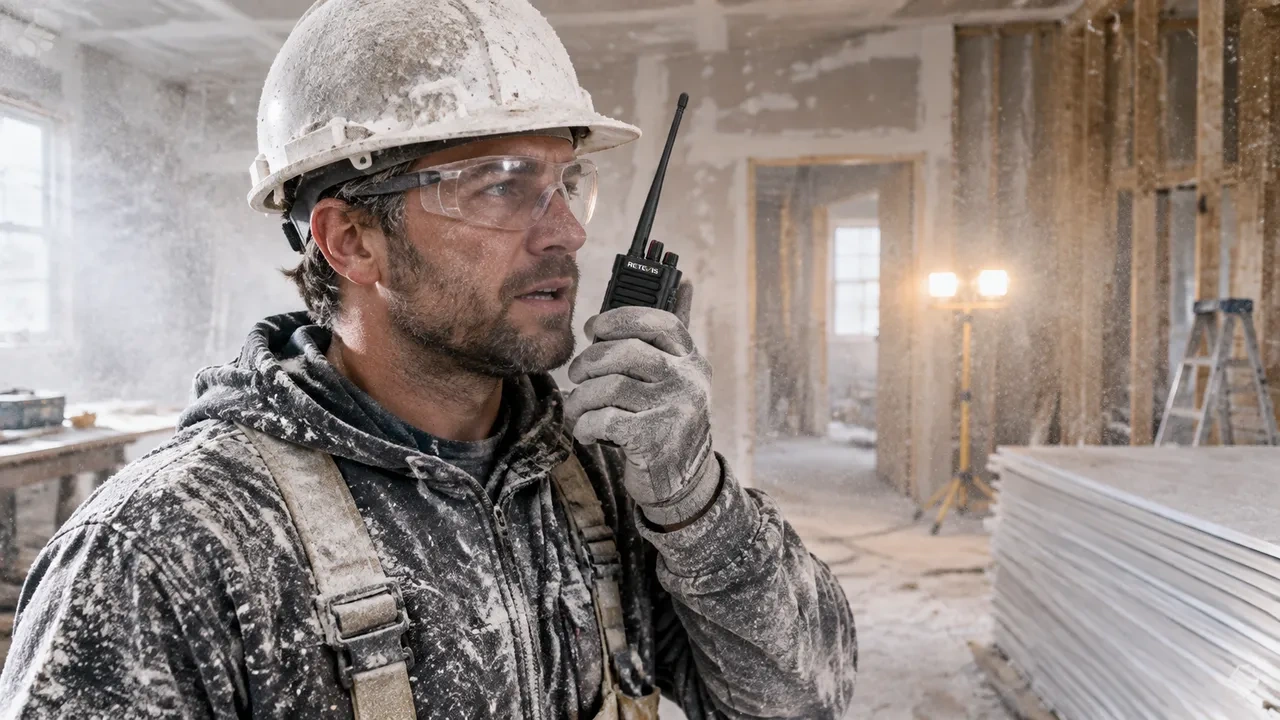
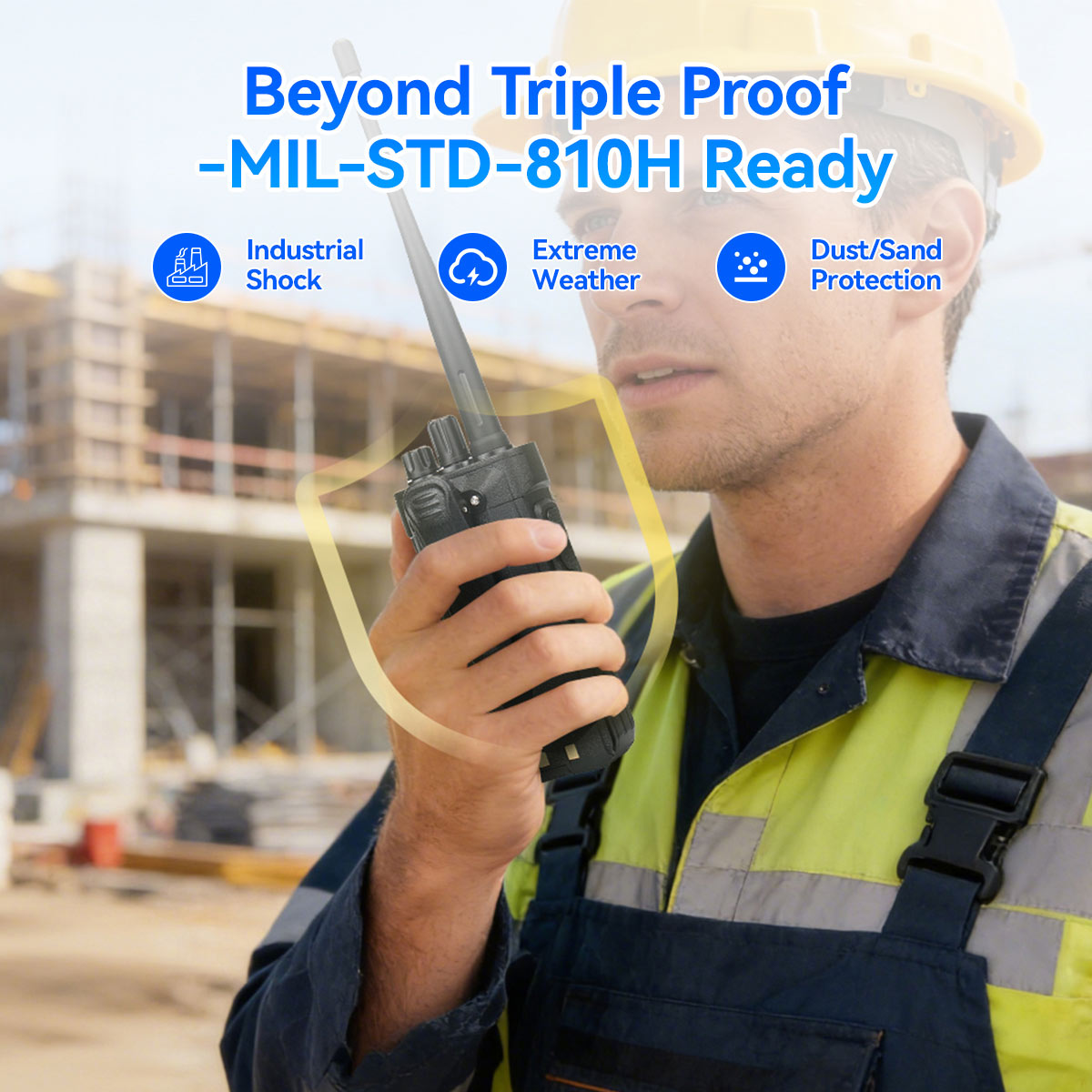
Indoor renovation work creates a unique, harsh working environment. Fine gypsum powder from drywall sanding, sharp mineral dust from tile cutting and concrete debris from demolition hang in enclosed rooms. These tiny particles sneak into gaps, block audio ports and damage handheld radios quickly.
Standard consumer walkie talkies cannot survive this repeated dust exposure. For renovation crews, a failed radio means lost communication, delayed work and safety risks. Selecting a dustproof two way radio is not an optional upgrade. It is a practical requirement for smooth site operation.
This guide breaks down IP rating basics, matches radio models to real renovation tasks, highlights core product strengths, lists maintenance rules and points out costly buying mistakes.
What Makes Indoor Renovation Dust So Damaging?
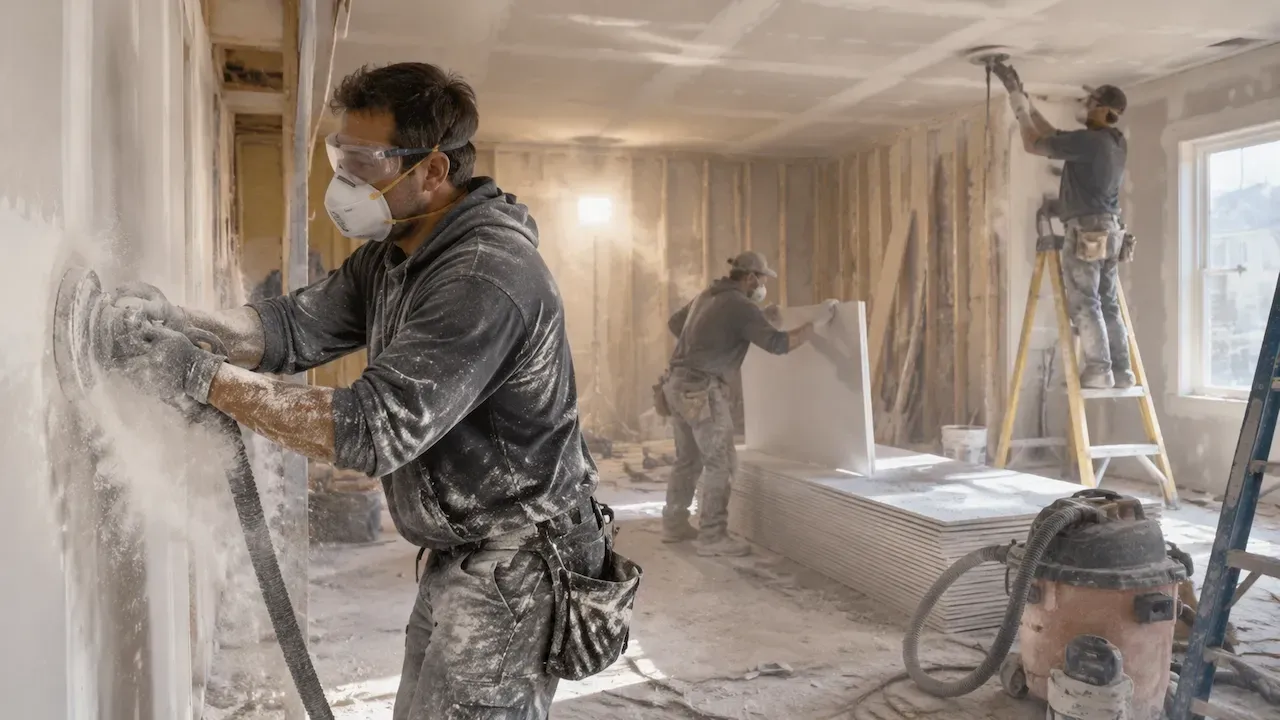
Outdoor construction dust is often coarse and easy to sweep away. Indoor renovation dust is different. It stays suspended in closed rooms for hours.
|
Dust Type |
Source |
Main Damage to Radios |
|
Ultra-fine gypsum dust |
Drywall sanding |
Clogs speaker mesh, muffles sound |
|
Hard mineral dust |
Tile cutting, masonry |
Scratches rubber seals, gets stuck in buttons |
|
Mixed concrete dust |
Wall demolition |
Corrodes battery contacts, triggers random shutdowns |
Even small amounts of accumulated dust will slowly break down radio performance. A radio that works perfectly on day one may suffer poor audio or unresponsive keys within a few weeks without proper sealing.
Core takeaway: Indoor renovation dust is fine, abrasive and trapped in closed spaces. Dust protection must be your top priority when purchasing site radios.
Understand IP Ratings Before You Buy
The IP rating tells you how a device resists solid particles and water. The first number matters most for construction dust.
- IP5X: Dust protected. Limited dust can enter, but the device keeps working. It cannot fully stop ultra-fine construction powder.
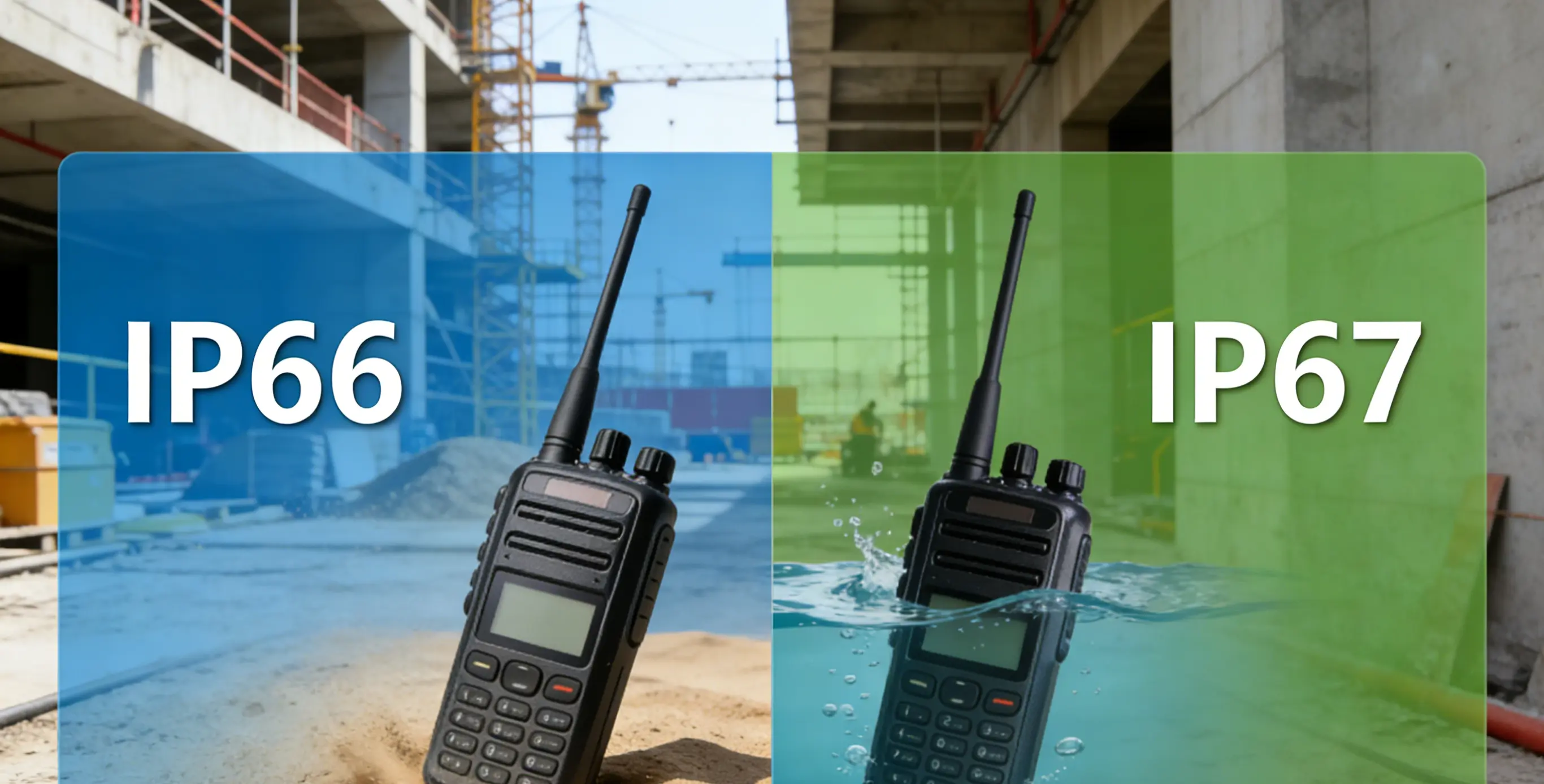
- IP6X: Dust tight. No dust can get inside the radio housing. This is the level required for dusty renovation sites.
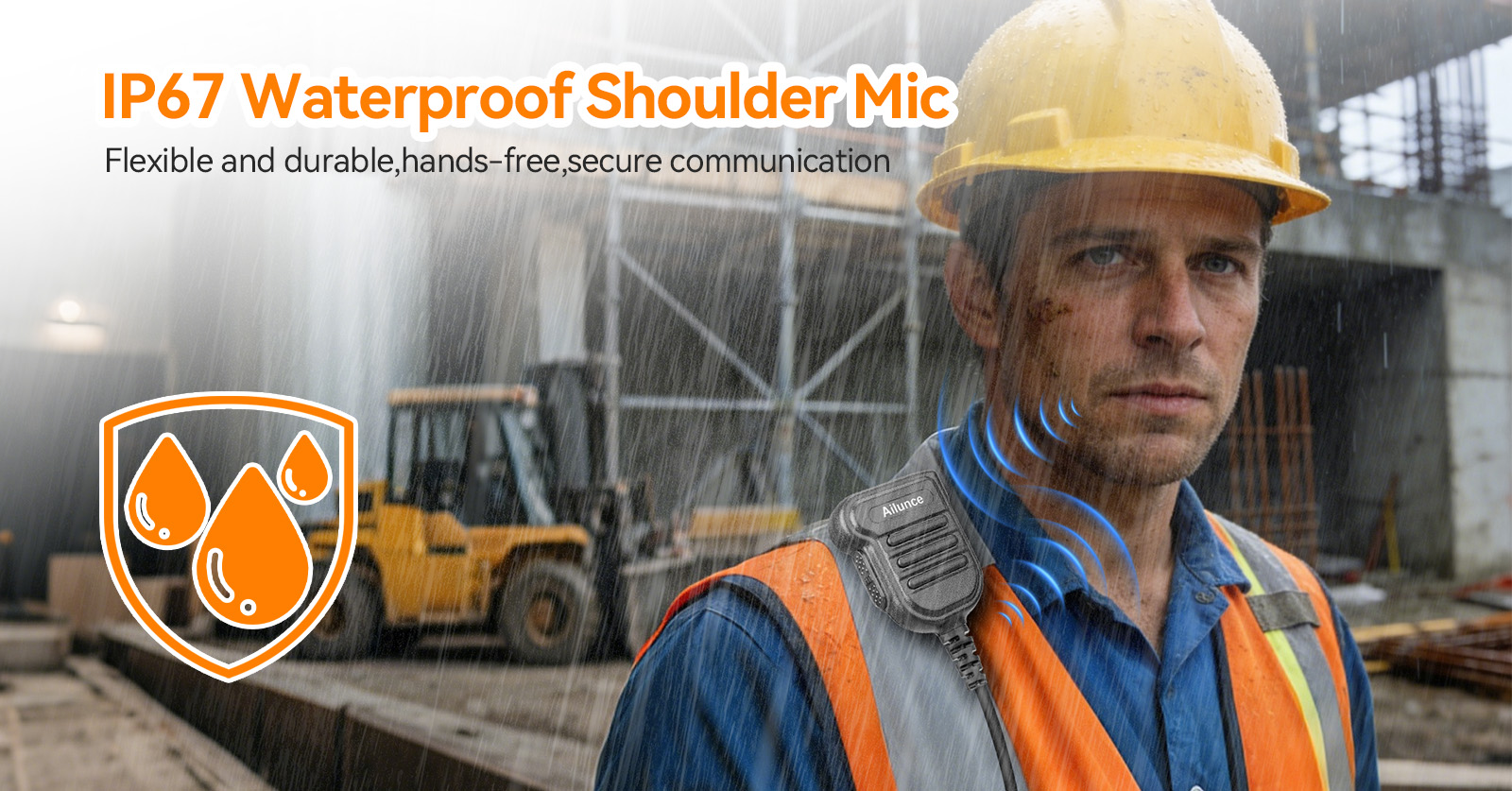
- IP67: The most common construction grade is IP67. The 6 means dust tight. The 7 means the device survives temporary immersion in water. Indoor renovation often mixes dust with wet cement or occasional water splashes. IP67 covers both risks in one rating.
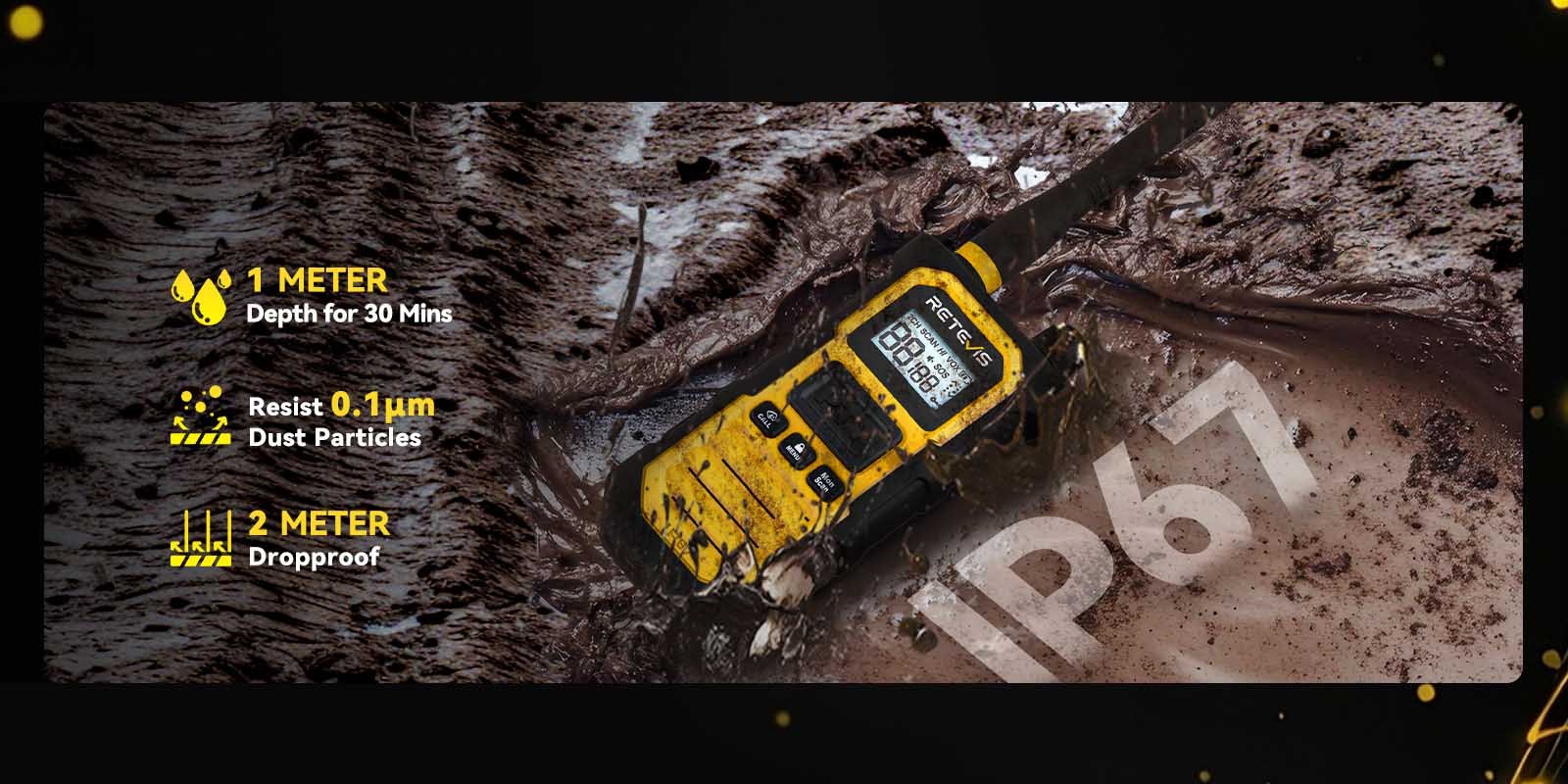
One warning applies here. Not every IP67 label is equal. Some low-brand radios print IP67 on the box without real sealing or factory testing. Buyers should treat the rating as a minimum, not a guarantee.
Match the Radio to Your Specific Dust Condition
Different renovation tasks create different dust types. A radio that fits one stage may fail at another. Selection should follow your work stage.
Low-to-Medium Dust: General residential renovation
Scenarios: Carpentry, painting, electrical installation.
Dust level: Moderate mixed dust.
Radio requirement: Reliable IP67 analog radio, affordable bulk purchase for multi-worker teams.
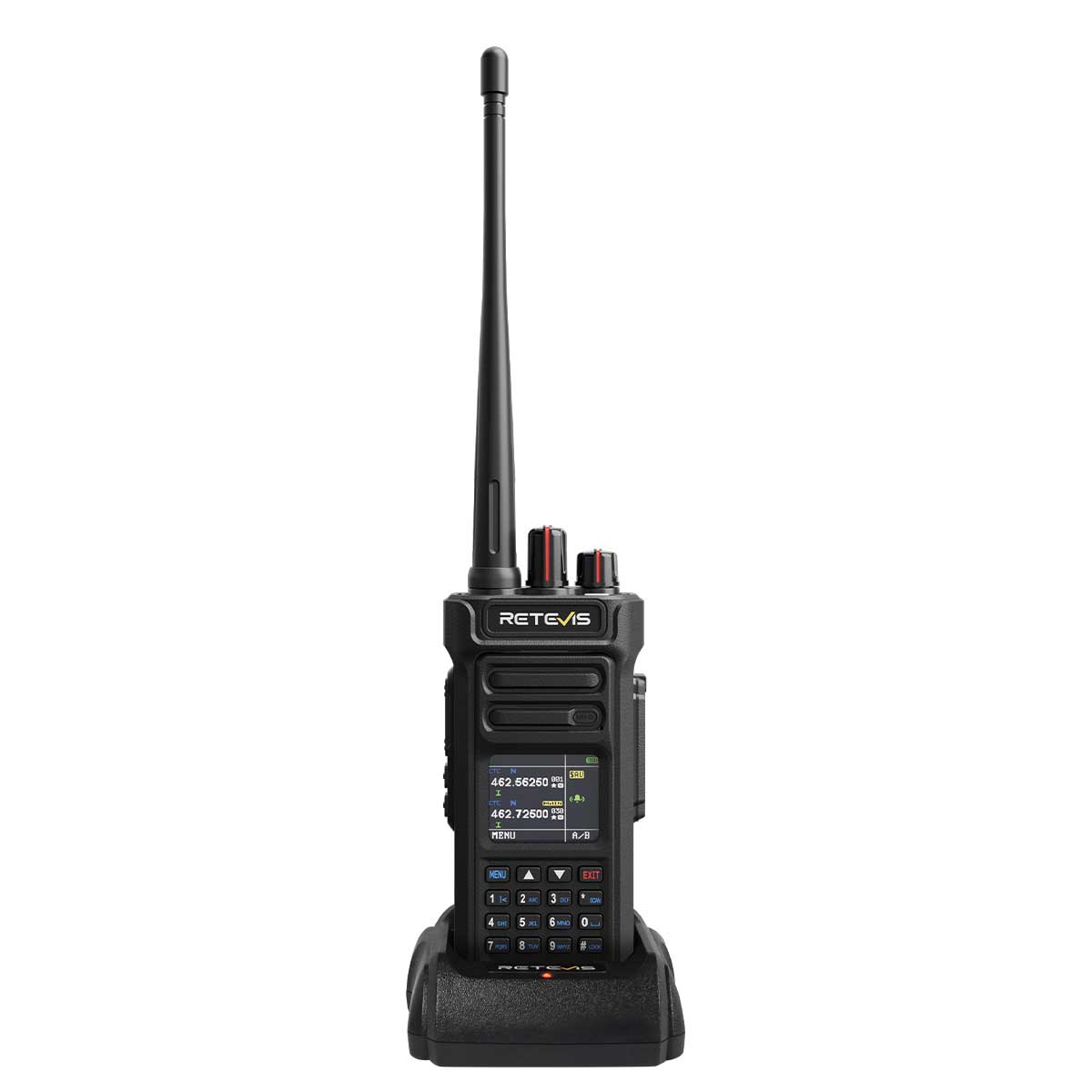
Retevis Solution: Retevis RT29: IP67 Waterproof UHF Radio Built for Construction Sites
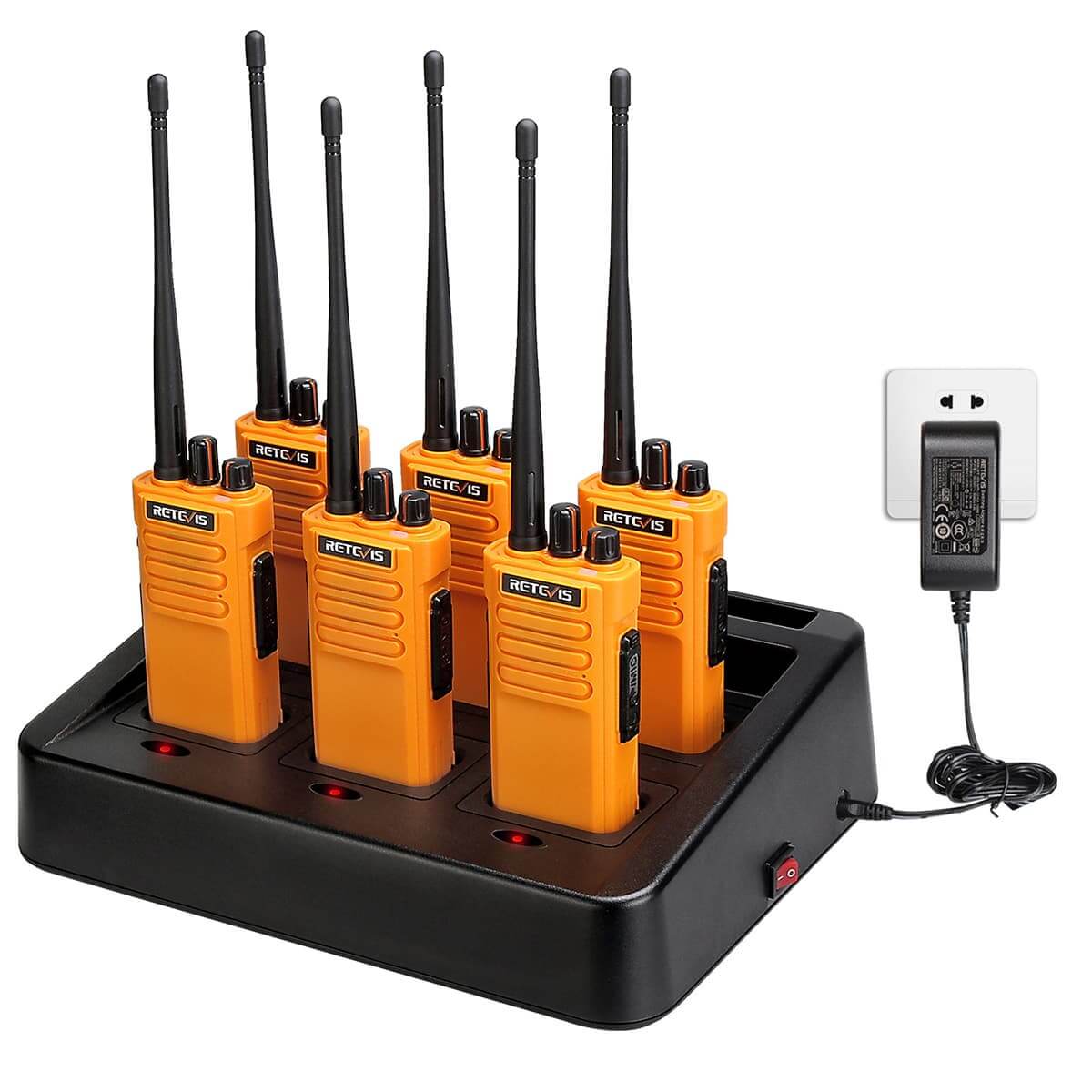
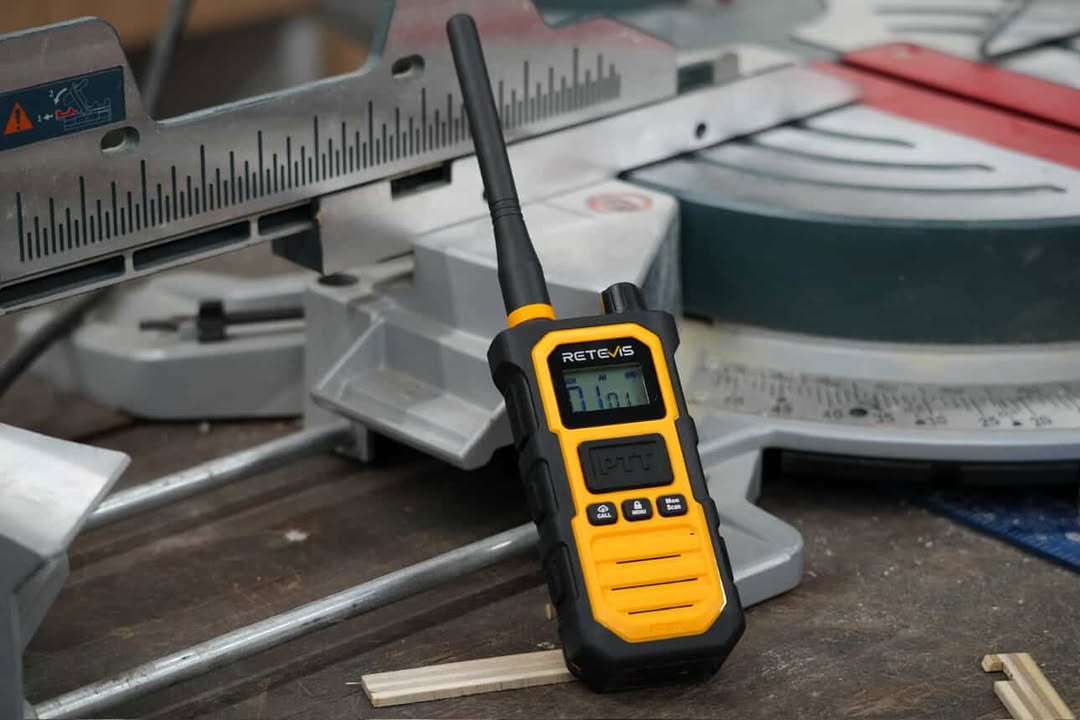
RT29 is the cost-effective IP67 analog radio. It fits standard residential renovation teams. The sealed housing blocks fine construction dust during daily work. Large work groups can buy RT29 in bulk for carpenters, painters and electricians.
High Dust: Demolition & Drywall Sanding
Scenarios: Wall tearing, extensive drywall sanding.
Dust level: Massive ultra-fine gypsum powder.
Radio requirement: Reinforced speaker dust mesh and upgraded rubber seals to prevent audio blockage.
Retevis Solution: Retevis RB48 Pro 10W Long Range Heavy Duty Walkie Talkies
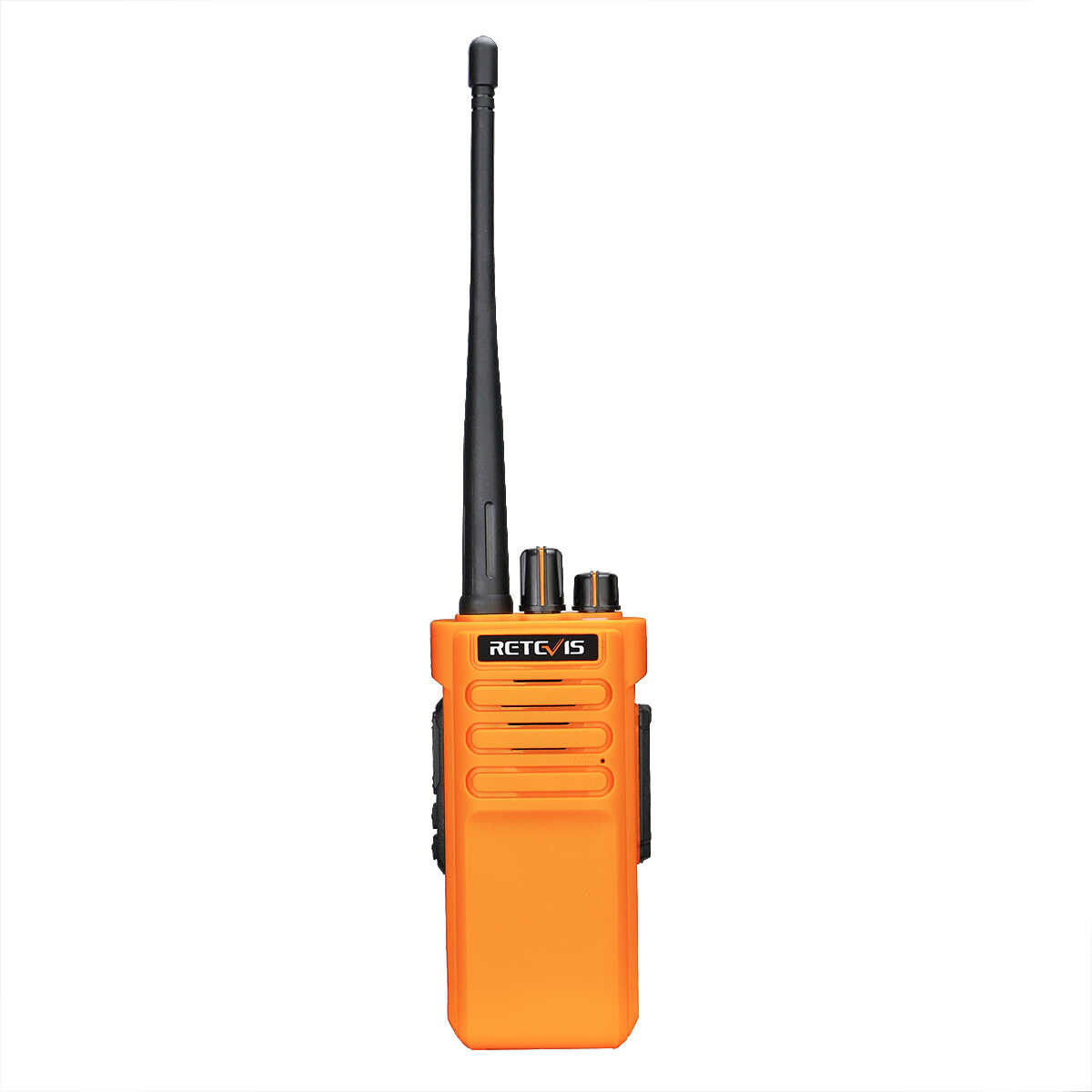
RB48 Pro targets high-dust stages such as wall demolition and drywall sanding. It adds an optimized speaker dust mesh, so fine gypsum powder does not easily block audio output. Upgraded rubber seals protect the keys and battery compartment. This model stands up to heavy fine dust exposure every workday.
Large Multi-Team Renovation Projects
Scenarios: Whole-house remodeling, multiple crews working at the same time.
Dust level: Mixed heavy dust, complex communication needs.
Radio requirement: IP67 + digital group calling, separate channels for different teams to avoid signal interference.
Retevis Solution: Retevis NR30D AES256 Long Range Waterproof DMR Business Radio with Noise Reduction
NR30D is a DMR digital IP67 radio for large projects and site supervisors. Digital mode supports separate group calls for demolition, masonry and inspection teams. The dust tight housing protects the digital circuit from construction dust. Supervisors keep clear communications across a busy multi-team site.
Daily Maintenance Checklist to Extend Radio Lifespan
IP67 dust tight does not mean maintenance-free. Simple daily checks can double the usable life of your radios.
- At end of shift: Wipe radio casing with a dry soft cloth.
- Do NOT use compressed air to blow speaker holes. It pushes dust deeper inside.
- Weekly inspection: Clean outer speaker mesh, check rubber seals around battery compartment.
- Off-hours storage: Keep radios in sealed bags instead of leaving them on dusty floors overnight.
- Repair prompt: Replace cracked or deformed rubber seals immediately. One broken seal disables all dust protection.
Common Buying Mistakes to Avoid
- Buy purely based on low price
Cheap radios often fake IP67 marking. Dust invades internal circuits quickly. Low upfront cost leads to frequent replacements. - Mix up IP54 and IP67
IP54 cannot stop fine gypsum powder. Never use IP54 radios for drywall sanding or demolition. - Ignore speaker mesh protection
Even fully sealed housing fails if speaker mesh gets clogged. Audio failure is the most common breakdown on dusty sites. - Assume IP67 equals zero maintenance
Dust accumulates on external filters over time. Regular cleaning remains mandatory.
Conclusion
Indoor renovation dust creates hidden threats to handheld radios. IP67 dust-tight rating is the minimum requirement for this job site environment.
For small residential renovation teams on a budget, Retevis RT29 delivers solid IP67 protection. Crews doing demolition and drywall sanding benefit from RB48 Pro’s upgraded dust filter and seals. For large multi-group renovation projects, NR30D’s digital group calling keeps communication organized while maintaining full dust protection.
Combine proper model selection with simple routine maintenance. Your team will maintain stable, clear communication throughout dusty renovation projects.
FAQ
Q1: Can IP67 radios completely block gypsum dust from drywall sanding?
IP67 prevents dust from entering internal circuits. Fine dust can still build up on the outer speaker mesh, so regular cleaning is still required.
Q2: What is the key difference between Retevis RT29 and RB48 Pro?
RB48 Pro has upgraded speaker dust mesh and rubber seals designed for heavy fine dust exposure. RT29 is a budget-friendly option suitable for standard renovation tasks.
Q3: Why choose NR30D digital radio for large indoor renovation?
NR30D supports DMR digital group calls. Different work teams can communicate on separate channels without cross-talk while retaining IP67 dust protection.
Q4: Can I rinse an IP67 radio under running water?
IP67 supports short immersion, but wipe heavy dust off first. Dust mixed with water can get trapped in small gaps and speed up wear on seals.



 Google
 Amazon

Comments
No data Yet