

Table of Contents
Best Practices for Radio Use on Construction Projects: A Practical Guide for Safer, More Efficient Communication
- Posted by:Retevis
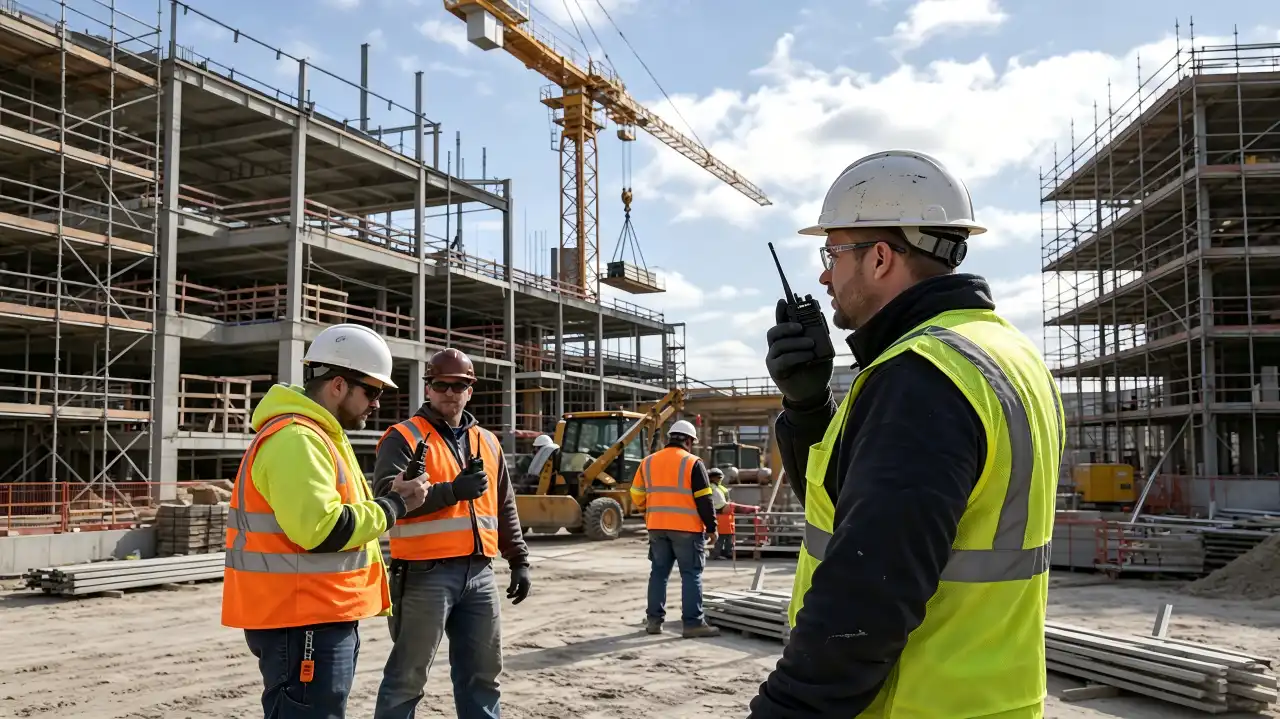
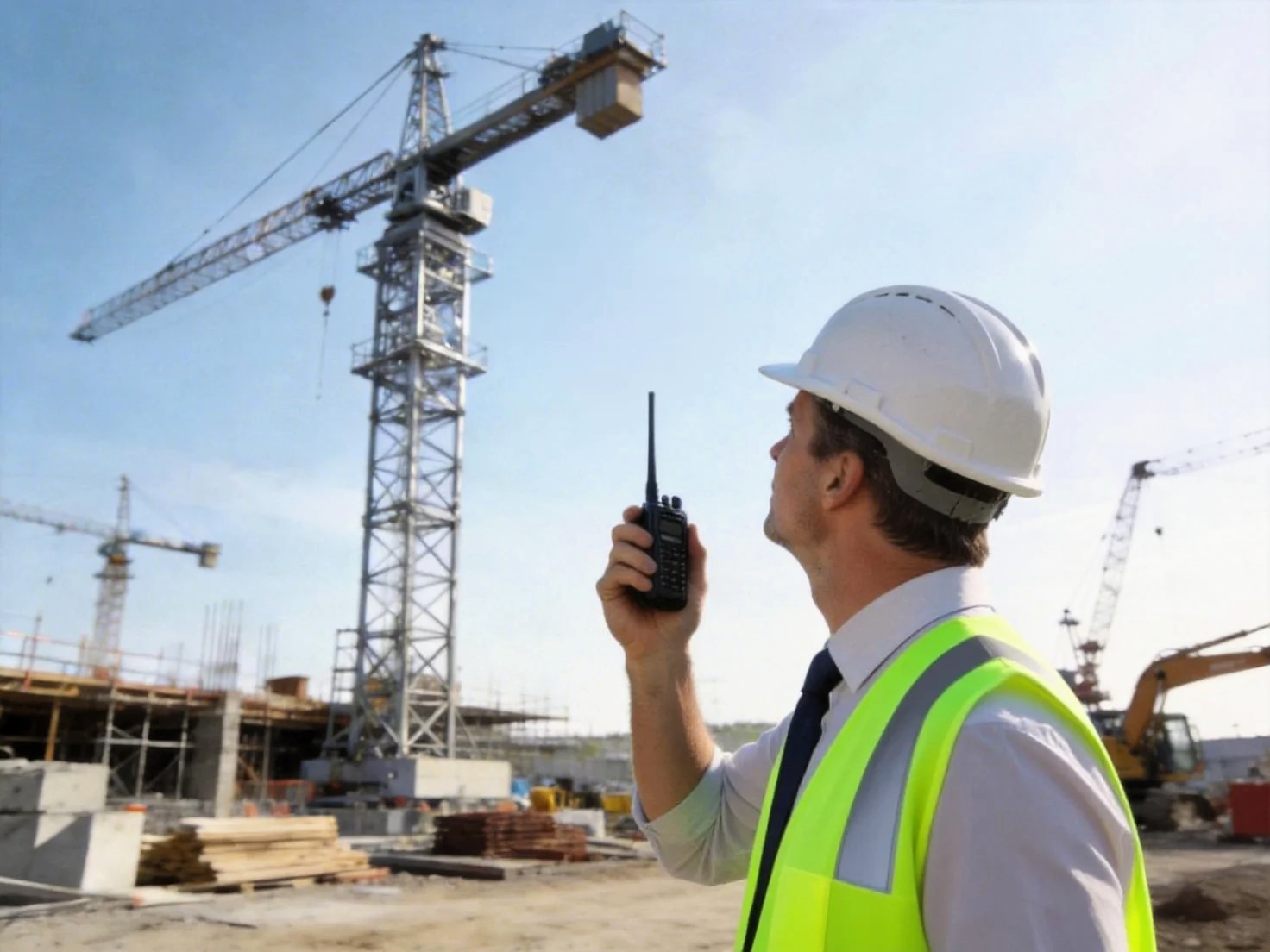
On a busy jobsite, communication often breaks down for simple reasons. Crews work far apart. Machines create a lot of noise. Several contractors may work at the same time. A supervisor may need to reach a crane operator right away. A safety manager may need to stop work near a lift zone before a problem grows.
When communication fails, the result is usually clear: delays, confusion, rework, or added risk.
That is why many teams still rely on jobsite communication radios and construction two way radios. They give workers fast, direct contact in real time. This article explains the best practices for radio use on construction projects and shows how better construction site communication helps crews work more safely and more efficiently.
What Are the Best Practices for Radio Use on Construction Projects?
The best practices for radio use on construction projects include:
- choosing the right radio system
- setting clear channel rules
- training every worker
- creating an emergency call process
- checking radios every day
- reducing channel clutter
- testing coverage in hard-to-reach areas
These steps improve construction radio communication and help teams avoid missed calls, slow responses, and unsafe confusion.
Why Radio Communication Still Matters on Construction Sites
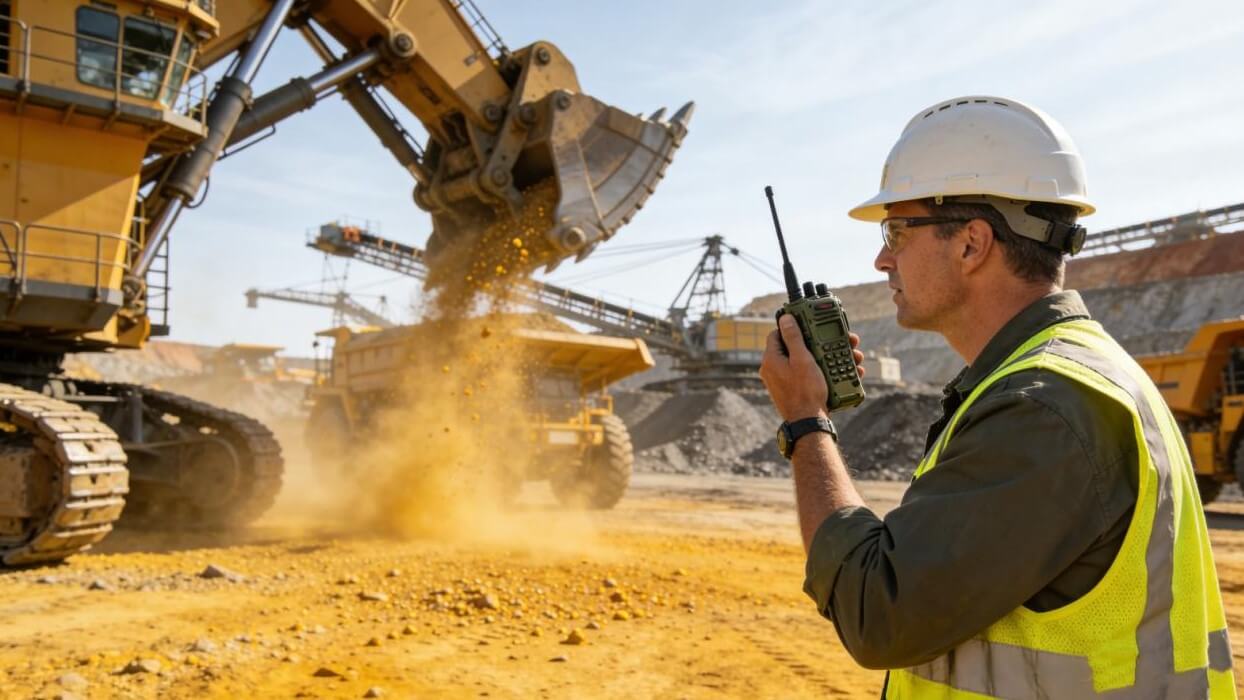
Construction sites change all day. Crews move from one area to another. Equipment enters and leaves work zones. Materials arrive at loading points. Noise from tools, trucks, lifts, and generators makes normal conversation hard.
This is why two way radios for construction still matter. A radio lets workers speak fast without dialing a number or opening an app. That speed matters on a real site.
Good construction site radio communication helps with:
- crane and lifting work
- heavy equipment movement
- subcontractor coordination
- delivery and gate control
- hazard reporting
- emergency response
For a foreman, this means quicker decisions. For a safety manager, it means fewer blind spots. For workers, it means clearer direction when the site gets loud and busy.
Common Communication Problems on Jobsites
Before improving a system, it helps to look at the usual problems.
Too Many Teams on One Channel
This happens on many projects. Site managers, operators, labor crews, and safety staff all try to use the same line. Important calls get lost.
Dead Zones on Site
Steel, concrete, basements, and multi-level buildings can block signals. A construction site radio may work near the office trailer but fail in a stairwell or loading bay.
Unclear Messages
Vague messages waste time. They also create risk during crane lifts, truck movements, and equipment work.
No Training for New or Temporary Workers
Subcontractors and short-term workers often get a radio with little instruction. Then they use the wrong channel, miss calls, or give poor emergency updates.
What Risks Come From Poor Construction Site Communication?
Poor construction site communication affects both safety and productivity.
Real jobsite risks include:
- workers walking into an active lift zone
- operators missing spotter instructions
- slow reporting of injuries or near misses
- mixed messages between contractors
- delays during evacuation or emergency response
The same problems can happen in warehouses and manufacturing sites. Forklift traffic, loading areas, and shift handovers all depend on clear communication. In these settings, jobsite communication is not optional. It supports safer daily work.
Start With the Right Radio System
The first step in better construction communication is choosing the right radio. Not every device fits a construction or industrial site.
What should buyers look for?
Coverage
Can the radio reach every work area?
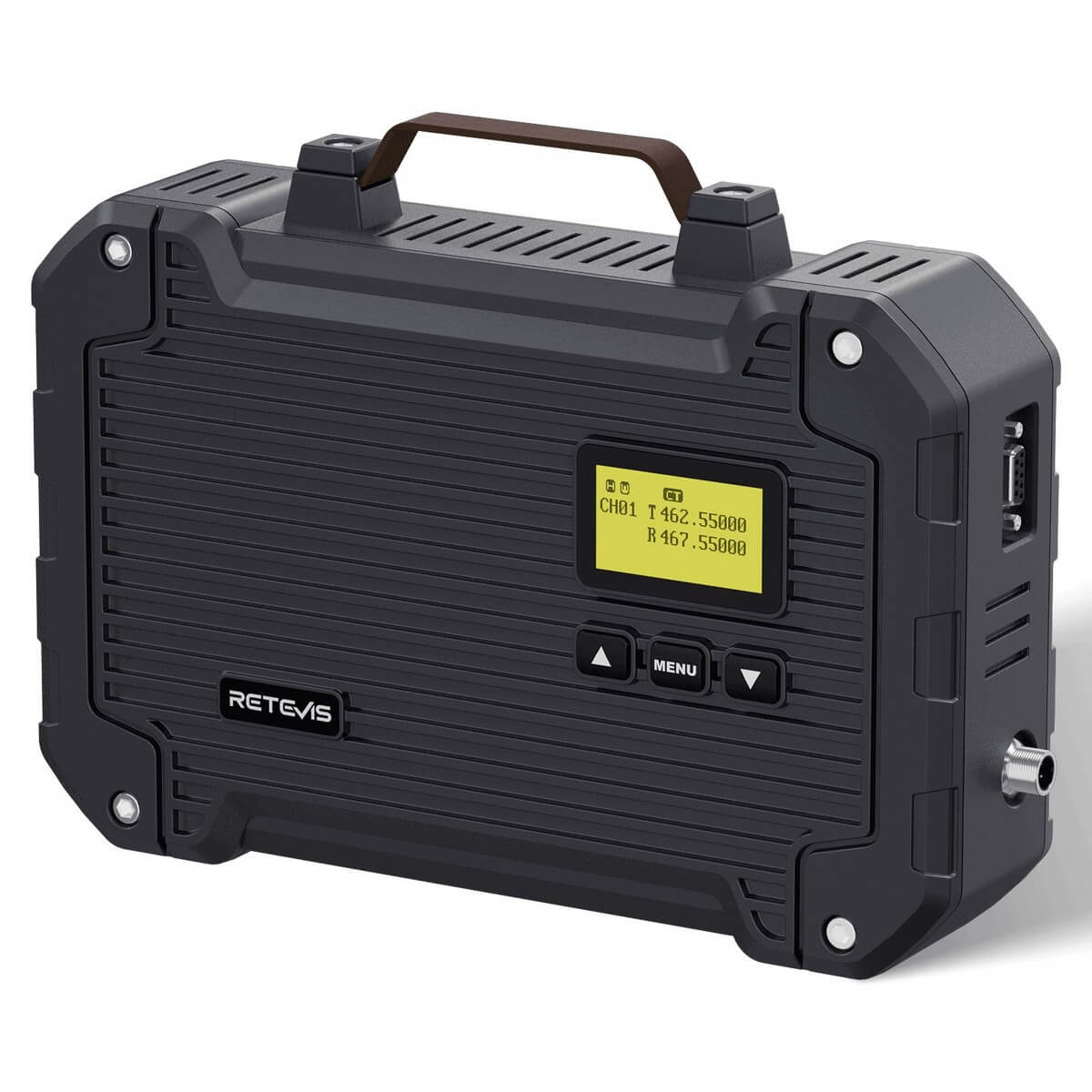
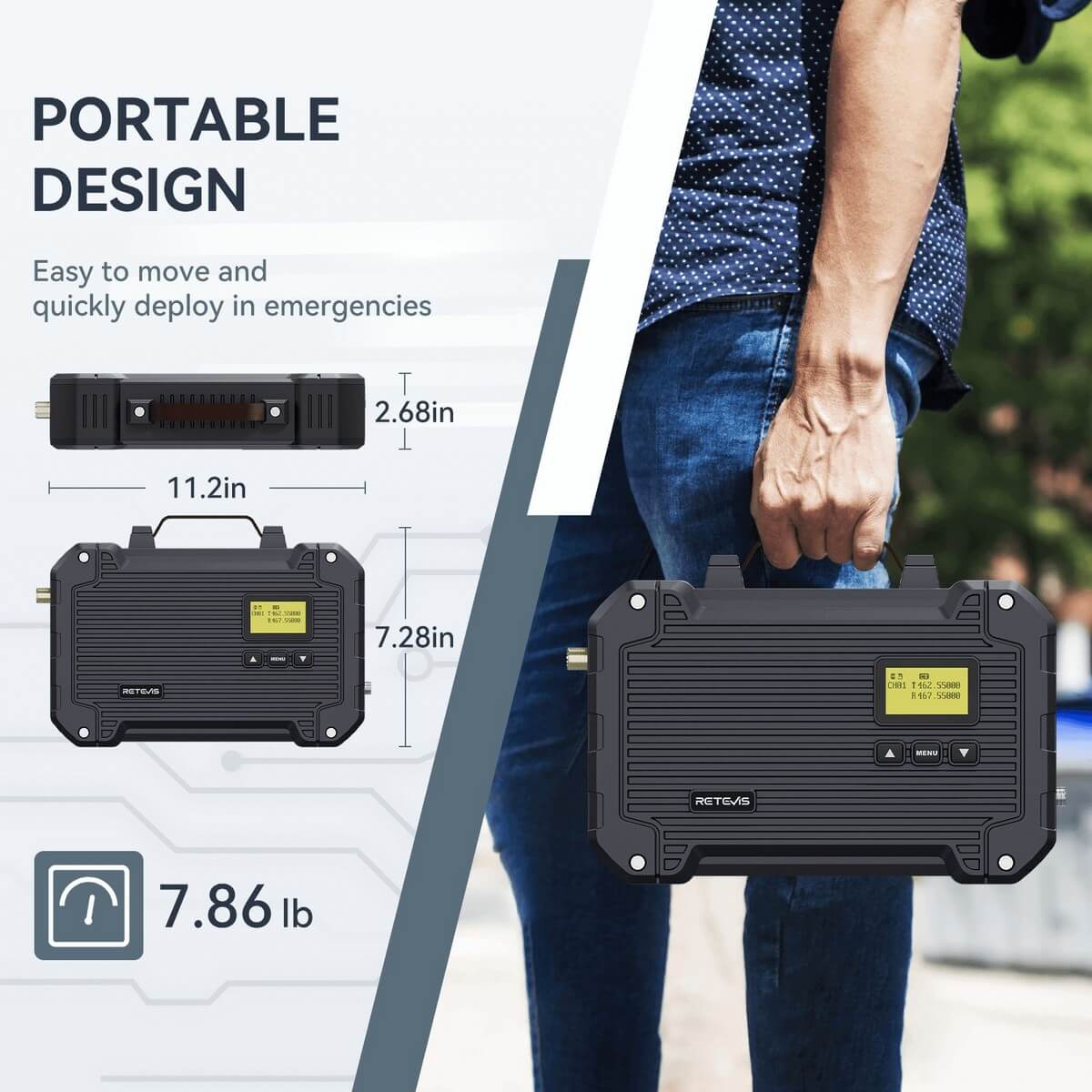
Large projects, indoor structures, and blocked layouts may need long range two way radios. Some sites may also need repeaters to improve signal strength.
Audio Clarity
Can workers hear messages over engines, saws, and heavy equipment?
This matters most for crane teams, concrete crews, warehouses, and loading zones.
Durability
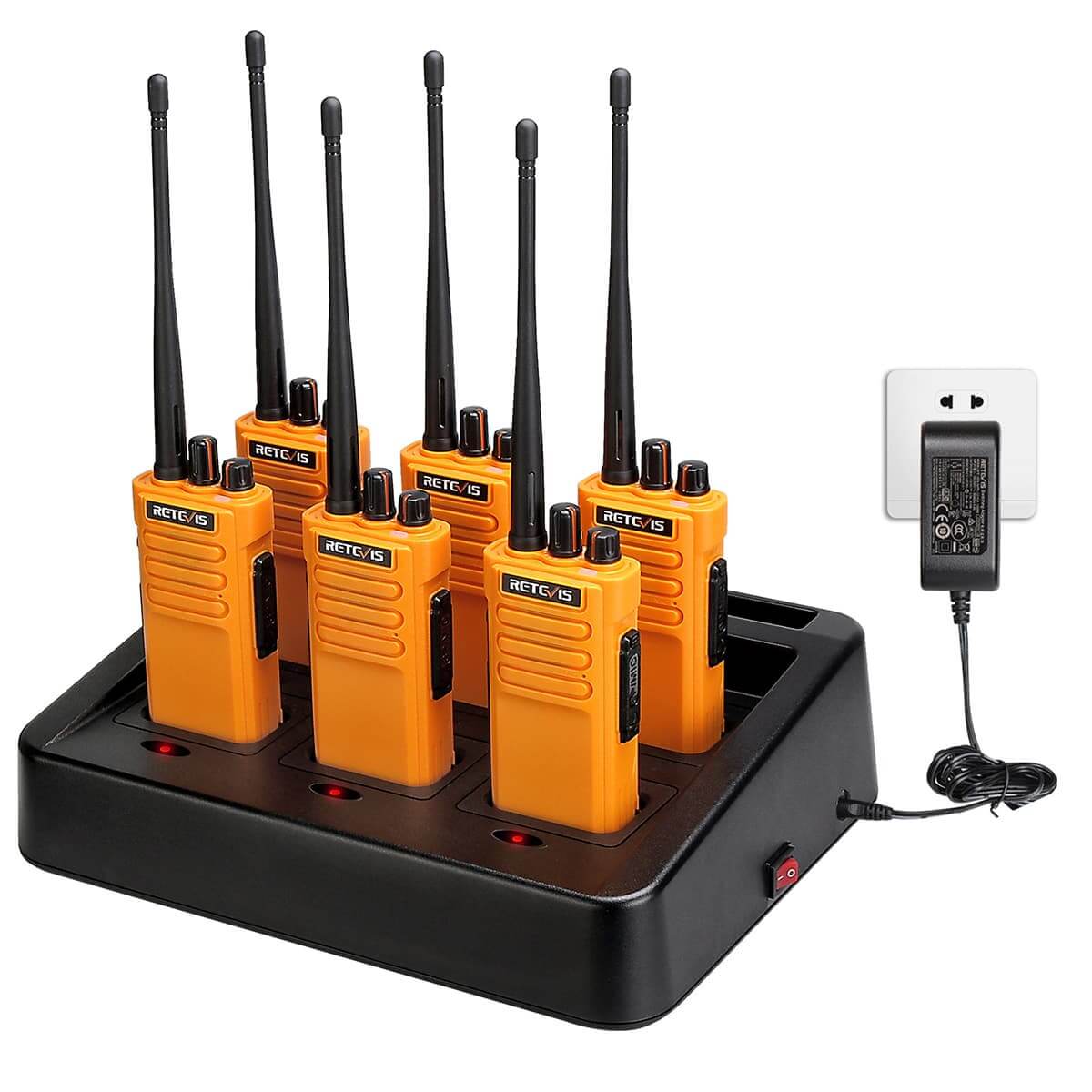
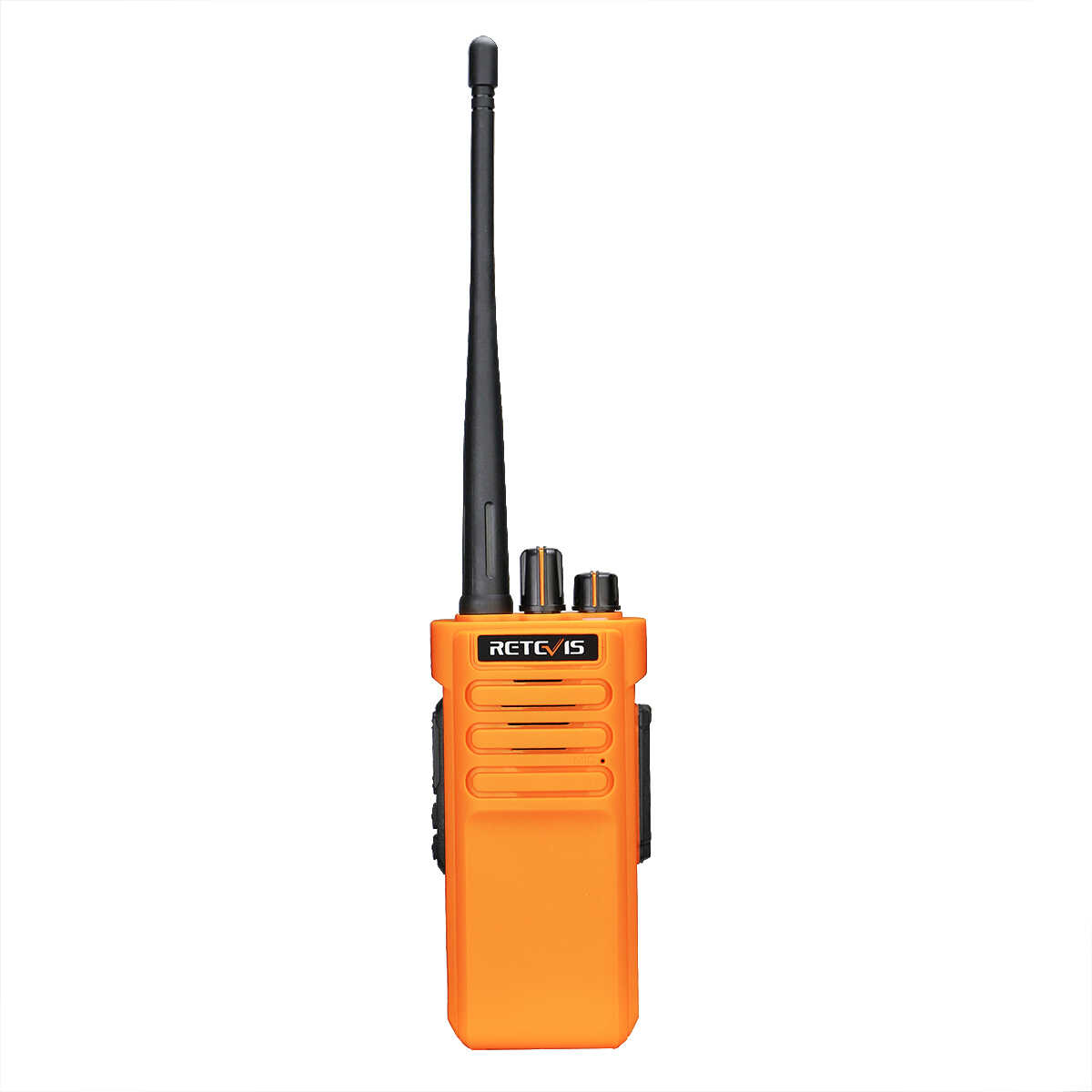
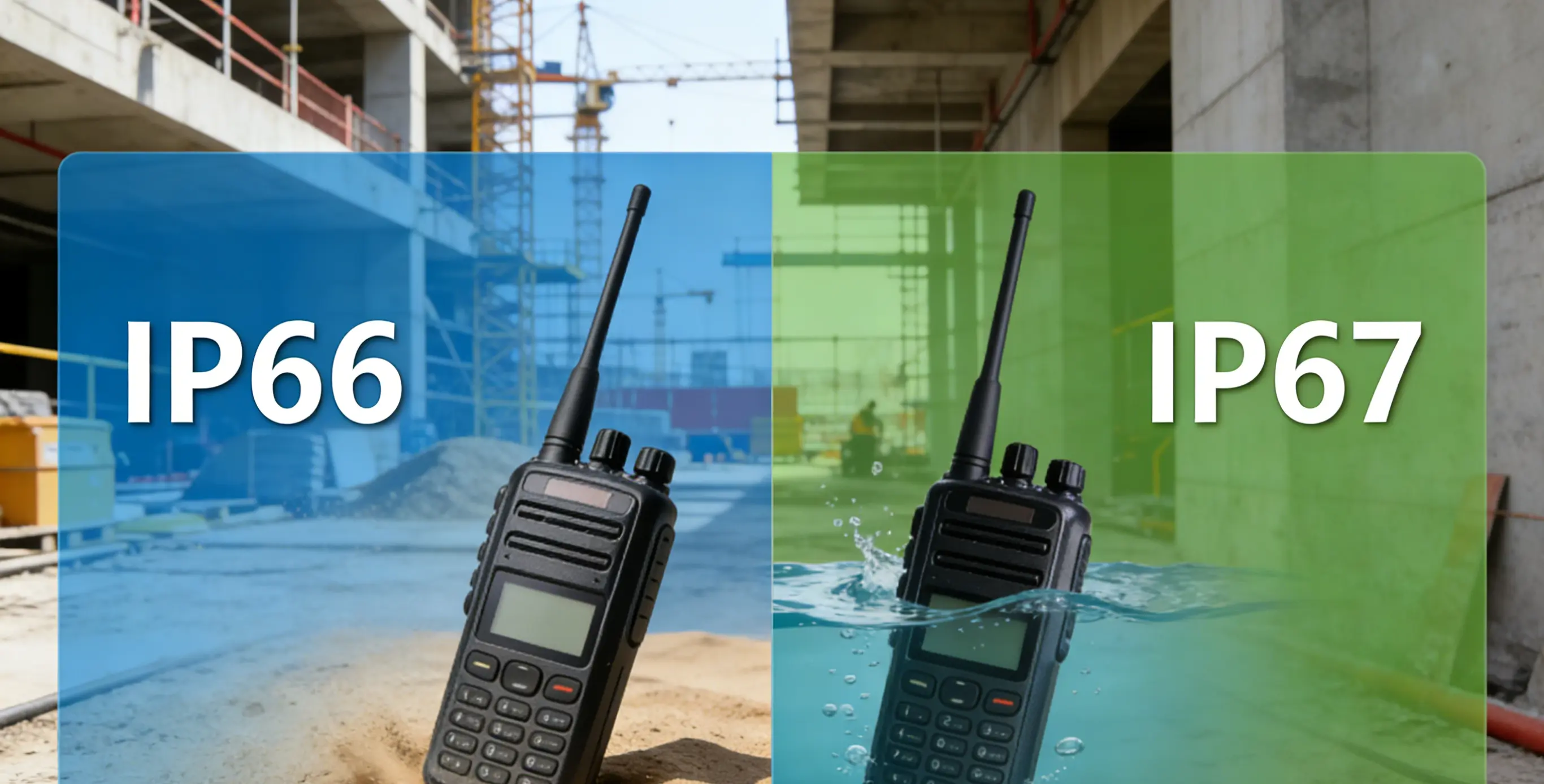
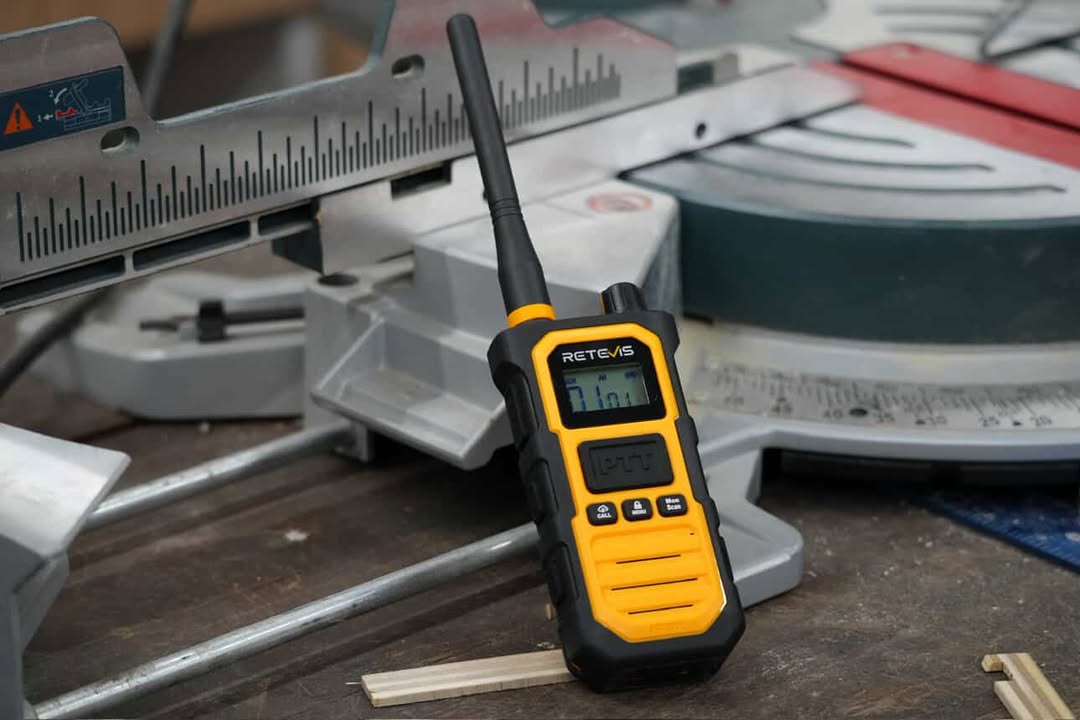
Construction sites are rough on devices. Rugged two way radios and durable two way radios hold up better in dust, moisture, and drops.
Battery Life
A radio should last the full shift. If power runs out early, communication breaks down.
Ease of Use
Workers need simple controls. In a busy or high-risk moment, no one wants to scroll through confusing settings.
Analog or Digital?
Here is a simple comparison:
|
Feature |
Analog Radio |
Digital Two Way Radio |
|
Basic voice communication |
Good |
Good |
|
Sound in noisy areas |
Fair |
Better |
|
Large team use |
Limited |
Better |
|
Channel control |
Basic |
Better |
|
Extra features |
Few |
More |
A digital two way radio system often works better for large teams or complex sites. Smaller projects may do fine with a basic setup. Buyers looking for the best two way radios for construction should match the radio to the site, not just the budget.
Set Clear Radio Rules
Good equipment helps, but rules matter just as much. Even the best radios fail if crews use them badly.
Create a Channel Plan
Give each team or task its own channel when possible.
Example:
- Channel 1: Site management
- Channel 2: Crane and lift operations
- Channel 3: Safety team
- Channel 4: Deliveries and gate traffic
This makes jobsite communication radios more useful and keeps channels from getting crowded.
Keep Messages Short and Clear
Workers should say only what matters.
Good example:
- “Crane lift starting on the north side. Keep clear.”
Bad example:
- “Can someone go check what is happening over there?”
Clear messages improve construction radio communication and cut down on mistakes.
Use Repeat-Back for Important Instructions
For lifts, shutdowns, isolations, and equipment movement, workers should repeat key instructions back.
Example:
- “Copy. North side is clear.”
This step is simple, but it helps a lot.
Cut Unneeded Talk
Too much casual talk blocks important calls. On a busy site, radio channels should stay open for work and safety messages.
Train Every Worker Who Uses a Radio
A radio system only works when people use it the same way.
Training should cover:
- when to use the radio
- which channel to use
- how to speak clearly
- when to repeat a message
- how to call in an emergency
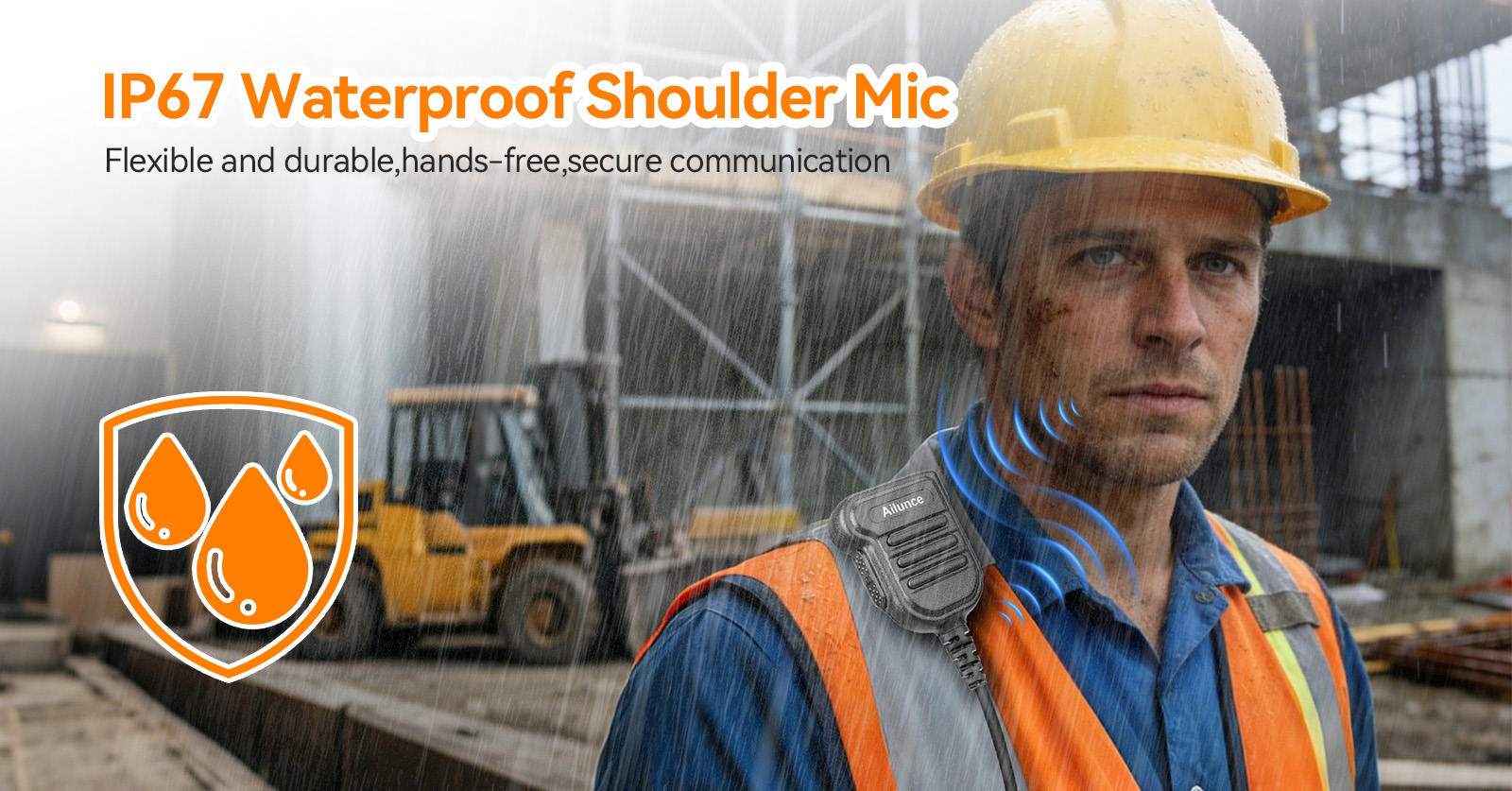
- how to use a headset or speaker mic
This training should include full-time workers, temporary workers, and subcontractors. If someone uses two way radios for construction sites, that person should know the site rules on day one.
For foremen and safety managers, this is one of the easiest ways to improve construction site communication across several crews.
Build an Emergency Radio Plan
Emergency communication should be planned before an incident happens.
What should an emergency radio call include?
Use this format:
- location
- situation
- support needed
Example:
- “East stair tower, level 4. Worker down. Need medical assistance.”
This format helps people respond faster.
A good emergency plan should include:
- a clear emergency channel if needed
- clear rules on who reports the incident
- regular radio checks
- spare batteries or spare radios
A radio plan does not replace a full emergency response plan. But it does make the response faster and clearer.
Check and Maintain Radios Every Day
Reliable radios for construction site use need regular checks. If workers skip this step, small equipment problems can turn into jobsite communication problems.
Daily checklist
- battery charged
- antenna secure
- microphone working
- speaker clear
- accessory connection in place
Regular maintenance
- clean off dust and moisture
- replace broken speaker mics or earpieces
- store spare batteries correctly
- test signal strength in problem areas
This matters even more for teams that use construction two way radios across long shifts or on large projects.
Common Mistakes to Avoid
Many radio problems come from poor planning, not bad equipment.
Avoid these common mistakes:
- putting too many users on one channel
- buying radios without checking coverage needs
- skipping worker training
- not setting an emergency radio process
- treating radios like casual tools
For buyers comparing the best radio for construction site use, the device matters. But planning, training, and daily habits matter just as much.
How to Choose the Right Radio Solution
The best solution depends on the site and the work.
Choose basic construction two way radios if:
- the site is small
- the team is small
- communication needs are simple
Consider rugged two way radios, long range two way radios, or a digital two way radio system if:
- the site is large or multi-level
- crews work around heavy equipment
- several contractors need separate channels
- noise affects speech clarity
- all-day reliability is important
The best radio is the one that fits the real work environment.
Conclusion
The best practices for radio use on construction projects are not hard to follow. Choose the right radio. Set clear rules. Train every worker. Build an emergency process. Check equipment every day.
For contractors, foremen, and safety managers, better construction site communication leads to better control of daily work. It helps crews manage lifts, equipment movement, deliveries, and hazards with less confusion.
In construction, warehouses, and industrial sites, good communication helps work move safely and on time. That is the real value of strong construction radio communication.



 Google
 Amazon
Comments
No data Yet