

Table of Contents
Construction Noise Cancellation: Best Radio Solutions for Loud Job Sites
- Posted by:Retevis
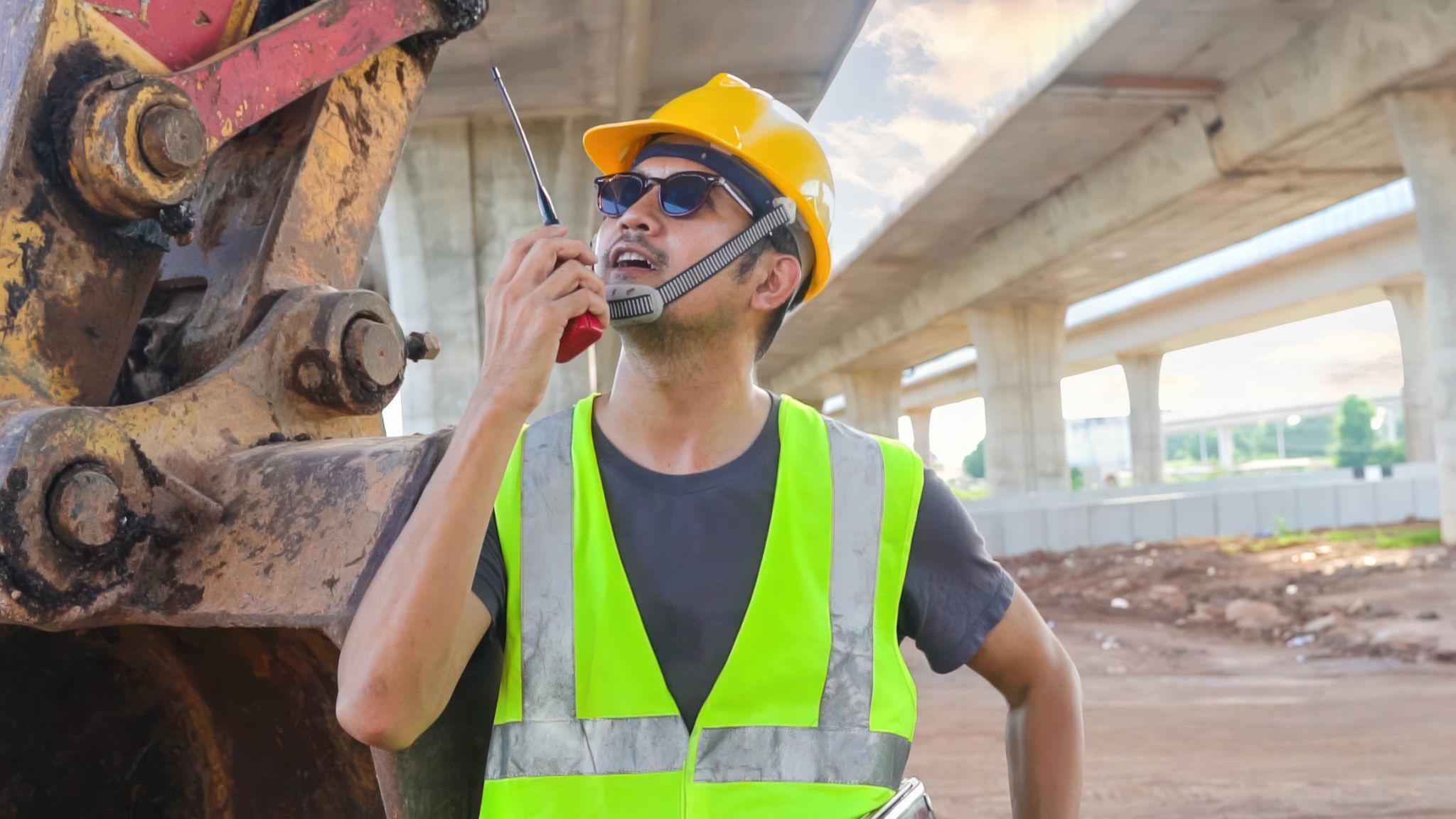
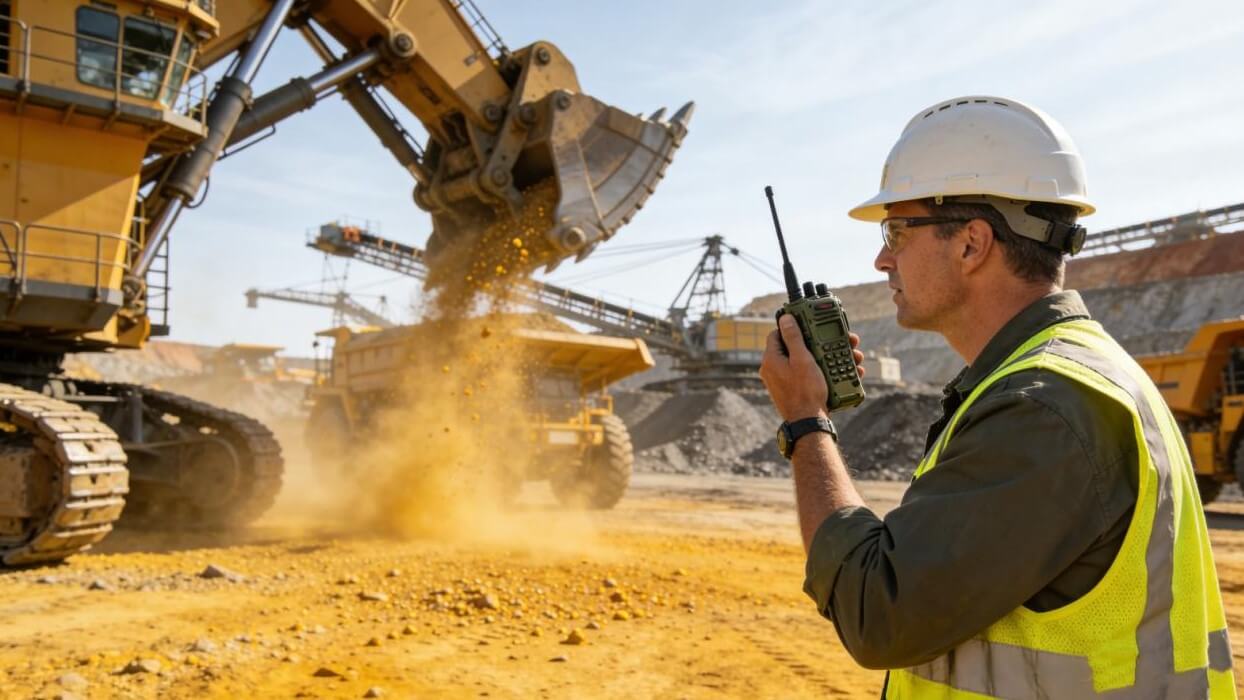
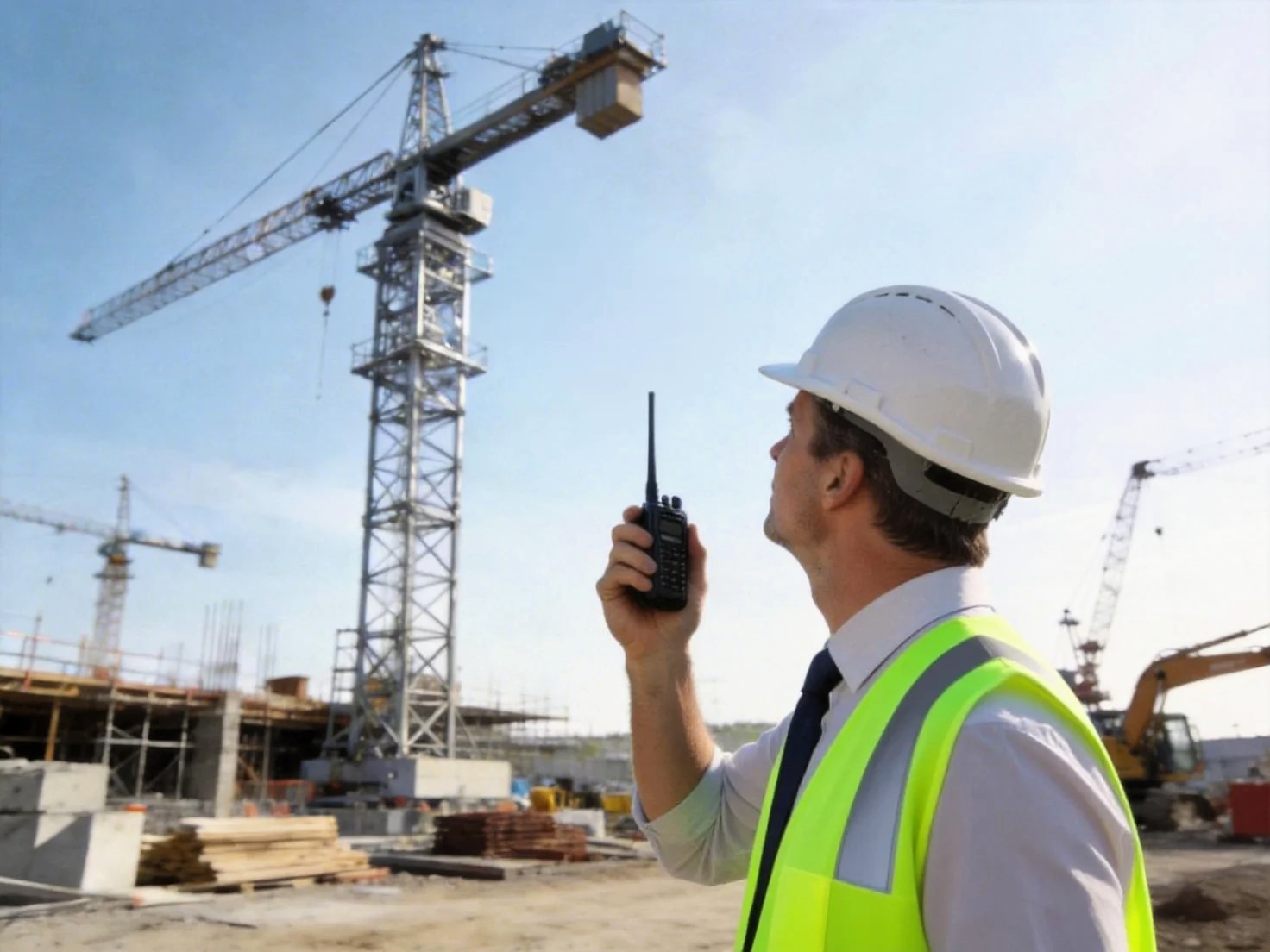
Construction sites are rarely quiet. Excavators, concrete mixers, cranes, drills, generators, and heavy vehicles can make normal conversation difficult, especially when several crews are working at the same time.
For site managers, the problem is not simply noise. It is whether workers can hear, understand, and respond to critical instructions when the jobsite is at its loudest.
So, what is the best device to cancel out construction noise? In most cases, a professional two-way radio with effective noise reduction, clear audio, reliable coverage, and rugged protection is a more practical choice than trying to eliminate the noise itself.
What Makes a Two-Way Radio Suitable for Construction Noise?
The best two-way radios for construction sites need to handle more than basic voice transmission. Four factors matter most.
1. Clear Audio and Noise Reduction
Construction equipment can easily overpower a radio's speaker. A radio designed for industrial environments should combine noise reduction, microphone performance, and strong speaker output to keep speech understandable.
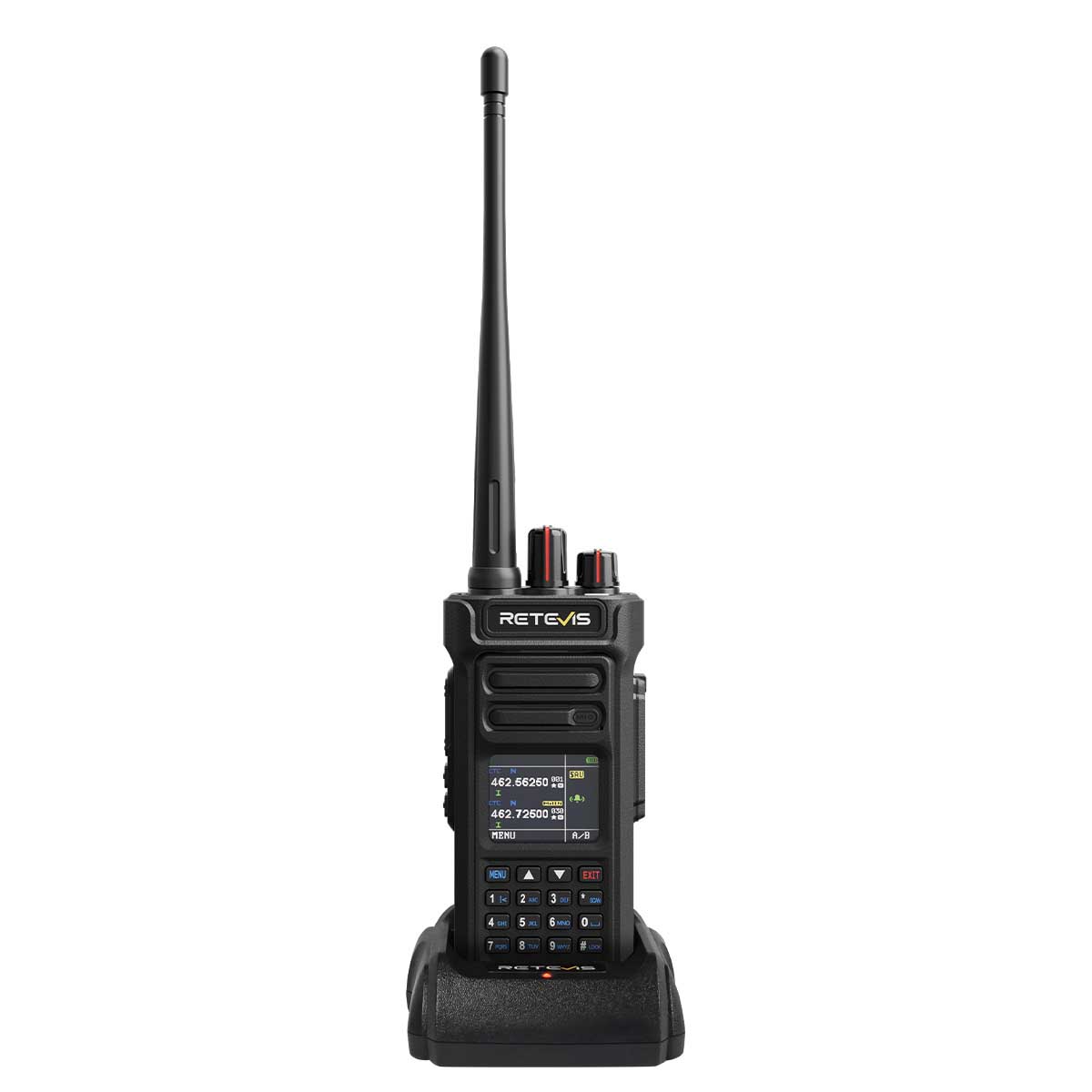
For particularly loud areas, technologies such as AI-assisted noise cancellation can help separate speech from machinery and environmental noise. A radio such as the [Retevis RB48 Pro] can be considered when clear communication is a priority in demanding work environments.
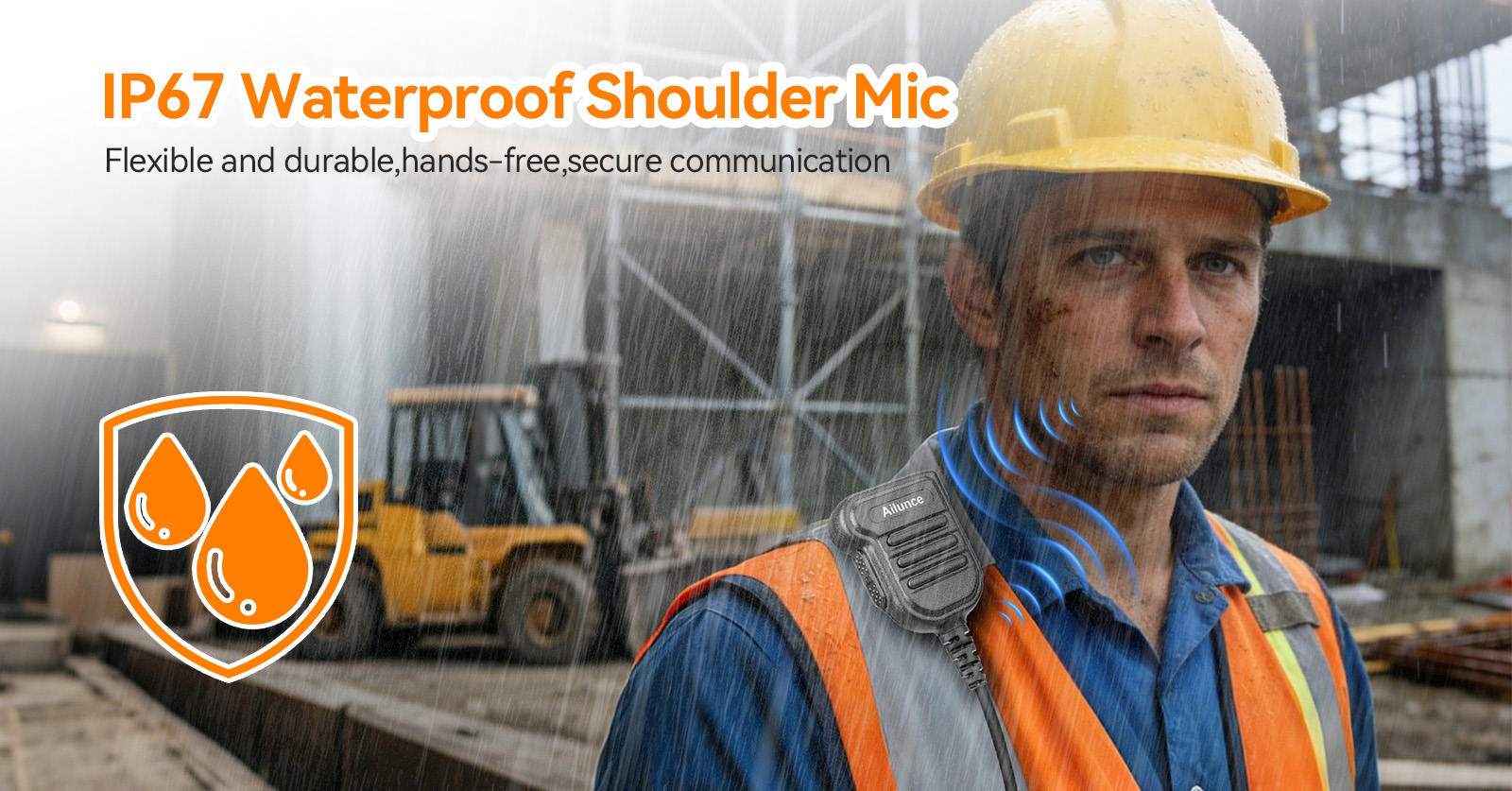
For workers who operate machinery or spend most of their shift close to heavy equipment, a radio earpiece with mic can provide another layer of communication clarity by keeping audio closer to the user's ear.
2. Reliable Coverage, Not Just Advertised Range
Range is one of the most common concerns when choosing two-way radios with high range for construction. However, the advertised maximum distance is rarely the distance a radio will achieve on an actual jobsite.
Concrete walls, steel structures, underground areas, elevation changes, terrain, and radio interference can all reduce coverage.
For this reason, choosing between UHF and VHF radios for construction should depend on the work environment:
-
UHF: Generally well suited to buildings, high-rise construction, urban sites, and indoor work.
-
VHF: Often useful for larger outdoor and open-area projects.
-
UHF/VHF systems: Useful when projects involve different working environments.
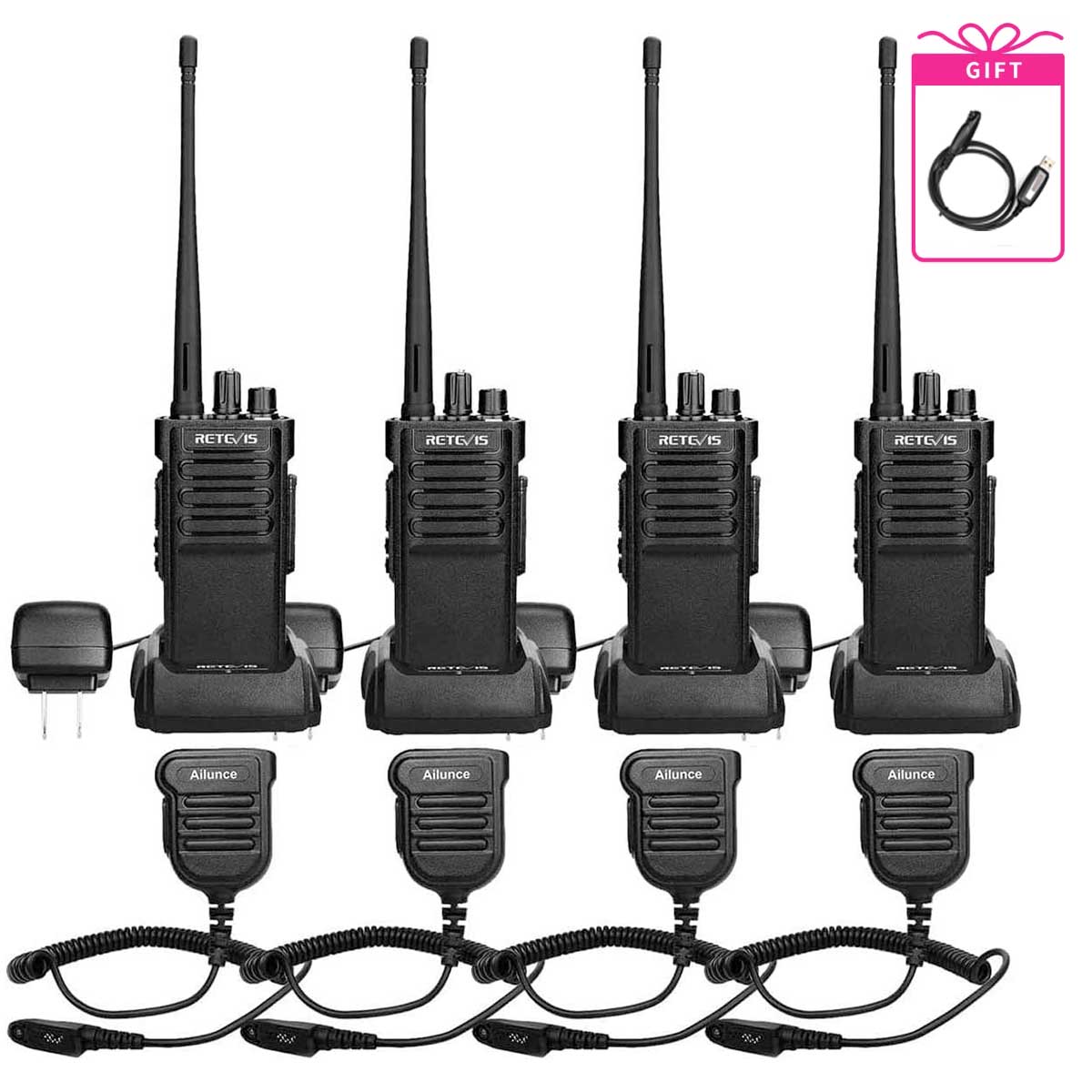
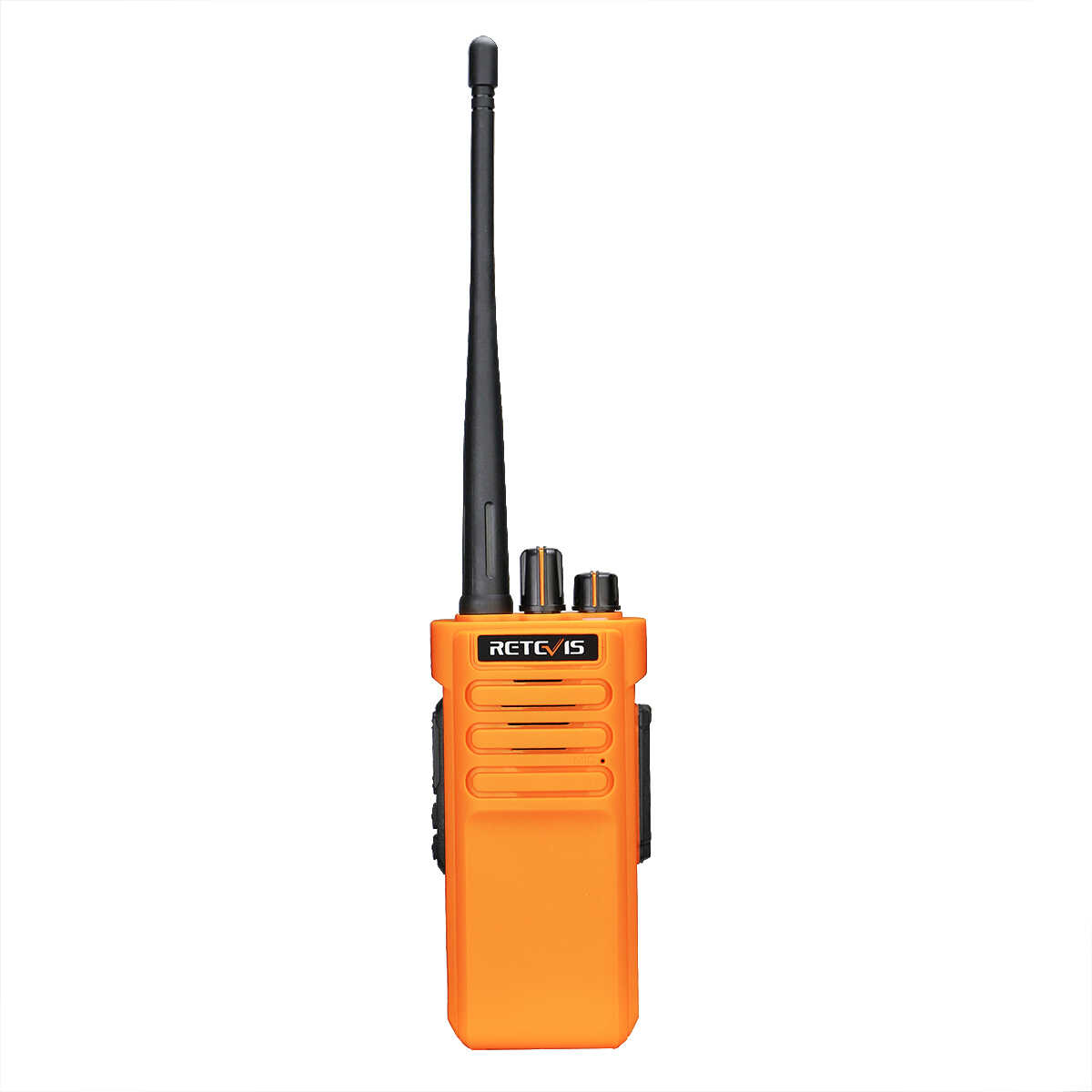
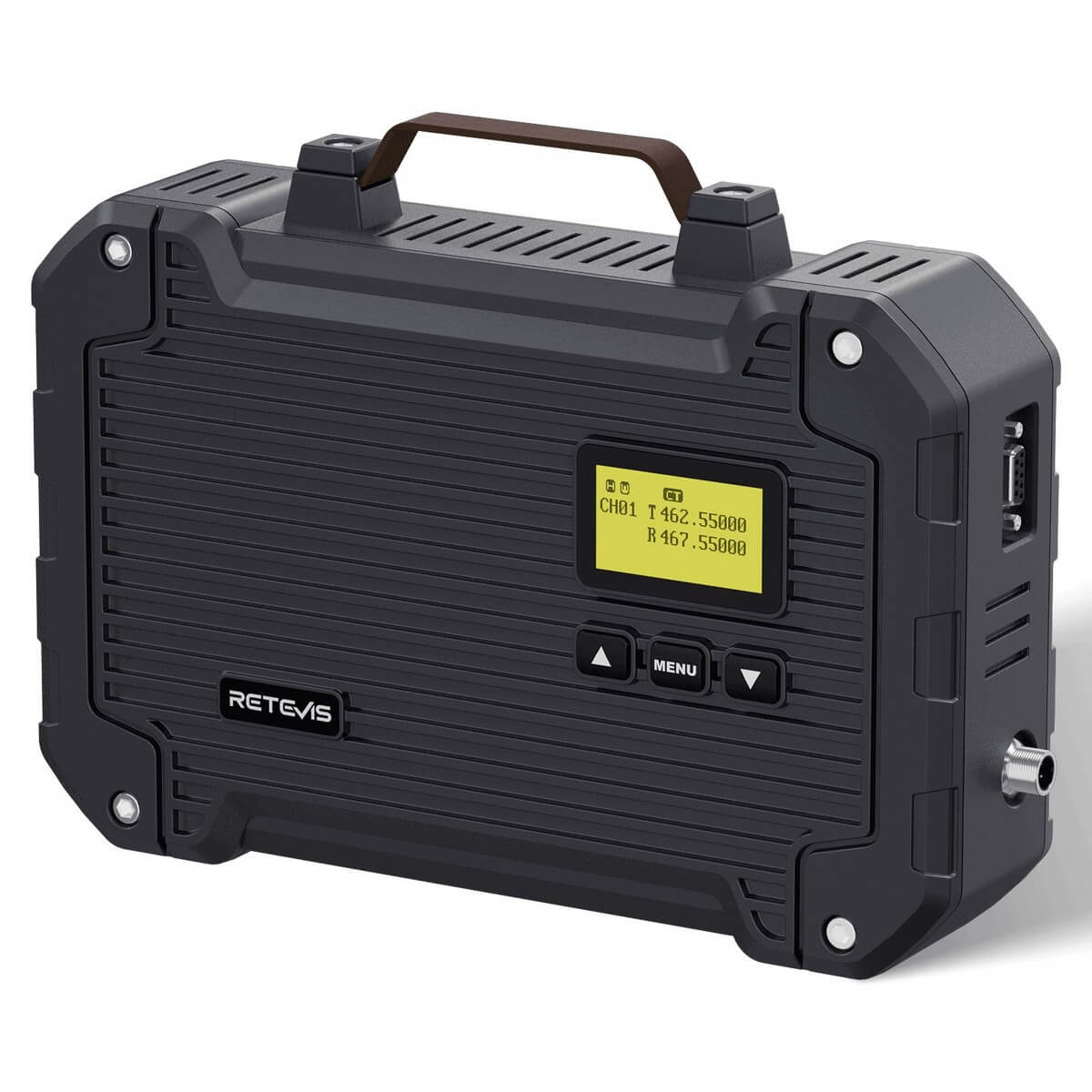
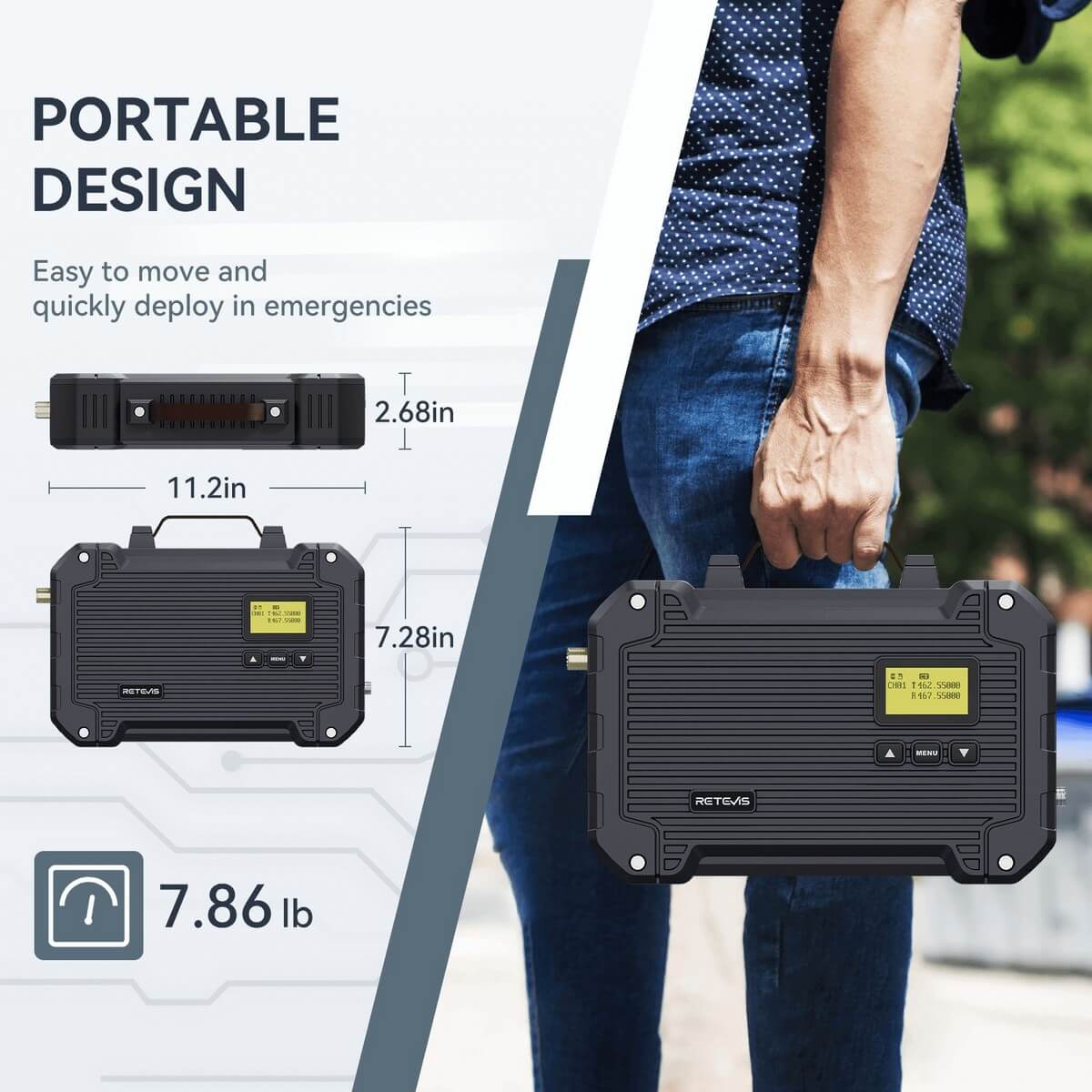
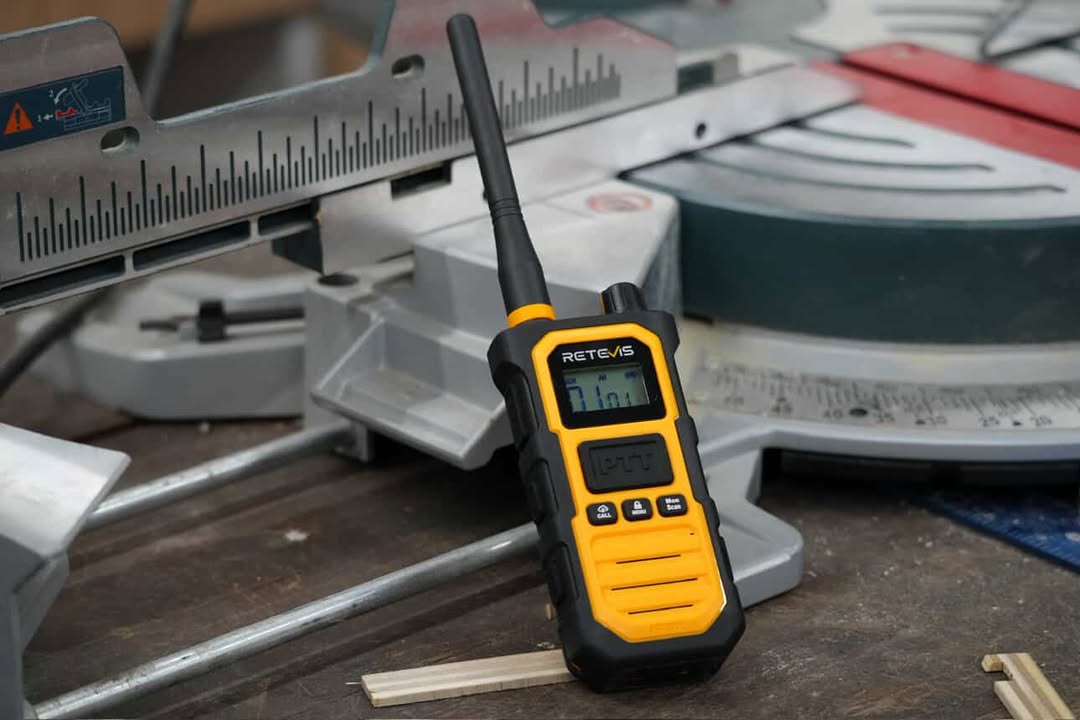
For example, a rugged handheld such as the Retevis RT29 can provide a practical option for everyday construction communication, while a repeater such as the Retevis RT97L can help extend coverage when a larger site or complex building layout creates communication gaps.
3. Waterproof, Dustproof, and Rugged Construction
Construction radios are exposed to conditions that ordinary consumer electronics were never designed to tolerate.
Dust from concrete and cutting operations, rain, mud, accidental drops, and constant movement can shorten the life of poorly protected equipment.
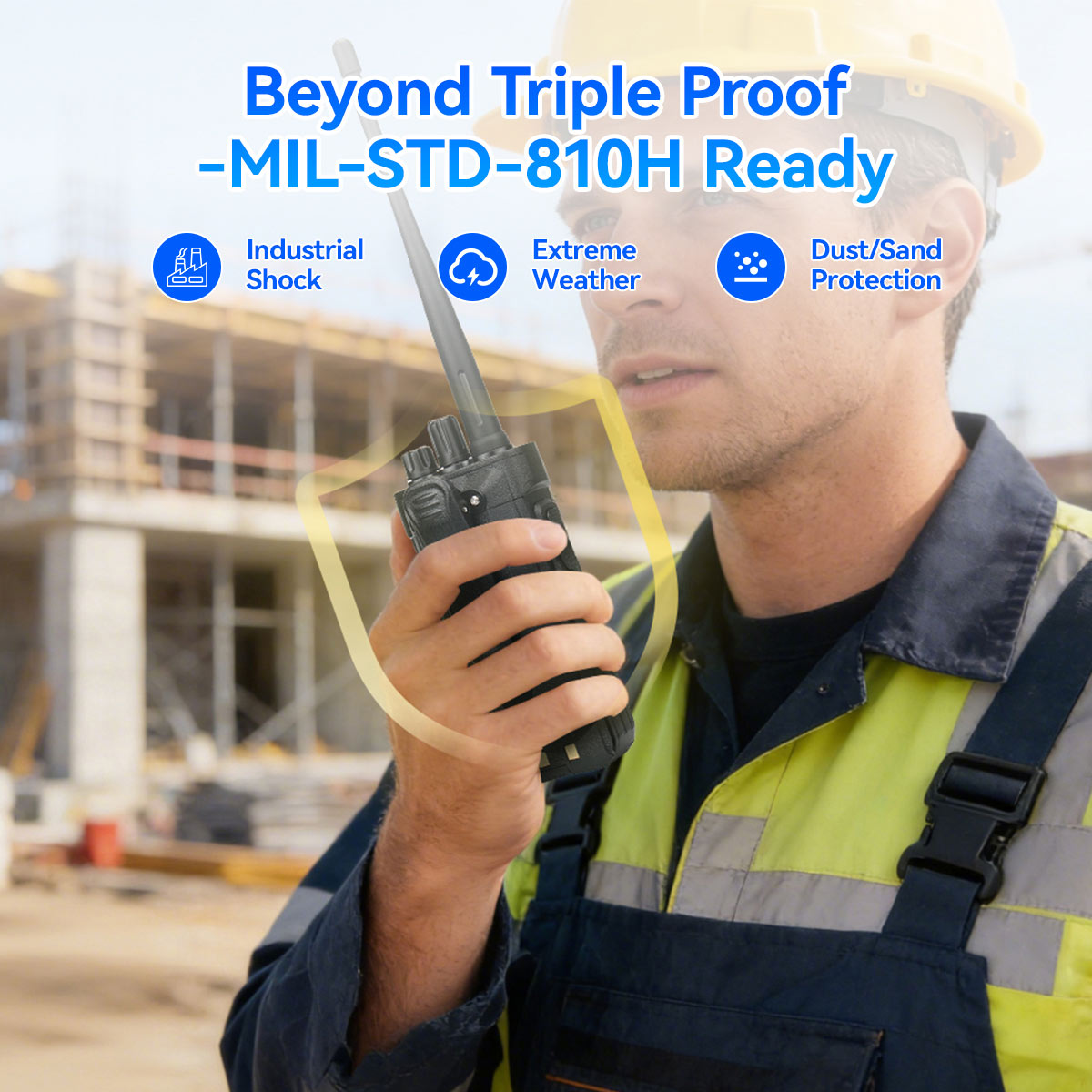
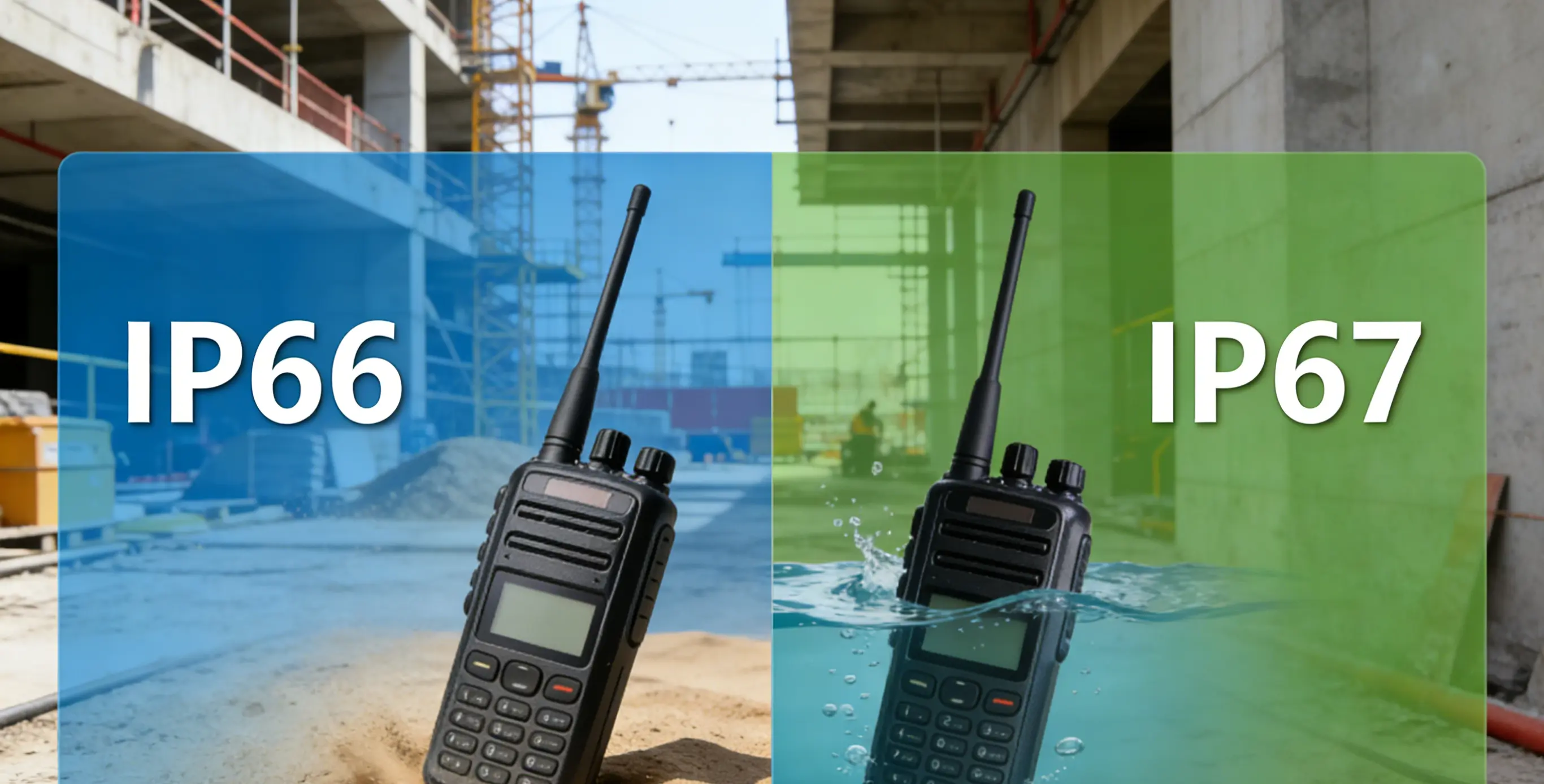
Look for waterproof construction radios, dust resistance, impact protection, and an appropriate IP rating when evaluating a rugged portable radio for construction work.
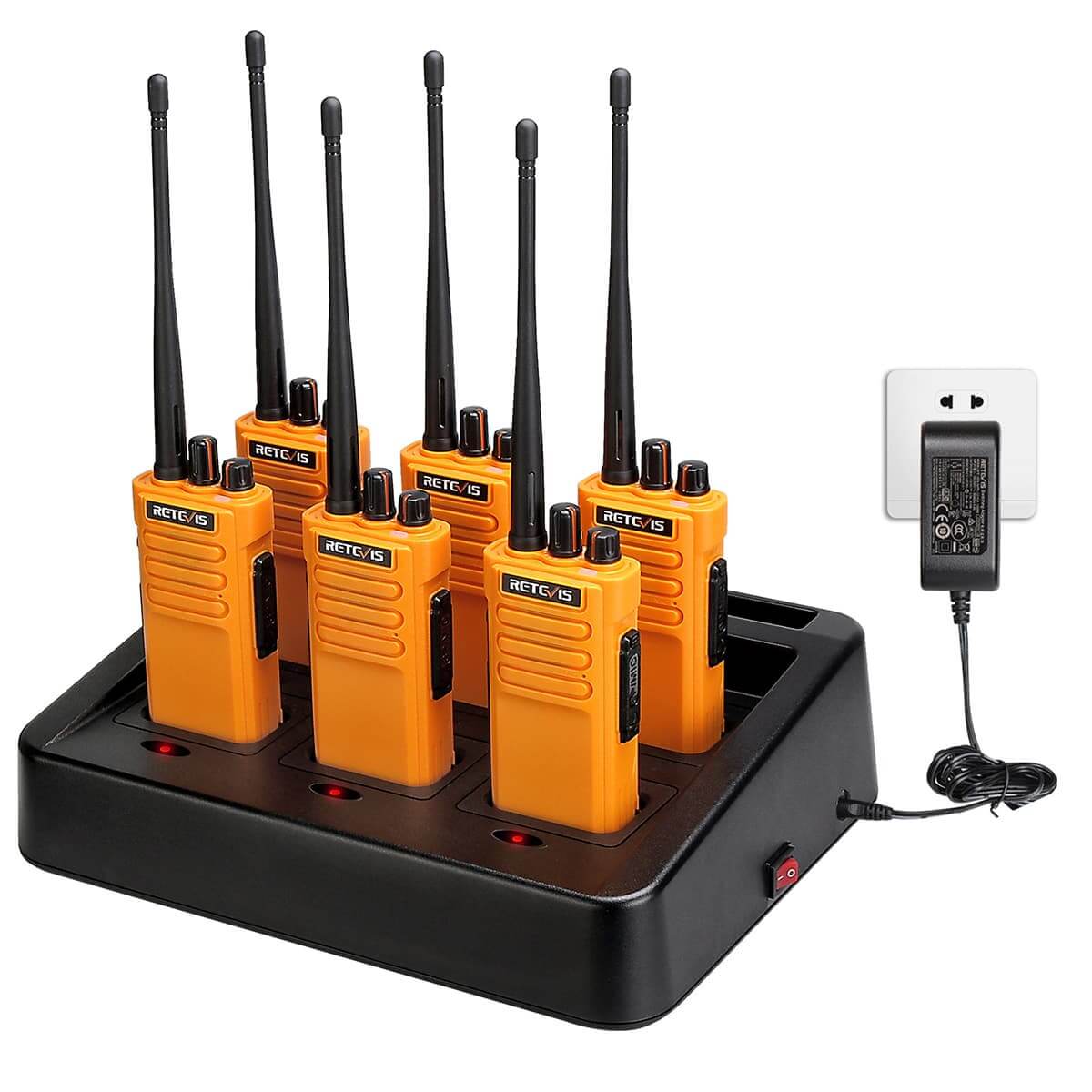
For example, IP67-rated options such as the Retevis RB48 series are designed with demanding work environments in mind. This matters because replacing radios repeatedly can cost more than investing in equipment built for the job from the beginning.
4. Battery Life for Long Shifts
Construction teams may work eight-, ten-, or twelve-hour shifts, sometimes across multiple crews. A radio that requires frequent charging can quickly become a communication problem.
When comparing the best radios for long-shift industrial teams, consider:
-
Battery capacity
-
Actual operating time
-
Charging availability
-
Spare battery requirements
-
Multi-unit charging options
Long battery life is particularly important for supervisors, safety personnel, equipment operators, and workers who cannot easily return to a charging station.
Which Radio Setup Fits Your Construction Site?
There is no single best jobsite radio for every project. The right setup depends on site size, building structure, noise level, and the number of workers.
| Construction Environment | Practical Radio Approach |
|---|---|
| Small or medium site | Rugged handheld two-way radios |
| High-rise construction | UHF radios with planned coverage |
| Large outdoor project | VHF or high-power radio options |
| Large or complex site | Handheld radios + repeater |
| High-noise work area | Noise-reduction radio + earpiece |
For everyday construction site communication, a rugged handheld radio may be enough. As the project becomes larger or more complex, a complete construction radio system can provide more consistent coverage.
When Should a Construction Site Use a Repeater?
A common mistake is assuming that increasing radio power will automatically solve every coverage problem.
It will not.
A repeater can be more useful when workers need to communicate across multiple floors, large work zones, underground areas, or locations separated by significant obstacles.
A setup combining handheld construction site two-way radios with a repeater can provide a more scalable approach than relying on maximum handheld range alone.
This is particularly relevant for high-rise construction, infrastructure projects, industrial facilities, and large commercial sites.
How to Choose the Right Construction Two-Way Radio
Before purchasing wireless two-way radios for construction, evaluate the actual working environment rather than choosing based on one specification.
Use this checklist:
Noise: Can workers understand speech beside operating machinery?
Coverage: Does the radio cover the actual work area?
Frequency: Is UHF or VHF more appropriate for the site?
Durability: Can it withstand dust, rain, drops, and daily use?
Battery: Can it support a full shift?
Safety: Are emergency or alert functions useful for the job?
Accessories: Would an earpiece, microphone, or other handheld radio accessories improve usability?
Scalability: Will the system still work as the project expands?
The best construction radio solutions are not necessarily the radios with the longest advertised range or the most features. They are the systems that remain clear, reliable, durable, and practical under real jobsite conditions.
FAQ
What is the best device to cancel out construction noise?
A professional noise-reduction two-way radio, combined with the right audio accessory when necessary, is one of the most practical communication solutions for noisy construction environments.
What are the best two-way radios for construction sites?
The best radios for construction should provide clear audio, reliable coverage, rugged protection, long battery life, and features suited to the site's working conditions.
Are UHF or VHF radios better for construction?
UHF is generally suitable for indoor and multi-level construction, while VHF can be advantageous for larger open areas. The best choice depends on the site's structure and coverage requirements.
How far can construction two-way radios communicate?
There is no universal range. Buildings, terrain, interference, antenna position, radio power, and repeater deployment can significantly affect real-world coverage. A properly planned professional wireless radio-communication system is often more important than the maximum range printed on the box.



 Google
 Amazon
Comments
No data Yet