

Table of Contents
How to Choose the Best Two-Way Radios for Manufacturing Facilities
- Posted by:Retevis
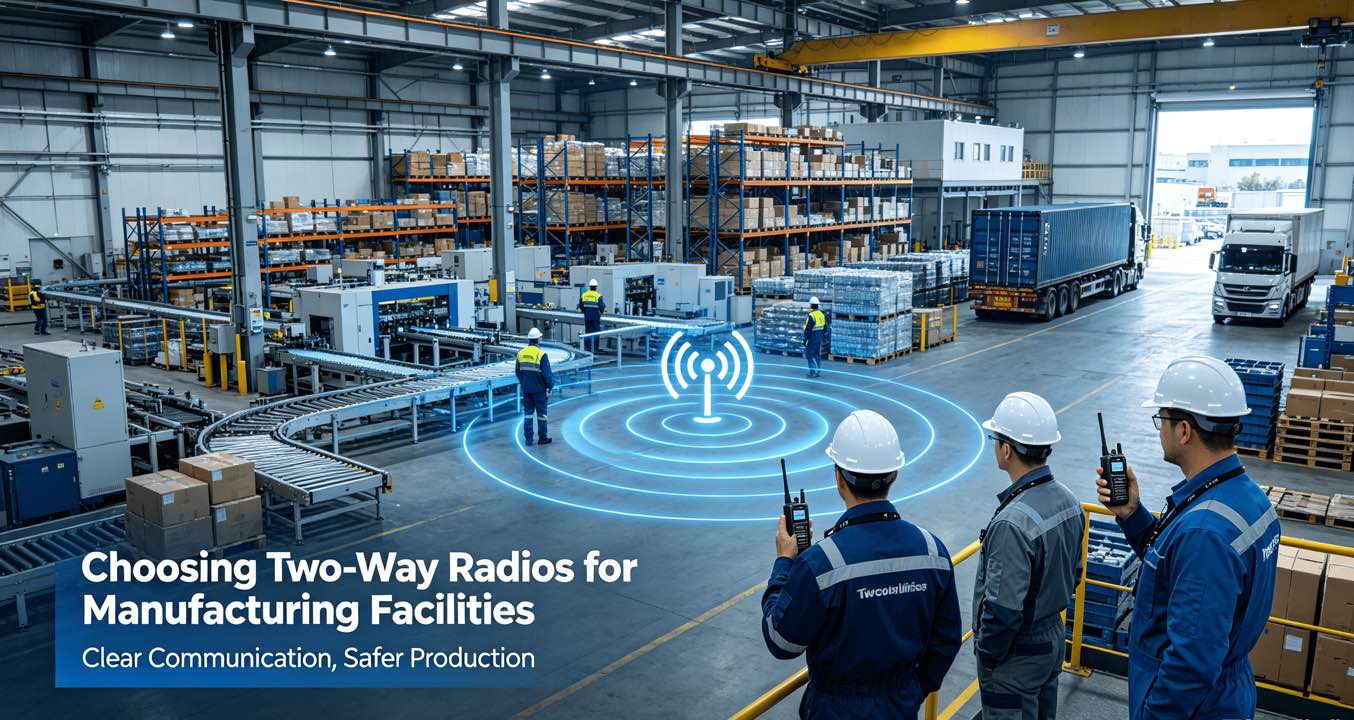
Good communication keeps a factory running. It helps teams move faster, solve problems sooner, and stay safer at work. In many plants, workers are spread across production lines, warehouses, loading areas, and outdoor spaces. When messages are slow or unclear, delays happen. Production can stop. Mistakes can grow. Safety risks can increase.
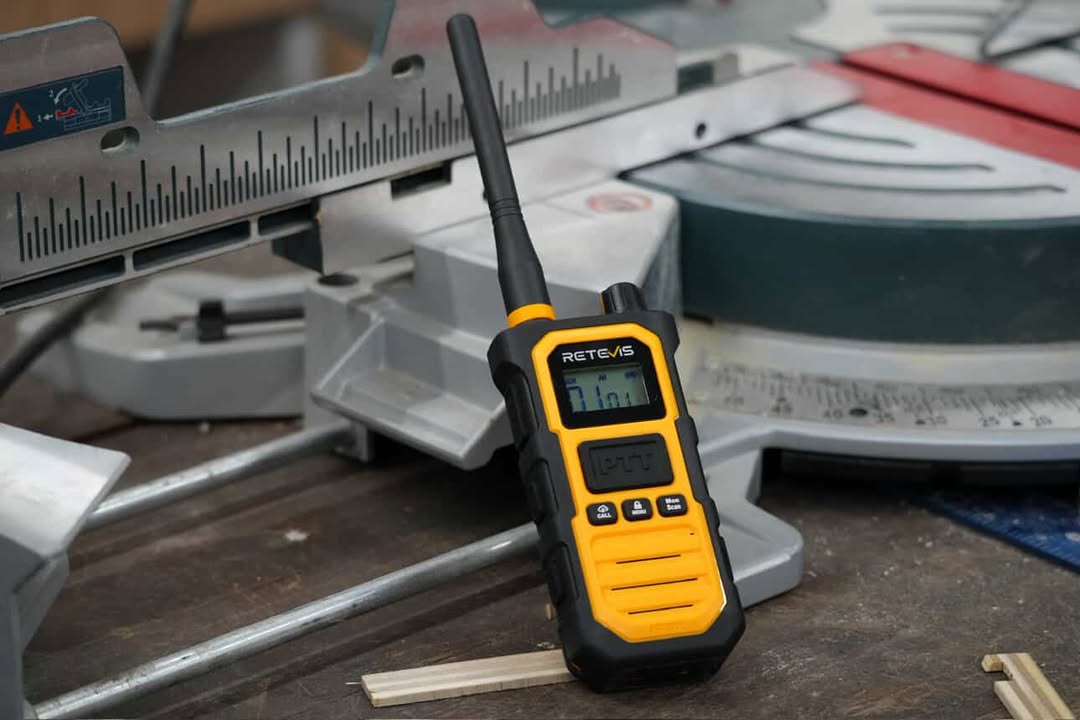
That is why many companies still choose the best two way radios for manufacturing facilities as part of their manufacturing communication systems. Unlike consumer devices, two way radios for manufacturing are built for fast, simple use in busy industrial settings. They support clear plant communications and help teams stay connected during the workday.
If you are looking for a better way to support production floor communication, this guide will show you what to look for and how to choose the right radios for your site.
1. Why Two-Way Radios Matter in Manufacturing Facilities
Manufacturing sites are often loud, large, and busy. Teams work in different areas and need to stay connected all day. Common challenges include:
- High machine noise
- Large work areas
- Many departments
- Indoor and outdoor work zones
- Fast daily workflows
In these conditions, communication problems can hurt both safety and output. If maintenance does not get a message in time, a line may stop. If a warehouse team misses an update, shipping may slow down. If a worker cannot report a hazard fast, the risk can grow.
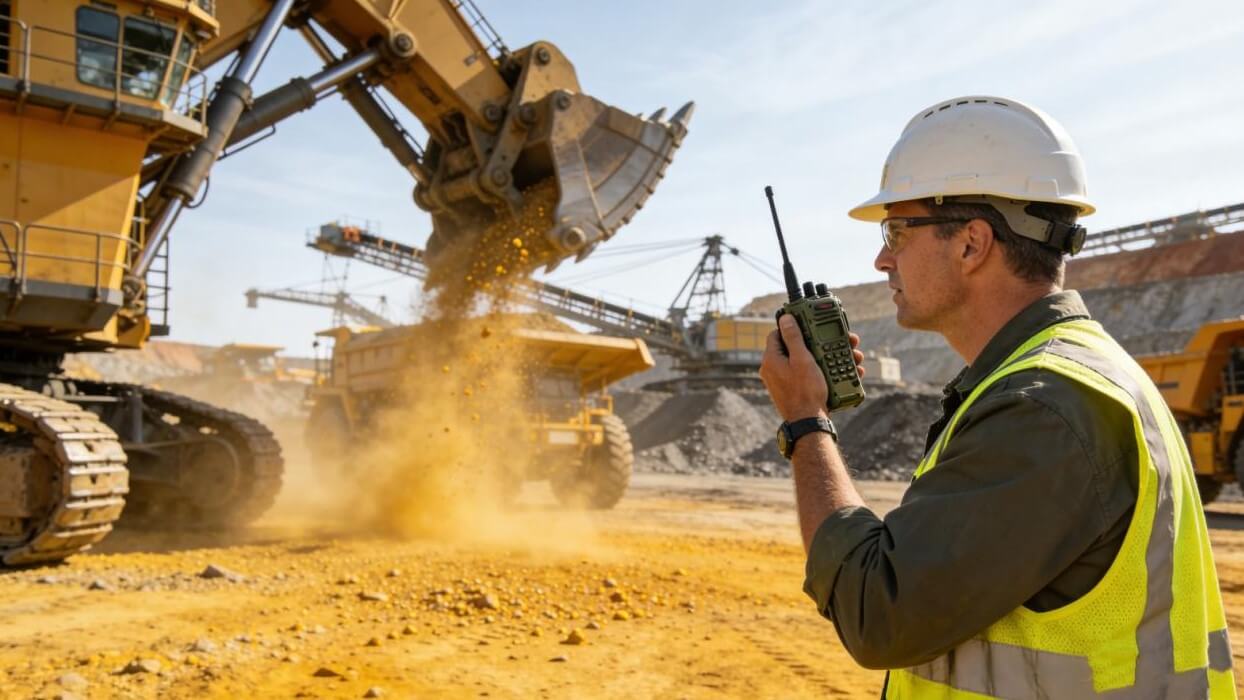
This is why manufacturing two way radios still matter. They give workers instant push-to-talk contact across the site. That helps teams act faster and work together more smoothly.
They also support better production floor communication. On a busy floor, workers need short, clear messages. Radios do that well. Compared with many other workplace communication tools, radios are simple, direct, and easy to use.
Key takeaway: The right radio system helps teams communicate faster, work safer, and reduce delays.
2. Why Two-Way Radios Work Better Than Phones on the Factory Floor
Some companies ask, “Why not just use phones?” Phones can help in some cases, but they are often not the best fit for factory work.
Instant push-to-talk
With a radio, a worker presses one button and speaks. There is no need to unlock a screen, open an app, dial a number, or wait for someone to answer. This saves time.
Group communication
A radio can reach one person or a whole team at once. This helps supervisors, warehouse teams, and maintenance crews share updates fast.
Hands-free use
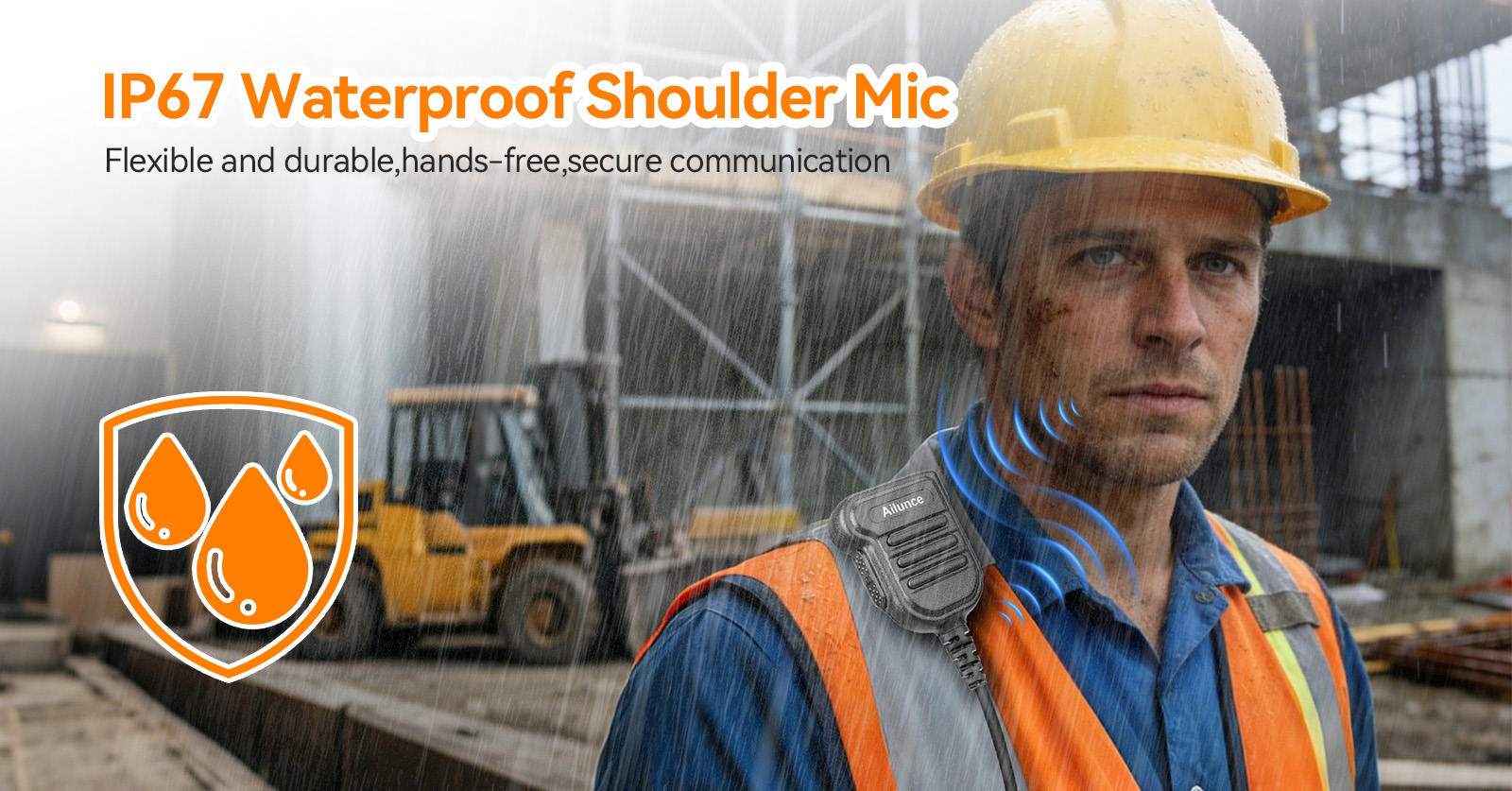
Many manufacturing walkie talkies work with headsets, earpieces, and speaker microphones. This helps workers talk while using tools, driving equipment, or wearing gloves and PPE.
Better for daily factory work
Factory communication is usually short and frequent. Radios fit this style better than phones. Workers need quick access, not extra steps.
More reliable for work use
Radios are made for work communication. Teams do not need to rely on personal phones or sort through calls, texts, and app alerts.
Key takeaway: For fast and clear plant communications, radios are often easier and more efficient than phones.
3. What Features Should You Look for in Manufacturing Two-Way Radios?
When you compare the best two way radios for manufacturing facilities, focus on the features that match your real work environment.
Clear audio for noisy environments
Factories are noisy. Machines, fans, conveyors, and tools can make speech hard to hear. That is why two way radios for noisy environments are so important. Look for strong speaker volume, clear voice quality, and noise reduction if needed.
Reliable coverage
Your radios should work everywhere your team works. That may include production floors, warehouses, loading areas, maintenance rooms, and outdoor yards. If you need long range two way radios for factories, remember that metal racks, concrete walls, and machines can lower real range.
Rugged and durable design
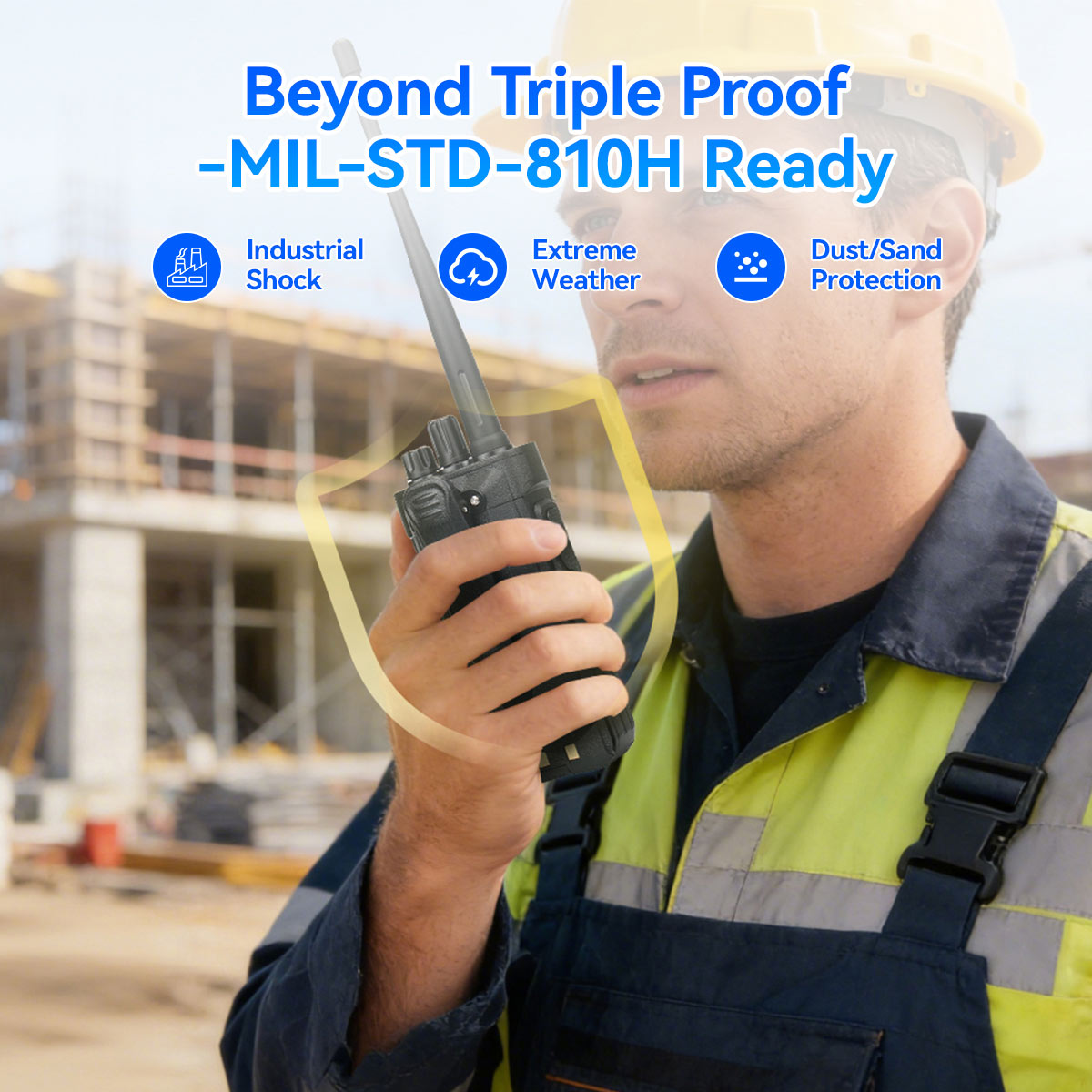
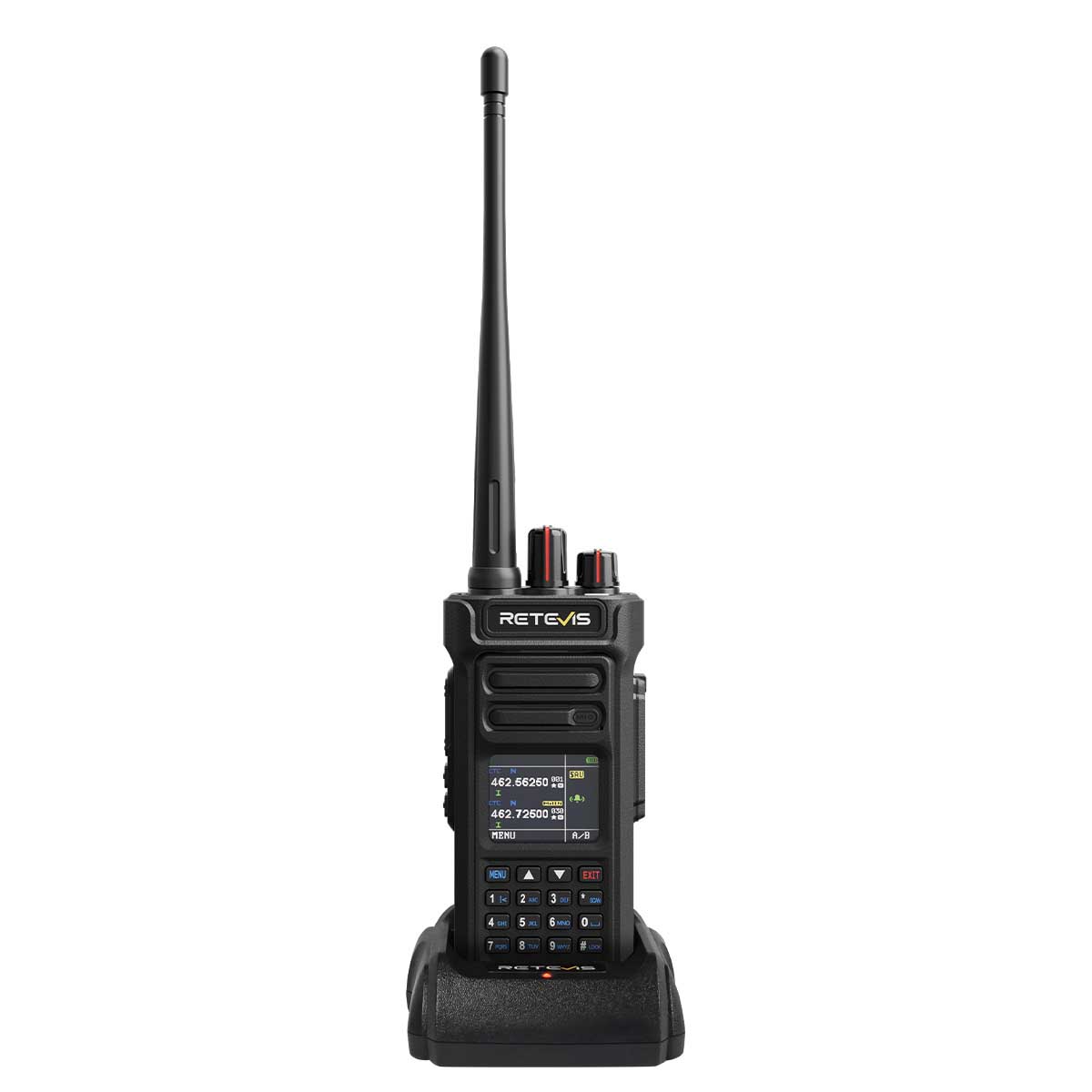
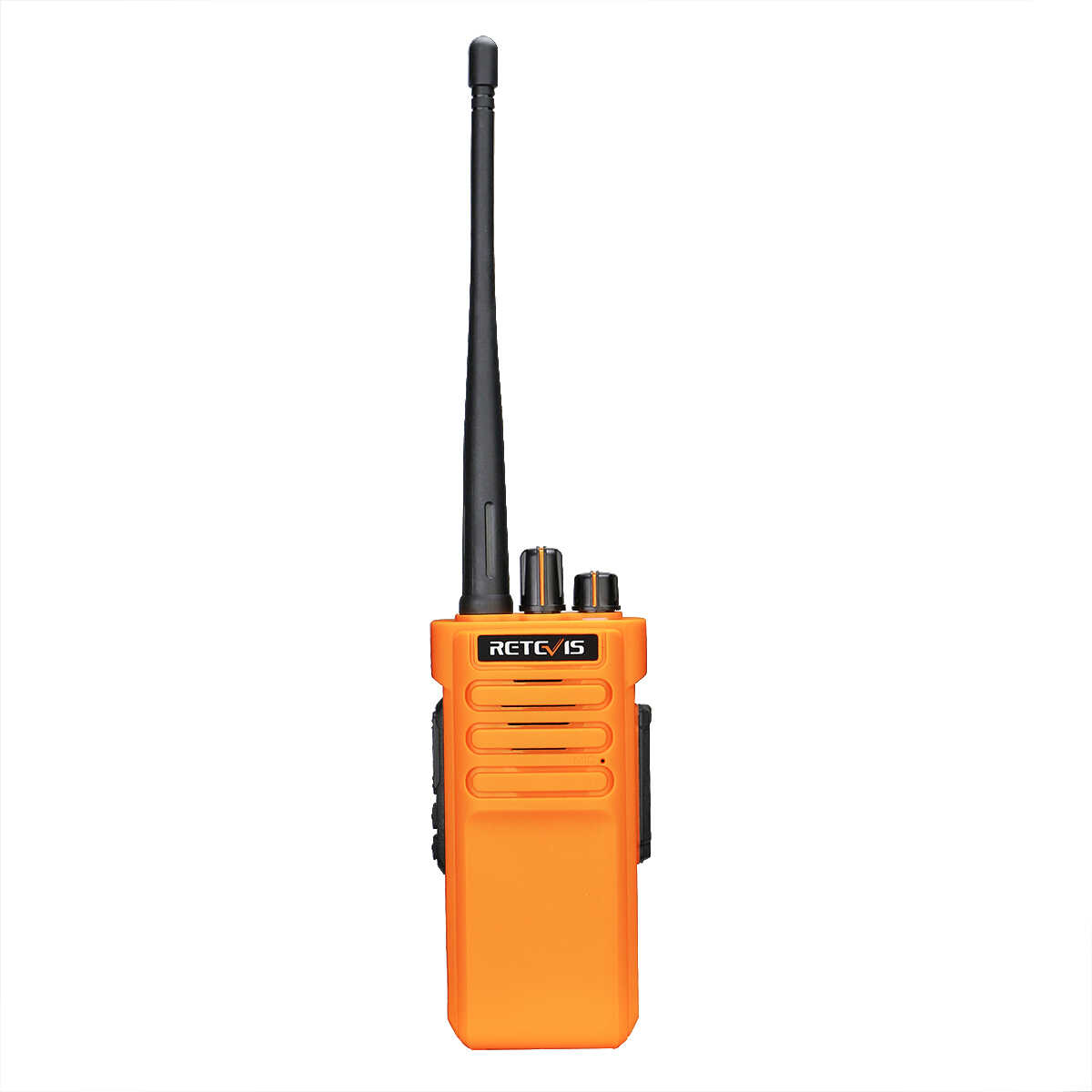
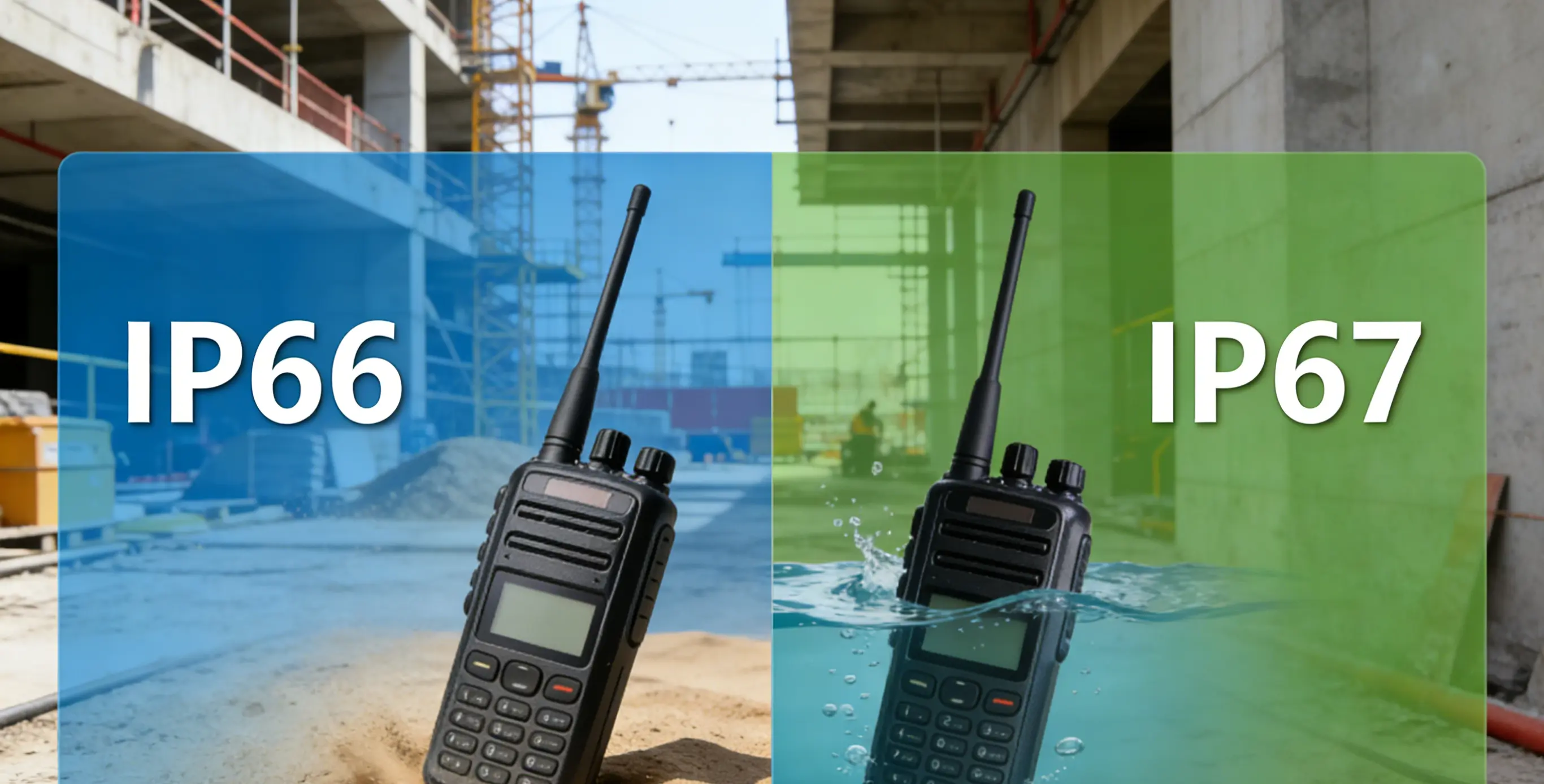
Factory radios often get dropped or used in dusty or damp areas. Rugged two way radios for manufacturing are a better choice than basic consumer models. Choose a radio with a strong body and the right protection for your site.
Long battery life
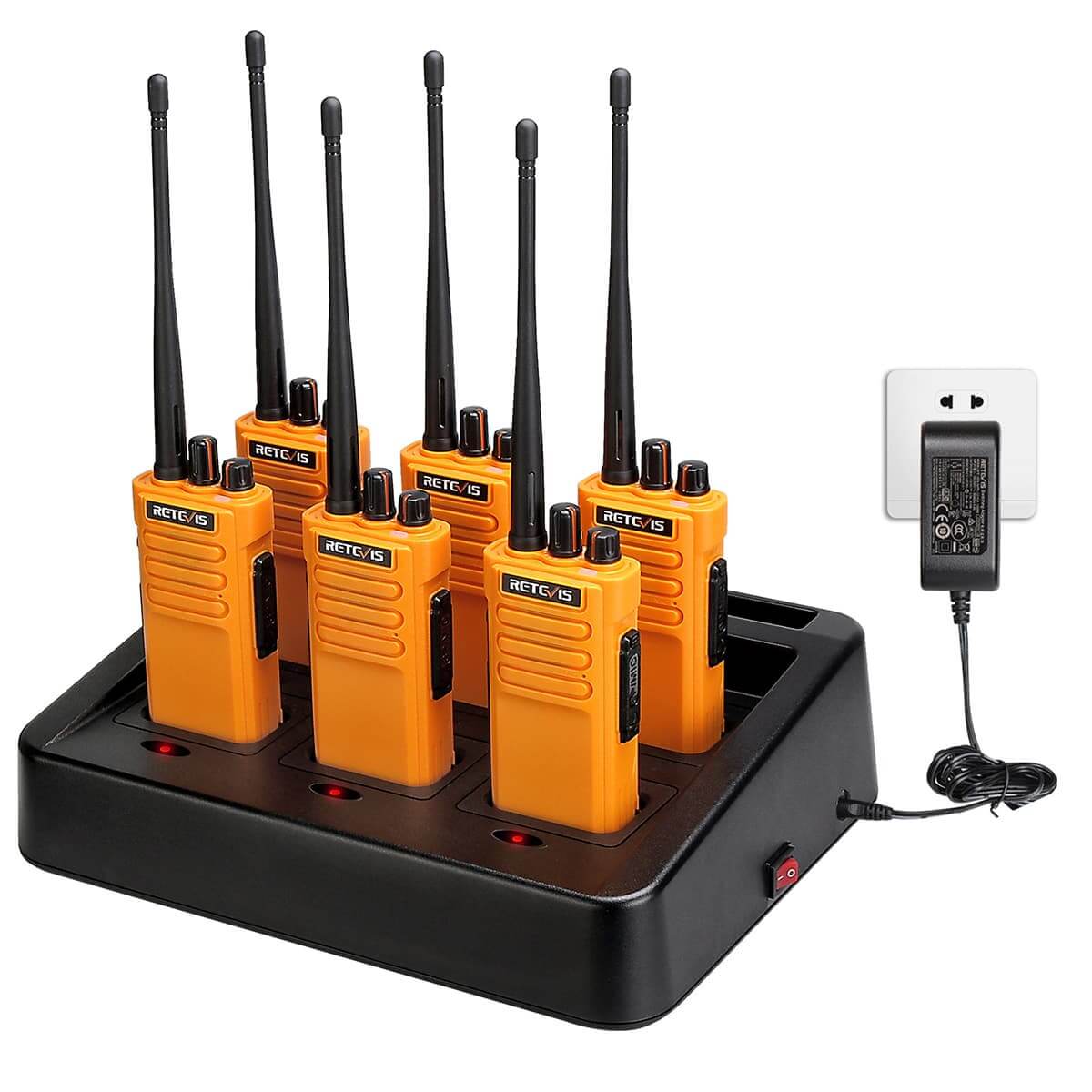
A radio should last through the full shift. If you run long shifts or more than one shift, battery life matters even more. Spare batteries and charging stations can help large teams stay ready.
Easy to use
Workers need radios that are simple. The push-to-talk button should be easy to press. Controls should be easy to understand. The radio should also work well for people wearing gloves or safety gear.
Emergency features
Some radios include emergency alert functions. These can help during injuries, machine problems, or other urgent events.
Helpful accessories
Accessories can make radios easier to use. Common options include:
- Earpieces
- Headsets
- Speaker microphones
- Spare batteries
- Multi-unit chargers
These options can make radios for factory workers more useful in different job roles.
Key takeaway: The best radio is not the one with the most features. It is the one that fits your factory’s real needs.
4. How to Choose the Right Radios for Your Manufacturing Facility
The best way to choose a radio system is to start with your site, your people, and your daily work.
Look at facility size and layout
A small site may only need basic coverage. A large plant may need a stronger setup. If your site has more than one floor, more than one building, or both indoor and outdoor areas, coverage becomes more important.
Check the work environment
Think about the conditions where people will use the radios:
- Noise level
- Dust and debris
- Water exposure
- Indoor or outdoor use
- Concrete walls and metal structures
These factors affect the type of radio you need.
Know who needs to talk
Different teams may use the radios in different ways. Common users include:
- Production workers
- Maintenance teams
- Warehouse and logistics staff
- Supervisors
- Security or emergency teams
Some sites need one shared system. Others need separate channels for different groups.
Measure coverage needs
Do not trust advertised range alone. Real factory range is often shorter. Test radios on site if you can. If your site is large or complex, you may need a repeater or larger manufacturing communication systems setup.
Match battery life to shifts
Think about how long the radios must work each day. Standard shifts, long shifts, and multi-shift use all need different battery plans.
Plan for growth
Do not only buy for today. Think about future users, new departments, and building growth. A system that can grow with you will save time and money later.
Key takeaway: Start with the real needs of your facility, not just product specs.
5. Analog vs. Digital Two-Way Radios: Which Is Better for Manufacturing?
This is a common question when buyers compare industrial two way radios.
Analog radios
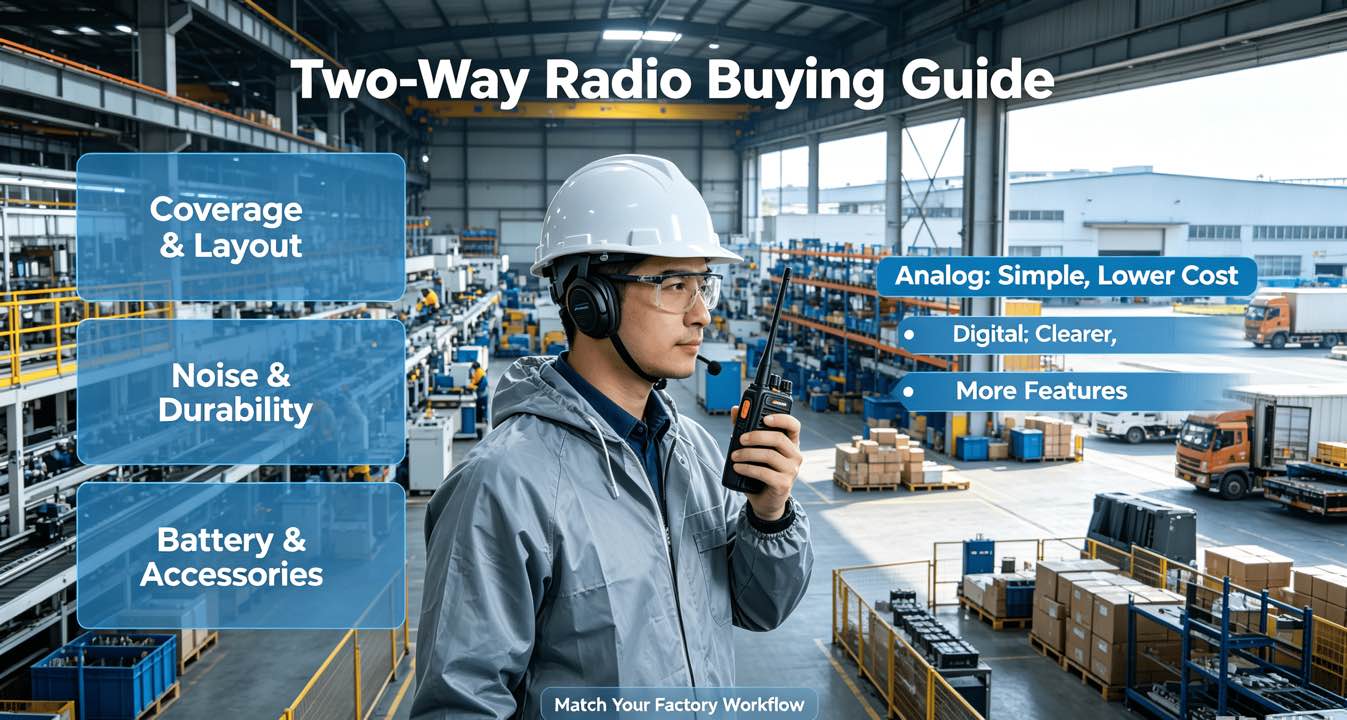
Analog radios are simple and often cost less at the start. They work well for small teams or sites with basic communication needs.
Digital radios
Digital radios often give clearer sound and more features. They can also use channels more efficiently. They are often a better fit for large plants or more complex communication needs.
Which one should you choose?
Think about:
- Facility size
- Team size
- Communication needs
- Budget
- Future growth
There is no one best choice for every factory. The right radio depends on how your team works and what your site needs.
Key takeaway: Choose the system that fits your work, your budget, and your plans.
 6. Manufacturing Two-Way Radio Buying Checklist
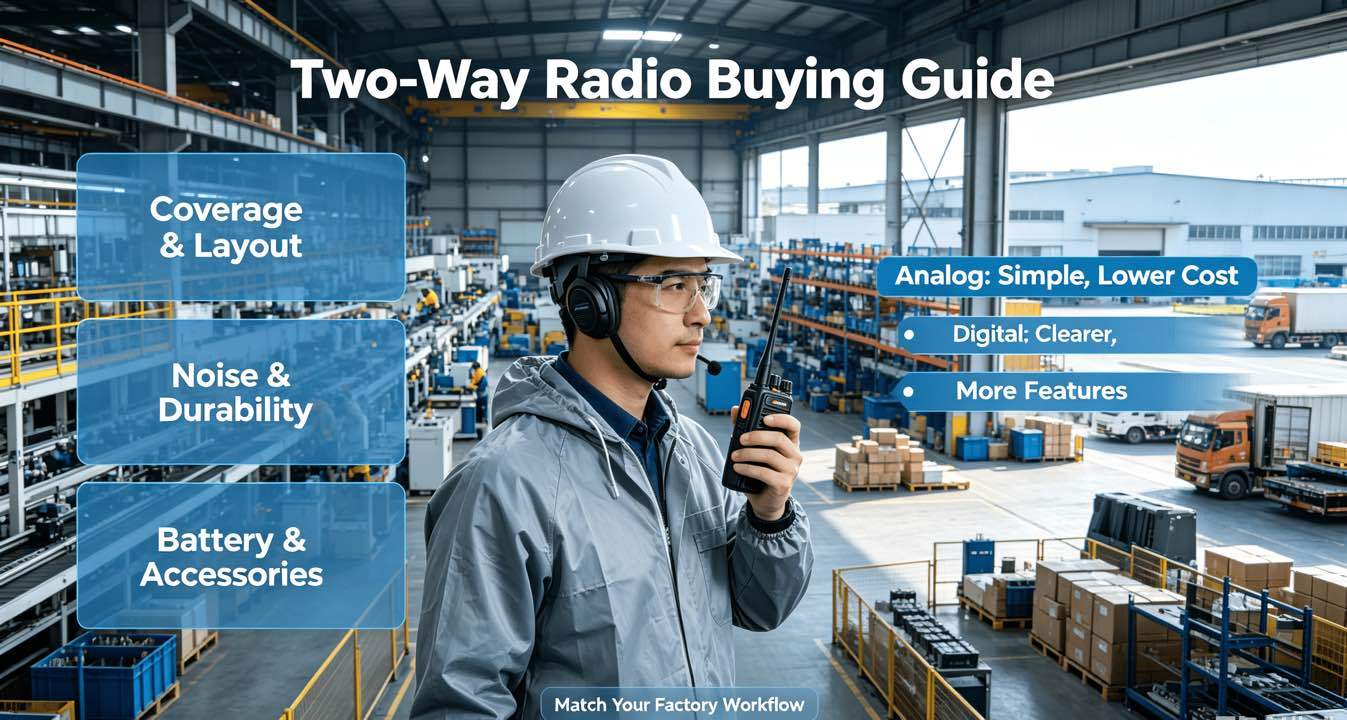
Before you buy, avoid these common mistakes:
- Choosing only by price
- Trusting advertised range without testing
- Ignoring factory noise
- Underestimating battery needs
- Forgetting accessories
- Picking a system that cannot grow
Conclusion
The best two way radios for manufacturing facilities should match real work conditions. Focus on clear audio, strong coverage, durability, battery life, ease of use, and room to grow. A good system can improve plant communications, support production floor communication, and help teams work faster and safer.
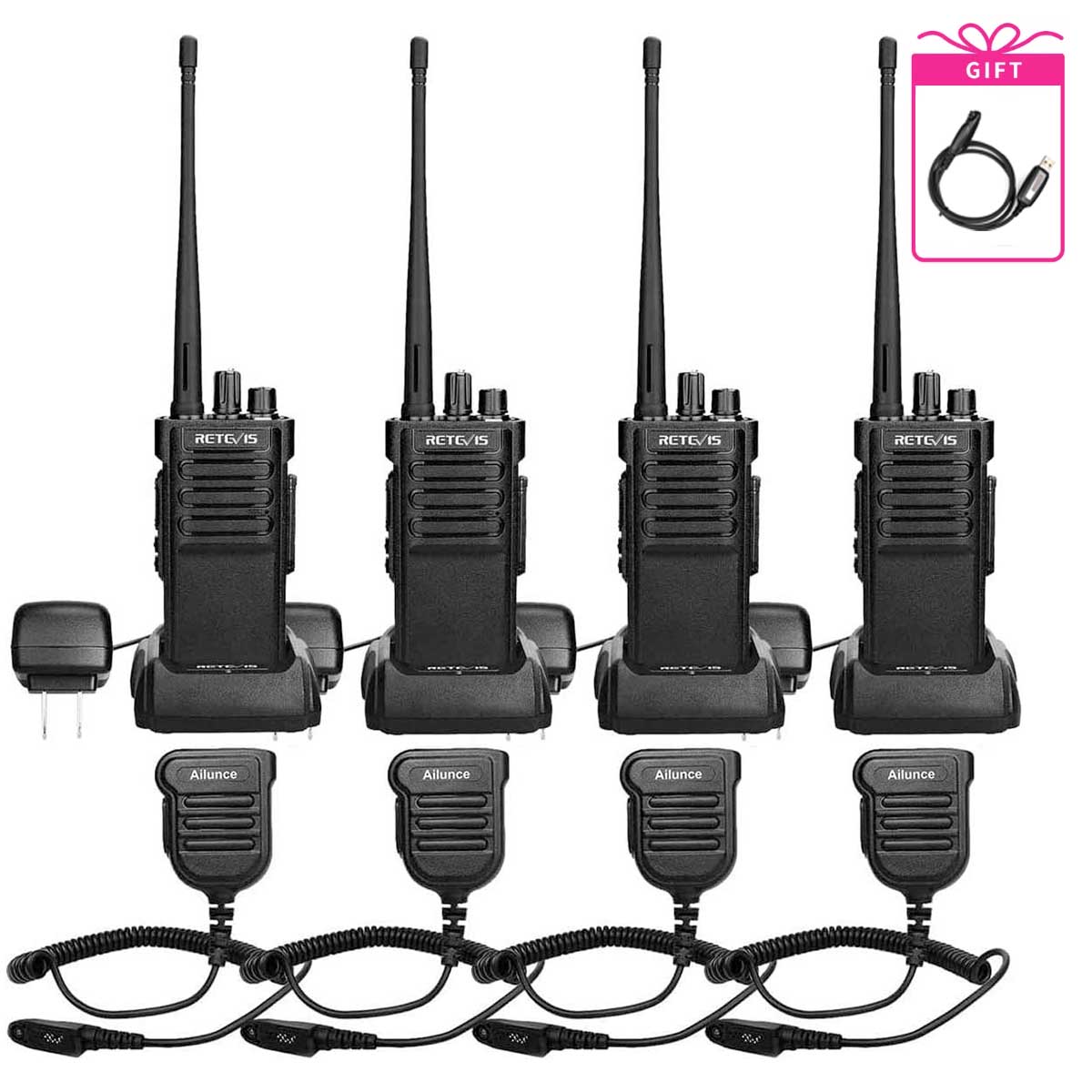
If you need two way radios for manufacturing, want better workplace communication tools, or are comparing radios for factory workers, explore Retevis business radio solutions or contact the team for help choosing the right fit for your site.




 Google
 Amazon
Comments
No data Yet