

Table of Contents
National Tradesmen Day: Why This Day Deserves More Attention
- Posted by:Retevis
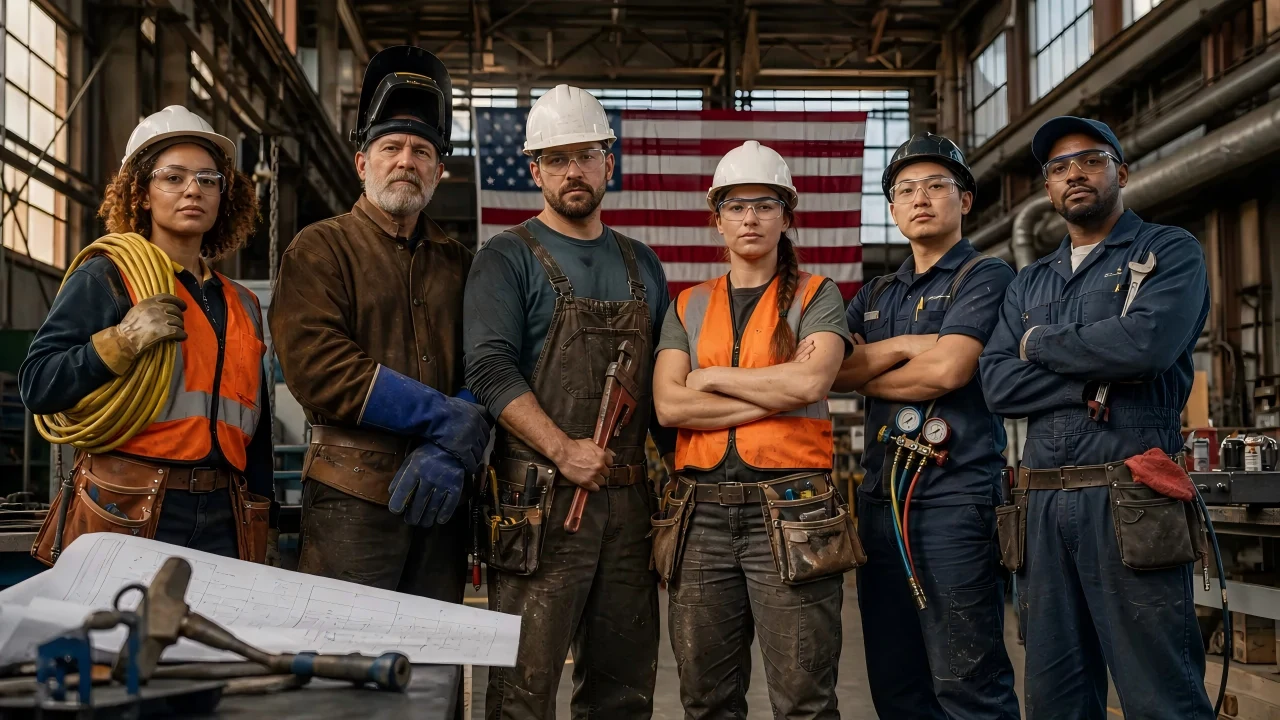
National Tradesmen Day is one of those dates that many people have heard of, but not everyone fully understands. It is a day set aside to recognize tradespeople and the essential work they do every day.
But recognizing tradesmen should mean more than simply saying “thank you.” It is also an opportunity to understand the challenges they face at work.
What Is National Tradesmen Day?
The Origin of the Holiday
National Tradesmen Day falls on the third Friday of every September. It was first launched in 2011 by IRWIN Tools, a leading hand tool brand, in response to a widespread feeling among trades workers that their work was undervalued and unseen by the general public. At the time, industry surveys found that nearly 70% of skilled tradespeople felt society dismissed their work as “unskilled manual labor.” The holiday was created as a small but intentional correction to this narrative. It started as an industry-led initiative, and has since grown to be recognized by trade associations, community groups, and employers across the country.
The Core Purpose Behind the Day
The holiday serves three clear goals.
First, it gives the public a chance to recognize and thank the people who build and maintain the spaces they use every day.
Second, it challenges the social stigma around trade careers and frames them as skilled, professional paths.
Third, it draws attention to the growing skilled labor shortage in the US, and encourages young people to explore trades as a viable career option. It is not a federal holiday, and it is not centered on sales or promotions. At its heart, it is a day of appreciation and awareness for the people who keep society running.
Who We Honor on National Tradesmen Day
The Skilled Trades Family
The day honors a broad range of skilled tradespeople across construction, manufacturing, maintenance and service fields. This includes electricians, plumbers, carpenters, welders, masons, HVAC technicians, automotive mechanics, construction laborers, factory maintenance technicians, and field service crews. What unites all these roles is that they rely on hands-on technical skill, formal training or apprenticeship programs, and on-the-job problem solving — not just physical effort.
The Unsung Backbone of Modern Life
Trades workers build every home, road, school, hospital and factory. They install the power grids, plumbing systems and broadband lines that connect communities. When something breaks, they are the ones who fix it, often on tight deadlines and in difficult conditions. Most people interact with the results of their work every single day, yet rarely stop to think about the skill, training and effort behind it. National Tradesmen Day exists to pull that work out of the background and give it the recognition it deserves.
What National Tradesmen Day Is Really About
National Tradesmen Day is more than a symbolic day on the calendar. It is a reminder that skilled labor is essential to everyday life. From the buildings we use to the machines that keep factories moving, tradespeople play a direct role in keeping the modern world functioning.
Many people think of trades work as only physical labor. In reality, it involves a lot more than that. Tradesmen often work across different teams, different zones, and different tasks at the same time. They need to respond quickly, communicate clearly, and stay aware of changing conditions on the jobsite.
That is why this day deserves more attention. It highlights not just the work itself, but the professionalism behind it. Tradesmen are not simply doing heavy work. They are managing time, risk, coordination, and quality all at once.
What People Often Miss About Tradesmen’s Work
Many hold a misconception that trades work is simple and straightforward. They believe workers only need to master handson operations, and everything else will fall into place. But work on jobsites is seldom that easy.
Communication Breaks Down on Busy jobsites
Construction sites are never quiet. Loud machinery, frequent movement between work zones and nonstop cross-team activities create a chaotic environment where communication easily fails.
Regular mobile devices are not ideal here. Phone calls cannot always connect instantly. Texts may go unnoticed for a long time. Group chats work occasionally, yet they are impractical for workers wearing gloves, handling heavy gear or operating amid loud background noise.
Delayed Responses Impact the Entire Team
Another overlooked point is how heavily trades jobs rely on teamwork. Missing a message can hold up tasks. Misinterpreted instructions may trigger safety risks. Slow feedback can disrupt the whole crew. That’s why reliable communication is critical for on-site work.
This is also why National Tradesmen Day matters. It helps people recognize that trades work demands professional skills, tight coordination and crystal-clear communication.
Why Better Communication Matters on the Jobsite
Safety on a jobsite involves much more than protective equipment and safety procedures. Workers also need to communicate changes, coordinate tasks, report problems, and respond quickly when something unexpected happens.
For example, a supervisor may need to coordinate several crews at the same time. A maintenance worker may need to tell another team that equipment requires attention. On a large construction site, workers may need to communicate across areas where shouting is ineffective.
This is why clear communication has become an important part of modern workplace operations.
The same principle applies to manufacturing. For teams working around machinery and production equipment, reliable communication in manufacturing can help employees coordinate tasks without constantly leaving their work areas
How Industrial Two-Way Radios Improve Jobsite Communication
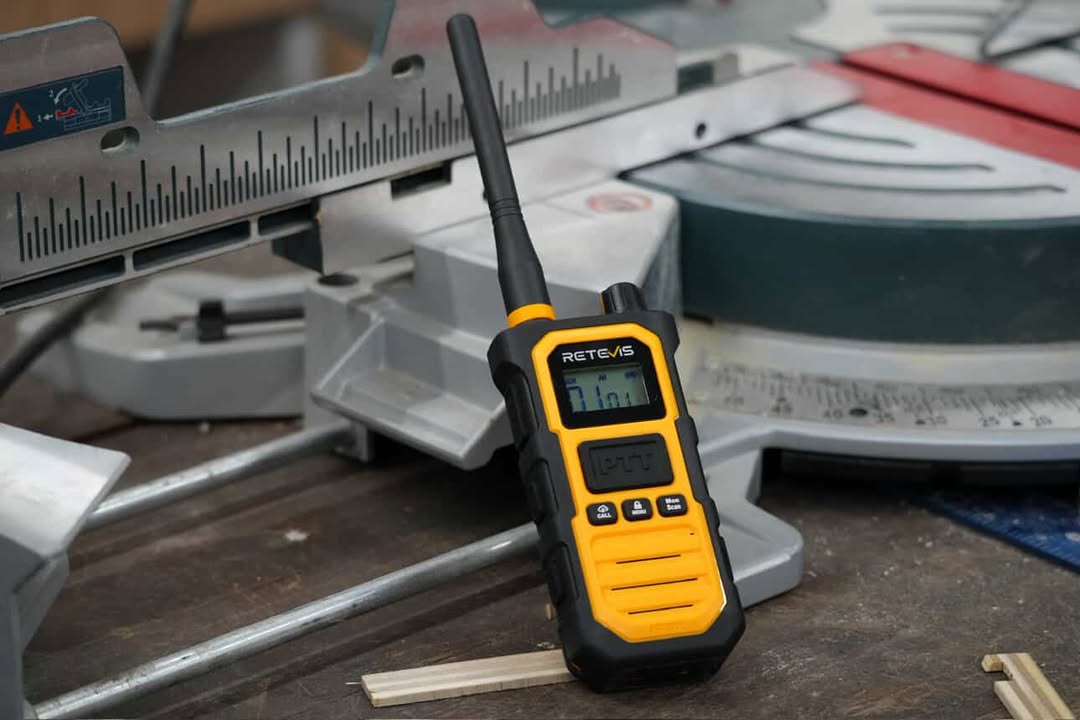
Industrial two-way radios are designed around one simple idea: make team communication easier while people are working.
Push-to-talk communication allows workers to send a message quickly without navigating a phone, opening an app, or waiting for a call to connect. For teams working in noisy or physically demanding environments, this can be much more convenient.
Group communication is another advantage. Instead of contacting workers individually, a radio system can allow supervisors or team leaders to communicate with the relevant group at once. This can be particularly useful when coordinating multiple crews or departments.
Durability also matters. Radios used on construction sites or in factories need to fit into real working environments rather than being treated like delicate consumer electronics. Depending on the model, features such as rugged construction, long battery life, and emergency functions can make radios more practical as everyday workplace communication tools.
For some organizations, communication privacy is also a consideration. Where sensitive operational information is being shared, radios with supported encryption or privacy features can provide an additional layer of communication protection, subject to the organization's requirements and applicable regulations.
Build a Better Communication Routine
Choosing the Right Radio for Different Jobsites
For construction scenarios, practical communication tools must deliver instant, easy access without disrupting ongoing work.
|
Jobsite Priority |
What the Team Needs |
Example |
|
Team coordination |
Organized digital communication |
|
|
Demanding work environments |
Rugged everyday communication |
|
|
Safety-focused communication |
Additional emergency alert functions |
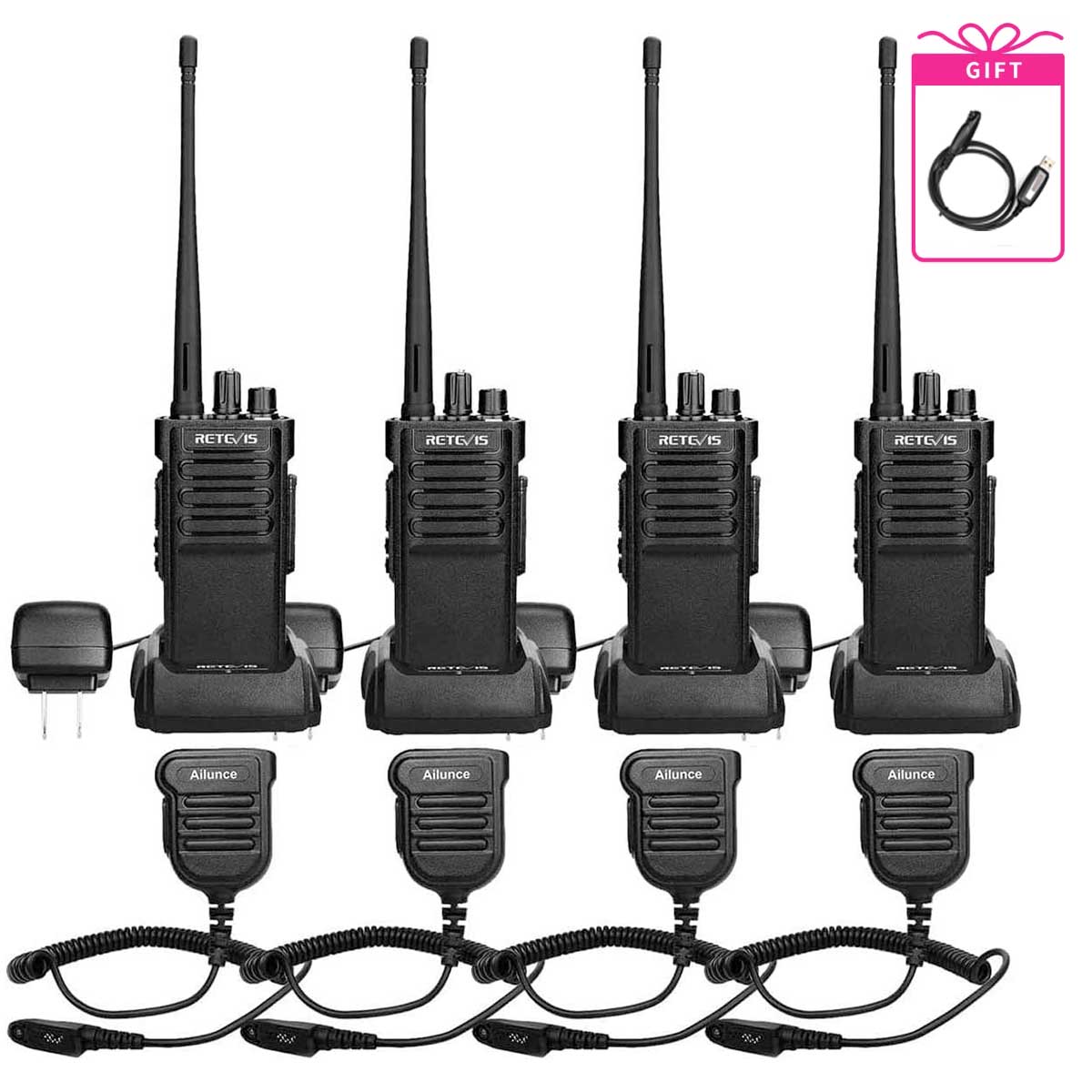
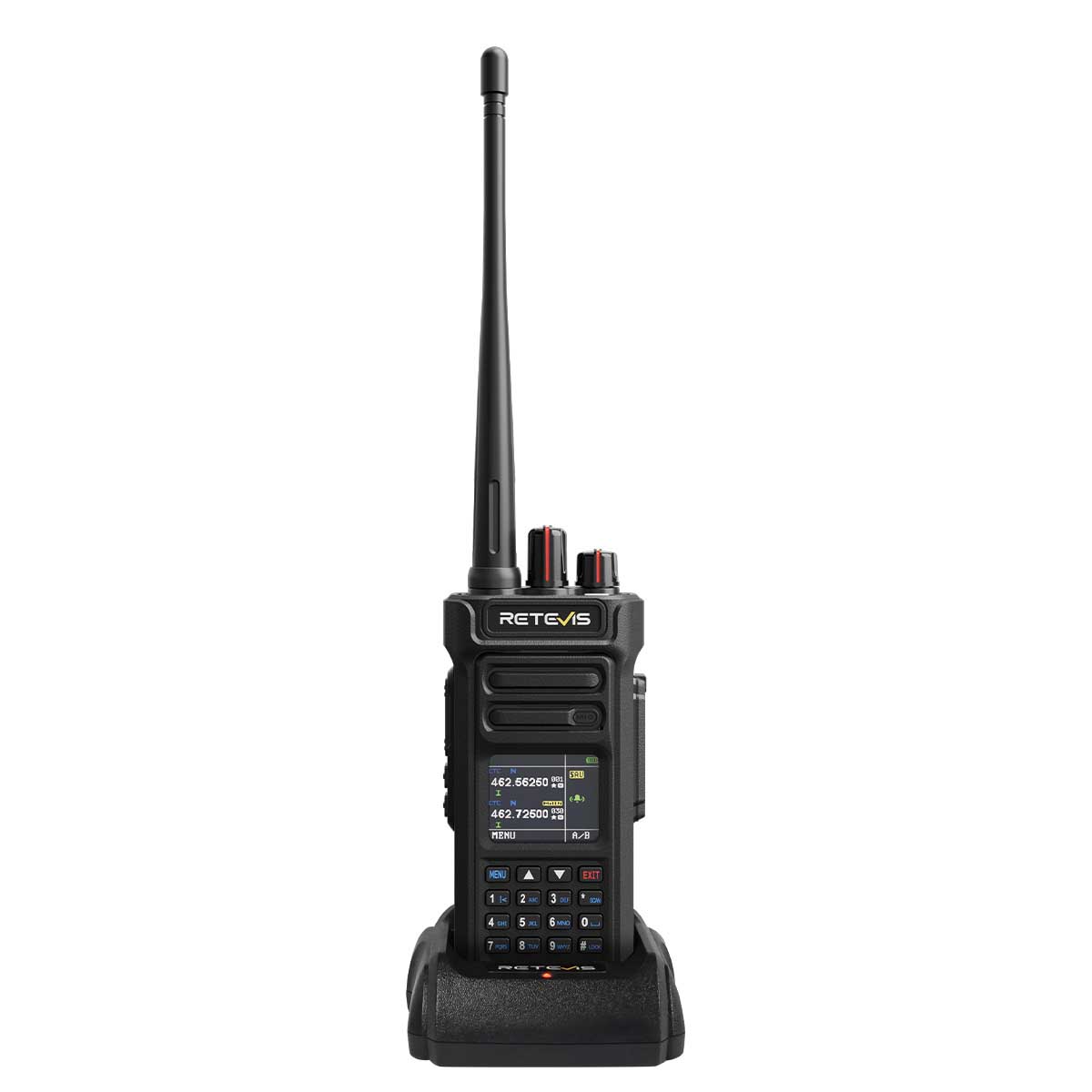
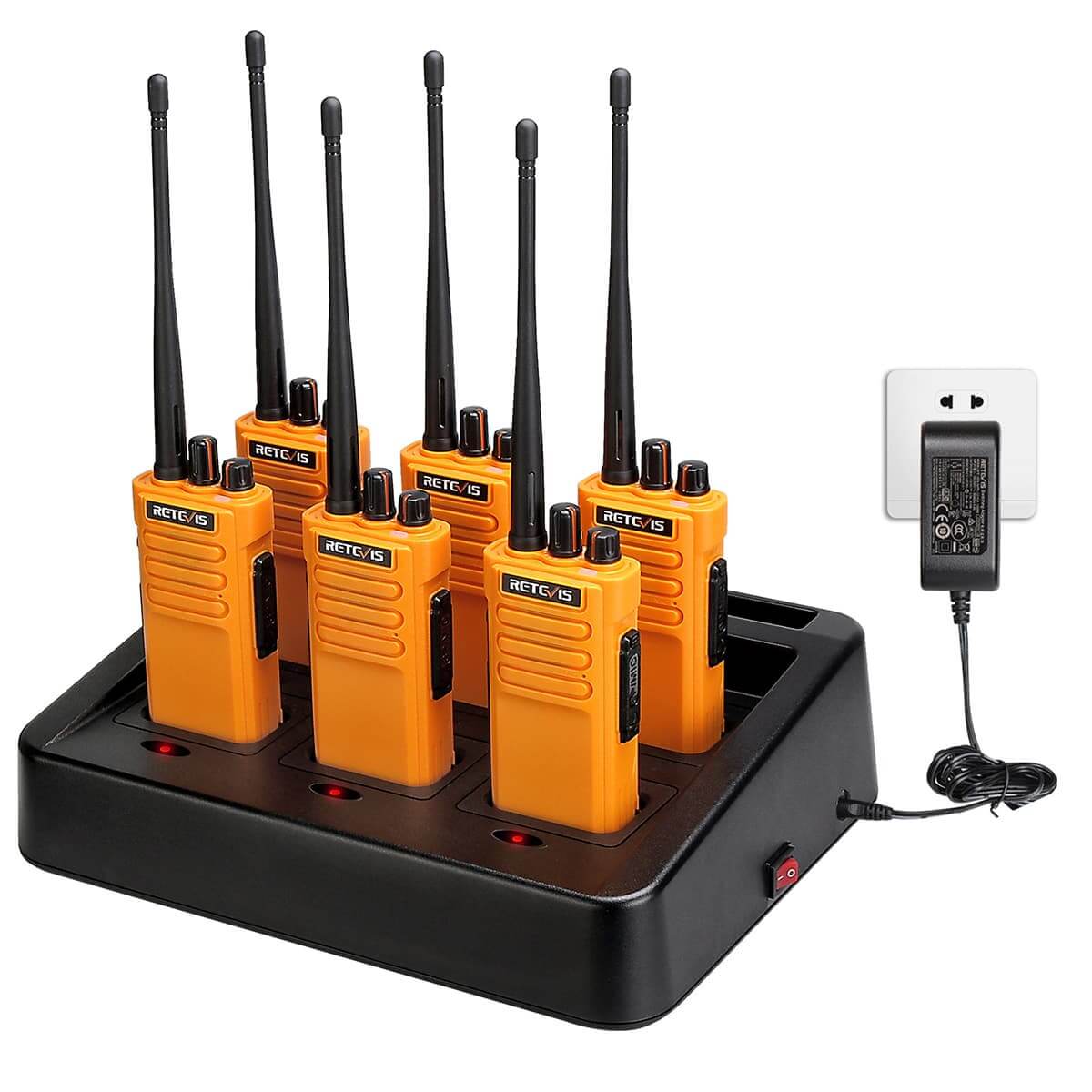
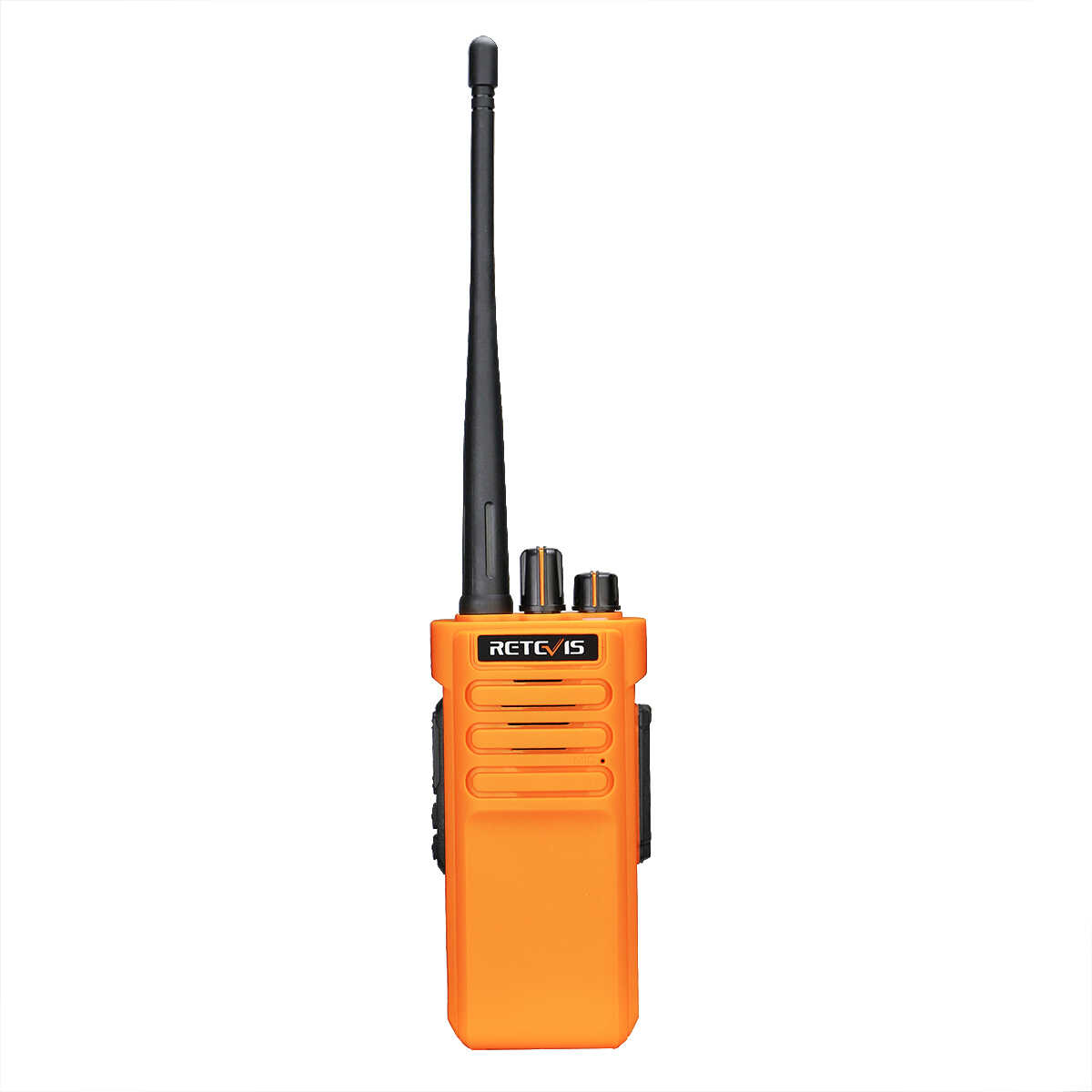
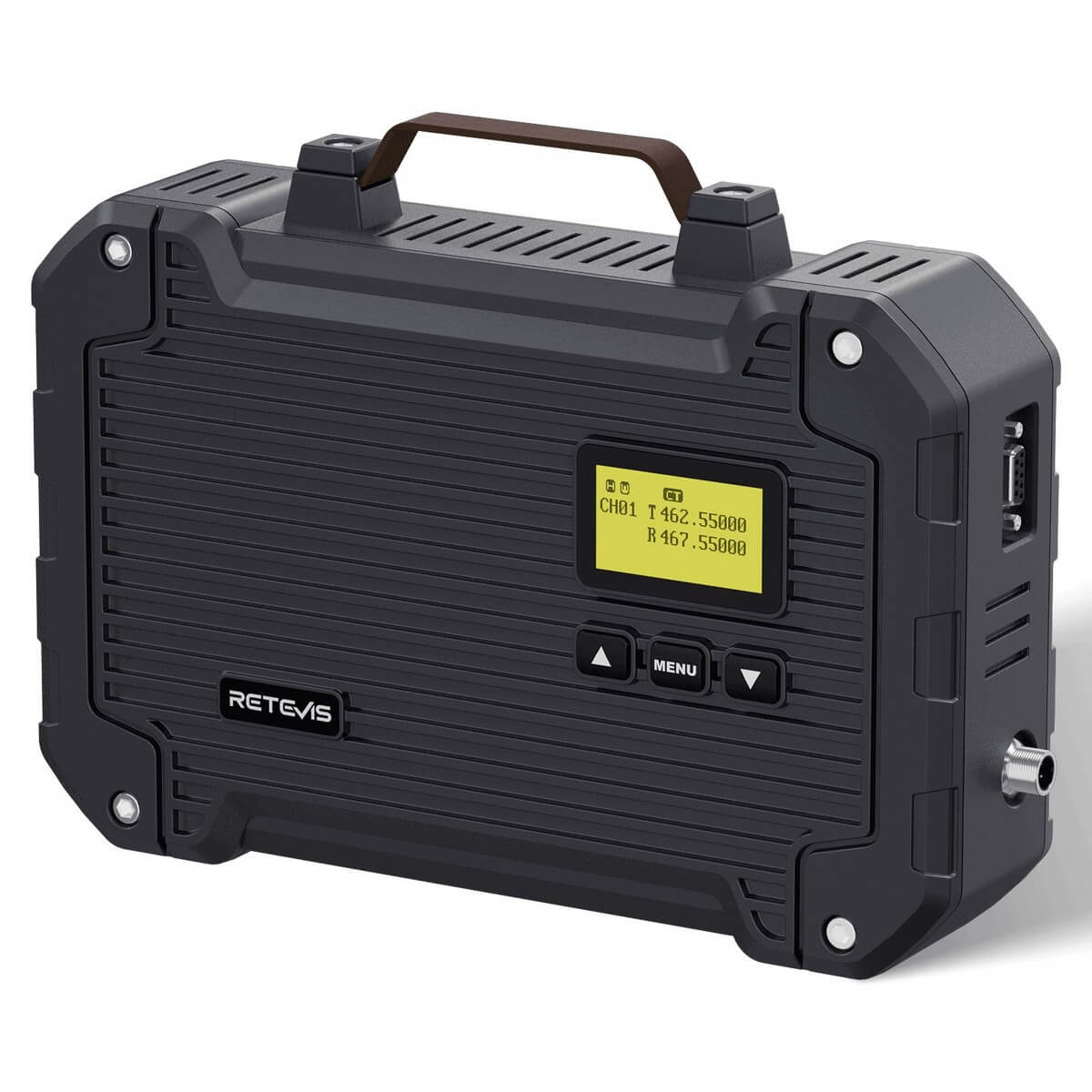
The RT29D can be considered when organized team communication is the main priority. Its digital communication capabilities make it suitable for teams that need to coordinate workers efficiently across a jobsite.

For demanding work environments, the RB48D provides a practical option for teams that depend on reliable radio communication during everyday industrial or construction work. It can also be considered for applications such as radios for factory workers, where communication needs to remain convenient while employees stay focused on their tasks.
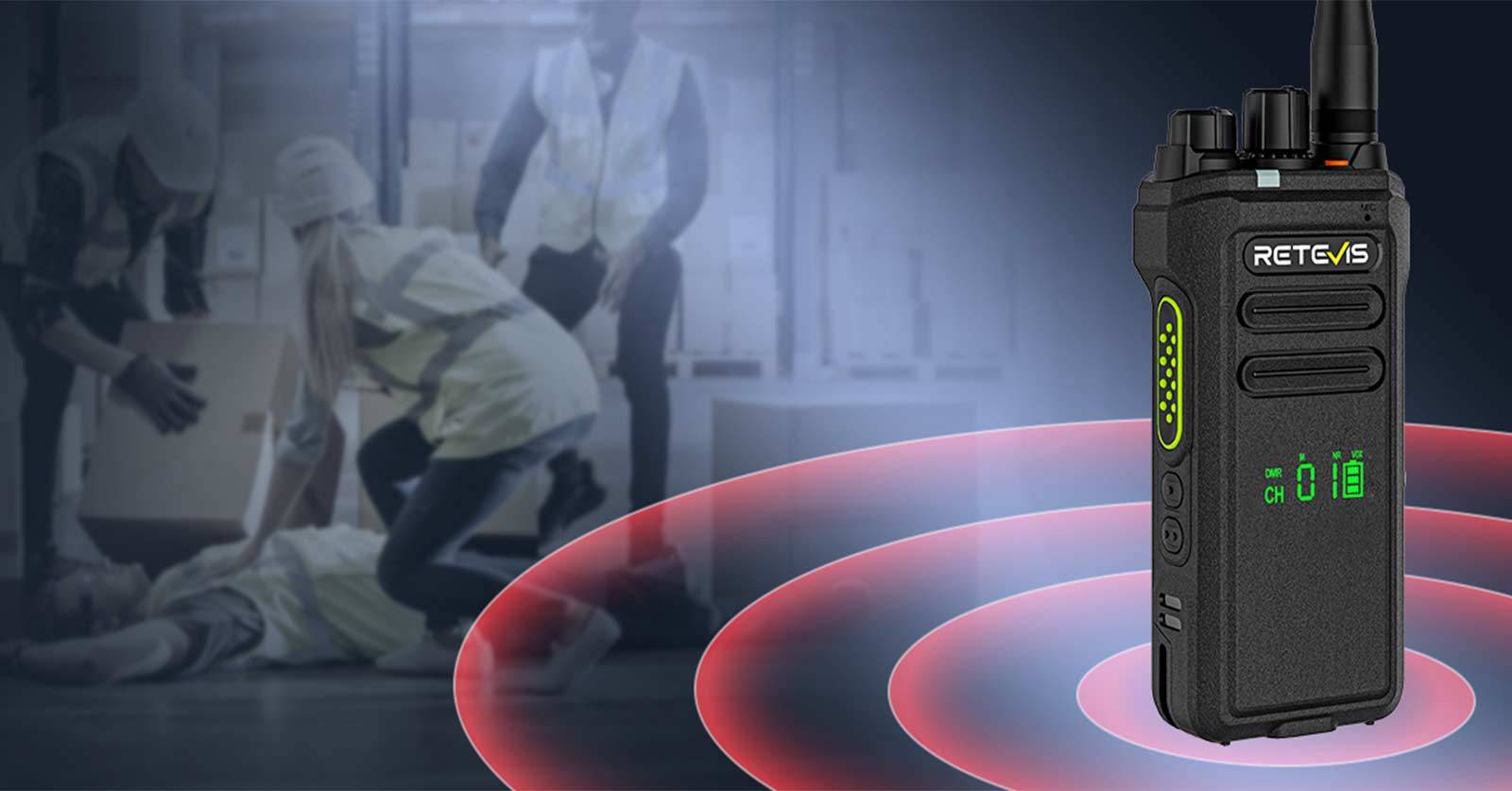
The NR30D takes a more safety-focused approach by adding man-down and emergency alert functions. These features should not replace formal safety procedures or emergency systems, but they can provide an additional communication layer when working alone or in higher-risk environments.
Establish Simple Communication Habits
Channels can be organized according to different crews or departments, while workers should know which channel to use for routine communication and which procedures apply during an emergency. Radios should also be charged and checked before each shift so that communication equipment is ready when needed.
Whether a team is looking at two-way radios for construction, manufacturing communication systems, or other industrial applications, the goal is the same: make it easier for workers to reach the right people at the right time.
Final Thoughts: National Tradesmen Day Is About More Than Recognition
National Tradesmen Day provides a chance to recognize the people whose skills keep construction, manufacturing, maintenance, and essential services moving.
One meaningful way to show that appreciation is to look beyond the tools tradespeople use and consider what helps them work more safely and efficiently.
Better jobsite communication will not eliminate workplace hazards, but reliable communication can help teams coordinate their work, respond to changing conditions, and stay connected throughout the day.
For tradesmen, sometimes better support starts with something as simple as making sure they can be heard—and can reach their team—when it matters.







 Google
 Amazon
Comments
No data Yet