

Table of Contents
How to Keep Your Parcel Sorting Hub Connected Through Christmas Peak
- Posted by:Retevis

Walk into any parcel sorting hub in mid-November and you can feel the tension before you hear it. Conveyor belts screaming, forklifts weaving between trailers, temporary workers everywhere — and somewhere in the middle, a supervisor is shouting into a radio because nobody can hear anything over channel one.
This is the Christmas peak communication problem, and almost every sorting hub lives through it every year. The root cause is rarely that you bought the wrong radios. It's that you planned for a normal Tuesday and got a month of Sundays.
Rent or buy? Decide in three minutes
You don't need a spreadsheet. Answer three questions honestly.
- How many weeks a year do you actually need the extra units?
If your peak runs from Black Friday through the first week of January, that's roughly seven weeks. Even adding a spring peak and a summer sale, you're probably still under twelve weeks. Industry experience puts the break-even point at around eighteen to twenty-four months of continuous rental — so if you only need extra radios for a handful of weeks each year, renting is almost always cheaper than owning.
- Do you have space and someone to maintain them?
Fifty spare radios in a cupboard need batteries cycled and damage assessed every few months. If nobody owns that job, you'll pull them out in October and find a third won't hold a charge.
- Will they get used outside peak?
If extra units can rotate into daily use year-round, ownership starts to make sense. If they sit idle for ten months, you're paying for storage and depreciation.
The hybrid approach most hubs use: Keep a core owned fleet for permanent staff and leads, then rent the incremental units for temp workers each peak. This caps capital exposure while guaranteeing you never run short.
If you do decide to buy, timing matters. The Retevis 16th anniversary sale runs through 2026 with anniversary deals on bulk business radio orders, and picking up extra units during an anniversary discount can narrow the gap against rental costs — especially for multi-site bulk orders.
Set up channels so temp workers can use them on day one
The biggest mistake hubs make is giving temp workers full-access radios and expecting them to figure out the channel plan. They won't. Fix this before anyone arrives.
Split by physical zone, not job title. A sorting hub has four natural zones:
- Inbound docks
- Sorting line
- Outbound docks
- Yard
Give each its own channel. Add a fifth for supervisors only, and a sixth emergency channel every radio can receive but only supervisors transmit on. That's six channels — well within the sixteen-channel capacity of most industrial handsets.
Lock temp workers out of channel switching. Disable the channel knob in software, or tape it with a label that says "DO NOT CHANGE." A temp worker only ever needs one channel.
Use colour-coded labels, not channel numbers.
- Red = inbound
- Blue = sorting
- Green = outbound
Temp workers pick up the blue radio and hold the button — they don't need to remember that channel three is sorting. Print large labels with the zone name and "HOLD TO TALK, RELEASE TO LISTEN."
Set CTCSS or DCS codes on every channel. If your hub shares an industrial park with other businesses, uncoded channels will pick up their traffic during peak. Sub-audio codes are free to configure and eliminate most cross-site interference.
Teach temp workers three things in five minutes.
- Hold the button
- Wait half a second
- Speak clearly
That's it.
Build a backup system that keeps shifts running when things break
During peak, equipment fails. Batteries die faster in cold warehouses, handsets get dropped off loading docks, and a single faulty unit can take a zone offline if you have no replacement. A business emergency communication plan isn't about preventing failure — it's about recovering in under a minute.
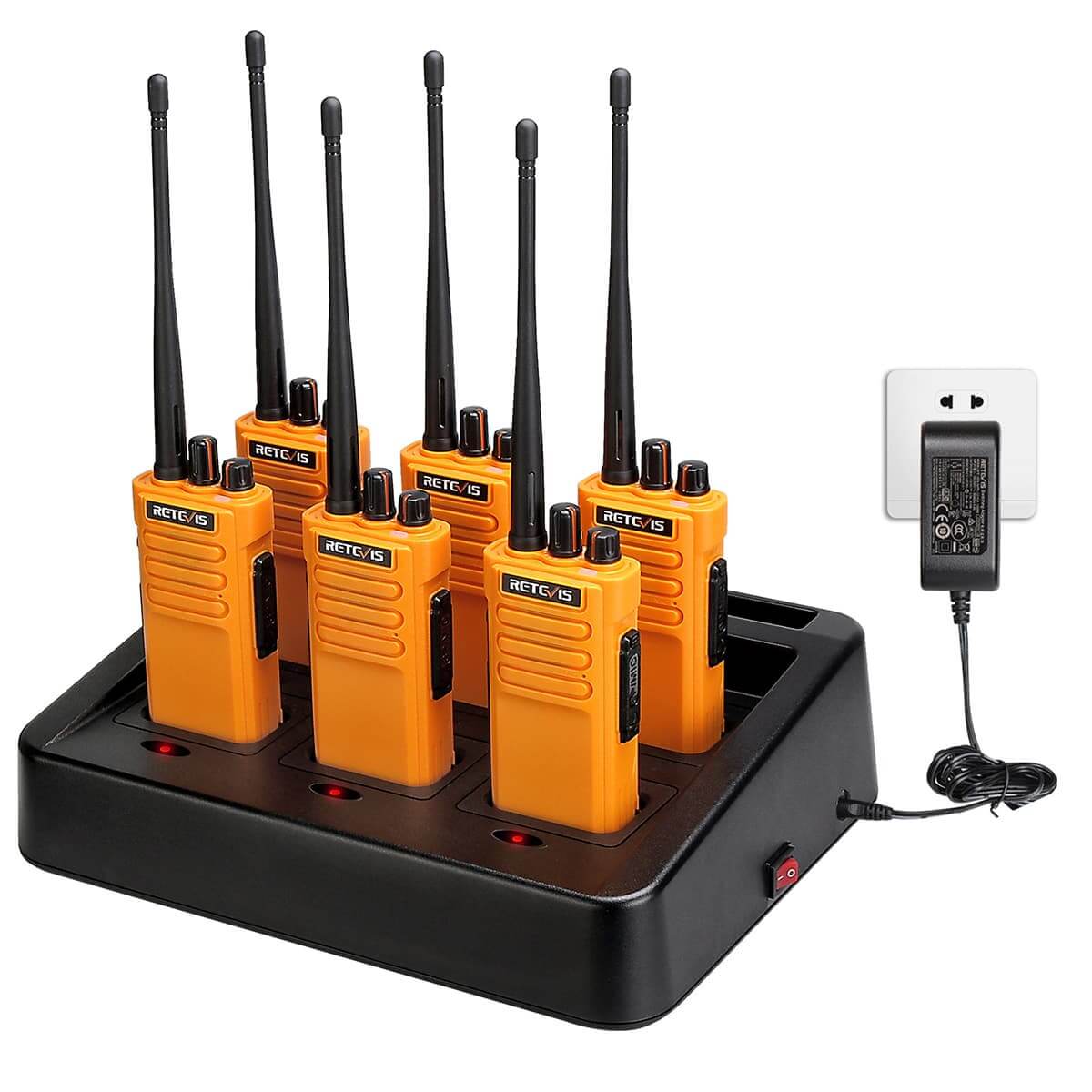
Maintain a spare pool of 15–20%. If a hundred radios are in active use, keep fifteen to twenty fully charged units in a central charging cabinet. When a worker reports a dead handset, their lead swaps it from the pool in thirty seconds. The faulty unit goes on a "FAULTY" shelf for after-shift handling.
Stock spare batteries, not just spare radios. A 3200mAh battery covers a single shift comfortably, but double shifts or cold warehouses cut runtime. Keep enough spare batteries to swap at every handover. It's far cheaper to rotate batteries than to idle workers while a unit charges.
Three-step fault routine for supervisors.
- Turn it off and on
- Swap the battery from a known-good unit
- Grab a replacement from the spare pool
Ninety percent of peak faults are resolved by the first two steps.
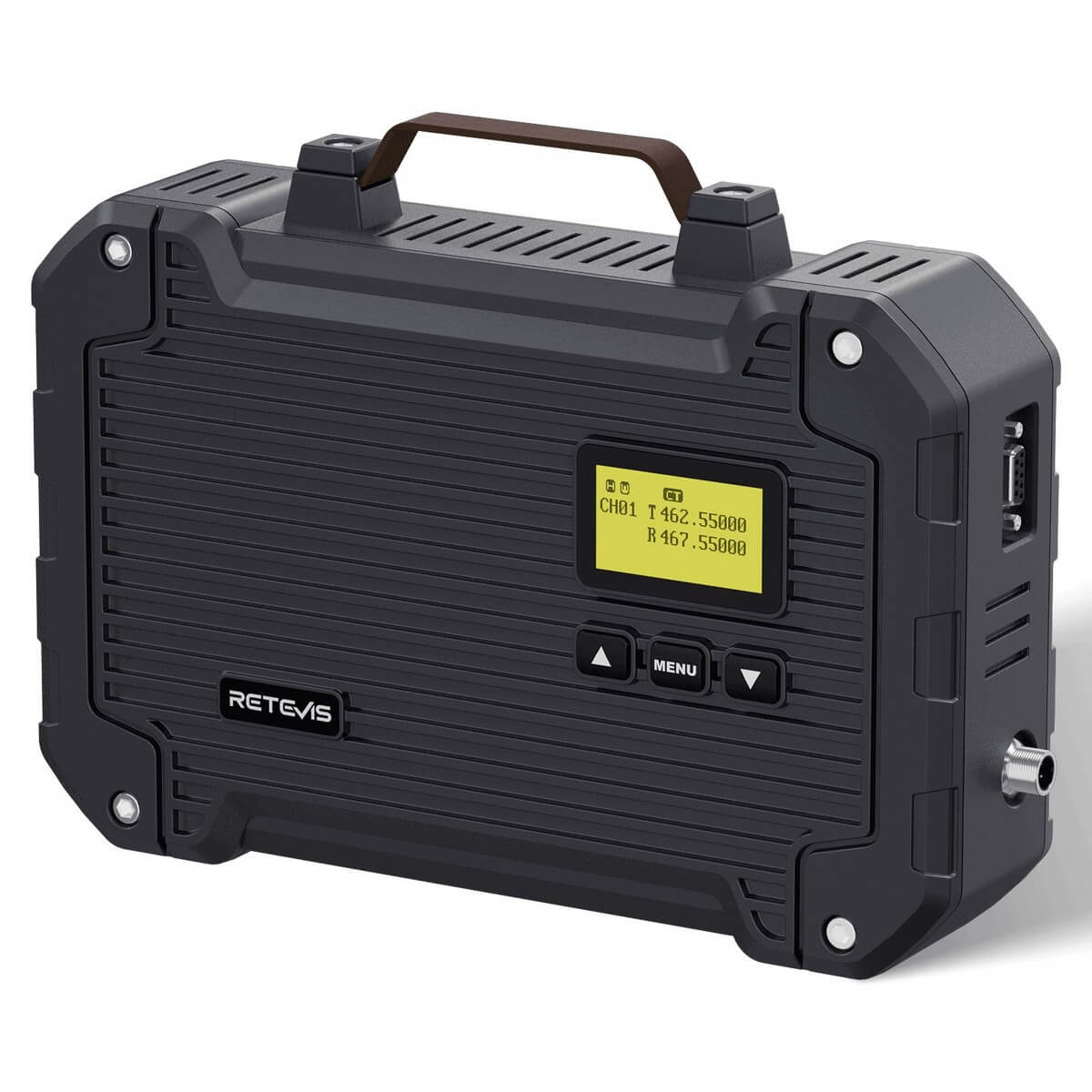
Keep one direct channel as a last resort. If your repeater goes down — and during peak, with heavy usage and power fluctuations, it can — every channel routing through it goes silent. Program one simplex direct radio-to-radio channel into every supervisor handset. It won't cover the whole site, but it lets supervisors coordinate while the repeater reboots.
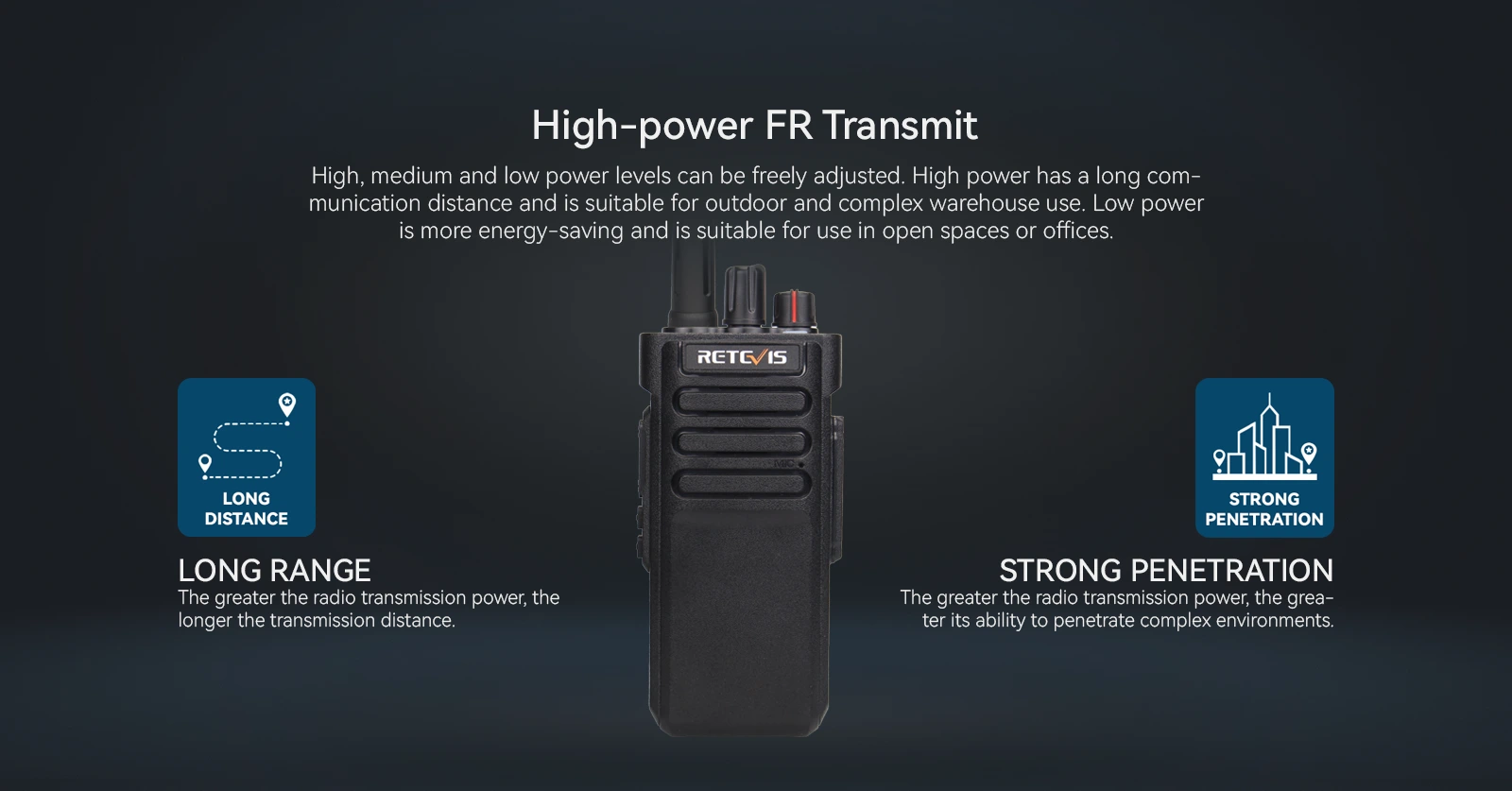
Why the RT29 fits Christmas peak
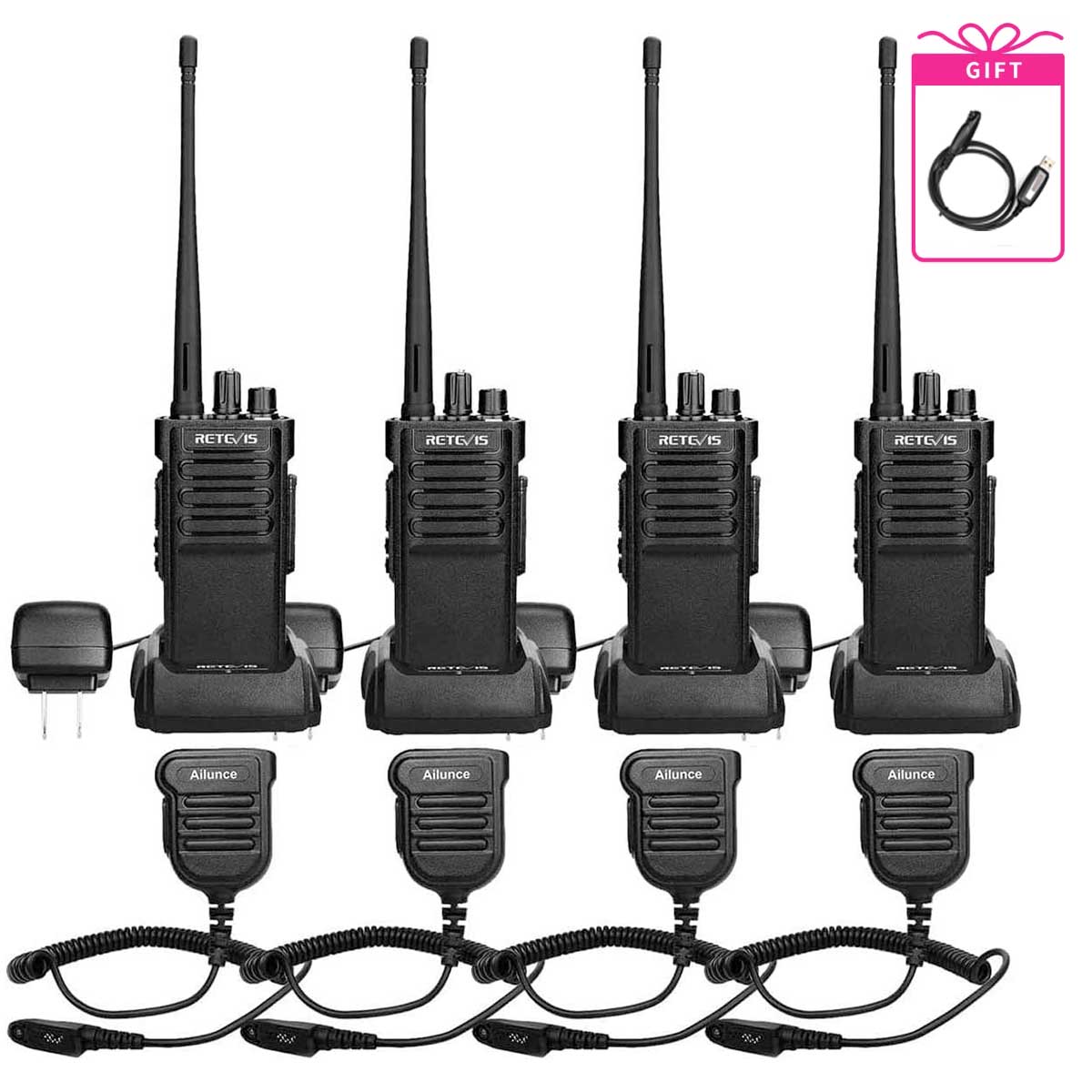
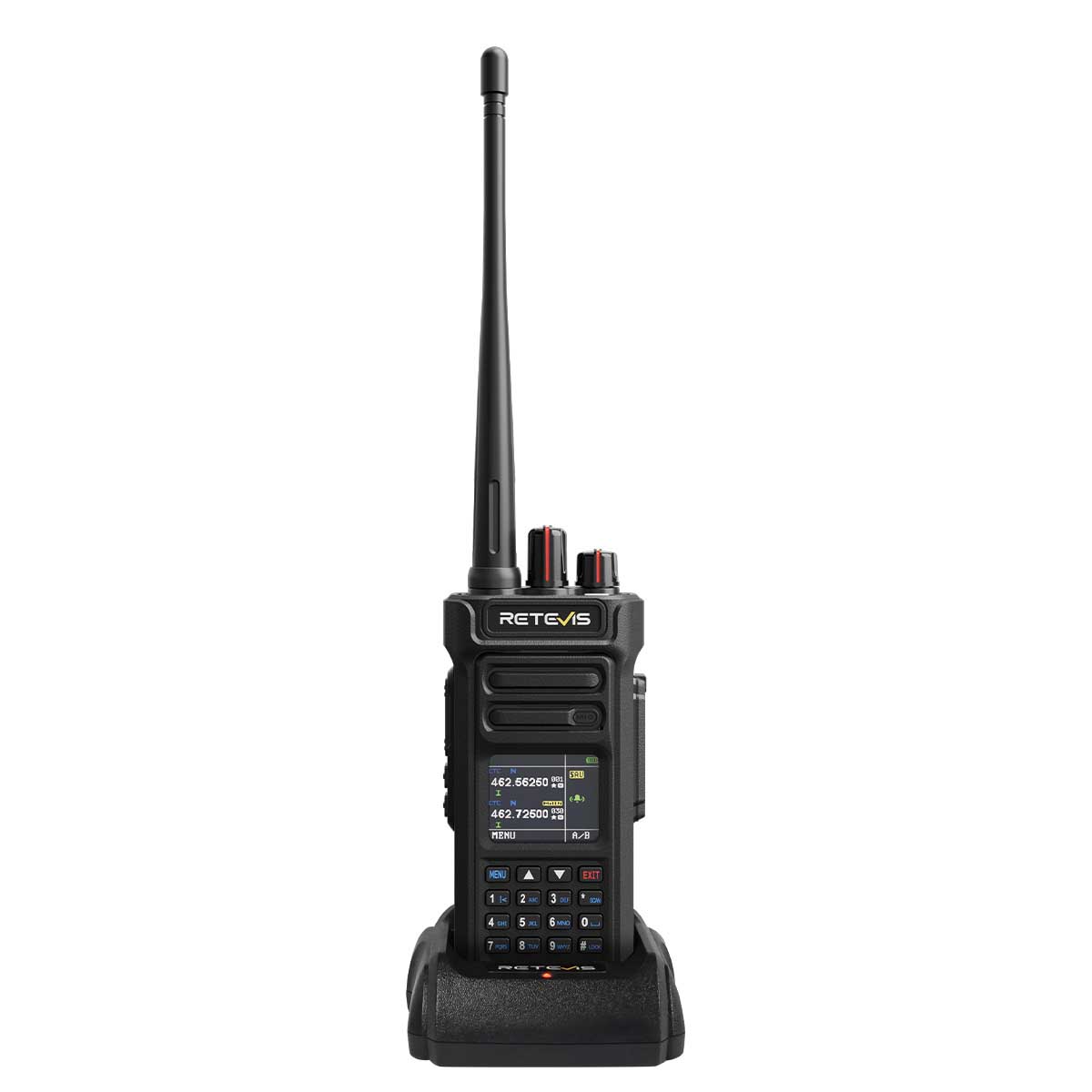
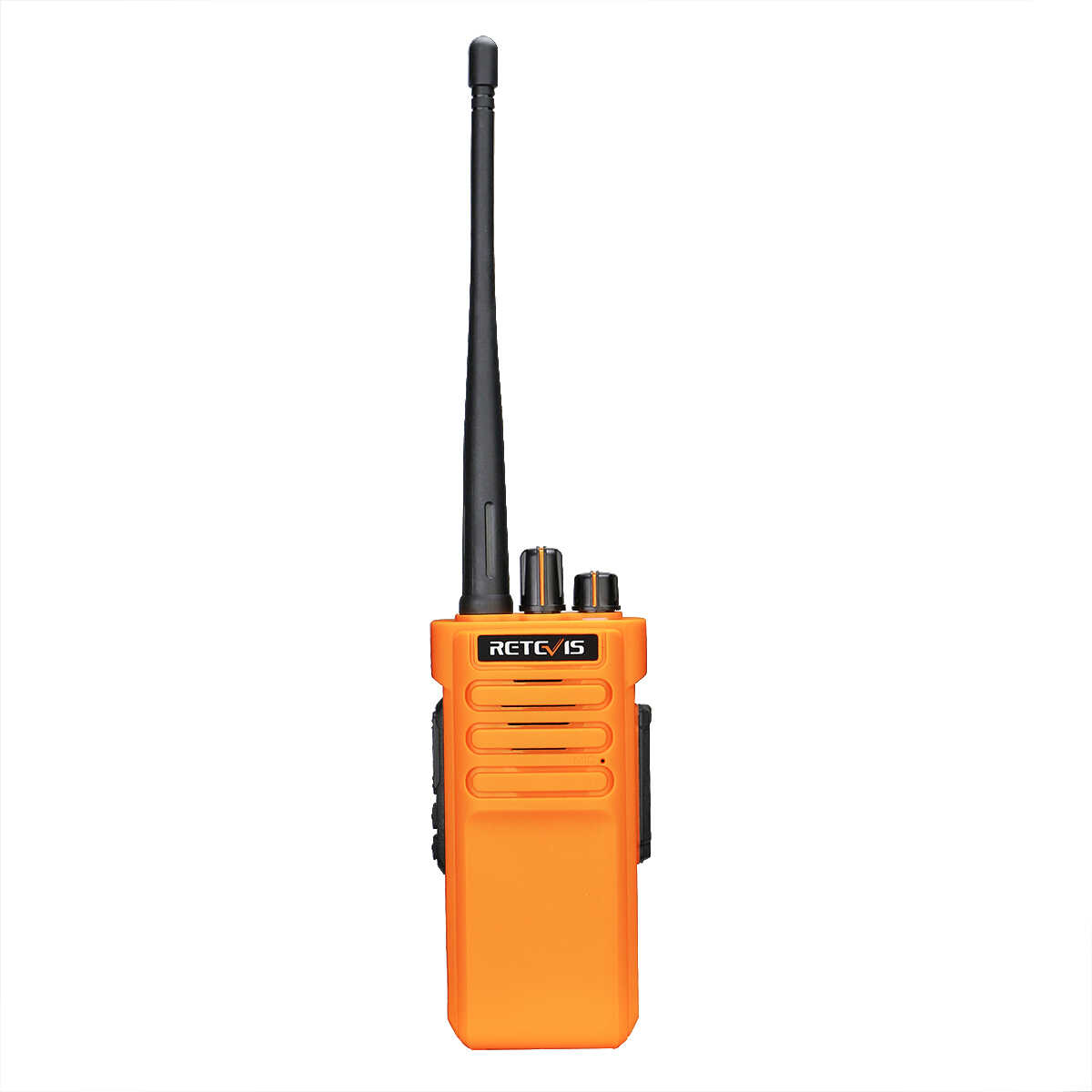
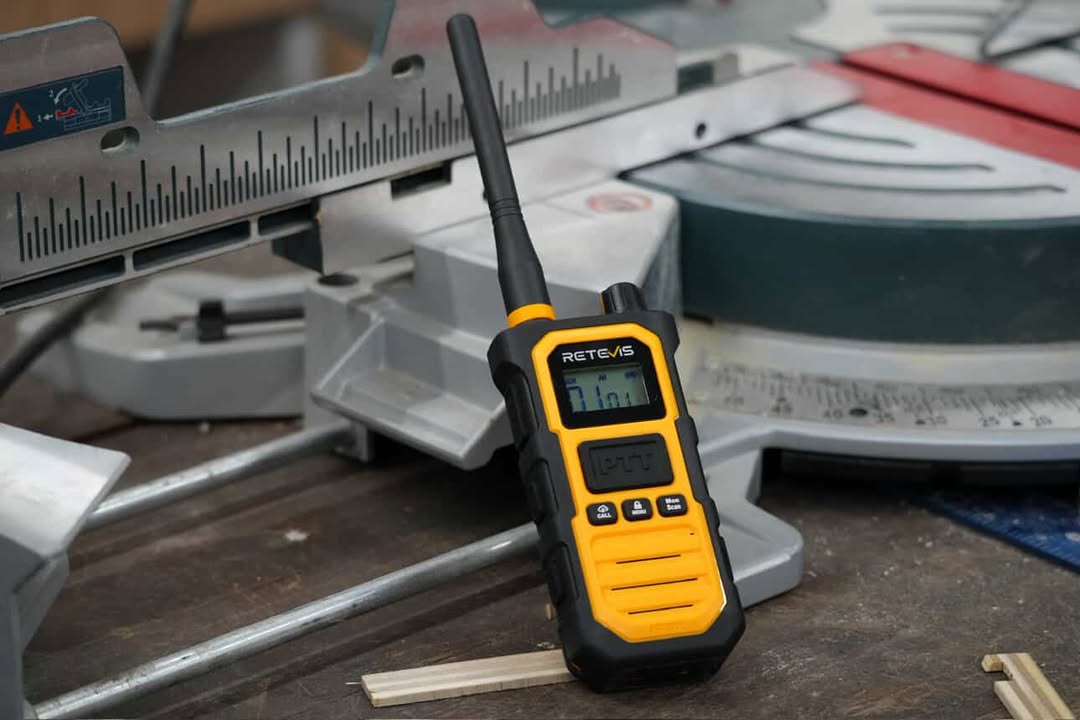
The Retevis RT29 is a high-power UHF analog radio built for industrial sites. Its specs line up directly with sorting-hub peak problems.
- High power output + high-gain antenna: Punches through conveyor frames, metal racking, and trailer bodies better than standard 4W or 5W units. Covers 5–8 km in open yard areas and reaches every dock inside a typical sorting building without a repeater for smaller sites.
- IP67 waterproof: A unit dropped in a puddle or caught in rain keeps working. During peak, you don't have time to baby equipment.
- 3200mAh battery: Roughly 24 hours on a full charge, covering a full single shift with margin.
- 16 channels: More than enough for the four-zone + supervisor + emergency structure above.
- Simple layout: Knob-and-button design means a temp worker can learn it in five minutes.
For teams buying rather than renting, the Retevis 16th anniversary promotion makes bulk orders more affordable. Anniversary bulk radio discounts apply to business radio orders, and six-way charging docks — essential for running a spare-pool system — are often included in anniversary bundle deals.
Peak preparation countdown
Work backwards from your first temp shift.
T-30 days: Count working radios, calculate the gap against peak staffing, decide rent or buy, and place orders — suppliers run out of stock in November, every year.
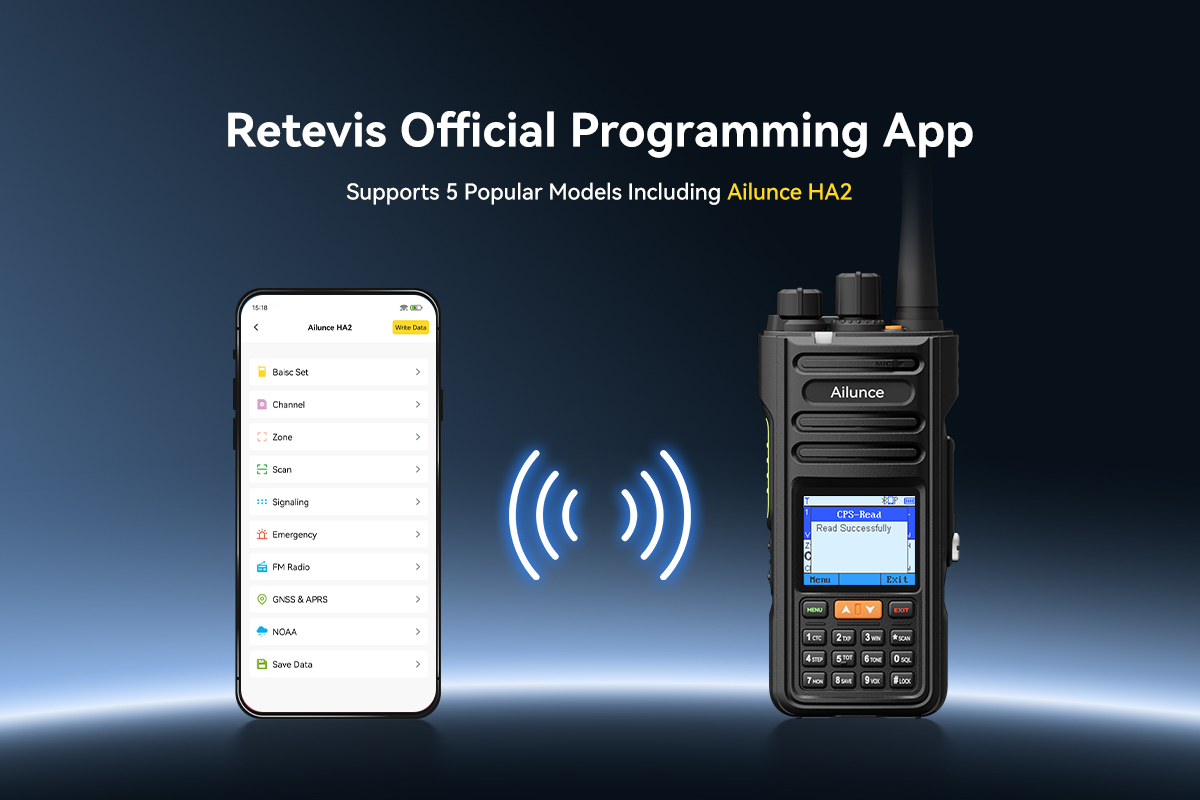
T-14 days: Program every radio with zone channels, sub-audio codes, and the emergency channel. Lock temp-worker channel knobs. Apply colour-coded labels.
T-7 days: Train team leads on the channel plan and three-step fault routine. Build the spare pool and confirm every unit is charged. Do a full site walk with a radio in each zone.
T-1 day: Hand out radios to permanent staff. Run a five-minute briefing with the first temp shift. Do one final all-channel test.
During peak: At every handover, check batteries, rotate spare-pool units, and move faulty units to the repair shelf. Once a week, ask leads whether any channel is congested — if it is, split that zone before it becomes a real problem.
Final thought
Christmas peak doesn't have to be a communications disaster every year. The hubs that survive it cleanly aren't the ones with the most expensive radios. They're the ones that decided early whether to rent or buy, locked temp workers onto simple channels, and kept a box of spare units charged and ready for the moment something breaks.
The RT29 is a solid tool for that job — high power, tough build, long battery, simple operation — and the Retevis 16th anniversary deals make it easier to justify adding units to your owned fleet. But the real win is the planning. Do the work in October and November, and December will look after itself.








 Google
 Amazon
Comments
No data Yet