

Table of Contents
How to Choose Two-Way Radios for Power Plant Construction
- Posted by:Retevis
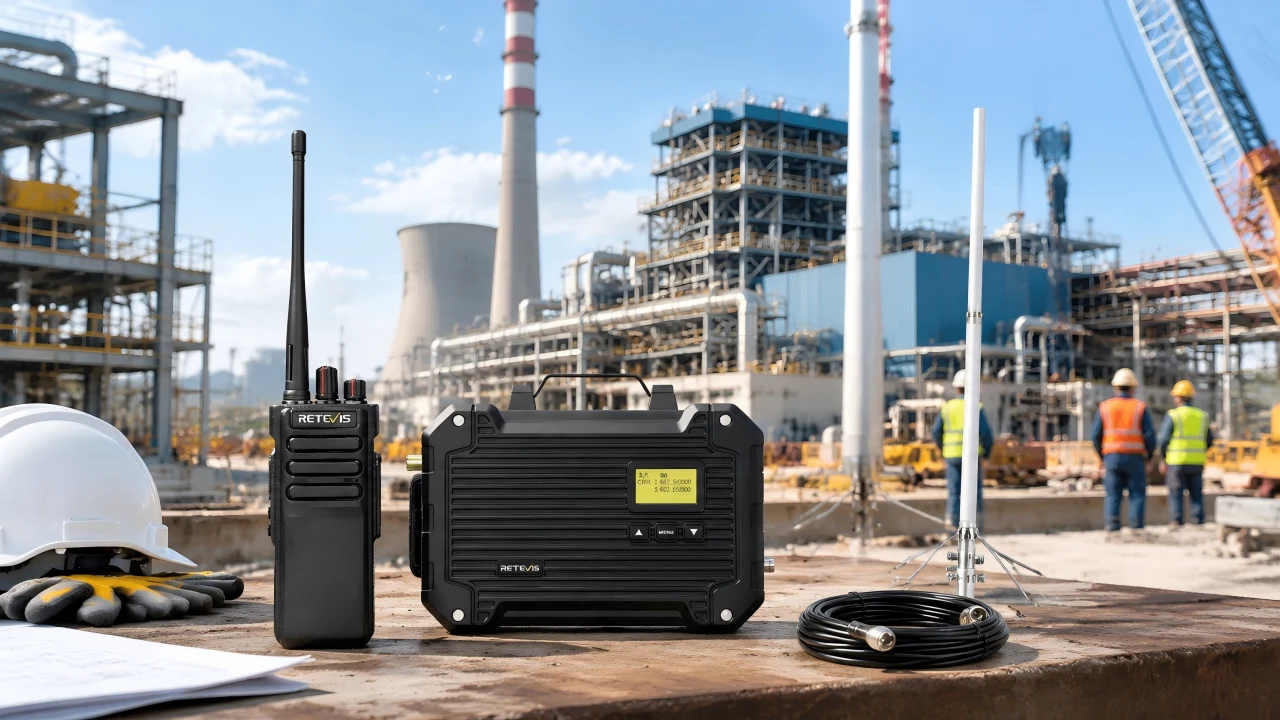
Power plant construction and commissioning projects require reliable communication between multiple teams working across complex environments.
Unlike office or commercial workplaces, power plants include engine areas, electrical rooms, control rooms, elevated platforms, service yards and temporary construction zones. Concrete structures, steel equipment and mechanical noise can affect radio coverage and voice clarity.
Choosing the right two-way radios for power plant construction requires more than comparing advertised range or price. A practical communication system should be designed around coverage requirements, working conditions, shift schedules, team coordination and regulatory requirements.
1. Evaluate Power Plant Radio Coverage Requirements
The first step is understanding where workers need to communicate.
A typical power plant construction site may include:
- Engine and mechanical areas
- Control rooms
- Electrical and switchgear rooms
- Equipment platforms
- Stairways and access areas
- Outdoor transformer areas
- Material storage and service yards
Large industrial buildings often contain obstacles that affect radio signals, including:
- Concrete walls
- Steel structures
- Heavy equipment
- Underground or enclosed areas
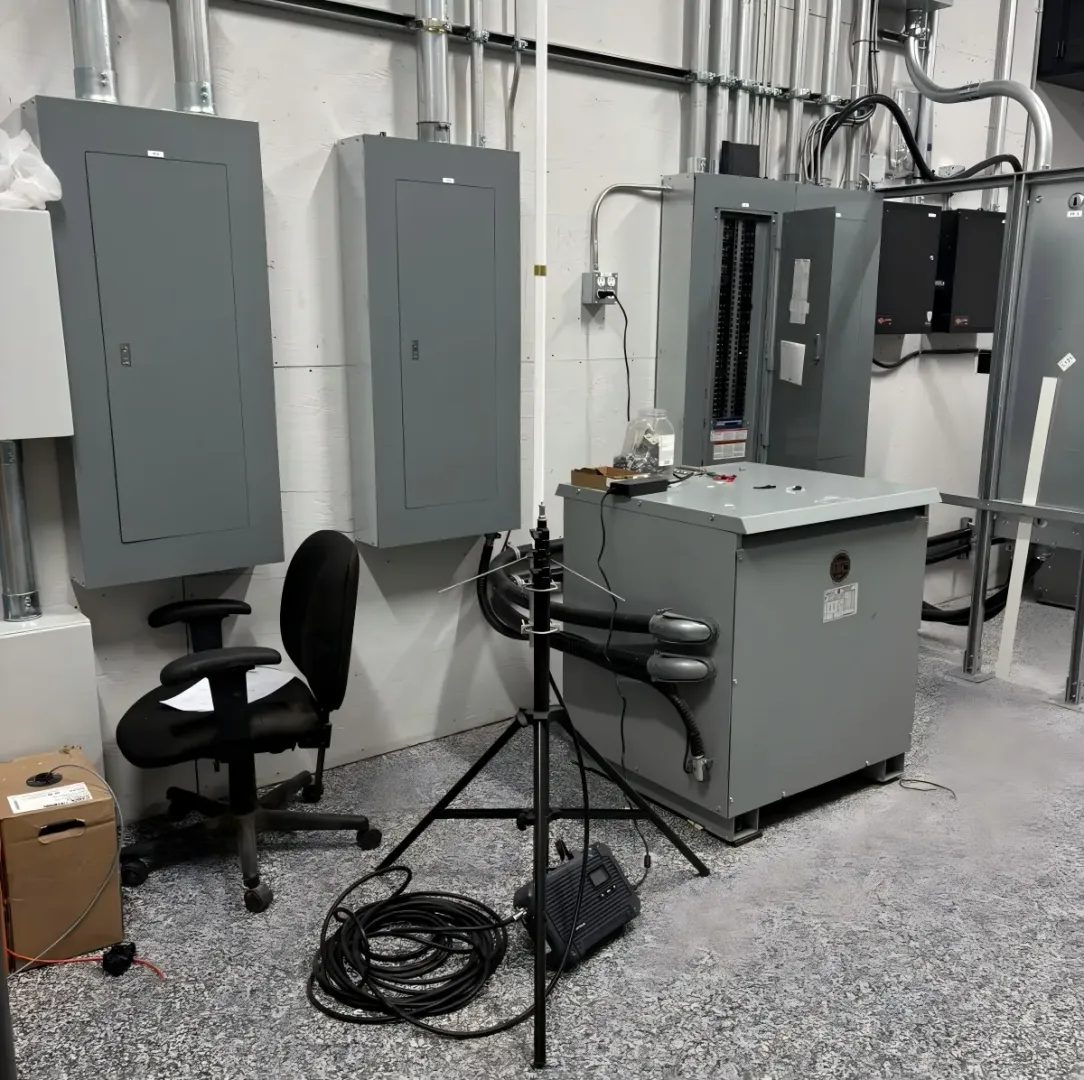
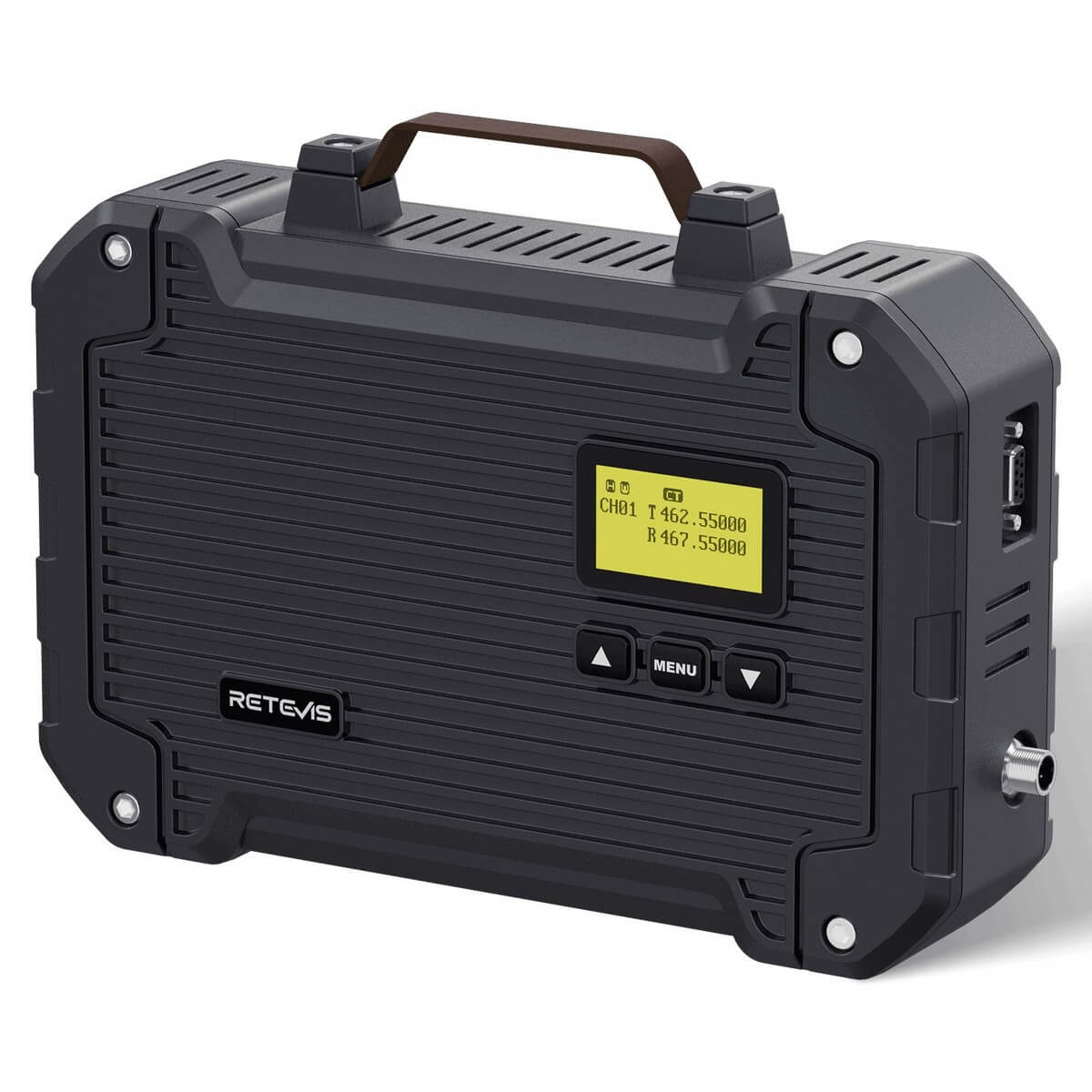
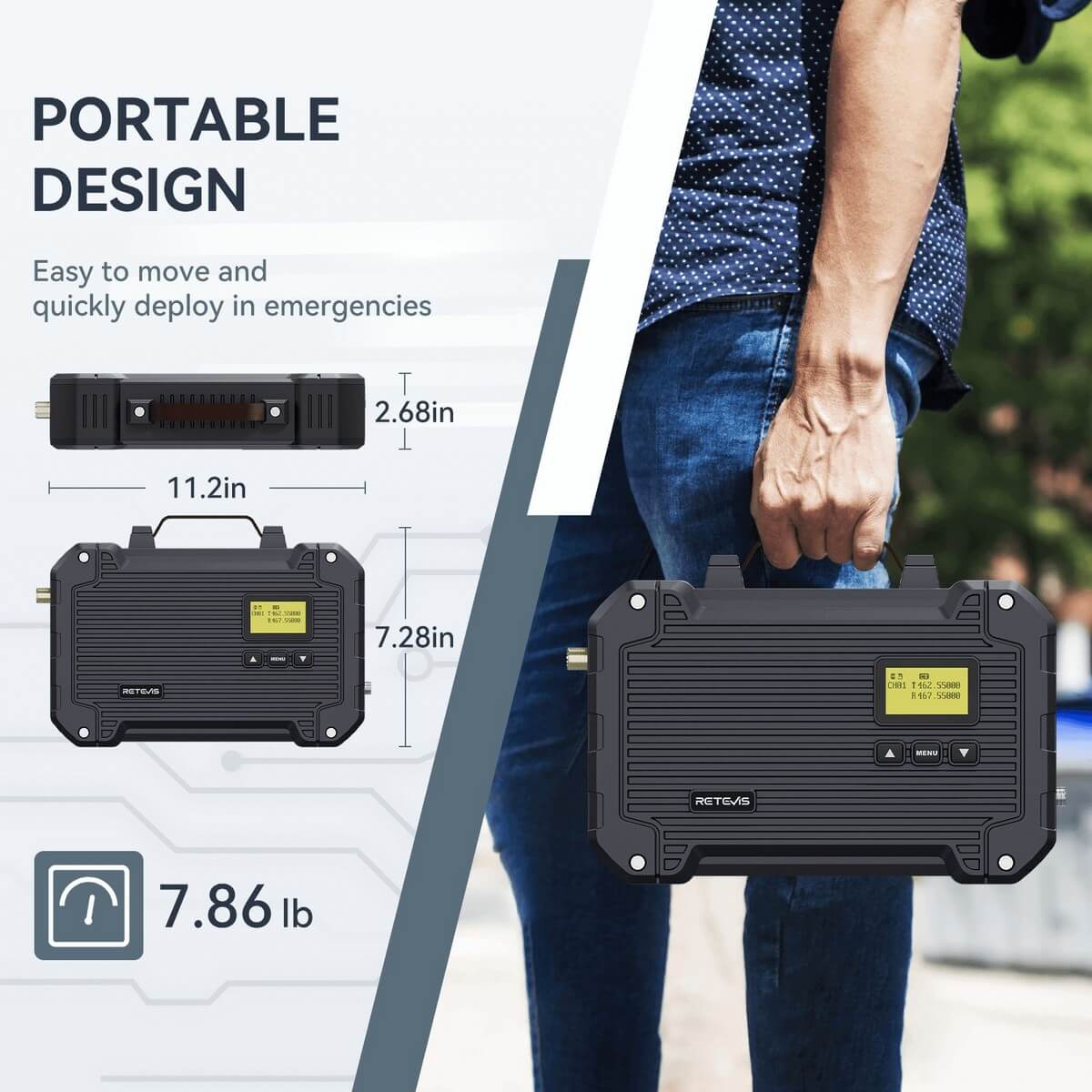
For small work zones, direct radio-to-radio communication may be sufficient. However, larger projects may require a two-way radio repeater system to extend coverage across multiple areas.
A properly positioned repeater and antenna system can help reduce communication gaps and provide more consistent coverage throughout the facility.
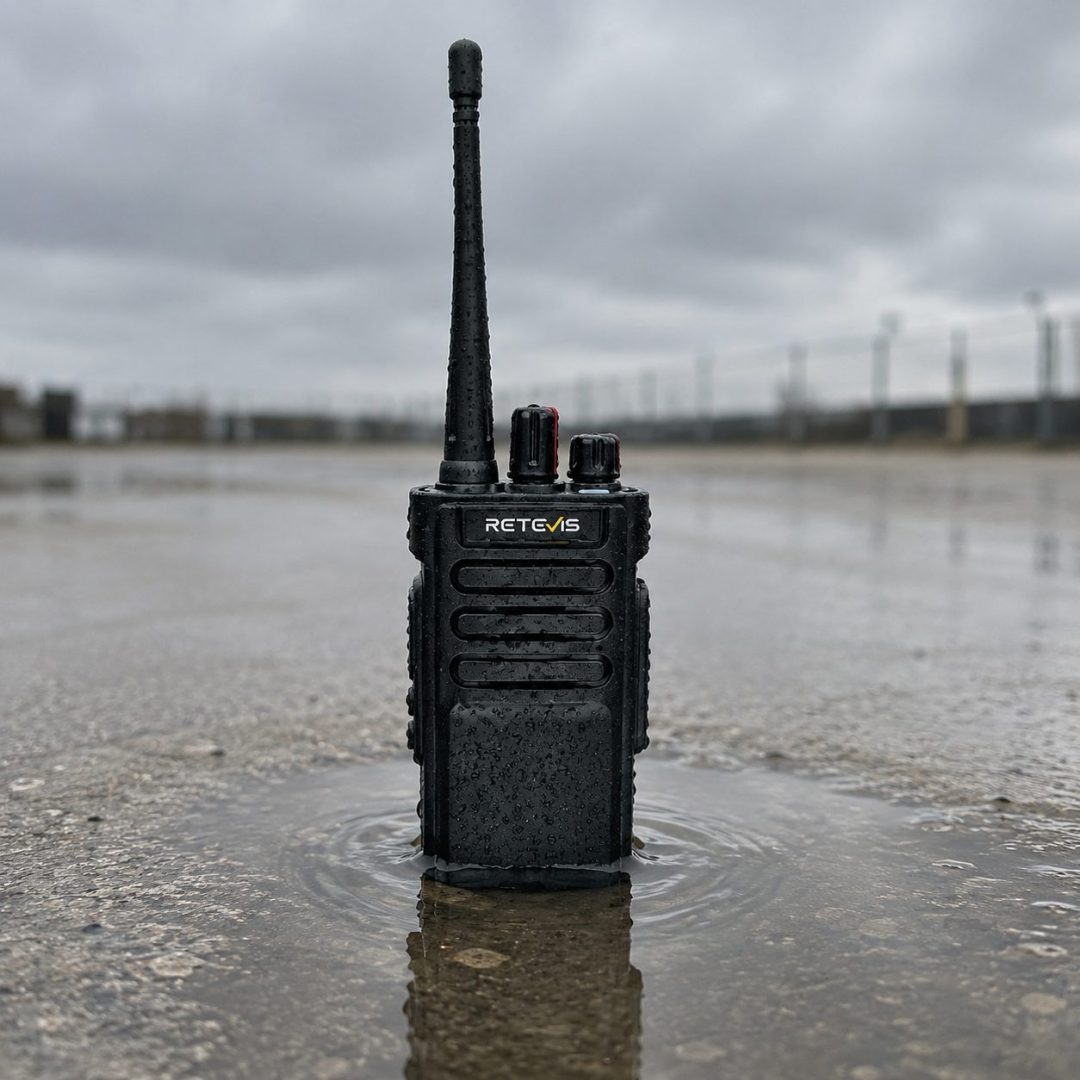
2. Choose Radios Designed for Industrial Construction Environments
Power plant construction sites are constantly changing.
Workers may move between different floors, equipment areas and temporary work zones. Radios should support fast communication without adding complexity to daily operations.
Important features for industrial two-way radios include:
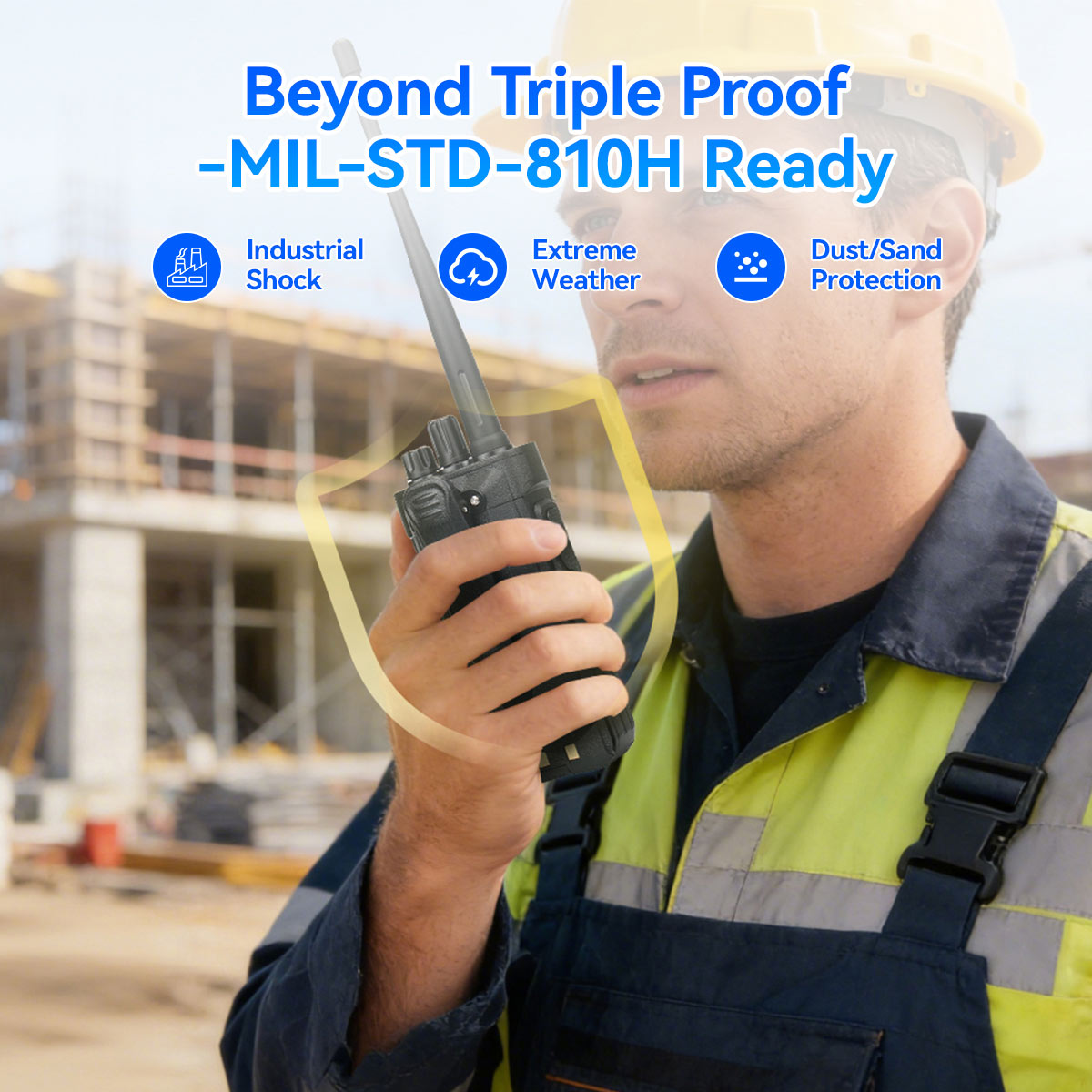
- Durable housing for field use
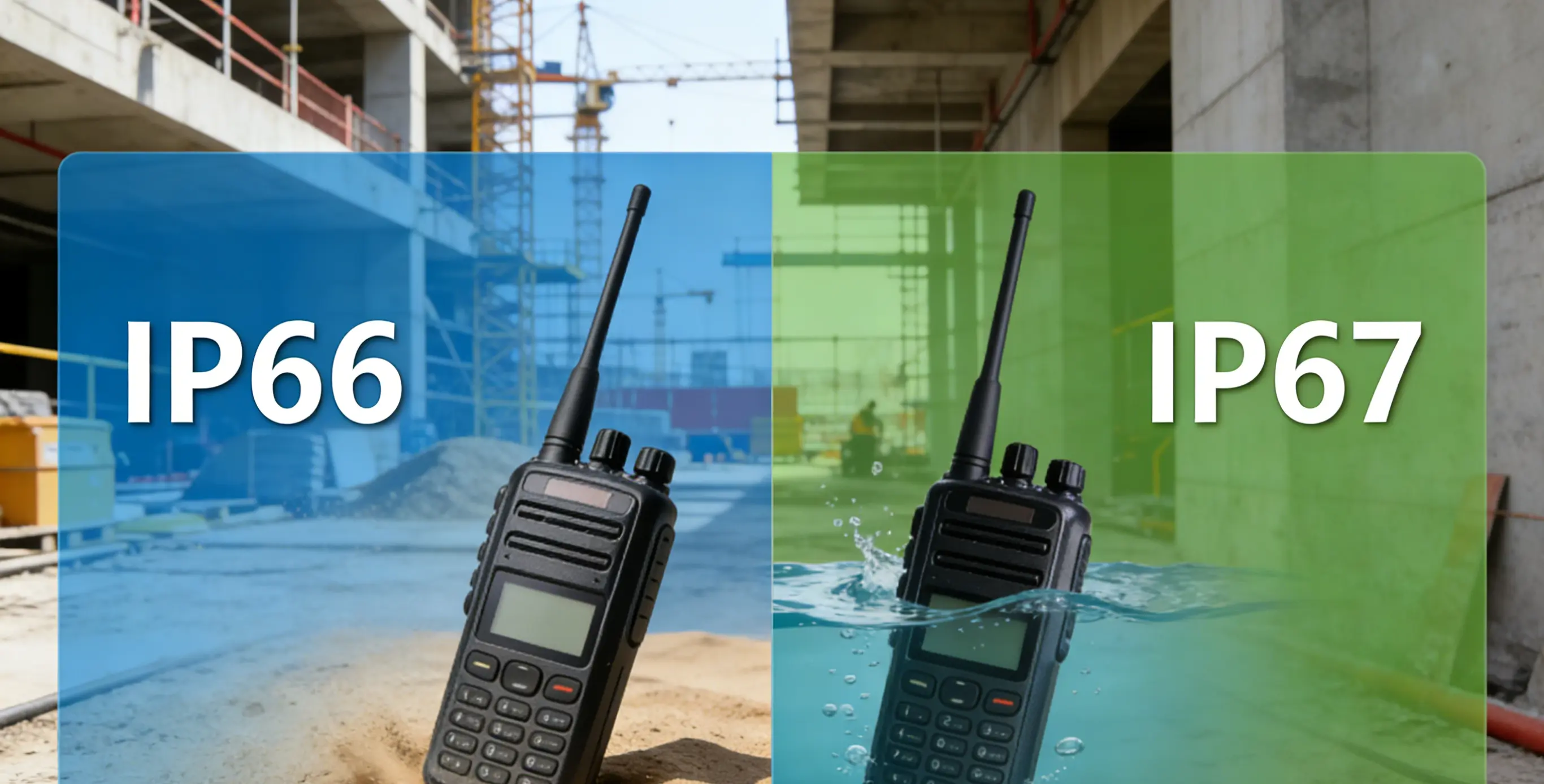
- Water and dust resistance
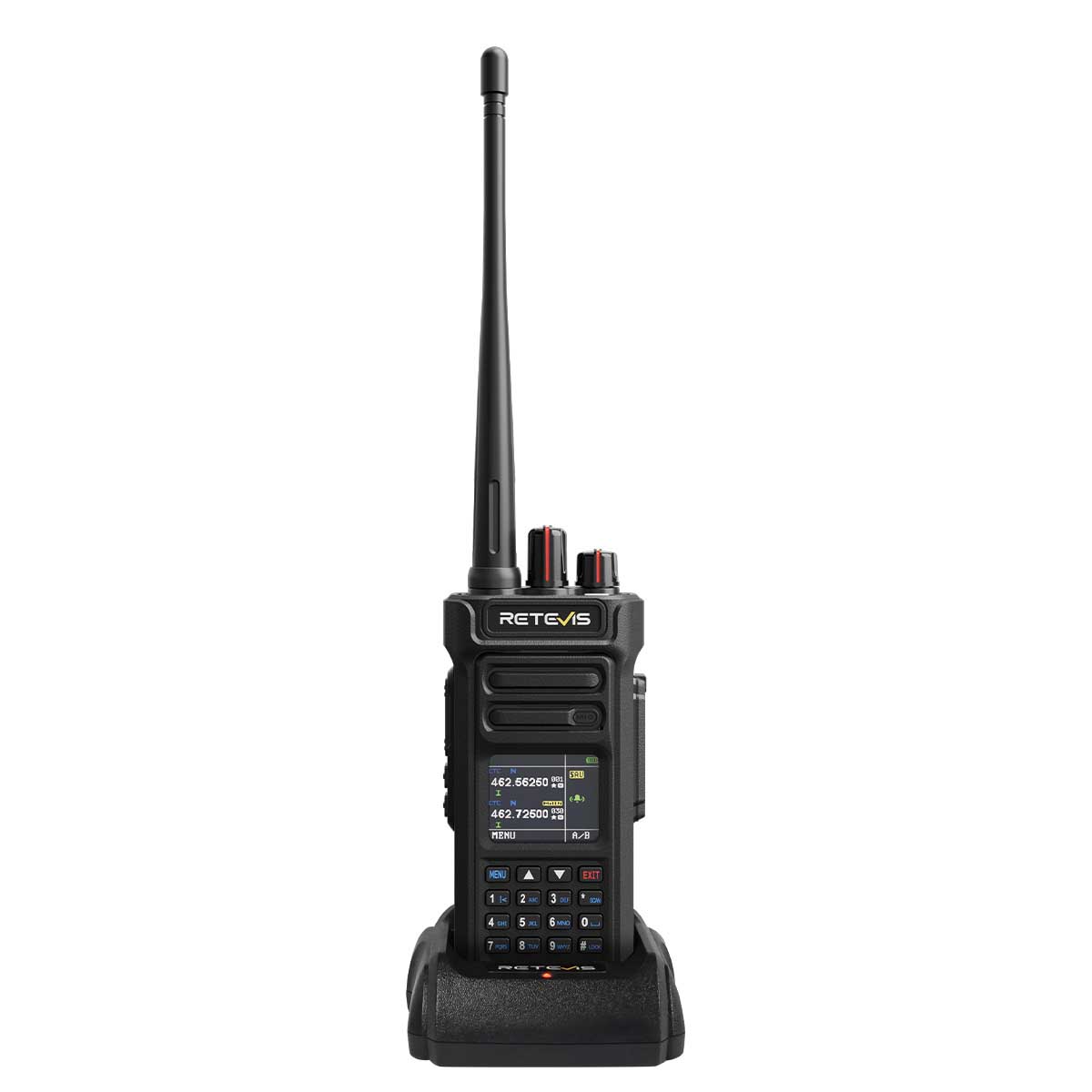
- Simple controls
- Clear audio output
- Compatible communication accessories
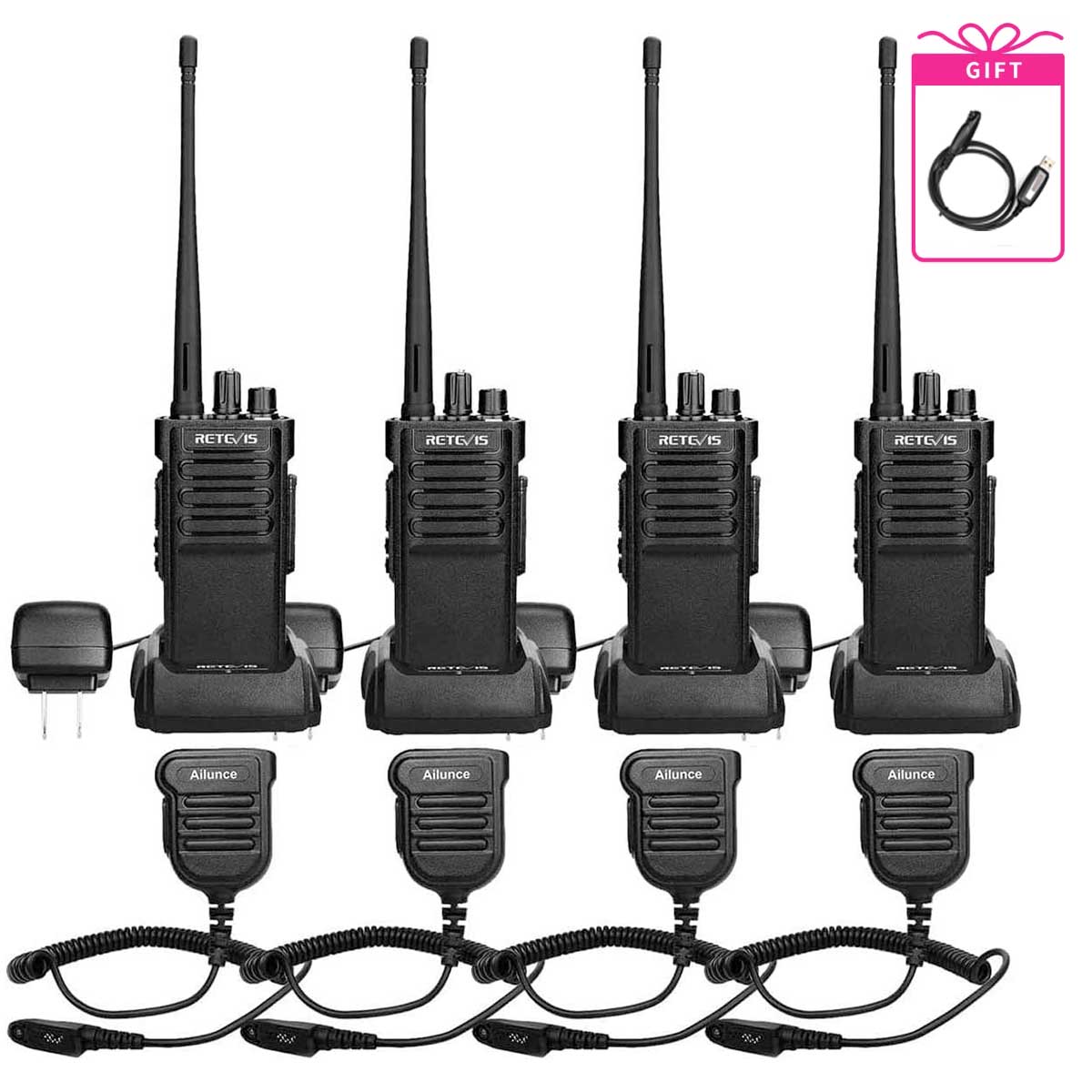
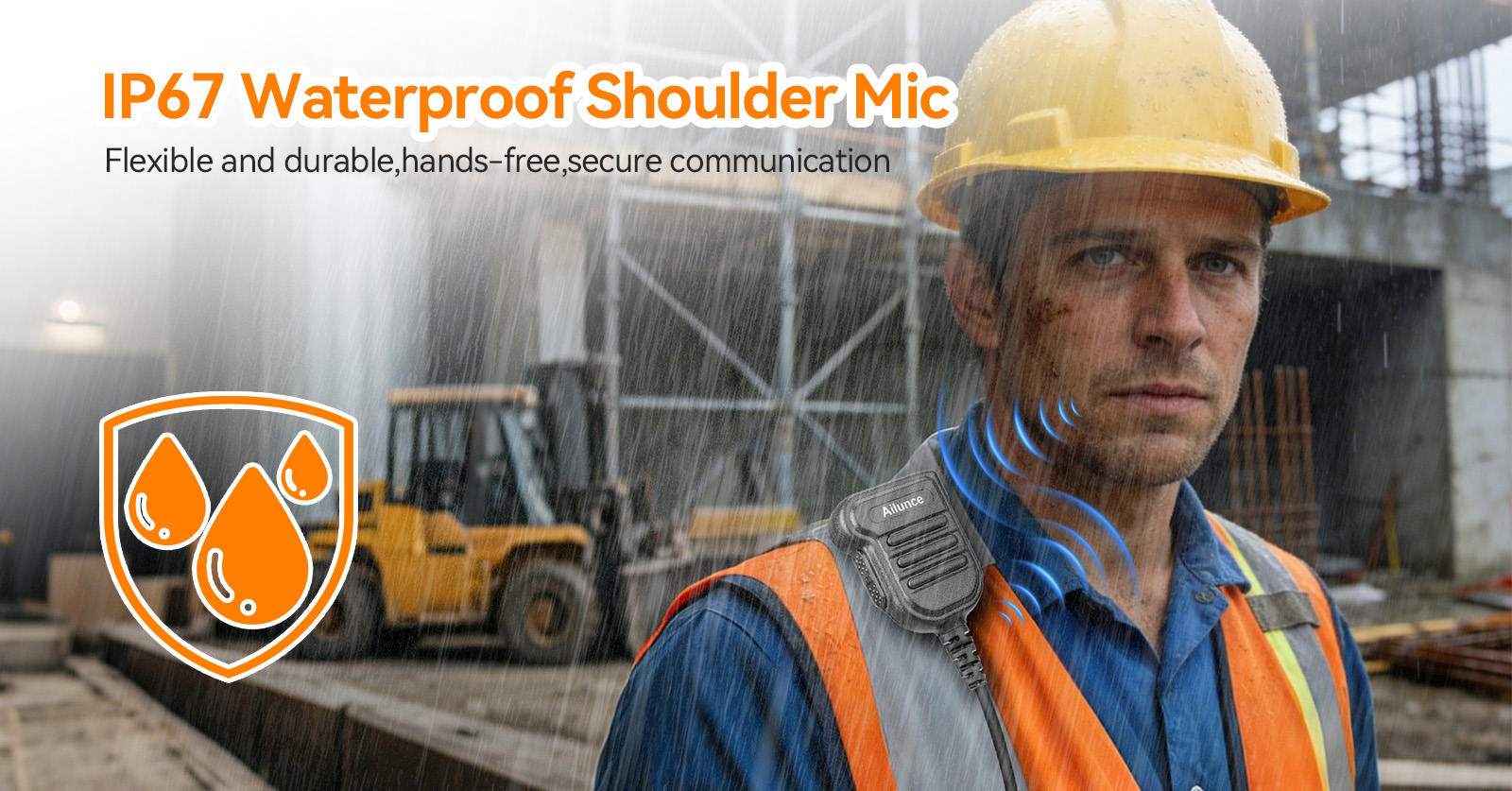
A remote speaker microphone allows workers to keep the radio attached to their clothing or equipment while keeping the controls accessible.
For teams working in demanding environments, accessories are not simply add-ons. They are part of the communication solution.
3. Plan Battery Life for Long Construction Shifts
Many power plant construction projects operate on extended schedules, including 10-hour or 12-hour shifts.
When selecting radios, battery performance should be evaluated based on real working conditions, including:
- Battery capacity
- Transmit frequency
- Receive time
- Standby periods
- Number of daily conversations
- Temperature and environment
Maximum standby time does not always represent actual field performance.
For example, a project with 20 active radio users may require additional radios for:
- Backup communication
- Battery replacement
- Maintenance periods
- Visitor or temporary worker use
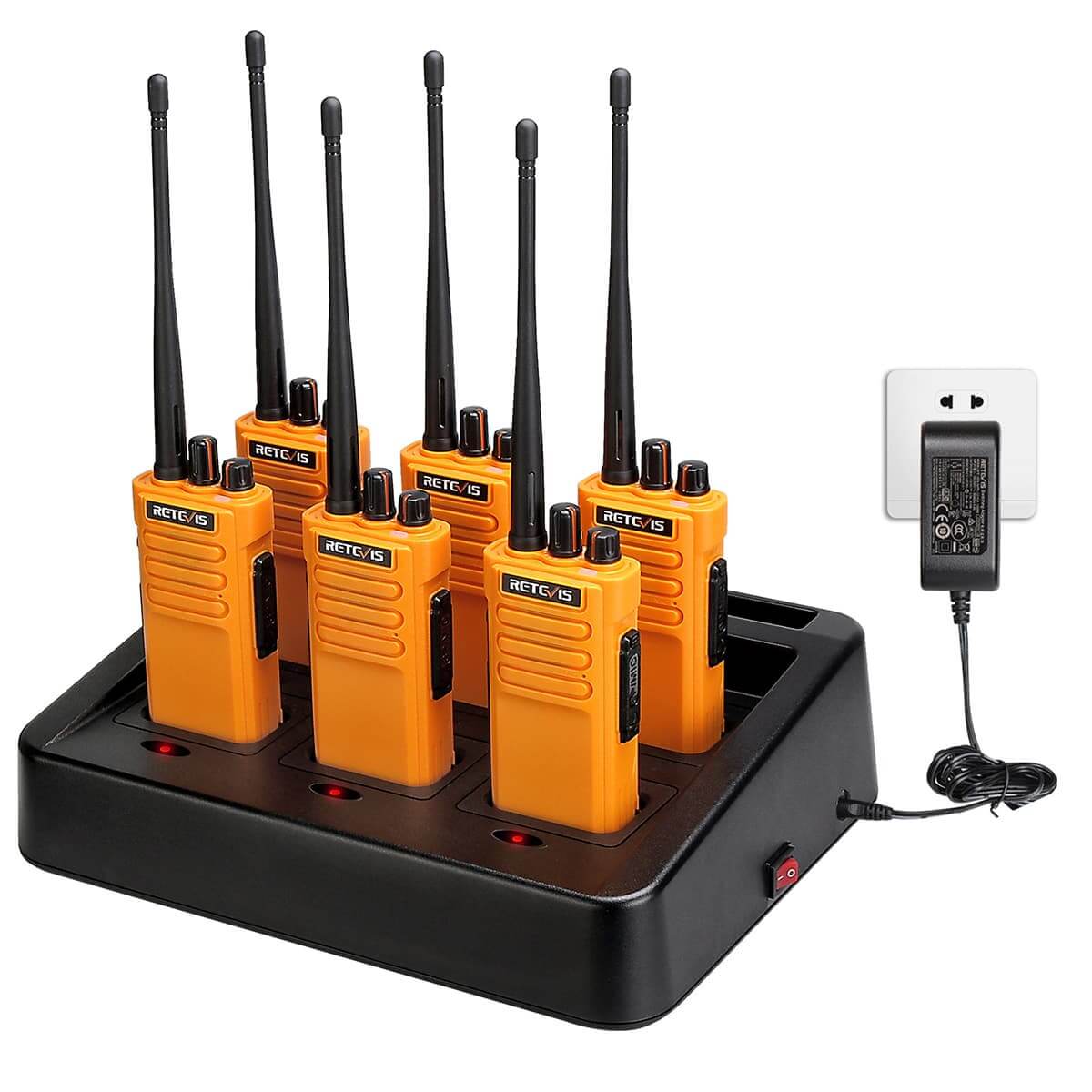
Spare batteries and multi-unit charging stations should be included when planning a complete industrial radio communication system.
4. Consider Noise Reduction and Audio Performance
Power plants can create challenging audio environments.
Mechanical equipment, engines, compressors and ventilation systems may generate continuous background noise. In these conditions, communication quality depends not only on transmission distance but also on voice clarity.
When selecting radios, consider:
- Noise reduction capability
- Speaker performance
- Remote speaker microphones
- Headsets and earpieces
- Compatibility with hearing protection
The key question is:
Can workers clearly understand important instructions the first time?
For safety-related communication, clear audio can be as important as radio coverage.
5. Select the Right Radio Type: Analog or DMR
Different power plant projects may require different communication technologies.
Analog Two-Way Radios
Analog radios can be suitable for:
- Short-term construction projects
- Basic team communication
- Simple channel requirements
DMR Digital Radios
DMR two-way radios provide additional capabilities, including:
- Better spectrum efficiency
- Digital audio quality
- Group communication
- Improved channel management
- Additional safety features
For longer construction projects or facilities that may continue into operation and maintenance phases, DMR radios for industrial communication may provide more flexibility.
The best choice depends on project duration, communication needs and future expansion plans.
6. Create a Channel Plan Based on Work Groups
Power plant construction involves multiple teams working simultaneously.
A practical channel structure may include:
- Construction team
- Mechanical team
- Electrical team
- Commissioning team
- Safety team
- Operations team
- Management communication
- Emergency communication
The correct number of channels depends on workflow and communication volume.
A project with occasional coordination calls requires a different setup from a site where multiple teams communicate continuously throughout the day.
Proper channel planning helps reduce unnecessary radio traffic and keeps important messages accessible.
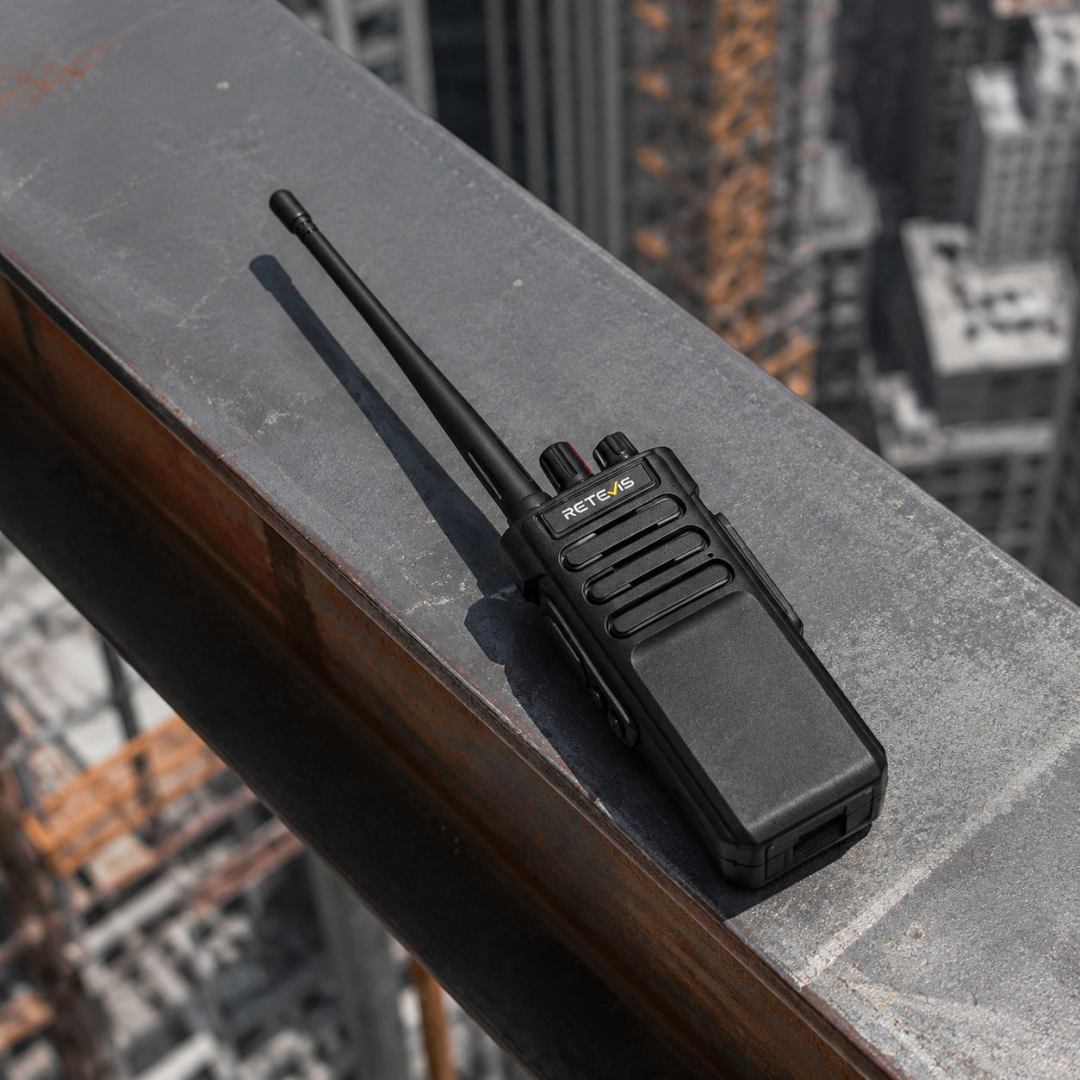
7. Combine Direct Communication and Repeater Systems
Not every area requires the same communication solution.
A hybrid approach is often practical:
Direct Radio Communication
Suitable for:
- Small work zones
- Nearby teams
- Temporary tasks
Repeater-Assisted Communication
Suitable for:
- Large power plant buildings
- Multiple floors
- Areas with signal obstacles
- Sites requiring wider coverage
A repeater-based system can help connect different work areas while maintaining simple handheld radio operation.
8. Consider FCC Requirements Before Deployment
In the United States, business radio systems must consider FCC certification and licensing requirements.
Before deploying radios for power plant construction, organizations should confirm:
- Radio FCC certification
- Appropriate frequency use
- Business radio licensing requirements
- Frequency coordination needs
The project location and operating environment affect the final communication plan.
For new construction projects without an existing radio license, regulatory planning should be completed before installation rather than after equipment arrives.
9. Understand Hazardous Location Requirements
Some industrial environments may require specialized radios designed for hazardous locations.
However, not every power plant construction area requires hazardous-location-certified equipment.
If hazardous-location radios are needed, companies should verify:
- Required certification standard
- Approved radio model
- Approved batteries
- Approved accessories
Requirements should always be confirmed according to the specific working environment.
10. Select Accessories That Match Field Operations
A complete power plant communication system includes more than handheld radios.
Common accessories include:
- Remote speaker microphones
- Earpieces
- Spare batteries
- Multi-unit chargers
- Carrying solutions
The right accessories improve usability, especially when workers are wearing gloves, safety equipment or hearing protection.
Build the Communication System Around the Job
The best two-way radios for power plant construction are not necessarily the models with the longest advertised range or the most features.
A reliable system should be selected according to:
Coverage → Environment → Noise → Battery → Communication Groups → Accessories → Compliance
By evaluating these factors together, construction managers and safety teams can build a communication solution that supports daily operations, improves coordination and adapts to changing project requirements.
FAQ: Two-Way Radios for Power Plant Construction
What is the best two-way radio for power plant construction?
The best radio depends on the project environment, coverage requirements and communication needs. Construction teams should consider coverage, durability, battery life, audio performance, channel requirements and FCC compliance rather than choosing only by range.
Do power plant construction sites need radio repeaters?
Not always. Small work areas may use direct radio communication. Larger facilities with multiple buildings, concrete structures or equipment obstacles may benefit from a repeater system to improve coverage.
Are DMR radios suitable for power plant construction?
Yes. DMR two-way radios can provide digital communication, better channel management and group communication features, making them suitable for longer-term industrial projects.
How many channels does a power plant radio system need?
The number of channels depends on the number of work groups and communication traffic. Common groups may include construction, electrical, mechanical, safety, commissioning and emergency teams.
Do power plants require intrinsically safe radios?
Only certain hazardous environments require intrinsically safe radios. The requirement depends on the specific area classification and safety standards. Companies should verify requirements before selecting equipment.
What accessories improve communication in noisy power plants?
Remote speaker microphones, headsets, earpieces and noise-reduction accessories can help workers communicate more effectively in areas with high background noise.
Conclusion
Selecting two-way radios for power plant construction requires understanding the actual working environment.
Coverage challenges, industrial noise, long shifts, multiple teams and regulatory requirements all influence the right communication system.
By planning around the job site instead of focusing only on radio specifications, construction teams can create a more reliable communication network for construction, commissioning and future operational needs.



 Google
 Amazon
Comments
No data Yet