

Table of Contents
How to Audit and Upgrade Construction Site Communication Systems Before Year-End
- Posted by:Retevis
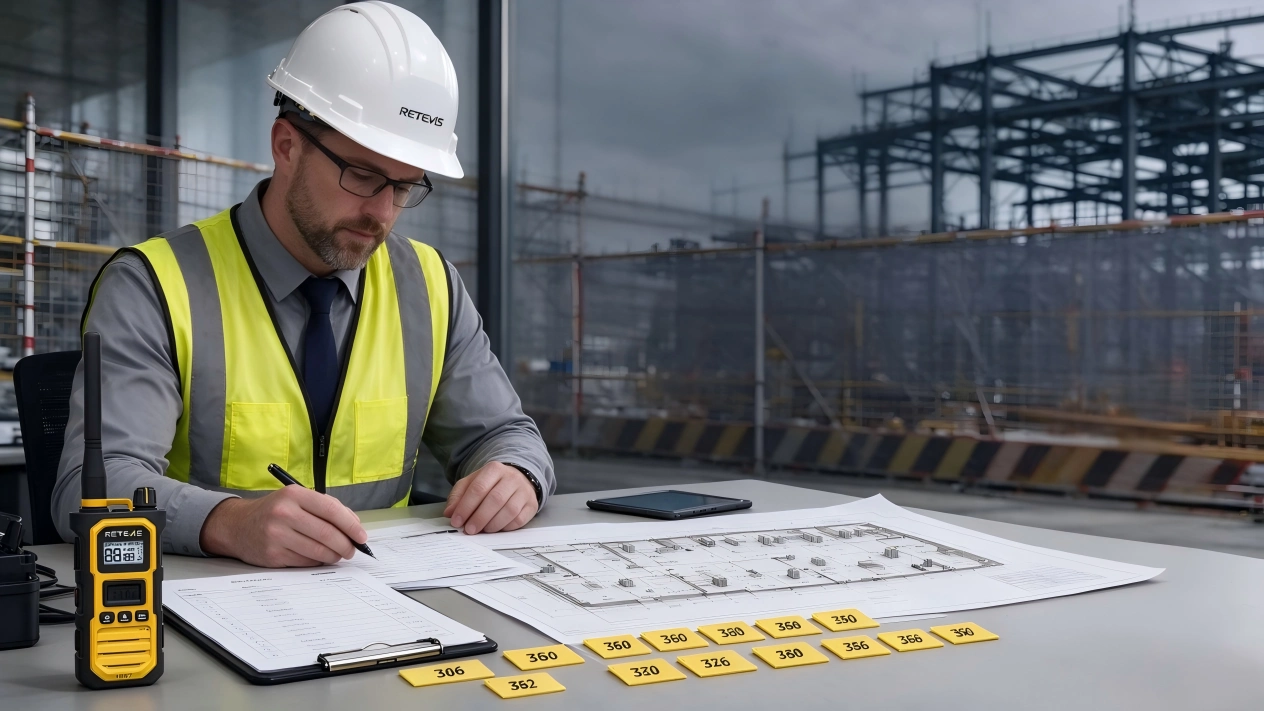
Year-end equipment audits are a high-pressure task for construction equipment managers. You must balance tight budgets, strict safety compliance, and operational readiness for next year’s project pipeline. Many teams put off radio fleet updates because they lack clear replacement benchmarks. Outdated radios create hidden risks: dropped calls on high-rise building construction sites, dead batteries during double shifts, and poor performance in dusty or wet conditions. This guide breaks down actionable steps to audit your fleet, decide when to replace devices, and select new construction site communication systems that match your project needs.
Why Construction Site Communication Systems Fail Year-End Audits
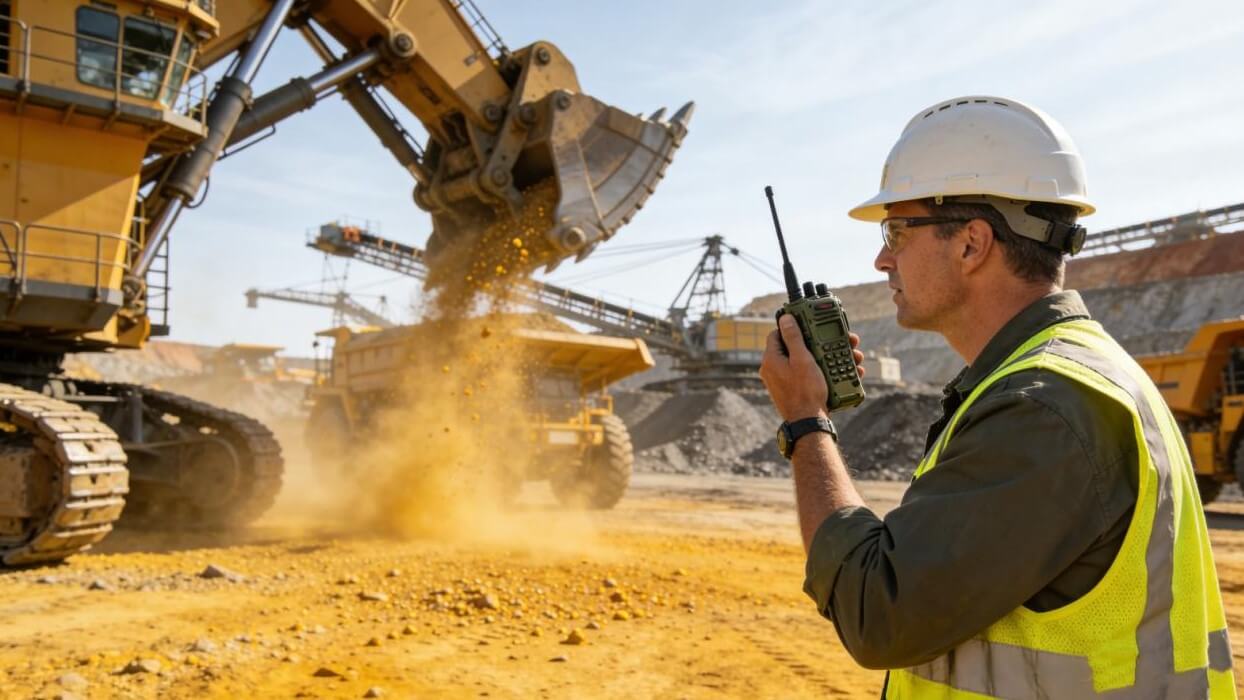
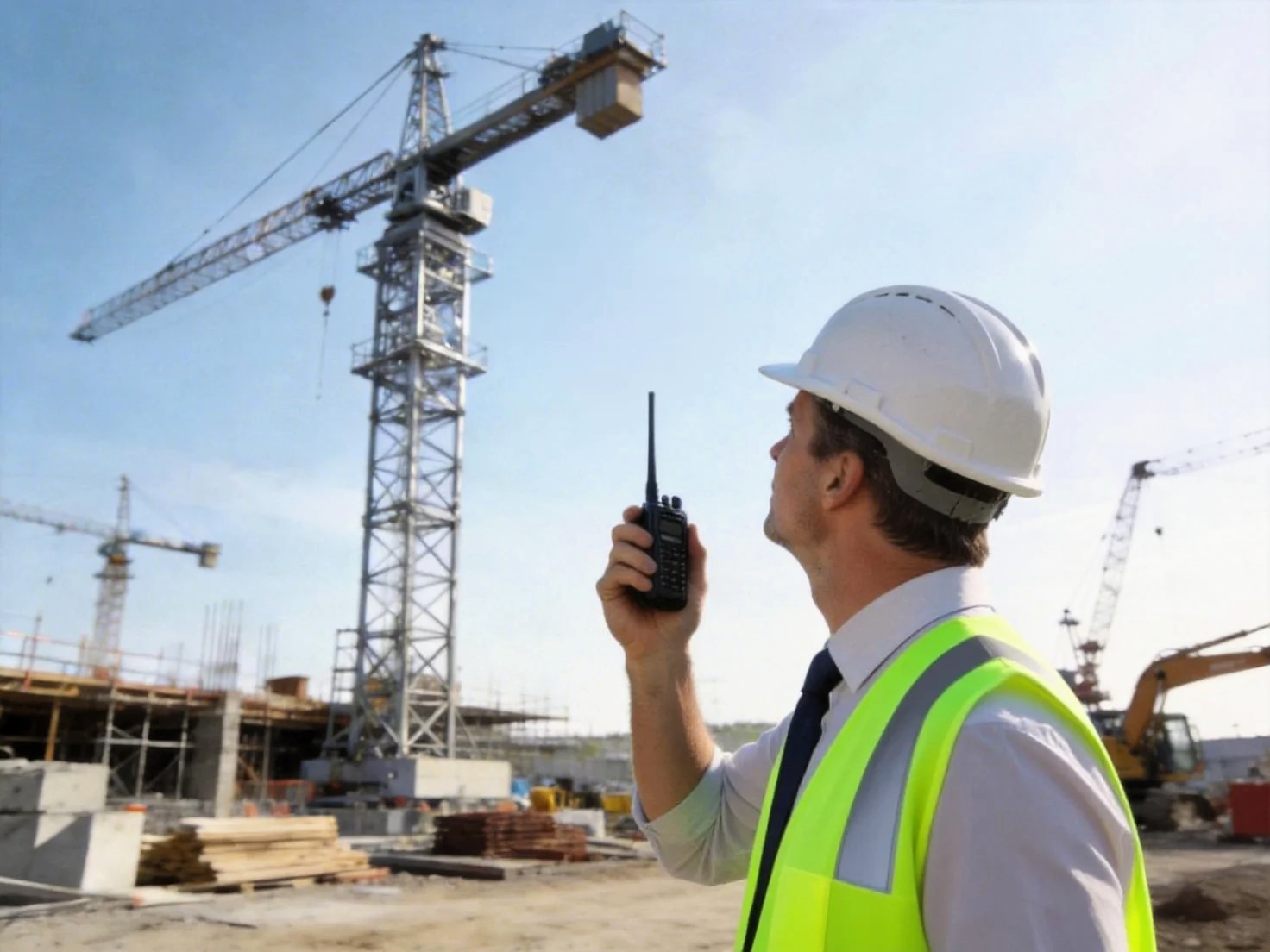
Aging radios create three major gaps that hurt audit scores and raise operational risk. First, signal performance degrades over time, especially on complex sites. On a steel structure building construction site, older low-power radios cannot penetrate steel beams and thick concrete walls. Teams on tower crane construction site operations often lose contact with ground crews, slowing lifting cycles and creating safety hazards. Second, worn devices lose their environmental protection. Cracked casings and worn seals let in dust and water, leading to frequent breakdowns. This is a critical issue on heavy equipment construction site environments where drops and debris are part of daily work. Third, older models lack modern safety features. Most do not support one-touch emergency alarms or lone worker protection. This puts field teams at risk and can lead to compliance failures during official safety inspections.
Clear Replacement Criteria for Construction Site Communication Systems
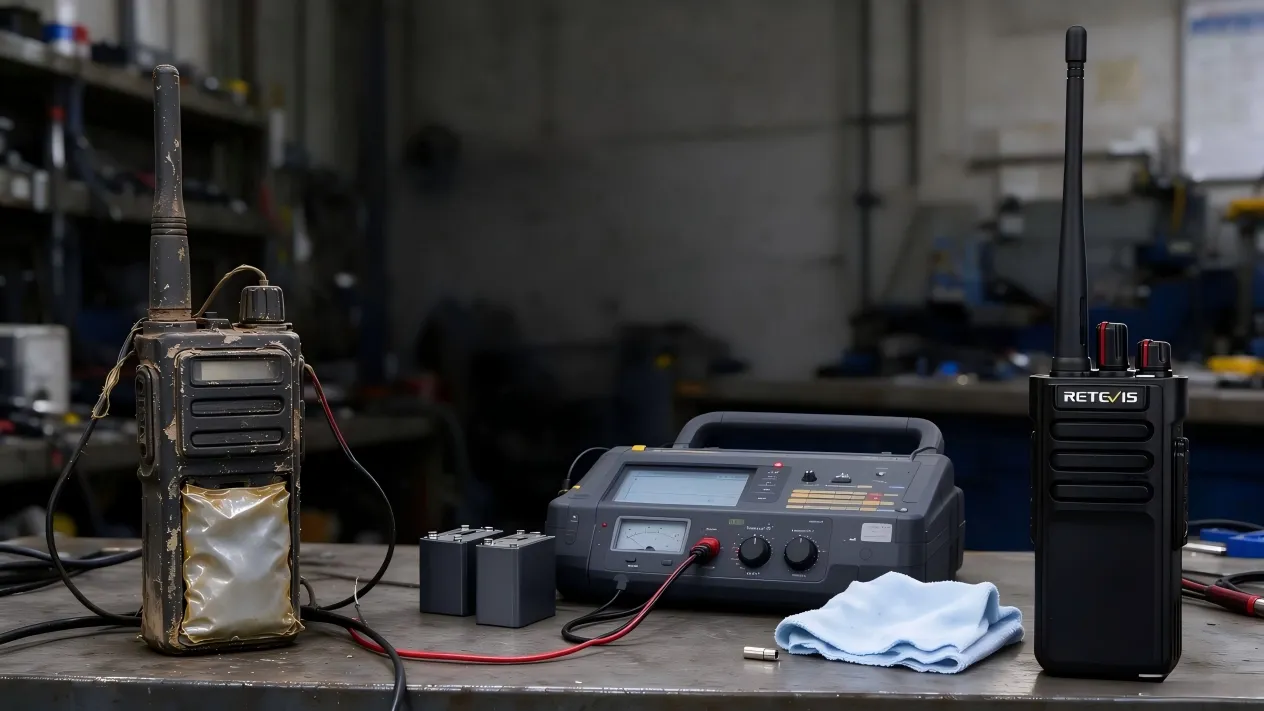
Use these four measurable criteria to decide which radios to replace and which to keep.
- Signal and coverage performance: If a radio cannot maintain clear communication across a multi-story building construction site, it no longer meets baseline operational needs. Test units at maximum site range and inside concrete core areas.
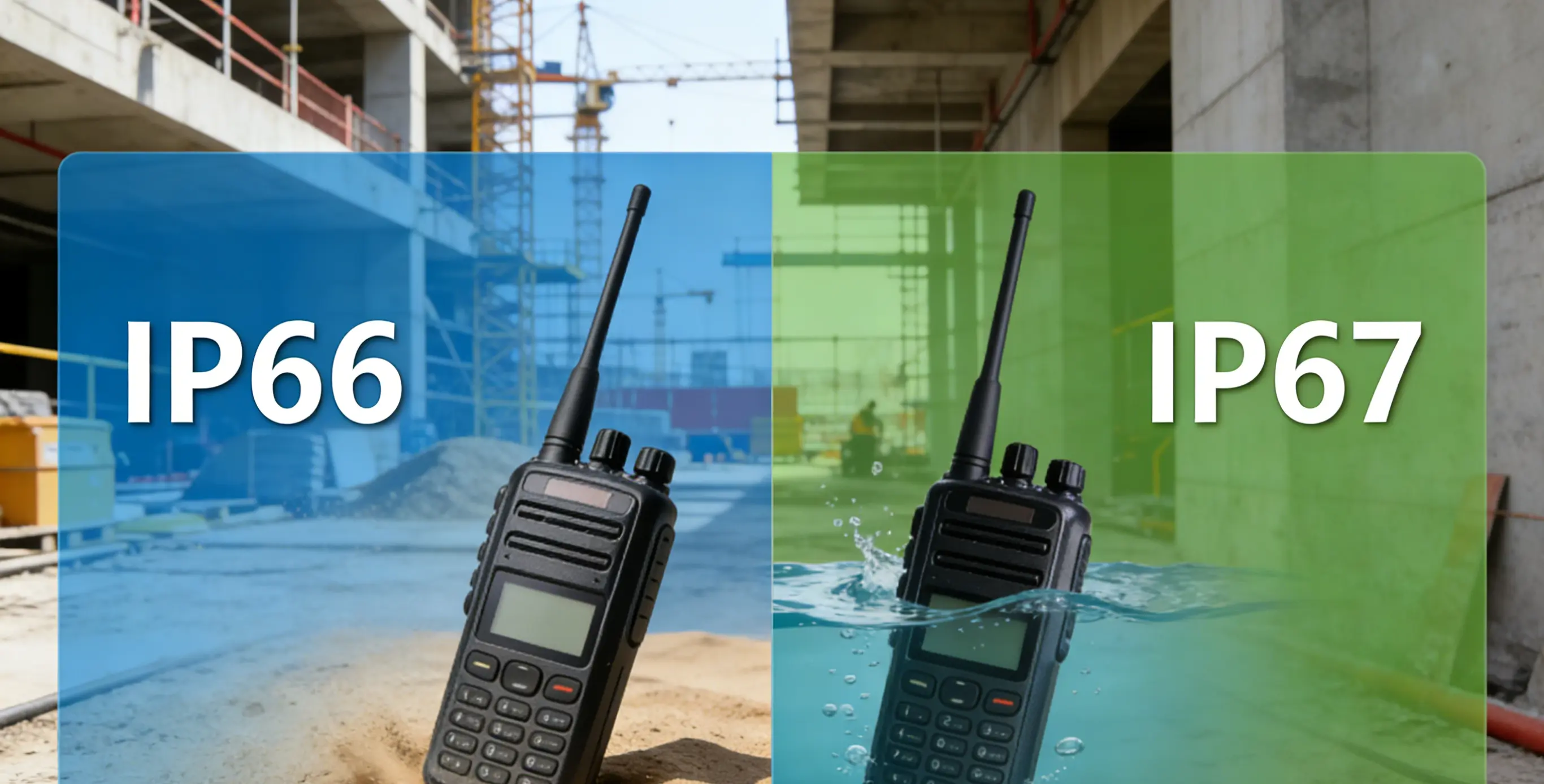
- Physical and environmental condition: Replace devices with cracked casings, stuck buttons, or degraded waterproof ratings. IP seals wear out over time, so re-test water and dust resistance every year.
- Battery and runtime: Replace batteries that deliver less than 8 hours of talk time on a full charge. If devices require mid-shift charging on regular 10-hour shifts, they create unnecessary downtime.
- Safety and compliance: Retire radios without emergency alert functions or encryption if you work on confidential or high-risk construction projects. These criteria help you prioritize upgrades and get the most value from your construction site communication systems.
Maximize Residual Value of Older Radio Devices
You do not need to scrap every older radio. With smart allocation, you can extend their value and reduce new purchase costs. First, reassign functional older units to low-demand roles. Use them for short-range tasks on small renovation projects, or as backup radios for visitor crews and temporary staff. Second, rotate them as emergency spares for active job sites. Keep a small stock of tested older units on site to replace broken devices immediately without waiting for new orders. Third, explore trade-in or bulk recycling programs. Many vendors offer credit for old fleets when you purchase new construction communication solutions. This reduces total upgrade cost and supports sustainable management of your construction site communication systems.
New Radio Selection Guide for Full Construction Scenarios
The right devices form the foundation of reliable construction site communication systems. Match your new radios to your most common project types to get the best balance of performance and cost.
For General Commercial & Mid-Rise Projects
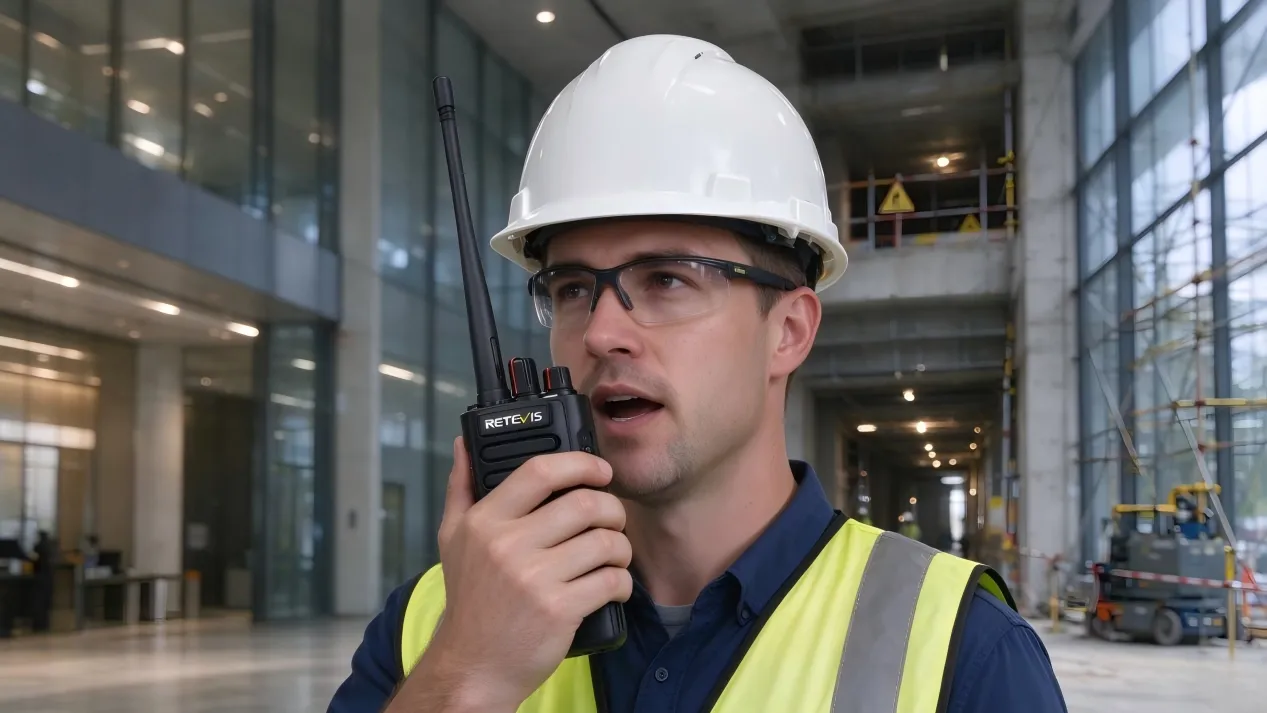
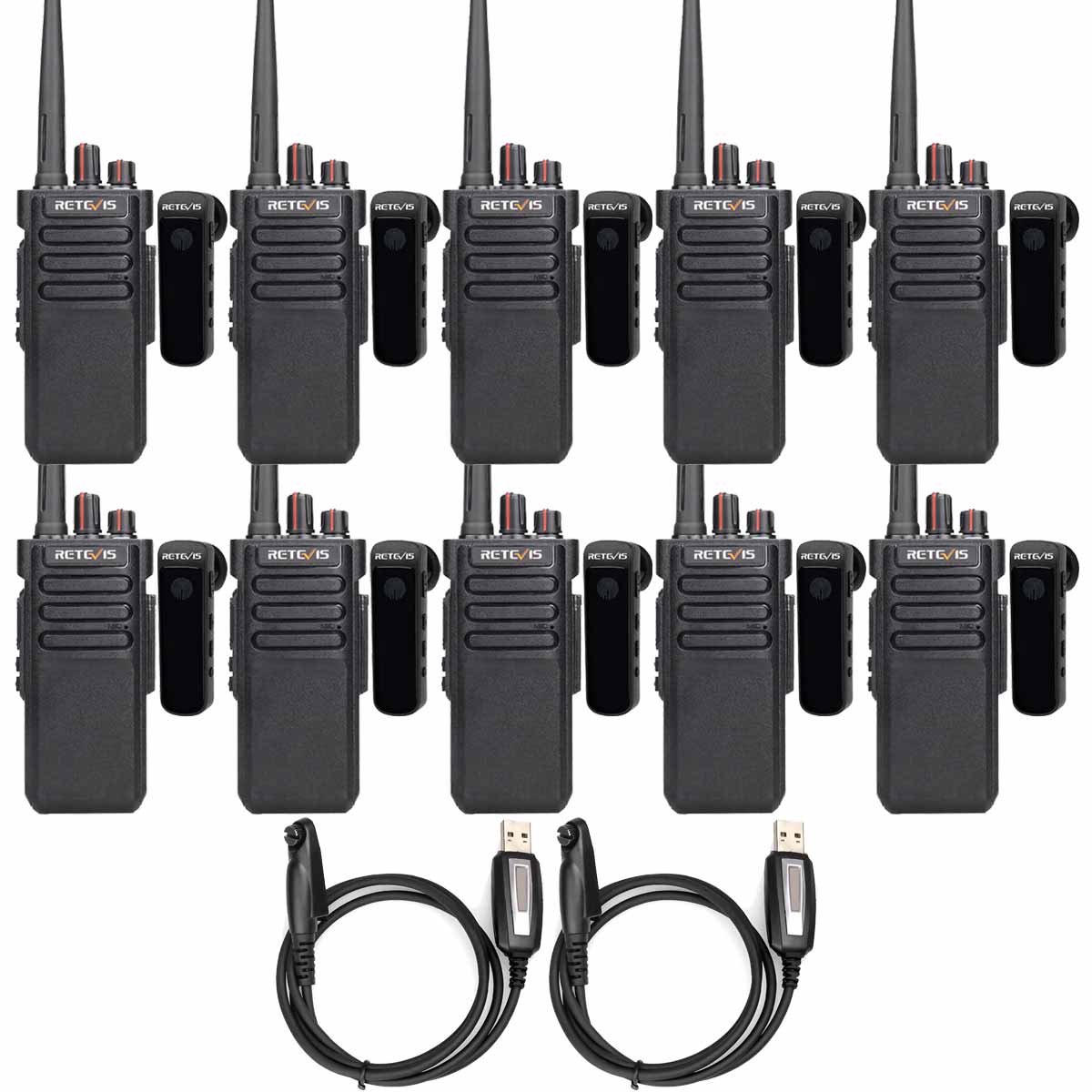
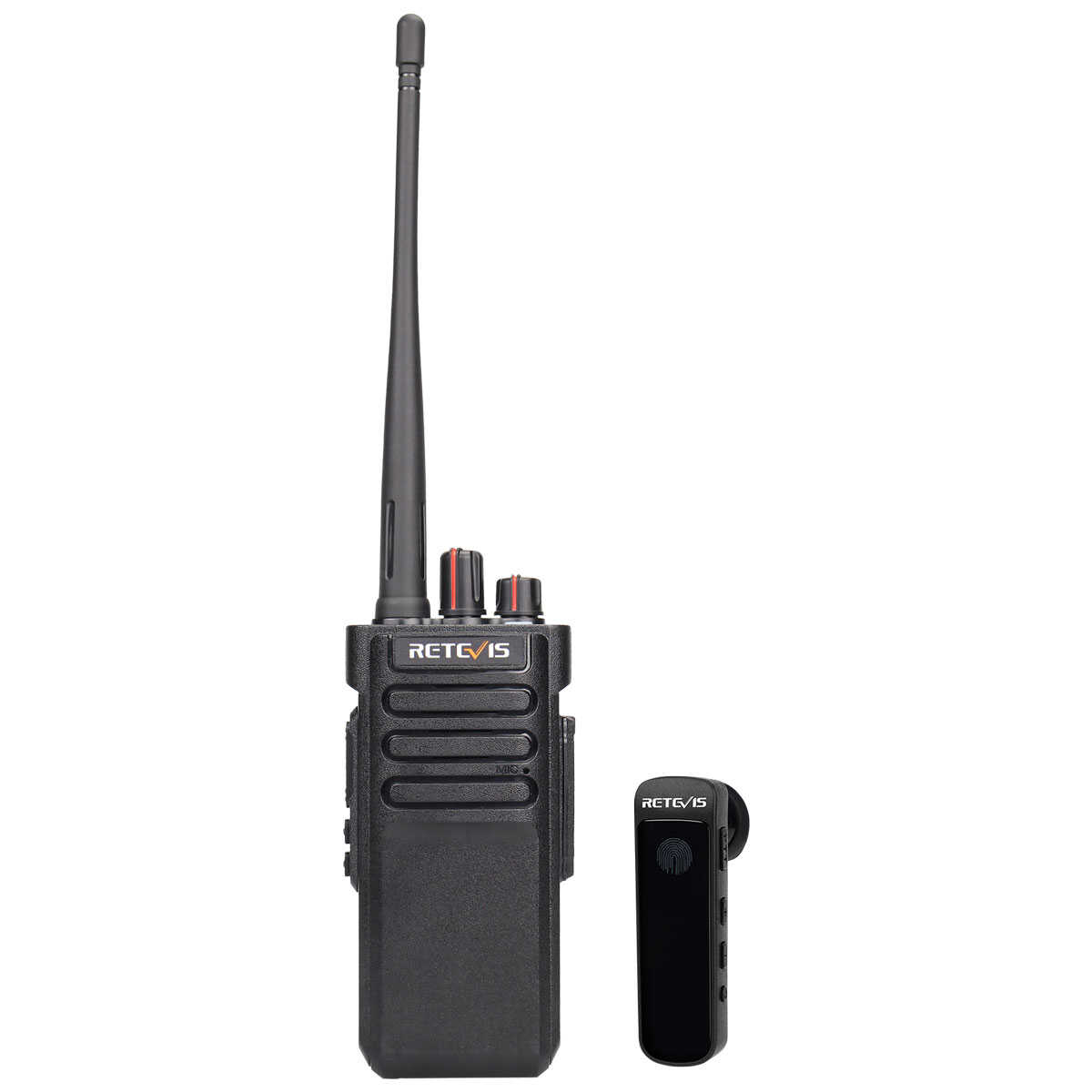
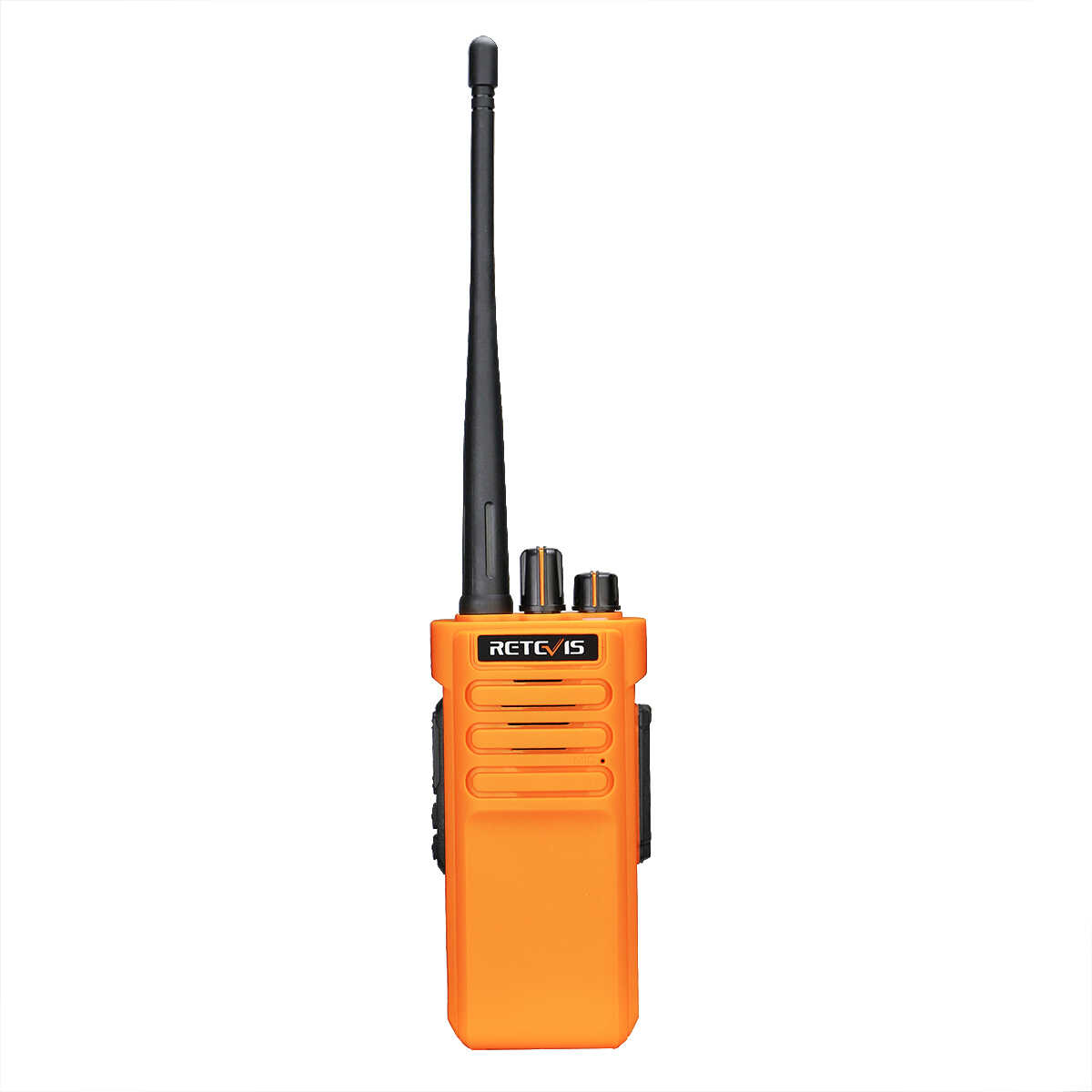
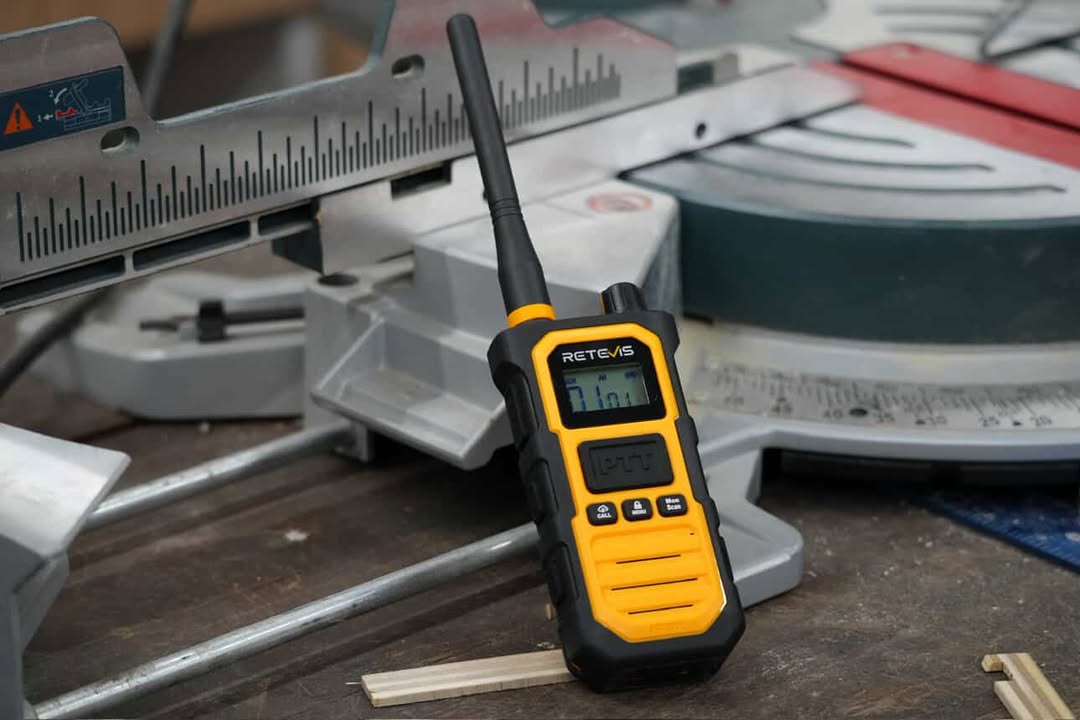
For standard commercial building and mid-rise work, prioritize rugged, easy-to-use devices with strong battery life. The Retevis RT29 UHF Heavy Duty Walkie Talkie offers a 3200mAh battery for all-day use and IP67 waterproofing. Its military-grade aluminum alloy body withstands 2-meter drops, making it ideal for daily jobsite wear and tear. Built-in noise cancellation ensures clear audio even near operating machinery. It balances reliable performance and low cost for teams with mixed project types.
For Large Complex & High-Rise Projects
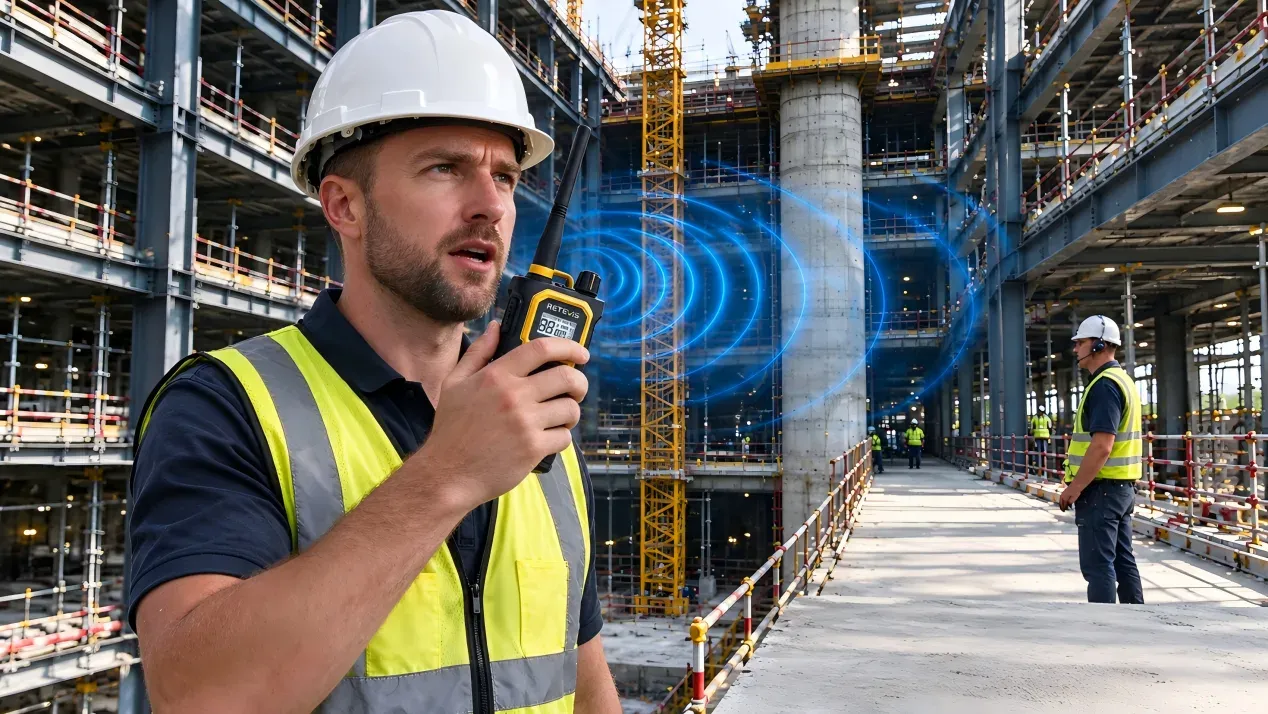
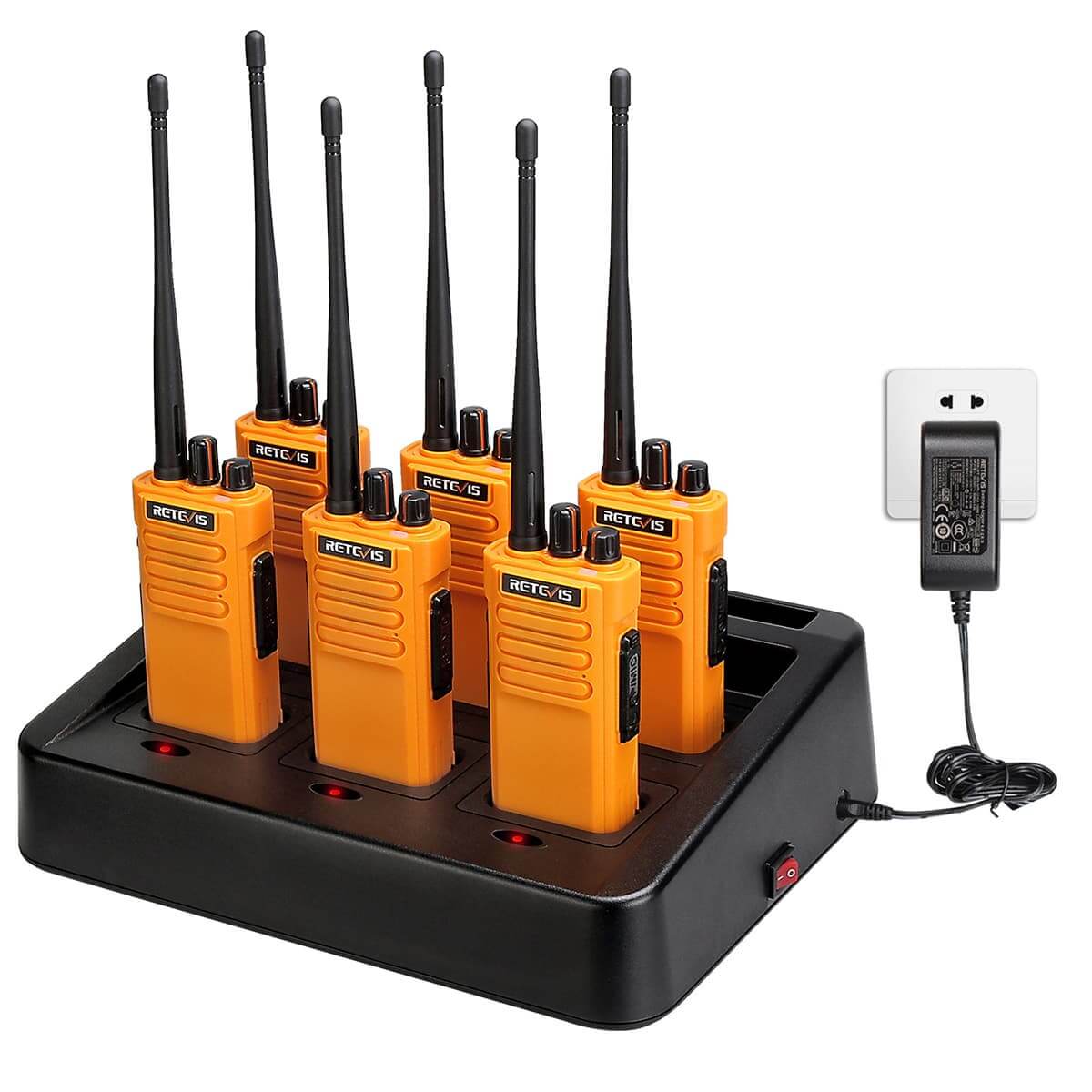
For large sites and vertical construction, you need higher power and better penetration to maintain consistent connectivity. The Retevis RB48 Pro delivers 10W transmission power that cuts through steel frames and concrete structures. It covers up to 700,000 sq ft across 50 floors, eliminating dead zones on tall sites. AI noise cancellation strips out heavy machinery noise so crews hear instructions the first time. Multi-unit charging stations keep teams ready through shift changes, and emergency alarms support formal on-site safety protocols.
For Digital Migration & Security-Focused Projects
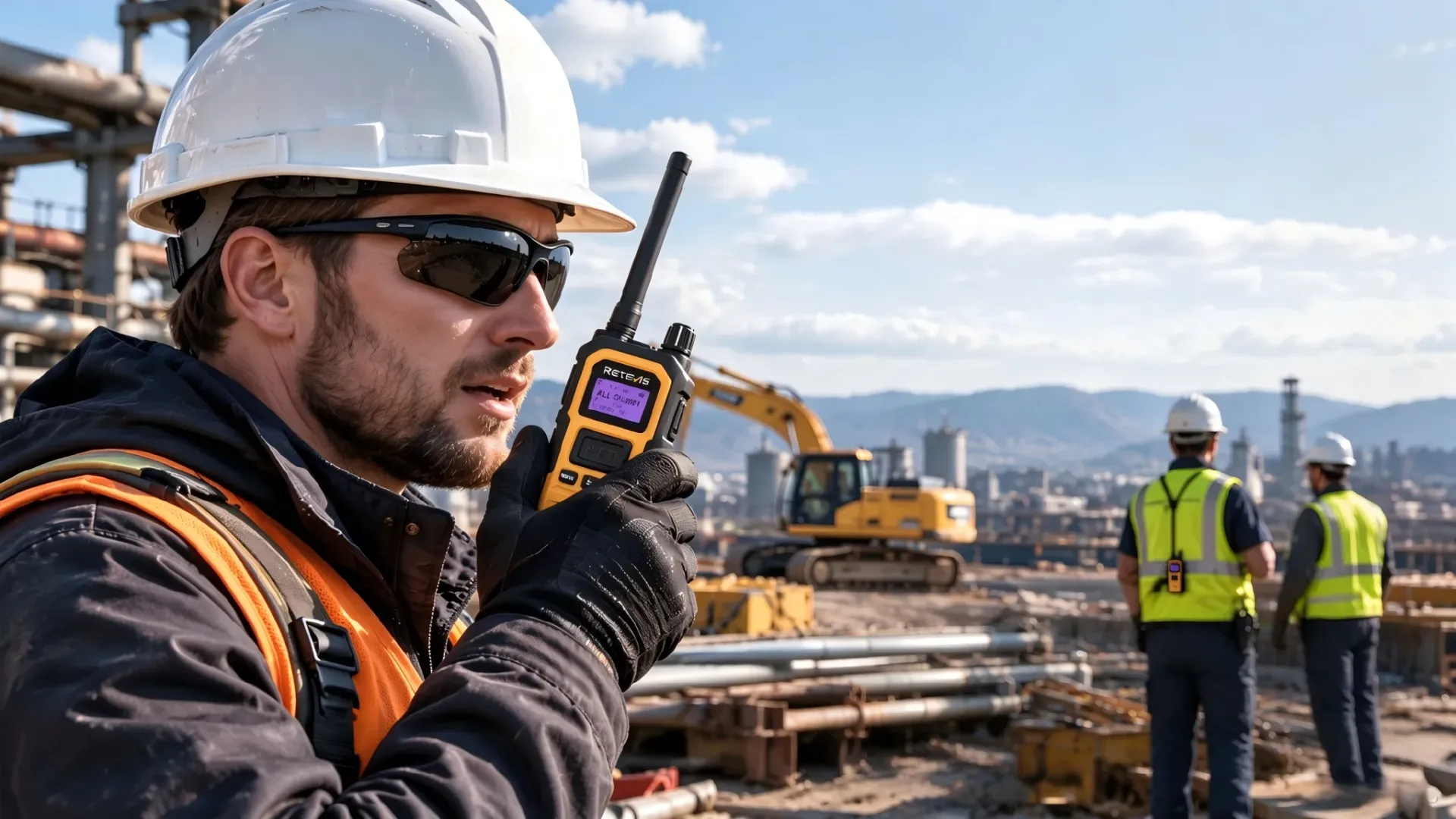
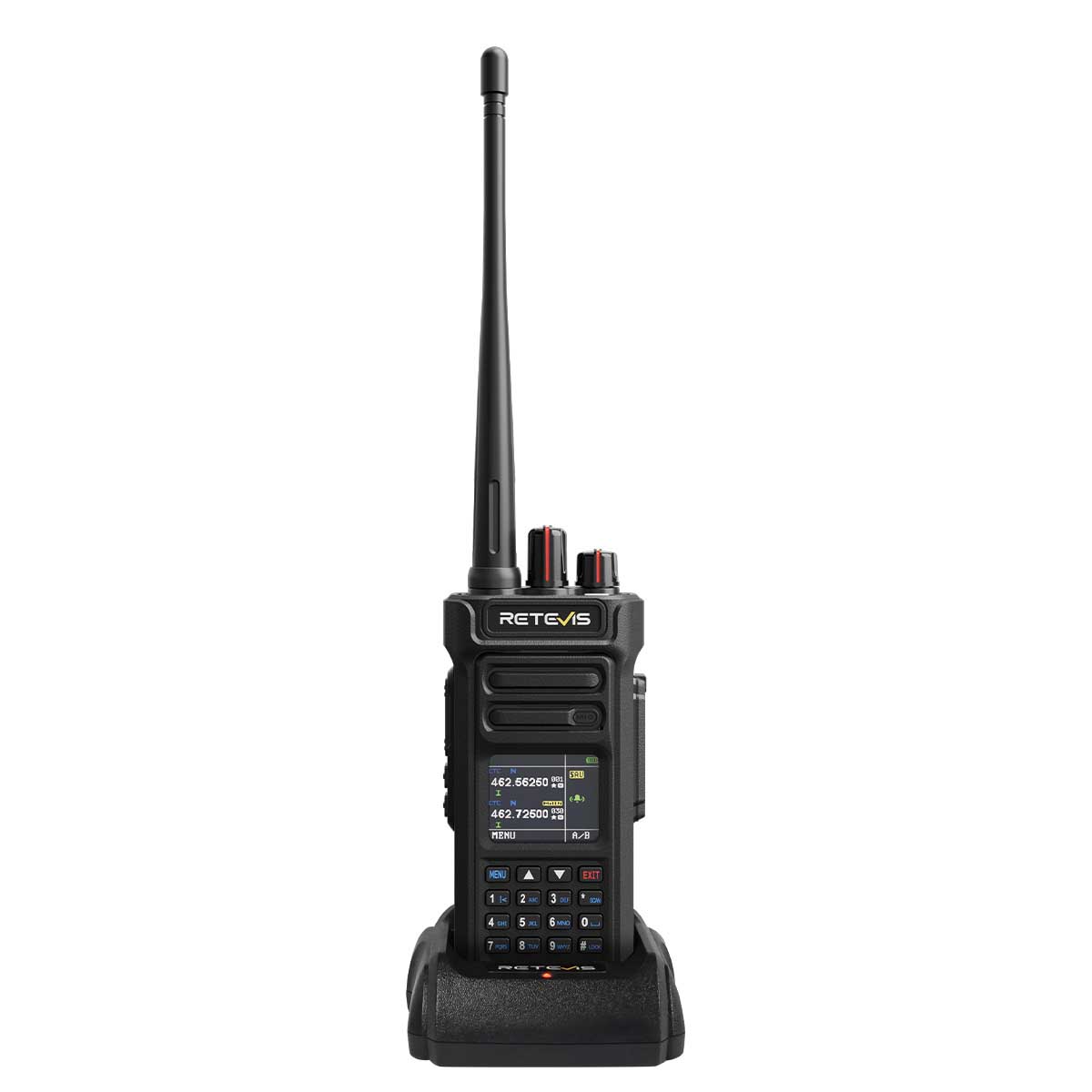
If you are migrating to digital systems or work on confidential projects, choose DMR radios with encryption and advanced safety features. The Retevis RB48D IP67 Waterproof DMR Walkie Talkie supports both digital and analog modes. It works with your existing analog fleet during phased upgrades, so you do not have to replace all devices at once. It offers AES256 encryption for secure conversations and a man-down alert function for high-risk tasks. Its -30°C to 60°C operating range supports year-round use in all weather conditions. For longer-range needs across multiple job sites, the Retevis NR30D Long Range DMR Radio provides extended coverage and lone worker protection. It is compatible with common DMR radio systems, making it easy to integrate with existing contractor communication tools.
Conclusion
Year-end equipment audits are more than just inventory checks. They are an opportunity to strengthen safety, reduce downtime, and align your tools with next year’s project goals. Construction site communication systems form the backbone of on-site coordination and safety. By using clear replacement criteria, maximizing older device value, and matching new radios to your project types, you can complete your audit efficiently and build a more reliable fleet. Download our full year-end equipment audit checklist to streamline your review process. You can also contact our team to schedule a free site assessment and get a customized radio fleet upgrade plan.
Leave a Reply




 Google
 Amazon
Comments
No data Yet