

Table of Contents
How Logistics Communications Solutions Boost Q4 Retail Warehouse Tender Competitiveness
- Posted by:Retevis
Q4 marks the busiest tender season for retail logistics operations. Logistics managers preparing bids for new warehouse contracts must prove their ability to deliver consistent, safe, and efficient on-site operations. Many bids fall short because they overlook the critical role of on-site communication infrastructure. Poor connectivity leads to order delays, safety incidents, and higher operational costs — all red flags for procurement teams. The right communication tools for logistics can make the difference between a winning bid and a rejected one. This article outlines core evaluation criteria for on-site systems and shows how targeted logistics communications solutions can strengthen your proposal.
Key Communication Challenges That Weaken Q4 Retail Logistics Tenders
Weak warehouse logistics communication directly impacts both operational efficiency and safety scores. Procurement teams flag three common gaps in tender submissions.
First, signal dead zones are a persistent risk in modern retail warehouse environments. Many logistics warehouse construction projects use steel frames and concrete walls that block radio signals. In multi-level warehouse facility layouts, even standard radios drop coverage between floors or in deep storage aisles. Procurement teams penalize bids that cannot guarantee dead-zone-free communication across the entire site. These gaps show why robust logistics communications solutions are a non-negotiable part of any competitive bid.
Second, high background noise disrupts critical instructions on busy fulfillment floors. During Q4 peak seasons, order picking, loading, and machinery operation create constant ambient noise. When workers cannot hear commands clearly, they make more errors and slow down throughput. This directly impacts productivity metrics that weigh heavily in tender scoring.
Third, uncoordinated team communication slows emergency response and daily coordination. Retail warehouses host multiple teams — picking, loading, maintenance, and security — all on separate schedules. Without structured channels, urgent messages get lost, and incident response times increase. Safety is a top evaluation factor, so weak emergency communication frameworks will lower your bid score.
Build a Winning Bid With Structured Logistics Communications Solutions
To stand out in Q4 tenders, your proposal must address each challenge with measurable, hardware-backed solutions. This is why purpose-built logistics communications solutions are a core evaluation metric for modern warehouse tenders.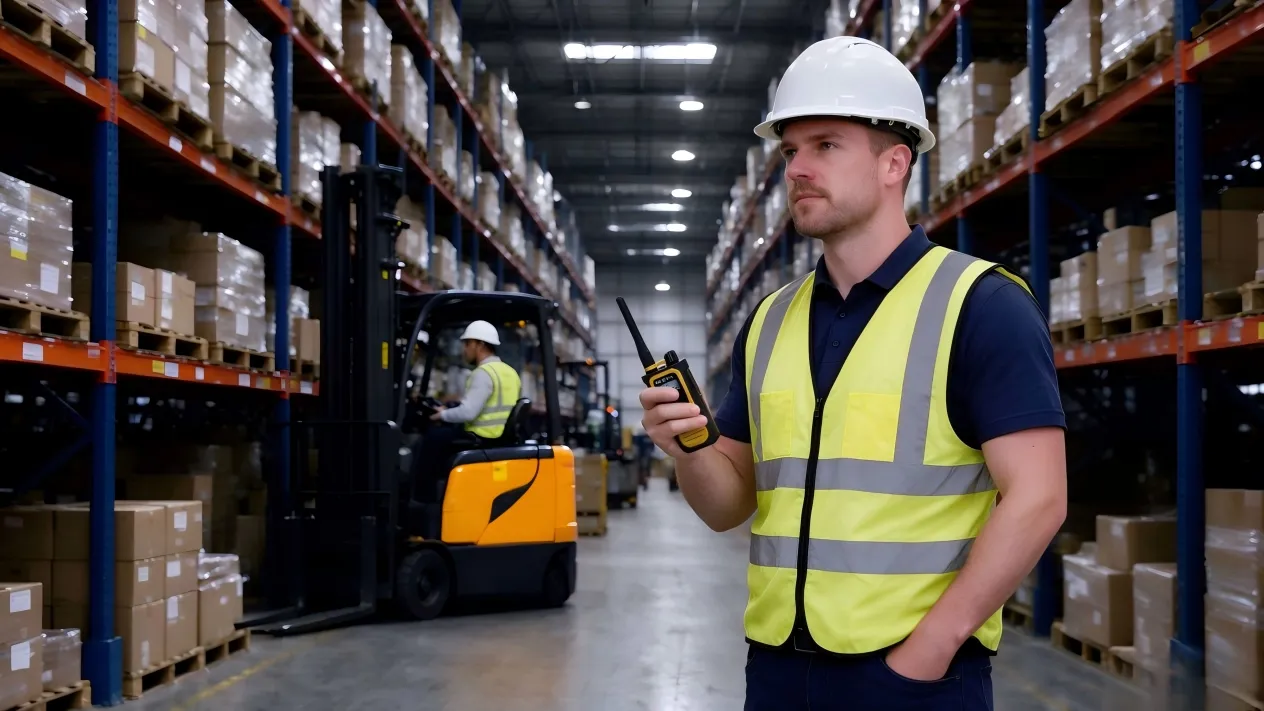
Deploy High-Power, Rugged Devices Built for Warehouse Conditions
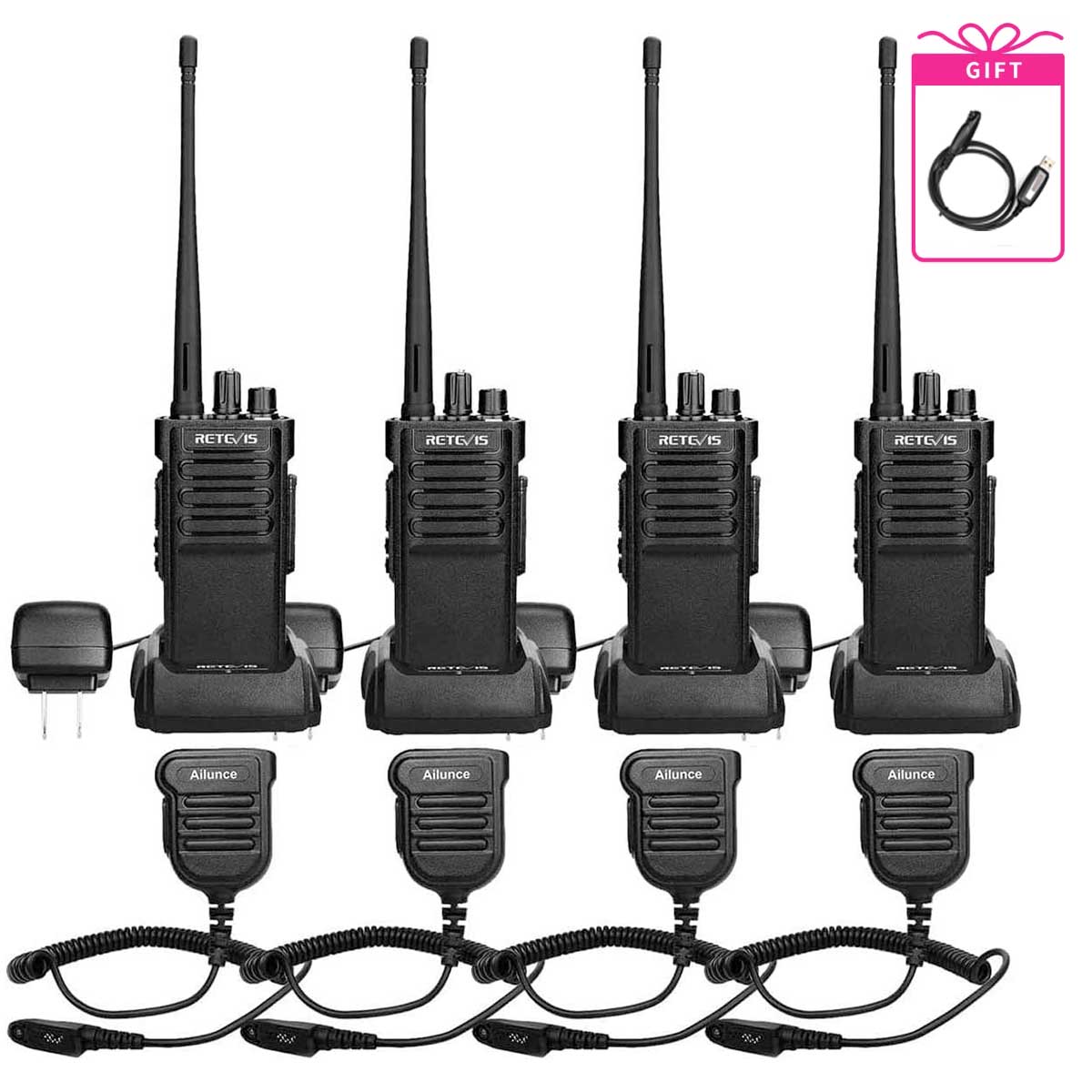
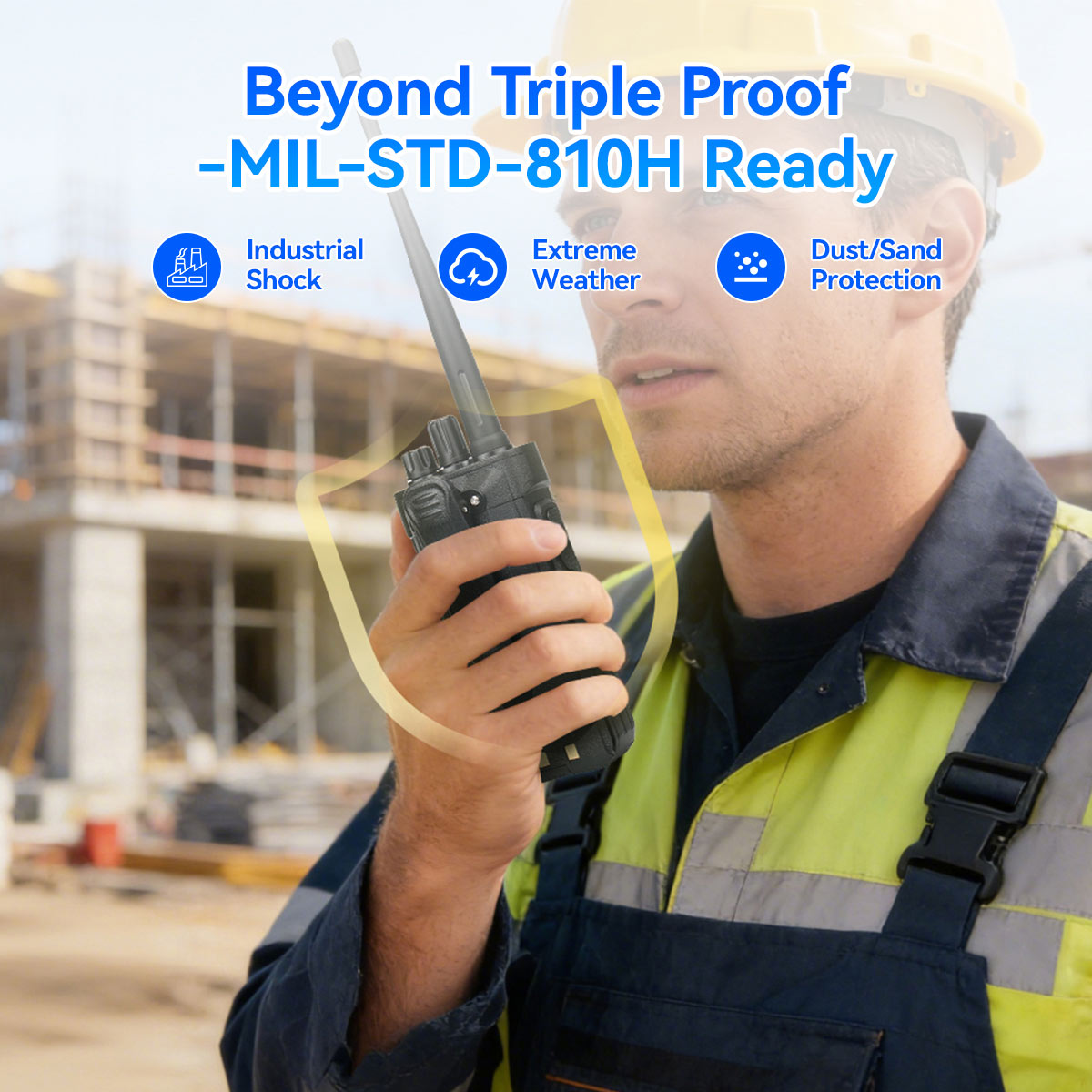
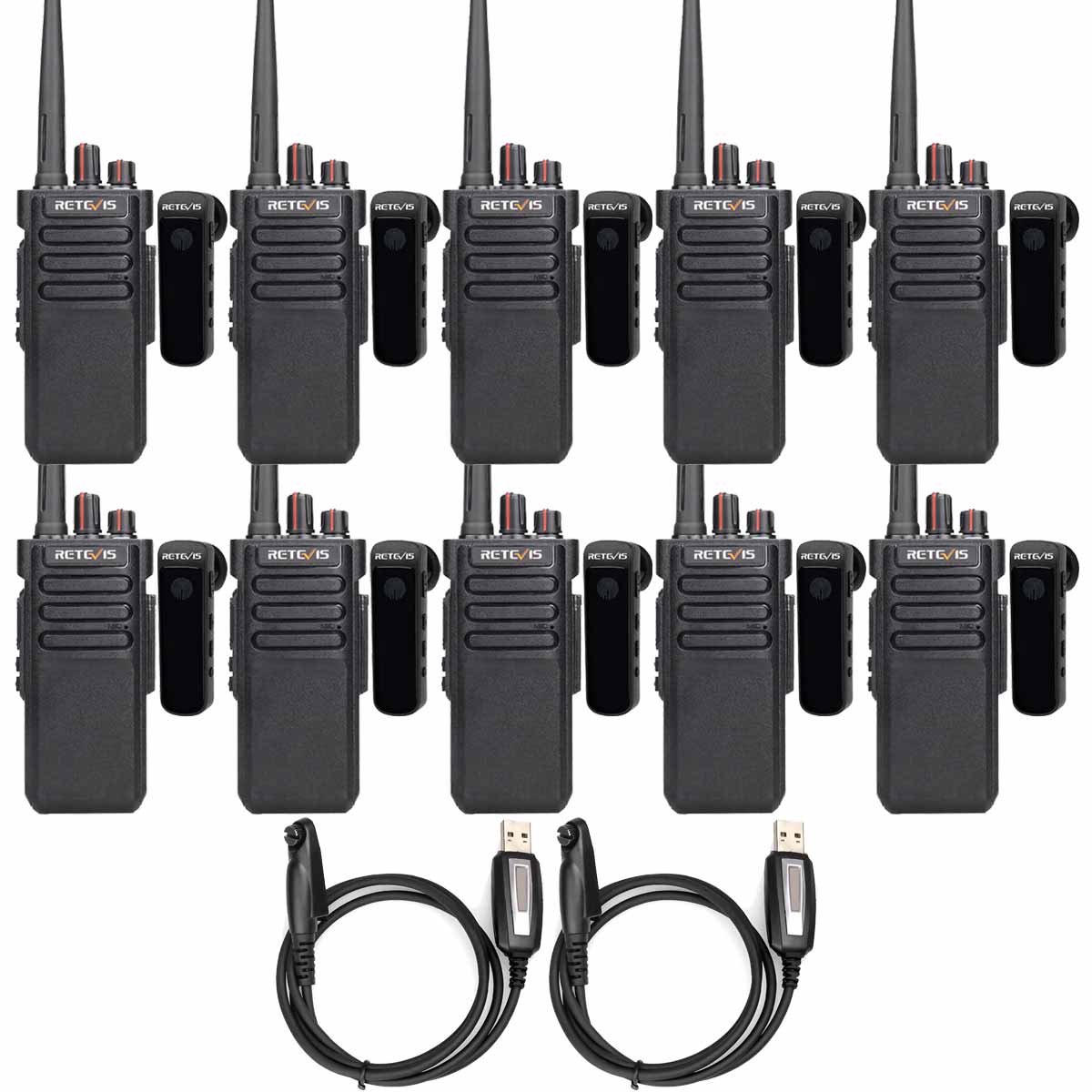
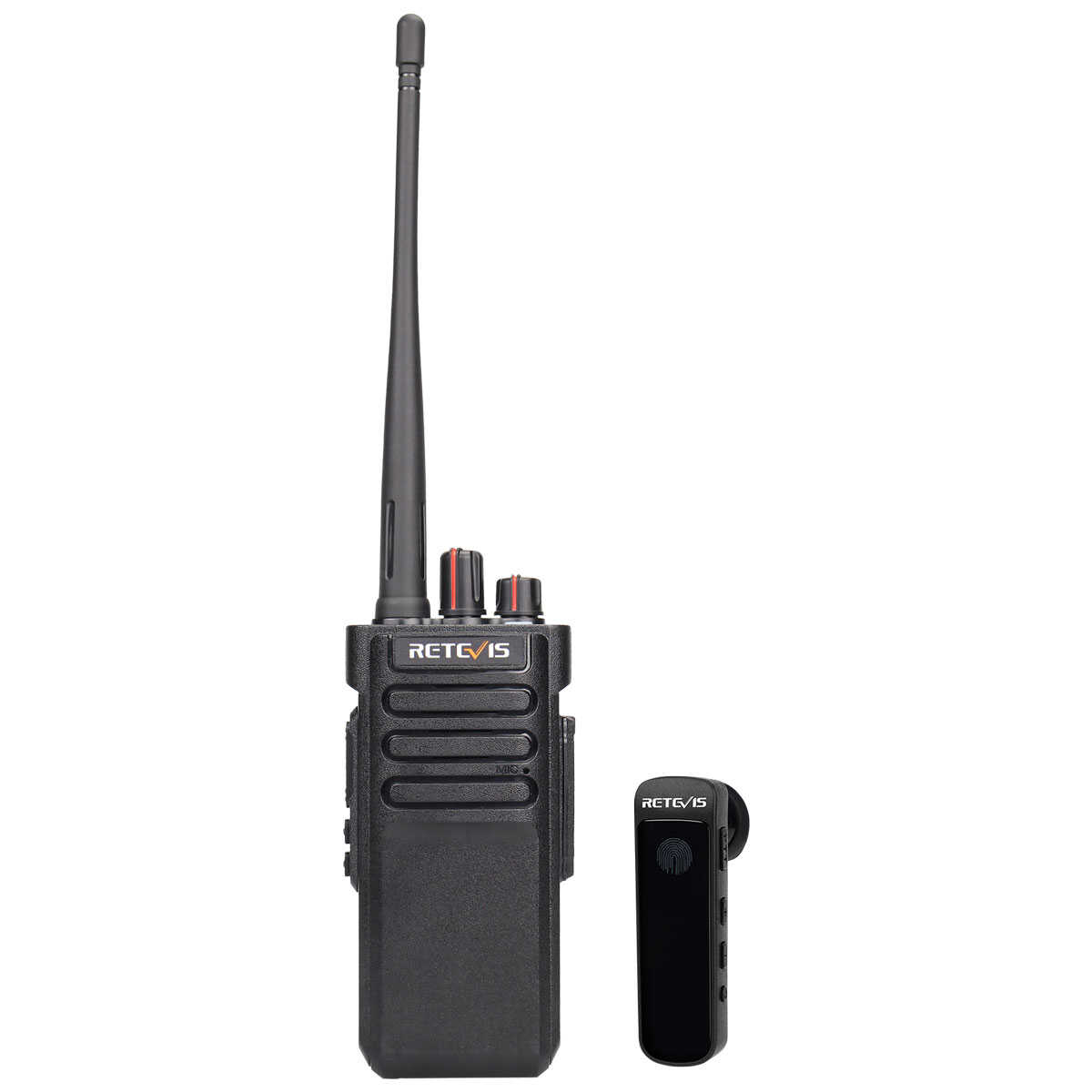
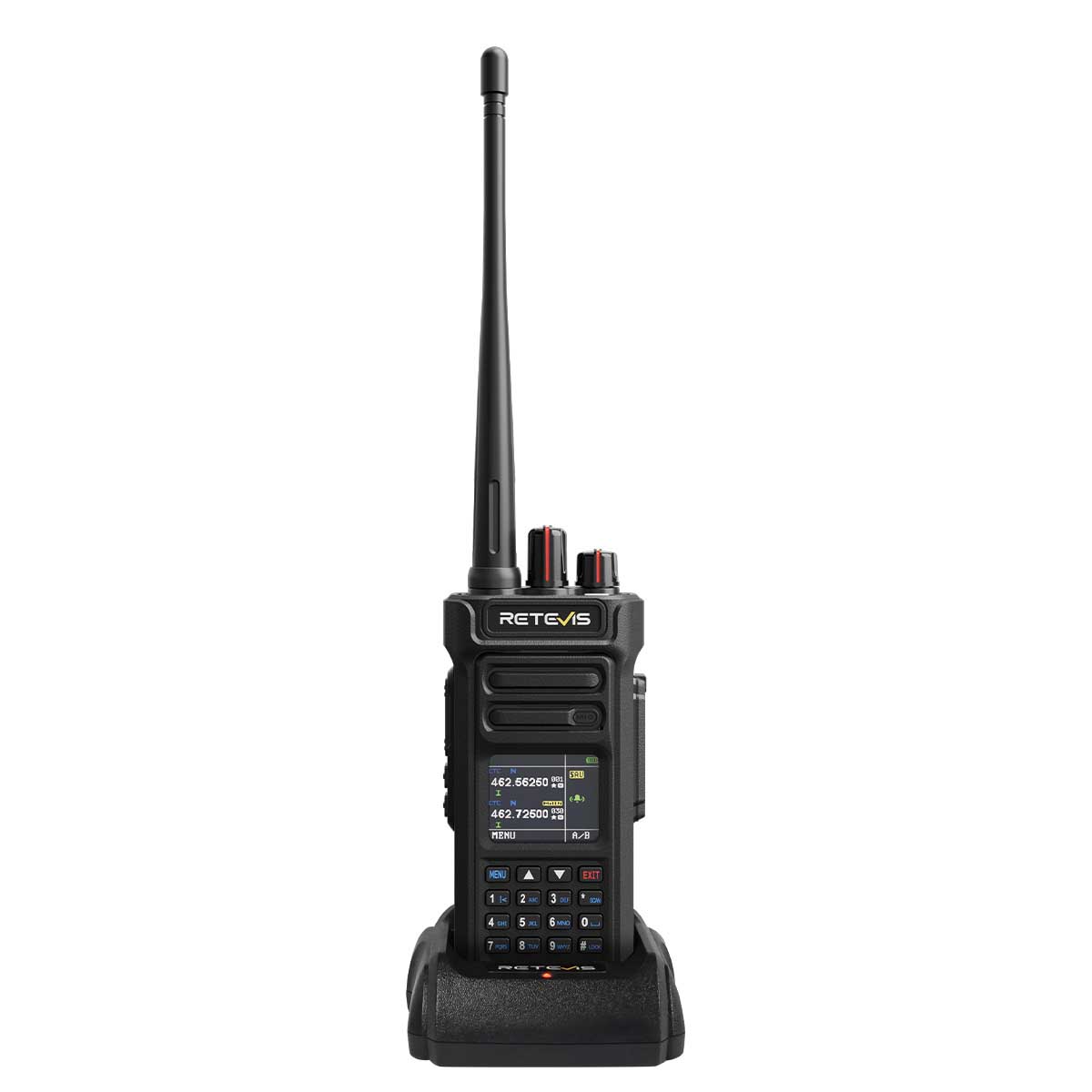
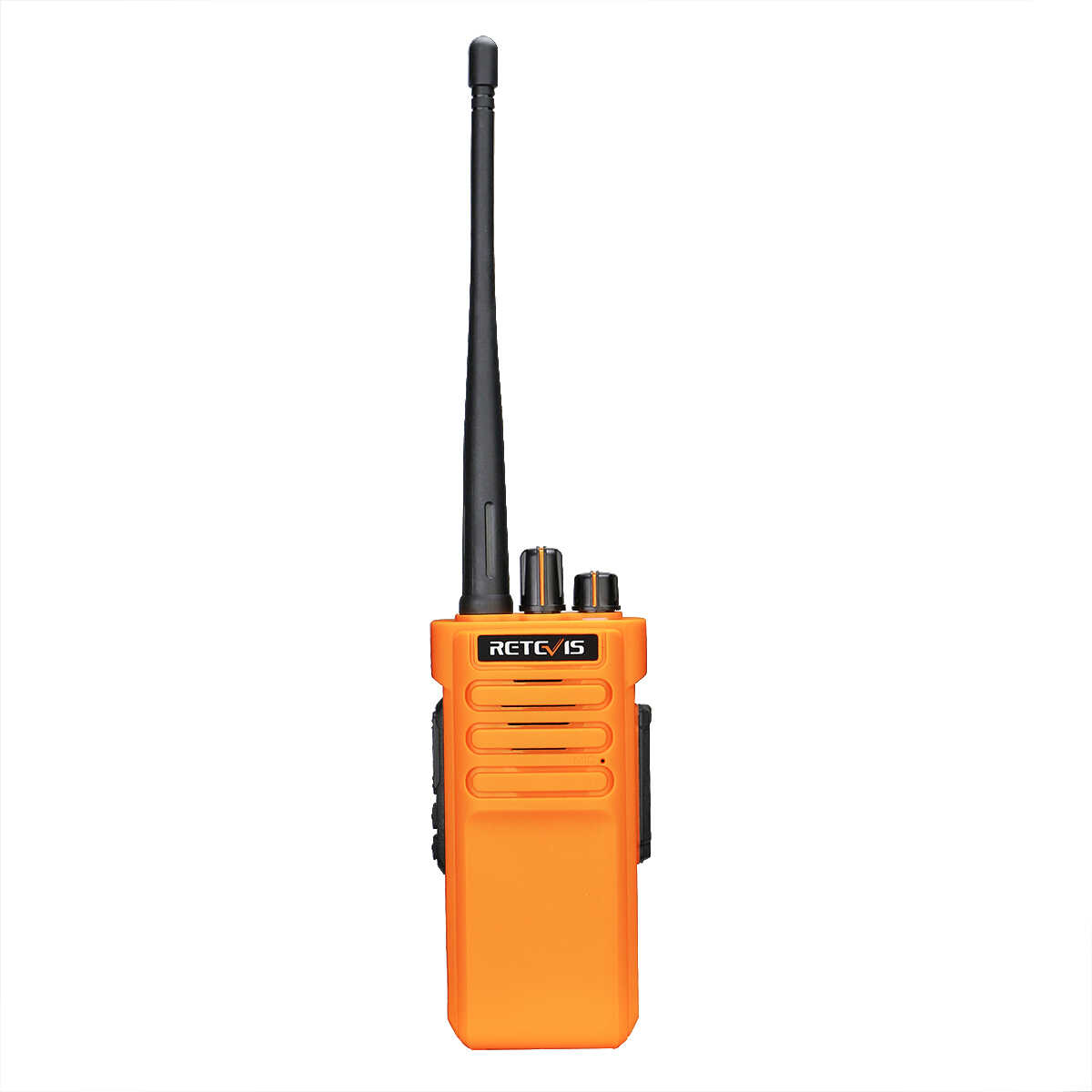
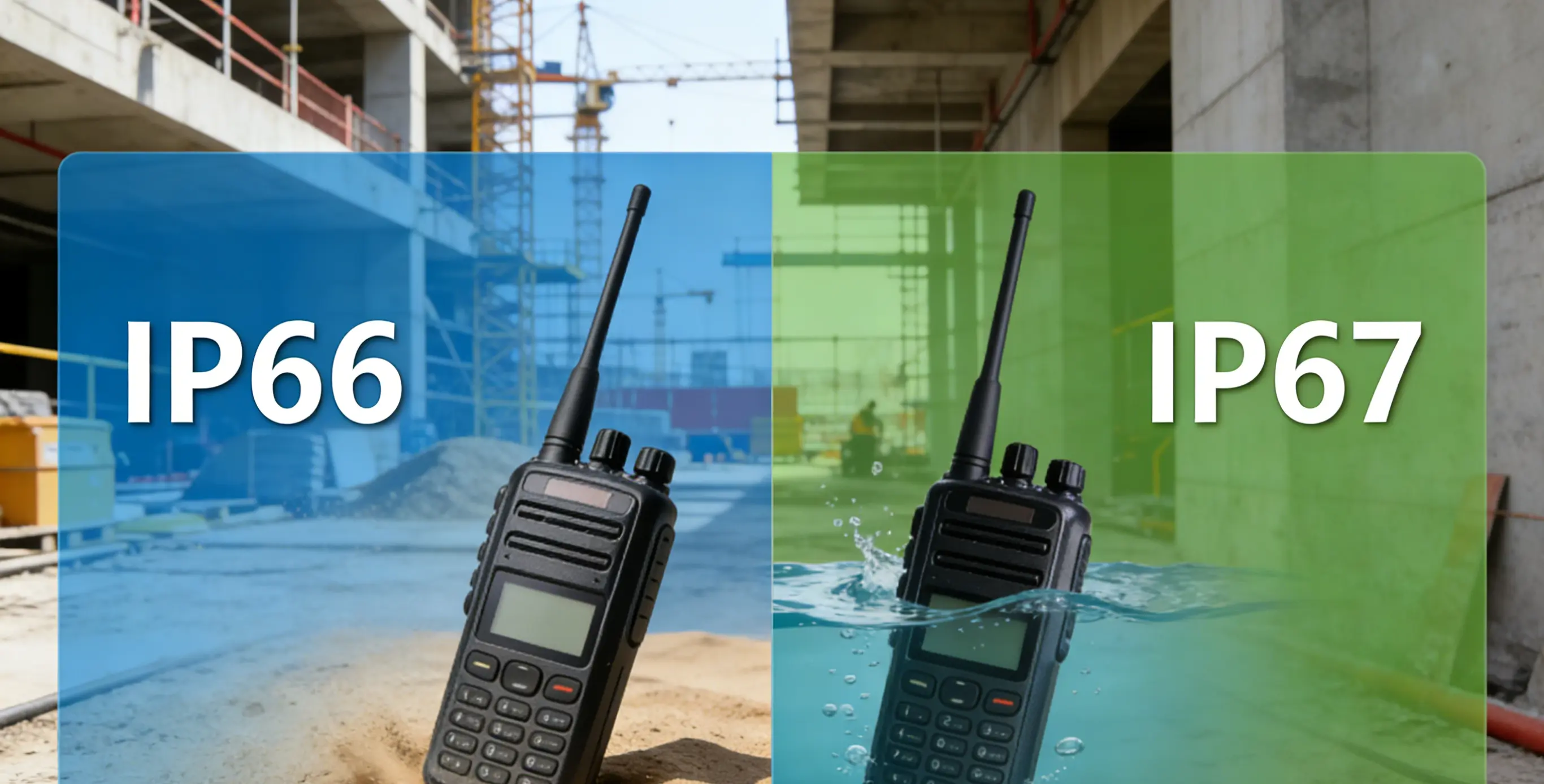
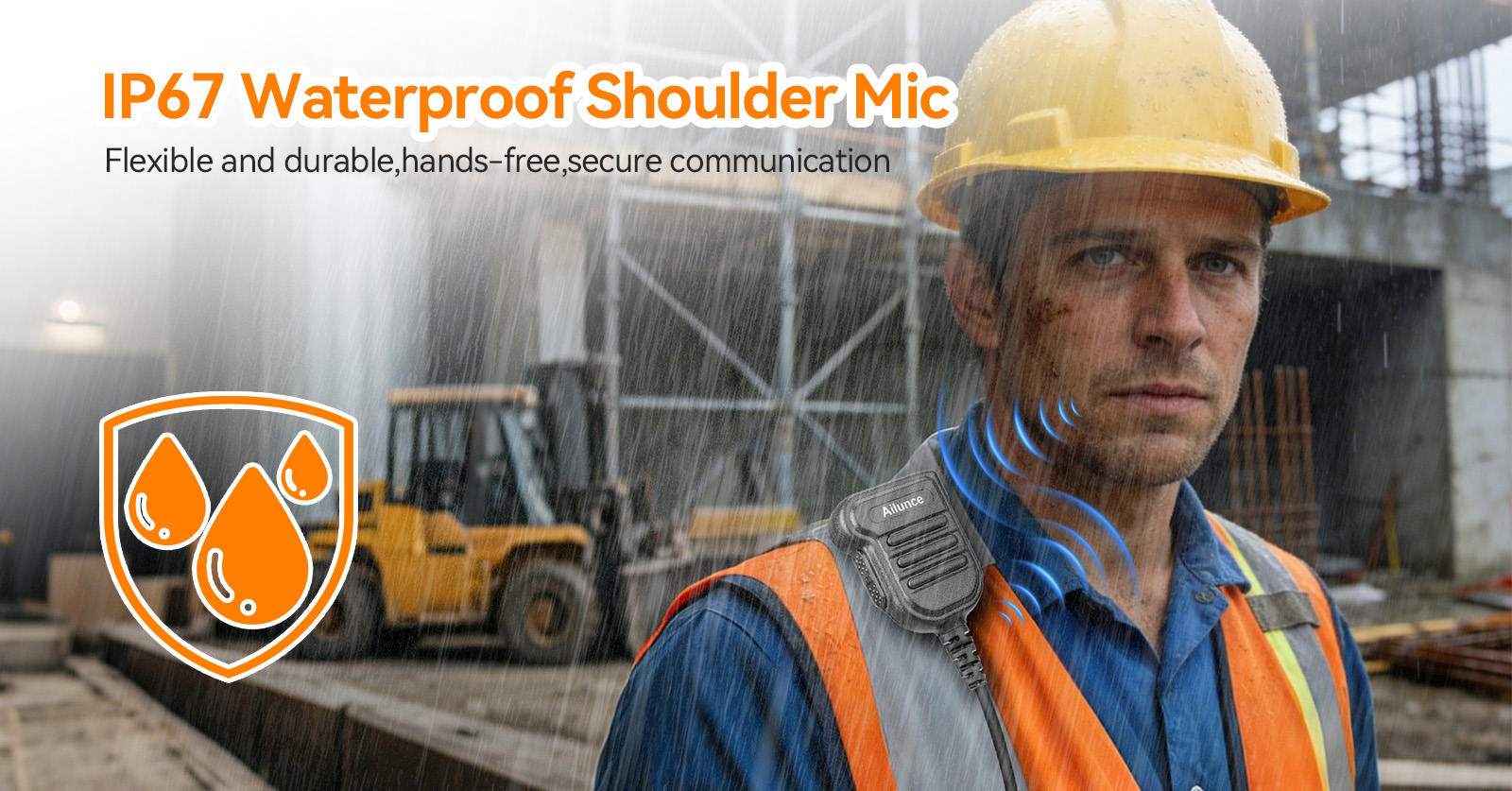
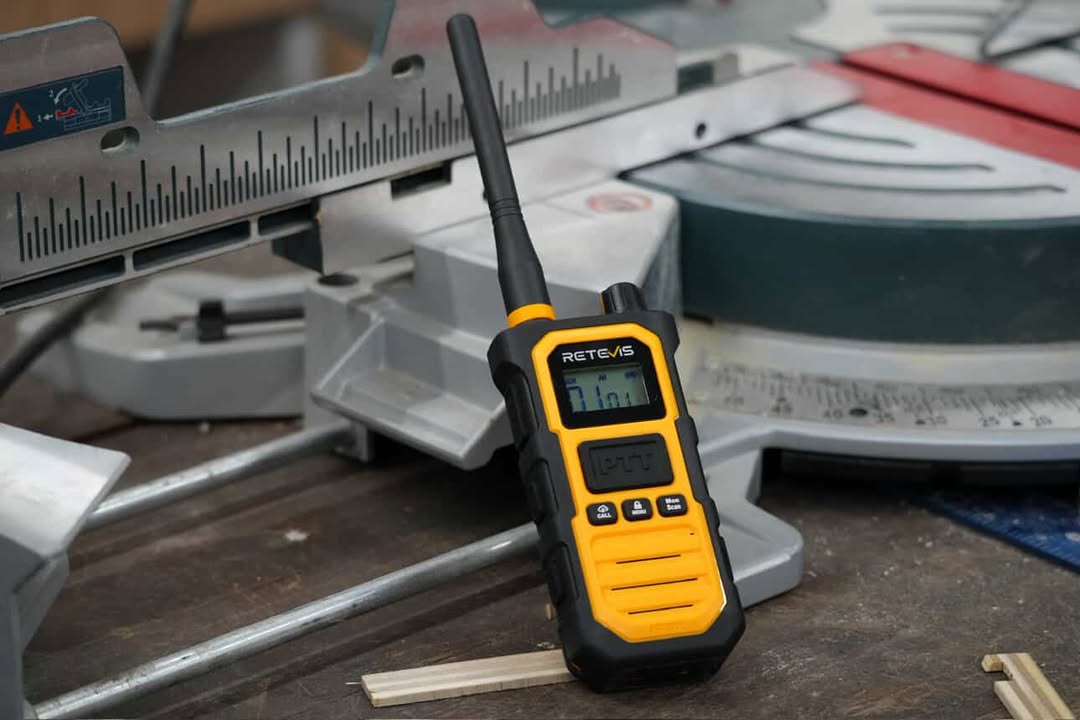
To eliminate signal dead zones, your bid must specify devices designed for harsh warehouse environments. For warehouse with metal walls and large storage areas, high-power two-way radios deliver the penetration needed to maintain consistent signal. The Retevis RB48 Pro offers 10W transmission power that cuts through steel and concrete structures. It covers up to 700,000 square feet across 50 floors, making it suitable for large warehouse construction and distribution center construction sites. Its IP67-rated casing resists dust, water splashes, and accidental drops, so it performs reliably in busy loading bays and cold storage areas. This level of durability directly addresses procurement concerns about equipment lifespan and maintenance costs. It shows evaluators that your communication setup will not fail due to harsh daily conditions.
Design Continuous Power and Charging Systems for Multi-Shift Operations
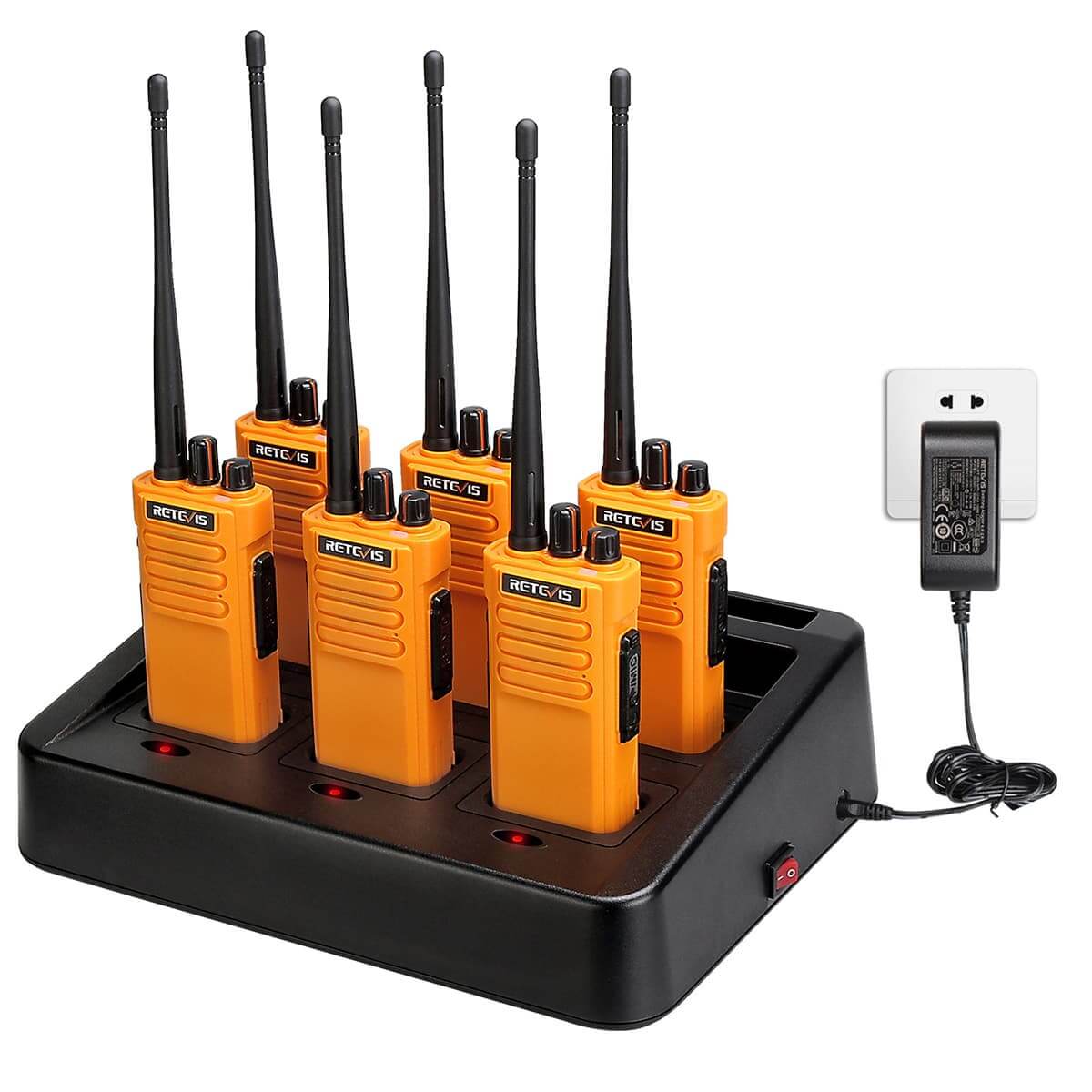
Q4 peak seasons often require double shifts and overtime to handle holiday order volumes. Your bid must prove that your communication system can support extended work hours without interruption. Long-lasting batteries and centralized charging stations are key components of reliable logistics communications solutions. The RB48 Pro uses a 2800mAh lithium battery that delivers 18+ hours of continuous use and 70 hours of standby time. This covers full shifts and overtime without mid-shift recharging breaks. Multi-unit charging stations further streamline shift handoffs. Teams can drop off used devices and pick up fully charged ones in one centralized location. This reduces downtime between shifts and ensures every worker has a working radio at the start of their schedule. Procurement teams value operational efficiency, so a clear power management plan demonstrates your ability to maintain consistent service during peak demand.
Integrate Clarity and Coordination Features for Safe, Efficient Workflows
Clear communication and organized team channels reduce errors and improve safety scores — two critical factors in tender evaluations. Investing in these features elevates logistics communications solutions from basic tools to strategic operational assets. In noisy warehouse environments, AI noise cancellation technology filters out machinery and traffic noise. The RB48 Pro uses a trained neural network to strip out background sound and deliver clear human speech. Workers hear instructions the first time, reducing repeat requests and order picking mistakes. Dedicated team channels and one-key group calling keep communication organized. Supervisors can send updates to specific teams without interrupting other departments. VOX hands-free mode allows workers to communicate while operating forklifts or handling packages, improving both efficiency and safety. These features show evaluators that your system supports structured, low-disruption workflows across all warehouse teams.
Establish Emergency Response and After-Sales Support Frameworks
Tender evaluators prioritize systems that can handle emergencies and deliver long-term reliability. Your bid must include both on-device safety features and a clear after-sales response plan. Strong logistics safety communication protocols reduce incident response times and improve compliance records. The RB48 Pro includes emergency alarm functions with local and remote alerts, so workers can request help instantly during incidents. Adjustable power modes let teams boost signal range during emergencies to ensure full site coverage. Your proposal should also outline after-sales support terms, such as fast repair turnaround, on-site technical support, and device replacement programs. A complete logistics communications solution includes both hardware and ongoing support services. A strong support framework proves you can maintain consistent communication performance for the full contract term. Peak-season contingency plans are another bonus. Show how you will scale communication resources to handle Q4 order surges without dropping service quality.
Conclusion
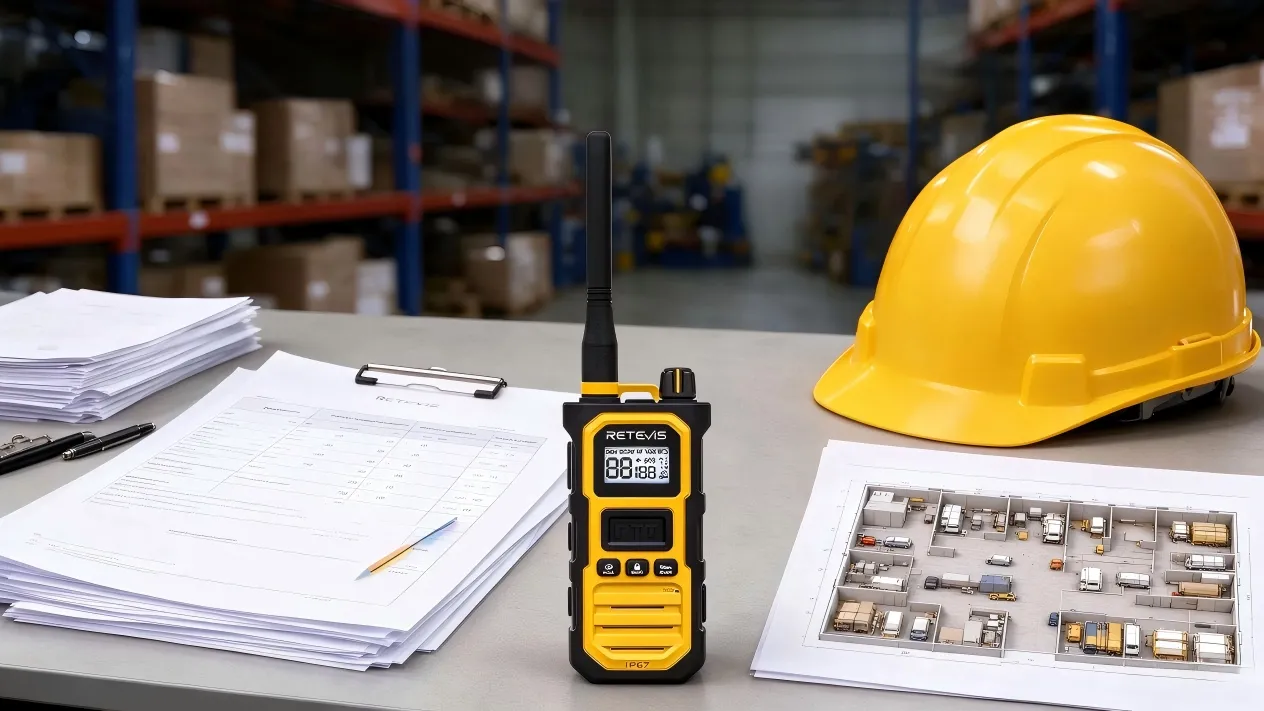
Q4 retail logistics tenders demand more than just basic service promises. Procurement teams look for proven, reliable on-site systems that drive safety, efficiency, and uptime. Logistics communications solutions form the backbone of strong warehouse operations. By focusing on device durability, power management, audio clarity, and emergency preparedness, you can build a bid that stands out to evaluators. To learn more about designing a tender-ready communication system for retail warehouses, download our full whitepaper on warehouse communication best practices. You can also contact our team to schedule a live demo and see how purpose-built radios perform in real warehouse environments.
Leave a Reply






 Google
 Amazon
Comments
No data Yet