

Table of Contents
Check Your Site Radios Before European Safety Week Starts
- Posted by:Retevis
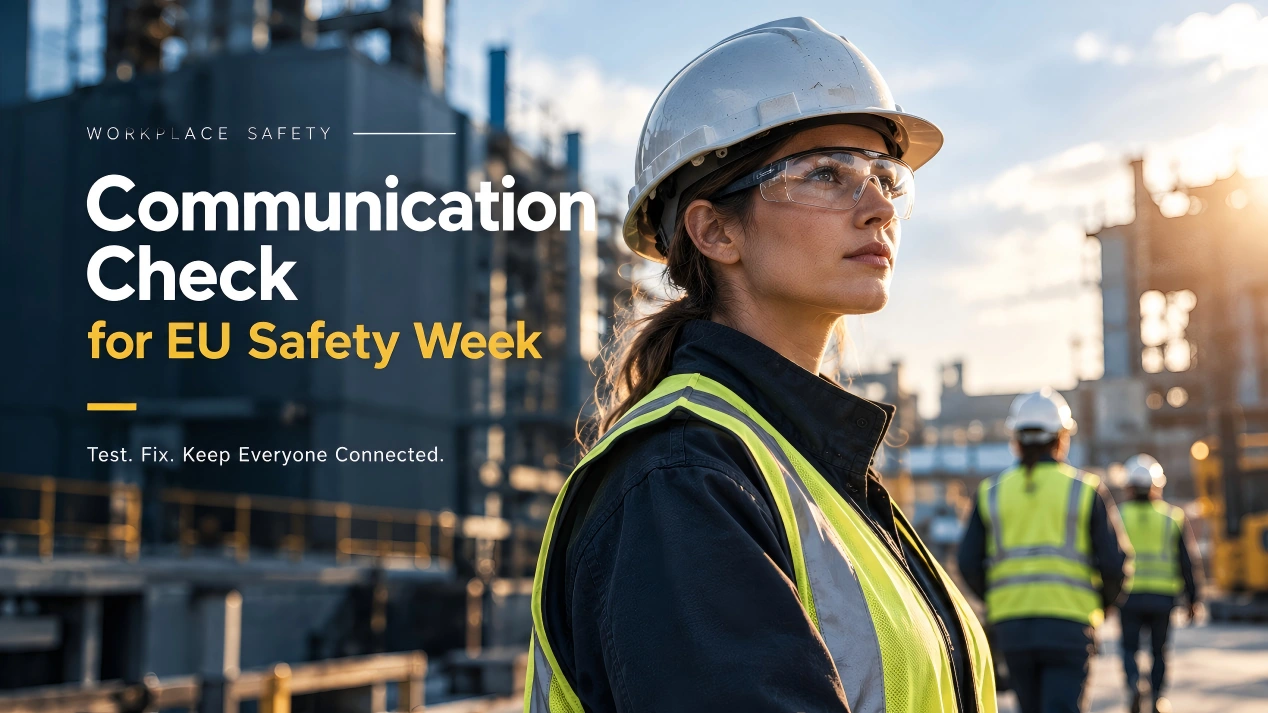
European Week for Safety and Health at Work is almost here. Most factories, construction sites and warehouses run through their standard safety checklist. Fire equipment. Protective gear. Machine guards. Emergency exits.
Very few teams check their two way radios.
That is a problem. When a worker gets injured in a far corner of a warehouse or a basement level of a construction site, the first call for help goes through that radio clipped to their belt. If it has no signal, a dead battery, or a stuck button, response time jumps from seconds to minutes.
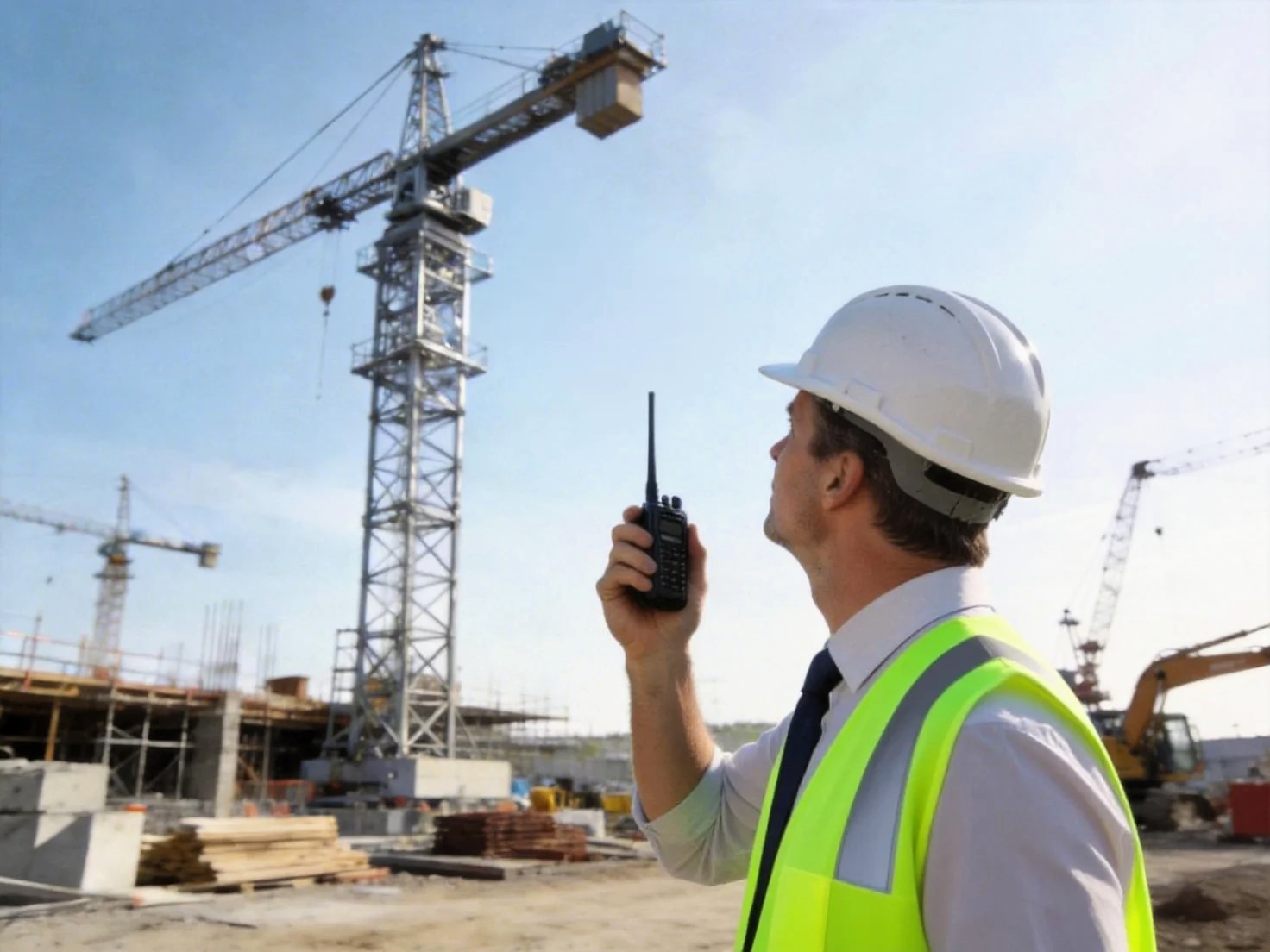
This guide takes an afternoon to complete. Walk the site with a radio in hand, check four things, fix what you find, and confirm your communication system works when it matters most.
Why radios show up on every safety audit
EU workplace safety rules follow one simple principle. Every area where a worker might be present must have a working way to raise an alarm and call for help. Two way radios are the most flexible part of that system. They move with the worker. They work when phone networks are congested. They do not depend on Wi-Fi.
Safety auditors know this. They walk to the farthest corner of the site and ask a worker to make a test call. Communication failures are common audit findings, and they are easy to fix before the auditor arrives.
Four things to check on your current radio system
Grab one working radio. Ask a colleague to stay at the main office. Then walk the site.
1. Test coverage in every corner, not just the main floor
Start at the office. Signal is always fine there.
Walk to the places where signal usually fails. Basement storage rooms. Concrete stairwells. Walk-in freezers. Container yards. Deep racking aisles. Newly partitioned rooms that were not there when you first installed the system.
At each spot, press the PTT and ask your colleague to read a sentence back. If they cannot hear you clearly, mark that spot. Dead zones do not fix themselves. They get worse when new walls go up or more metal equipment moves in.
On construction sites, check the top floor and the bottom excavation level. On multi-level warehouses, check every mezzanine and racking aisle. In factories, check inside spray booths and behind large machinery.
A digital two way radio generally penetrates walls and metal structures better than an old analog unit. If most dead zones sit behind concrete or steel, switching problem-area units to digital business radios often clears the issue without adding a repeater.
2. Check every battery and every physical button
Batteries are the number one cause of radio failure on industrial sites. A battery two or three years old may still charge, but it no longer holds a full shift. The radio works in the morning and dies after lunch.
Pull every battery off every radio. Look for swelling, cracking or deformation. Swollen batteries are a fire hazard. Replace them immediately.
Check the charge contacts on both the radio and the battery. White or green corrosion means poor contact. Clean with isopropyl alcohol on a cotton swab.
Press every button on every radio. The PTT should click cleanly and spring back. Side buttons should not stick. Channel knobs should turn with firm detents. A button stuck halfway can transmit continuously and block the channel for everyone.
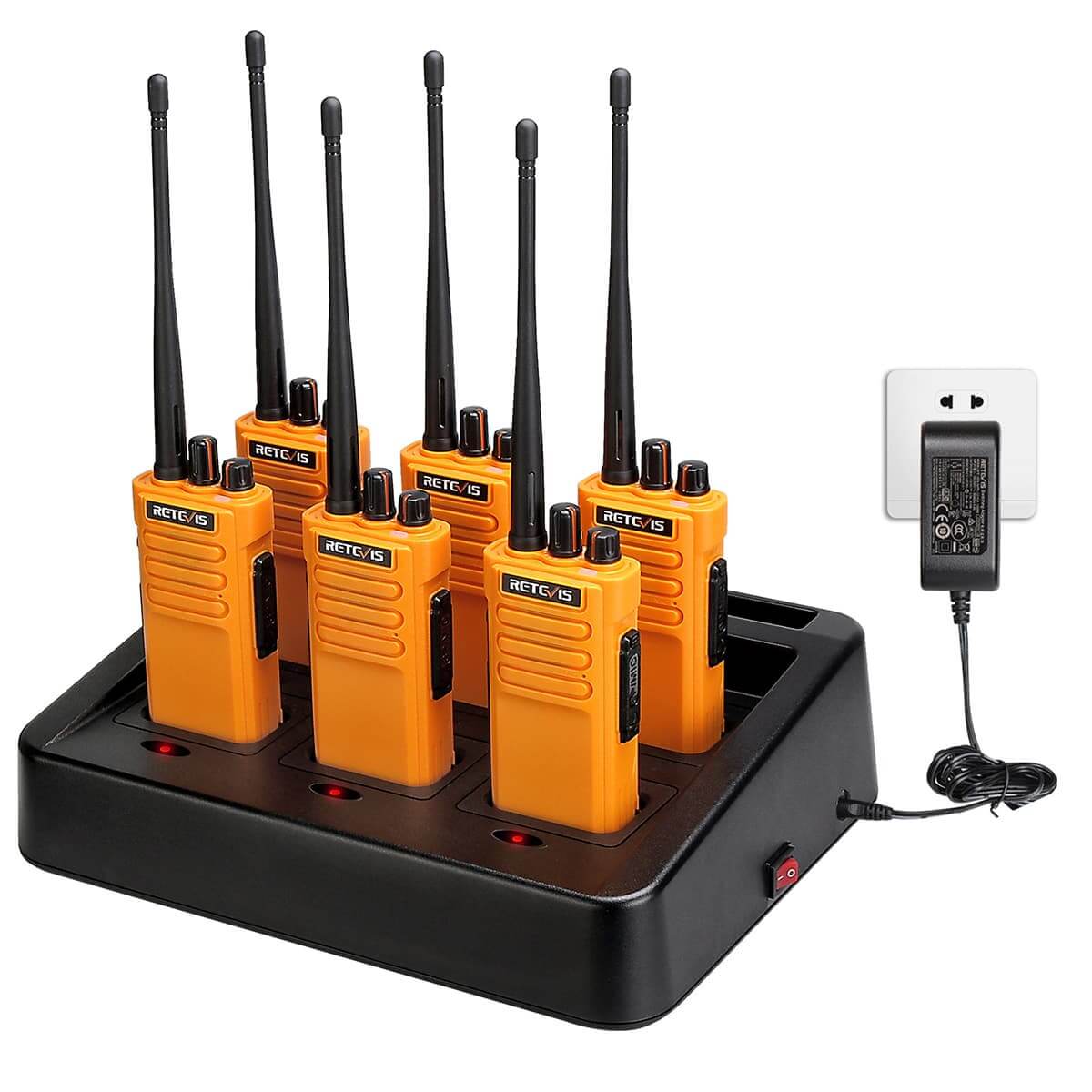
If you use a multi-unit charger, test every slot. A dead charging slot means one radio is always offline at shift start.
3. Test the emergency call with real workers, not just managers
Every business two way radio has an emergency button. Most workers have never pressed it.
Find three or four frontline workers. Ask them to show you where the button is. Then have them press it and confirm the control room received the alert. You may be surprised how many fumble with it.
Workers who have never used the emergency button will not use it correctly under stress. A two-minute practice drill costs nothing and saves critical time during a real incident.
If you have workers who operate alone — a single person in a basement, a night shift guard, a driver checking a remote yard — their radio needs more than an emergency button. A man-down alert detects when the radio stays motionless and automatically triggers an alarm. The worker does not have to press anything. This is the single most important feature for lone worker safety, and it is a growing focus across EU workplaces.
4. Check audio clarity in your loudest areas
Walk to the noisiest part of your operation. Stamping presses. Cutting stations. Compressor rooms. Loading bays with trucks idling. Construction sites with jackhammers and saws.
Make a test call at normal volume. Ask the other person to repeat your exact words. If they say "what" or "repeat" more than once, the audio is not clear enough.
In high-noise areas, workers either shout into the radio, which distorts audio, or take off one earcup to hear better, which defeats their hearing protection. Both are safety problems.
A noise-cancelling digital two way radio filters out machinery sound and transmits only the human voice. If your loudest areas fail this test, noise-cancelling radios are the fix.
When you find gaps, here is how to fill them
You have walked the site. You have a list of dead zones, weak batteries, stuck buttons and unclear audio. Now match the problem to the right digital business radio.
Small teams with a few dead units and weak coverage
Most small factories and construction crews do not need a full system replacement. They need a handful of solid digital radios to replace the oldest units and fill coverage gaps.
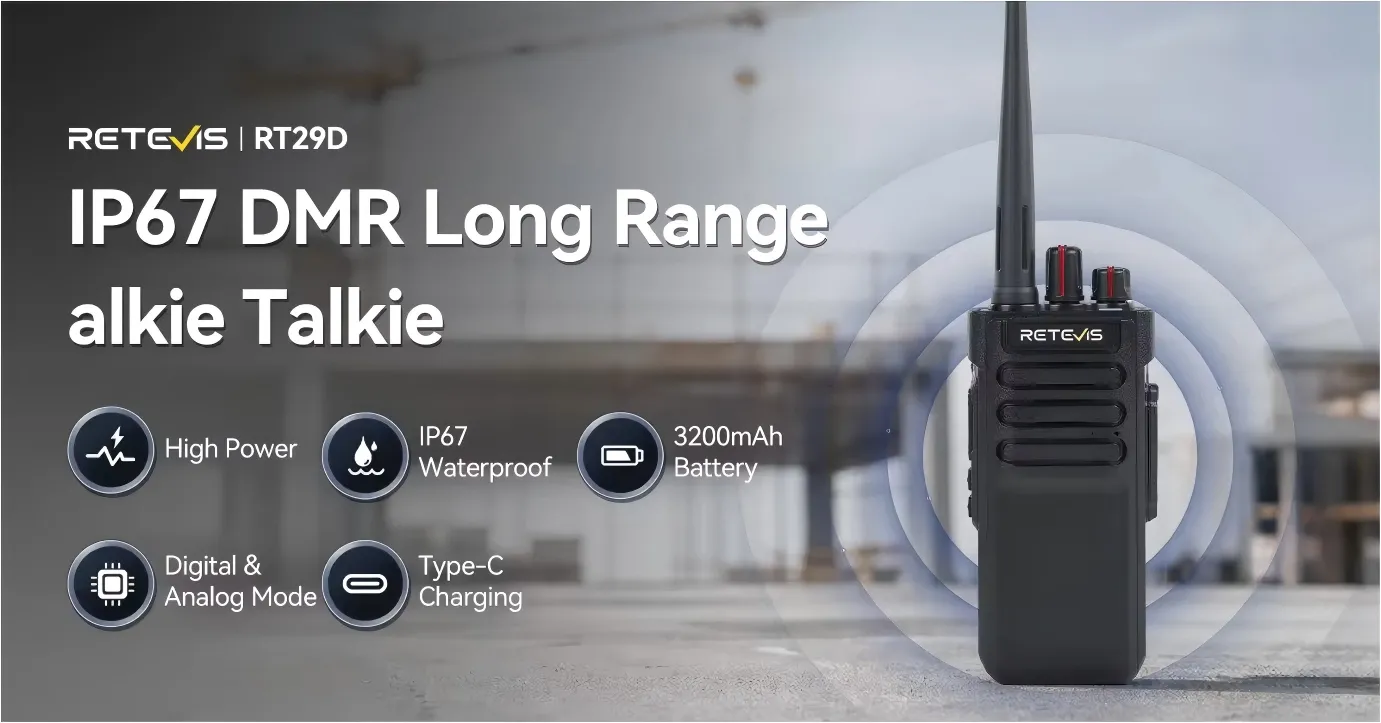
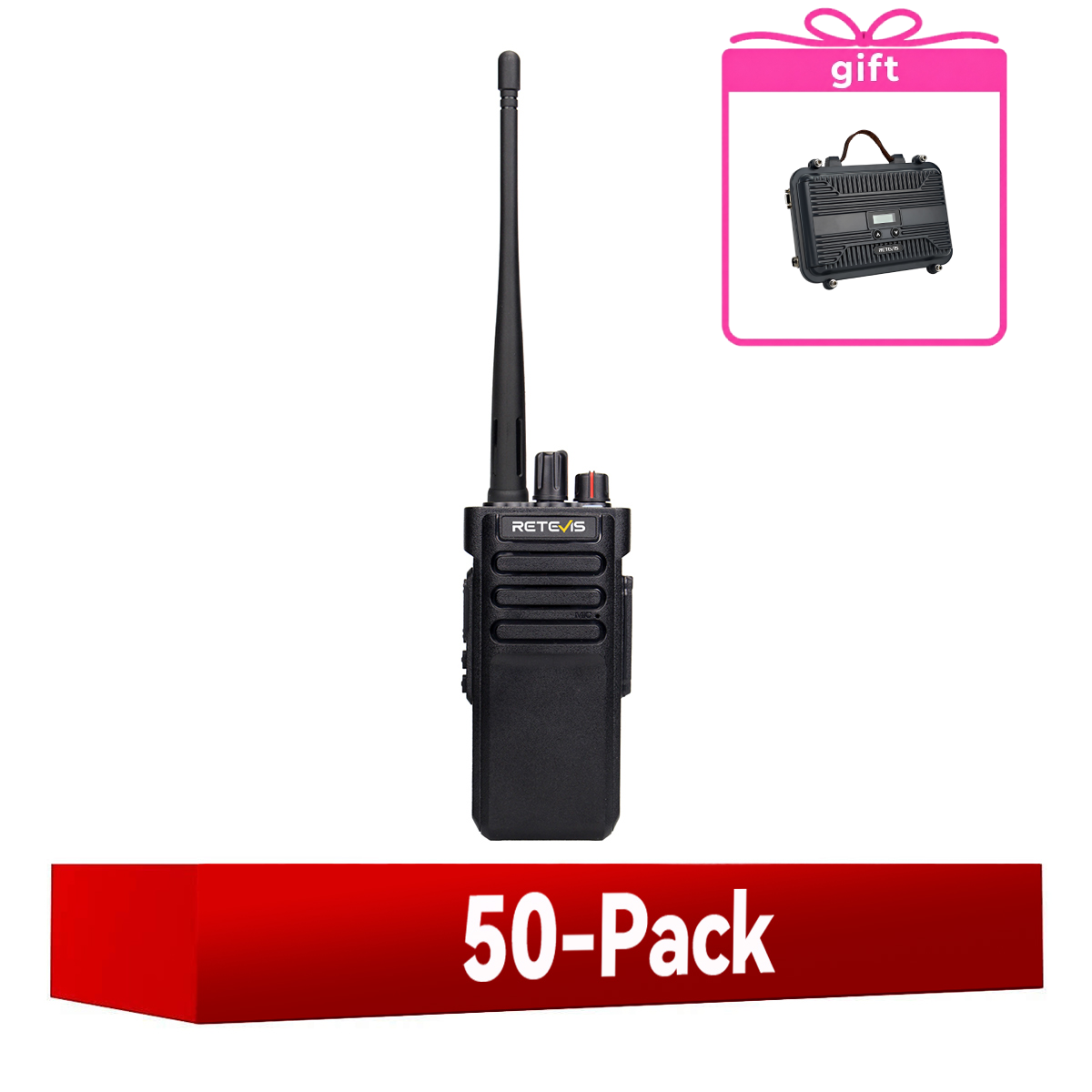
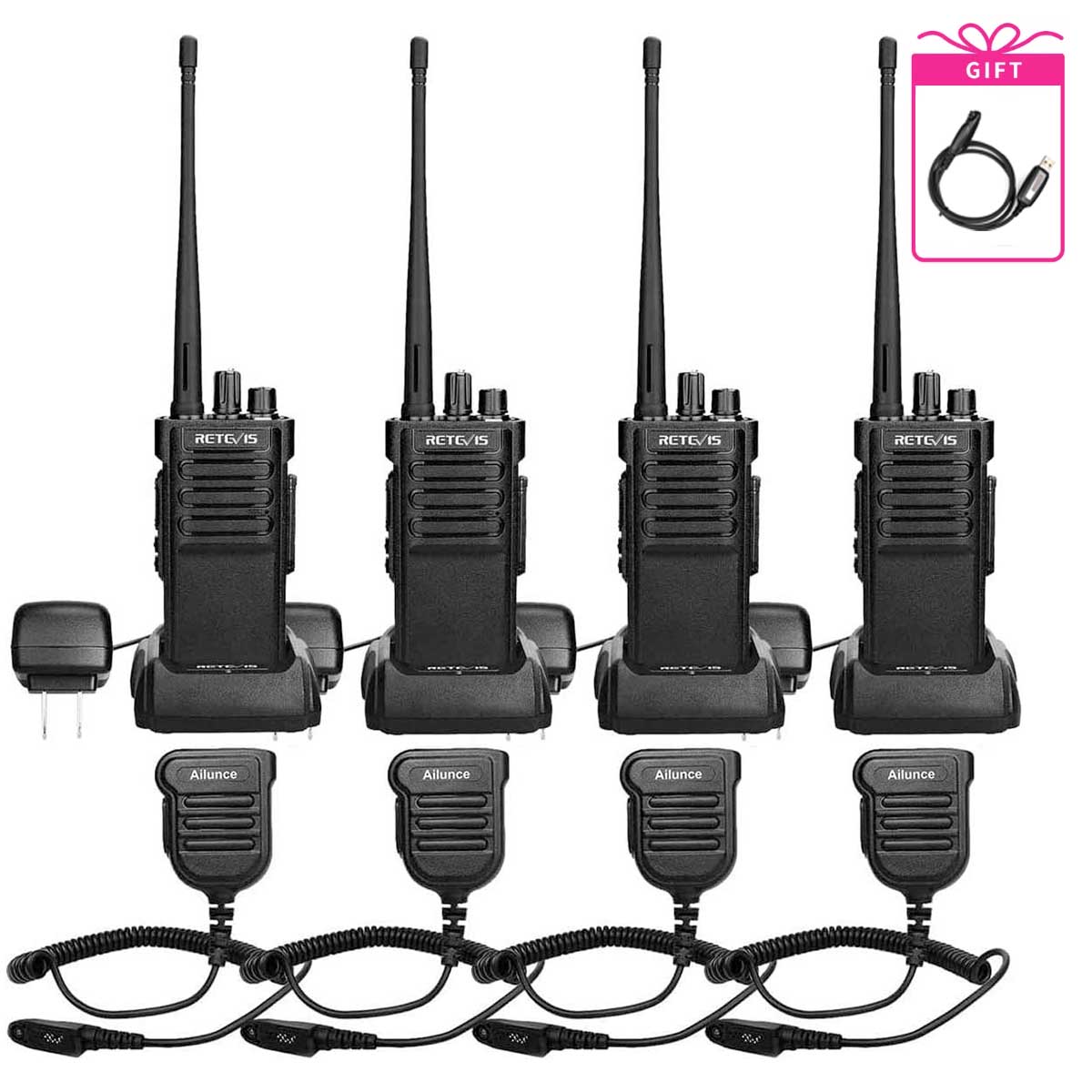
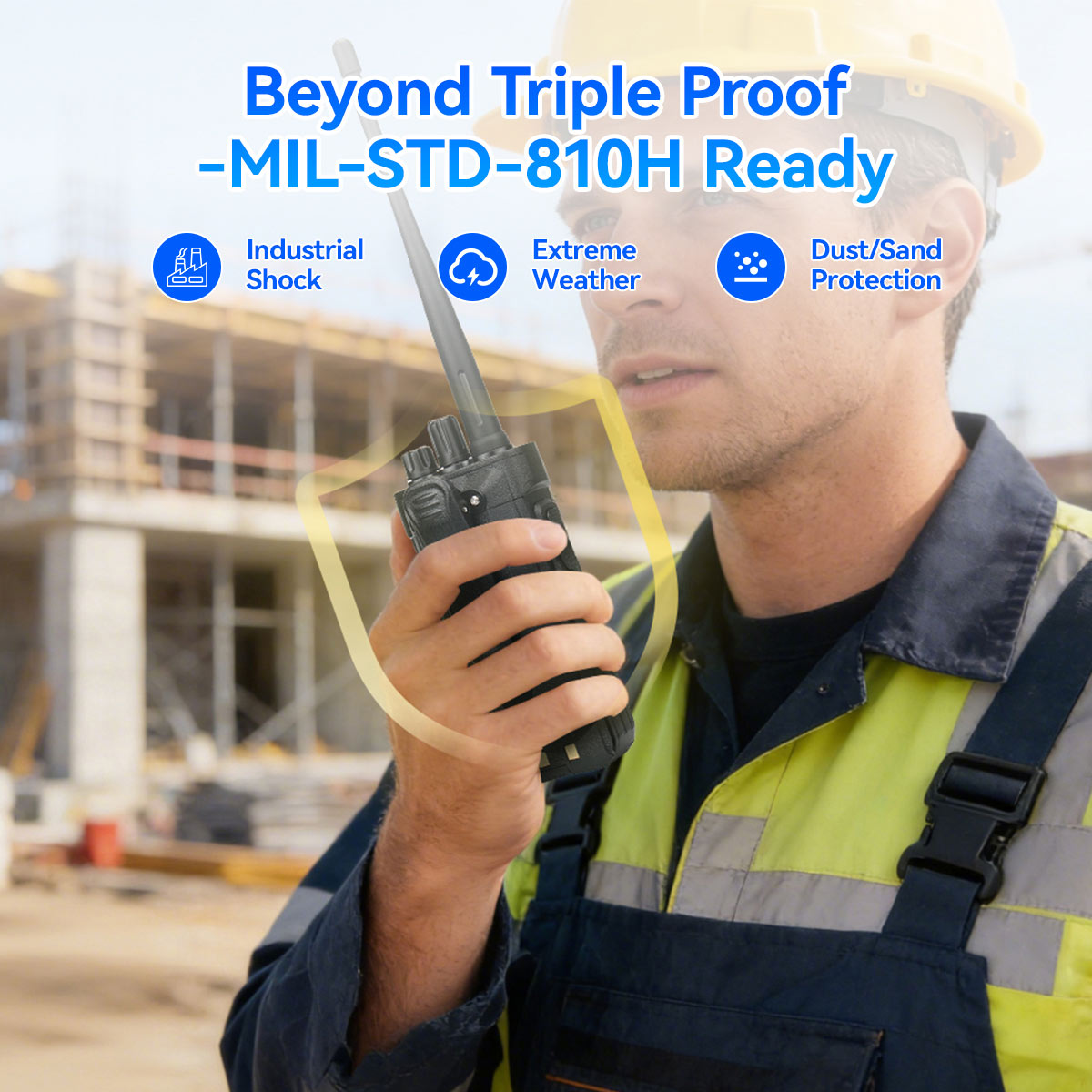
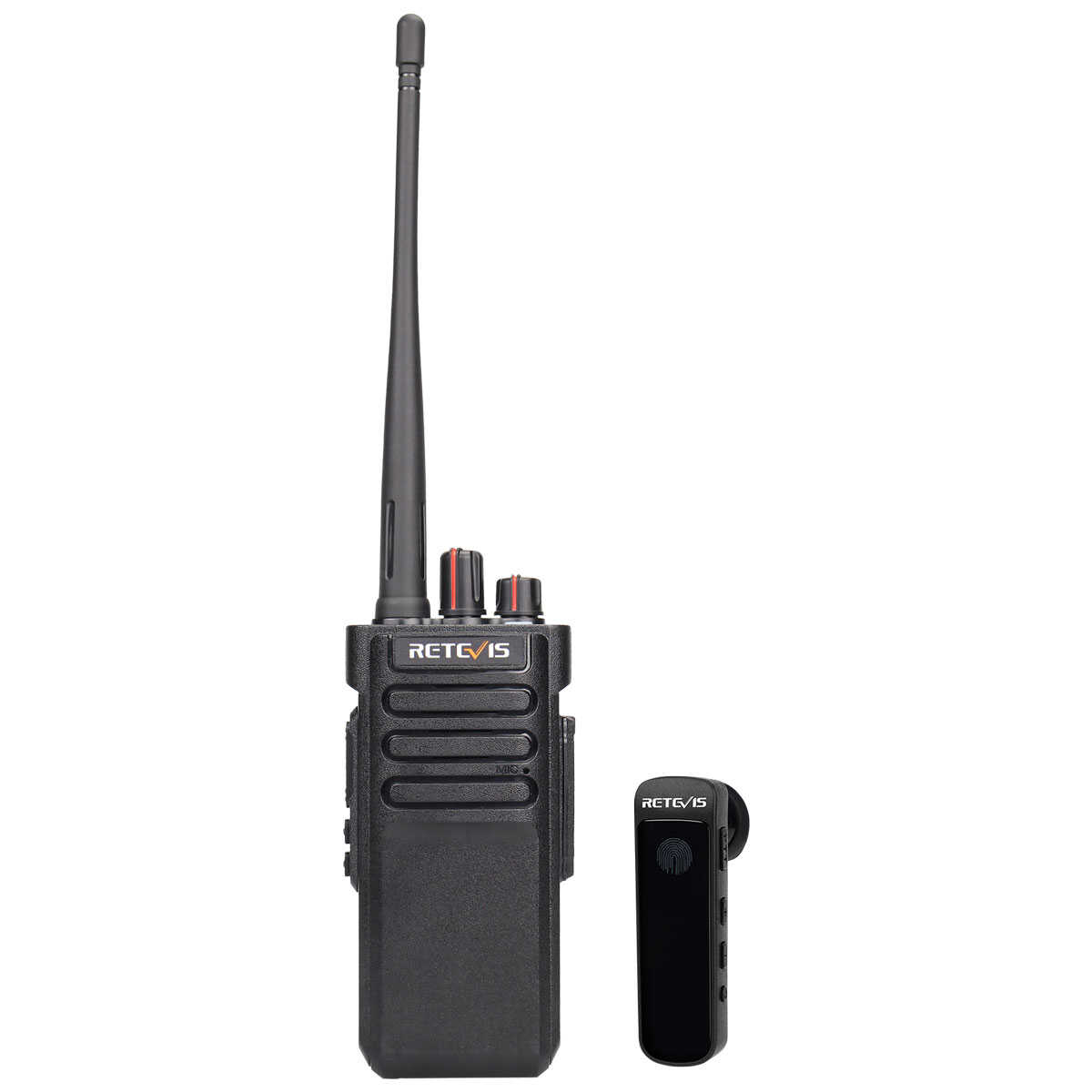
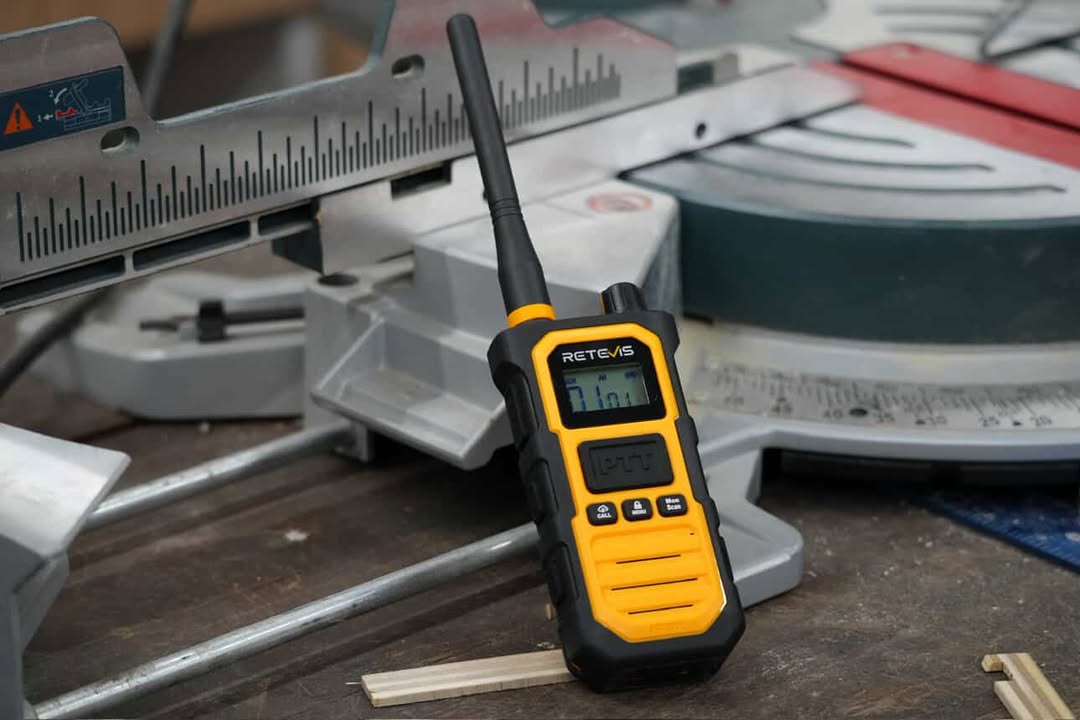
The Retevis RT29D is a digital two way radio built for straightforward industrial use. Digital voice stays clear through walls and across open yards better than the analog radios most crews still carry. The body is thick and heavy, so it survives drops from ladders and tool belts. It also works with existing analog radios, so you can add a few units without replacing the whole fleet at once.
Use RT29D units to replace radios more than three years old, or to cover specific dead zones where your current analog units cannot reach.
Lone worker positions and high-noise areas
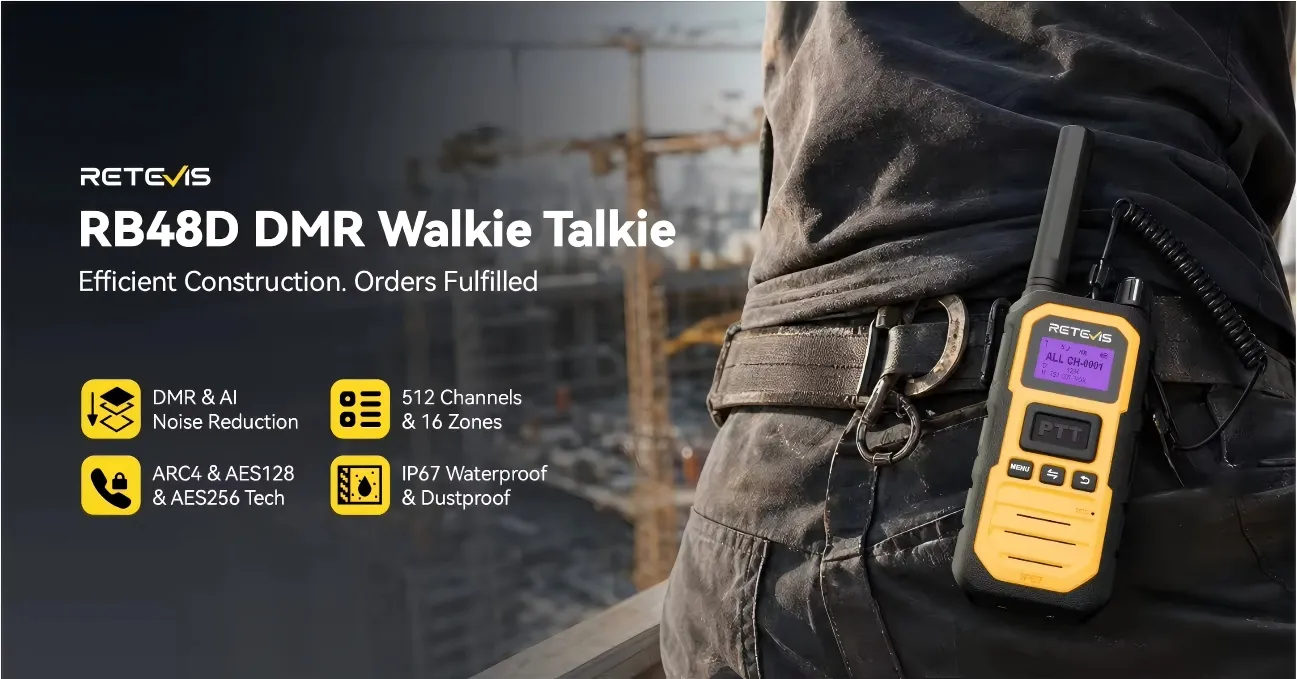
If your self-check identified solo workers or areas where audio is unintelligible, the Retevis RB48D addresses both directly.
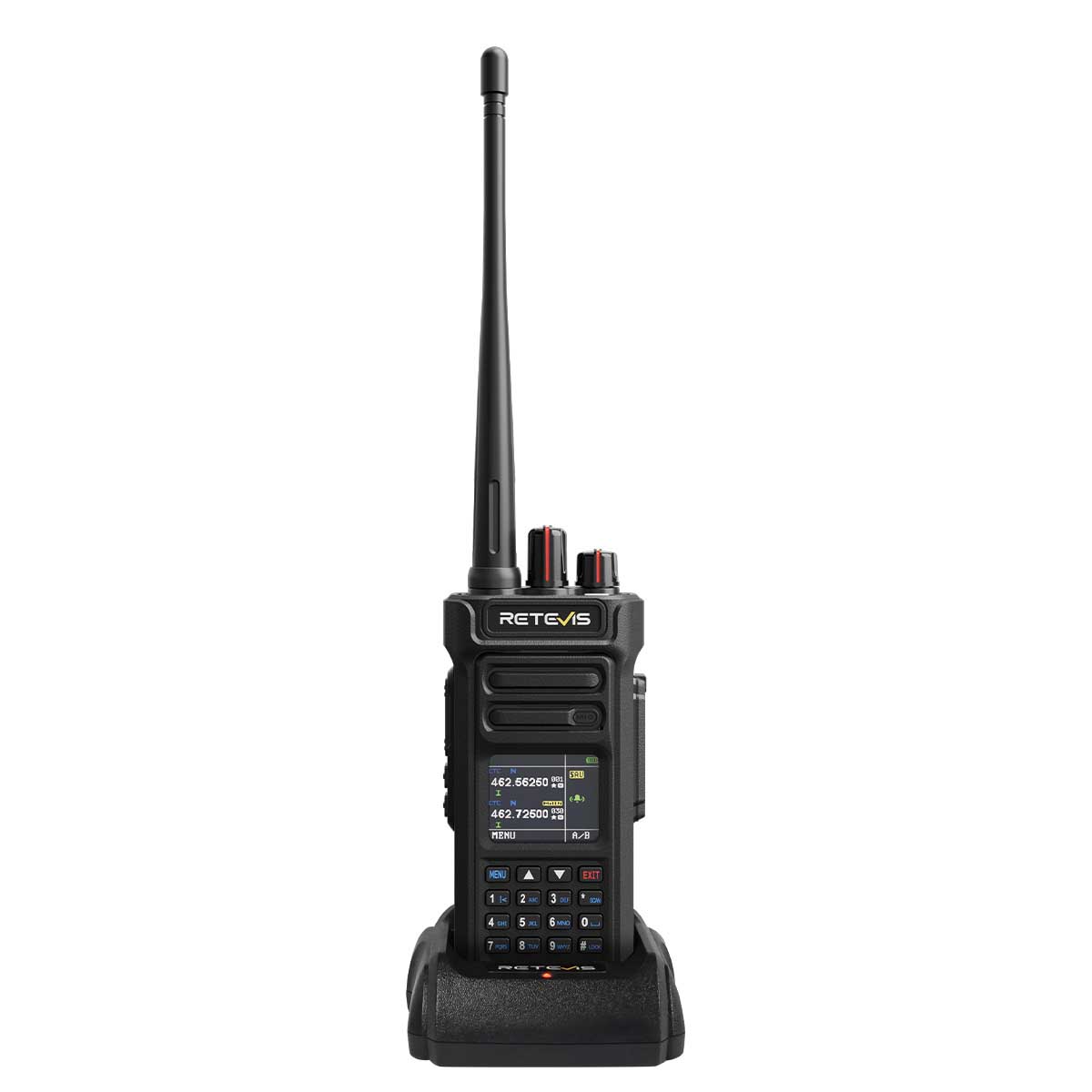
Two features matter here. The man-down alert automatically triggers an alarm when the radio stays still, protecting workers who fall and cannot call for help. The AI noise reduction filters out machinery sound so voice comes through clearly in stamping bays, cutting stations and loading docks.
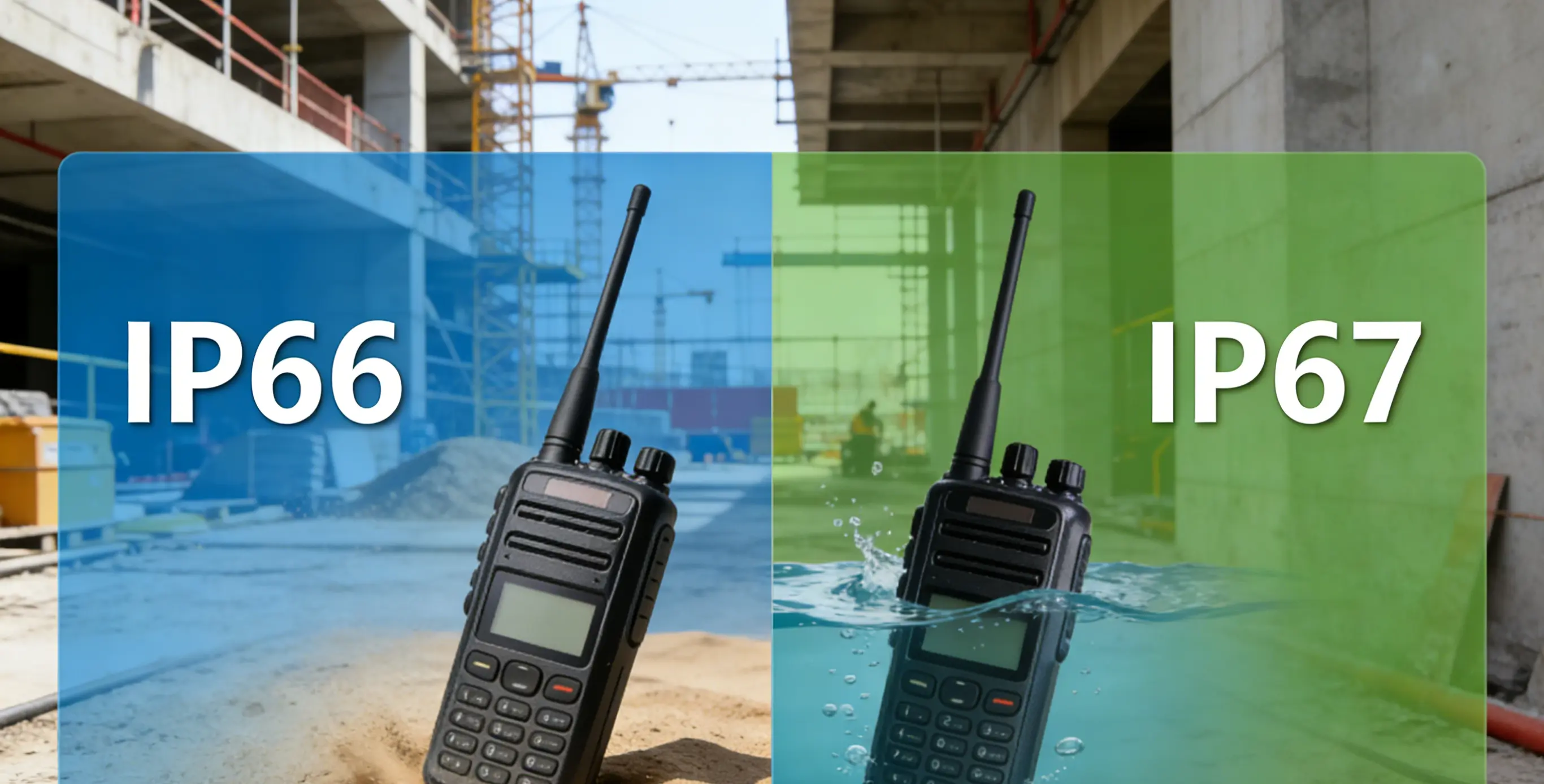
This radio supports both digital and analog modes, works with your existing channels, and carries an IP67 dust and water protection rating for dusty warehouse and construction environments. Assign RB48D units to safety officers, lone workers, and anyone in your loudest operational zones.
Larger crews with multiple teams running at once
Construction sites with several trades working simultaneously, large warehouses with separate picking and loading teams, and factories with multiple production lines need more than clear audio. They need organized communication.
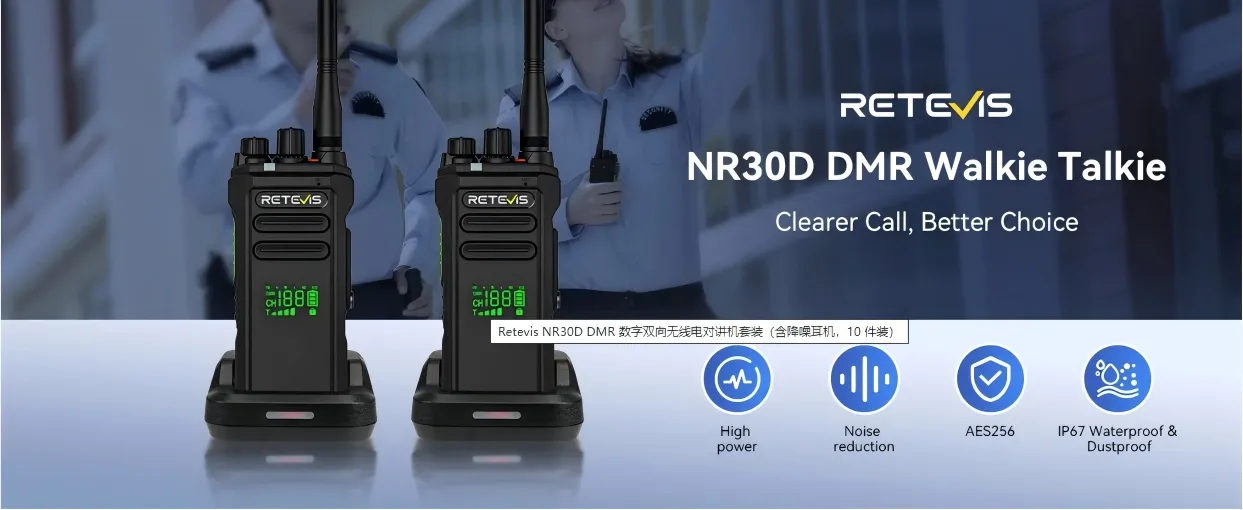
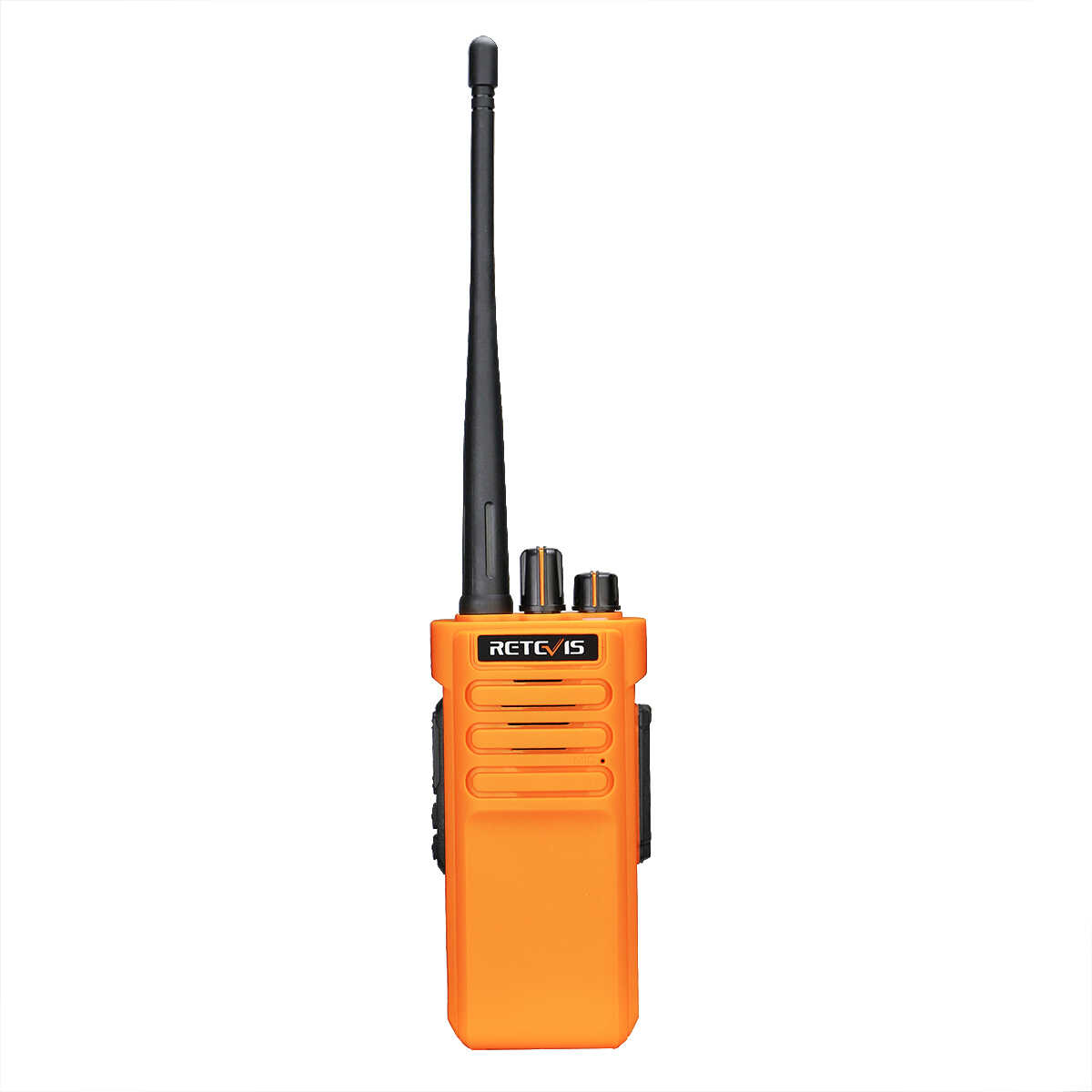
The Retevis NR30D is a digital two way radio with adjustable transmit power and group calling. Use high power for calls across a large site or between floors. Use low power when the whole team is in one building to save battery and reduce interference. Group calling lets a supervisor reach only the team they need, instead of broadcasting to every radio on site. AES encryption keeps conversations private from neighboring businesses or other contractors.
The NR30D also supports VOX hands-free operation for workers who always have both hands full.
A simple matching rule
- Replace old analog units and fill dead zones: RT29D
- Protect lone workers and cut through noise: RB48D
- Organize multi-team communication across large sites: NR30D
- Mixed sites: RT29D for frontline crews, RB48D for safety officers and solo workers, NR30D for supervisors
Three things to confirm before you order replacement radios
First, ask for the CE compliance documents. Every two way radio sold and used in the EU must meet the Radio Equipment Directive. A CE mark on the device is not enough on its own. Ask the supplier for the EU Declaration of Conformity. Safety auditors can request this document, and you want it on file before they ask.
Second, confirm the new radios work with your old ones. If you are not replacing every unit at once, the new digital radios need to support analog mode. All three Retevis models above are digital-analog dual mode, so they talk directly to existing analog units on your current channels.
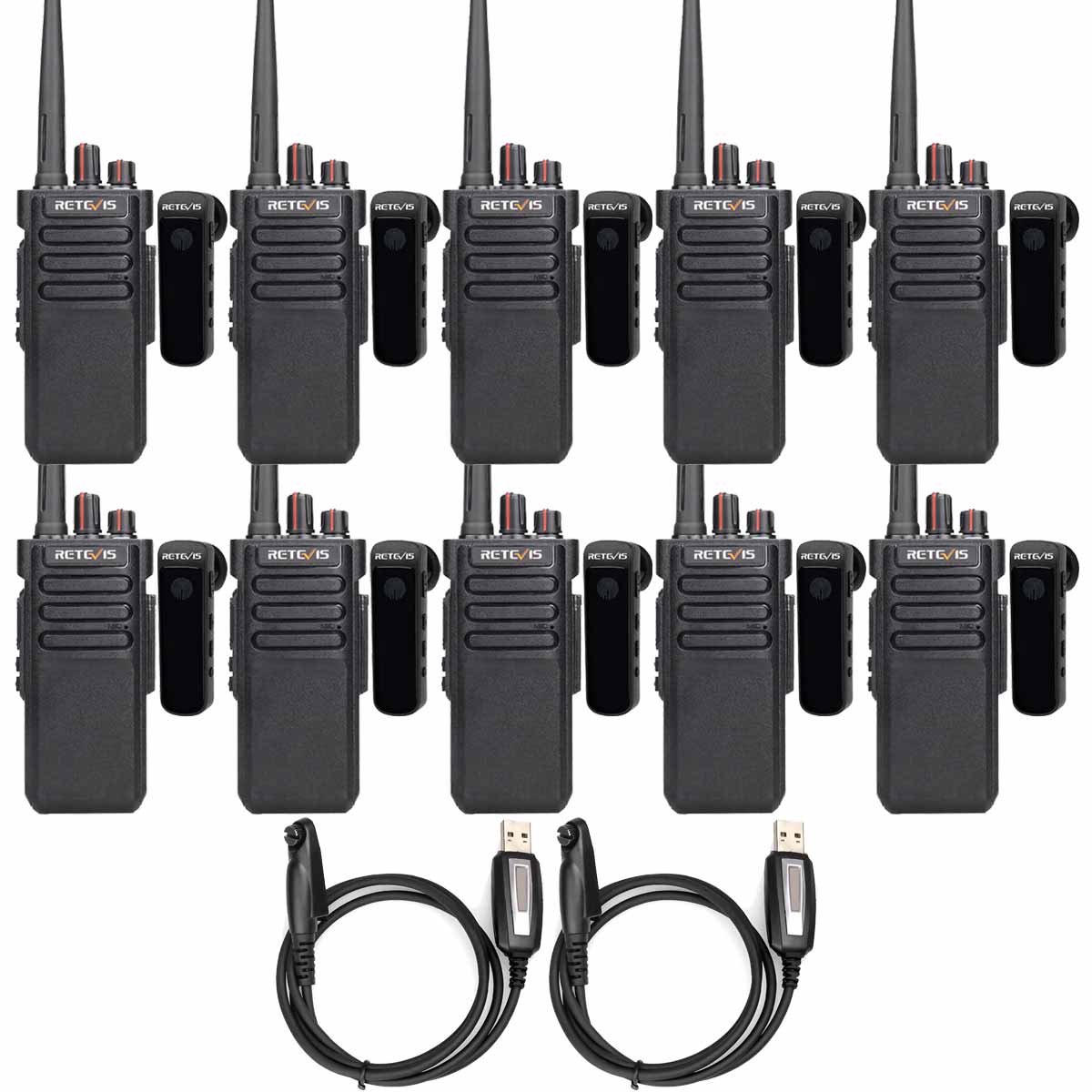
Third, ask about bulk pre-programming. If you order ten or twenty radios, programming each one by hand takes hours. A supplier that can pre-load your channel list before shipping means the radios arrive ready to hand straight to workers.
Final note
European Safety Week is not about passing an audit. It is a reminder to check the systems that protect people. Your fire extinguisher works because someone inspected it. Your first aid kit is stocked because someone counted it. Your two way radios deserve the same attention.
Spend one afternoon walking the site with a radio. Test the corners. Check the batteries. Press the emergency button with real workers. Listen to the audio in your loudest room. Fix what you find.
When a worker needs help, the radio on their belt should be the one thing that never fails.
Leave a Reply






 Google
 Amazon
Comments
No data Yet