

Table of Contents
Construction Safety Communication Systems for Night Shifts: Reduce Risks in Summer Heat Construction
- Posted by:Retevis
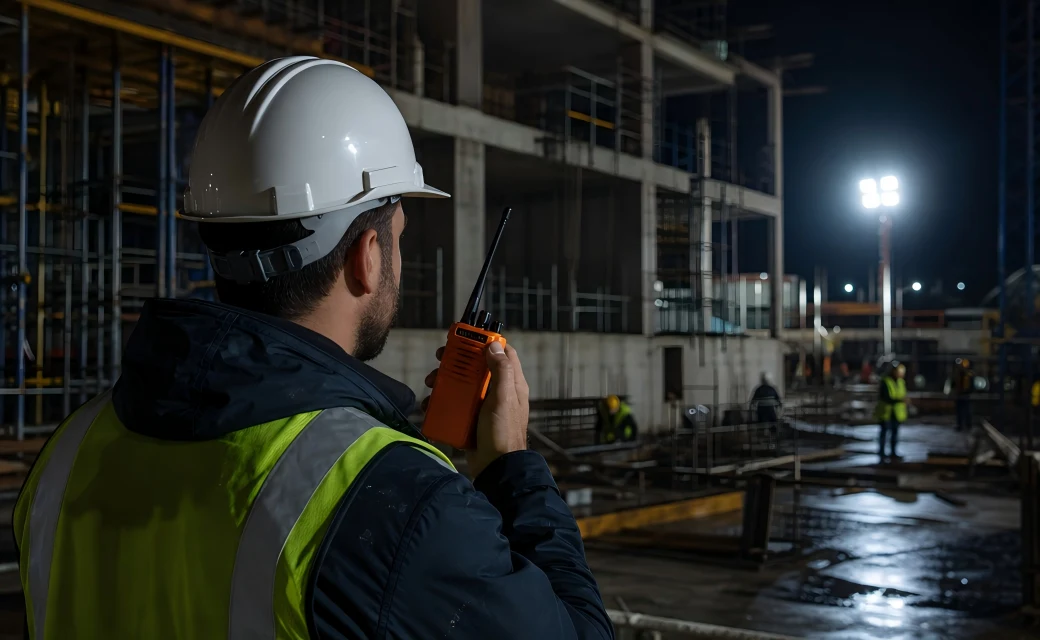
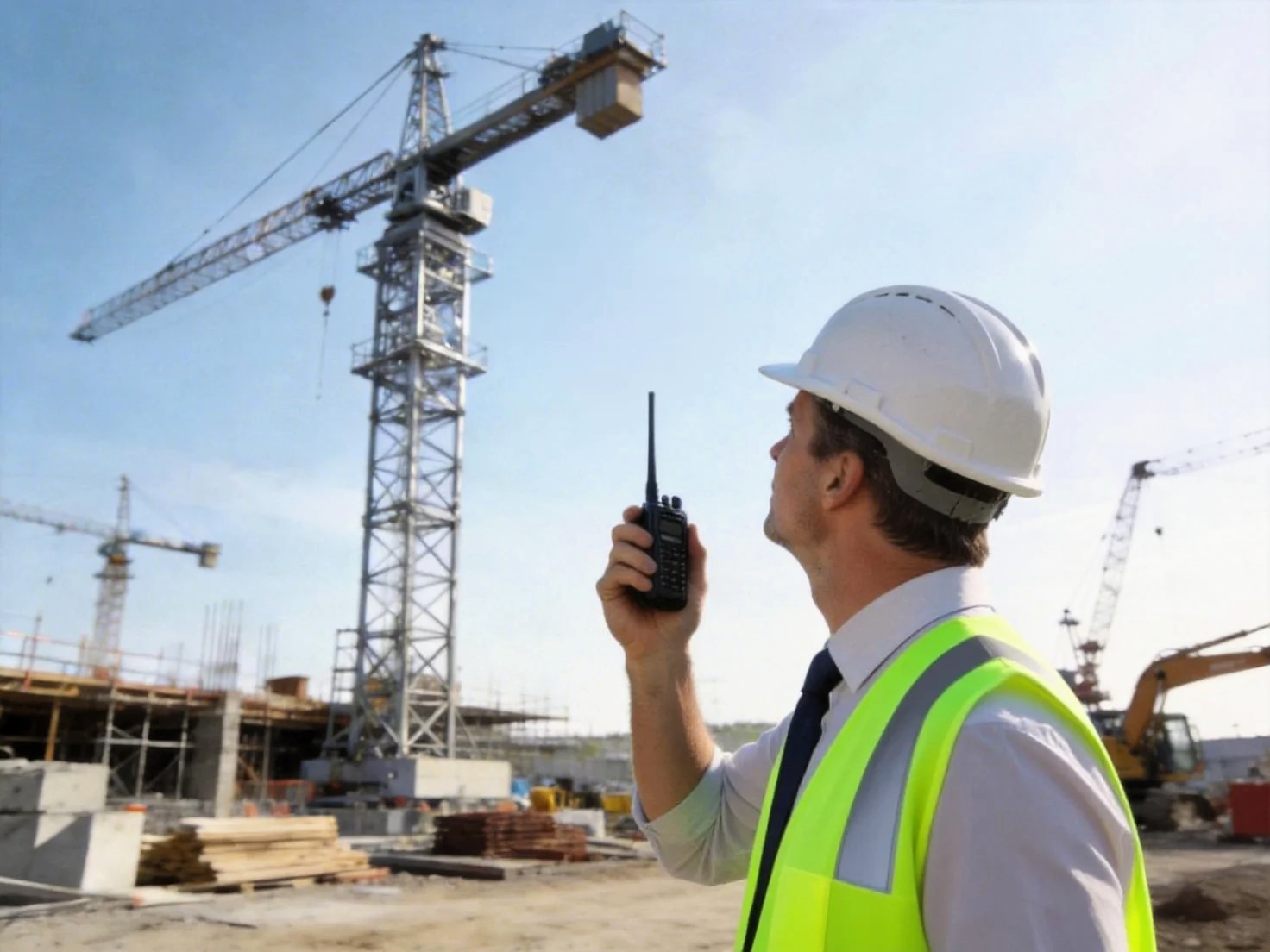
Summer high temperatures push many construction teams to shift work to overnight hours. Cooler night air reduces heat illness risks for workers, but night shifts bring their own set of safety challenges. Low light, fatigued crews, and scattered work zones make on-site oversight harder. Reliable communication acts as the first line of defense for site safety teams.
Many construction sites still use standard radio setups designed for daytime work. These systems fail to address the specific safety risks of night shifts. Dropped signals, hard-to-locate devices, and shared channels blocked by routine work chatter all create gaps in safety oversight. For site safety officers, these gaps do not just slow work — they create preventable hazard and incident risks.
This guide breaks down why standard radio setups fall short for night shift safety. It outlines core requirements for construction safety communication systems for night shifts, plus practical steps to reduce safety risks during summer overnight work.
Why Poor Communication Creates Severe Safety Risks for Night Shifts
Night time construction changes the basic rules of on-site safety. Visual oversight that works during the day disappears. Communication becomes the primary way safety teams monitor conditions and respond to issues. Weak communication systems turn small hazards into serious incidents quickly.
First, limited visibility removes backup safety checks. During daytime shifts, supervisors can spot unsafe practices from across the site. At night, only lit work zones are visible. Remote corners, stairwells, and basement levels sit completely out of sight. Safety officers rely entirely on radio updates to track conditions in these areas. Dead zones or weak signal mean total loss of oversight for those spaces.
Second, emergency response windows shrink at night. Workers are more fatigued during overnight shifts. They may notice hazards more slowly, and respond less quickly to warnings. When an incident occurs, every second of delay raises injury risk. If safety alerts get stuck behind routine work talk on shared channels, response times grow longer.
Third, low light slows basic device use. Standard black radios blend into dark work areas. Workers fumble to find their devices when an alert hits. Dropped radios take longer to locate in dim conditions. These small delays add up during fast-moving safety events.
Finally, night shifts carry stricter regulatory safety requirements in most European regions. Inspectors hold sites to higher standards for personnel tracking and emergency response capability. Inadequate communication systems can lead to compliance fines. They also create heavier liability if an incident does occur.
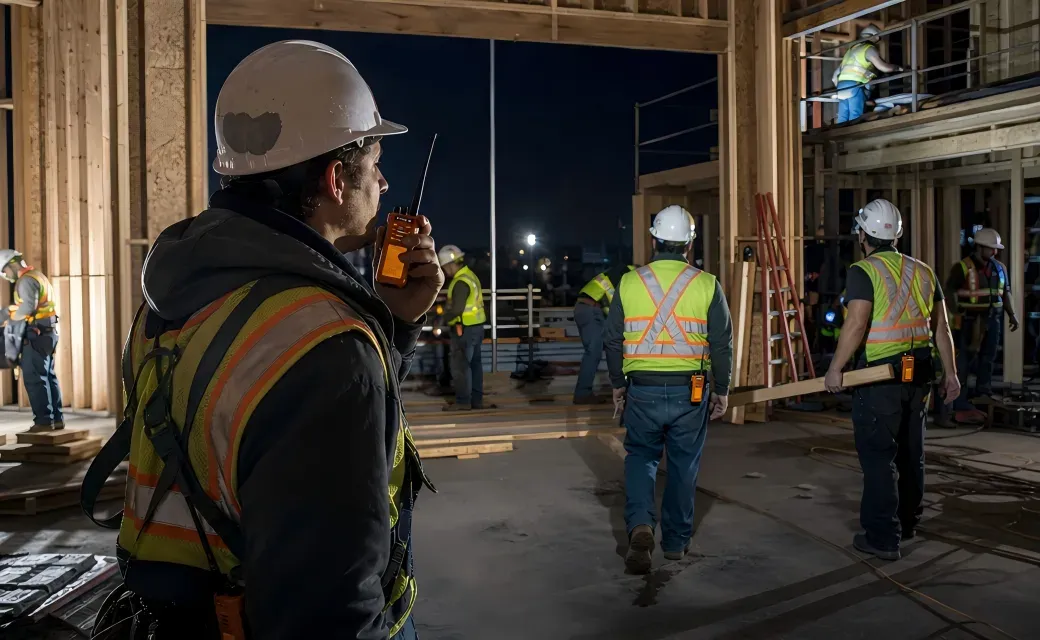
Core Requirements for Night Shift Safety Communication Systems
Not all radio setups support proper night time safety management. Reliable construction safety communication systems for night shifts must meet these five non-negotiable standards.
- Dedicated, always-open safety channel
Safety communications cannot share space with regular work scheduling. A dedicated safety channel ensures hazard alerts, evacuation orders, and injury reports always get through. No routine work chatter is allowed on this channel. All on-site personnel monitor this channel alongside their regular work channel. This structure guarantees safety messages receive immediate priority.
- High-visibility device design
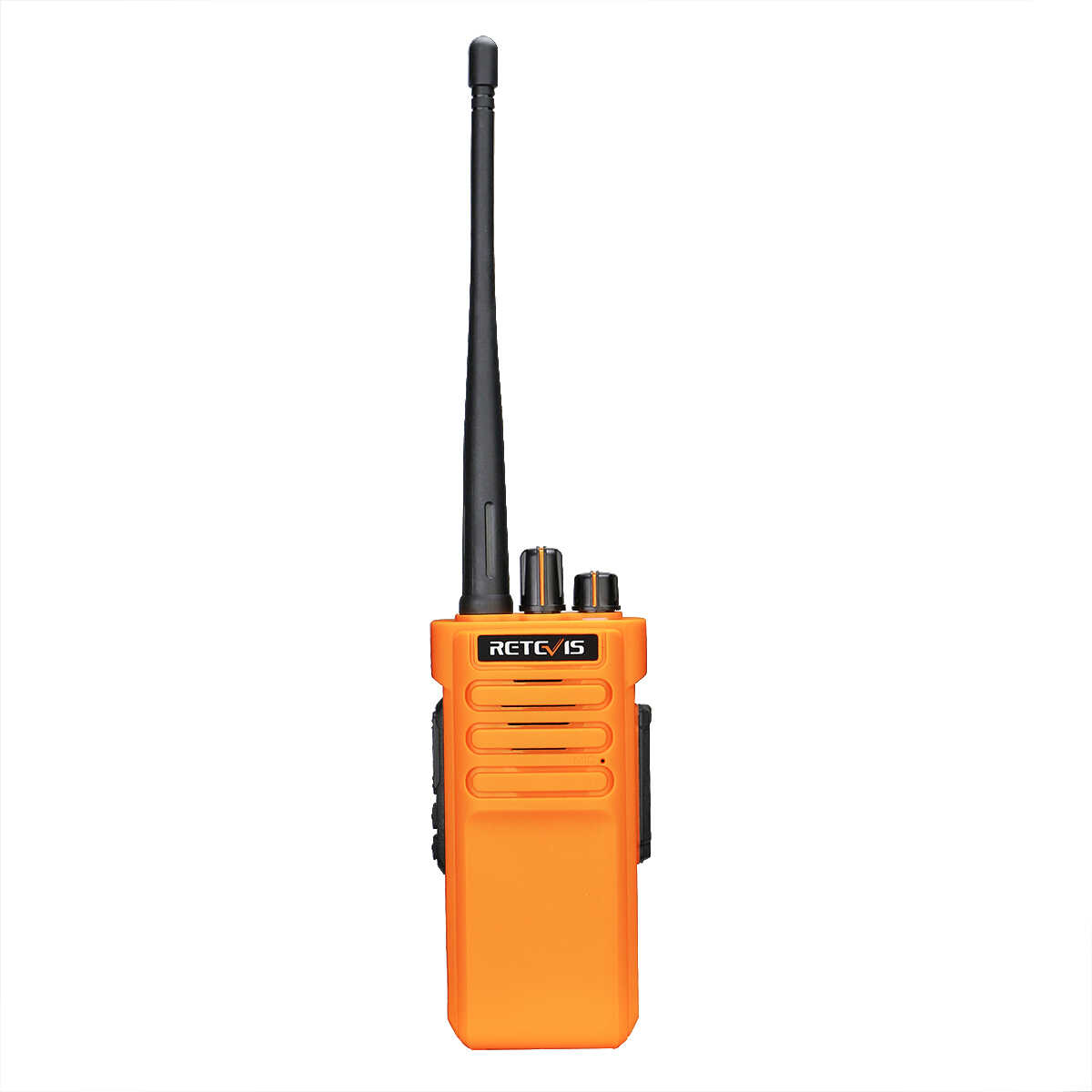
Radios need to be easy to locate in low light. Bright, high-contrast casing cuts down time spent searching for devices. This matters both for routine use and emergency response. Workers operating on fatigued night shifts can grab and use their radios faster when devices stand out visually.
- Reliable performance in hot, humid conditions
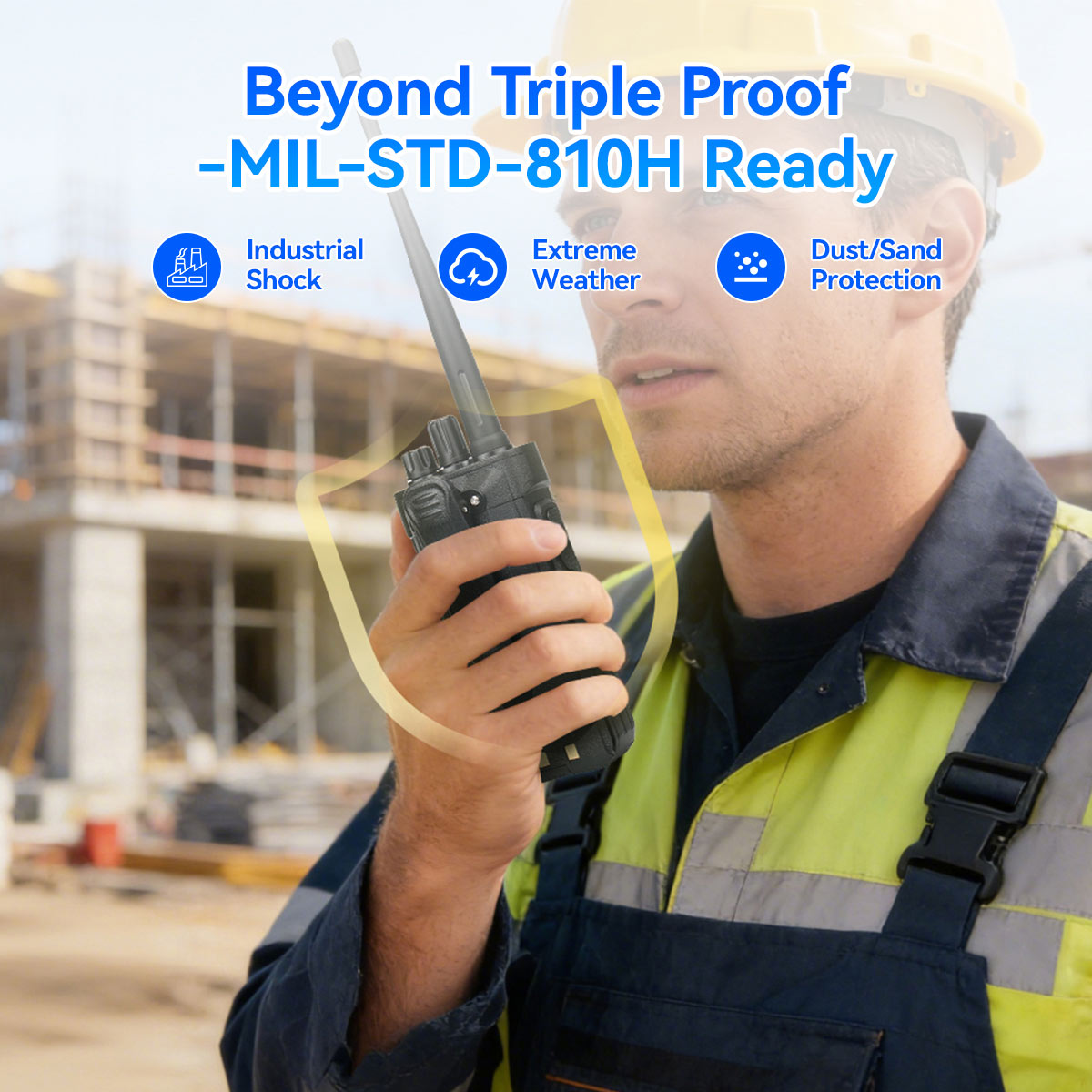
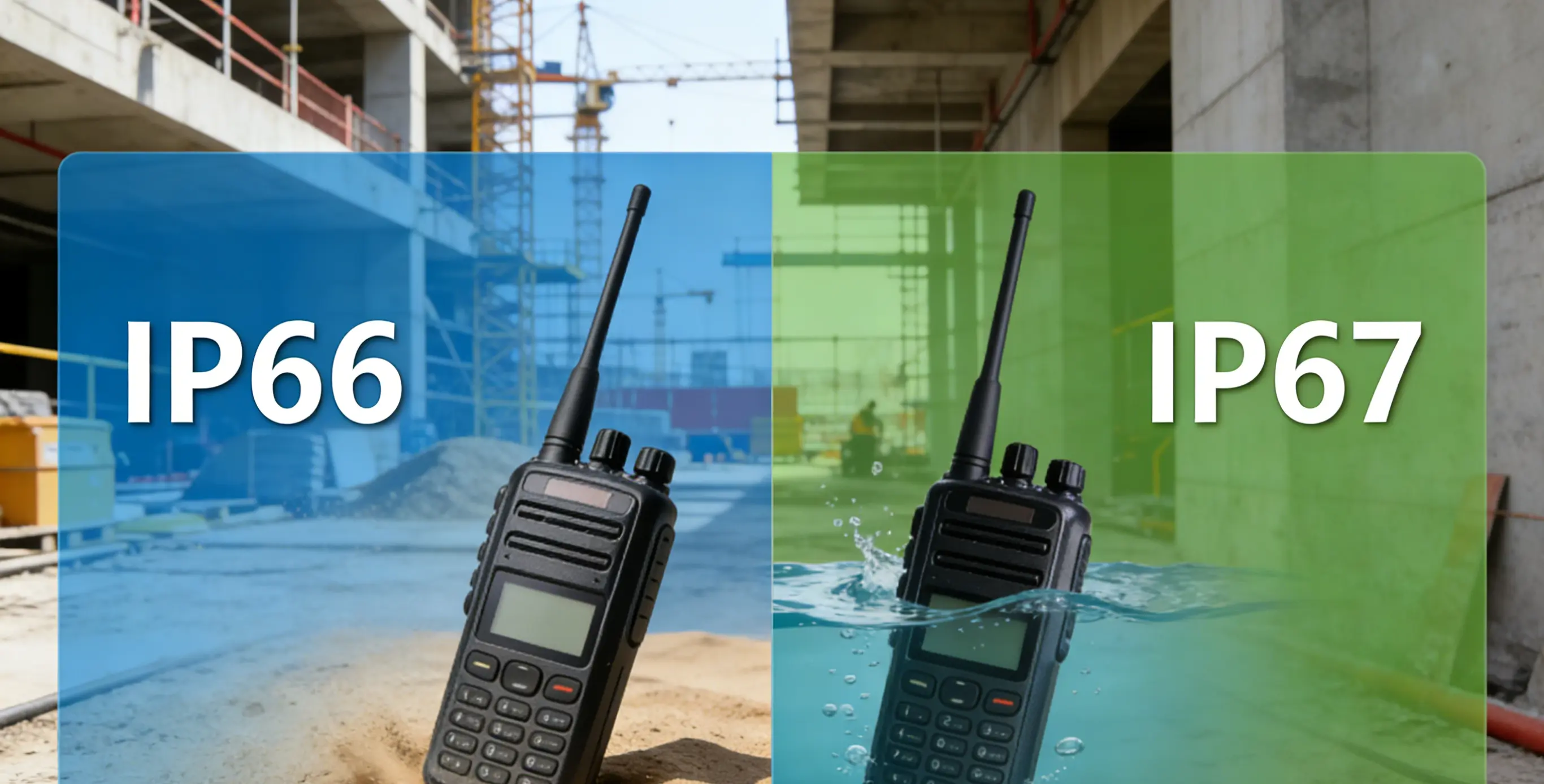
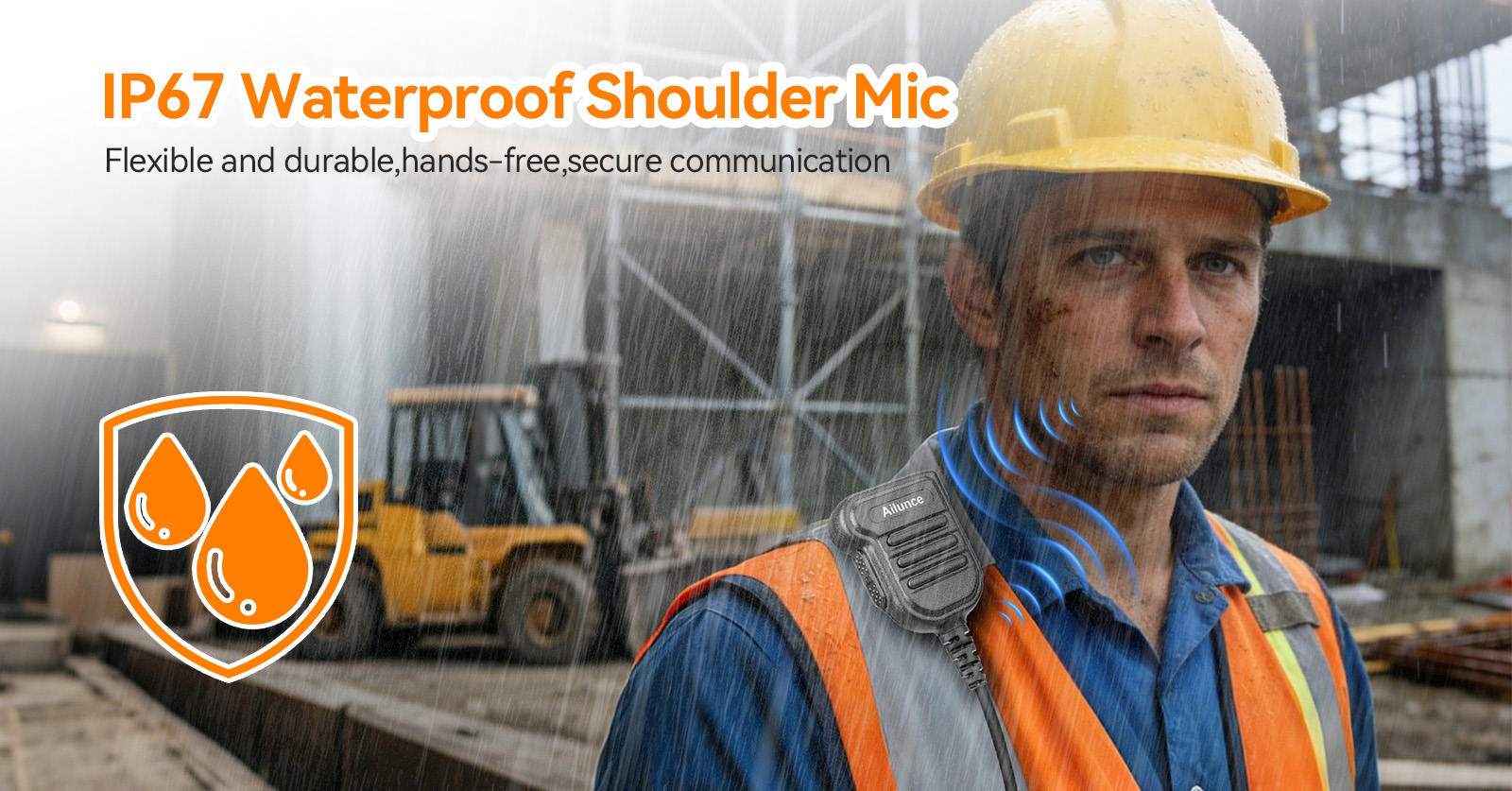
Summer nights still carry high humidity and residual heat. Workers sweat heavily through overnight shifts. Radios must resist moisture, dust, and sweat exposure without failing. Corroded contacts or muffled speakers cut off communication exactly when crews need it most.
- Full-shift battery life with no gaps
Night shifts typically run 10 to 12 hours straight. Safety officers and frontline crews use their radios constantly through the shift. Batteries must last the full shift without mid-shift charging. Any communication gap during a battery swap creates a window of unmonitored risk.
- Simple, intuitive emergency operation
Tired workers make more errors with complex controls. Emergency call functions must be easy to find and activate, even with gloved hands and reduced focus. One-touch emergency alert features give workers a fast, reliable way to call for help without navigating menus.
Practical Steps to Strengthen Night Shift Communication Safety
Better safety does not only come from better equipment. It comes from clear rules paired with properly suited devices. These steps create a complete safety communication structure for night work.
First, formalize channel separation for all shifts. Assign one channel exclusively for safety announcements and emergency use only. Make channel rules part of every pre-shift safety briefing. Enforce the rule consistently so crews never treat the safety channel as a work line.
Second, run mandatory pre-shift radio checks. Have each crew member confirm their radio works, has full battery, and is tuned to the correct channels before starting work. This catches dead batteries or faulty devices before crews spread out across the site. It also confirms every worker is reachable from the start of the shift.
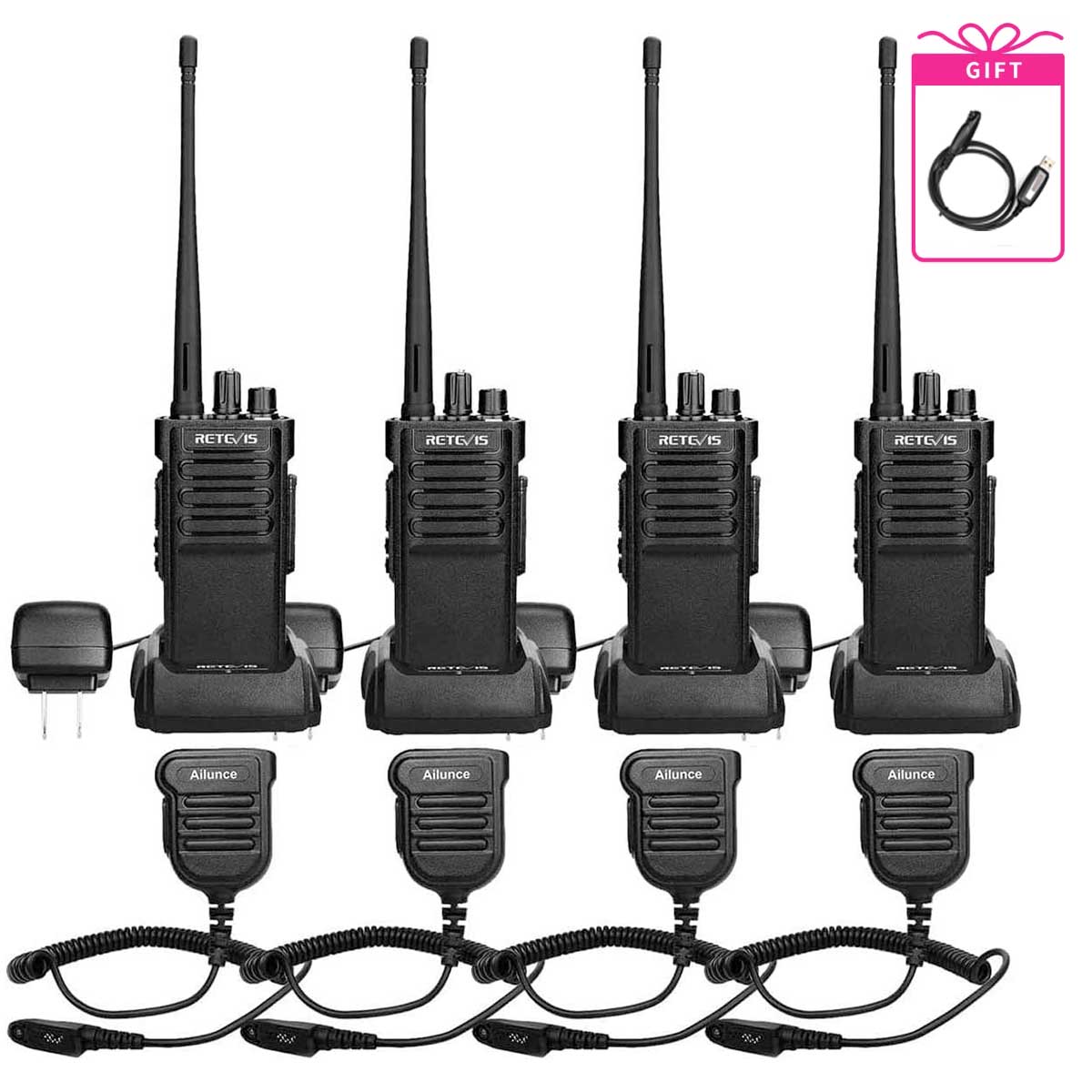
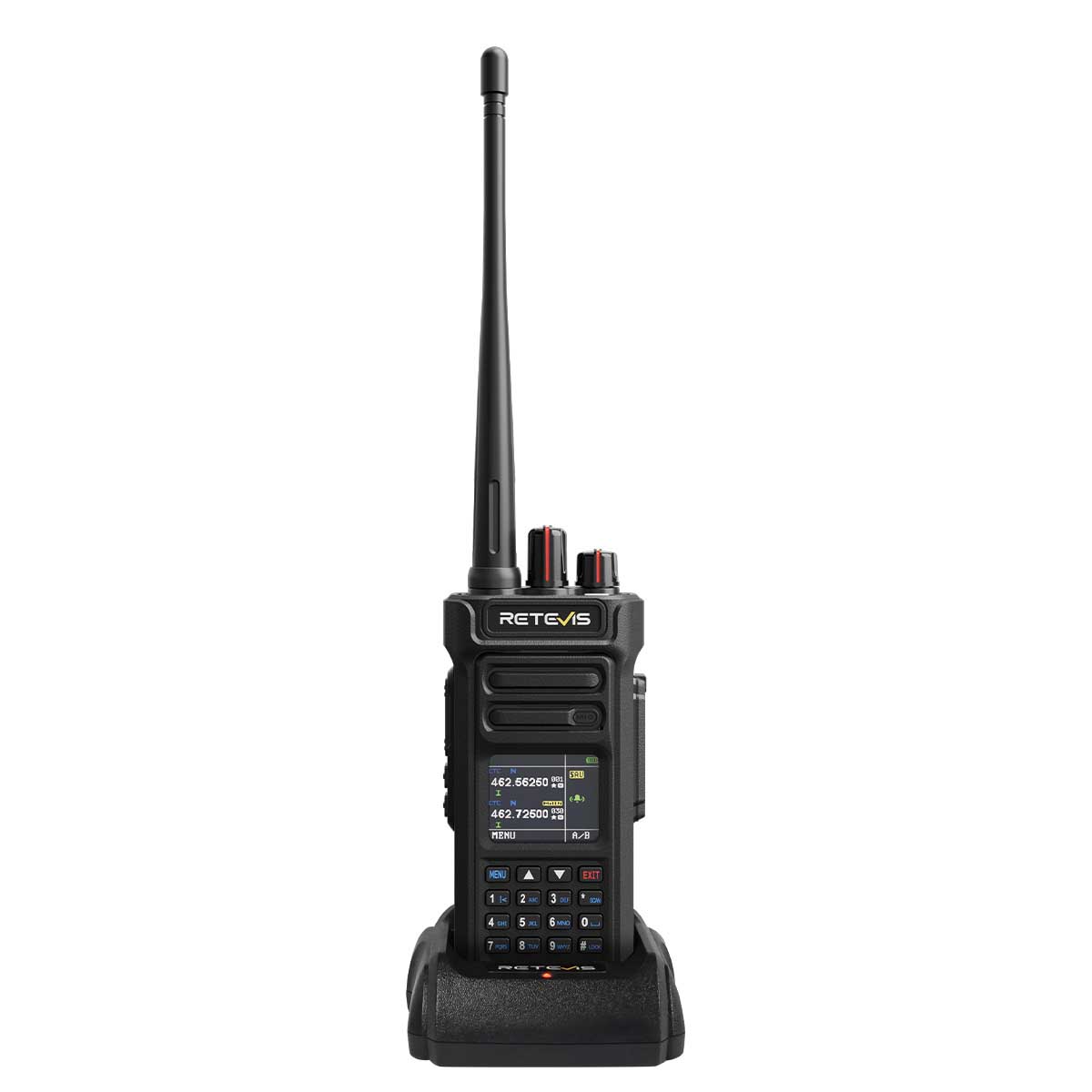
Third, deploy purpose-built radios matched to night shift conditions. Two models align closely with the safety standards outlined above, for different site roles:
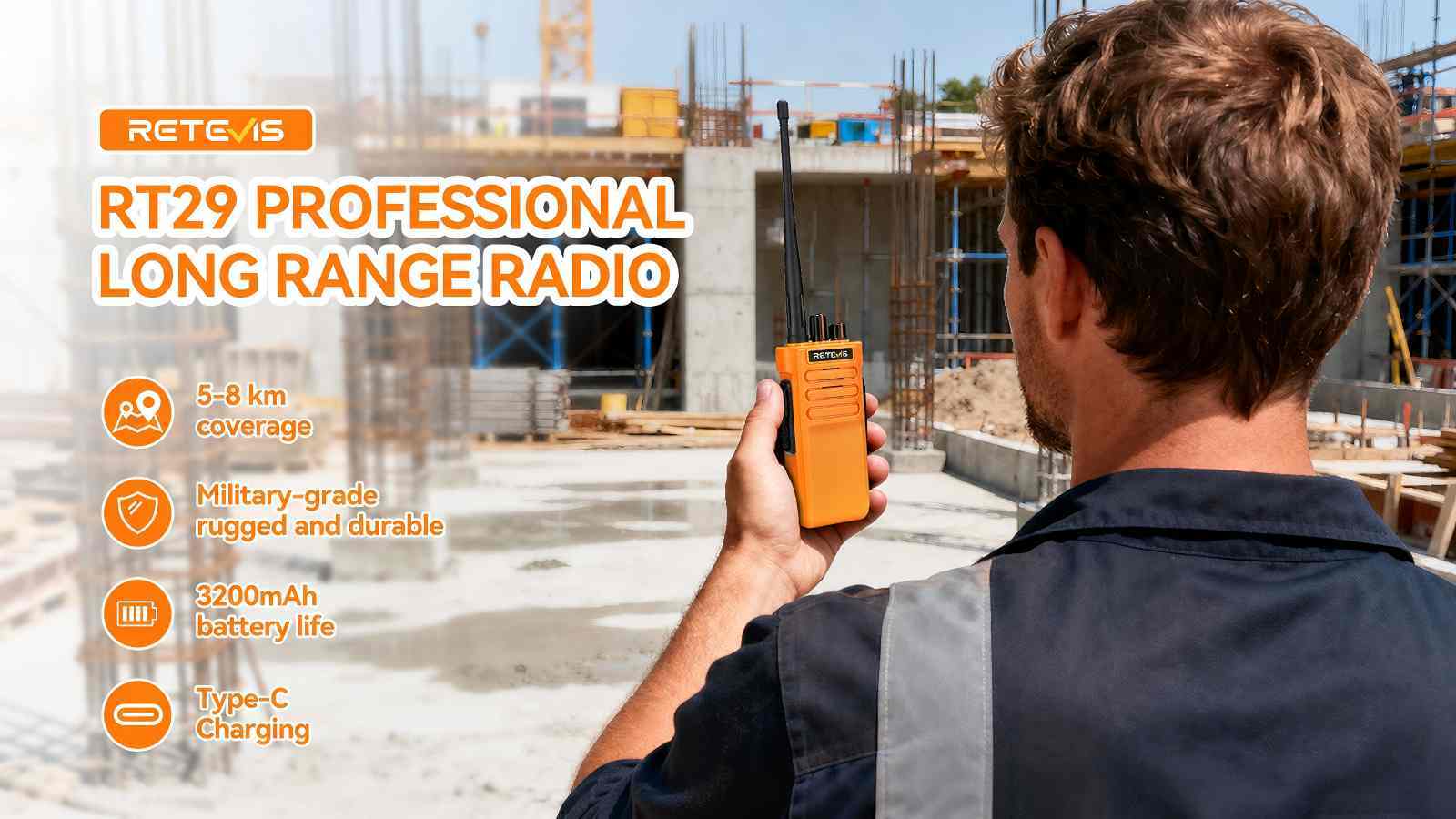
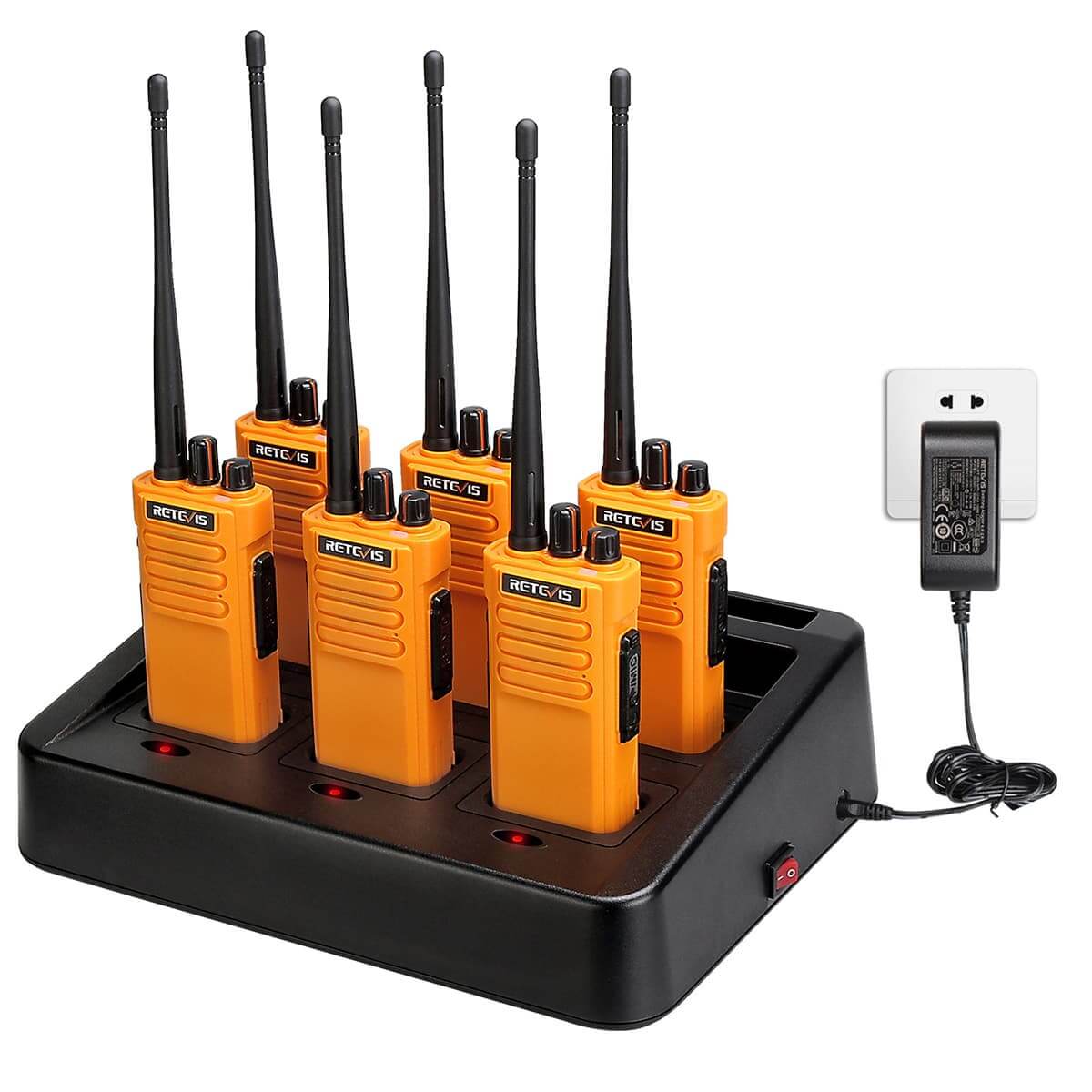
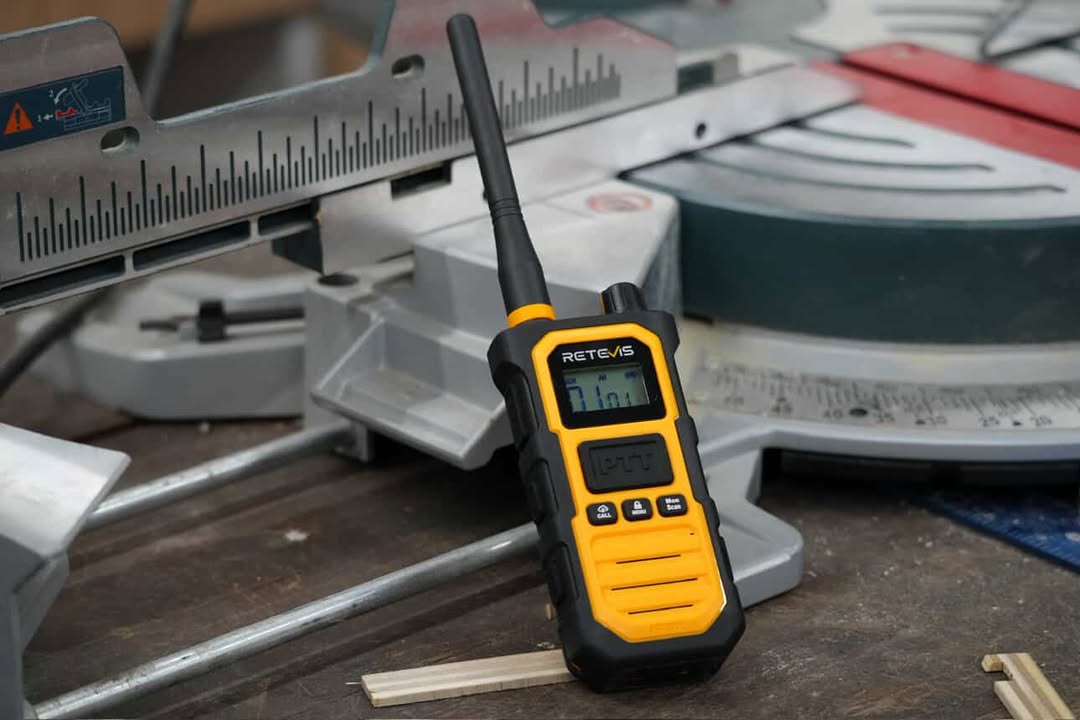
The Retevis RT29 (orange version) is built for high visibility and heavy-duty site use. Its bright orange casing stands out sharply in low light, so workers can locate devices instantly. The high-power signal reaches remote corners and deep basement levels, eliminating safety dead zones across large sites. It carries IP67 dust and water resistance, holding up reliably against sweat and humid night conditions. Its long-lasting battery covers full 12-hour overnight shifts with no mid-shift charge needed. It supports 16 programmable channels, including a dedicated safety channel for all personnel. This model works best for safety officers, site supervisors, and crews working in isolated work zones.
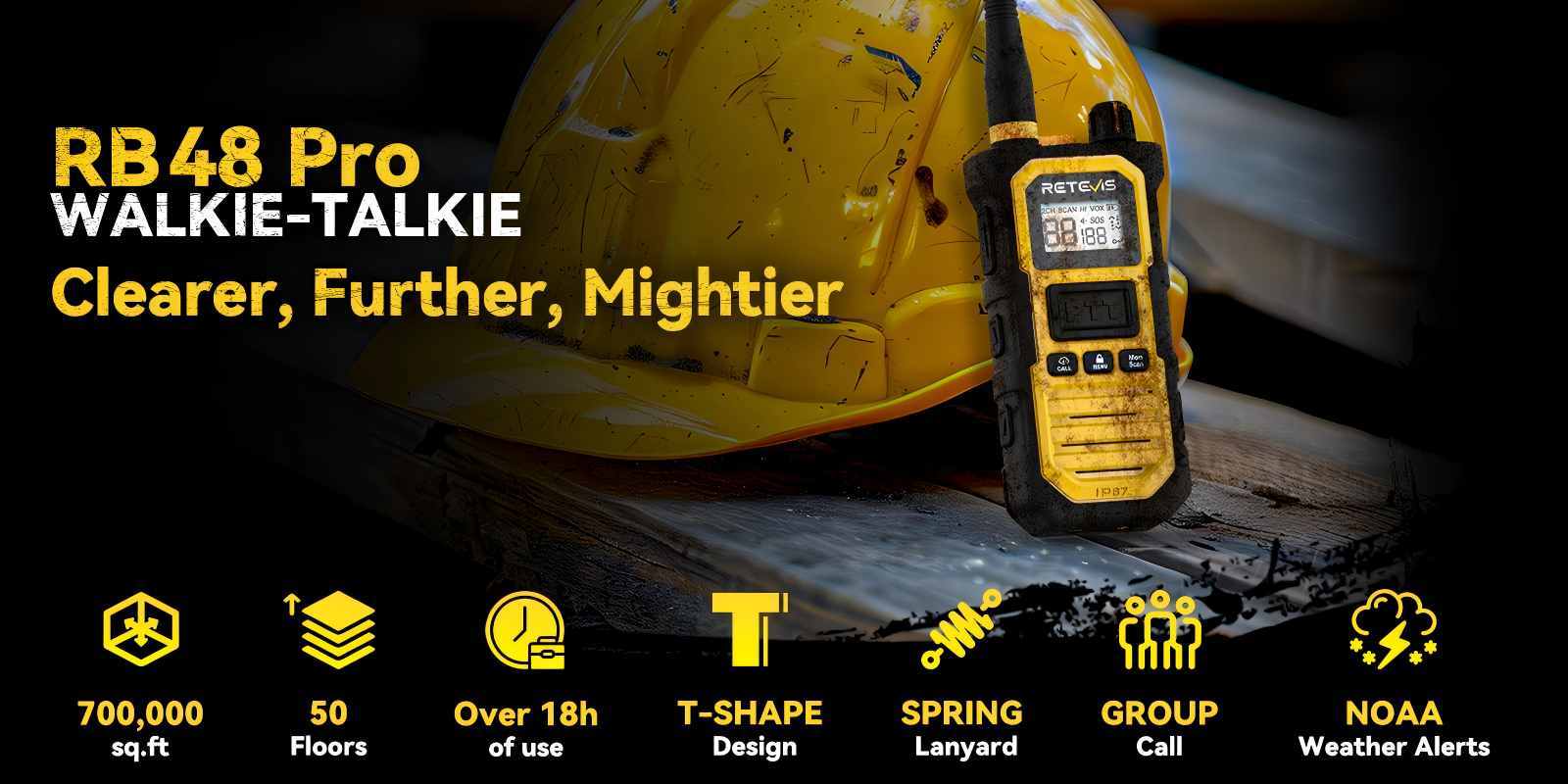
The Retevis RB48 Pro delivers durable, cost-effective performance for frontline crew-wide deployment. Its rugged build resists dust, drops and moisture for daily night shift use. Clear, loud audio cuts through background construction noise, so workers hear safety alerts even around running equipment. Its reliable battery life covers standard overnight shifts for all trade crews. Its simple button layout works for fatigued workers and temporary staff, with no steep learning curve. This model works well for equipping entire trade teams to keep every worker connected to the safety network.
Frequently Asked Questions
Why can we not just use our regular work channel for safety alerts?
Shared channels fill up quickly with routine task coordination during busy shifts. Safety alerts can be delayed or missed entirely when crews are talking over each other. A dedicated safety channel ensures critical messages go through immediately, with no wait time.
Does high-visibility orange casing actually improve safety?
Yes. In dim work areas, standard black radios are easy to drop and hard to find. Bright casing cuts device location time significantly. This makes a measurable difference during emergency responses, when every second of delay adds risk.
Will humid summer night conditions damage standard radios?
Sweat and constant humidity can corrode charging ports and damage internal components over time. Industrial-rated radios with formal dust and water protection are built to withstand these conditions. They maintain consistent performance through full summer night shift schedules.
Final Thoughts
Night shift construction carries unique safety risks that standard daytime communication systems cannot address. Reliable construction safety communication systems for night shifts are a core part of hazard prevention, not an optional extra.
Strong night shift safety communication relies on three pieces: a dedicated safety channel, devices built for low-light and high-humidity conditions, and clear enforced rules for use. When all three pieces work together, safety teams maintain full visibility across dark work zones. They respond faster to incidents. They keep crews protected through overnight shifts, while staying compliant with site safety regulations.
The RT29 orange edition and RB48 Pro both support these safety standards, for supervisor and frontline crew roles respectively. Full product specifications and safety feature details are available on the product pages.
Our next article in this series will cover heat illness response protocols and radio communication workflows, to help safety teams manage summer health risks more effectively.




 Google
 Amazon
Comments
No data Yet