

Table of Contents
Waterproof Walkie Talkies for Construction Sites: IP Ratings, Rain Intensity, and Moisture Protection
- Posted by:Retevis
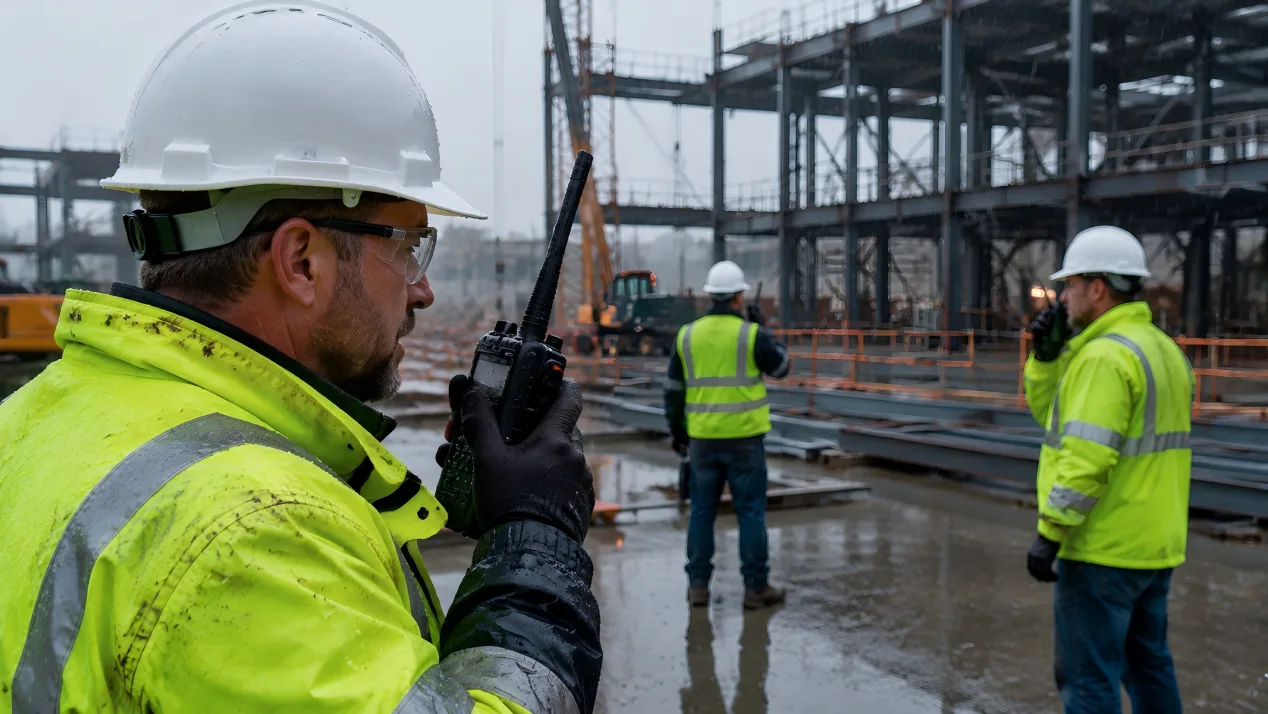
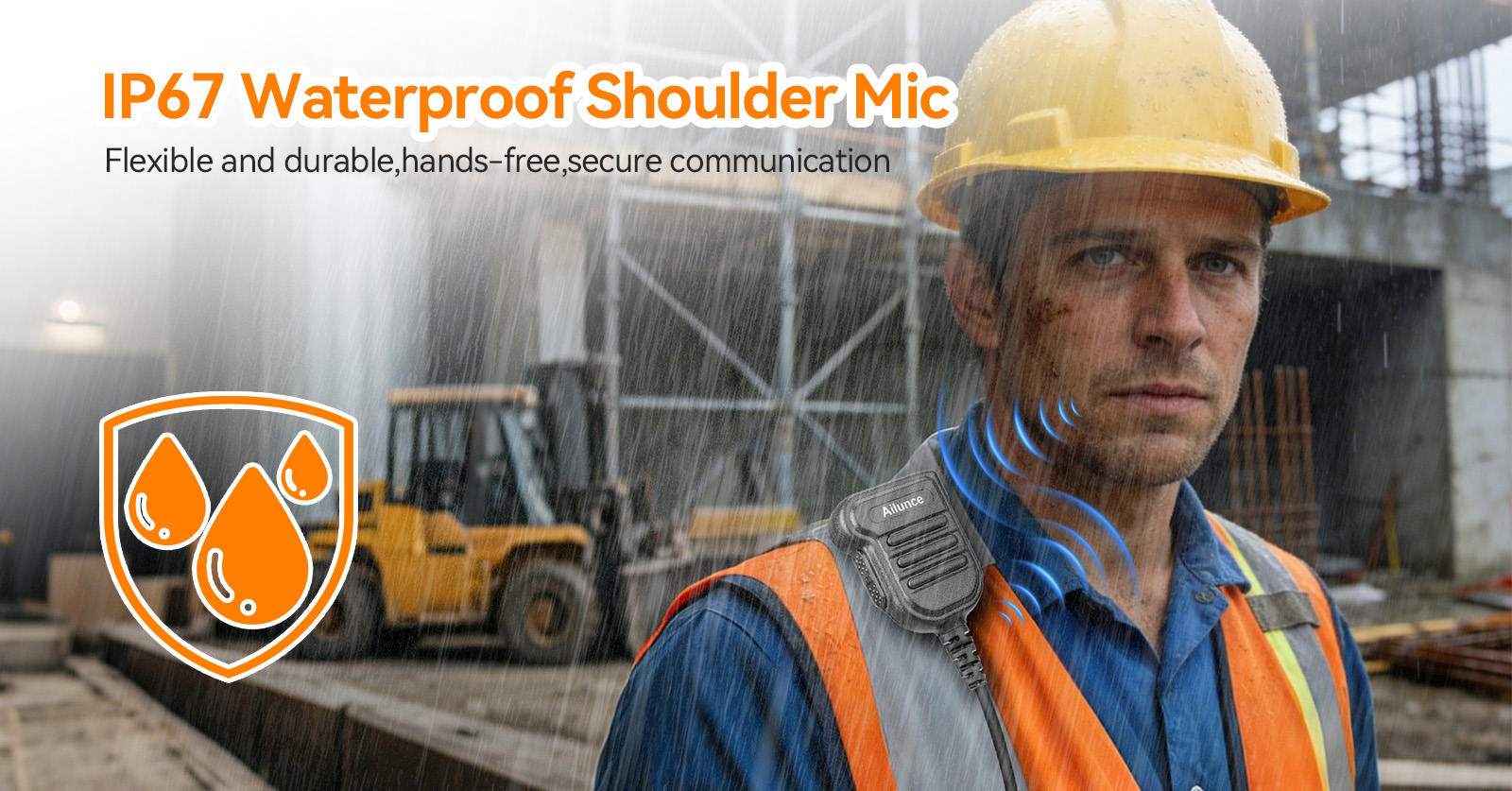
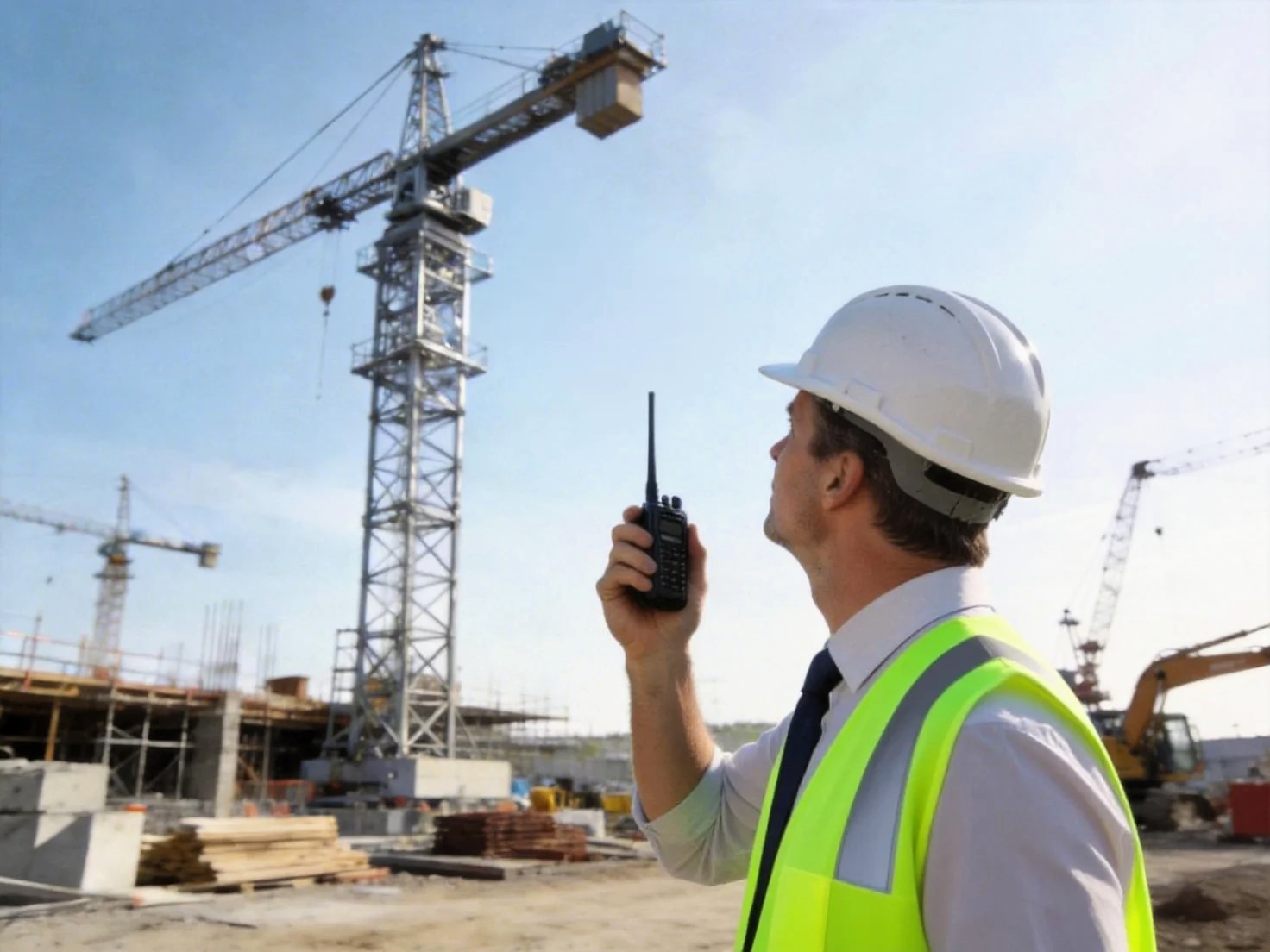
On rainy construction sites, reliable communication is not optional. When crews work in wet weather, a normal radio may not last. That is why waterproof walkie talkies matter so much on jobsites. The right construction radio helps teams work together and avoid delays.
For teams looking for waterproof radios for construction sites, the key is not just choosing a rugged-looking device. You also need to know how waterproof ratings work, how different rain levels affect performance, and how to protect the radio from moisture over time.
1. Why Rainy Season Communication Becomes a Jobsite Problem
Construction sites depend on fast, clear communication. Supervisors need to give instructions, equipment operators need updates, and crews often need to react fast when site conditions change. Rain makes all of this harder. When rain starts, the job gets harder.
Wet weather can make surfaces slippery, cut down visibility, and make radios more likely to fail.A radio that works fine in dry weather may begin to fail when water gets into the battery compartment, charging port, speaker grille, or accessory interface. That is why many teams look for waterproof walkie talkies rather than standard two-way radios.
2. What “Waterproof” Really Means for a Construction Radio
The word “waterproof” is often used loosely in product marketing, but in reality, it has to be judged by technical standards. For a construction radio, the most important standard is the IP rating, short for Ingress Protection.
An IP rating tells you how well the radio housing resists dust and water intrusion. A radio can look rugged and still not work well in wet conditions. A strong shell can help with drops and impacts, but weak seals or poor port covers can still let water in.
For buyers searching for waterproof radios for construction sites, the key question is not “Does it look tough?” but “How much water exposure can it actually handle?”
3. Understanding IP Ratings for Construction Use
If you are choosing a waterproof radio for outdoor work, the IP code is the fastest way to compare options. The ratings below are the ones most relevant to construction environments.
|
IP Rating |
Dust Protection |
Water Protection |
Typical Construction Use |
|
IP54 |
Limited dust protection |
Protected against splashes from any direction |
Light outdoor exposure, short rain contact |
|
IP65 |
Dust-tight |
Protected against low-pressure water jets |
General jobsite use, moderate rain |
|
IP67 |
Dust-tight |
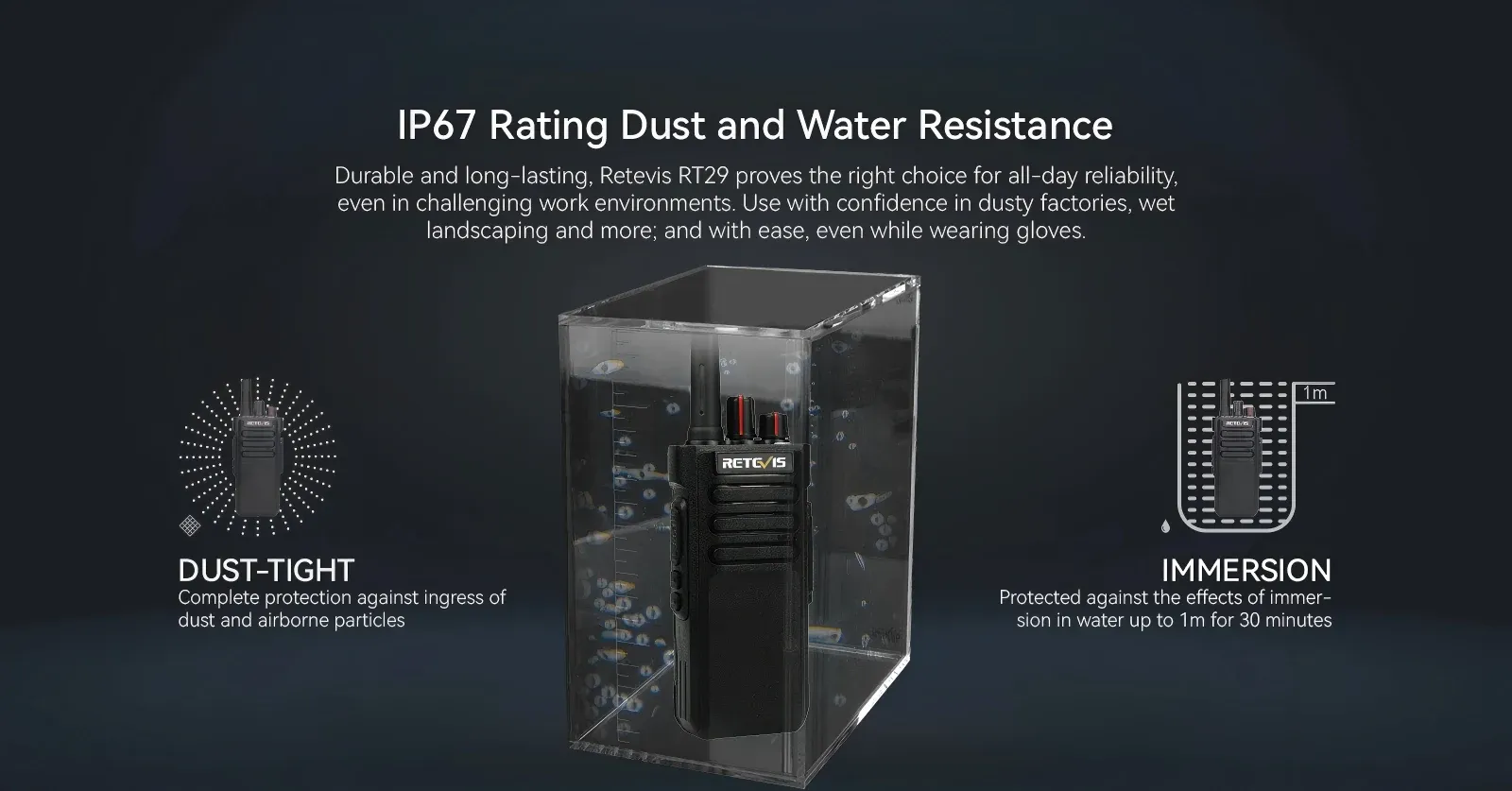
Can withstand temporary immersion in water |
Heavy rain, wet ground, accidental drops into puddles |
|
IP68 |
Dust-tight |
Higher-level water protection, often for prolonged exposure under specified conditions |
Harsh wet environments, extended moisture exposure |
What these ratings mean in practice
IP54
This level is enough for occasional outdoor exposure, such as moving between indoor work areas and short periods outside. It can handle light splashes, but it is not the best choice if workers are standing in the rain for long periods.
IP65
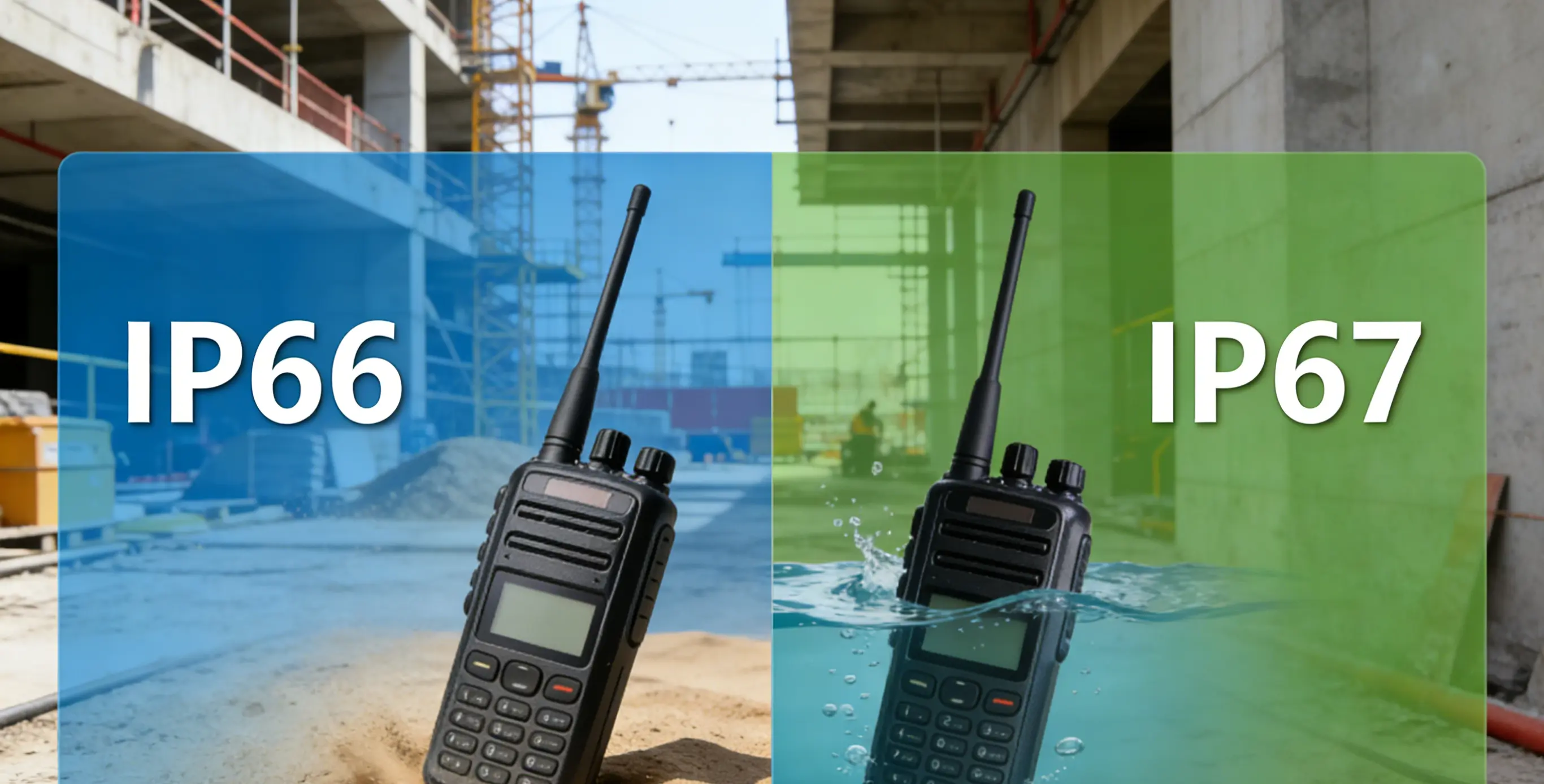
This is a much better choice for many construction teams. It keeps out dust and can handle water jets, so it works well in moderate rain and for general outdoor use.
IP67
This is often the sweet spot for wet jobsites. A radio with IP67 protection can work in heavy rain and short dips in water. It also helps when radios fall into puddles or mud.
IP68
This level offers the strongest protection, but it is not always necessary. It works best when water exposure happens often, is very strong, or is hard to avoid.
Which rating should you choose?
The highest rating is not always the best choice. What matters is the actual exposure level on your site. A covered residential project may only need IP54 or IP65. But an open civil construction site in a rainy area may need IP67 or higher.
4. Match Waterproof Level to Rain Intensity and Site Exposure
Choosing the right waterproof walkie talkies depends on how much rain the radio will really face.
Light rain or short outdoor exposure
If the radio is used mostly for brief tasks—such as inspections, material checks, or short trips between indoor and outdoor spaces—an IP54 to IP65 radio may be enough. In this case, the device is exposed to occasional moisture, not continuous rainfall.
Moderate rain or frequent outdoor work
For crews that spend a large part of the day outside, especially in regions where showers are common, IP65 to IP67 is a more realistic choice. This level gives better protection against repeated rain contact and splashes from wet surfaces.
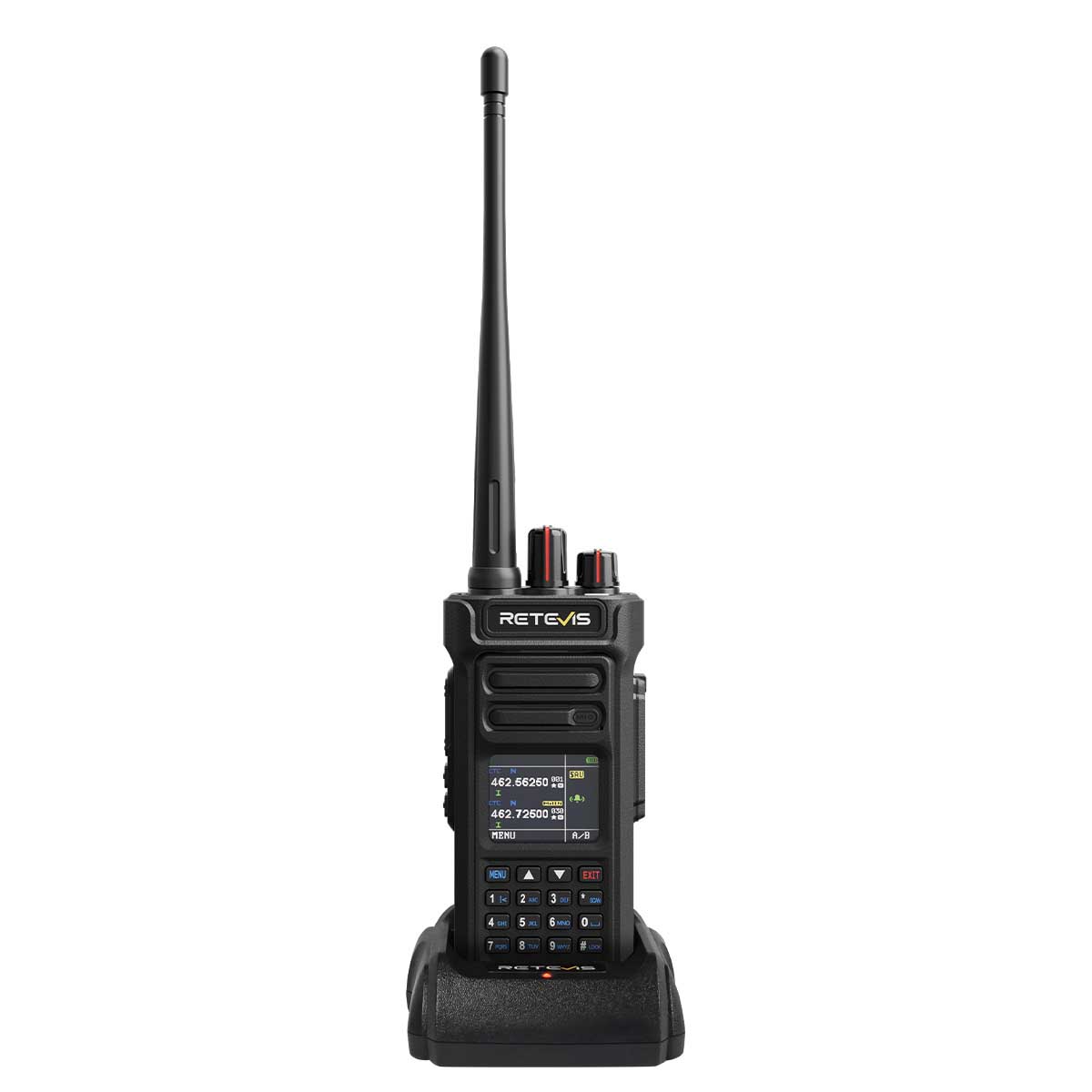
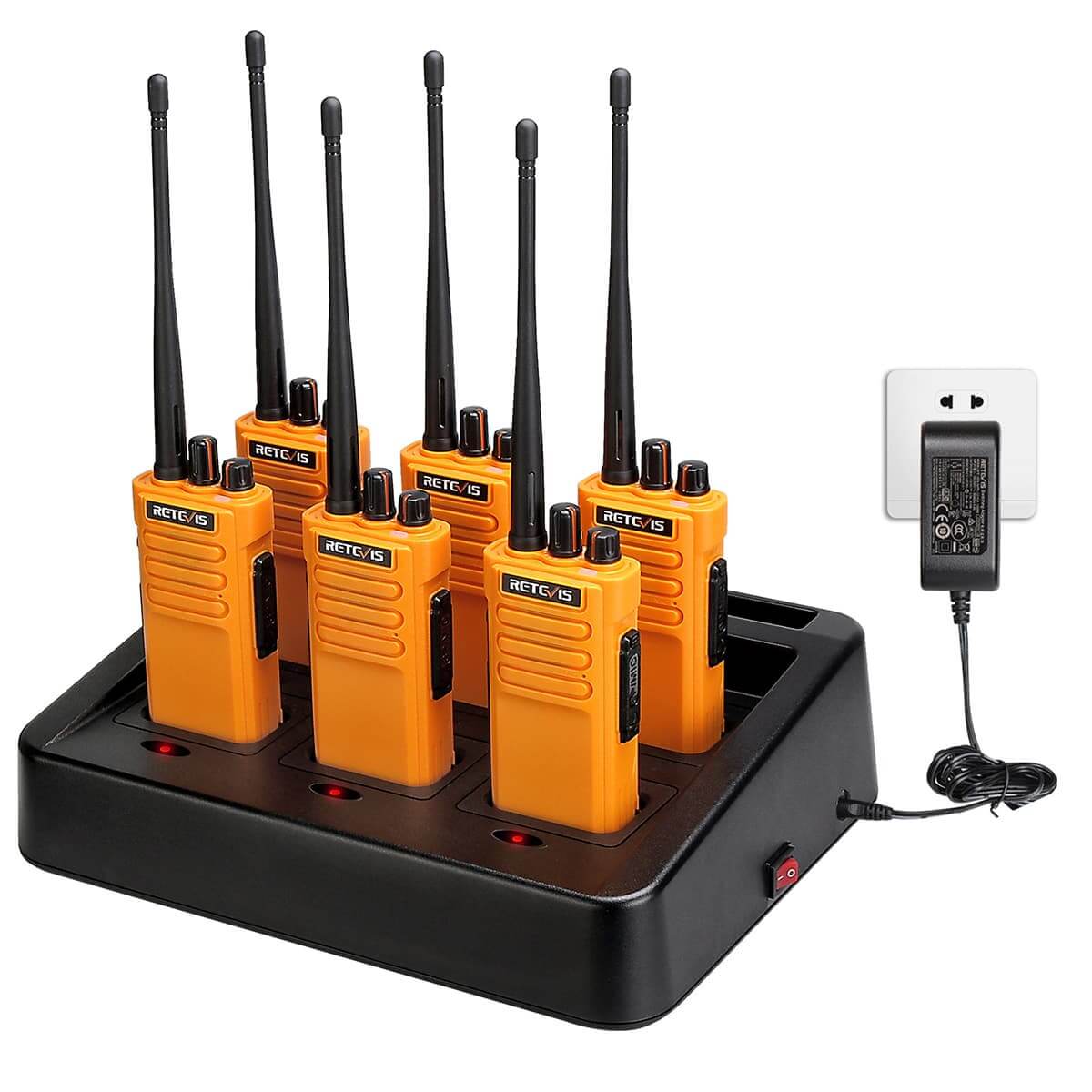
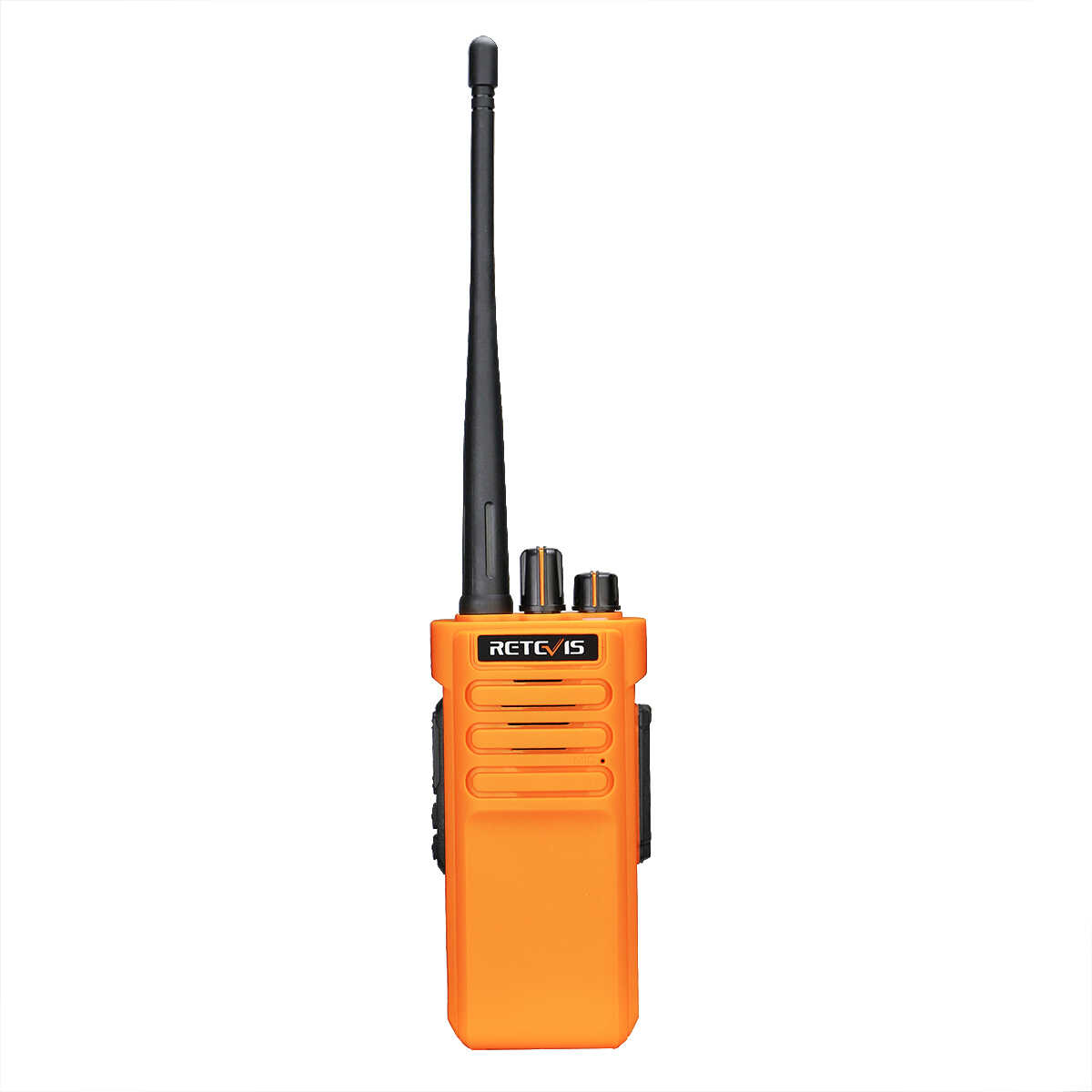
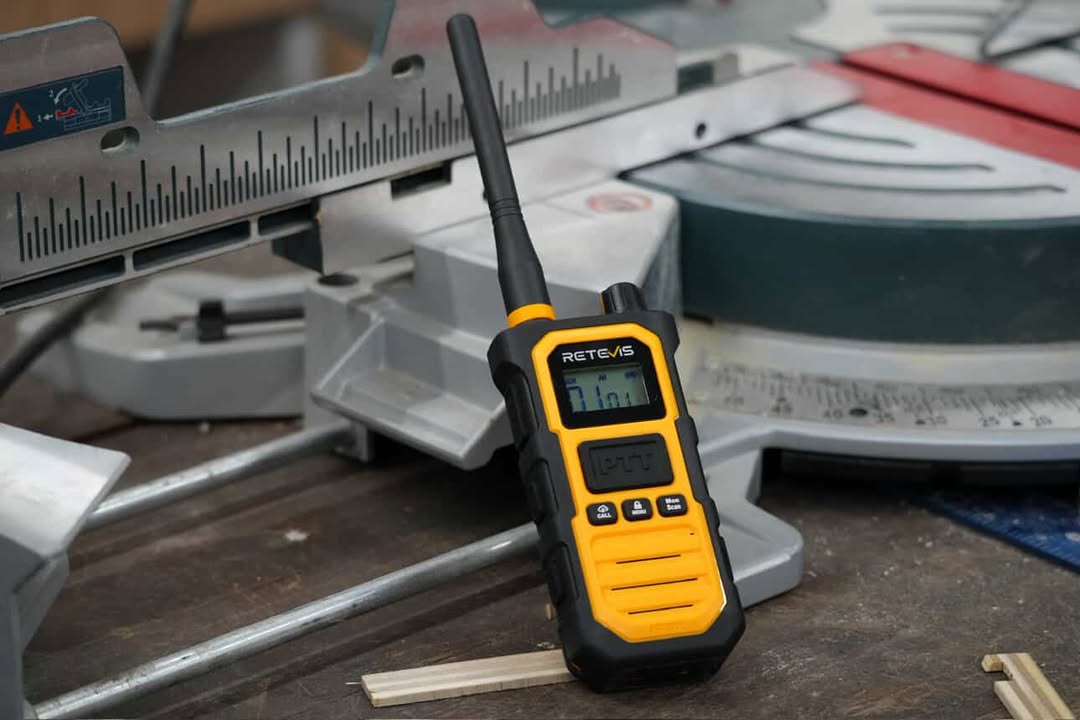
If your team needs a dependable option for wet jobsites, the Retevis RT29 is worth a look. It offers solid waterproof protection and clear communication for construction crews that work in rainy conditions.
Heavy rain or fully exposed sites
If workers are on open sites, road projects, exterior structural work, or storm-prone jobs, IP67 to IP68 is the safer option. These radios work better in heavy rain, with wet gloves, and in sites where accidents can happen easily.
A simple rule works well: the more exposed the work area is, the stronger the waterproof rating should be.
5. Rainy-Season Details That Affect Radio Performance
Waterproofing is important, but real-world performance depends on more than the IP number alone. In rainy-season construction work, a few small details can decide whether a radio stays reliable.
Seal condition matters
Even a high-IP radio can lose protection if the battery cover, port cap, or gasket is damaged. Worn seals are one of the most common reasons water gets into a device over time.
Wet handling can cause problems
On a rainy jobsite, workers often wear gloves or have wet hands. That can make buttons harder to press and increase the chance of accidental opening, dropping, or misalignment of covers.
Condensation is a hidden threat
A radio may not get drenched, but moisture can still accumulate inside if it moves quickly between hot outdoor air and cooler indoor storage. Condensation can damage internal circuits even when the radio does not look wet.
Charging after rain needs extra care
One of the biggest mistakes is placing a damp radio directly on a charger. Wet charging contacts or moisture in the port can lead to corrosion or charging failure.
Rain noise affects communication clarity
Even if the device itself is waterproof, communication can still become difficult in strong rain and wind. For construction teams, a good construction radio should give clear sound, not just physical protection.
These details show why choosing waterproof radios for construction sites takes more than just looking at the outer shell.
6. Moisture Protection and Maintenance During the Rainy Season
Once you have chosen the right radio, proper maintenance becomes the next line of defense. Rain exposure is easier to handle when radios are used the right way.
After each wet use
- Wipe the radio with a dry cloth
- Check the battery cover, antenna area, and port seals
- Allow the device to dry fully before storage or charging
During daily operation
- Avoid opening covers unless necessary
- Do not charge a radio while it is still damp
- Keep spare radios or accessories in a dry storage box if possible
During routine inspections
- Look for cracked seals, loose port caps, or damaged gaskets
- Check whether the battery lock is still secure
- Replace worn protective parts before they fail in the field
Long-term moisture prevention
- Store radios in a dry environment after shifts
- Prevent repeated rapid temperature changes that can cause condensation
- Train workers to treat the device as weather-resistant equipment, not an indestructible tool
Simple maintenance can significantly extend the life of waterproof walkie talkies and reduce avoidable downtime.
7. Common Mistakes Buyers Make When Choosing Waterproof Radios
Many buyers focus only on the word “waterproof” and overlook the practical details that matter on-site. Here are the most common mistakes:
Choosing by price alone
A lower-cost radio may look acceptable on paper, but fail quickly in repeated rain exposure.
Confusing rugged with waterproof
Impact resistance and water resistance are not the same thing. A tough housing does not guarantee sealed protection.
Matching the wrong rating to the jobsite
An IP54 device may be fine for occasional drizzle, but not for a crew working in open rain all day.
Ignoring how the radio will actually be used
A radio carried under a jacket is exposed differently from one clipped to a belt in open weather.
Overlooking maintenance needs
Even a high-quality construction radio needs regular seal checks and proper drying to stay reliable.
These mistakes are avoidable if selection is based on real working conditions rather than general assumptions
8. Final Takeaway: Choose Waterproof Walkie Talkies Based on Real Rain Conditions
The best waterproof radios for construction sites are not simply the ones with the highest IP number. They are the ones that match the site’s exposure level, weather pattern, and daily working conditions.
If your team faces only light rain, an IP54 or IP65 radio may be enough. If your work involves frequent outdoor exposure, IP65 to IP67 is usually the better choice.For heavy rain, open sites, or high-moisture environments, IP67 or IP68 is the safer choice.
When construction runs in rainy seasons, steady communication keeps teams safe, organized and efficient. The right construction radio helps teams stay connected when the weather turns wet, and good moisture care helps keep waterproof walkie talkies working well long after the rain stops.



 Google
 Amazon
Comments
No data Yet