

Table of Contents
IP67 vs IP68: Which Waterproof Radio Fits Your Construction Site?
- Posted by:Retevis
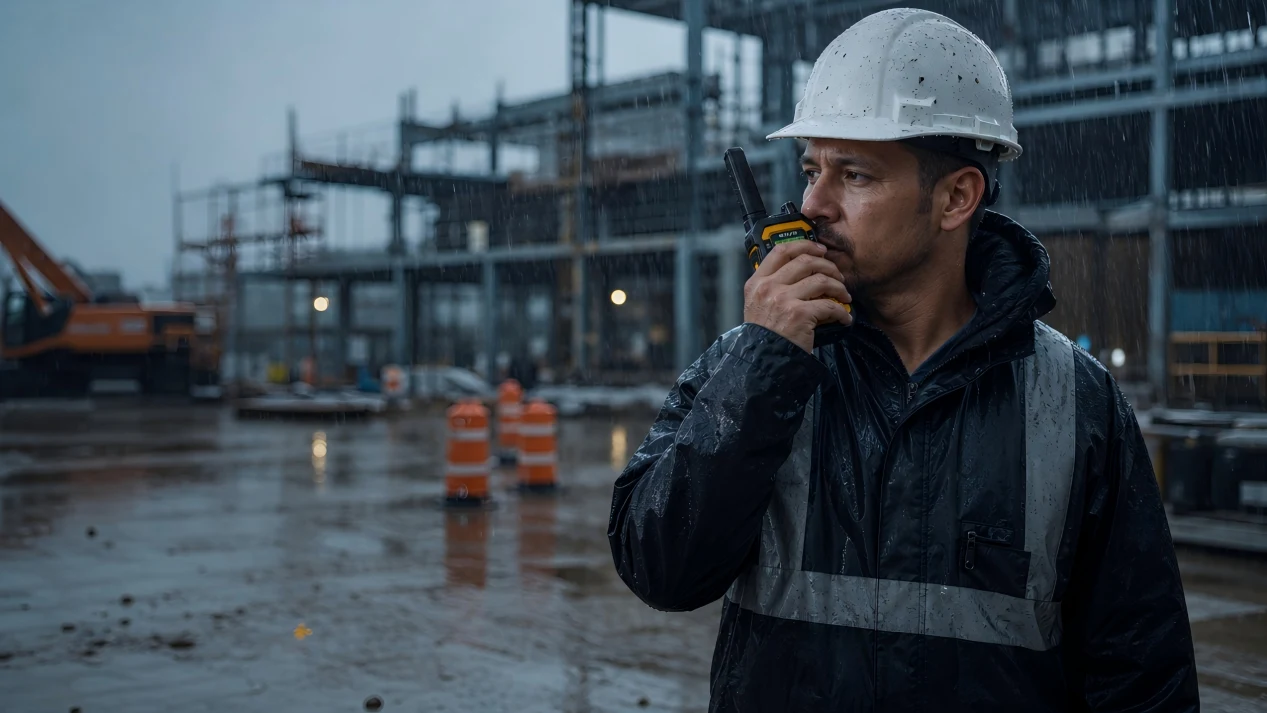
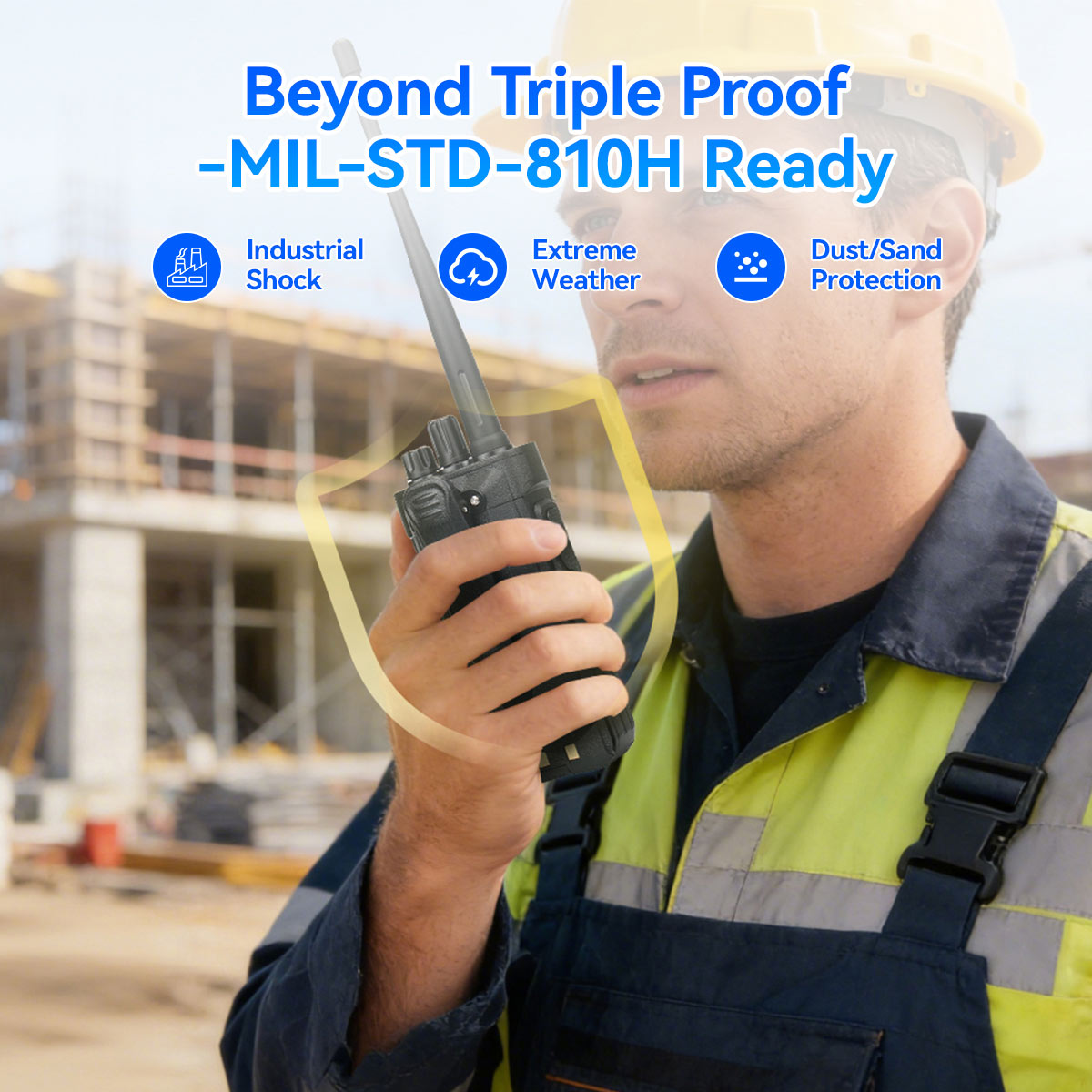
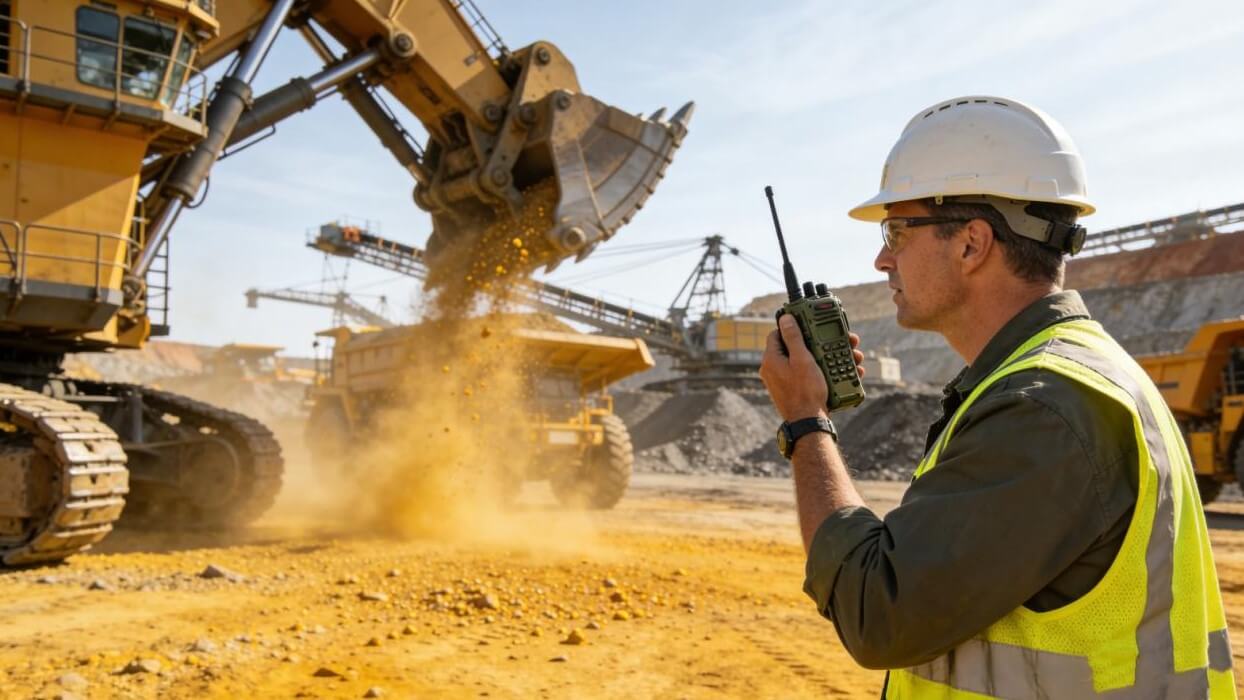
Heavy rain and sudden storms are a regular part of construction work across the southern US. Wet conditions, standing water, and mud put radios for construction site use at high risk of damage. Failed jobsite radio units slow down work schedules and create coordination gaps on site.
Many foremen shop for waterproof walkie talkie options and run into the same core question: what is the real ip67 and ip68 difference? It is easy to assume a higher number means better protection for every job, but that is not always the case. The right choice depends on your actual site conditions and how you use your equipment.
This guide breaks down the IP67 vs IP68 debate in plain language. It explains what each ip rating guarantees, where each one works best on construction sites, and how to pick the right level of protection for your team.
What Do IP67 and IP68 Ratings Actually Mean?
For teams buying radios for construction site use, understanding what is an IP rating is the first step. IP ratings measure two types of protection: dust proof and waterproof. The first number covers dust protection. The second covers water protection.
Both IP67 and IP68 carry a dust protection rating of 6. That is the highest level available. Both ratings block all dust and fine particles from getting inside the construction radio. For dusty construction sites, there is no difference in dust protection between the two.
The ip67 and ip68 difference lies entirely in water protection.
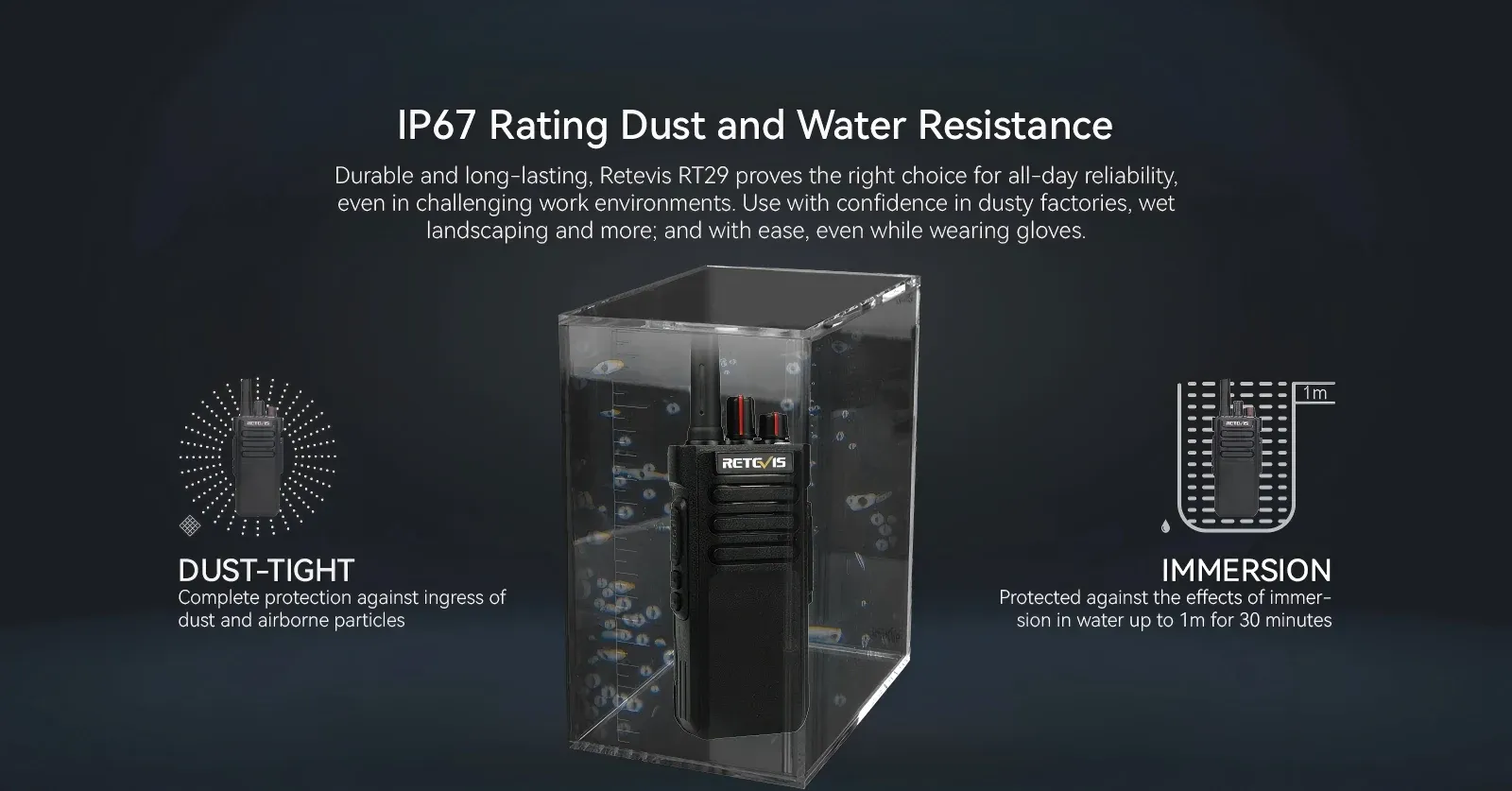
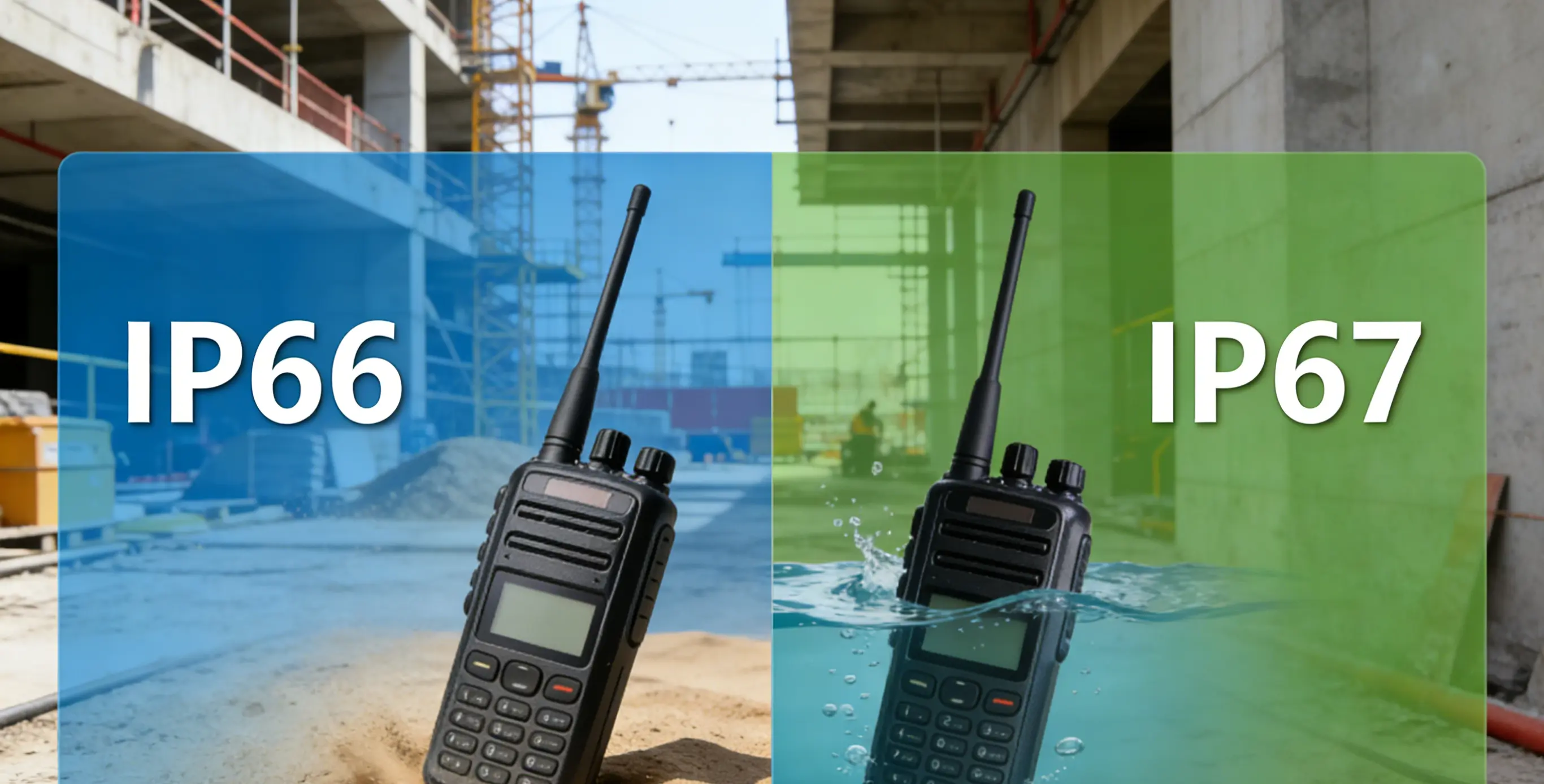
IP67: Tested for temporary immersion in up to 1 meter of water, for up to 30 minutes. An ip67 waterproof business radio handles splashes, heavy rain, and short drops into shallow standing water.
IP68: Tested for longer immersion in deeper water. Exact depth and time vary by manufacturer, but it always exceeds the ip 67 standard. An ip68 walkie talkie holds up to extended exposure and deeper submersion.
These are laboratory test standards. Real-world performance on construction sites also depends on build quality and device condition.
IP67 vs IP68: The Real-World Difference on Heavy Industrial Construction
The gap between the two ratings matters most for teams that work around constant water exposure. For most standard construction tasks, the ip67vs ip68 gap is smaller than many people think.
IP67 covers nearly all common rainy-day construction scenarios. It handles steady heavy rain, splashes from wet concrete, and accidental drops into shallow puddles. For above-ground framing, exterior work, and standard commercial build tasks, IP67 provides more than enough protection.
IP68 adds extra protection for high-exposure work. It holds up better for teams that work in flooded foundation pits, around constant water spray, or in areas with deep standing mud and water. It also provides more safety margin for devices that get dropped or submerged regularly.
Higher water resistance usually comes with a higher price tag. For teams that only need protection from rain and occasional splashes, paying extra for IP68 often means spending money on protection you will never use.
Which Waterproof Walkie Talkie Rating Should Your Team Choose?
Base your choice on the wettest conditions your crews regularly face. Not every site needs the highest available rating.
Choose an ip67 waterproof business radio if:
l Your work is mostly above-ground residential or commercial construction
l You mainly need protection from heavy rain and occasional splashes
l You want reliable performance at a lower equipment cost
l You replace or rotate equipment across multiple standard job sites
Choose an ip68 walkie talkie if:
l Your crews regularly work in foundation pits or low-lying areas with deep standing water
l Teams work around constant water spray or mud immersion
l You operate in regions with extreme, sustained storm activity
l Equipment will see heavy, rough use in wet conditions on every shift
Many larger teams use a mix of both ratings. They deploy ip68 radio units for groundwork and foundation crews, and ip67 waterproof business radio units for upper-floor and finishing teams. This approach matches protection level to actual risk, and keeps total equipment costs under control.
Beyond the Rating: What Else Affects Waterproof Durability
An IP rating only tells part of the story. Two radios with the same official rating can perform very differently on actual construction sites.
First, physical impact damages waterproof seals. A radio that gets dropped regularly will lose water resistance over time, even if it carries a high IP rating. Impact-resistant casing and durable seal design help maintain protection through rough daily use.
Second, port and cover design matters. Charging ports and accessory jacks are the most common points for water entry. Sealed, covered ports hold up far better than open connections in muddy, wet conditions.
Third, regular cleaning extends waterproof life. Dried mud and dust can wear down seal gaskets over time. Wiping down radios and cleaning port covers at the end of each shift keeps seals working properly for longer.
Recommended Waterproof Walkie Talkie Options
Two radio lines align with common construction site needs, one for each rating category.
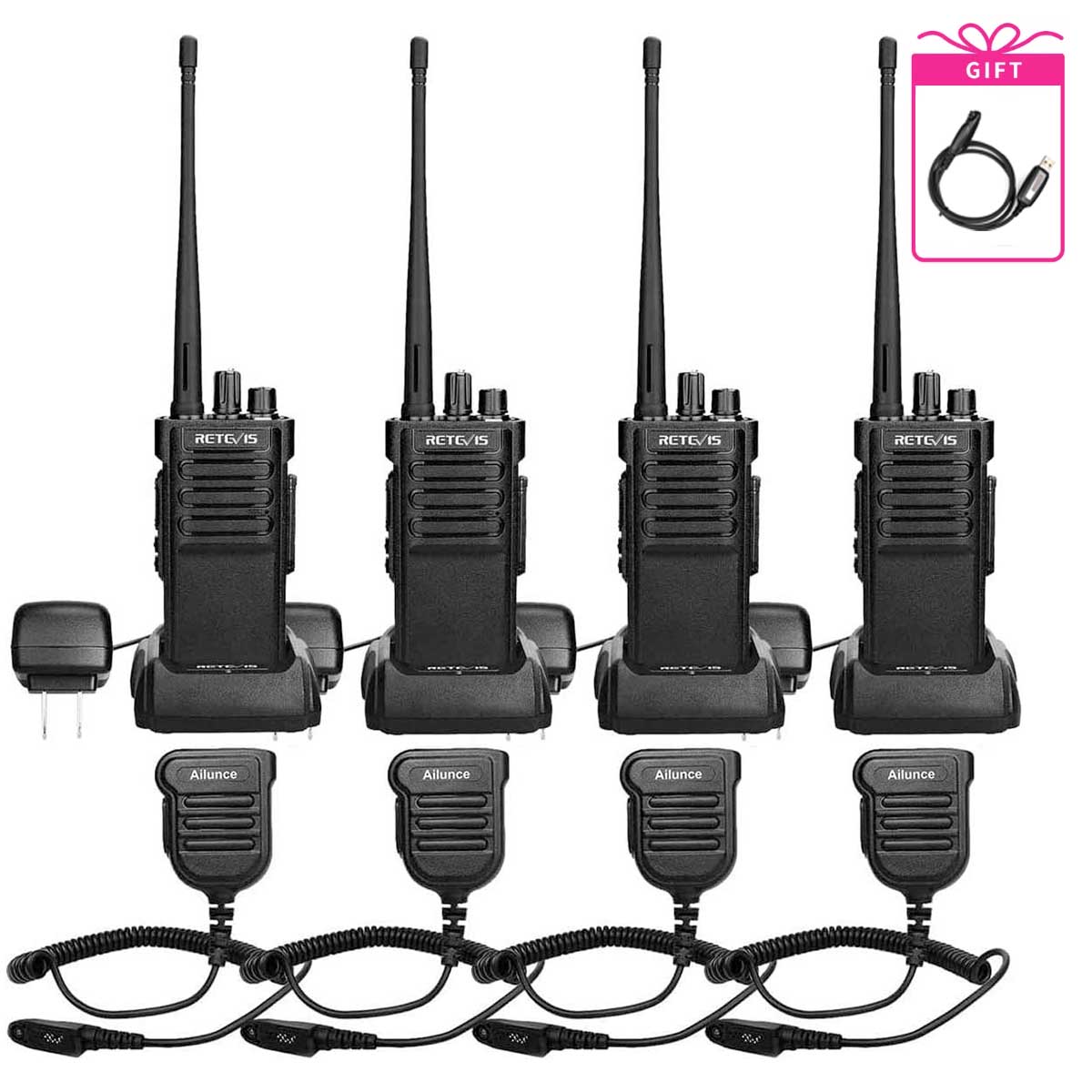
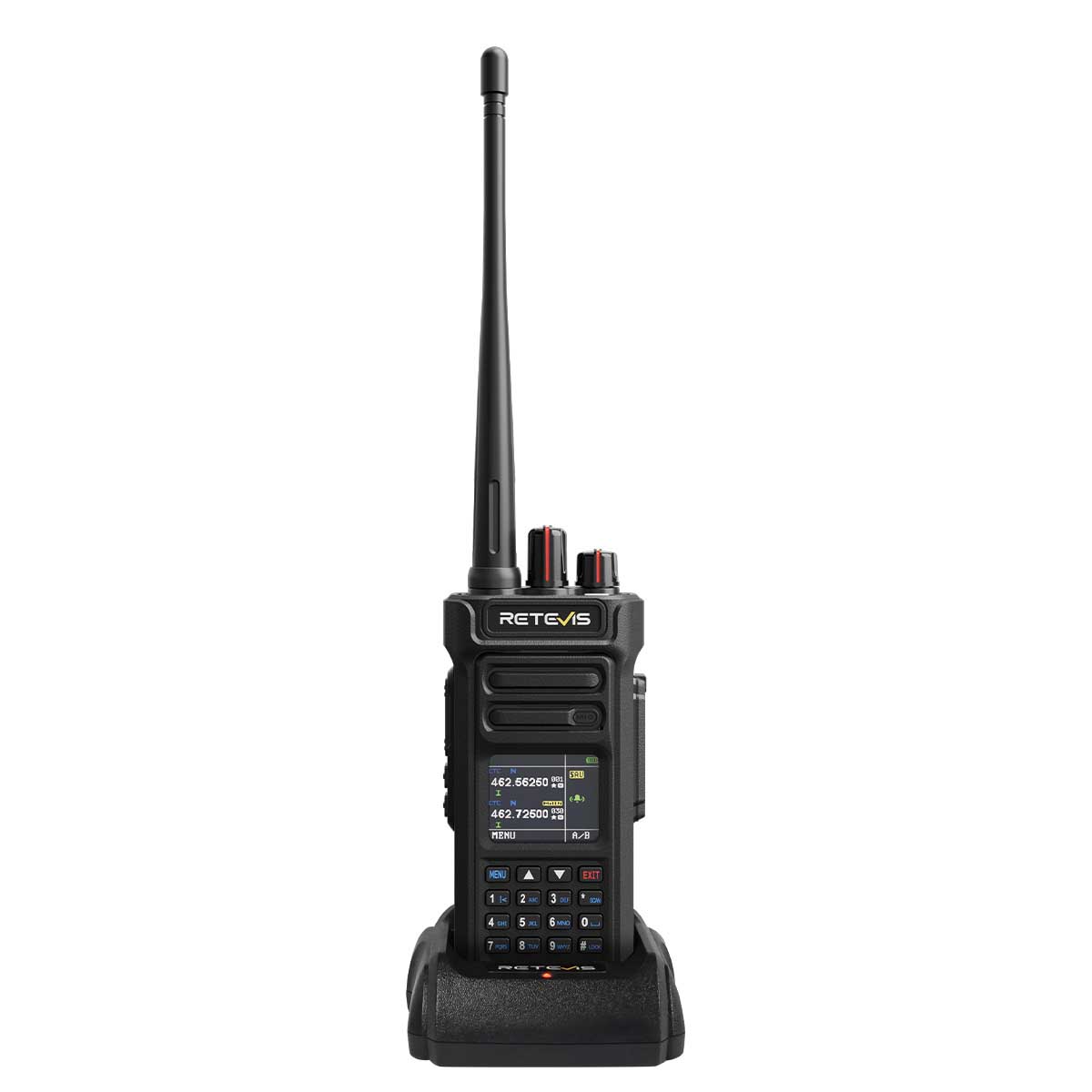
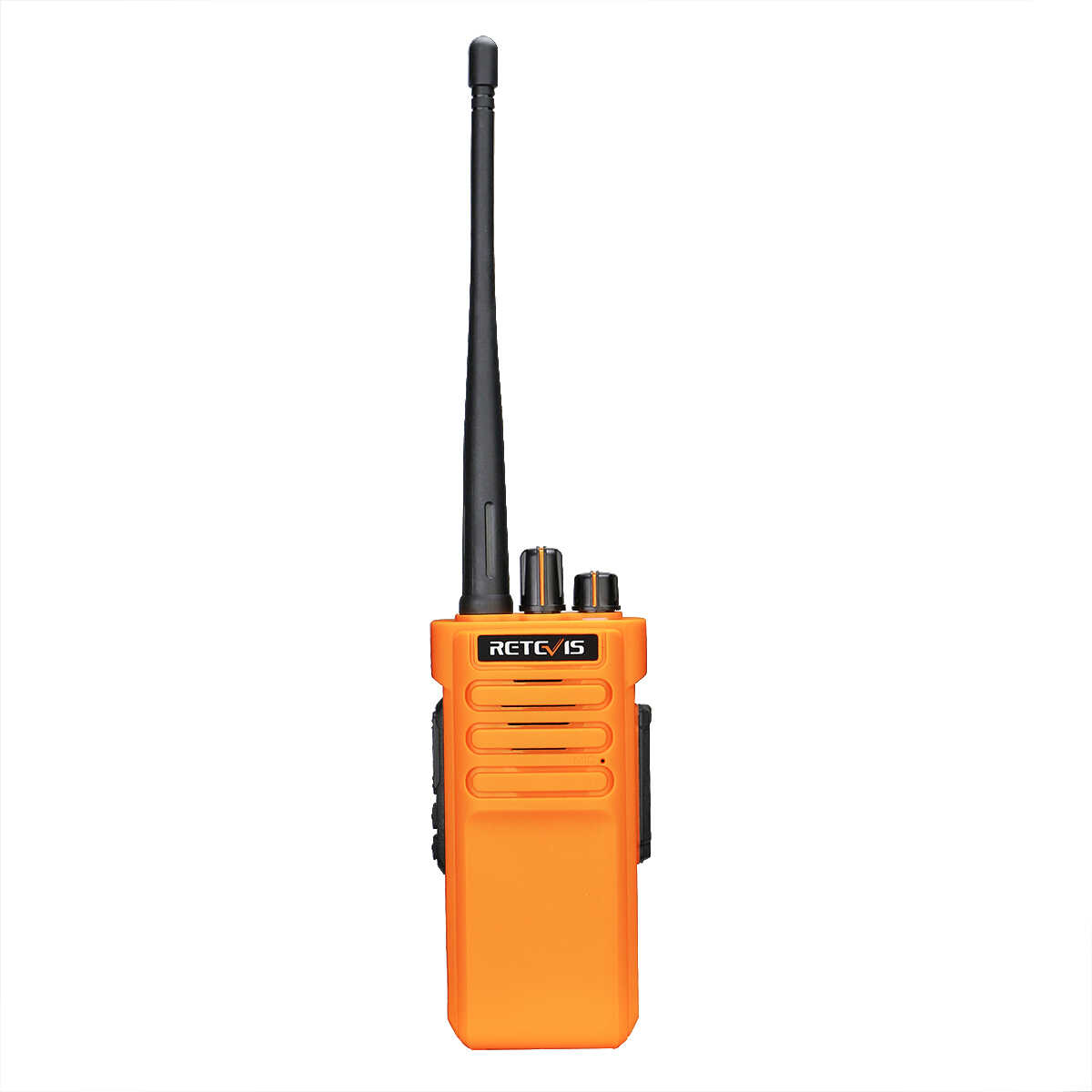
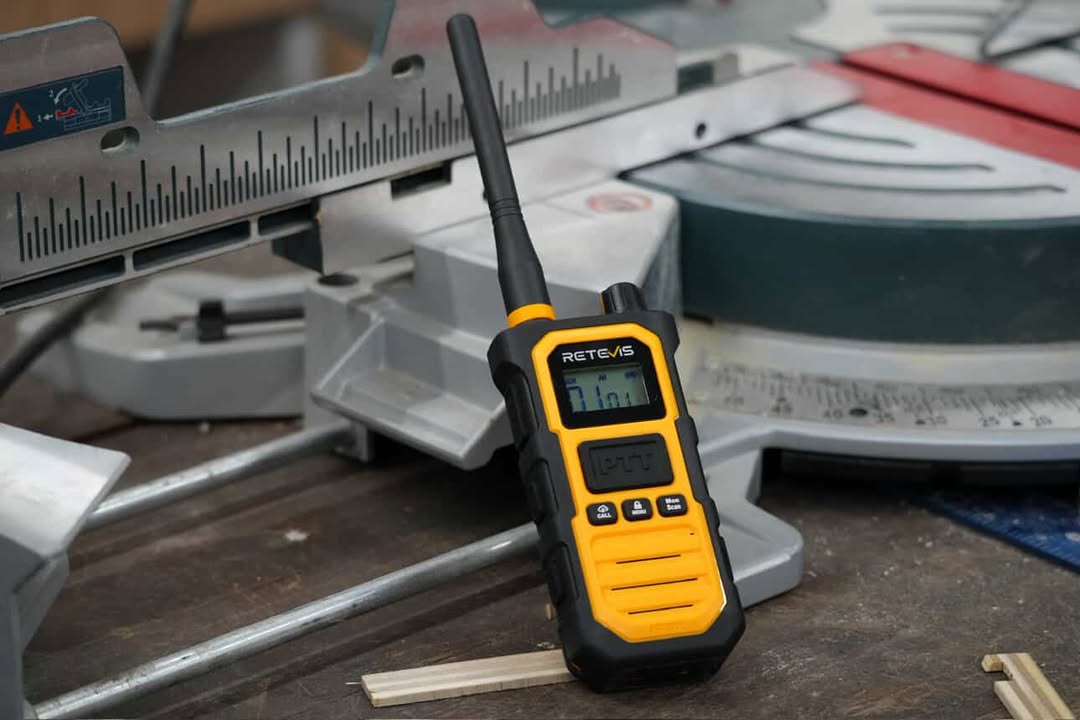
The RT29 is a proven ip67 waterproof business radio. It handles heavy rain, splashes, and dusty conditions reliably for standard above-ground work. Its high-power signal covers large job sites and multi-floor buildings. Long battery life supports full 12-hour shifts through stormy weather. It delivers solid waterproof performance at a cost-effective price point for most residential and commercial build teams.
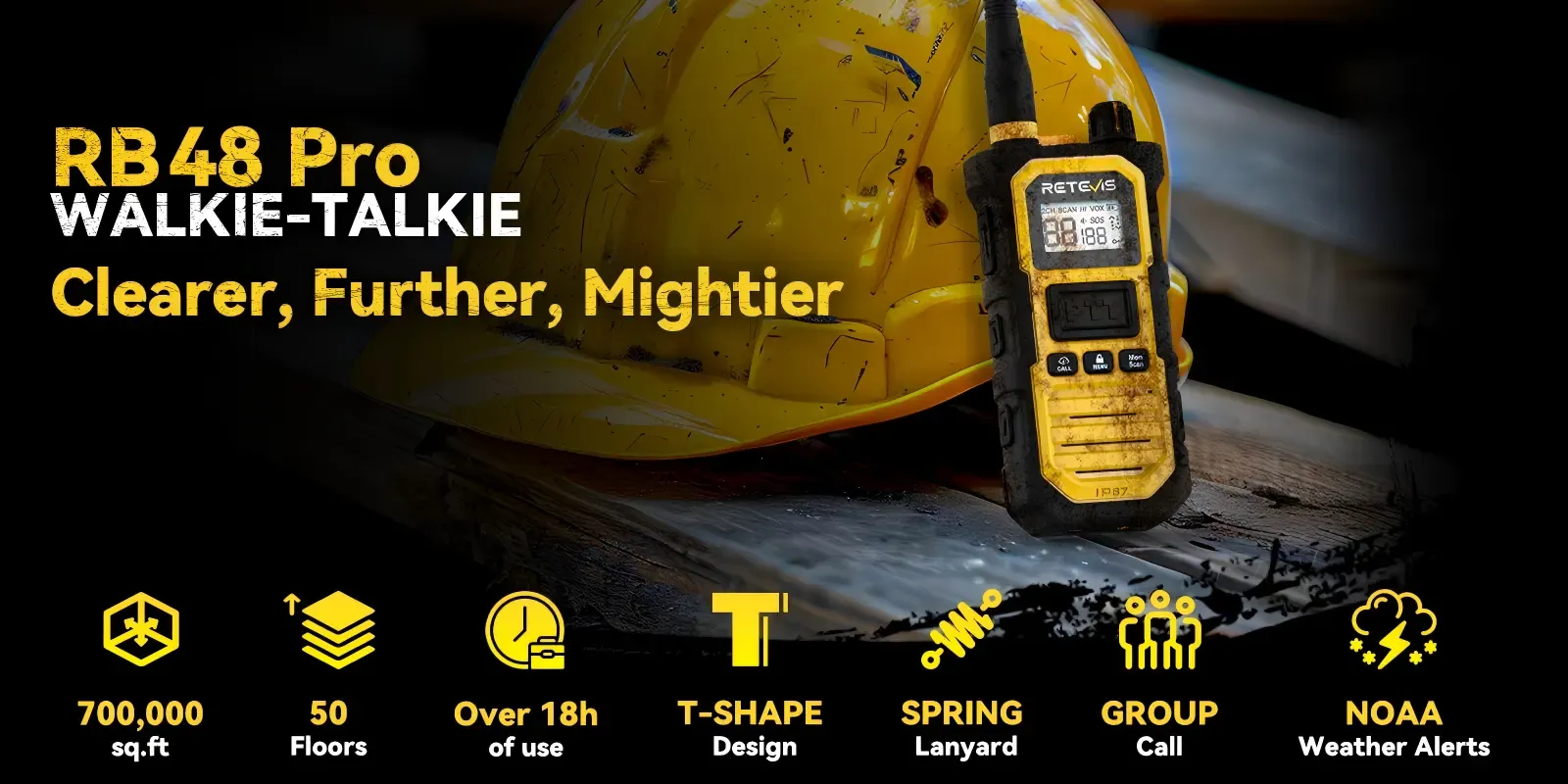
The RB48 Pro includes ip67 radio models built for heavy wet-site use. It stands up to deeper submersion, constant mud exposure, and rough handling in foundation and groundwork environments. Its rugged body resists impact damage that would break waterproof seals on lighter units. Clear loud audio cuts through rain and equipment noise. This series works best for teams that regularly work in high-water, high-mud site conditions.
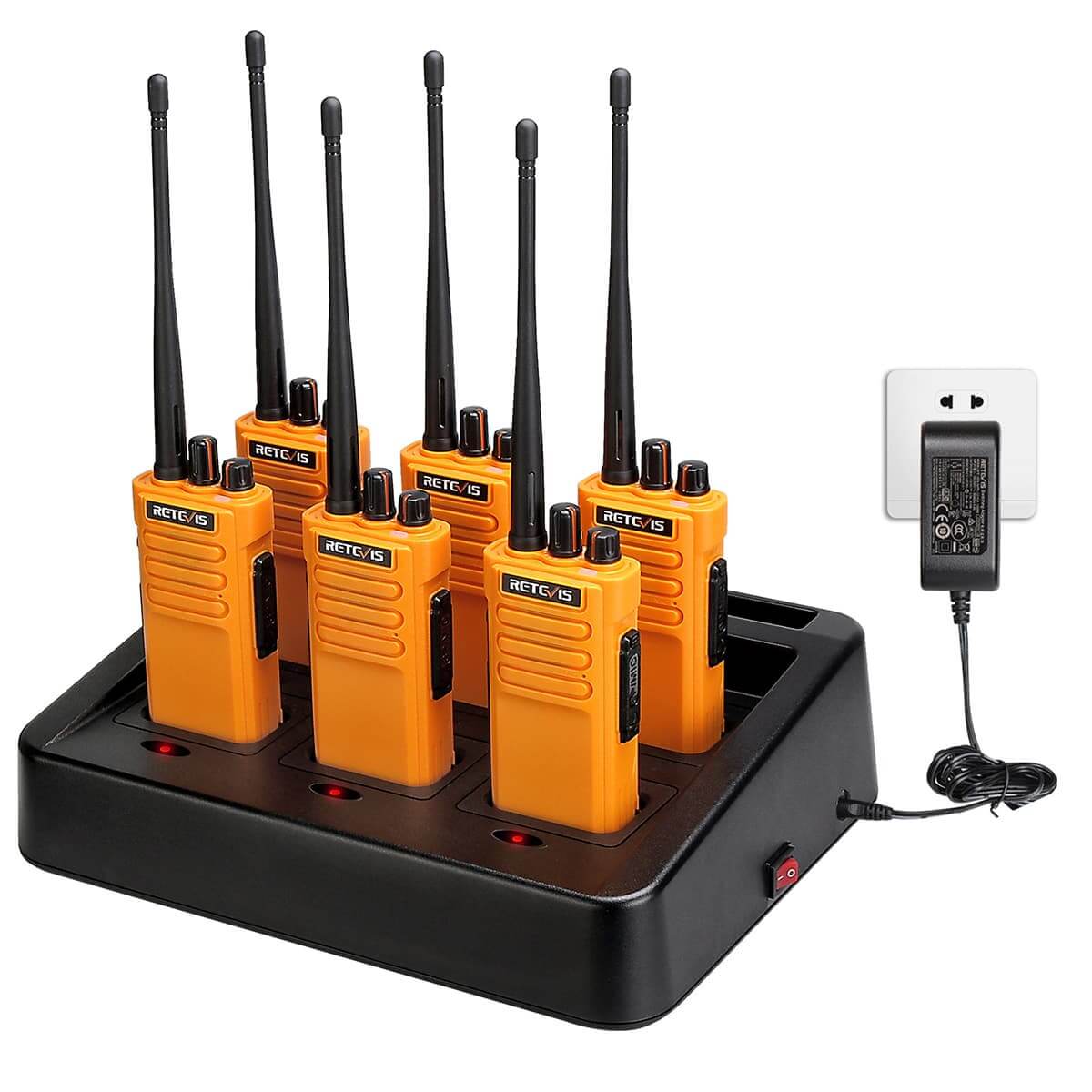
Both lines support multi-channel setups and bulk programming for fast crew deployment.
Frequently Asked Questions
Can IP67 radios be used in heavy rain?
Yes. IP67 ratings handle sustained heavy rain without damage. The rating covers far more water exposure than a typical rainstorm creates.
Will a dropped radio still keep its IP rating?
Hard impacts can crack casings or damage internal seals. A radio that takes a severe fall may lose some water protection, even if it still works. Impact-resistant designs help reduce this risk.
Do I need IP68 for standard residential construction?
For most above-ground residential work, IP67 provides more than enough protection. IP68 is only necessary for teams that regularly work around deep standing water or constant submersion risk.
What is IP68 exactly, and how is it tested?
An ip68 walkie talkie must survive submersion beyond the 1-meter, 30-minute threshold of ip 67. The exact depth and duration are set by the manufacturer, but the test always involves deeper water and longer immersion. It is not infinite protection, but it provides a larger safety margin for devices that face regular water exposure.
Can I use an IP67 waterproof walkie talkie in a hurricane?
Yes, with limits. An ip67 waterproof business radio handles sustained heavy rain and wind-driven spray without damage. However, if the device is dropped into a flooded trench or submerged in deep standing water for extended periods, IP68 is the safer choice.
What is the main difference between IP67 and IP68 for construction crews?
The core ip67 and ip68 difference is depth and duration of water exposure. IP67 protects against temporary immersion up to 1 meter for 30 minutes—enough for rain and puddles. IP68 protects against deeper, longer submersion, making it the better fit for foundation pits and constant mud. For most above-ground crews, the practical gap is smaller than the numbers suggest.
Final Thoughts
The IP67 vs IP68 choice does not have a single universal answer. The best rating matches the actual wettest conditions your crews face on a regular basis.
IP67 covers the vast majority of standard construction work at a more budget-friendly cost. IP68 provides extra margin for teams that work in consistently wet, muddy, high-exposure environments. Picking the right level for each role on site keeps communication reliable through rain season, without wasting budget on unused protection.
Match your waterproof walkie talkie rating to your site conditions, and pair it with basic daily care to get the longest life out of your radios for construction site fleets.



 Google
 Amazon
Comments
No data Yet