

Table of Contents
How to Choose Rugged CE-Compliant Construction Radios for German Job Sites: Durability, Safety, and Procurement Essentials
- Posted by:Retevis
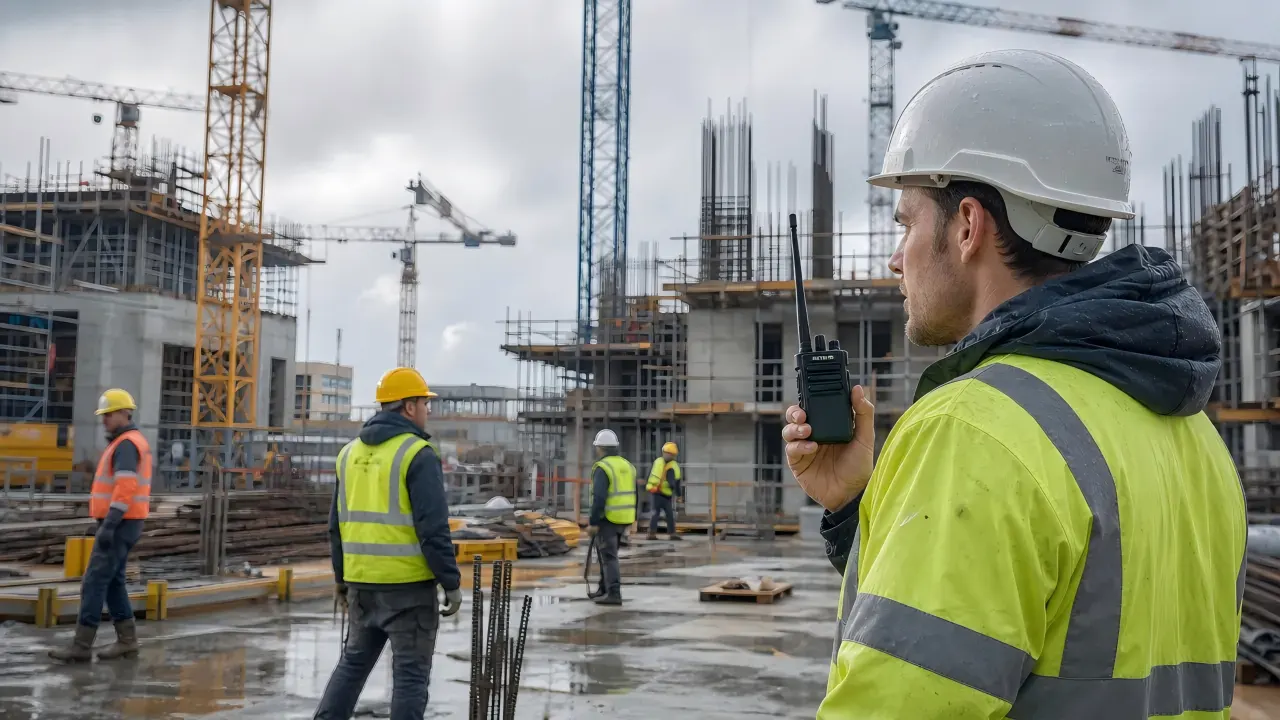
On German construction sites, a radio is more than a simple tool. It supports safe work, fast decisions, and better coordination. The best CE-compliant rugged communication radios for construction help teams stay connected in noisy, dusty, and fast-moving work areas. They also support legal procurement and reduce risk for buyers. For site managers, procurement teams, and contractors, choosing the right CE-compliant construction radios can improve daily work and help meet German site rules.
This article explores how to choose rugged communication radios for construction that meet the stringent demands of German jobsites, focusing on durability, safety standards, and essential procurement considerations.
1. Why Construction Teams Need More Than Basic Two-Way Communication
Common communication challenges on construction sites
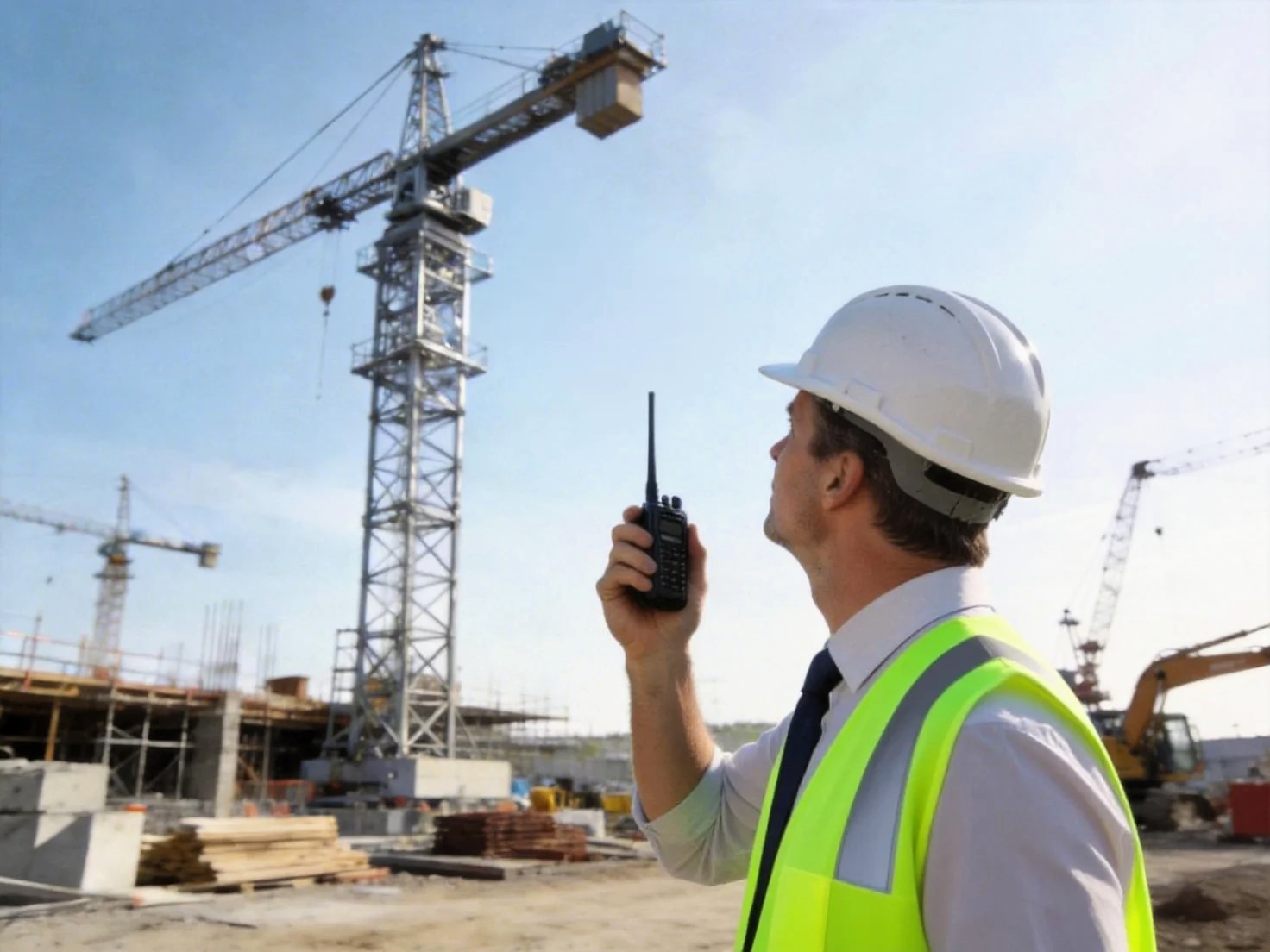
German jobsites are often large, loud, and busy. Workers may be spread across floors, machines, scaffolding, and outdoor areas. Basic two-way communication is not enough in this setting. Teams need radios that offer clear sound, stable range, and strong battery life.
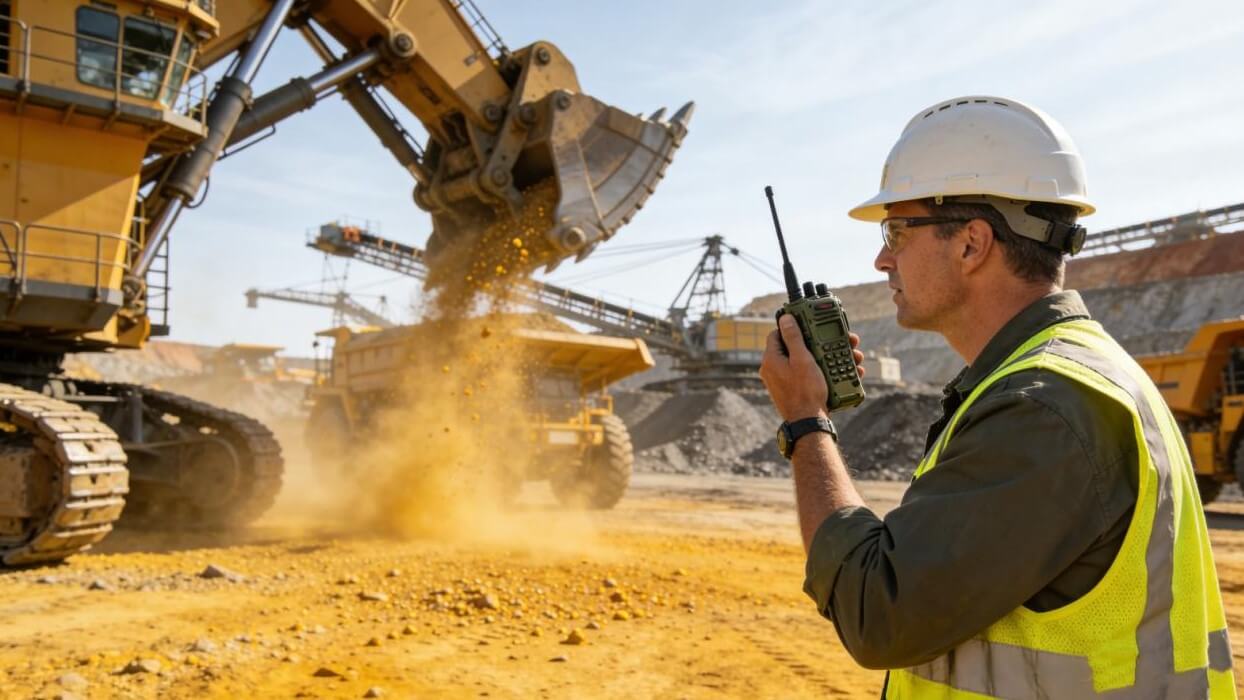
Noise is one of the biggest problems. Drills, saws, trucks, cranes, and engines can hide voice signals. Distance is another issue. Workers often move far apart during lifting, loading, concrete work, or interior setup. Weather also matters. Rain, cold wind, dust, and mud can affect weak devices very fast.
How reliability ties to safety and efficiency
This is why reliable communication affects both safety and efficiency. A missed call can delay a task, confuse a team, or create a risk near heavy equipment. A clear radio helps crews pass instructions fast and reduce mistakes. In short, construction radios for German jobsites must do more than transmit voice. They must support daily work under hard conditions.
2. Compliance Checklist: What German Buyers Should Know About CE-Marked Radios
What CE compliance means for construction radios
For German buyers, compliance is not just a formality. It is a key part of safe procurement. A CE mark shows that a product meets the basic EU rules for health, safety, and electromagnetic compatibility. For CE-marked construction radios, this means the device is suitable for legal sale and use in the EU market when it meets all related rules.
Key compliance details to verify
Buyers should always ask for the Declaration of Conformity. This document confirms the product has been tested against the correct EU standards. It also helps during audits, tenders, and internal checks. For construction radio procurement in Germany, this step should never be skipped.
Frequency use is another important point. Radios must operate in bands that are allowed in Germany and the EU. Buyers should check that the model supports the right frequencies and any local licensing rules. A radio that works well but does not fit the legal band can cause serious problems later.
Product traceability also matters. Good suppliers can show model numbers, test records, and batch details. This makes it easier to handle service, replacement, and warranty claims. It also lowers procurement risk. When buyers choose radios with unclear documents, they risk delays, fines, or failed site checks.
A smart procurement process should focus on CE compliance first, then look at performance. This order helps German buyers choose radios that are legal, safe, and ready for work.
3. Key Durability Features of Jobsite-Ready Construction Radios
A jobsite radio must handle real site conditions. Durability is not optional. It is one of the main reasons companies choose rugged construction radios instead of office-grade devices.
Impact resistance
Construction work includes drops, bumps, and rough handling. Radios can fall from belts, be knocked from tables, or hit hard surfaces. A strong casing and reinforced body help protect the device. For many teams, impact resistance is a core feature in rugged construction radios.
Dust and water protection
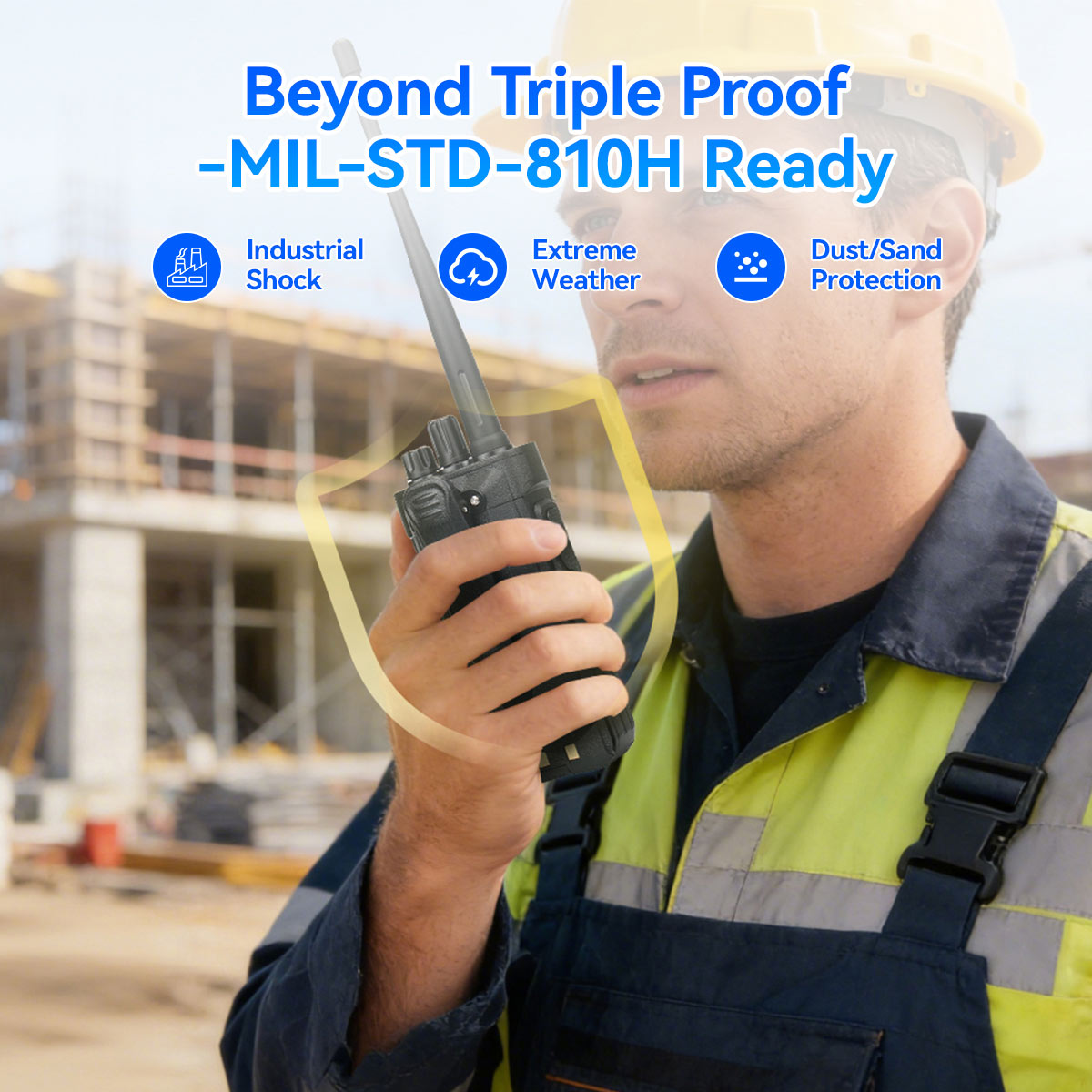
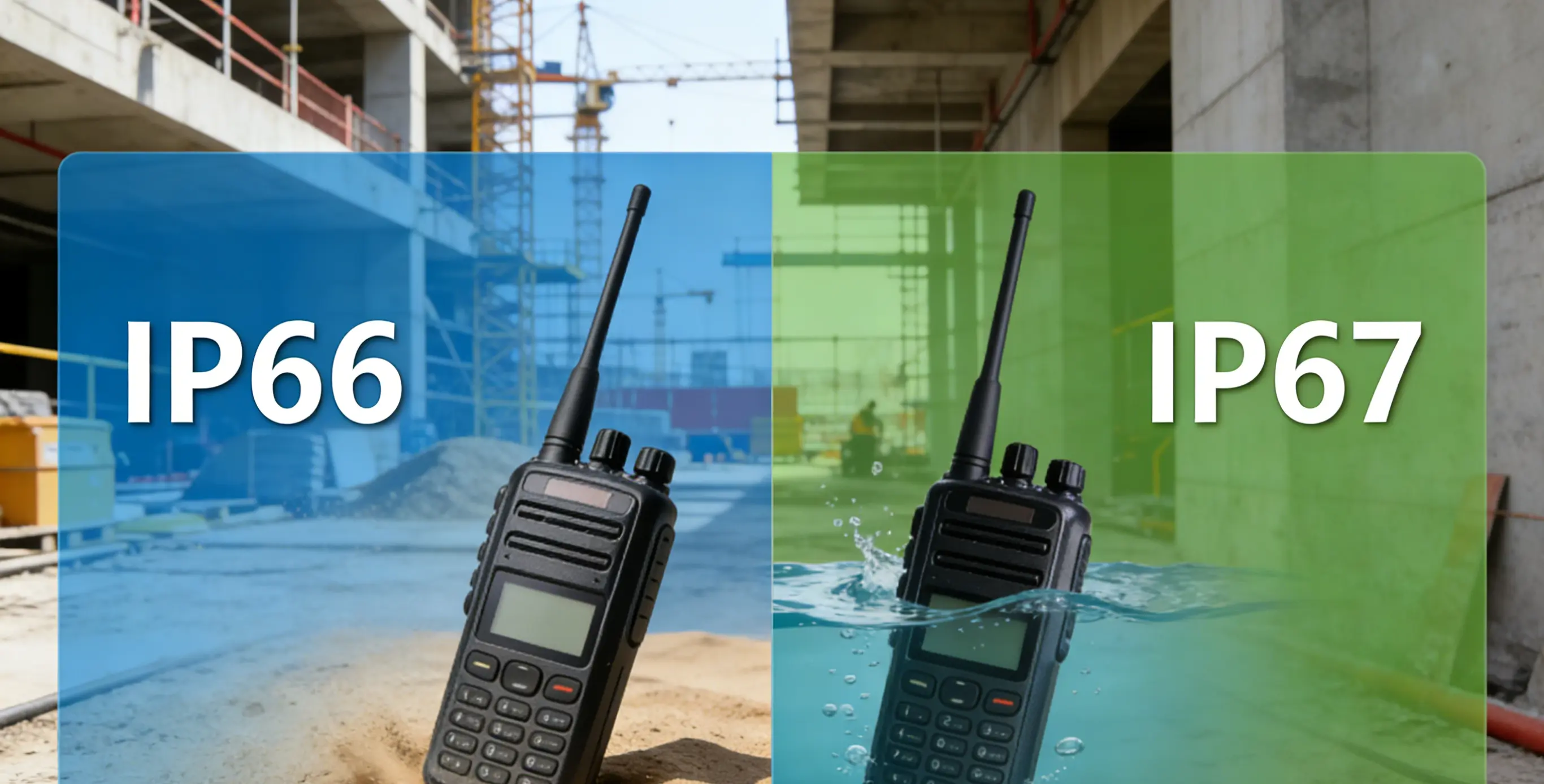
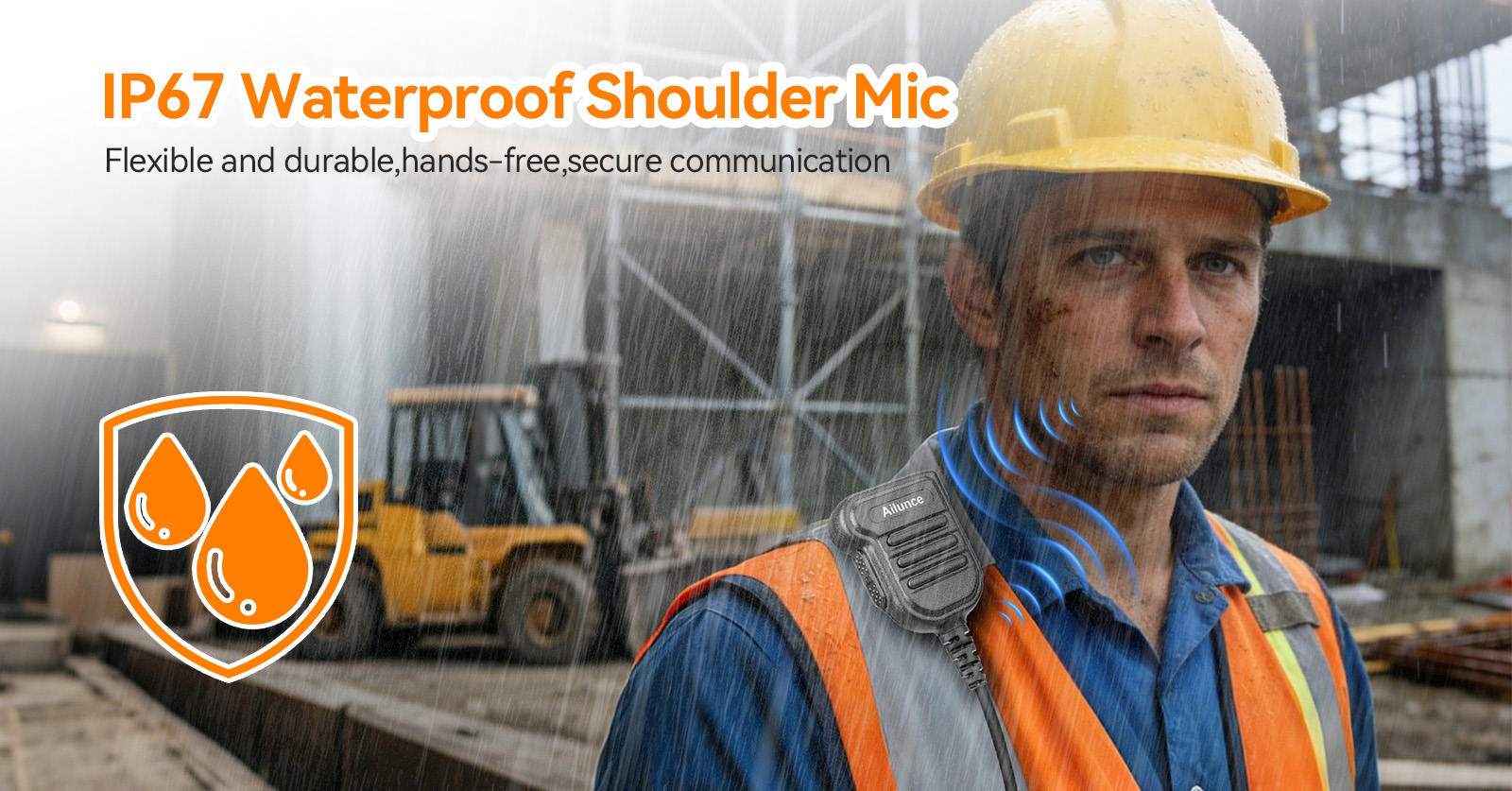
Dust is common on German sites, especially during cutting, drilling, masonry, and outdoor work. Water is also a risk from rain, washdown, or wet materials. Look for radios with clear protection ratings, such as IP54, IP65, or higher, depending on the site. Better sealing helps the radio last longer and keeps communication stable.
Battery endurance
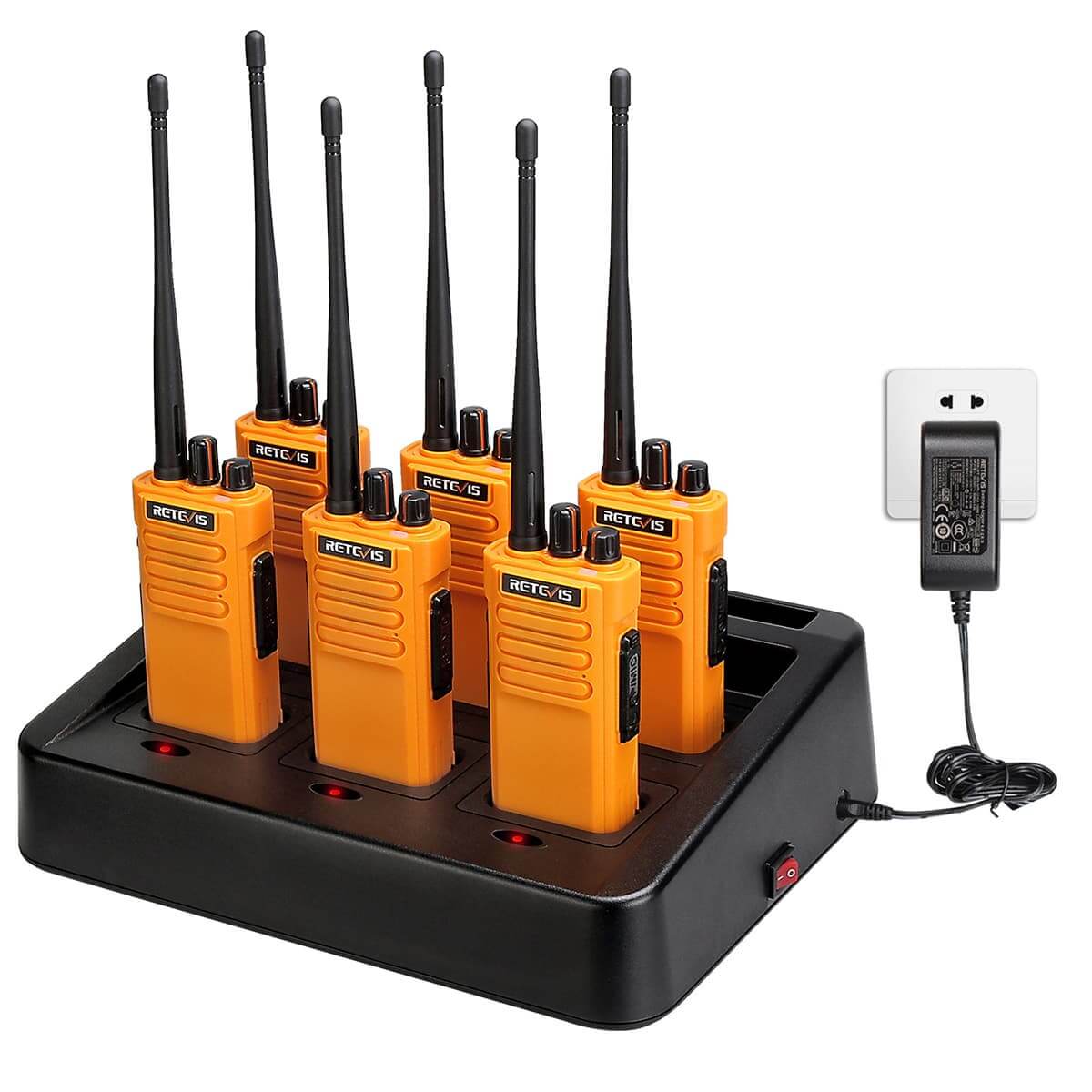
Long shifts need long battery life. A radio that runs out before the end of the day creates gaps in communication. Good battery endurance is a key part of construction radio battery life. Buyers should check rated hours, charging speed, and battery replacement options. A charging dock or multi-unit charger can also save time for larger teams.
Audio performance
On a loud site, the speaker matters as much as the battery. Clear audio helps workers hear instructions without repeated calls. High output volume, good microphone quality, and noise reduction all improve usability. These features are especially important in noise-canceling construction radios or models with strong voice clarity.
Temperature and weather considerations
Germany has cold winters and warm summer work periods. A reliable radio should work in low temperatures and resist heat during full-day use. Cold weather can reduce battery performance, so buyers should check the operating range before purchase.
4. How to Evaluate Construction Radios Before Purchase
A good purchase decision starts with a simple review plan. For construction radios for German jobsites, the best method is to test compliance, fit, and usability together.
Compliance first
Start with the legal documents. Check the CE mark, Declaration of Conformity, and frequency details. Make sure the radio fits German and EU use rules. This step protects the company from avoidable risk.
Environment matching
Match the radio to the site. An indoor renovation crew may need a smaller unit, while a civil engineering team may need stronger weather protection and a longer range. Ask where the radio will be used most often and under what conditions.
Communication performance
Test real sound quality, not just brochure claims. Check how the radio sounds near machines, in open areas, and across floors. Range matters, but so does voice clarity. A radio that reaches far but sounds weak will not help on a busy site.
Worker usability
Workers should be able to use the radio fast, even with gloves on. Large buttons, simple controls, and a strong clip make daily use easier. Weight also matters. A heavy device may become annoying during long shifts.
Supplier support
After-sales service is important. Ask about warranty, spare parts, programming help, and repair options in Europe. For CE-compliant construction radios, supplier support can be just as valuable as hardware quality. A dependable supplier lowers downtime and helps with fleet management.
5. Example: Retevis RT29 for Professional Construction Communication
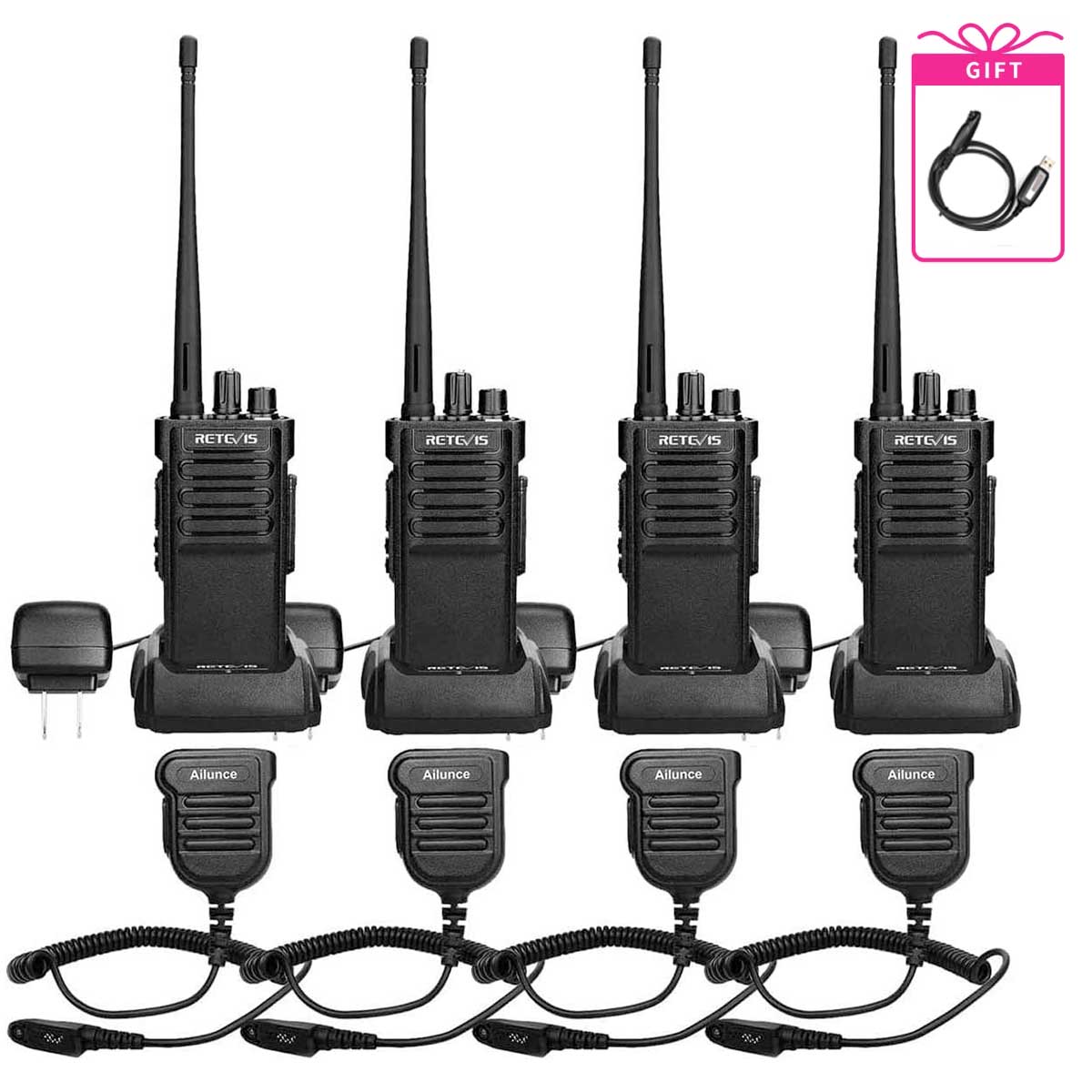
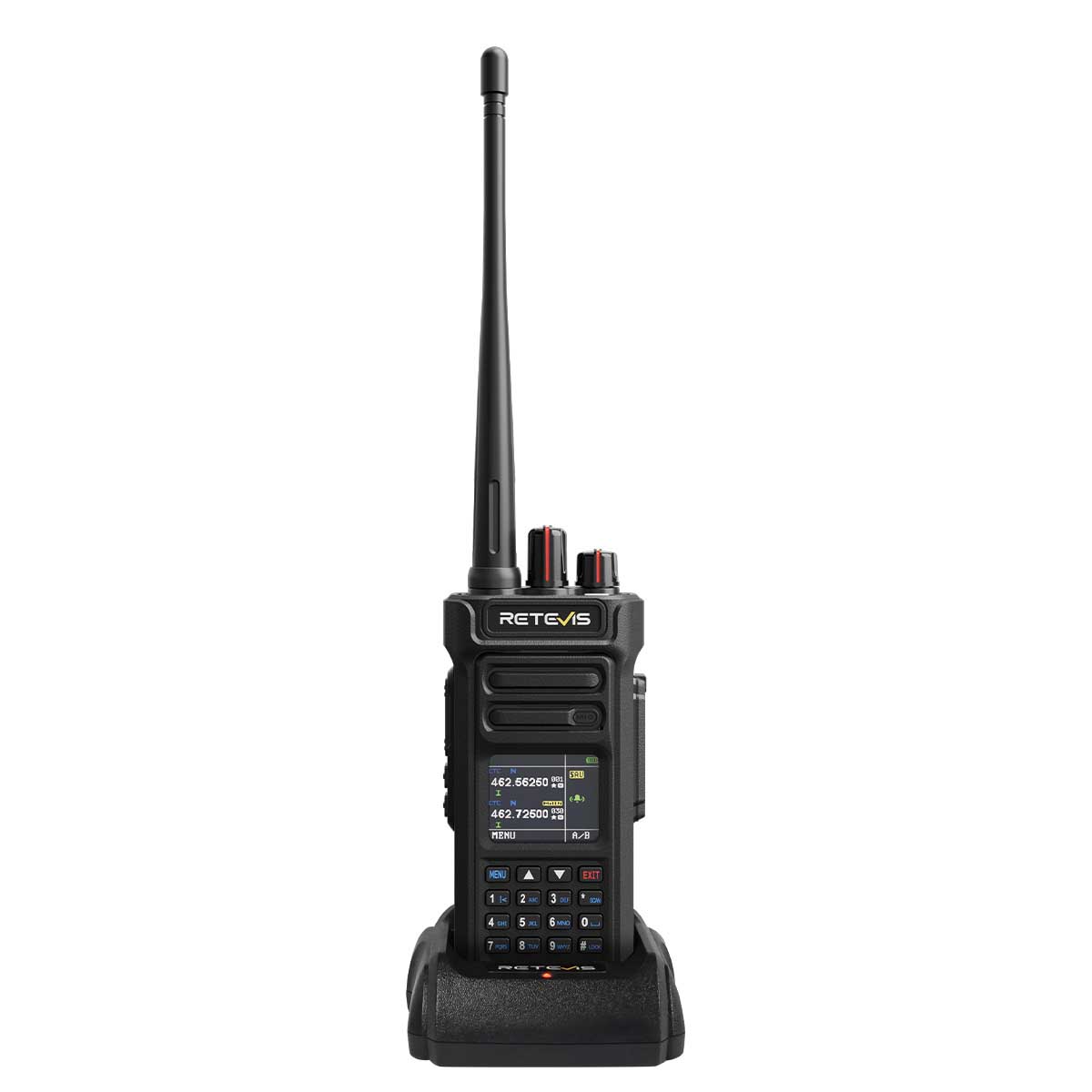
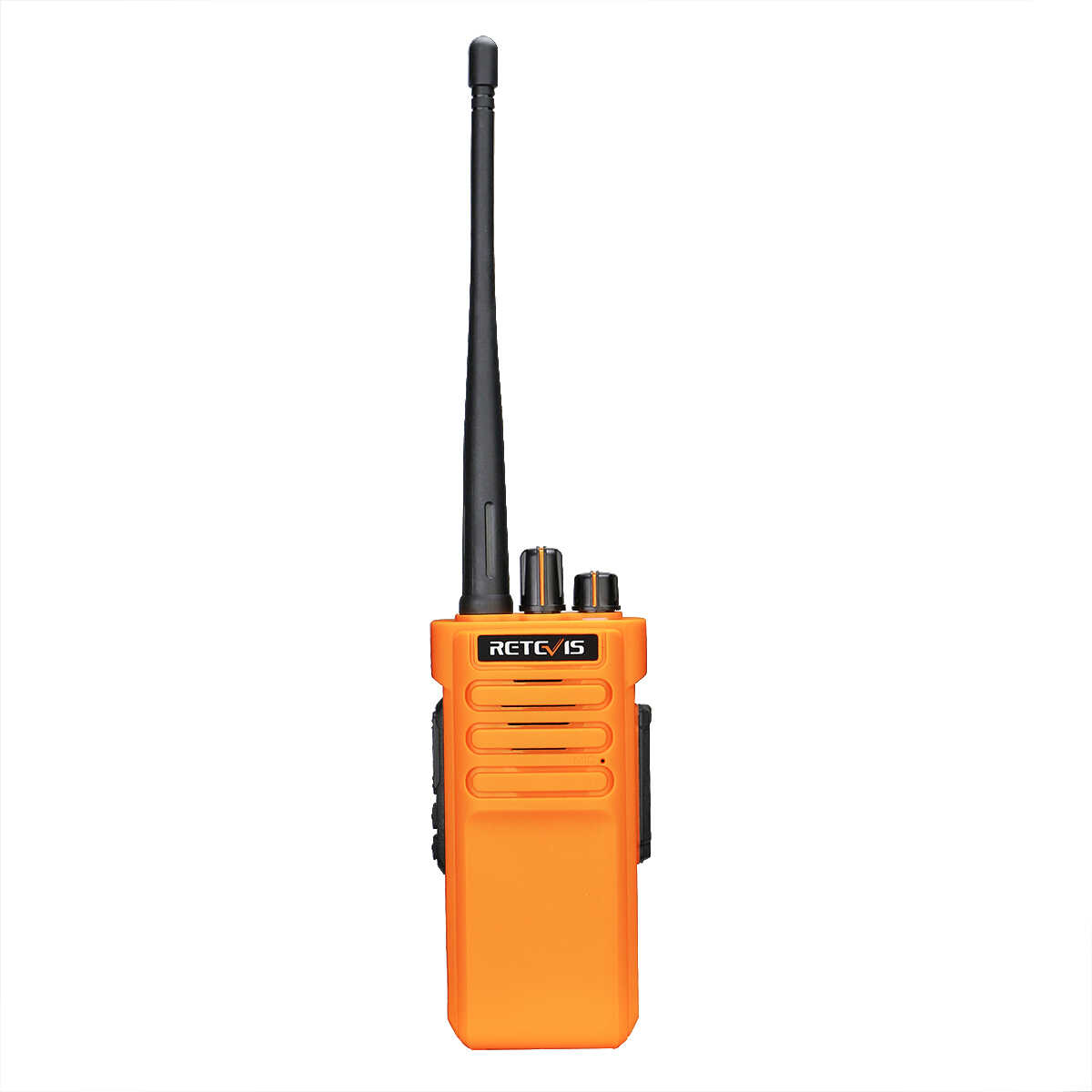
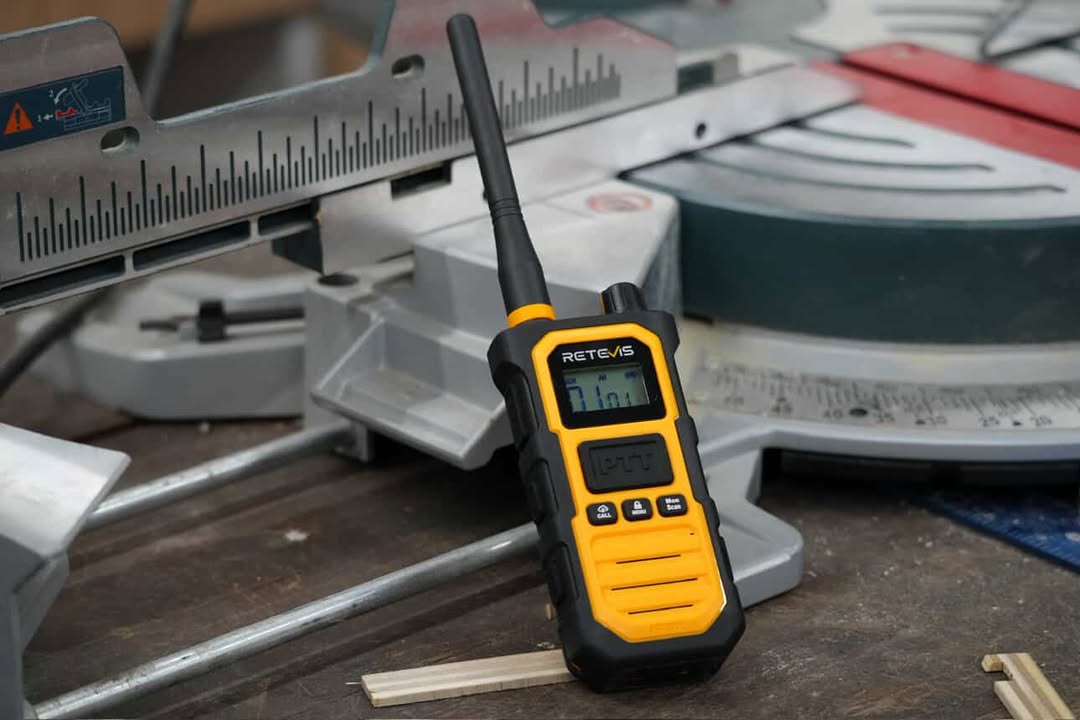
The Retevis RT29 is a practical example for buyers who need professional jobsite communication. It sits in the category of CE-compliant construction radios designed for demanding use. It is made for teams that need stable voice communication in rough work areas.
Its rugged design supports daily field use. The body is built for active sites, and the controls are simple enough for fast work. This helps in construction settings where workers may need to send short, clear messages with no delay.
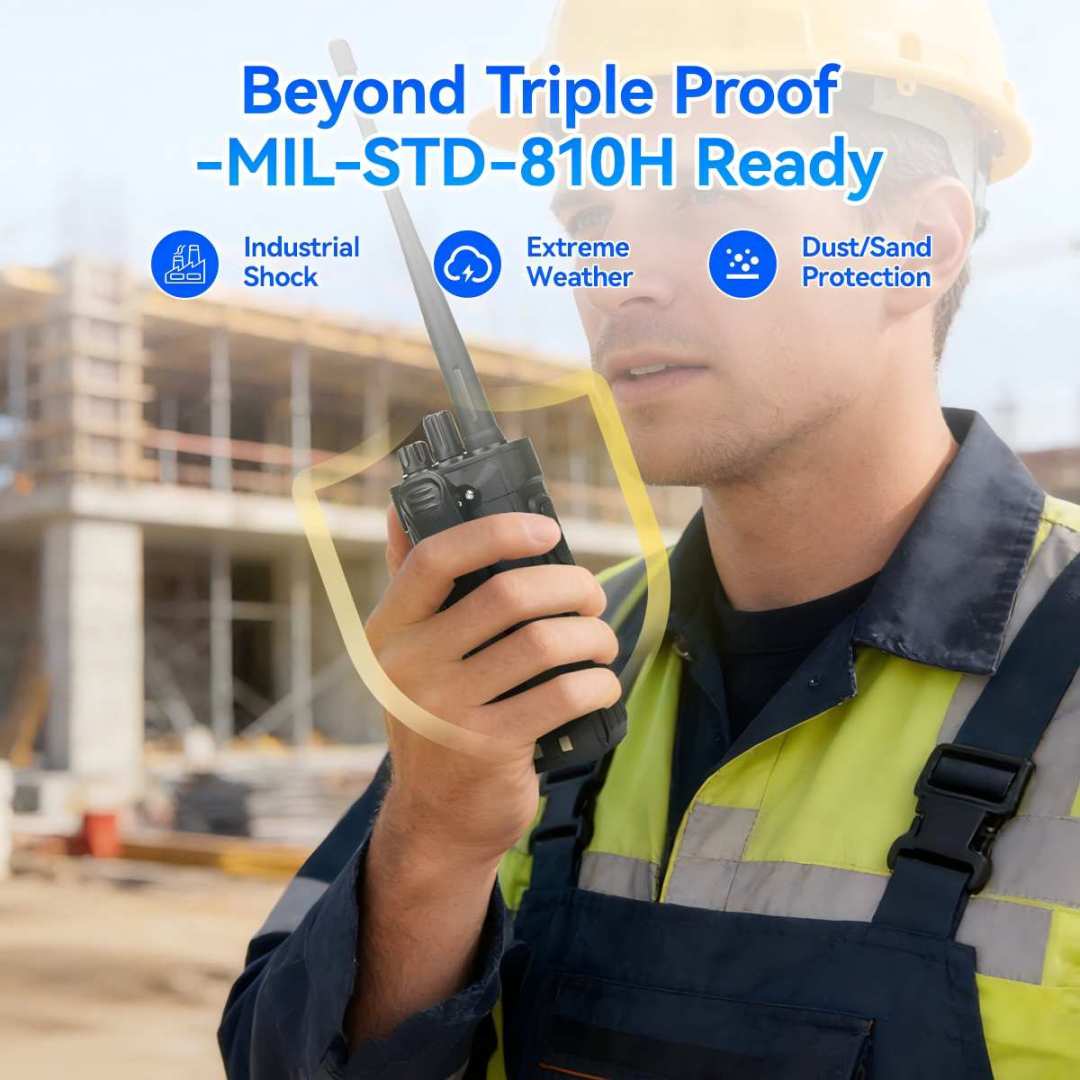
The Retevis RT29 also fits use cases such as building sites, warehouse support, property maintenance, and outdoor project work. It can serve teams that want a durable device with clear communication and straightforward operation. For many buyers, this balance of reliability, compliance, and practical design makes it a strong option in the construction radio Germany market.
For procurement teams, the main value is simple: a radio that is easier to approve, easier to use, and easier to support after purchase.
6. Final Checklist: Choosing the Right Radio for German Construction Sites
Before buying, use this final checklist:
- Legal to use in Germany and the EU
- CE mark and Declaration of Conformity available
- Correct frequency support for the planned use
- Strong impact resistance for site conditions
- Good dust and water protection
- Long battery life for full work shifts
- Clear audio in noisy areas
- Easy controls for gloved hands
- Supplier support, warranty, and spare parts available
Investing in high-quality rugged communication radios for construction is a smart decision for any German jobsite. It ensures seamless operations, enhances safety, and ultimately contributes to project success. By prioritizing compliance, durability, and practical usability, you equip your teams with the best tools to tackle any challenge.



 Google
 Amazon
Comments
No data Yet