
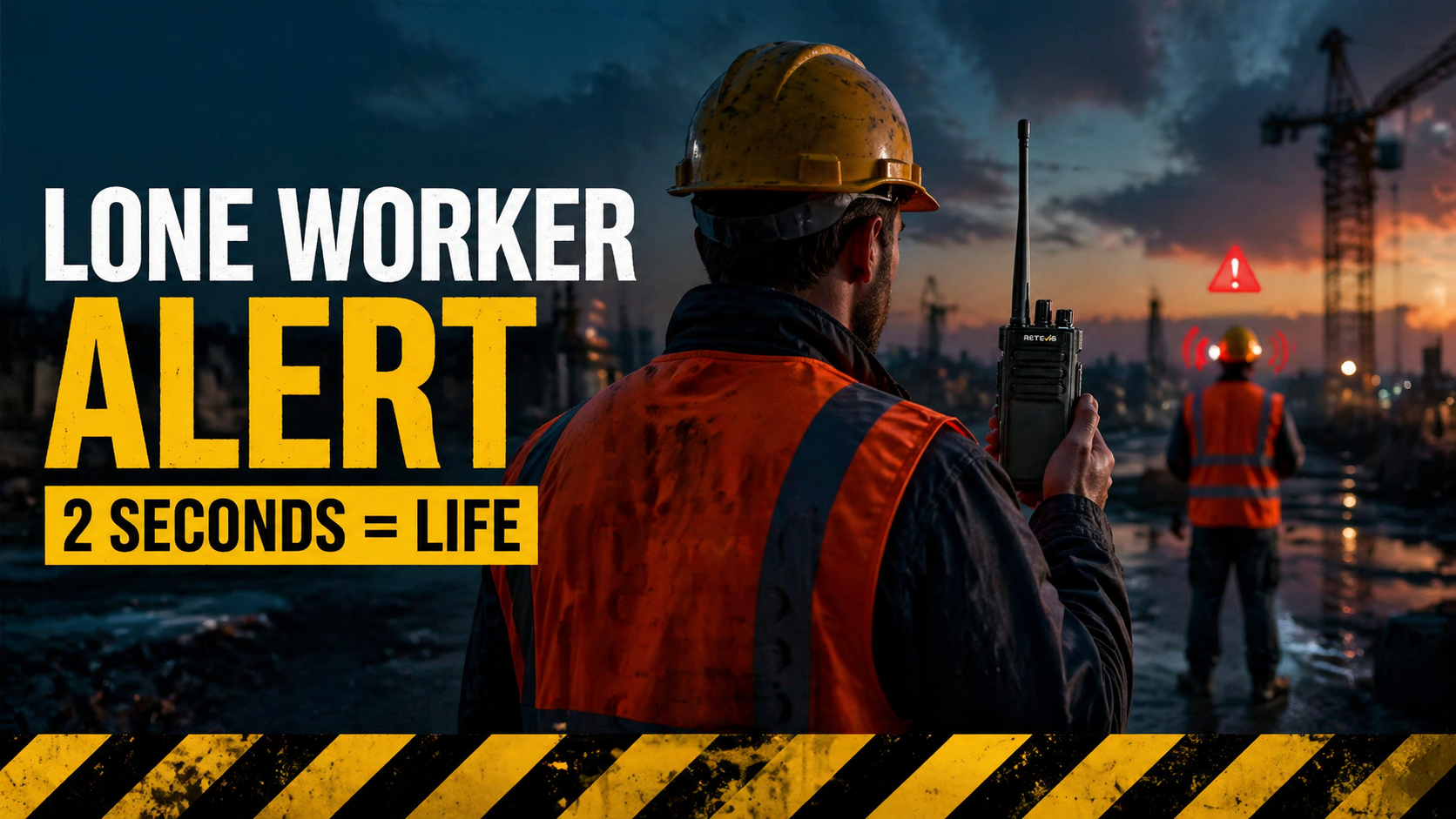
On construction sites, efficiency is important—but safety is everything. According to the Occupational Safety and Health Administration (OSHA), construction is among the top industries for worksite injuries, with over 20% of incidents related to communication failures or delayed hazard reporting. For high-risk operations such as tower crane work, underground construction, and solo tasks, even a two-second delay in communication can be the difference between a near miss and a serious accident.
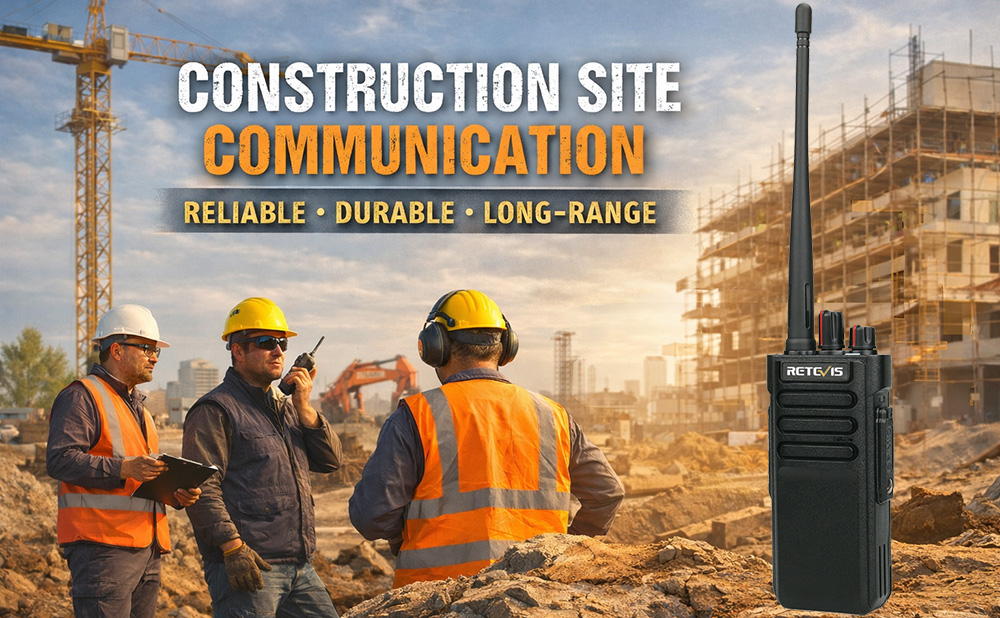
While mobile phones are common, they often fail under harsh construction site conditions. This is why construction radios and construction work radios are essential: they provide reliable, instant communication designed for high-risk, high-noise, and multi-level jobsite environments.
Why Dedicated Construction Radios Are Critical on Job Sites
Construction site radios are purpose-built to operate under conditions that would render conventional phones unreliable. Key reasons they are required include:
- Instant Emergency Communication: One-touch SOS buttons and full-group broadcasting allow hazards to be reported immediately.
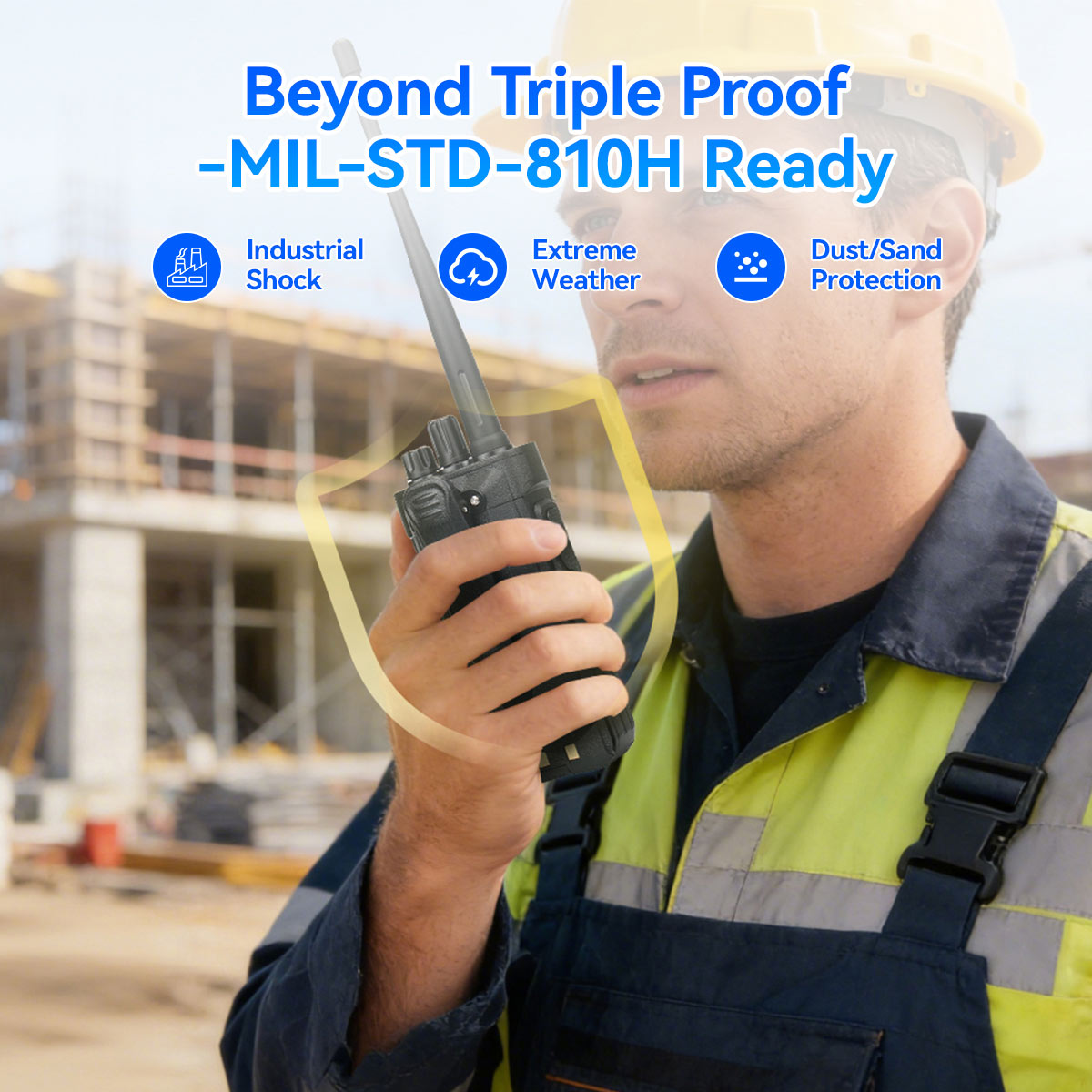
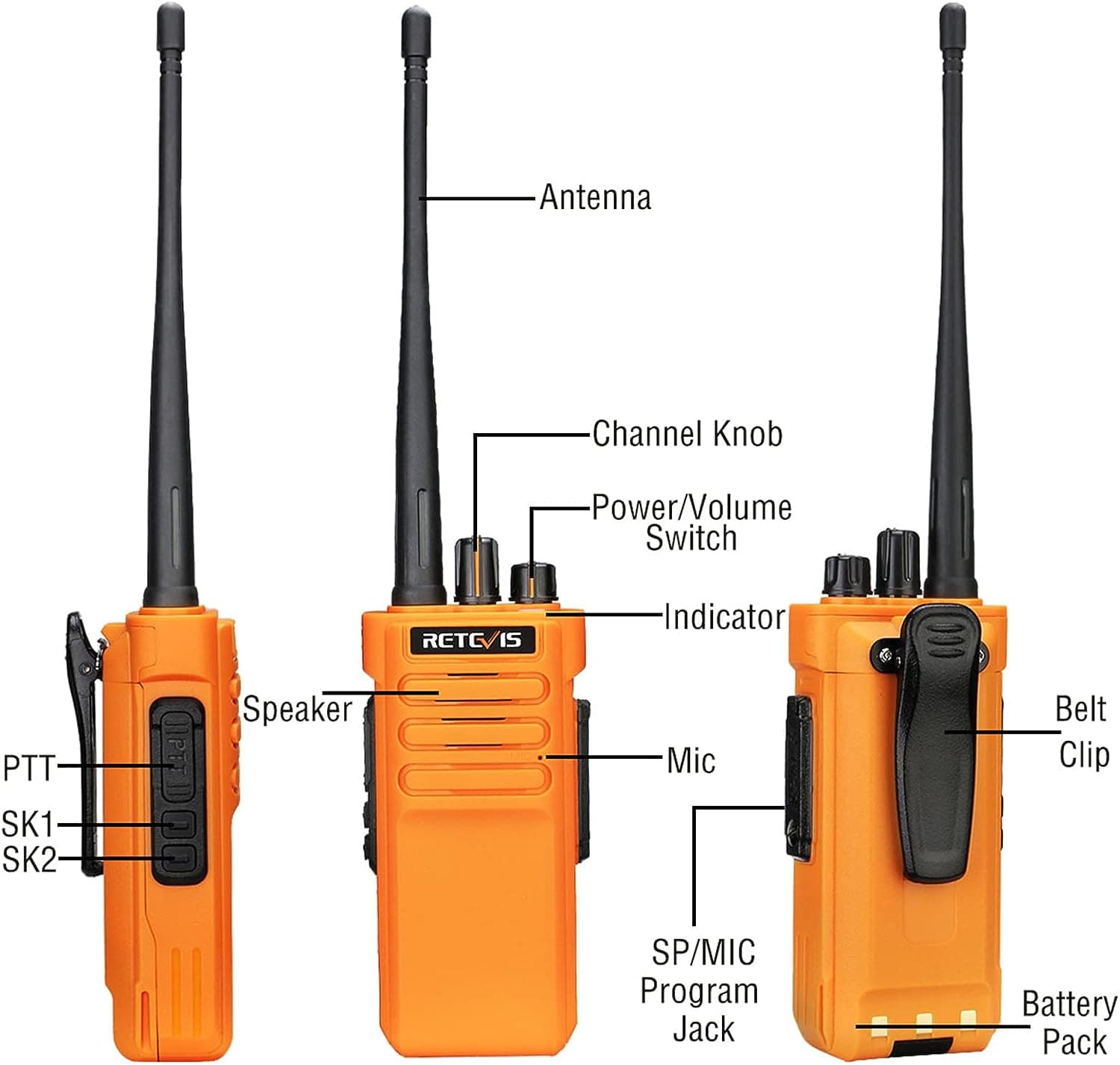
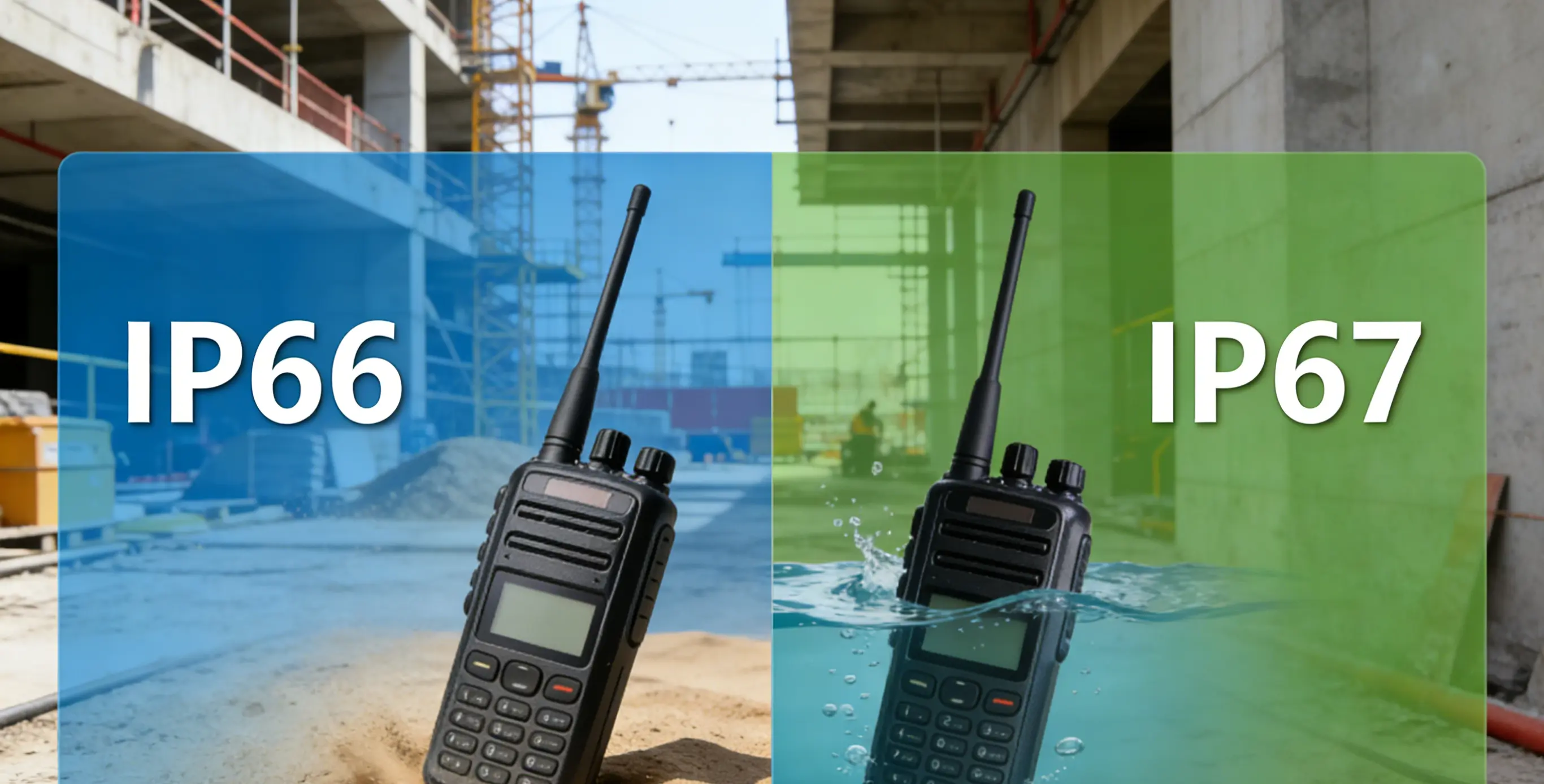
- Rugged Design: IP67-rated radios are dustproof, waterproof, and drop-proof, ensuring functionality in extreme weather or accidental drops.
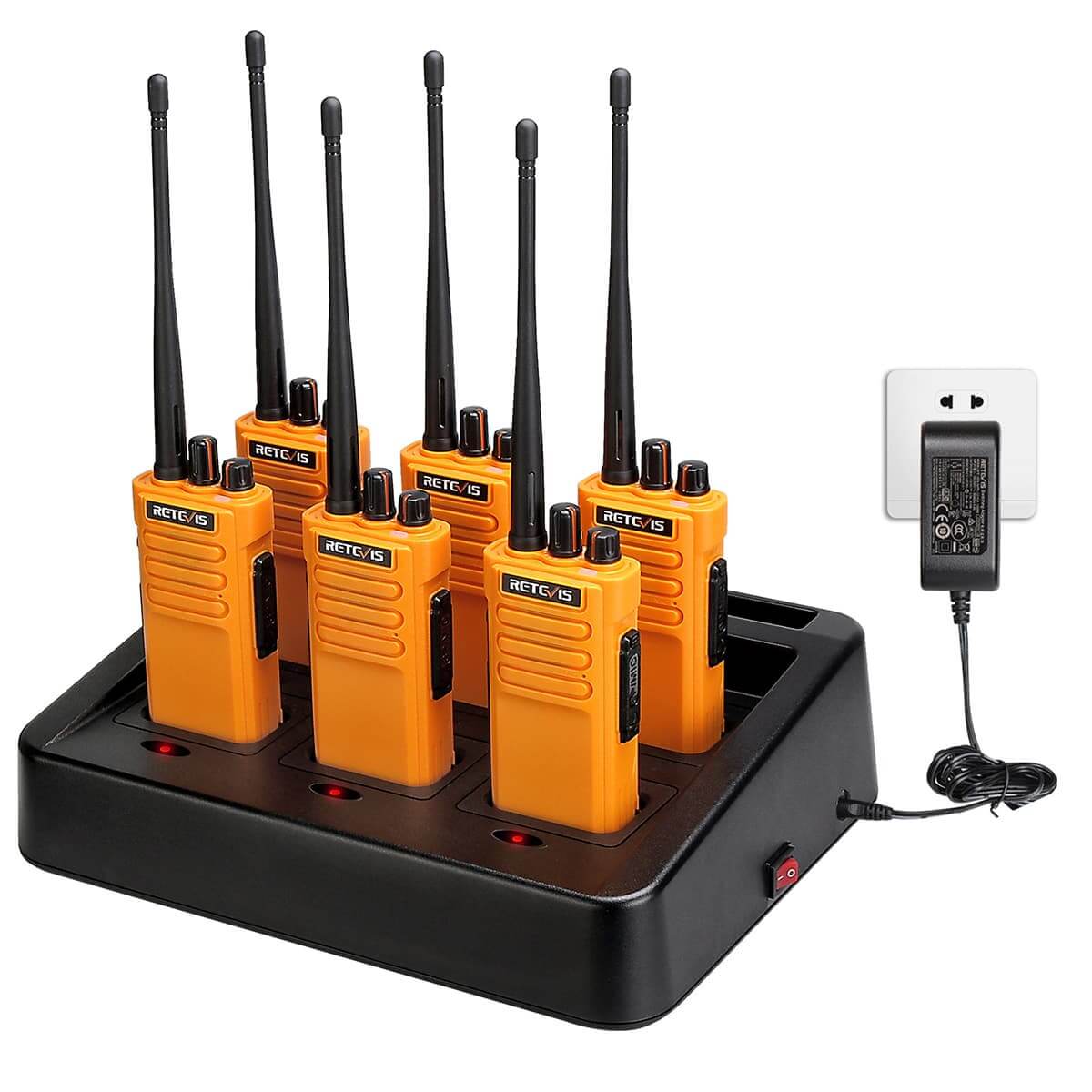
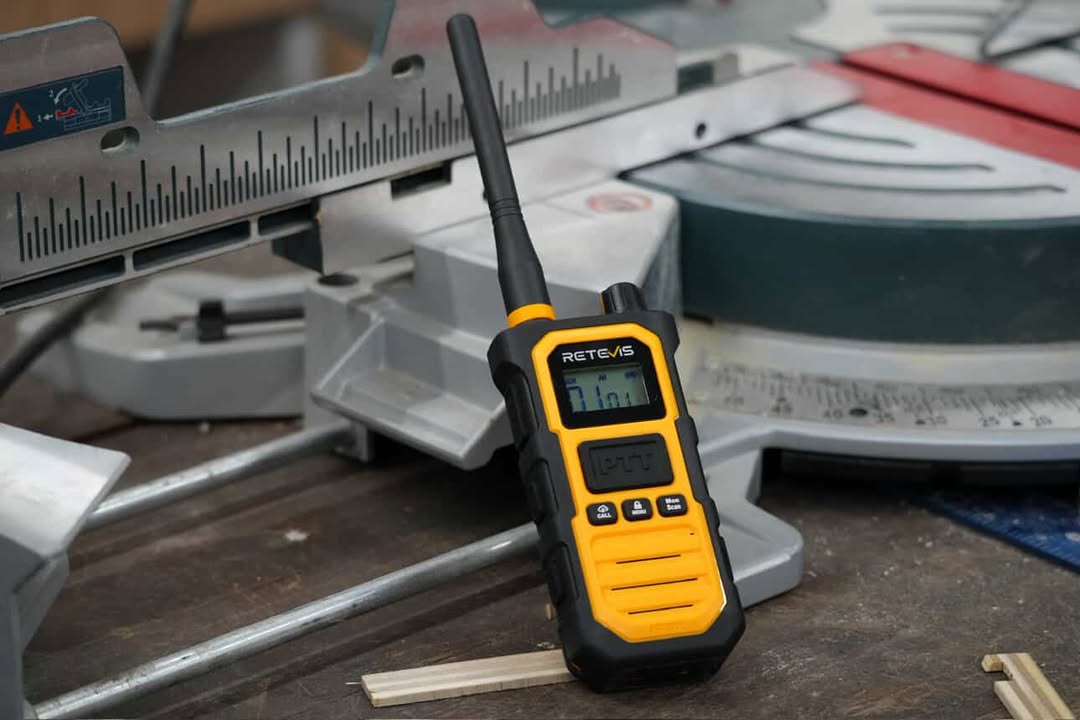
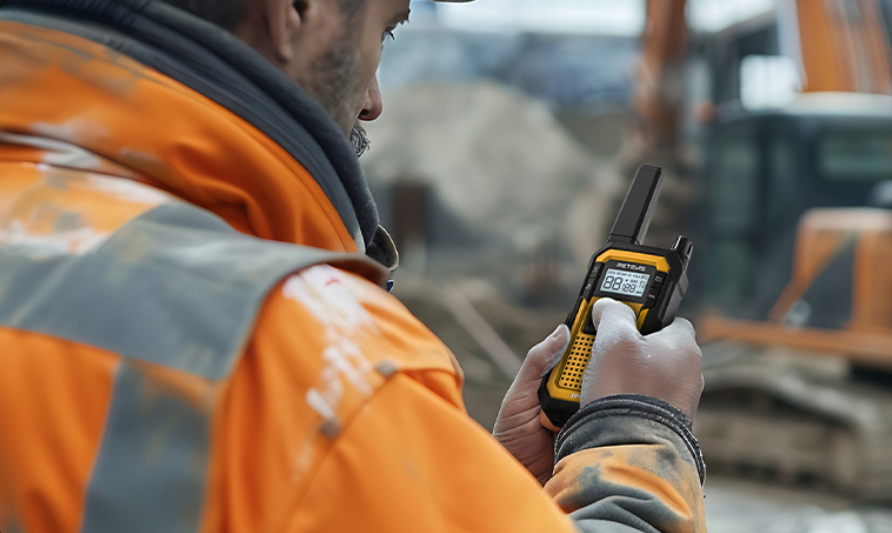
- High Visibility: Bright housings and clear displays help locate radios on chaotic sites.
- OSHA Compliance Features: Lone Worker monitoring, SOS alerts, and remote notifications meet OSHA’s mandatory communication requirements for high-risk tasks.
According to OSHA Standard 1926.200 on communication requirements, sites must maintain “effective means of alerting personnel of emergency conditions,” which is exactly what construction two way radios enable.
Emergency Features That Protect Workers
Professional worksite radios include features that save lives:
1. One-Touch SOS Alarms
Pressing a single button sends an instant alert to all radios on the jobsite. Studies from the National Institute for Occupational Safety and Health (NIOSH) show that rapid emergency notification can reduce response times by up to 40%, which is critical for high-risk areas.
2. Full Group Broadcast & Remote Alerts
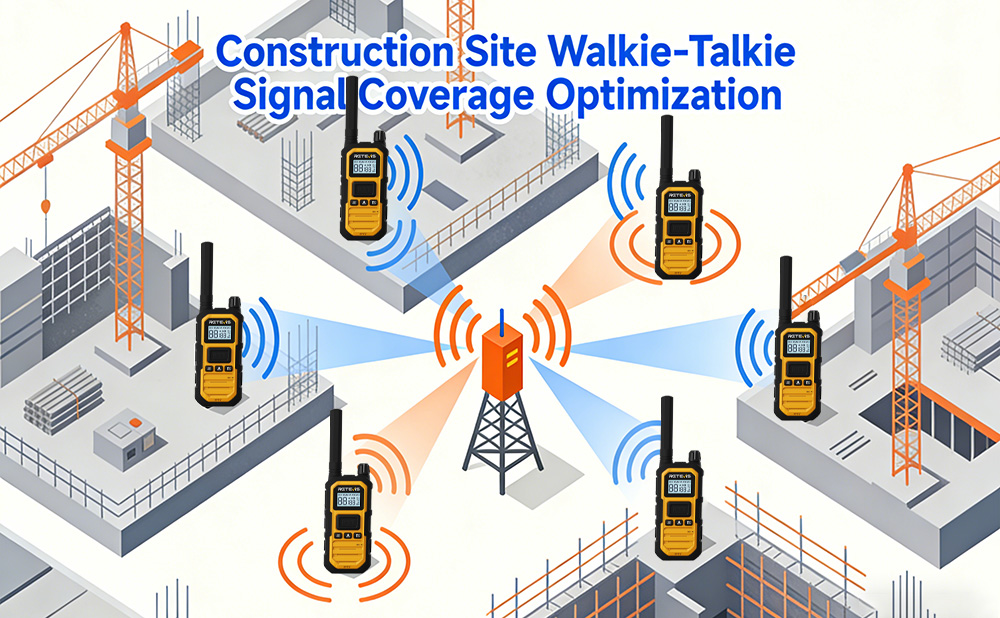
Safety supervisors can broadcast emergency messages to all radios, ensuring that personnel across multiple floors or buildings are informed immediately.
3. Lone Worker Monitoring
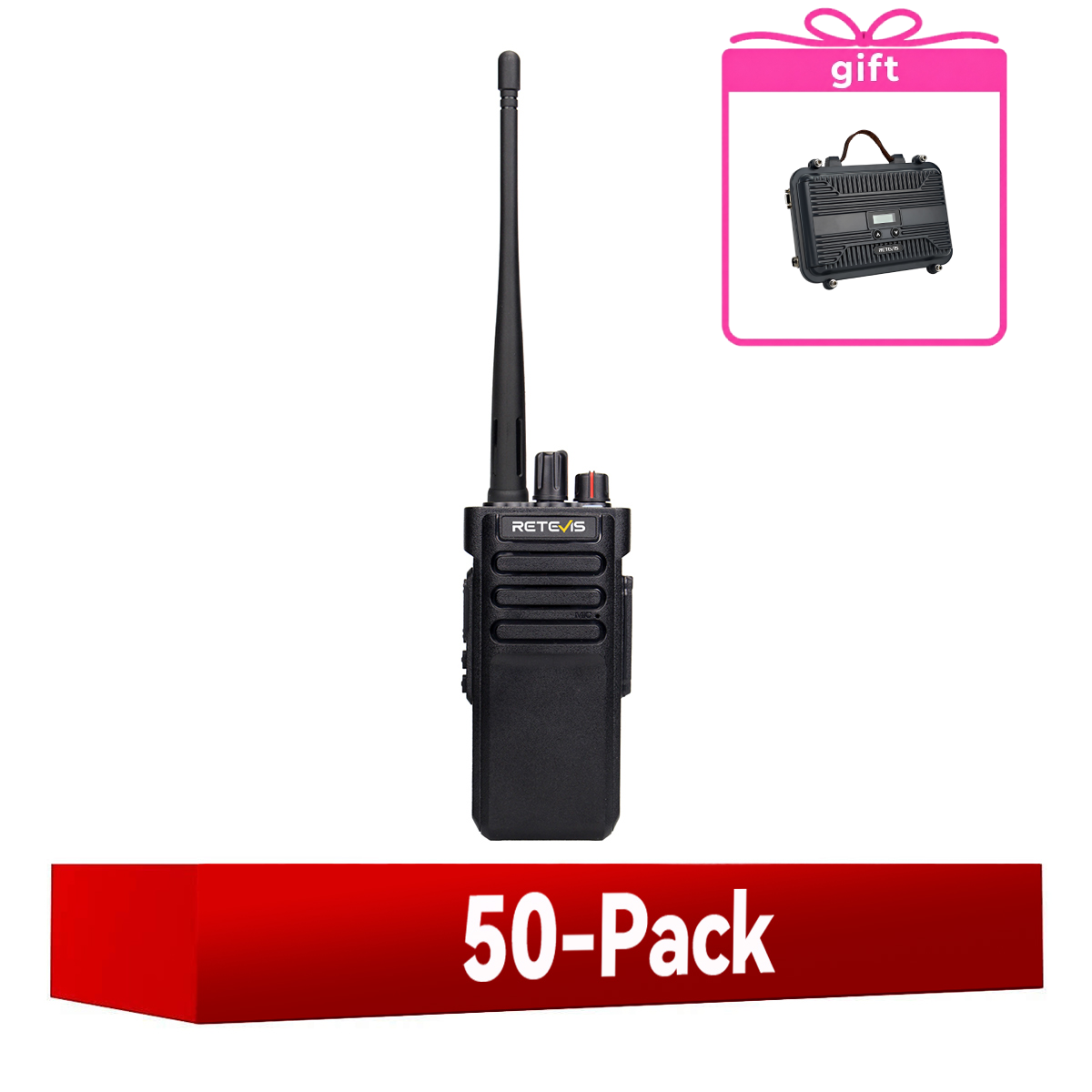
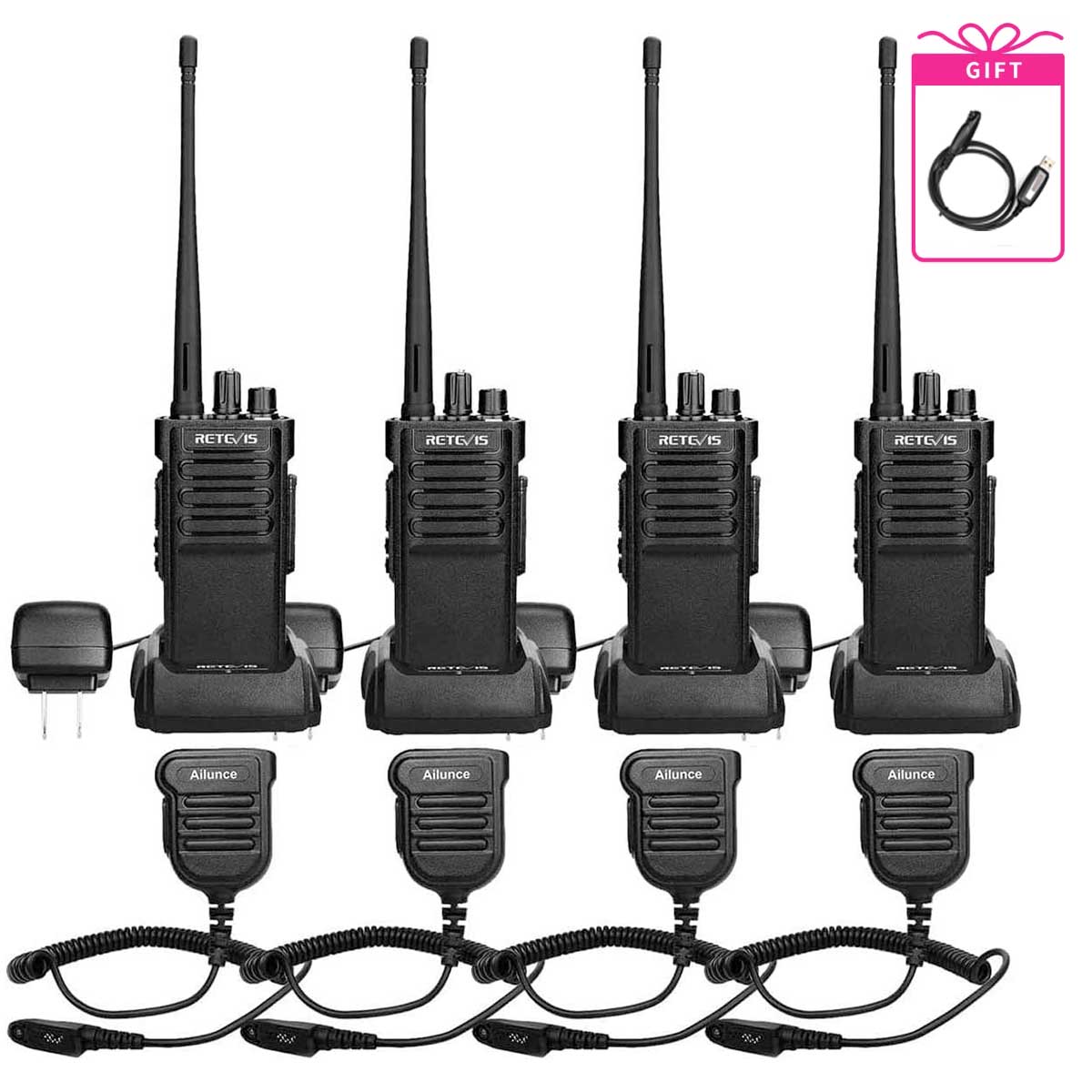
This feature is designed for employees working alone, such as electricians or carpenters. Radios like the NR30D and RT29D monitor activity and trigger automatic alerts if the worker fails to check in or the radio remains unused. According to industry data, Lone Worker features can reduce solo-worker incidents by up to 35%.
4. Durable, High-Visibility Construction Radios
Physical design matters as much as digital features. IP67 ratings, shock-resistant exteriors, and high-visibility colors ensure radios remain operational and locatable, even in dusty, wet, or cluttered environments.
Measurable Safety and Operational Benefits
Integrating construction radios into the workplace provides tangible advantages:
- Reduced Accidents: Instant hazard communication allows immediate response.
- OSHA Compliance: Radios help contractors comply with mandatory communication standards, avoiding fines and penalties.
- Lower Workplace Injury Risks: Lone Worker and SOS features actively protect employees in high-risk operations.
- Insurance Benefits: Many insurance providers offer better rates for sites with OSHA-compliant communication systems.
According to a Construction Industry Institute (CII) study, job sites using professional radios experienced a 30–50% reduction in communication-related delays and incidents compared to phone-reliant teams.
Best Practices for Using Construction Work Radios
To maximize the benefits of portable work radios and radio workplace systems, follow these best practices:
- Pre-Setup Programming: Configure group channels, emergency alerts, and Lone Worker monitoring before starting operations.
- Battery Management: Fully charge radios and rotate spare units for long shifts. Long-lasting batteries are essential to prevent downtime.
- Daily Testing: Test SOS, Lone Worker, and broadcast functions daily to confirm readiness.
- Training: Educate crews on radio use, emergency response, and jobsite protocols.
These operational procedures ensure that radio jobsite systems remain effective in critical situations and integrate seamlessly into overall safety plans.
Construction Radio Standards and Compliance
When selecting construction site radios, verify compliance with industry standards:
- IP Ratings (IP65–IP67): Dustproof, waterproof, drop-proof.
- MIL-STD-810: Military-grade durability against shocks and extreme conditions.
- Audio Clarity Standards: ANSI noise guidelines for effective communication in high-decibel environments.
Compliance with these standards ensures radios function reliably in harsh construction scenarios where ordinary devices fail.
Conclusion
High-risk construction sites demand communication systems that are instant, reliable, and OSHA-compliant. Construction radios, construction work radios, and construction two way radios provide these capabilities while enhancing safety and efficiency:
- SOS and Lone Worker alerts protect employees during emergencies.
- Full-group broadcast and remote alerts ensure all personnel are informed instantly.
- Durable, high-visibility radios maintain functionality in the harshest conditions.
Investing in professional worksite radios is not just about communication—it’s about saving lives, reducing incidents, and meeting regulatory requirements. For a complete overview of Retevis radios designed for construction safety, visit the Retevis Product Catalog.






Comments
No data Yet