

Table of Contents
Ohio Industrial Facility Explosion: How Explosion-Proof Radios Ensure Safety Communication in Hazardous Environments
- Posted by:Retevis
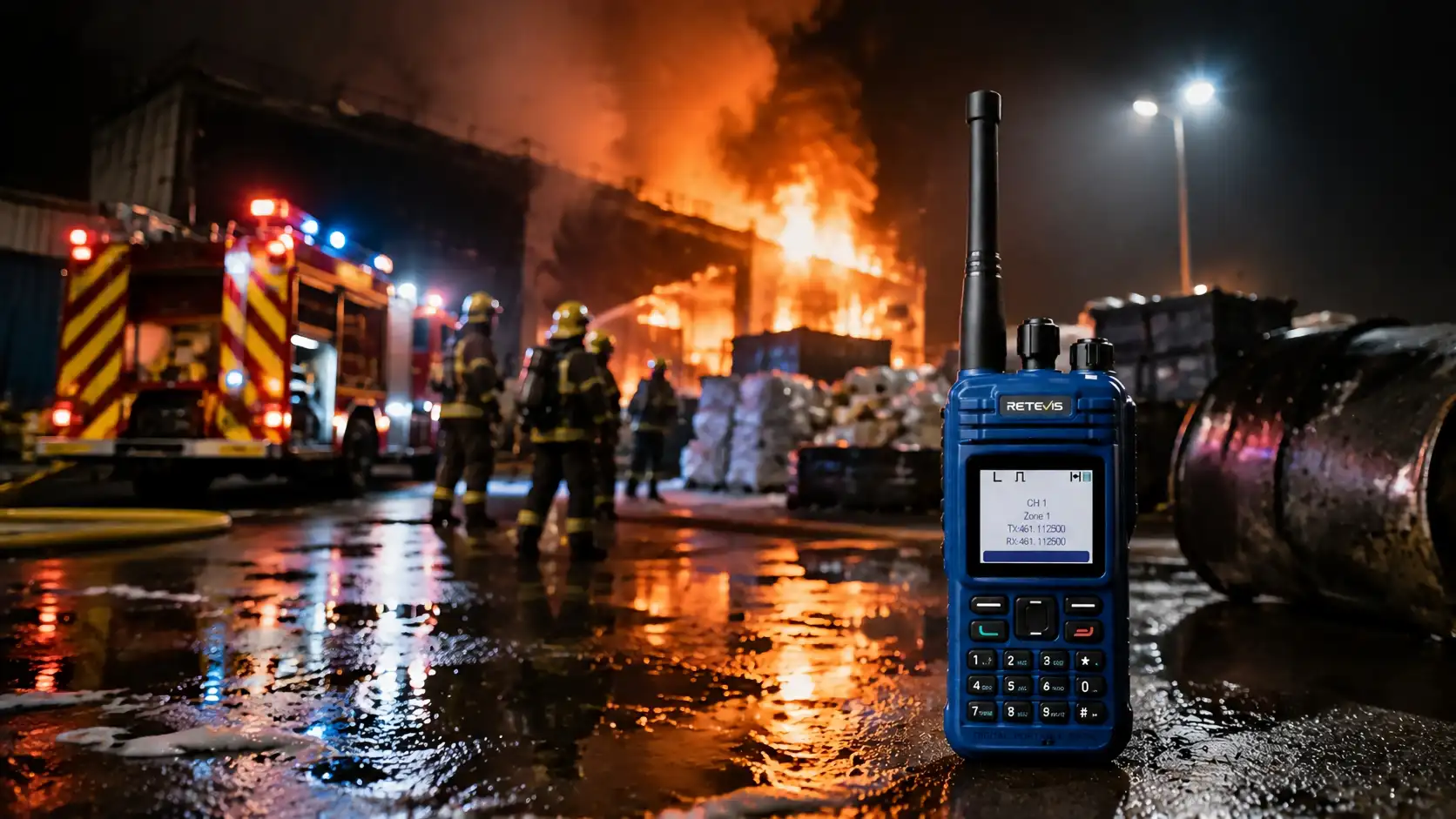
Industrial workplaces often deal with chemicals, flammable materials, and heavy machinery. Because of these risks, companies need reliable safety systems to protect their workers.
The recent Ohio industrial facility explosion at Brent Industries in Toledo showed how quickly an accident can happen in a high-risk workplace. The explosion caused a major fire and resulted in two worker fatalities. Firefighters also faced challenges because hazardous materials were stored at the facility.
While the exact cause of the accident is still under investigation, one lesson is clear: fast and reliable communication is essential during industrial emergencies.
For factories and facilities that handle dangerous materials, explosion-proof radios for hazardous industrial environments provide a safer way for workers to communicate, report problems, and respond quickly when emergencies happen.
Why Communication Matters in Hazardous Industrial Environments
In an industrial emergency, clear communication can save valuable time.
Workers need to quickly:
- Report fires or equipment problems
- Warn others about hazards
- Contact supervisors and safety teams
- Coordinate evacuation and rescue activities
However, communication is not always easy inside industrial facilities.
Many workplaces have challenges such as:
- Loud machines and production equipment
- Large buildings with complex layouts
- Areas with weak signal coverage
- Flammable gases, vapors, or dust
For this reason, industries need hazardous area communication solutions that can work safely in demanding environments.
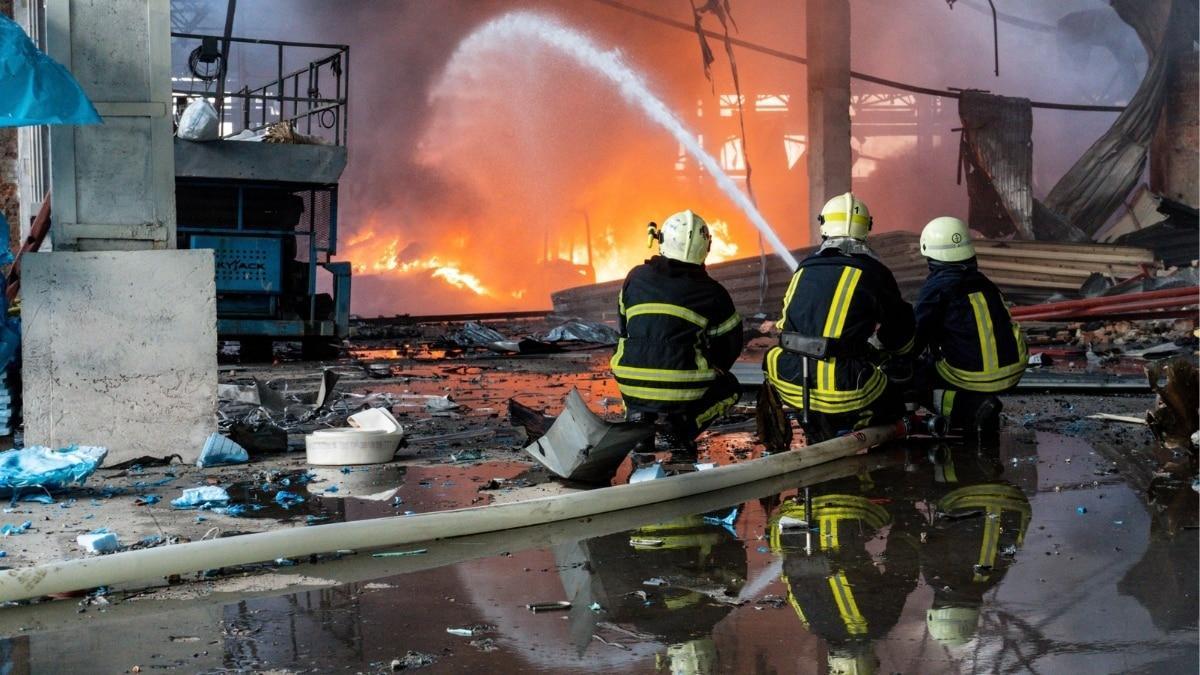 Image source: aajtak
Why Regular Radios Are Not Suitable for Hazardous Areas
Many industrial sites contain materials that can catch fire or explode under certain conditions.
Examples include:
- Chemical vapors
- Fuel gases
- Flammable liquids
- Combustible dust
Regular electronic devices may create small sparks or heat during operation. In a hazardous area, these risks cannot be ignored.
An intrinsically safe radio is designed to control electrical energy and reduce the chance of ignition. These radios are built for workplaces where safety is the top priority.
Many explosion-proof radios meet international safety standards, including:
- ATEX certification
- IECEx certification
- UL hazardous location certification
These standards help ensure that radios can be used safely in environments with explosion risks.
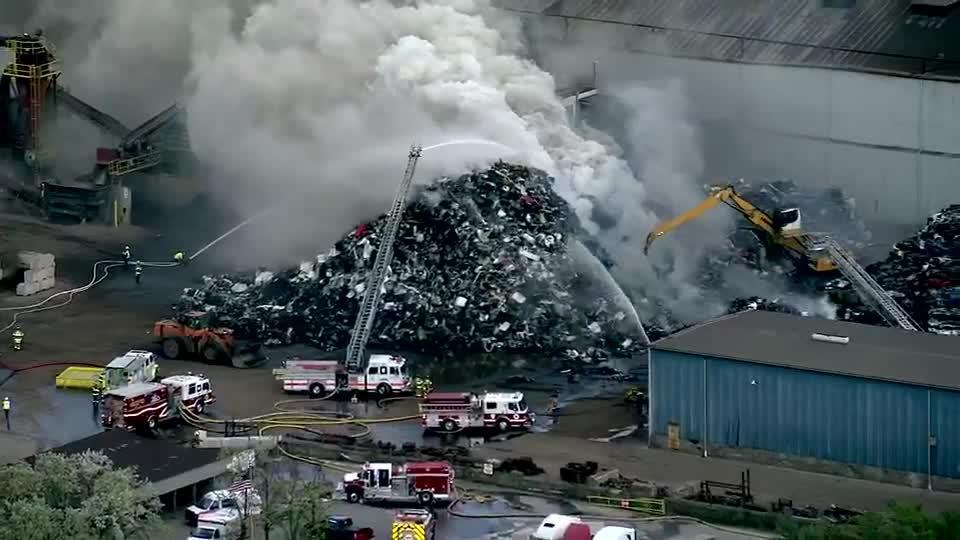 Image source: wpxi
How Explosion-Proof Radios Improve Industrial Safety Communication
Using explosion-proof radios for hazardous industrial environments helps companies build safer workplaces.
1. Safe Communication Where Risks Are High
Explosion-proof radios are designed for areas where dangerous materials may exist.
They are commonly used in:
- Chemical plants
- Oil and gas facilities
- Mining sites
- Recycling plants
- Manufacturing factories
Workers can stay connected while performing tasks in areas where normal radios may not be suitable.
2. Clear Voice Communication in Noisy Areas
Industrial workplaces are often noisy. Machines, engines, and production lines can make normal conversations difficult.
Professional industrial two-way radios provide features such as:
- Noise reduction
- Loud and clear audio
- Reliable signal performance
These features help workers receive important information without confusion.
3. Better Emergency Response
During an industrial accident, communication delays can make a dangerous situation worse.
Modern explosion-proof radios can support emergency teams with features such as:
- Emergency alarm buttons
- Group communication
- Priority calls
- Man-down alerts
- GPS location tracking
These tools help supervisors and safety teams understand what is happening and respond faster.
Industries That Rely on Explosion-Proof Radios
Many industries use explosion-proof radios for hazardous industrial environments to improve workplace safety.
Chemical Industry
Chemical plants often handle solvents, gases, and flammable liquids. Reliable communication helps workers manage daily tasks and respond quickly to emergencies.
Oil and Gas Industry
Oil refineries, fuel storage areas, and offshore facilities operate around explosive gases. Certified communication equipment is an important part of their safety systems.
Mining Industry
Mining operations may face risks from combustible dust and underground working conditions. Explosion-proof radios help workers communicate in difficult locations.
Recycling Facilities
Industrial recycling plants may process materials that create fire or explosion risks. The Ohio facility accident shows why strong communication systems are important in these environments.
Manufacturing Facilities
Factories that use paints, coatings, chemicals, or solvents also need safe and reliable communication tools.
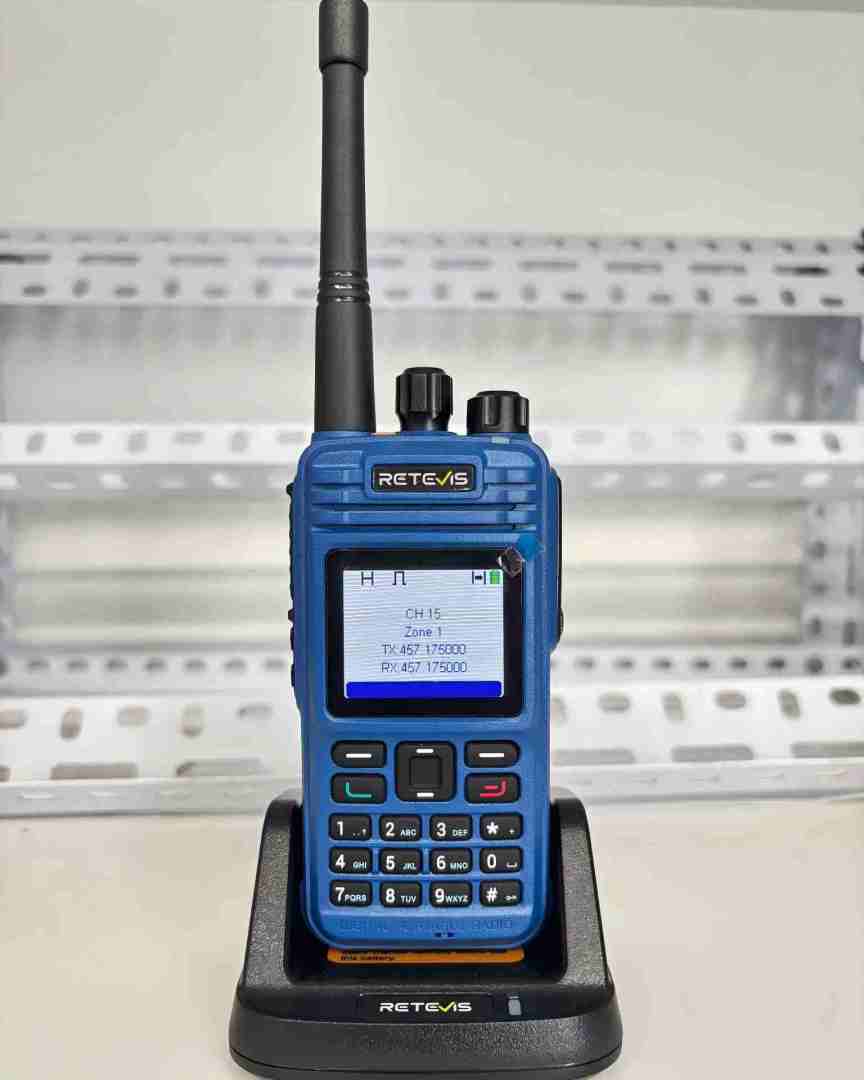
Retevis MateTalk E2 Explosion Proof Intrinsically Safe DMR Portable Two-way Radio
How to Choose the Right Explosion-Proof Radio
When selecting a communication system for hazardous workplaces, companies should focus on three areas.
Safety Certification
Choose radios that meet the required standards:
- ATEX
- IECEx
- UL certification
Communication Quality
Important features include:
- Long communication range
- Strong signal coverage
- Noise cancellation
- Durable battery performance
Worker Safety Features
Additional functions can improve emergency response:
- Emergency buttons
- Lone worker protection
- Man-down alarms
- GPS positioning
The right radio solution should support both everyday operations and emergency situations.
Conclusion: Reliable Communication Helps Protect Industrial Workers
The Ohio industrial facility explosion is a reminder that safety communication is a key part of industrial protection.
In workplaces with flammable materials, chemicals, or explosion risks, companies need communication tools that are safe, reliable, and easy to use.
Explosion-proof radios for hazardous industrial environments help workers stay connected in dangerous areas and support faster emergency response.
From chemical plants and oil refineries to recycling facilities and manufacturing sites, intrinsically safe radios provide a safer communication solution for modern industries.
When working in hazardous environments, reliable communication is not just about improving efficiency—it is about protecting every worker on site.










 Google
 Amazon
Comments
No data Yet