

Table of Contents
How to Improve Communication Coverage on Multi-Story Construction Sites
- Posted by:Retevis
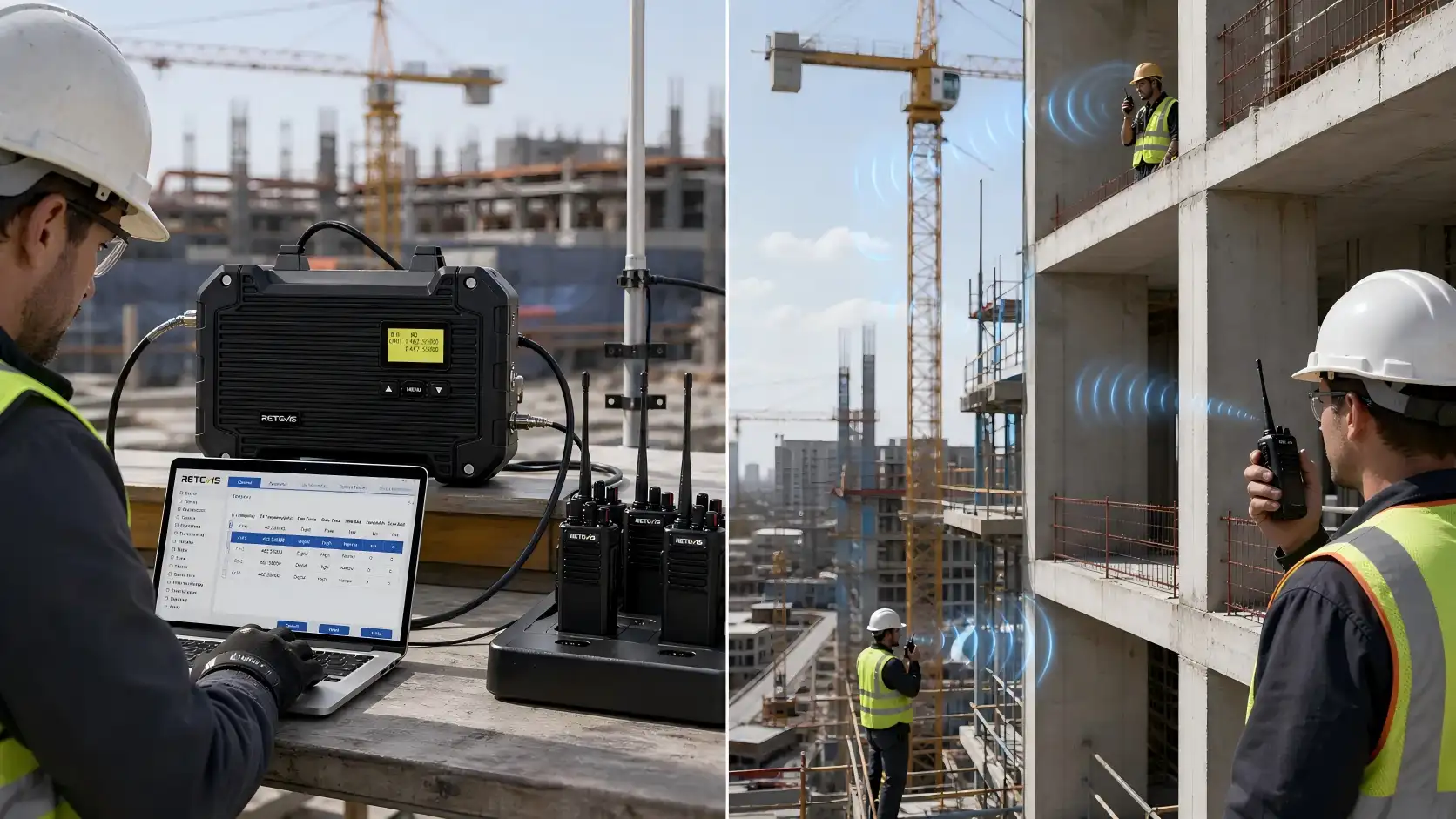
Multi-story construction sites create communication problems that basic handheld radios cannot always solve. As the building rises, crews spread across more floors, more work zones, and more enclosed spaces. Concrete slabs, steel reinforcement, stairwells, elevator shafts, and temporary barriers all make it harder for signals to travel clearly. That is why construction team coordination solutions matter so much on vertical jobsites. Communication has to stay reliable as the project changes.
That is where RT29 and RT97L work well together. RT29 helps workers stay connected with strong handheld communication. RT97L expands the usable coverage area across a larger and more complex site. The result is not just a stronger radio. It is a better construction communication solution for vertical jobsites where signal loss can quickly turn into workflow problems.
1. Why Multi-Story Construction Sites Create Communication Challenges
Construction sites are not static. As the building grows, the communication environment changes with it.
On a flat site, radio coverage is usually easier to manage. But once a job becomes vertical, the structure starts to shape the signal path. Crews may work in the basement one day, then move to the fourth or sixth floor the next. That means the communication system has to support a changing layout, not just a fixed area.
This is where construction team coordination solutions become more important. The team cannot afford to lose contact just because the work has moved upward. If communication breaks down, supervisors lose time, workers lose clarity, and the whole site slows down.
2. Why Radio Penetration Matters on Vertical Jobsites
A multi-story site is not just a larger version of a normal jobsite. It is a different communication environment.
In a vertical structure, the signal has to move through floors, walls, steel, and concrete. That is harder than covering a flat outdoor area. The challenge is not only distance. It is also density. The more the building grows, the more obstacles the signal has to pass through.
That is why radio penetration matters so much. A handheld radio has to do more than transmit. It has to stay usable when the structure becomes thicker and more closed in. If the radio cannot penetrate the building well enough, workers will lose contact even when they are not far apart in physical distance.
This is where RT29 is important. It gives workers a strong handheld communication option for construction use. In a vertical site, that kind of reliable on-site communication becomes the first layer of the system. Without it, coverage can become uneven before the project is even halfway done.
3. How a Repeater Expands Coverage in Multi-Story Buildings
A repeater is not about replacing the handheld radio. It is about extending what the handheld radio can already do.
On a multi-story jobsite, there are often areas where direct handheld communication is not enough. A basement may be difficult to reach. An upper floor may sit behind thick concrete. A stairwell may create a dead zone. A repeater helps fill those coverage gaps by extending the communication range and making the signal more usable across the site.
The key point is simple: a repeater expands coverage. It does not need to move with the project to be useful. Its value comes from making the communication network stronger and more reliable in the places where handheld radios alone may struggle.
That is why a construction radio repeater is such an important part of a larger system. It helps turn local handheld communication into a broader two way radio repeater system that can support more of the building at once.
For multi-story construction, that means fewer dead zones, fewer repeat calls, and more stable communication from one level to the next.
4. How RT29 and RT97L Support Construction Team Coordination
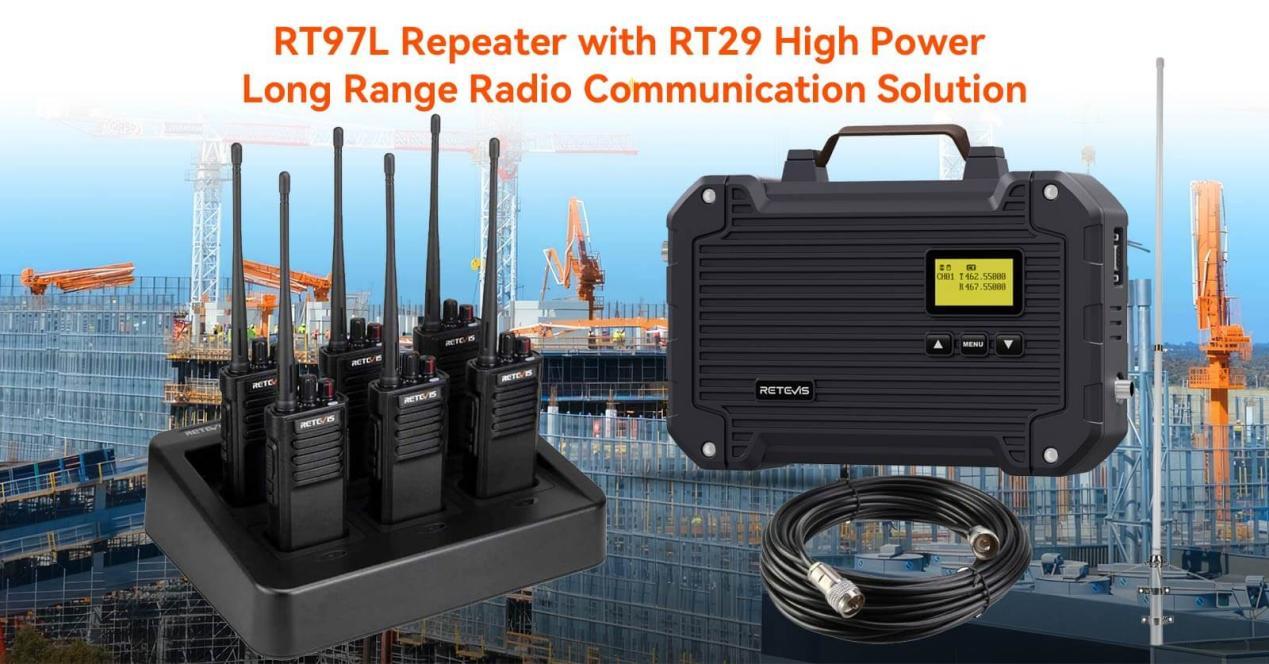
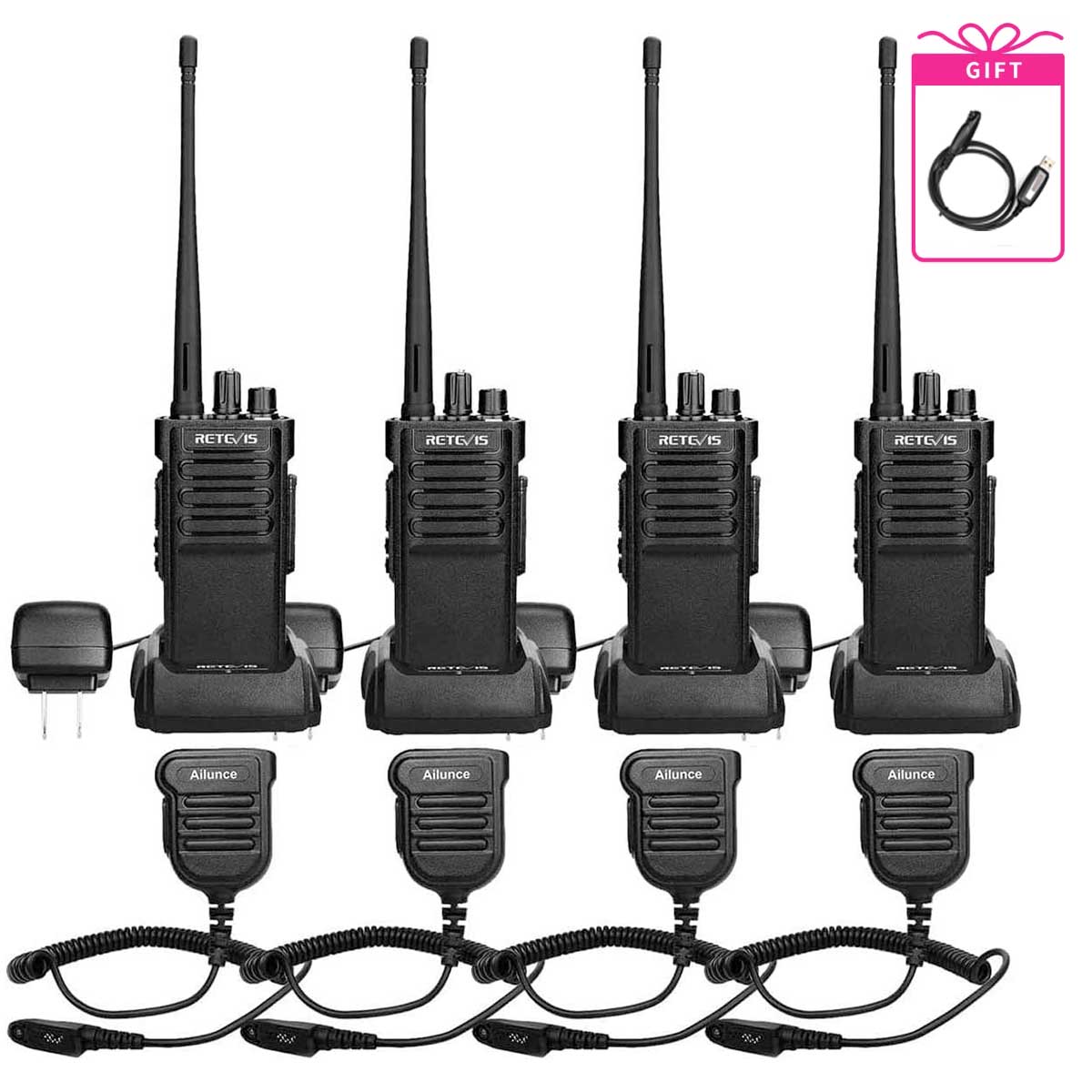
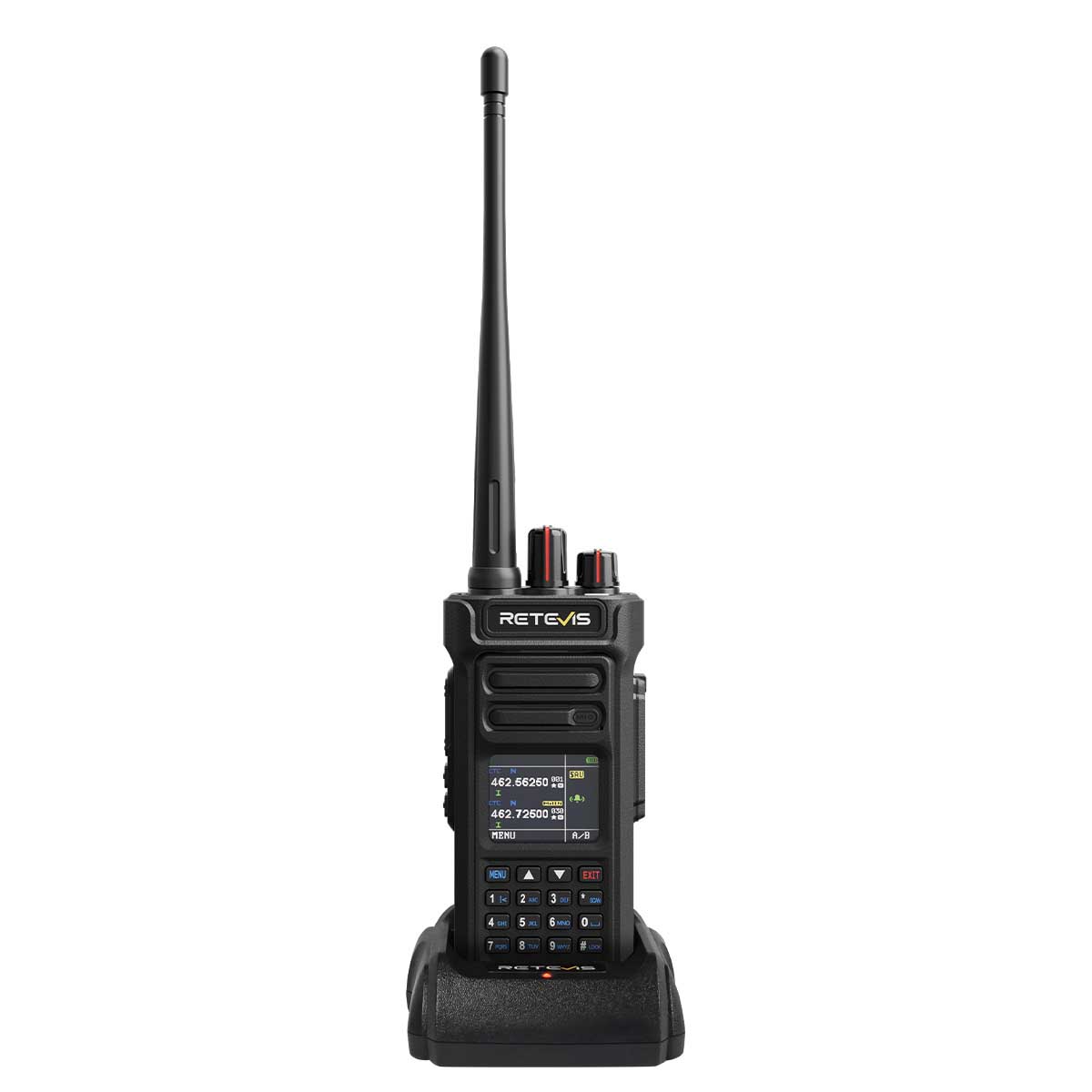
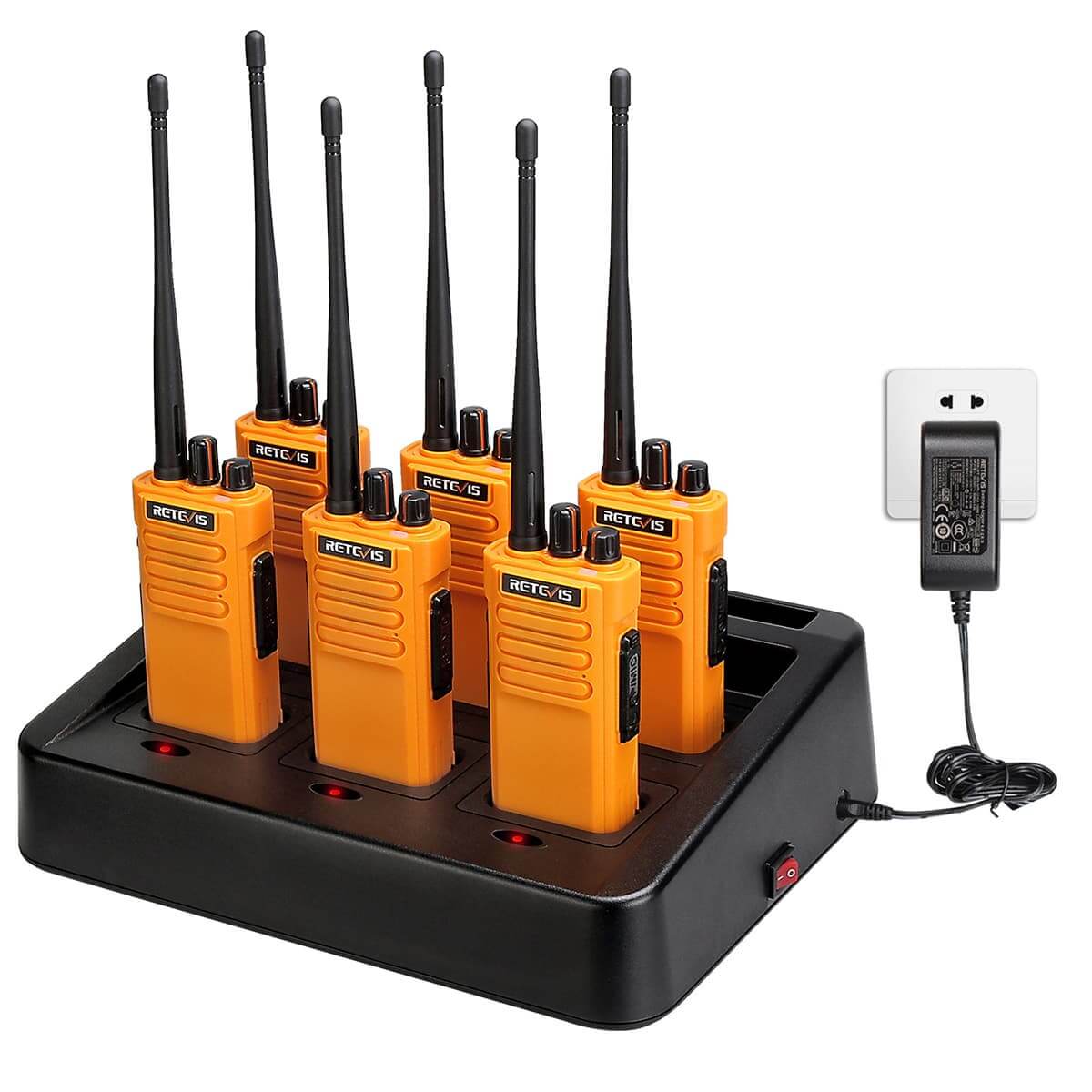
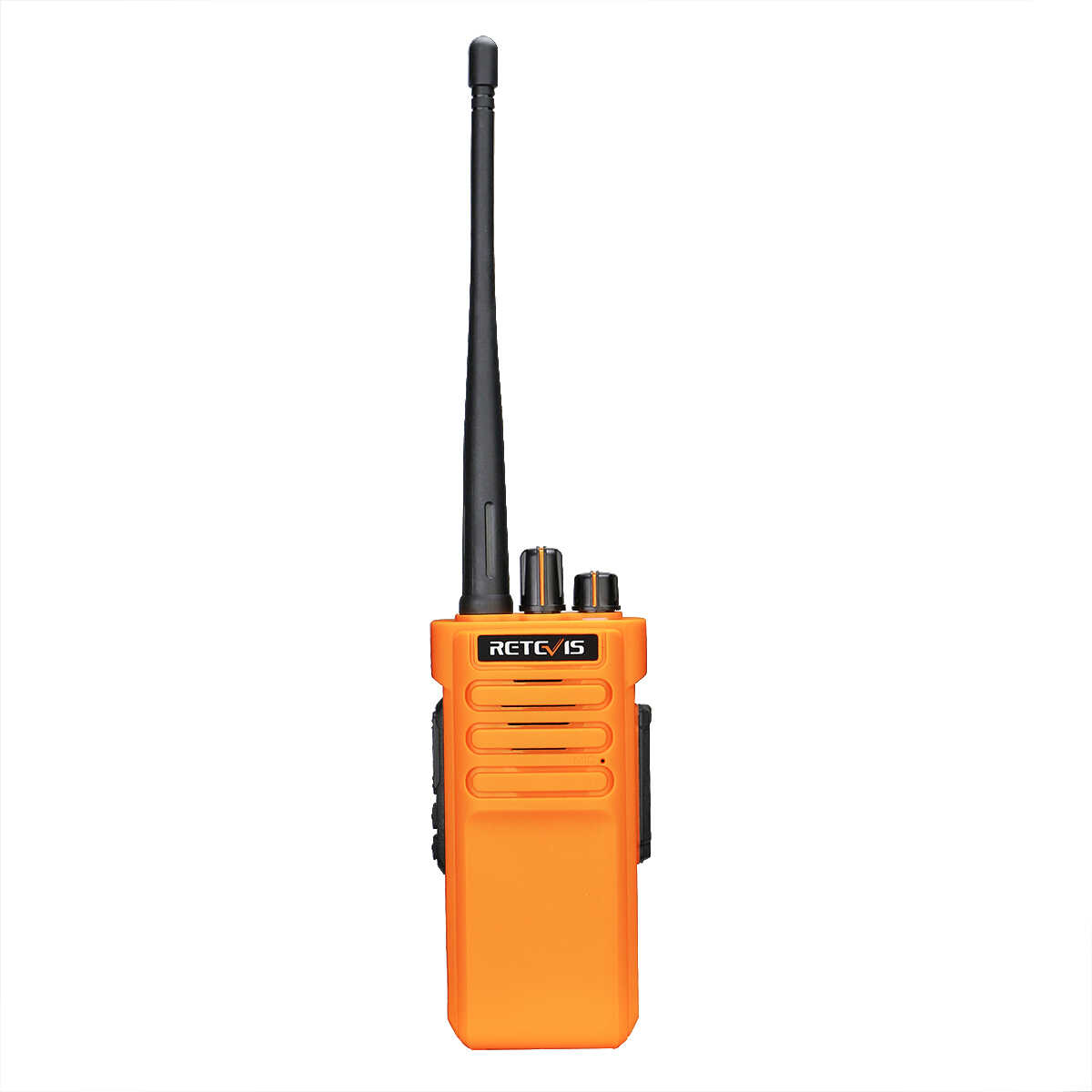
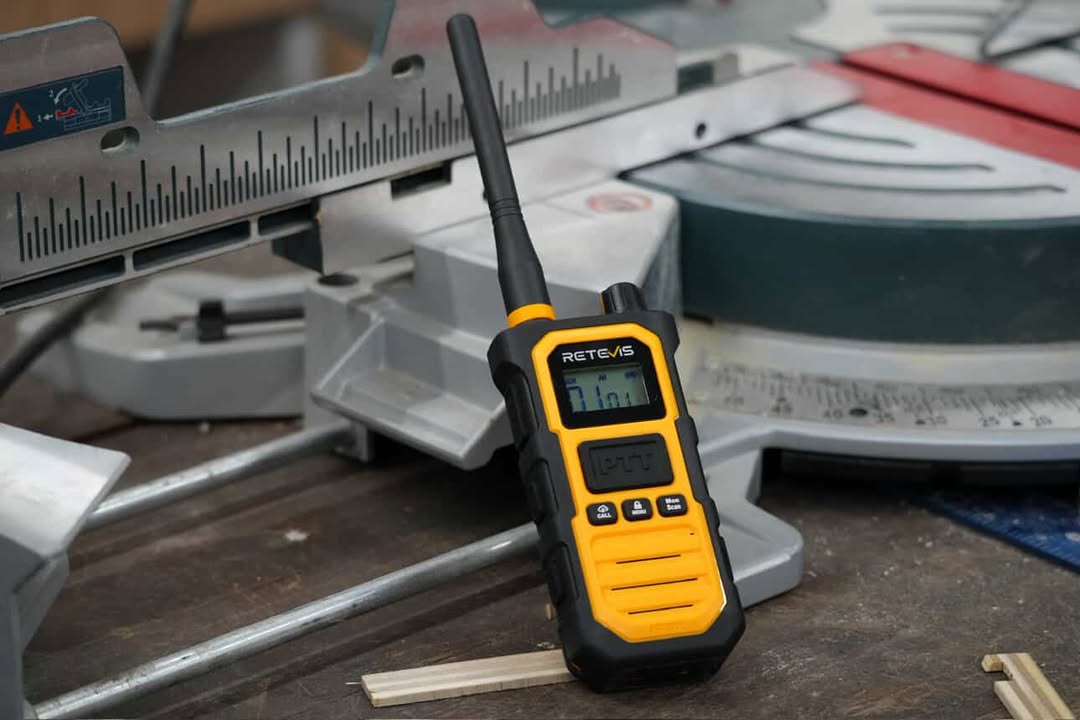
Retevis RT29 serves as the handheld radio. It gives workers a direct way to communicate on the site, especially in areas where strong handheld performance matters. It helps with day-to-day team coordination, quick updates, and real-time contact between workers and supervisors.
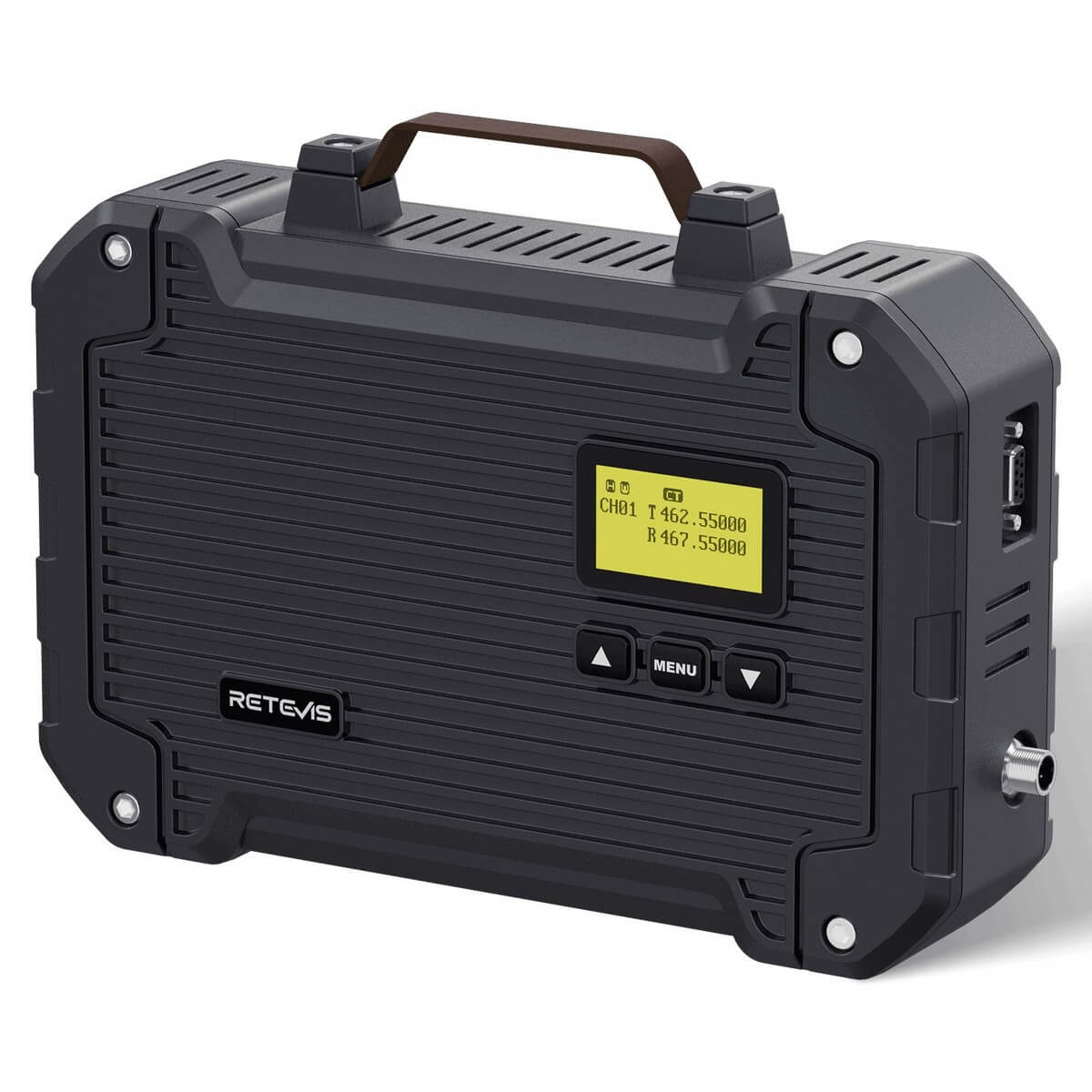
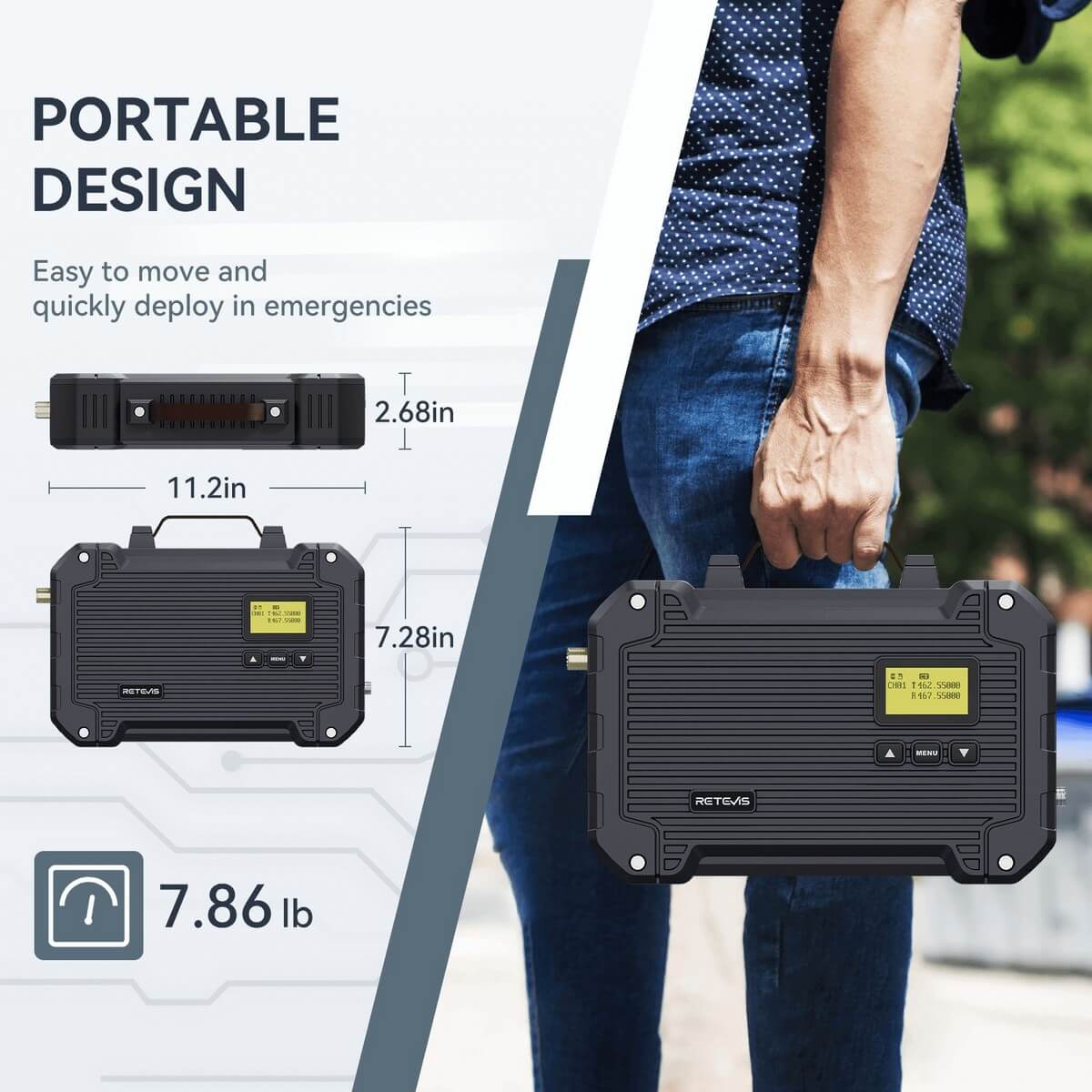
Retevis RT97L serves as the repeater. It extends the communication range so that RT29 users can stay connected across a larger and more complex building. That is especially helpful when the jobsite grows upward and the structure starts blocking more of the signal.
Together, they create a stronger construction site communication system. RT29 provides the direct handheld link. RT97L expands the coverage behind it. That combination is what makes the system more dependable on a multi-story site.
This is especially useful because the value is not in the parts alone. It is in how they work together. RT29 by itself may not cover enough of the building. RT97L by itself is not a complete solution. But together, they support more reliable multi story building communication across the structure.
For construction teams, that means better coordination, fewer gaps, and a communication network that fits the building instead of falling behind it.
5. Where This Combination Helps Most
Multi-story sites have several areas that are especially hard to cover.
Basements
Below-grade work often creates weak signal conditions. Concrete and surrounding structure can make communication less reliable.
Stairwells
Stairwells are central to vertical movement, but they can also create signal problems because of the enclosed space and changing floor levels.
Elevator shafts
These areas can interrupt coverage and make communication uneven between floors.
Partially completed floors
As the structure changes, so does the communication path. A floor that was easy to cover one week may become harder to reach the next.
Enclosed upper levels
Once a building begins to close in, the signal has more barriers to deal with. That makes stable coverage even more important.
In each of these areas, RT29 and RT97L help keep the site connected. The handheld radio gives the worker access to the system, and the repeater helps the signal reach farther into the building.
6. What to Look for in a Multi-Story Construction Communication Solution
A good construction site communication system for a vertical project should do a few things well.
Signal penetration
The handheld radio should perform well in a structure with concrete and steel.
Coverage extension
The repeater should widen the usable communication area across floors and zones.
Stable communication
The system should reduce dead zones and keep messages clear from one section of the site to another.
Durability
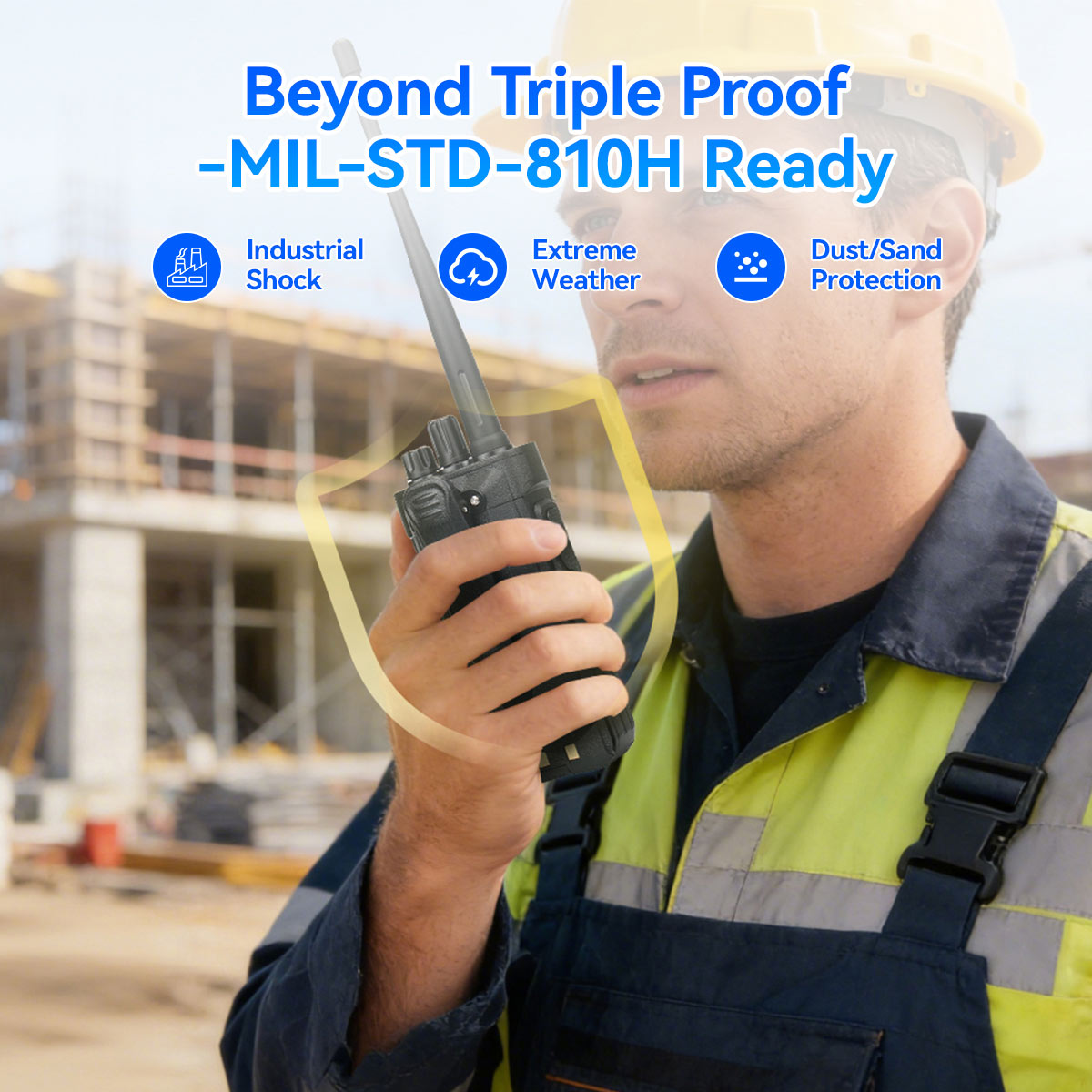
Construction work is rough. The equipment needs to hold up under daily use.
Simple operation
A jobsite communication system should be easy for workers to use without extra confusion.
These are the main factors that matter when choosing a construction communication solution for multi-story work. The goal is not just more power. The goal is coverage that fits the building and the pace of the project.
7. Final Takeaway: Strong Communication Depends on Both Penetration and Coverage
Multi-story construction creates a communication challenge that changes as the building rises. A handheld radio alone may not always be enough. The deeper the structure, the more the signal has to work through concrete, steel, and enclosed spaces.
That is why RT29 and RT97L are such a strong combination. RT29 gives workers a reliable handheld communication tool. RT97L extends the coverage so the signal can reach farther into the building. Together, they create a more complete construction team coordination solution for multi-story jobsites.
For construction teams, the key lesson is simple: communication has to grow with the jobsite. When the building rises, the network should rise with it. That is how you keep coverage strong, coordination clear, and the whole project moving in the right direction.



 Google
 Amazon
Comments
No data Yet