

Table of Contents
How GMRS Repeater Radio Kits Can Improve Communication in Remote Areas
- Posted by:Retevis
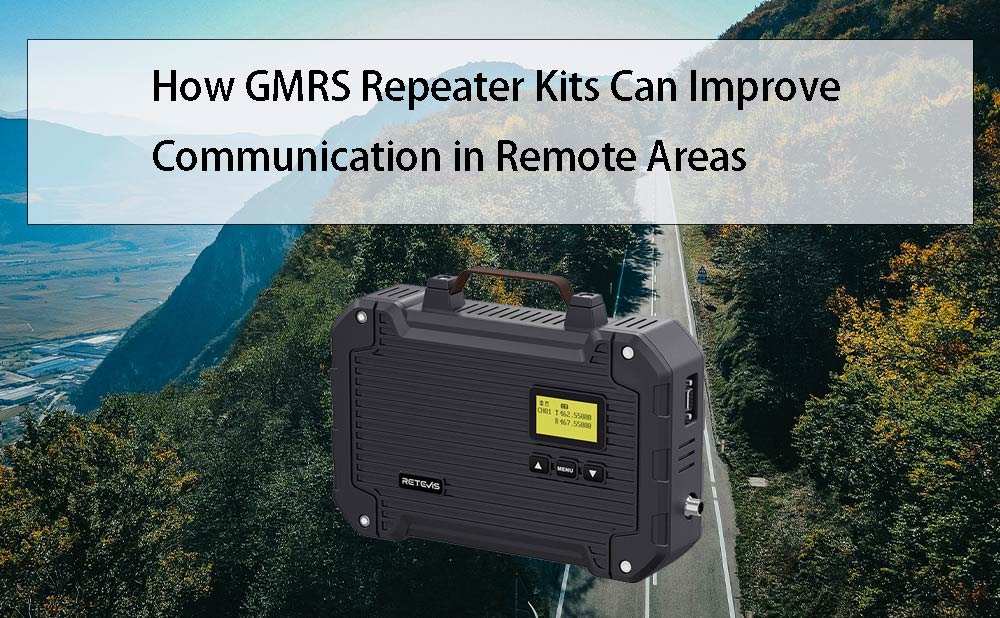
GMRS Repeater Radio Kits for Remote Communication: Extending Range Beyond Limits
In remote environments where cell coverage is unreliable or completely unavailable, maintaining stable communication becomes a critical operational challenge. Mountains, dense forests, valleys, and wide agricultural areas can all severely limit standard radio performance.
A GMRS repeater radio kit solves this limitation by dramatically extending the effective range of two-way radios. By receiving weak signals and retransmitting them at higher power, a repeater ensures consistent communication across large and obstructed areas.
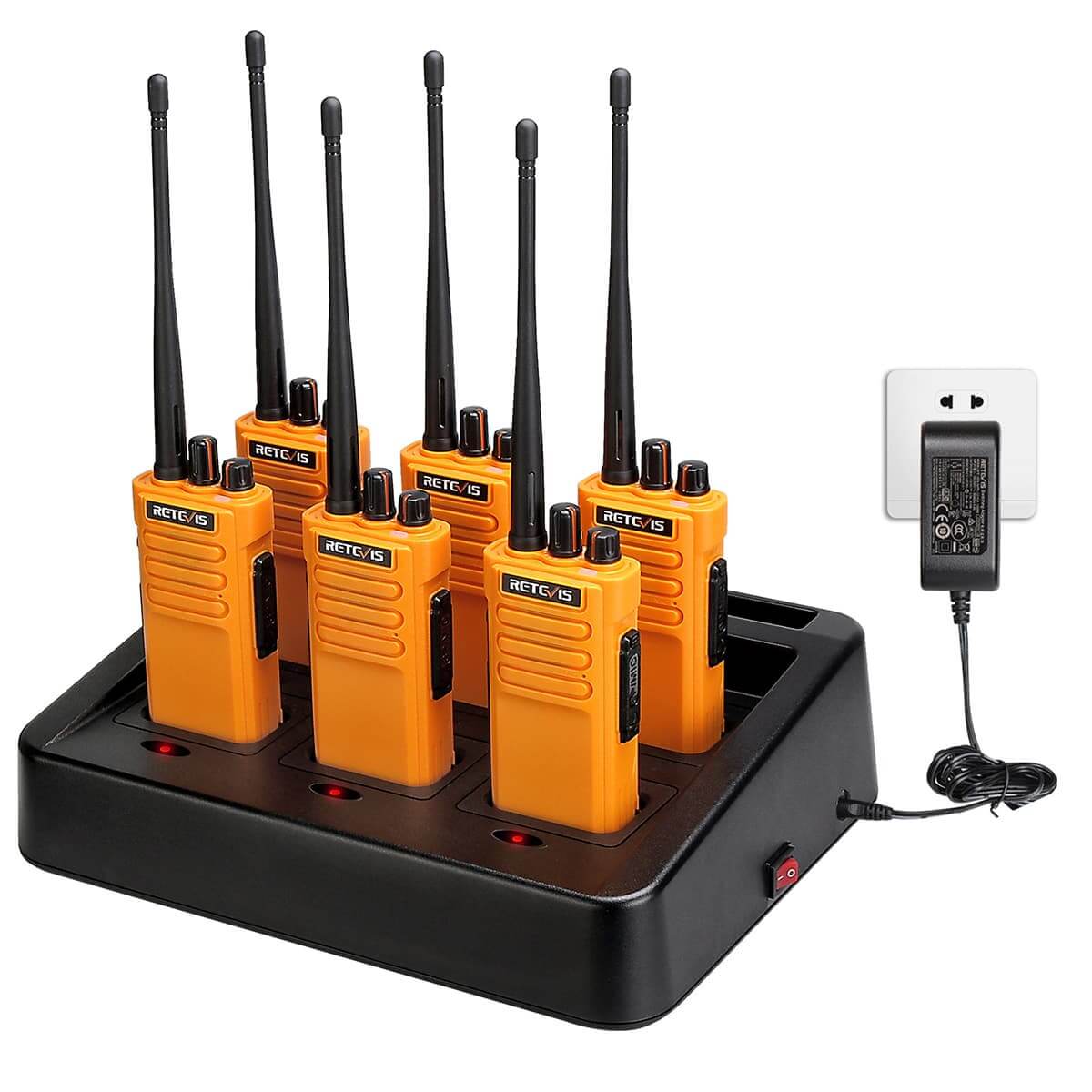
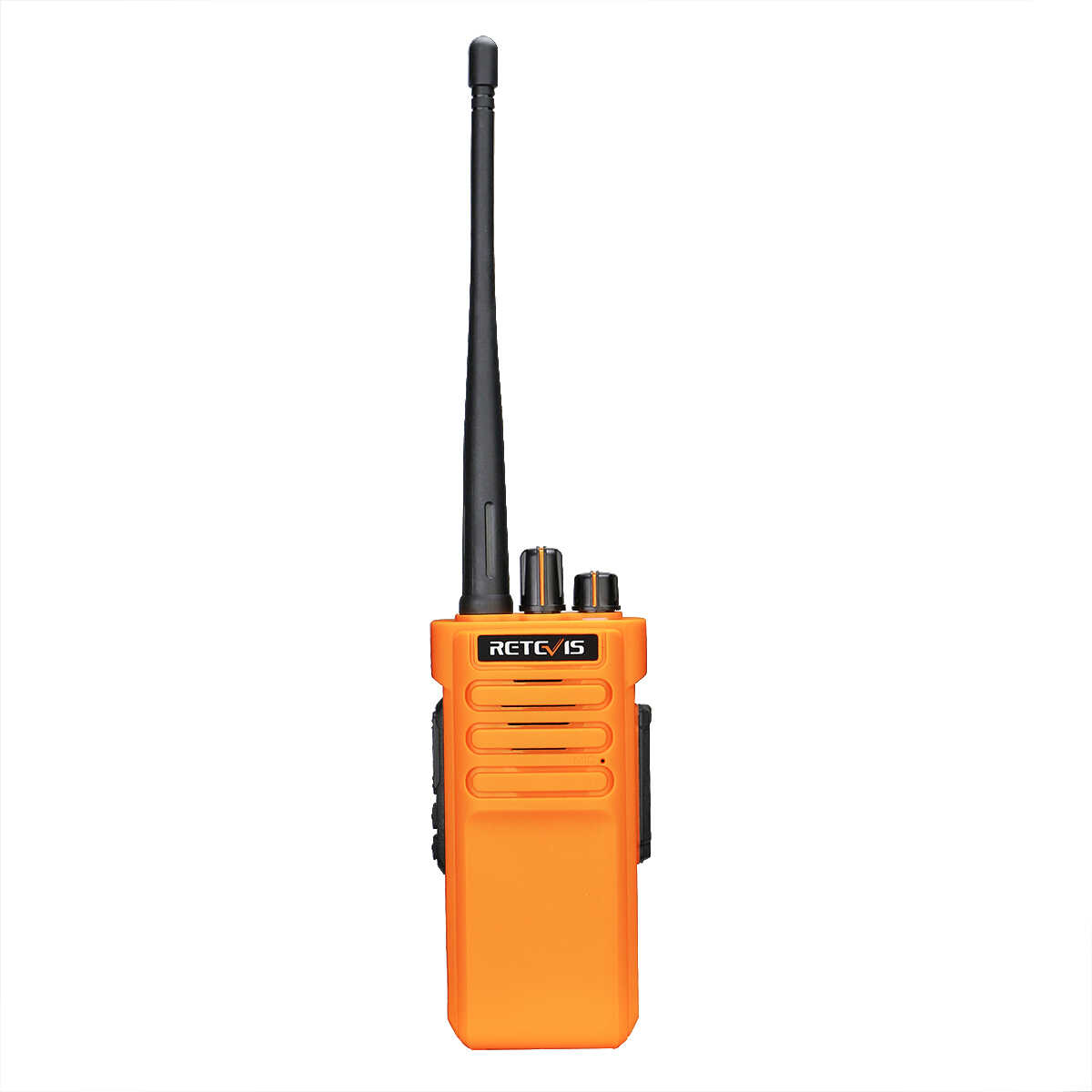
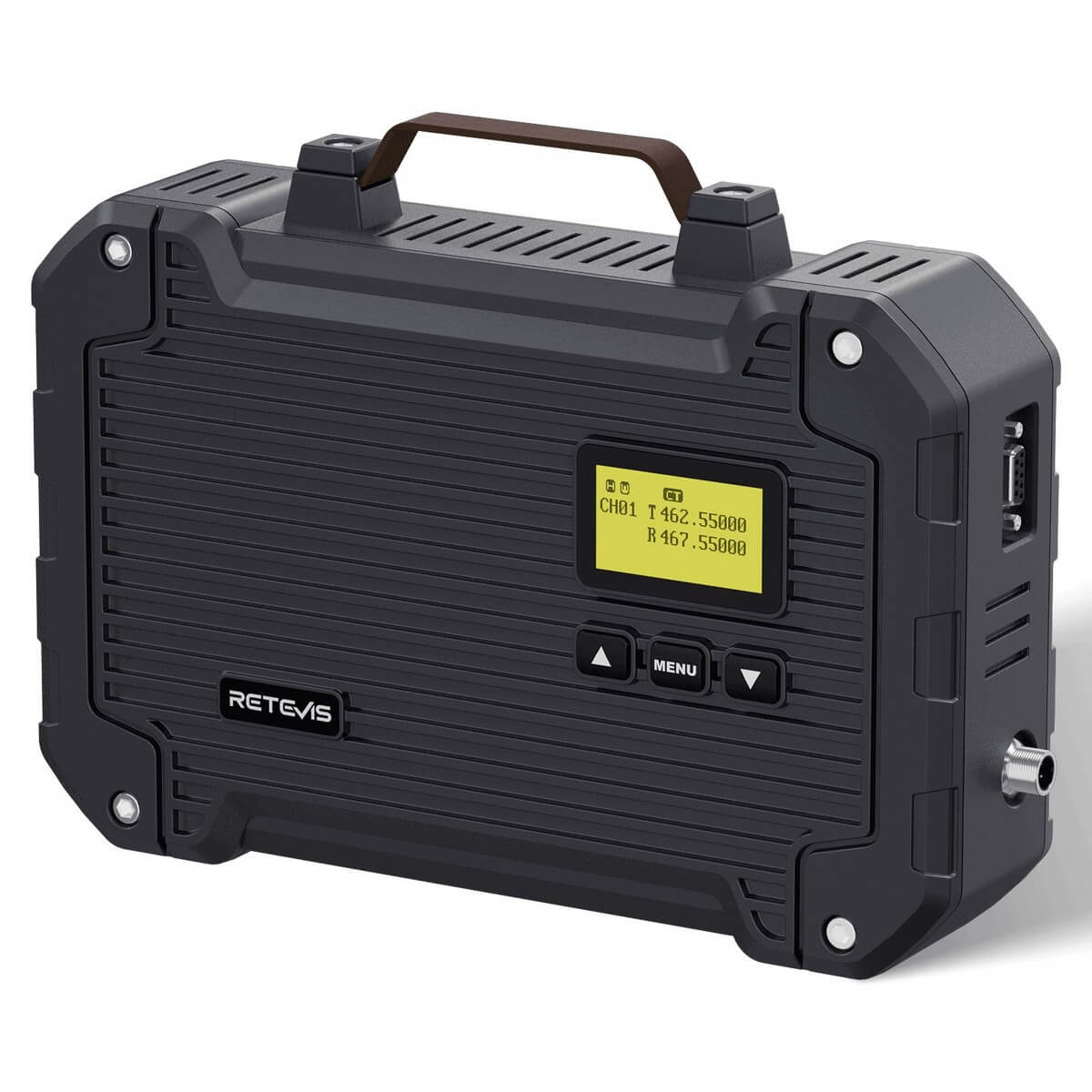
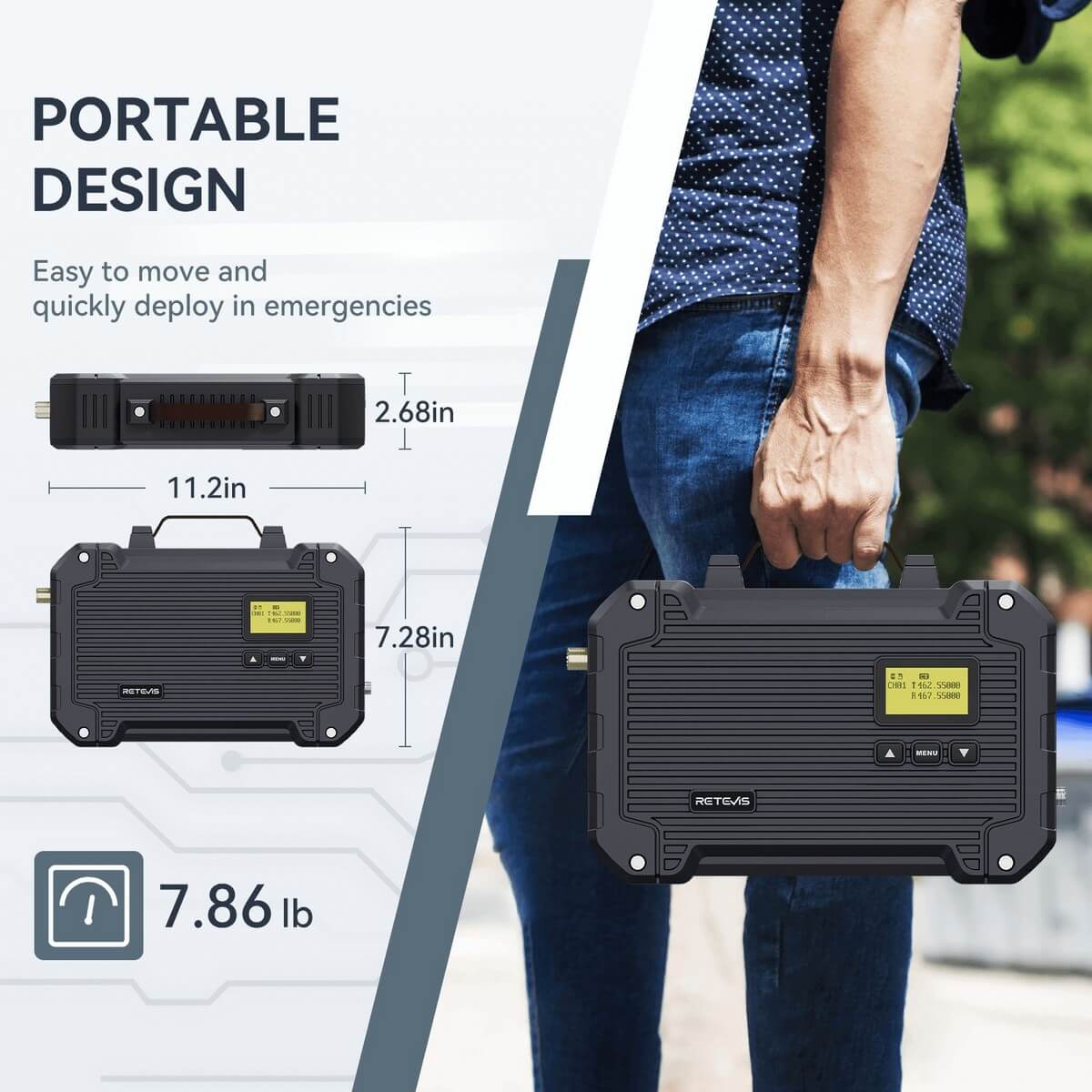
One of the most reliable solutions in this category is the Retevis RT97L, a rugged 25W GMRS repeater engineered for demanding outdoor and industrial environments with RT29 UHF handheld two way radio.
Why Remote Areas Face Communication Failures
Remote communication systems typically fail due to three primary factors:
1. Lack of Cellular Infrastructure
Many rural and wilderness regions are not covered by mobile networks, leaving teams without backup communication options.
2. Terrain Obstruction
Mountains, dense forests, and elevation changes block line-of-sight radio transmission, significantly reducing range.
3. Limited Power Output of Handheld Radios
Most GMRS handheld devices operate at 5–10W, which typically restricts usable range to just a few miles in real-world conditions.
A repeater system directly addresses these limitations by acting as a high-power relay station.
Real-World Communication in Remote Areas
Search and Rescue Operations
Reliable coordination between field teams and command centers in remote or disaster-affected areas.
Off-Grid Living and Rural Communities
Supports daily communication in areas without cellular infrastructure.
Agriculture and Forestry
Enables communication across large properties where distance and terrain limit radio effectiveness.
Mining, Energy, and Construction Sites
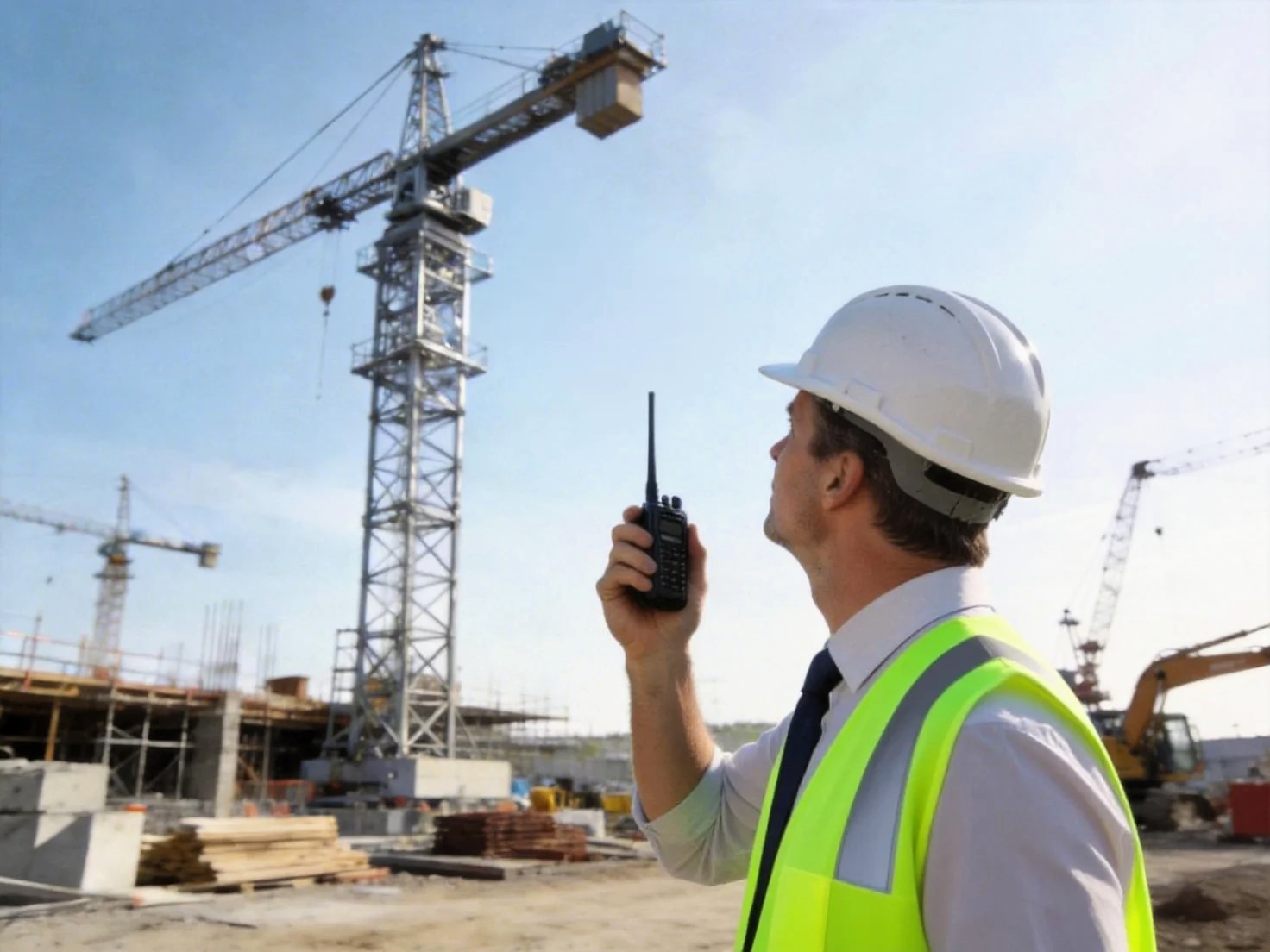
Improves safety and operational coordination in isolated industrial environments.
How a GMRS Repeater Radio Kit Works in Remote Areas
A GMRS repeater radio solution receives a transmitted radio signal on one frequency and simultaneously retransmits it on another frequency at a higher power level.
This process effectively:
- Expands communication range beyond line-of-sight limitations
- Improves signal clarity in obstructed terrain
- Enables stable multi-user communication across large areas
With proper placement—typically on elevated terrain or structures—a repeater can transform fragmented communication zones into a unified network.
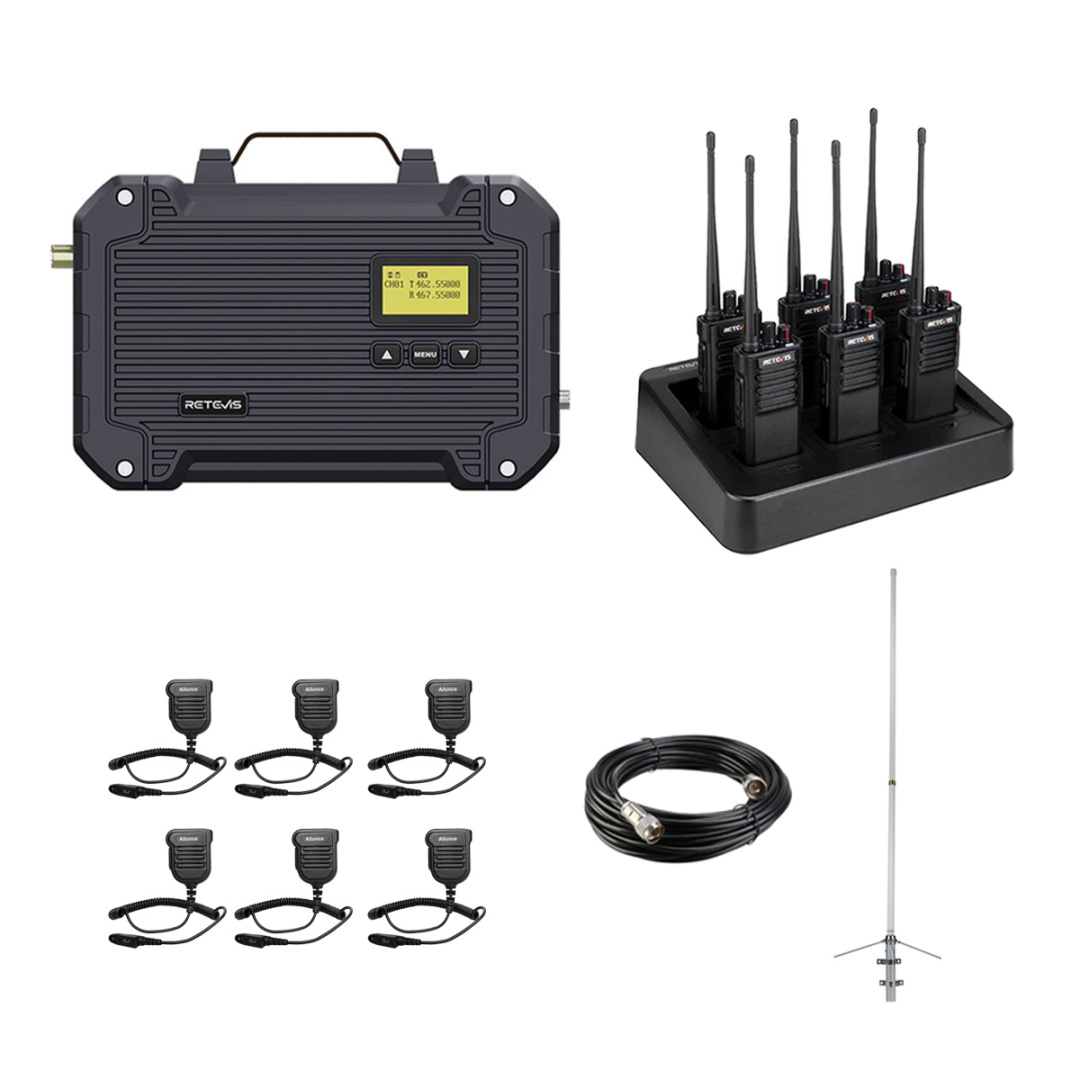
Key Benefits of Using GMRS Repeater Radio Kits in Remote Areas
1. Extended Communication Range (20+ Miles in Ideal Conditions)
A 25W gmrs radio repeater significantly increases coverage compared to handheld radios. This is especially valuable for:
- Search and rescue teams
- Off-grid communities
- Outdoor expedition groups
2. Reliable Signal Across Difficult Terrain
Placing a repeater at a high elevation allows signals to bypass natural obstacles such as hills, forests, and valleys, reducing dead zones.
3. Emergency Communication Backup
When cellular networks fail due to disasters or infrastructure gaps, a repeater system ensures communication continuity.
4. Multi-User Connectivity
A single repeater can support multiple simultaneous users, making it suitable for:
- Large work crews
- Event coordination teams
- Agricultural and industrial operations
Why the Retevis RT97L Radio Repeater Kit Is Built for Remote Environments
25W High-Power Output
The RT97L delivers significantly higher transmission power than standard handheld GMRS radios, enabling stronger and more stable coverage across wide areas.
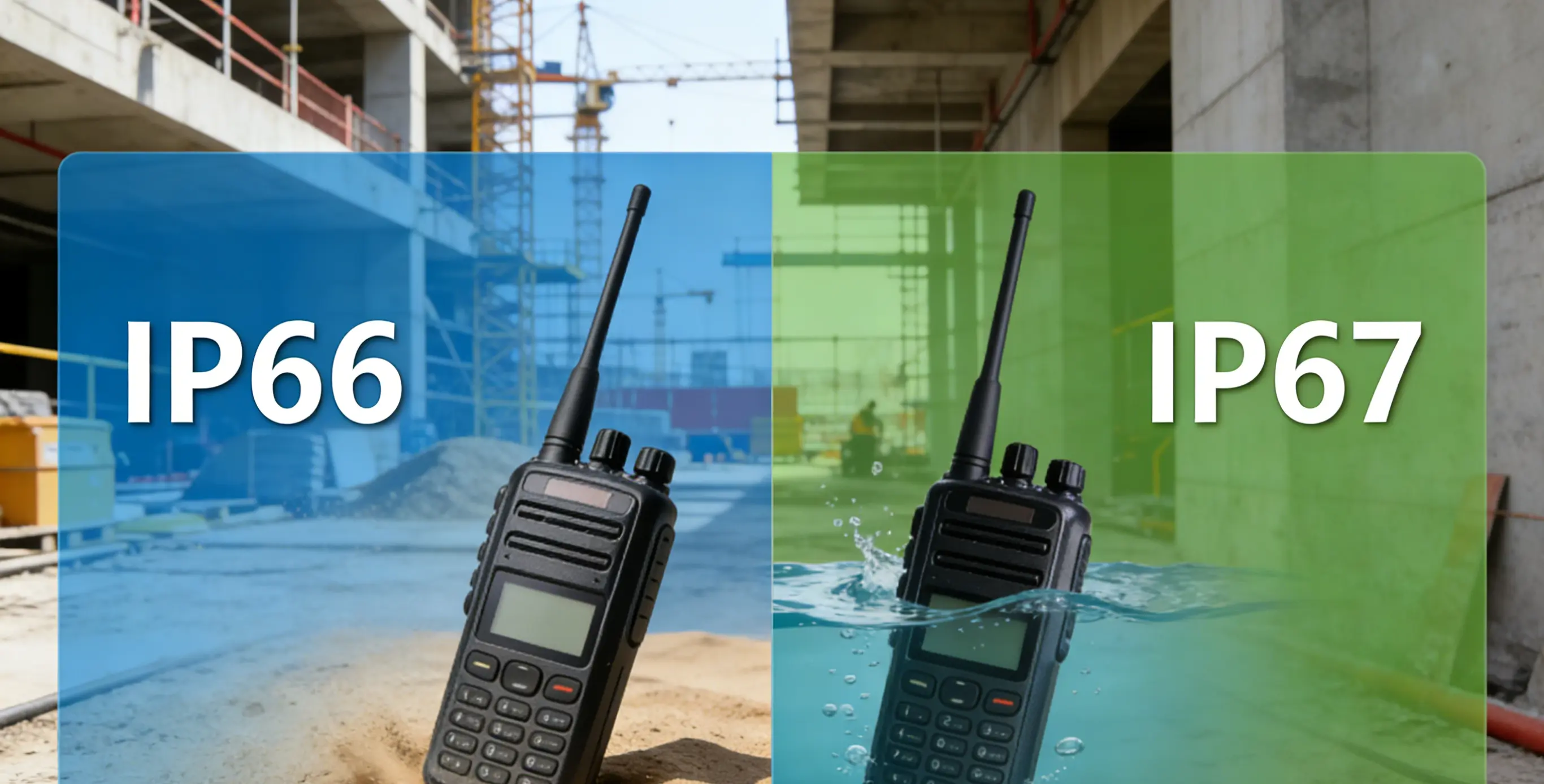
IP66 Waterproof and Dustproof Protection
Designed for outdoor deployment, the unit withstands:
- Heavy rain
- Dust exposure
- Temperature variations
This makes it suitable for permanent installation in harsh environments.
Simple Deployment and Operation
The system is designed for practical use:
- Plug-and-play installation
- Compatible with most GMRS radio / FRS radios
- Minimal configuration required
Legal GMRS Operation
The RT97L operates within FCC-certified GMRS regulations. A GMRS license is required in the United States, which typically covers an entire household.
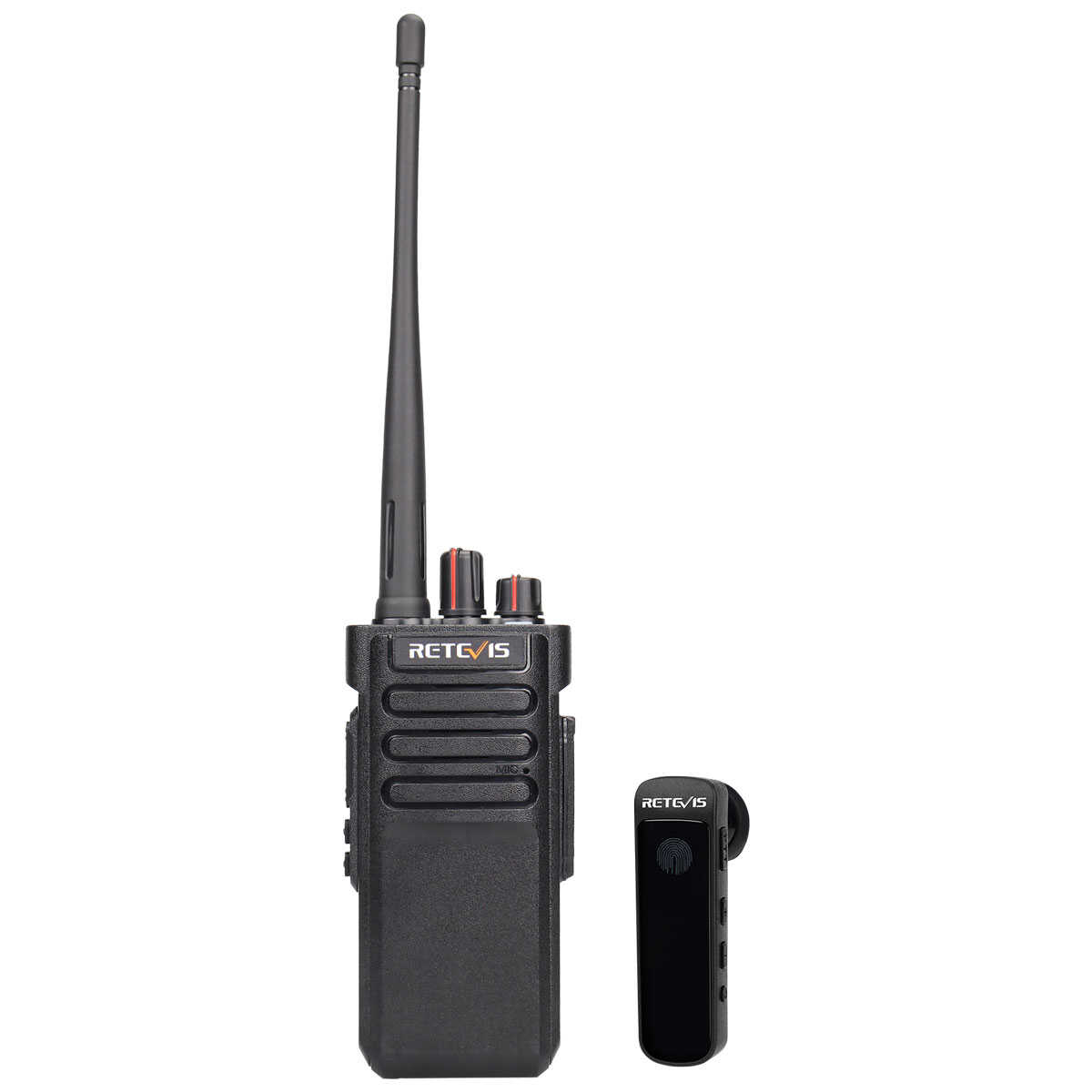
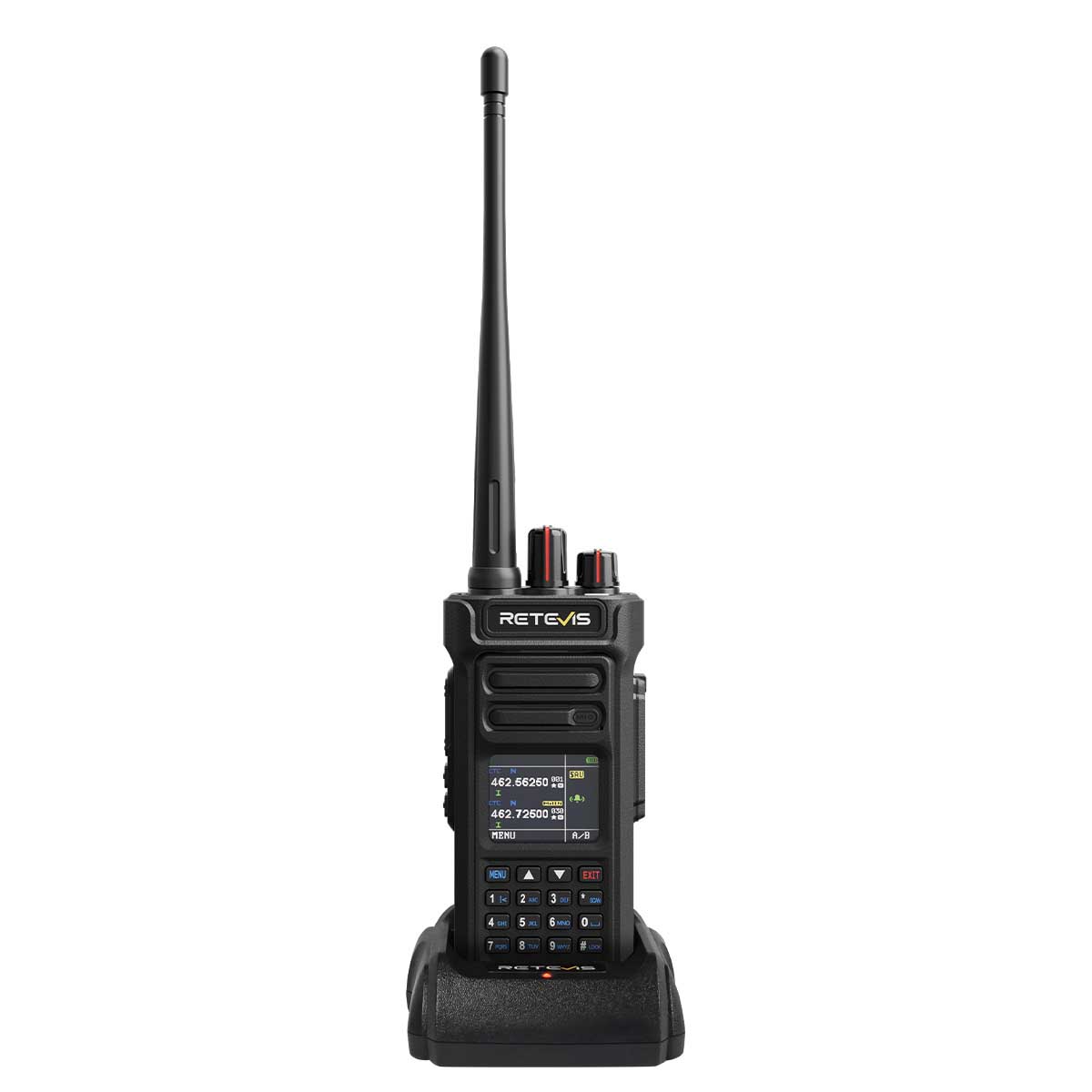
Safety Design RT29 handheld Radio
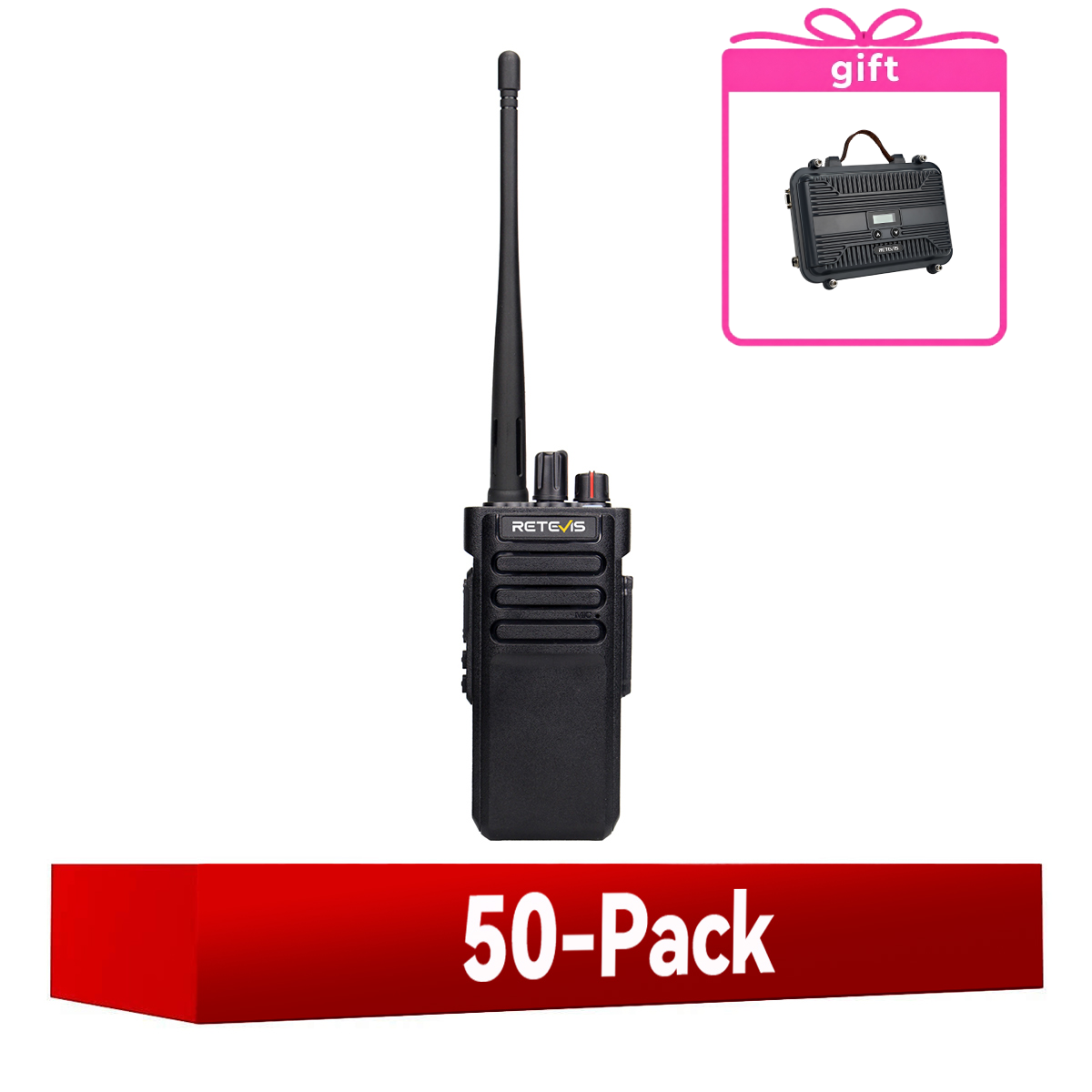
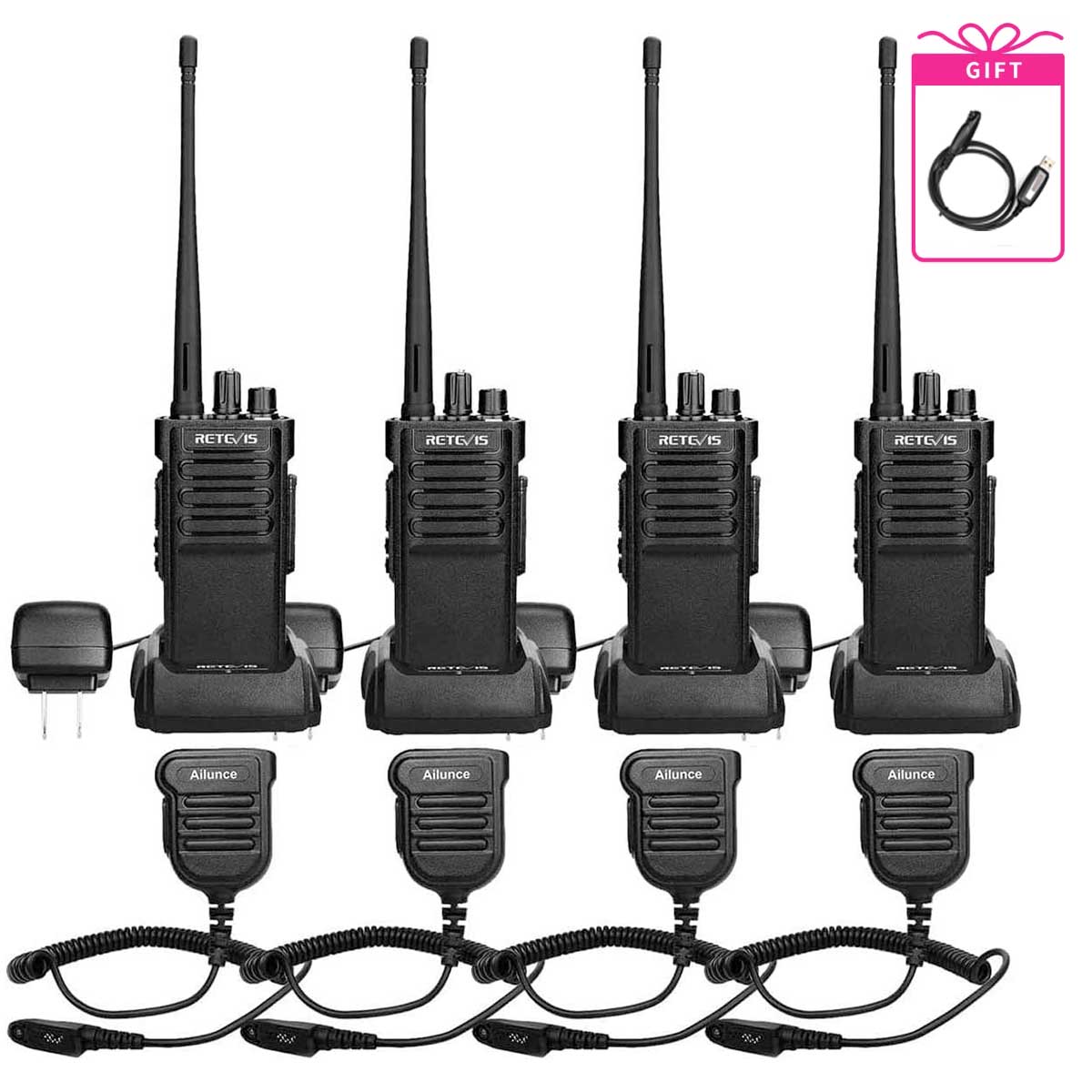
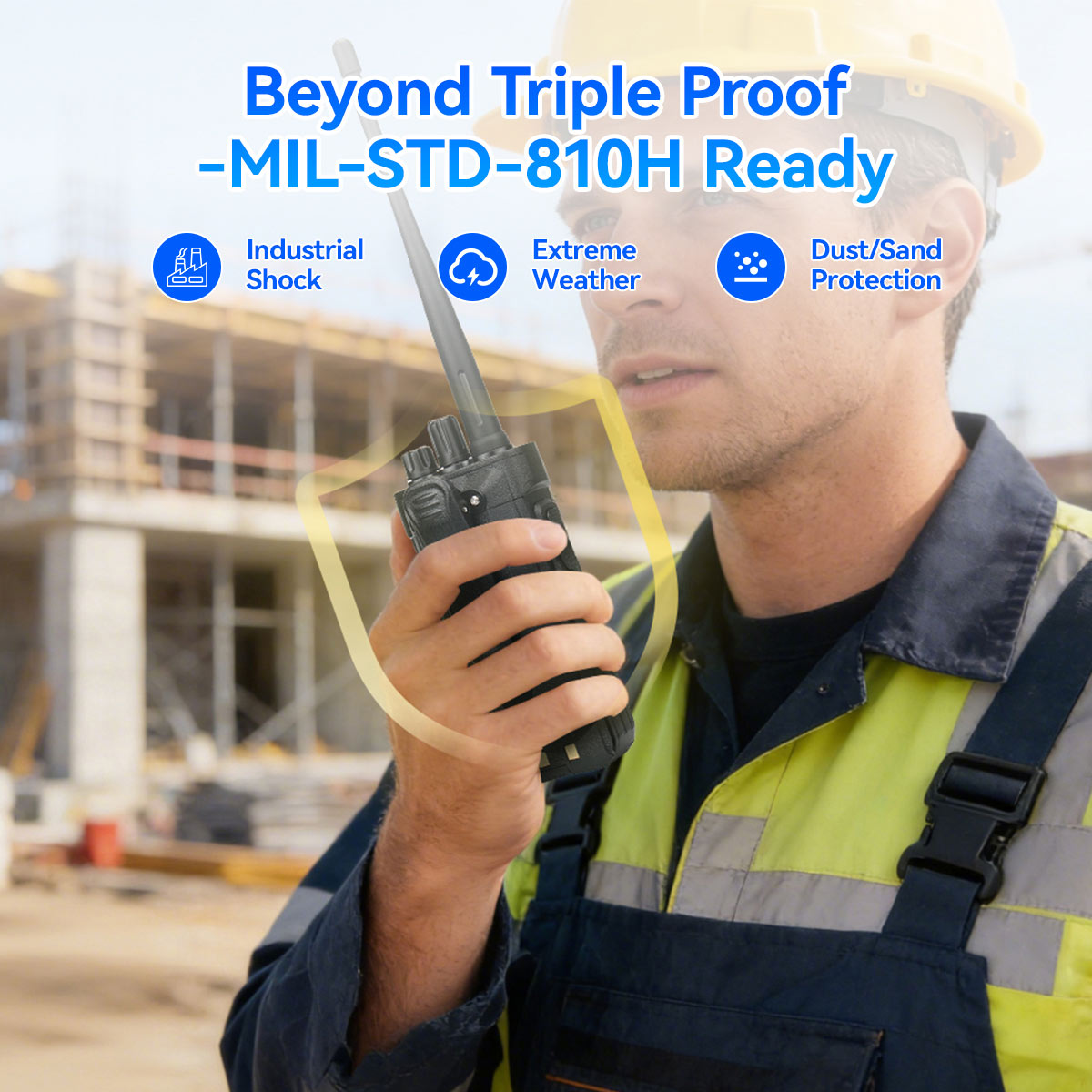
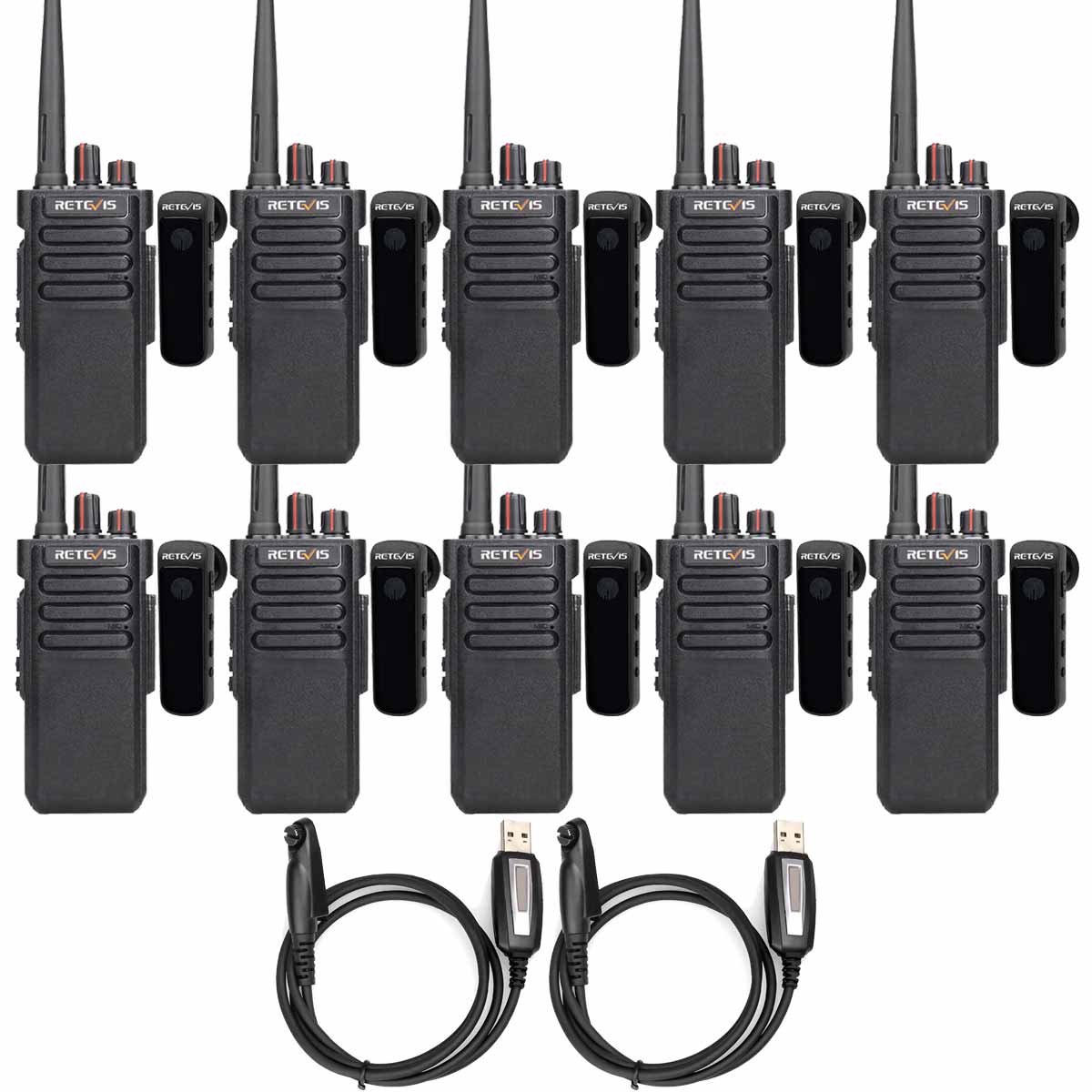
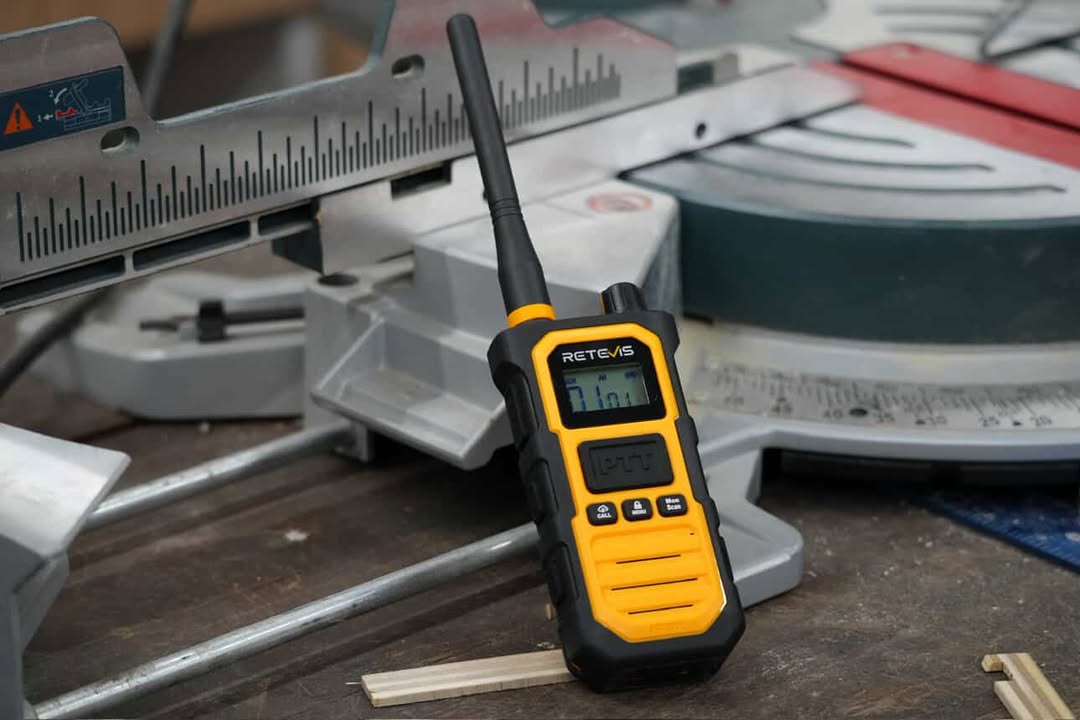
The Retevis RT29 two-way radio are specifically designed with a local emergency alert feature. That alerts team members at critical moments and prepares them for any danger in remote areas, such construction jobsites or manufacturing. This makes the RT29 ideal for remote area communication device bundle.
Final Thoughts
In environments where infrastructure is limited or nonexistent, communication reliability becomes a core operational requirement rather than a convenience.
A GMRS repeater kit provides a practical and scalable solution for extending radio coverage far beyond handheld limitations. The Retevis RT97L, with its 25W output, rugged waterproof design, and ease of deployment, is engineered specifically for these conditions.
For teams operating in remote, industrial, or off-grid environments, a properly deployed repeater system is one of the most effective ways to maintain continuous and reliable communication.
Leave a Reply





 Google
 Amazon
Comments
No data Yet