

Table of Contents
How NOAA Two-Way Radios Help During Hurricane Emergencies
- Posted by:Retevis
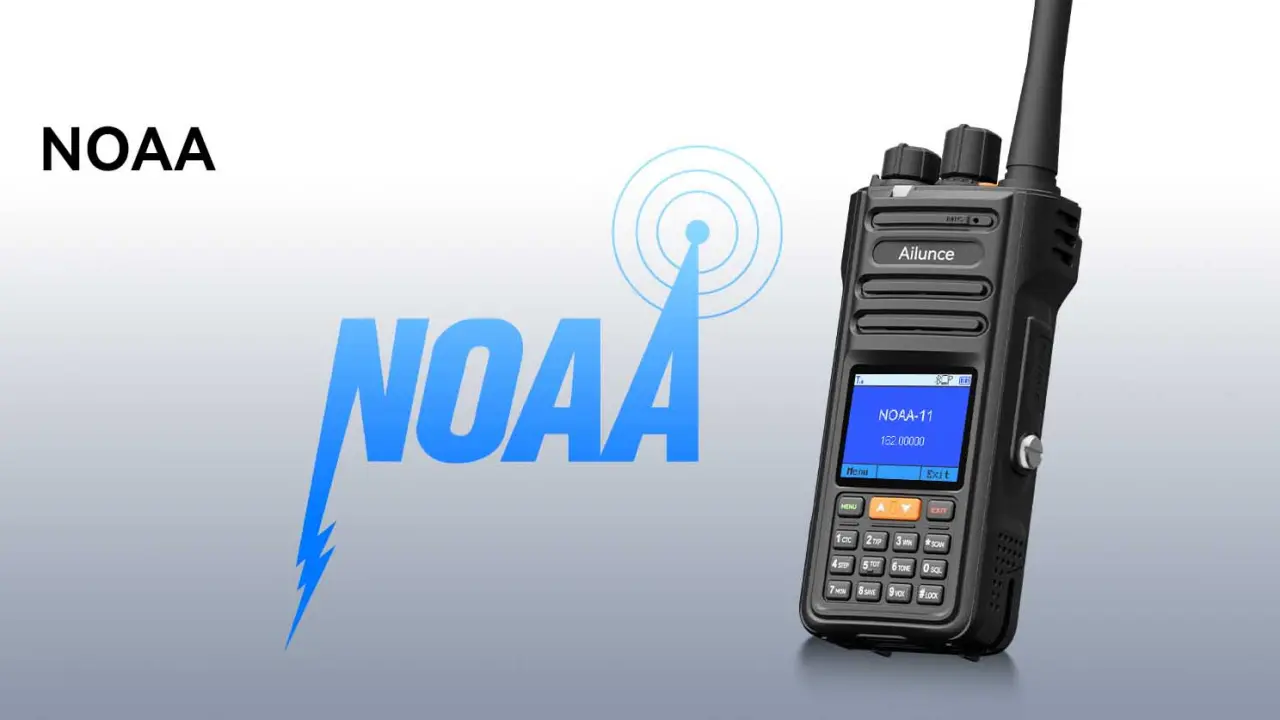
Every hurricane season brings huge risks to public communication systems along North America’s coasts. Strong hurricanes easily take down cell towers, cut off internet access, and cause long-term power outages. In that moment, information matters just as much as food, water, and shelter. That is why many amateur radio operators build their storm plans around NOAA weather alerts and reliable two-way radio use. For many stations, a NOAA two way radio for hurricane emergency is one of the most practical tools for staying informed and staying in contact when other systems fail.
How NOAA Works for Emergency Scenarios
Solid understanding of the NOAA Weather Radio (NWR) system forms the foundation of professional radio operation during hurricanes. This basic knowledge creates clear boundaries between casual radio users and professional HAM emergency responders.
What Is the NOAA
The NOAA NWR system relies on dedicated VHF frequencies ranging from 162.400 to 162.550 MHz for daily operation. The system delivers nationwide official weather updates around the clock. Independent government infrastructure supports the full operation of the NWR system. The system operates free from cell service, internet and household power supplies. National Weather Service storm data remains accessible via NOAA channels even when all civilian communication devices fail in severe hurricanes.
Core Advantage: SAME Regional Alert Filtering Technology
SAME (Specific Area Message Encoding) technology delivers core practical value for HAM emergency response work. The technology blocks irrelevant weather alerts from non-local regions. The device only activates warning reminders for hurricanes and severe weather within users’ local counties and service areas. Accurate alert filtering eliminates invalid information interference and keeps HAM operators focused on local disaster response and community safety support.
What NOAA Does Before, During, and After a Storm
NOAA weather alerts play a key role in hurricane planning. They help people track storm movement, wind strength, flood risk, and local warnings. For HAM operators, that early warning can make a big difference.
Before the storm
NOAA alerts can show when a storm is forming, where it may move, and how serious it may become. This gives operators time to charge batteries, test radios, secure equipment, and talk to family members.
- Monitor NOAA alerts
- Check batteries
- Test radio channels
- Charge backup gear
- Share contact plans
During the storm
NOAA broadcasts keep sending weather updates even when mobile alerts get delayed or phones stop working. That matters when conditions change fast and people need current information.
- Follow weather updates
- Keep communication short and clear
- Use the radio for local status checks
- Avoid unnecessary movement
After the storm
NOAA can still help with flood warnings, road hazards, and continued weather risk. Storm danger does not always end when the wind slows down.
- Check for new alerts
- Confirm safety with family or neighbors
- Use radio communication if networks are still down
- Stay alert for flood, road, or power hazards
This is why many operators keep listening to NOAA before, during, and after the storm. It gives them a clear picture of what is happening, even when other sources are weak or unavailable.
Why HAM Operators Need NOAA-Enabled Two-Way Radios for Hurricane
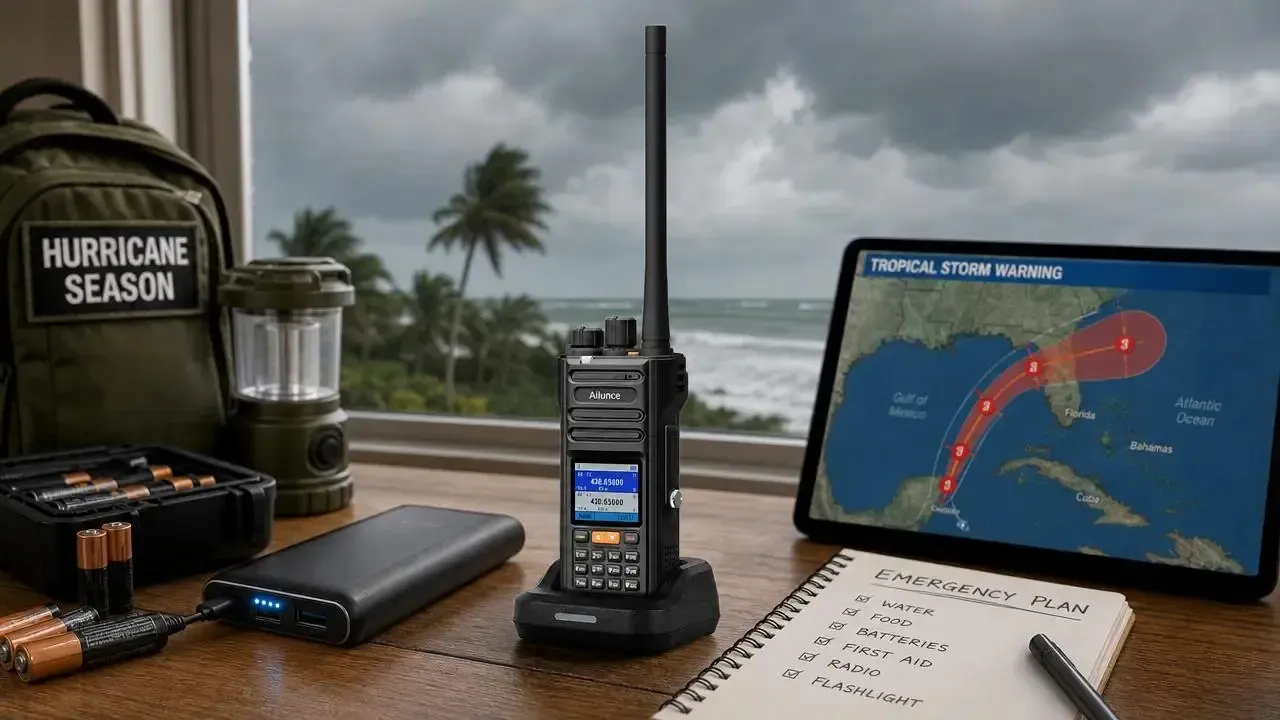
Emergencies
A NOAA-enabled ham two-way radio combines NOAA weather alerts with two-way communication, helping operators prepare earlier and respond faster when storms develop.
Early Weather Awareness
NOAA alerts give operators valuable time before severe weather arrives. Early warnings allow them to charge batteries, check antennas, secure equipment, and prepare communication plans before conditions become dangerous.
Official NOAA weather information also helps operators make better decisions based on reliable alerts instead of unverified updates.
Reliable Communication During Outages
Hurricanes can cause power failures, internet disruption, and overloaded cellular networks. A NOAA-enabled two-way radio provides an additional communication option without depending on public networks.
With rechargeable batteries, portable designs, and durable construction, these radios help operators stay connected when traditional communication methods become unavailable.
Weather Monitoring and Communication in One Device
A NOAA-enabled two-way radio supports both storm monitoring and emergency communication. Before a hurricane arrives, operators can monitor weather alerts through NOAA channels. During emergencies, they can switch to two-way communication to coordinate teams, share updates, and support local response efforts.
This combination reduces the need for multiple devices and improves overall emergency preparedness.
Supporting Community Emergency Response
HAM operators often provide communication support during disasters. NOAA alerts help them decide when to activate emergency plans, check local repeaters, and join emergency nets.
By combining early warnings with reliable communication, NOAA-enabled two-way radios help operators stay prepared and provide support when their communities need it most.
How to Prepare Your NOAA Two-Way Radio Before Hurricane Season
Before hurricane season starts, check your NOAA two-way radio and make sure it is ready to use.
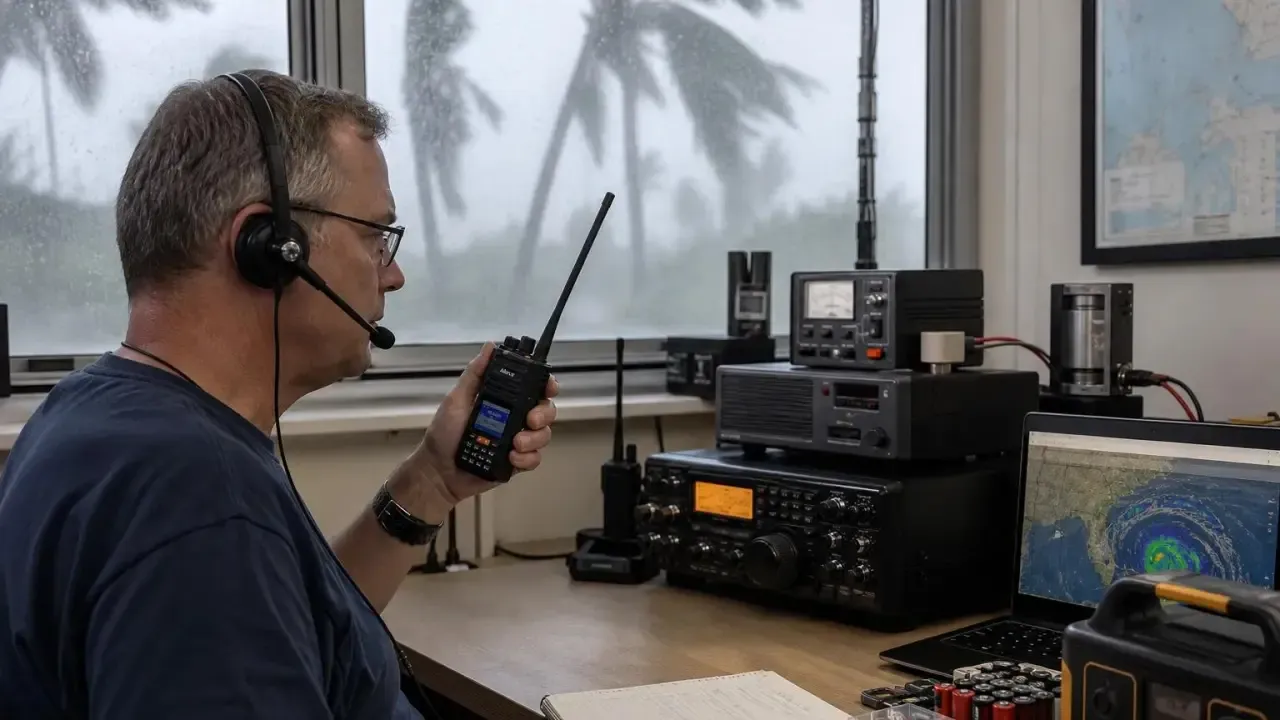
First, charge the batteries fully. If your radio uses replaceable batteries, keep extra ones on hand. This helps you stay powered when the electricity goes out.
Next, test the NOAA channels. Make sure your radio can receive local weather alerts clearly. If the signal is weak, move the radio to another spot or check the antenna.
Also, check the antenna before the storm season begins. A loose or damaged antenna can affect reception. Good signal strength is important when you need fast weather updates.
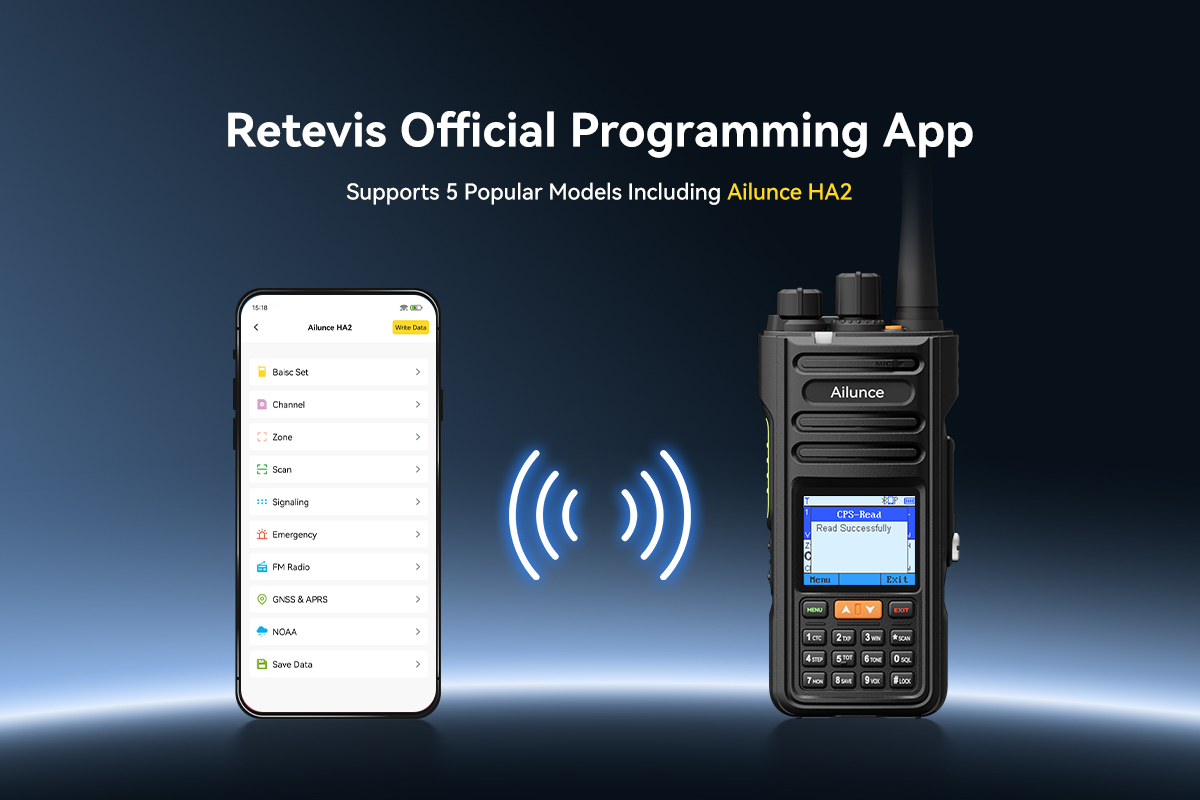
If your radio lets you program channels, set up the NOAA weather channels in advance. This saves time in an emergency and makes the radio easier to use.
Finally, prepare backup power. A power bank, spare batteries, or a solar charger can help keep your NOAA two-way radio working during a long outage.
A little preparation now can help you stay informed during a hurricane emergency.
Final Takeaway: Prepare Early, Stay Informed, Stay Connected
Hurricane season can break normal communication fast. That is why HAM operators need to prepare early and use more than one tool. NOAA alerts give early warning. Two-way radios keep communication open. Together, they help operators stay informed, stay ready, and stay connected.
A NOAA two way radio for hurricane emergency is not just a nice extra. It is an important part of a strong storm plan. The earlier you prepare, the easier it is to protect your gear, your contacts, and your safety when the storm arrives.



 Google
 Amazon
Comments
No data Yet