
Table of Contents
Stay Connected During Hurricanes Season: Essential Ham Radio Emergency Communication
- Posted by:Retevis
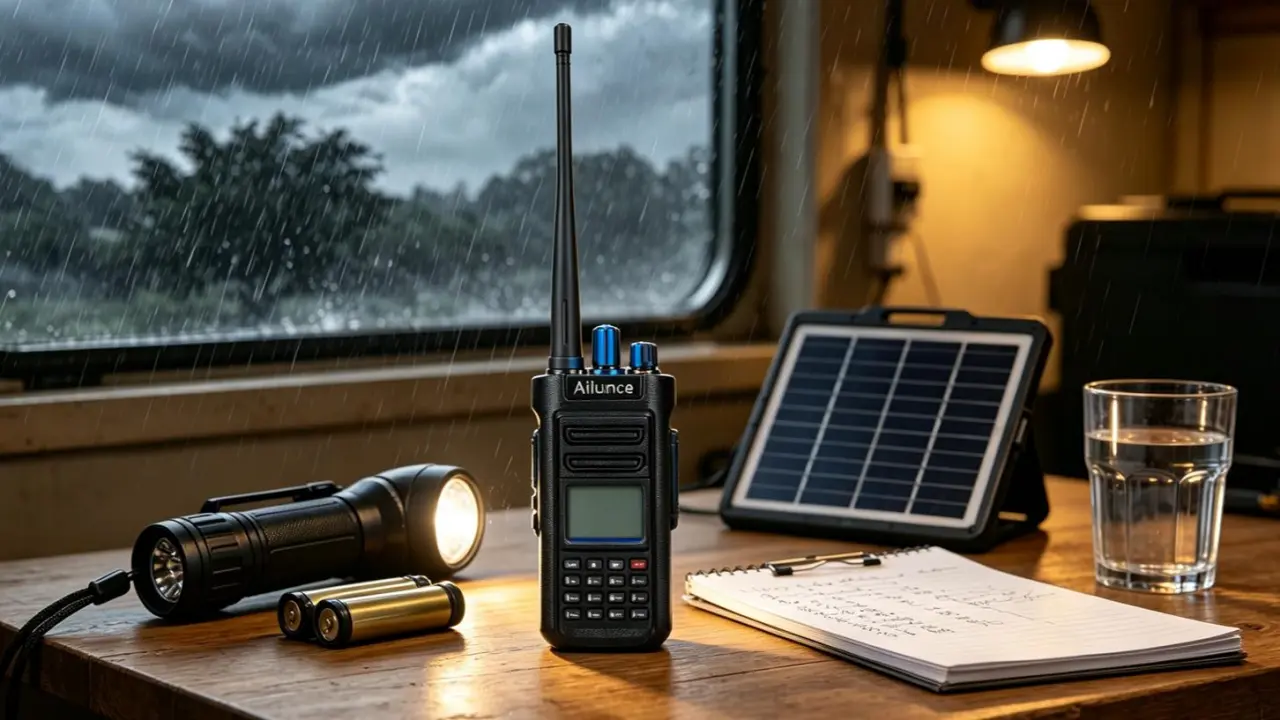
Hurricanes can easily destroy public communication systems. Phones and home internet stop working. People lose touch with family and cannot call rescuers.
Ham radios, also called amateur radios, run on fixed radio frequencies. They connect people directly over long distances without public telecom systems. They are cheap and reliable for emergencies in areas hit often by hurricanes.
If you prepare your ham radio and practice simple use ahead of time, you can send emergency messages and talk to local volunteer rescue radio teams even when power and internet stay down for days.
Why Pick Ham Radios for Hurricane Emergency Communication
Works without cell towers and city power
Cell phones need signal towers and city electricity. Strong winds and flood water knock down towers and cut power. Whole areas lose all phone service quickly.
Two ham radios on the same frequency can talk directly to each other. No cell towers are needed.
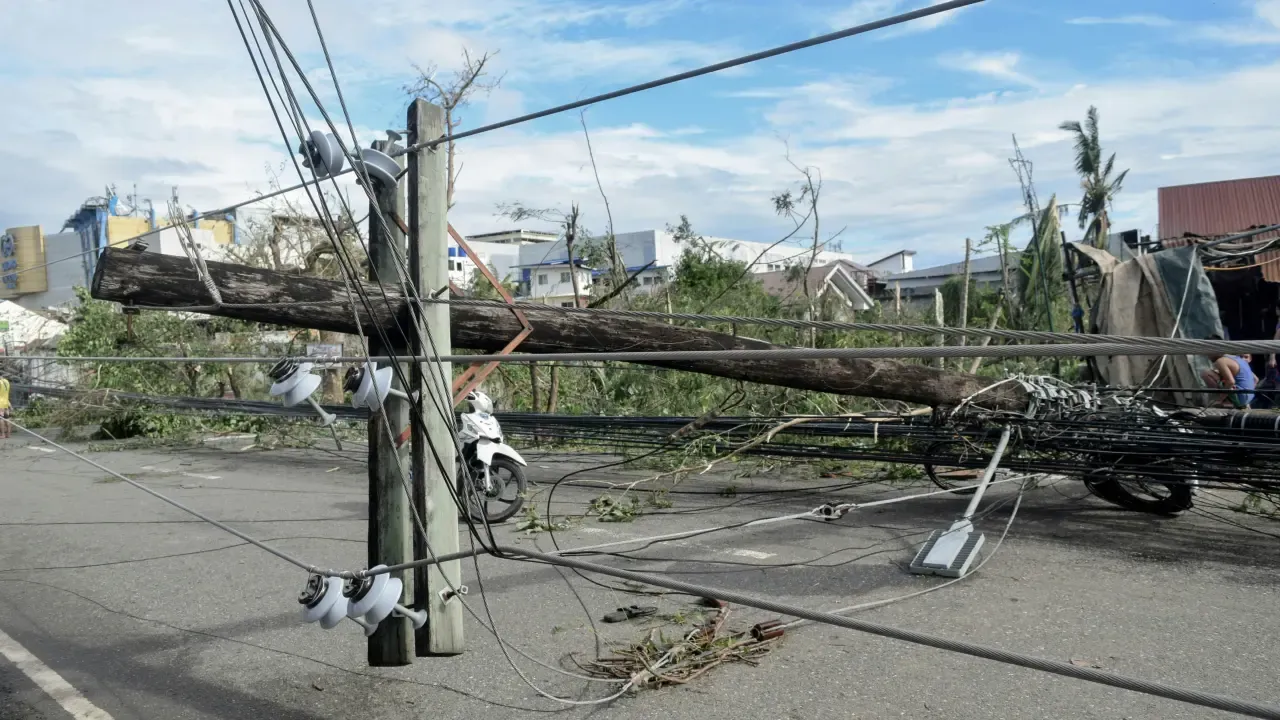
You can power ham radios with rechargeable batteries, solar panels or hand-crank chargers. They work for several days in heavy rain with no city power. This is why rescue workers always use ham radios at disaster sites.
Covers different distances for different emergency needs
Basic handheld ham radios can reach several kilometers in open spaces. If you set up a simple outdoor antenna, signals bounce off the upper atmosphere. The radio can connect towns far apart.
Local rescue teams and amateur radio groups set fixed standby channels after storms. You only need to tune your ham radio to these channels. You can tell rescuers where you are stuck or ask for food, water and other needed supplies.
Looser rules for true life-saving emergencies
You need an official amateur radio license to use ham radios normally.
When a serious hurricane hits, local radio officials usually relax the rules for a short time. People without licenses may use ham radios only to send urgent survival calls when they face immediate danger. This makes ham radios very useful for sudden emergencies.
Choose Ham Radios and Must-Have Parts for Hurricanes
Two common types of ham radios
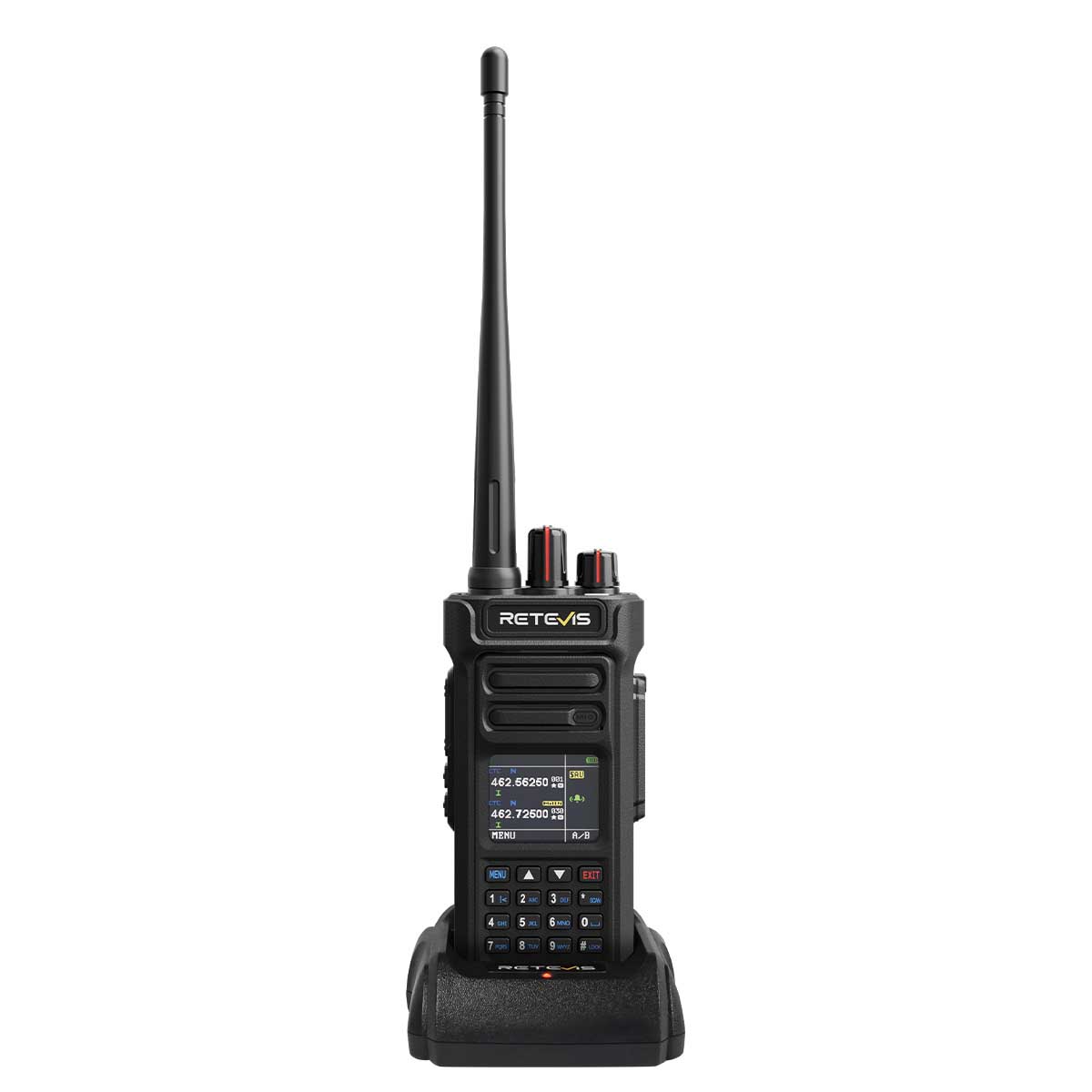
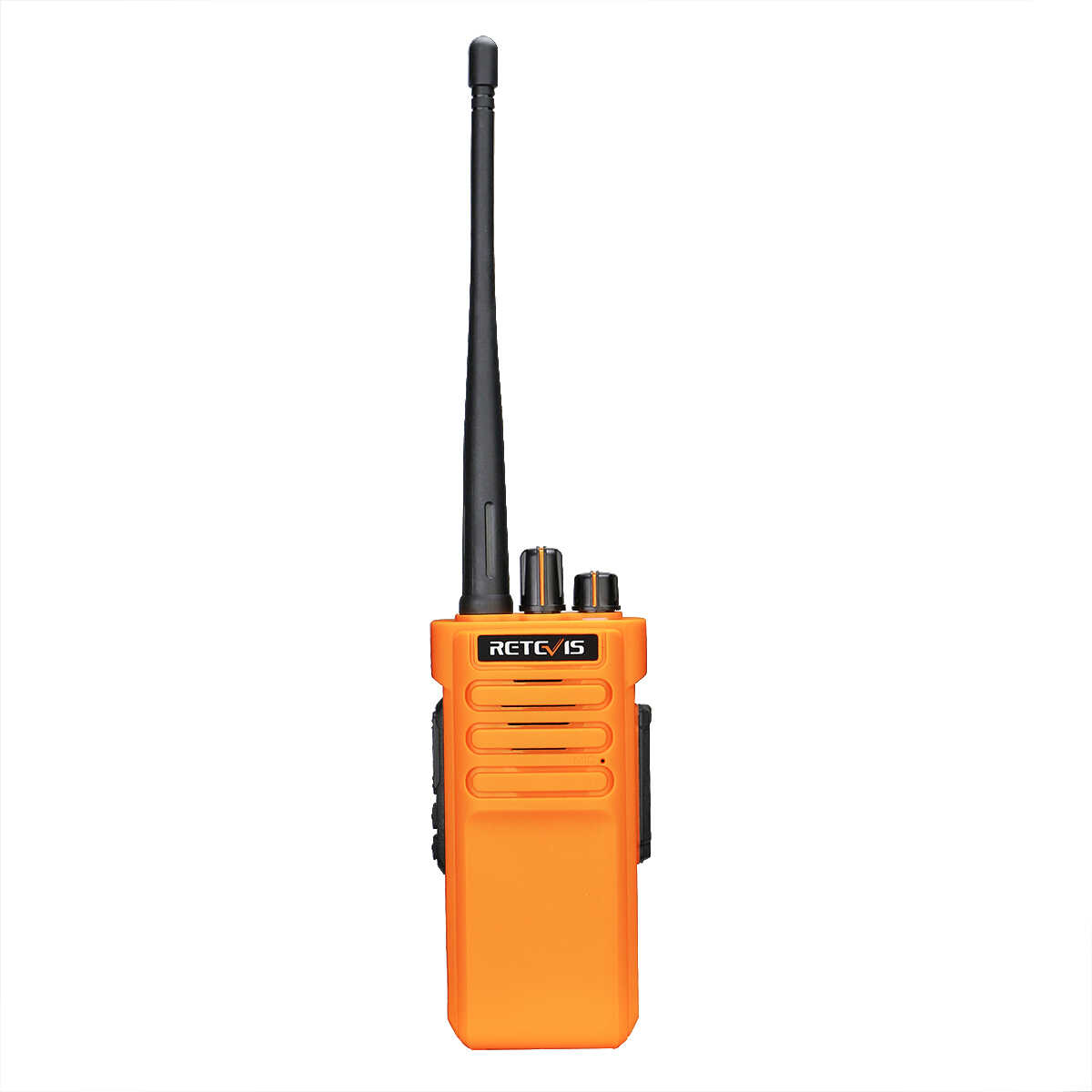
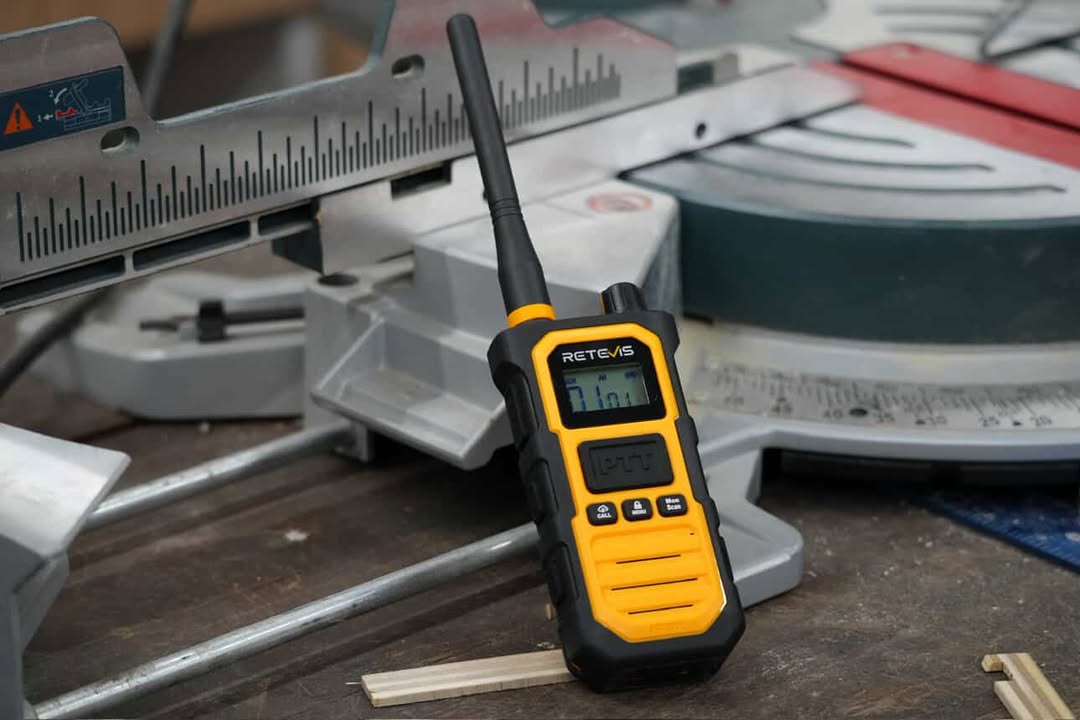
Handheld portable ham radios:
Small size, normal battery life. Great for home emergency storage, short talks with nearby neighbors and carrying around during storms.
Car-mounted ham radios:
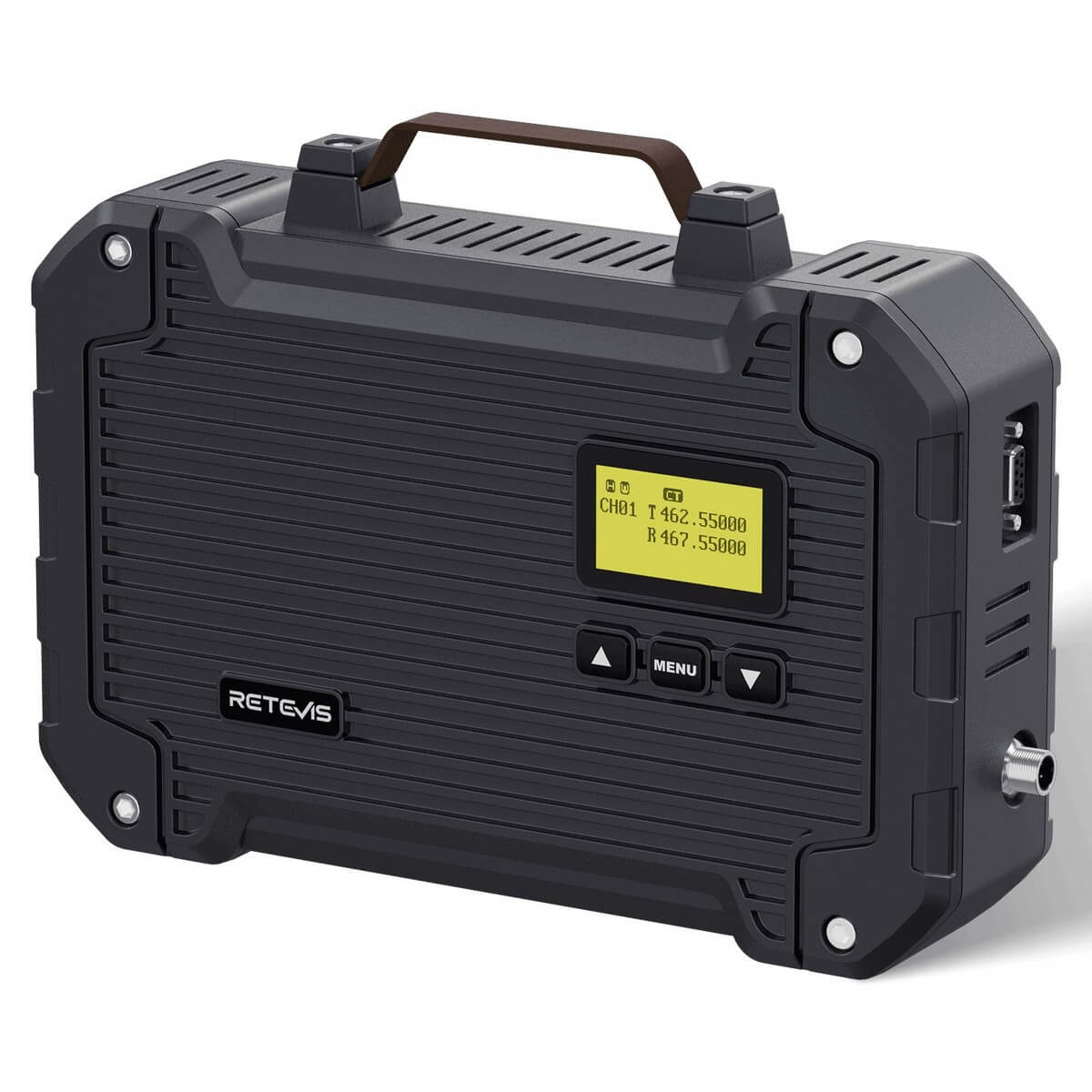
Stronger signal power. Work with car batteries and high-performance antennas for longer communication. Best for community emergency teams and rescue vehicles on duty.
Ordinary walkie-talkies have limited frequency ranges. They cannot join large amateur radio rescue networks. You must use standard legal ham radios to connect with official rescue channels.
Useful accessories for harsh hurricane weather
Waterproof protective case:
Stop rainwater from breaking the radio.
Multiple power options:
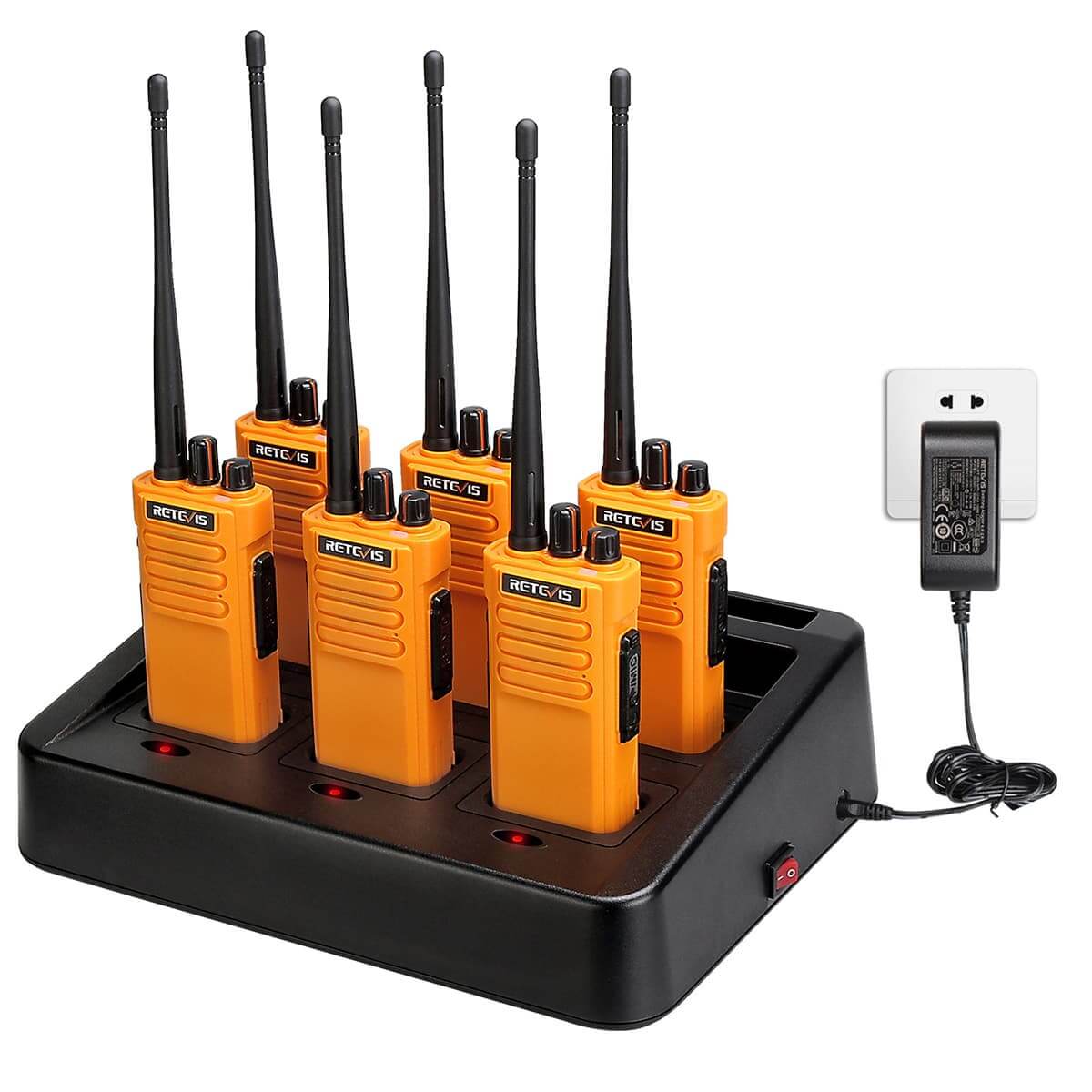
Large batteries, solar chargers and hand-crank chargers to solve power shortages during long blackouts.
Extra portable antenna:
Get better signal inside houses, basements and low buildings.
Printed frequency notebook:
Write down local emergency radio channels. You can tune the radio by hand when all screens and electronics die.
Things to Do Before a Hurricane Arrives
Get your license and register your radio
You need a legal amateur radio license for daily non-emergency use. You also need to register your radio officially. This stops you from accidentally taking over rescue radio channels illegally.
Finish the license process before hurricane season. Join local amateur radio groups. Take part in monthly practice calls. Learn simple steps: change frequencies, start a call and reply to other radio users.
Save local emergency radio channels in advance
Local rescue teams set special standby frequencies for ham radios. Save these channels as one-touch shortcuts on your radio.
When officials issue a hurricane warning, keep your radio on these channels. Listen for safety updates, rescue plans and supply news.
Do not chat casually on emergency channels. Leave space open for people who need urgent help.
Test batteries and waterproof performance regularly
Charge and drain your ham radio batteries once every month to check if batteries wear out.
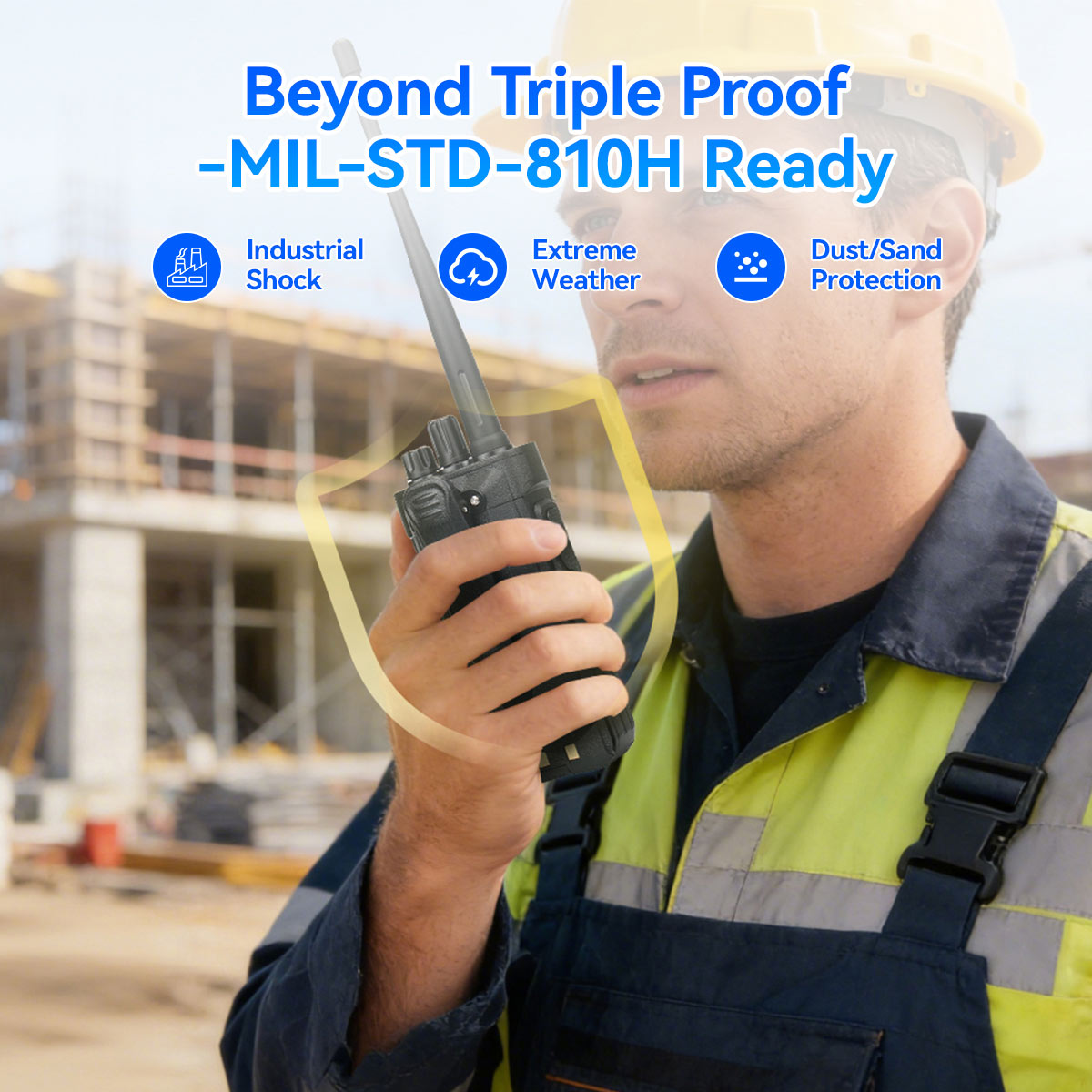
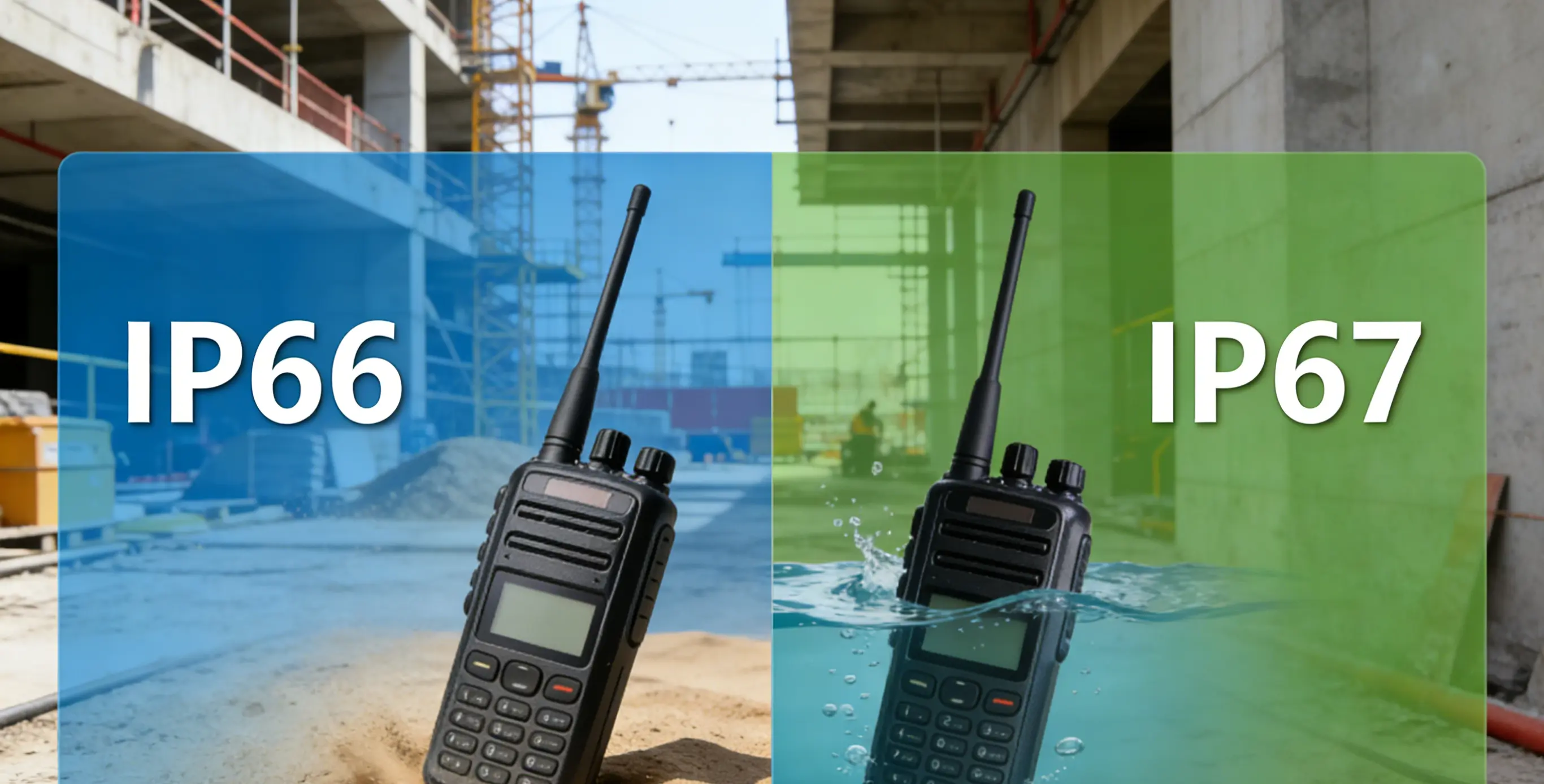
Test the radio in rainy conditions to check if antennas and ports stay sealed tight. Make sure your radio will not break suddenly during hurricane rain.
Simple Rules to Use Ham Radios During a Hurricane
Send short, clear emergency calls
Keep your message short when asking for help. Share these details in order: your working channel, exact address, number of trapped people, type of danger and what supplies you need.
Example:
CQ CQ, this is XX residential area. Three people are trapped by floodwater inside the building. We need drinking water and life-saving tools. Please reply if any rescue radio hears this call.
Do not keep talking nonstop. Send your key information, then stay quiet and listen for replies. This avoids crowding the radio channel.
Build a small neighborhood radio network
Neighbors can agree on one spare radio frequency ahead of time. After the hurricane hits, everyone uses ham radios to tell others they are safe or report house damage.
People can share food, water and help each other. These small local radio groups organize self-rescue quickly and ease pressure on official rescuers in the early stage of disasters.
Avoid signal interference to get stable connection
Hurricane weather creates lots of signal noise. Do not use your ham radio next to big electric machines, power wires or thick metal walls.
Stand near windows or go up to rooftops for better signals. You will have a much higher chance to connect with other radios.
Common Mistakes You Should Avoid
Do not use high-power signal for a long time. It drains batteries fast. Stay in listening mode unless you need to send an emergency message.
Never change your ham radio’s frequency settings randomly. Taking over rescue channels will mess up rescue communication work.
Do not depend on only one radio. Families should prepare one handheld ham walkie talkie radio plus extra charging tools for double safety.
Conclusion
Public communication systems almost always fail during big hurricanes. Ham radios work alone, charge in many ways and send signals far away. They are a low-cost reliable choice for home disaster preparation.
You do not need expensive professional ham radios. A standard legal handheld radio plus basic accessories works well. Focus on three key tasks: get your license, save emergency frequencies and do regular equipment checks. These steps create a stable way to call for help and contact others during severe hurricanes.
Good disaster preparation means planning early. Learn simple ham radio operations now. You will not lose all contact and panic when hurricanes cut off normal communication.
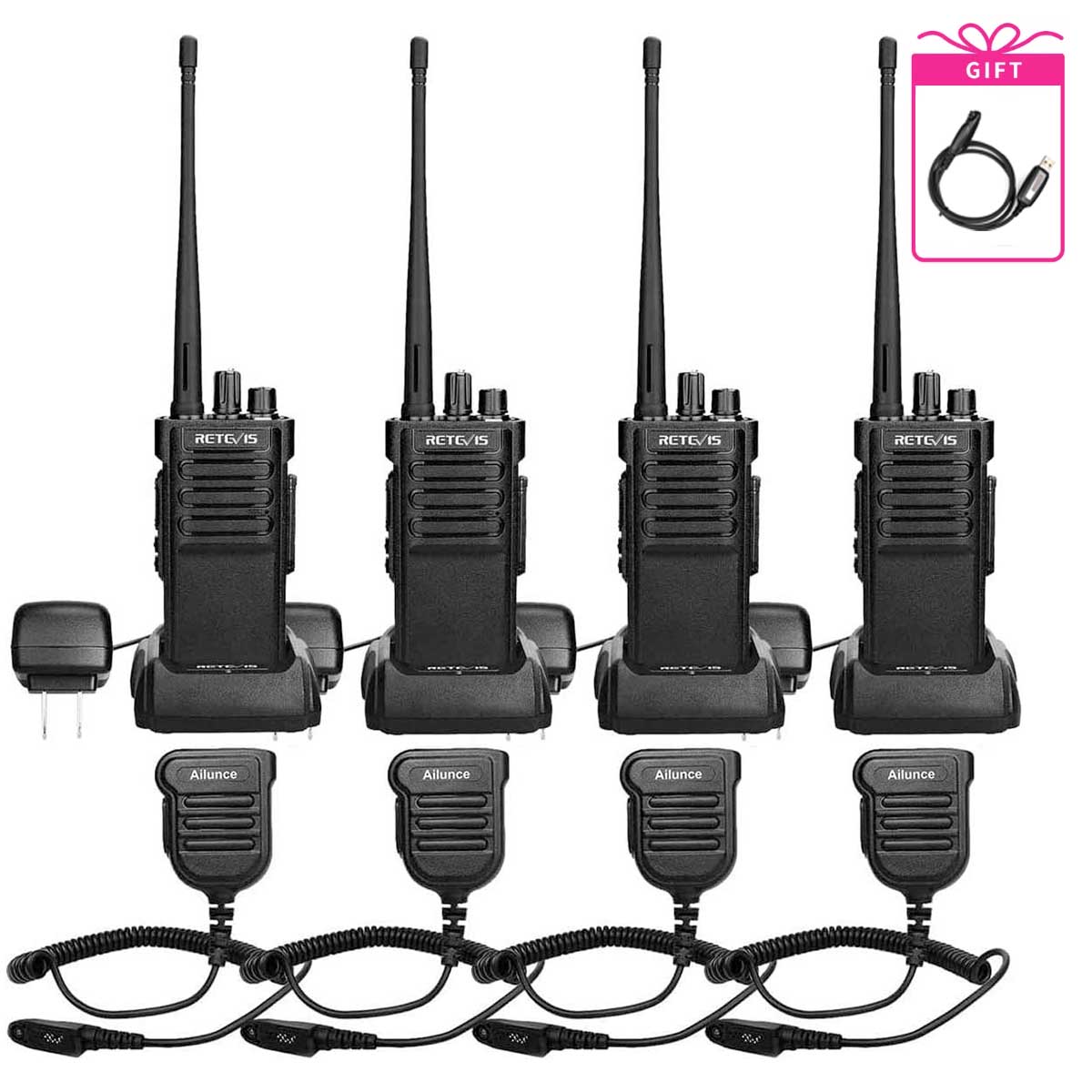



 Google
 Amazon
Comments
No data Yet