

Table of Contents
How to Choose Two-Way Radios for Safety-First Workflows in Construction and High-Risk Industries
- Posted by:Retevis
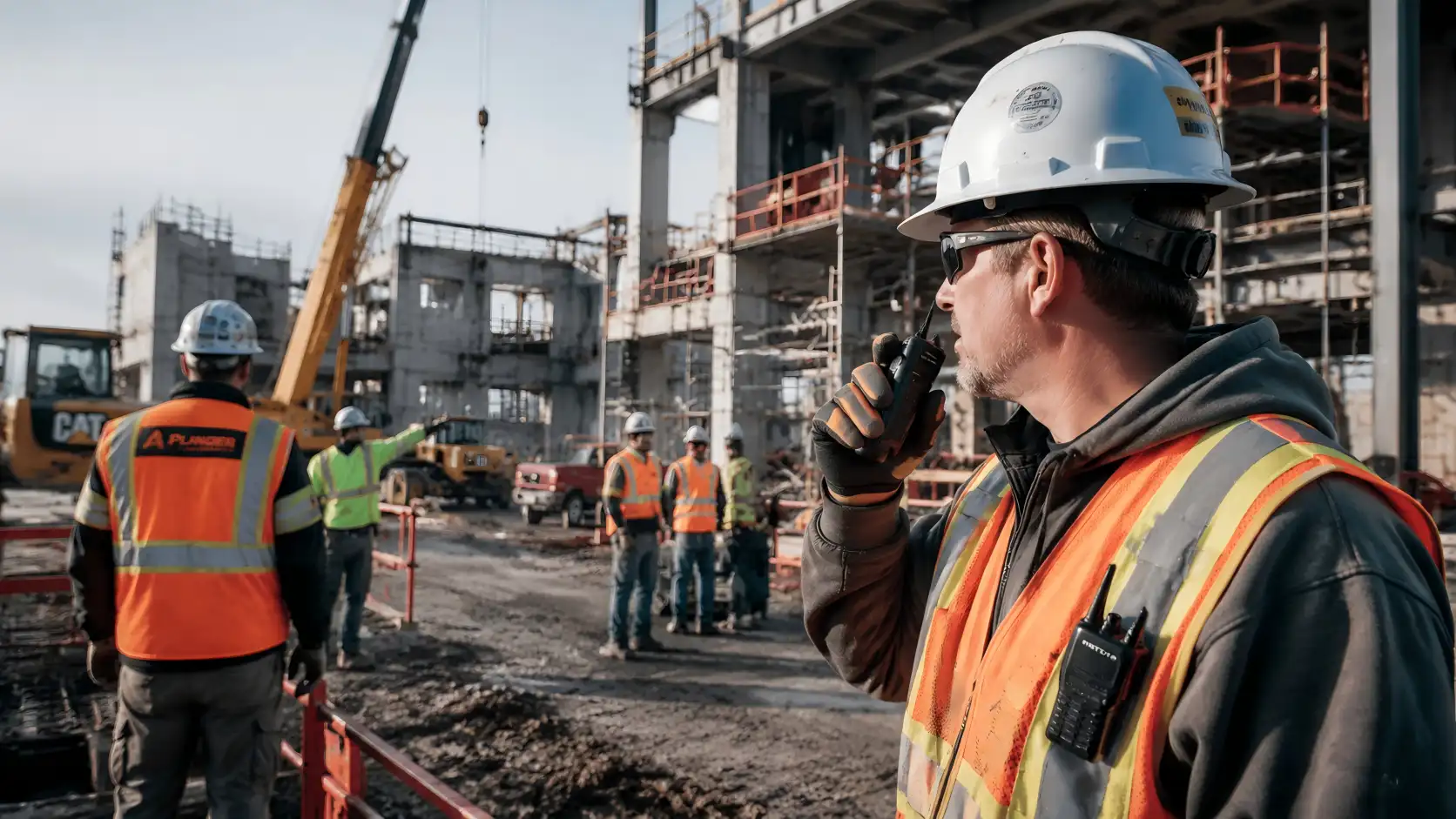
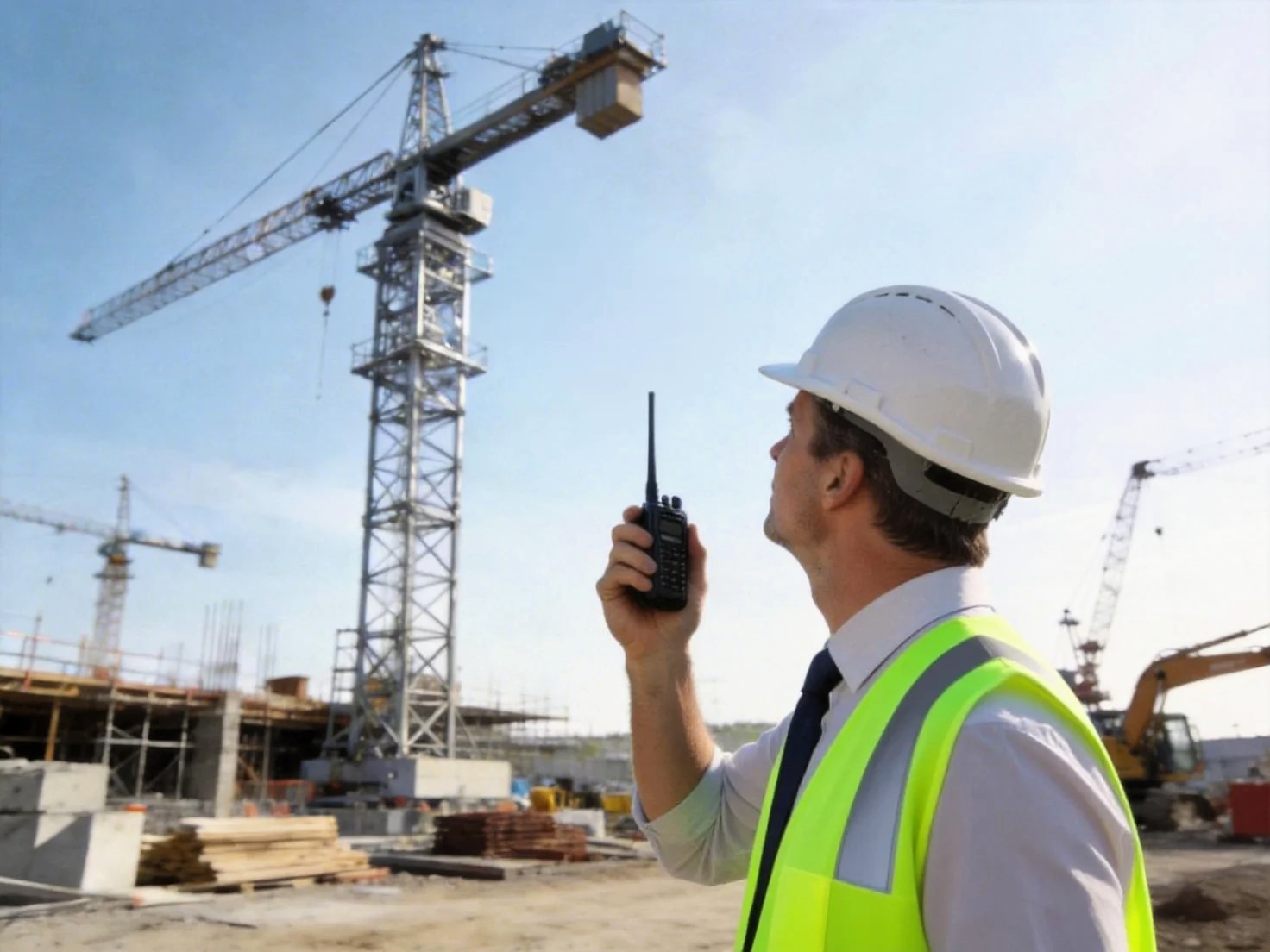
In construction, industrial maintenance, and other high-risk workplaces, communication is not just helpful. It is a core part of safety. When a message is missed, delayed, or unclear, the whole job can suffer. Work may slow down. Teams may lose coordination. A hazard may go unreported. In an emergency, even a short delay can make the situation worse. Poor jobsite communication can quickly turn into a safety problem.
That is why choosing a radio is not just a purchasing task. It is a safety decision. For contractors, site managers, safety officers, and operations teams, understanding how to choose two-way radios for safety-first workflows industries can improve worker protection, team coordination, and daily construction communication.
If your crews work around heavy equipment, steel frames, concrete walls, dust, weather, or constant noise, the right radio can make a real difference. It helps people stay connected, respond faster, and work with more confidence. The wrong radio can create weak coverage, unclear audio, and constant frustration.
What Safety-First Workflows Need from a Two-Way Radio
Safety-first workflows depend on fast and clear communication. On a busy site, workers may need to report a hazard, stop a lift, guide a vehicle, confirm a lockout step, or call for medical help. In these moments, there is no time to unlock a phone, dial a number, or repeat a message several times.
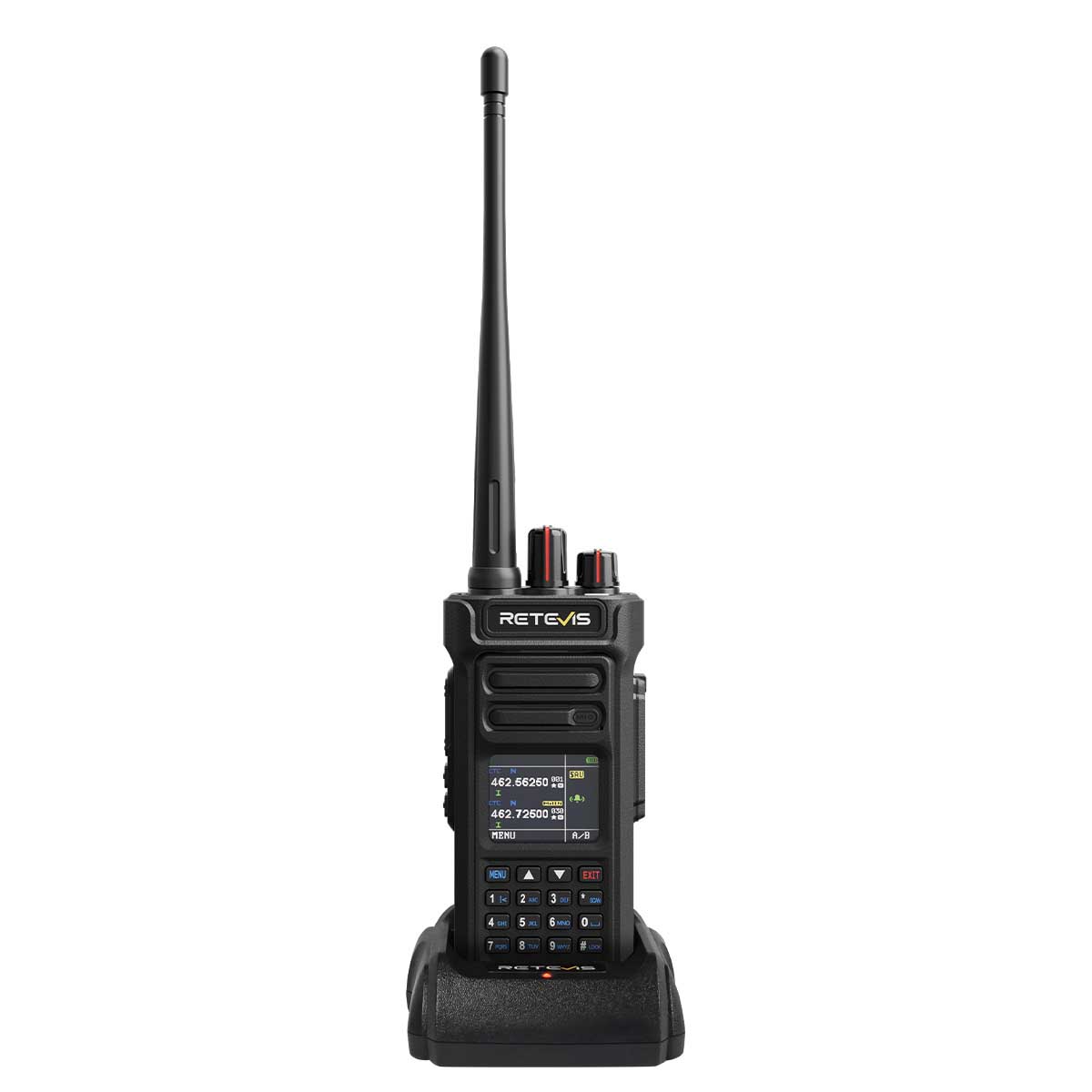
That is why construction two way radios should support a few basic but critical needs:
- Instant communication
- Reliable coverage across the site
- Hands-free use for workers wearing PPE or carrying tools
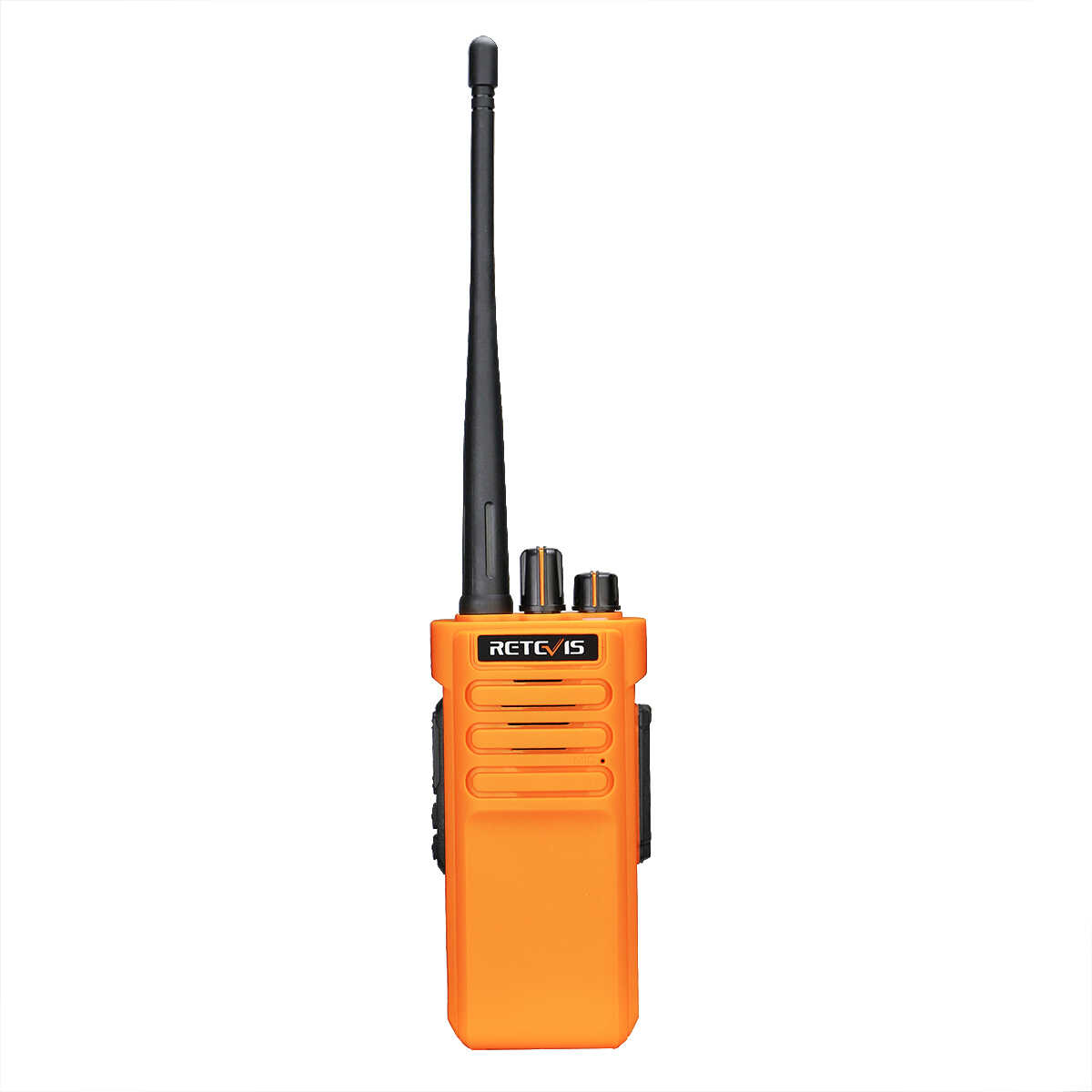
- Durability for rough indoor and outdoor conditions
- Clear audio in loud work areas
- Emergency features for faster response
These needs are common across Western construction markets. Many jobsites include concrete and steel structures, upper floors, stairwells, basements, moving vehicles, changing crews, and temporary work zones. Add rain, dust, heat, or cold, and communication becomes even more challenging.
This is why site conditions should guide radio selection. A radio that works well in a quiet open area may not work well on a real project. Good construction communication starts with choosing equipment that fits the job.
The 6 Most Important Factors When Choosing Two-Way Radios
Coverage and Signal Reliability
Coverage is often the first spec buyers notice. It is also one of the most misunderstood. Many radios show long range in marketing materials, but those numbers usually come from ideal open-space testing. Real jobsites are very different.
Signals often face problems from:
- concrete walls and floors
- steel framing
- enclosed plant rooms
- indoor and outdoor transitions
- multi-story buildings
- underground areas
Because of this, a construction radio should be judged by real site performance, not just by the number on the box. A high-rise project may need strong floor-to-floor coverage. A campus project may need steady coverage across separate buildings. A road or infrastructure team may need clear communication over a wide outdoor area.
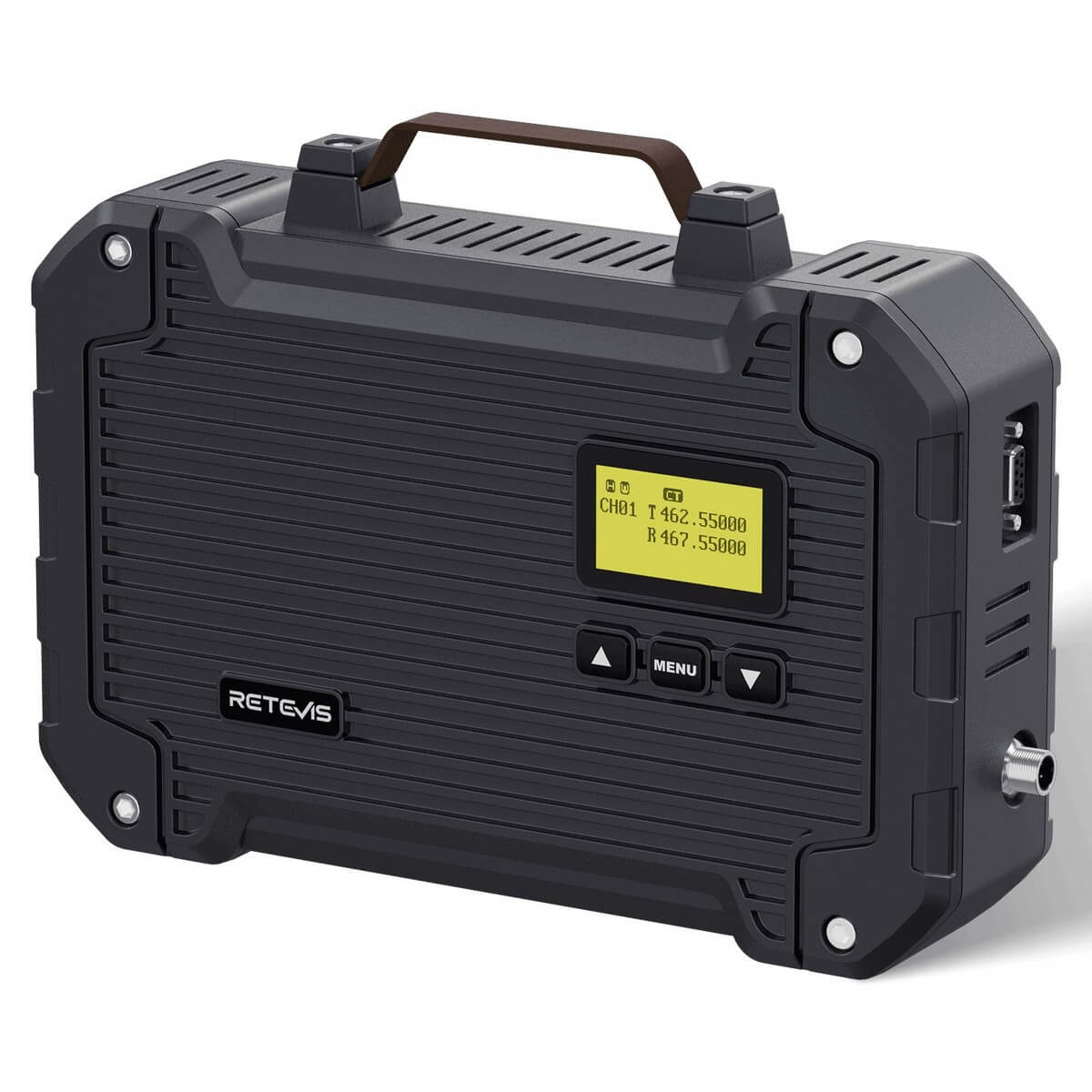
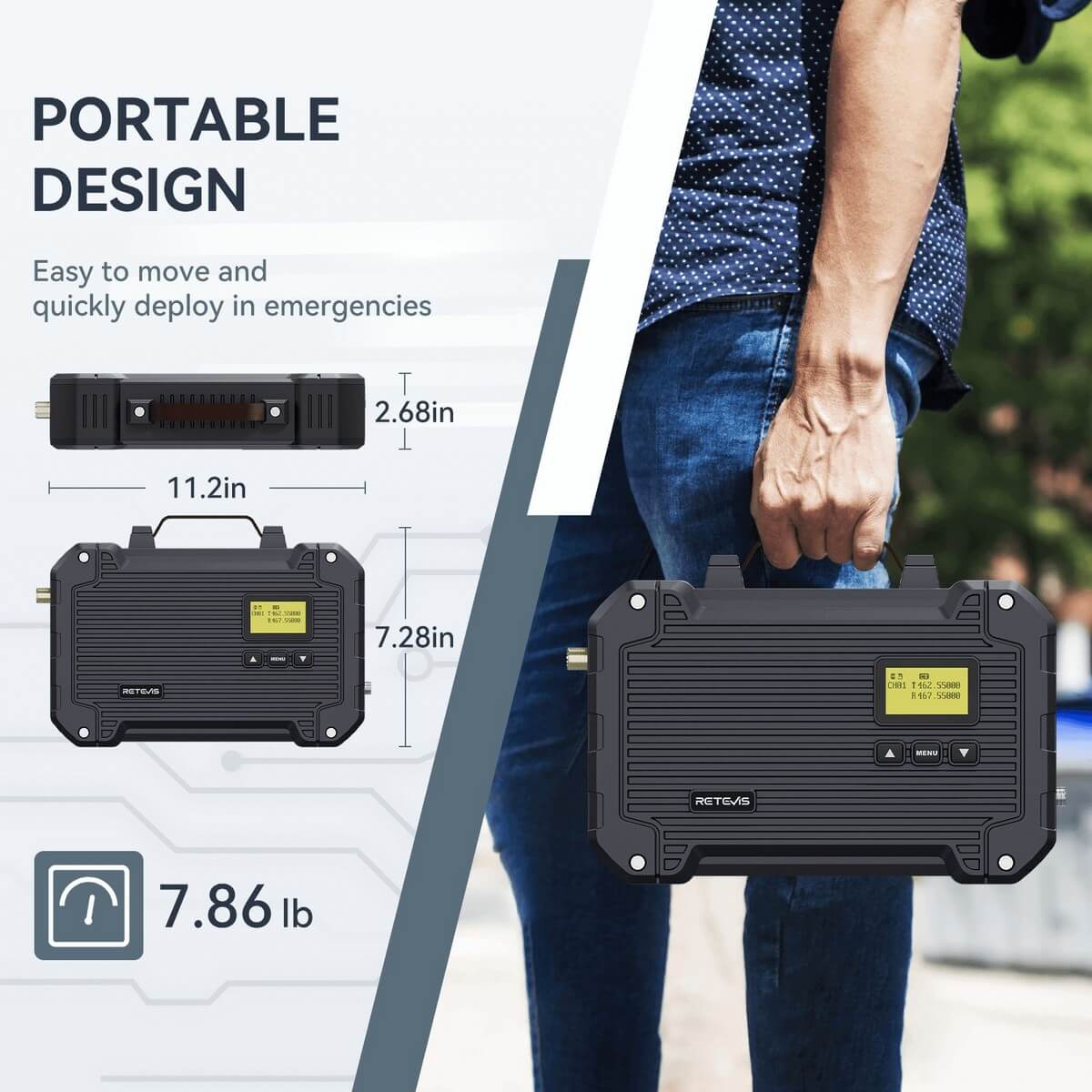
For larger or more complex sites, repeater support may also matter. A repeater can extend coverage and improve signal reliability. If your crews often move between floors, structures, or distant work zones, system design is just as important as the handheld device.
Audio Quality in High-Noise Environments
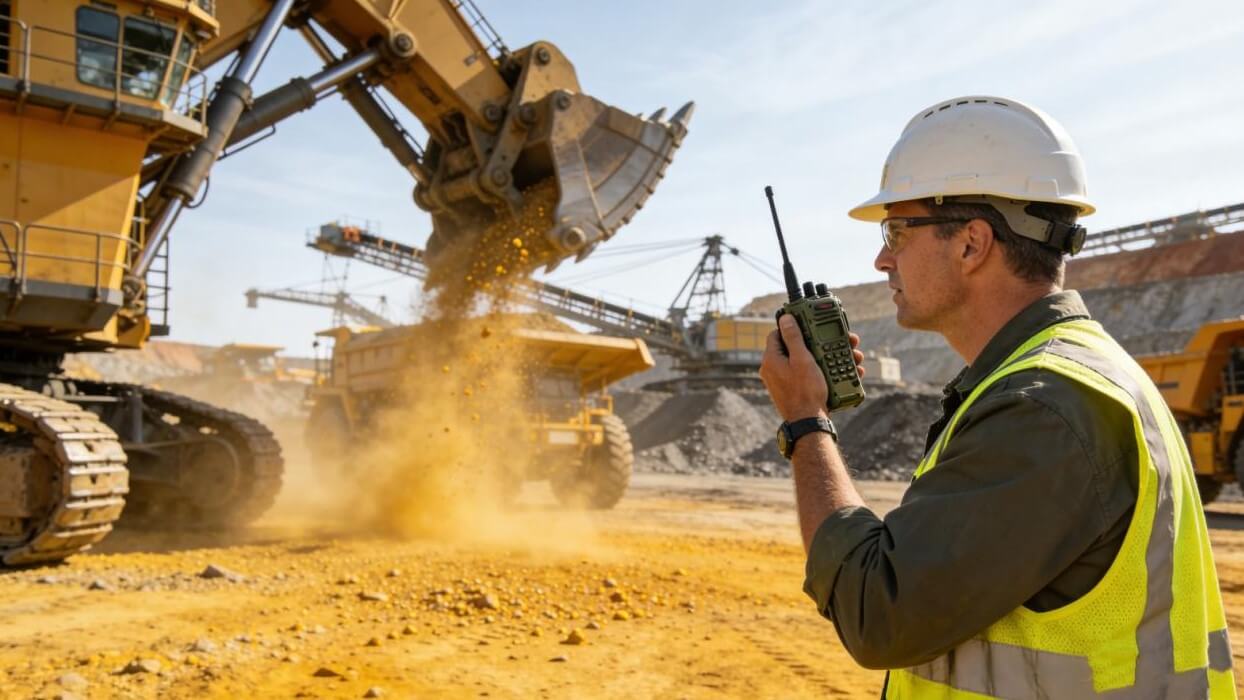
A radio only helps if people can hear the message clearly. On many jobsites, background noise is constant. Workers may be surrounded by drills, engines, compressors, generators, forklifts, saws, and heavy machinery.
That is why audio quality should be a top priority. Look for radios with:
- loud speaker output
- clear sound at high volume
- noise reduction features
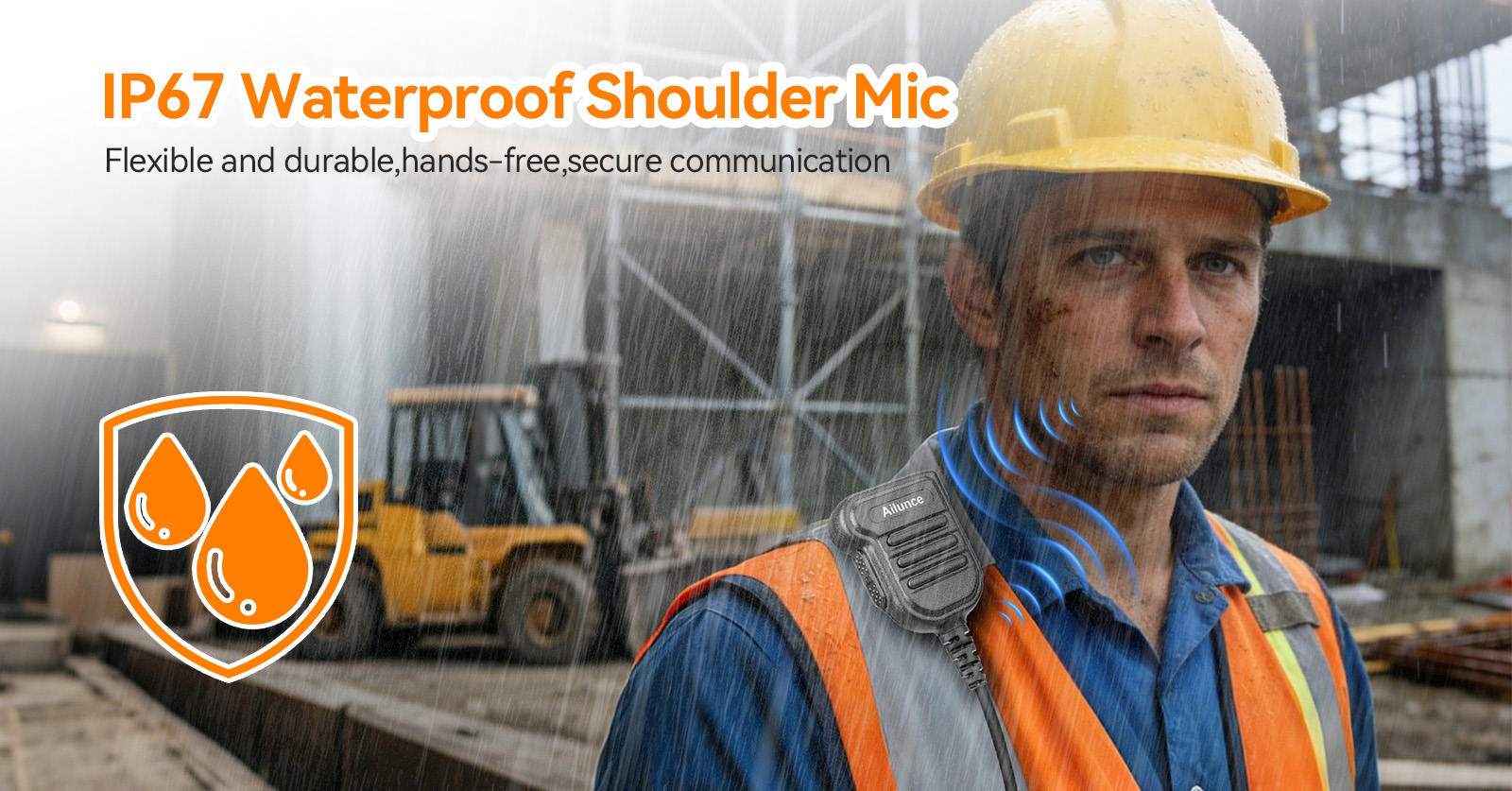
- accessory options for workers wearing hearing protection or PPE
Poor audio causes repeated calls, missed instructions, and slower action. This can frustrate crews, but more importantly, it can weaken jobsite communication when speed matters most.
If possible, test radios in actual site conditions. A model that sounds fine in a quiet office may perform very differently on a busy construction floor.
Durability and Environmental Protection
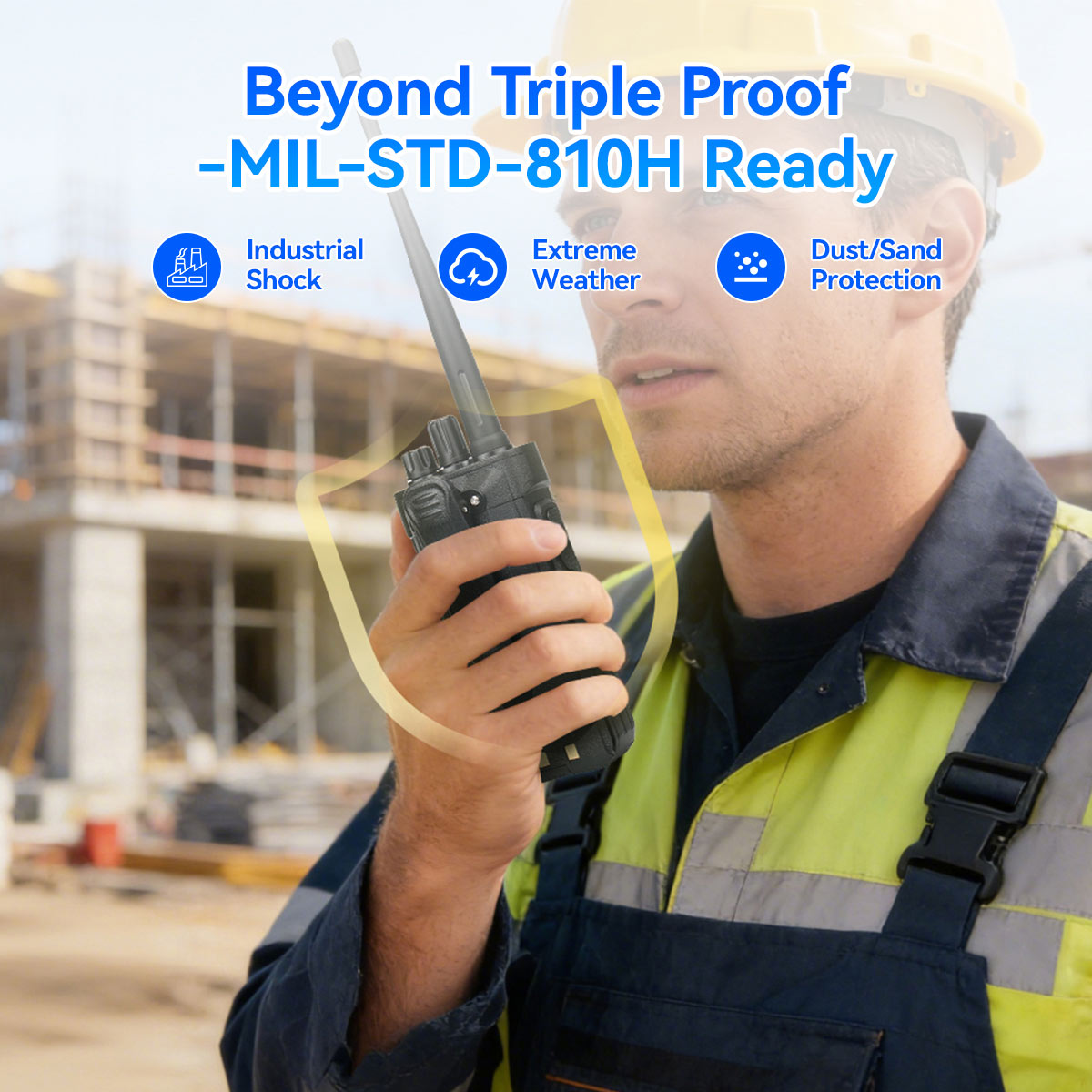
Construction and industrial teams do not use radios in clean office settings. Radios get dropped, clipped to belts, exposed to dust, hit by light rain, and used with dirty gloves. Some are carried up ladders, into service rooms, or across rough outdoor ground.
Look for features such as:
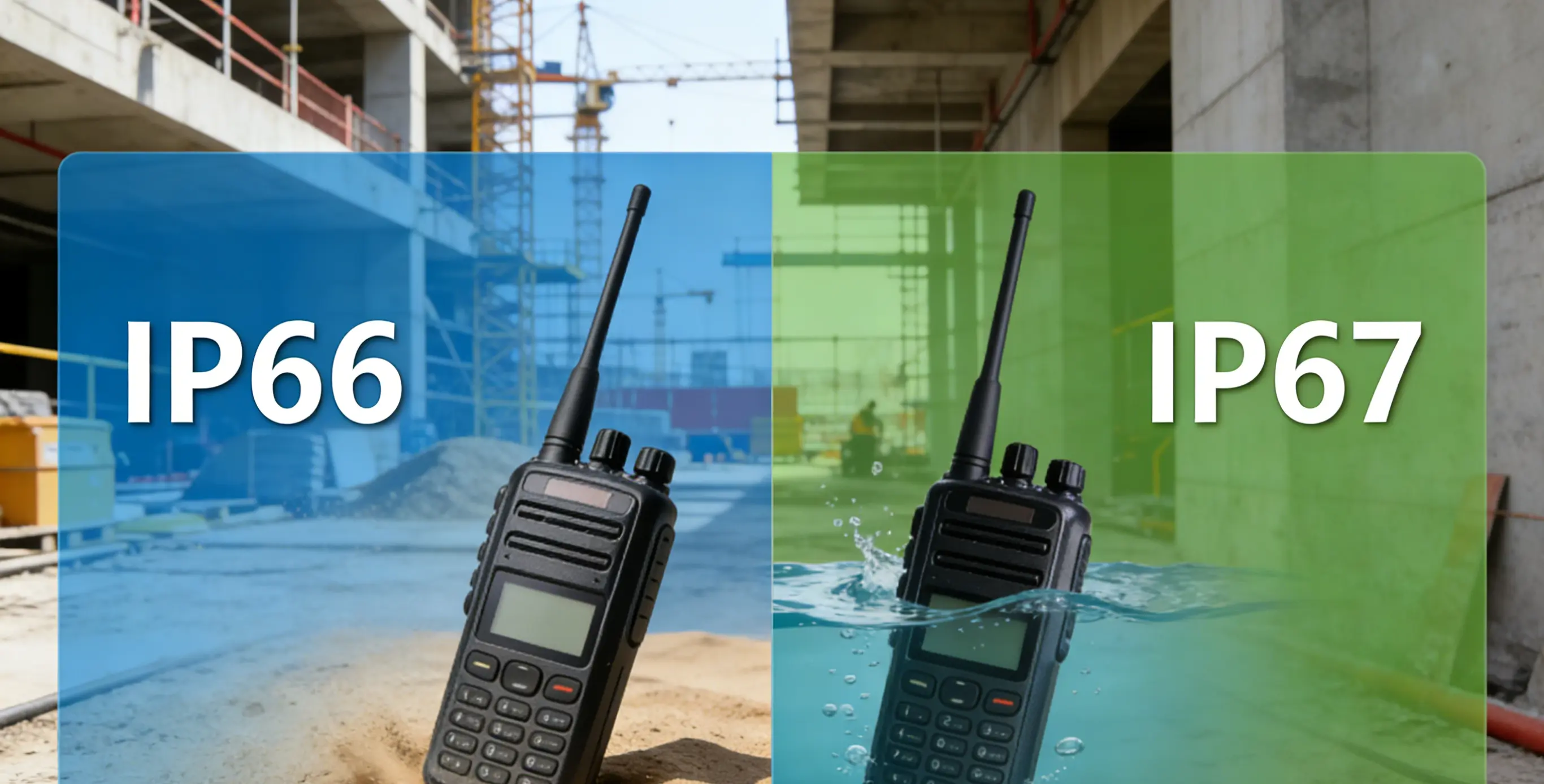
- IP ratings for water and dust resistance
- rugged build quality
- drop resistance
- strong housings and seals
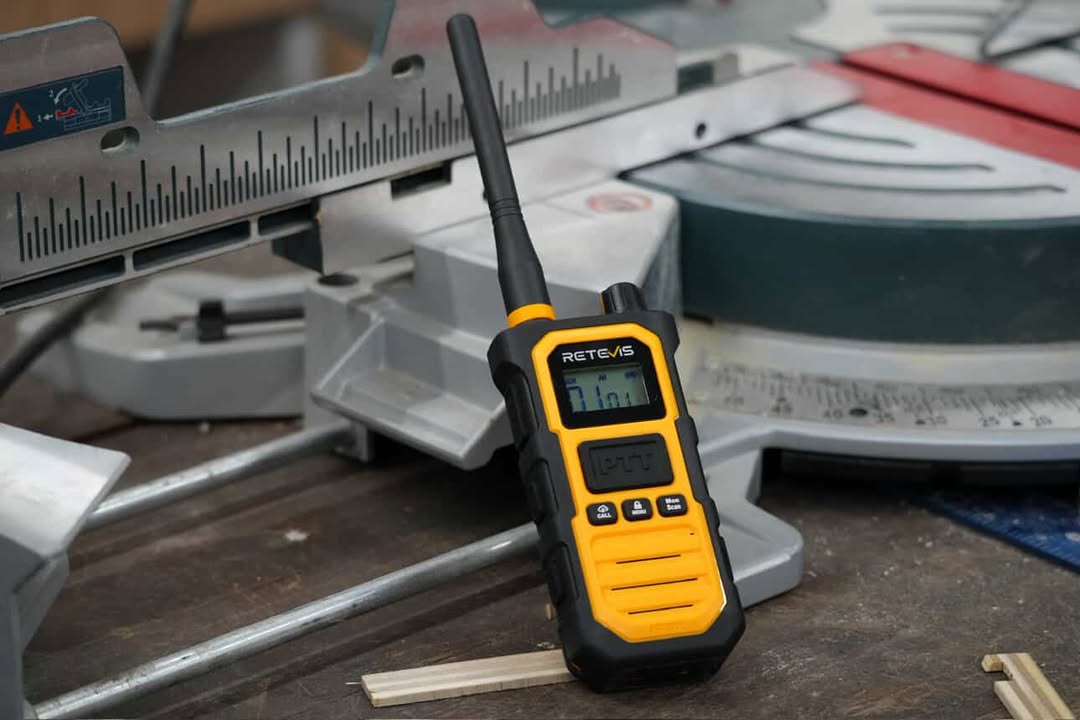
Professional construction two way radios should handle daily abuse without becoming unreliable. A radio that breaks easily or fails in wet or dusty conditions can quickly become a weak point in the workflow.
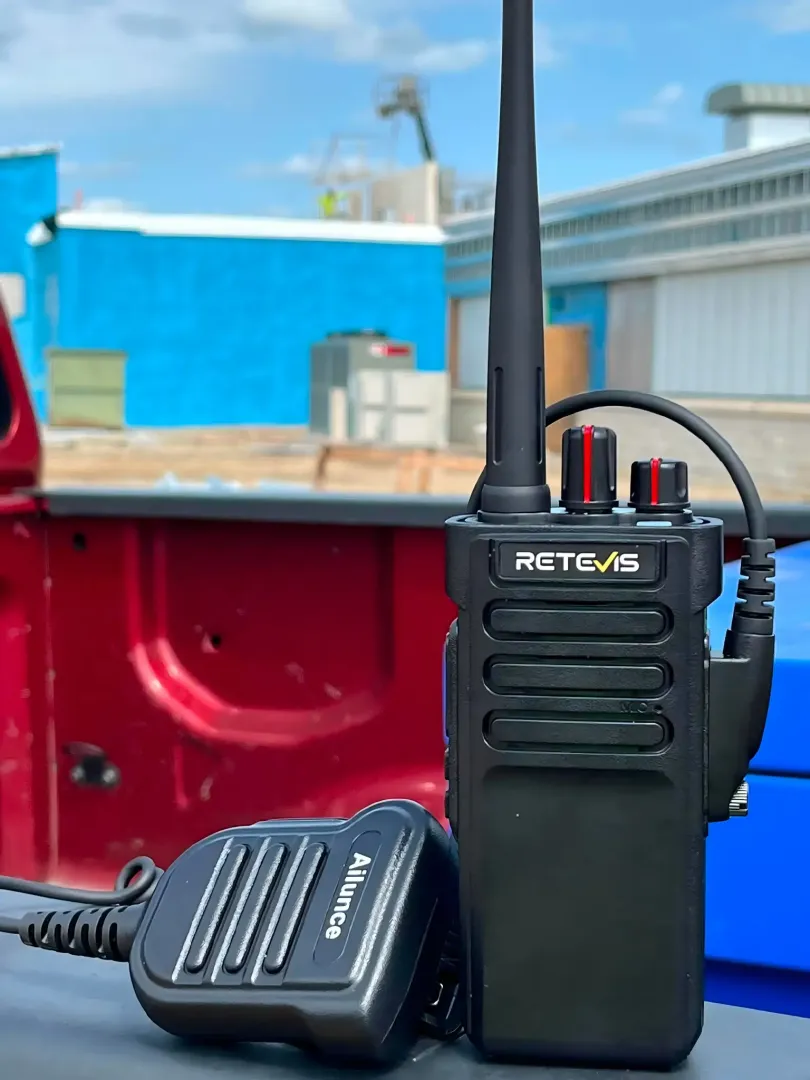
Battery Life for Full Shifts
A radio should last through a full shift, and ideally longer. This is especially important on large projects, overtime schedules, night work, or multi-shift operations. If a radio battery fails too soon, workers lose a key safety tool.
When comparing radios, think about:
- normal shift length
- overtime hours
- charging time
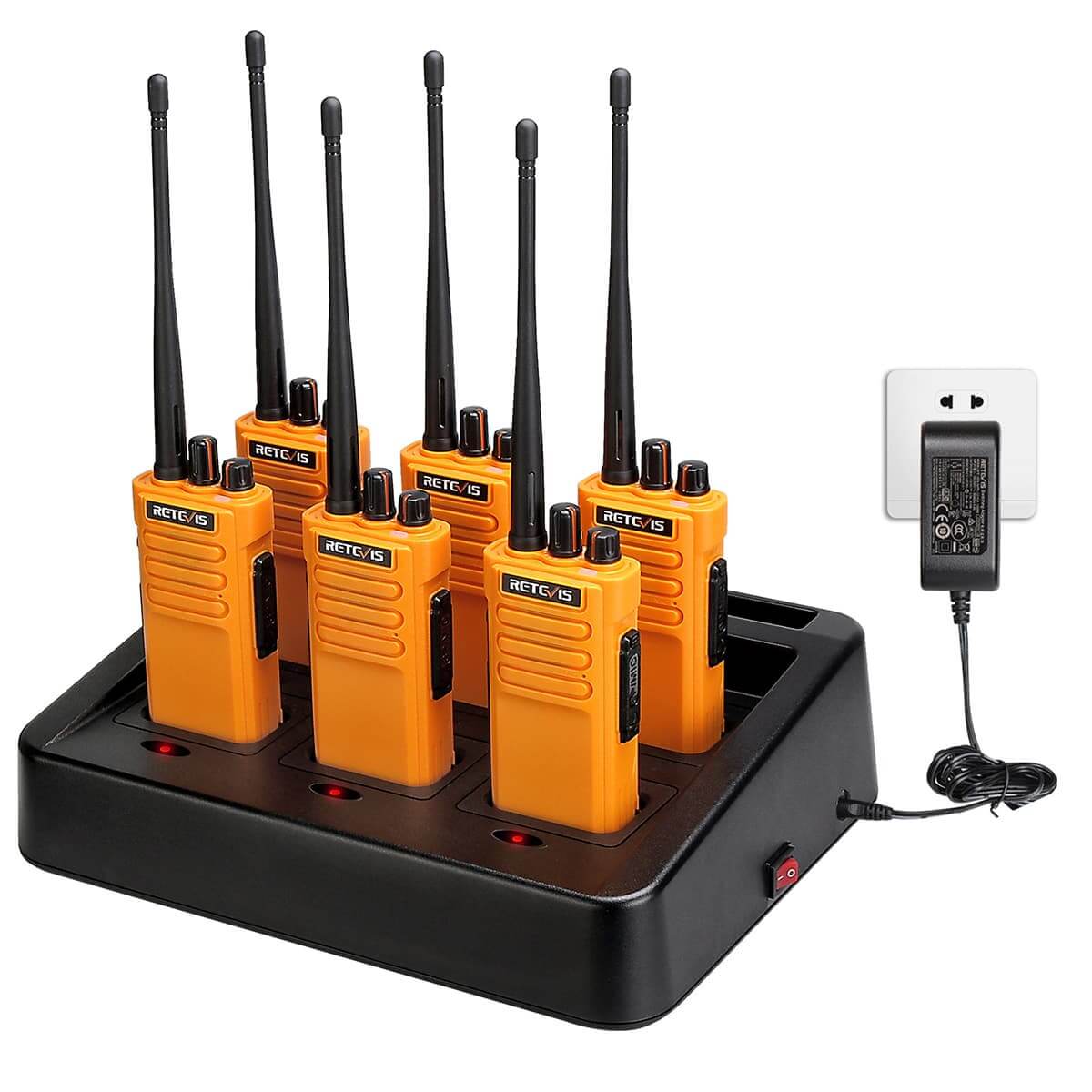
- spare battery availability
- battery rotation practices
Battery performance often seems like a small detail during purchasing, but it has a major effect on daily operations. Good battery life supports steady communication. Poor battery planning creates avoidable downtime.
Safety and Emergency Features
Many professional radios now include features that go beyond basic voice communication. In safety-first work environments, these features can help teams react faster when something goes wrong.
Useful features may include:
- emergency alert button
- lone worker
- man-down
- priority channel access
These functions can support quicker response when a worker is injured, working alone, or unable to explain the problem clearly. Not every team needs every feature, but high-risk operations should review them carefully.
If a radio can shorten the time between an incident and a response, it adds real operational value.
Ease of Use and Team Adoption
Even a well-built radio can fail in practice if workers find it hard to use. On fast-moving jobsites, communication tools need to be simple, direct, and easy to learn.
Look for:
- glove-friendly buttons
- easy channel selection
- clear controls or displays
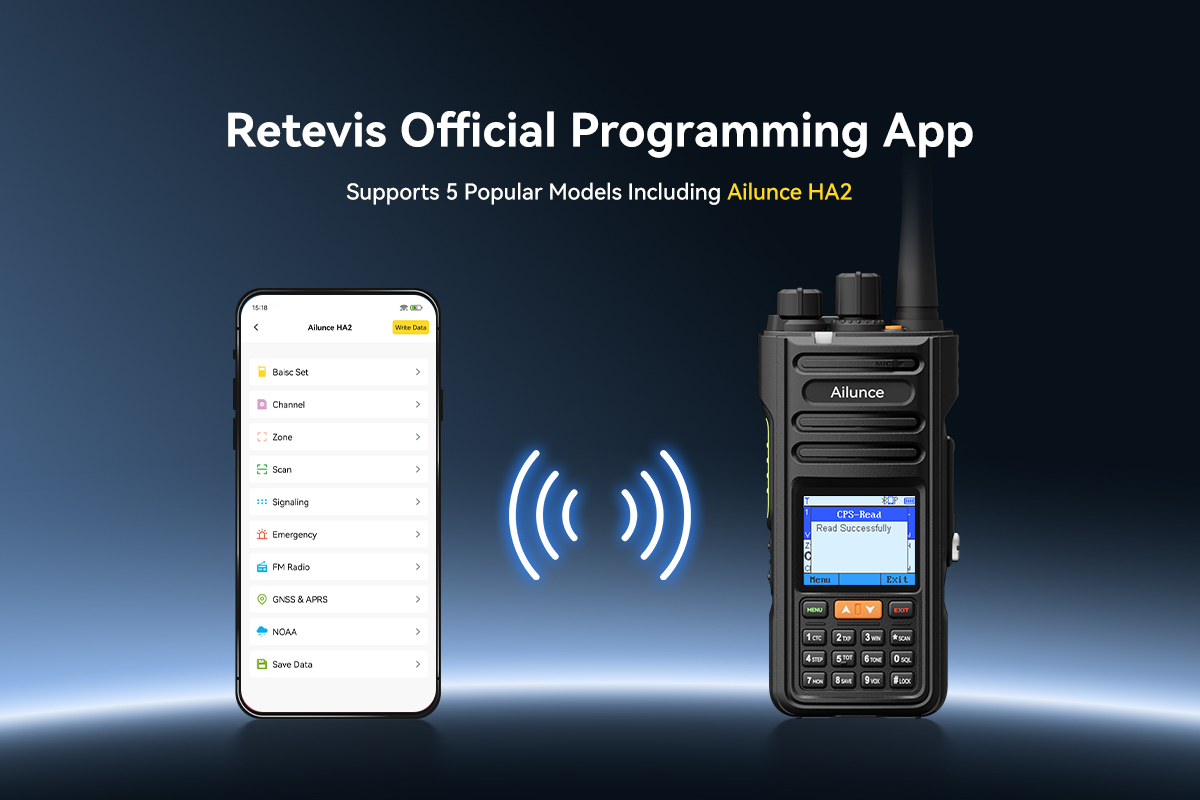
- simple accessory connections
This matters even more on sites with rotating crews, new subcontractors, or temporary workers. A radio should not require long training sessions to be useful. If workers can use it correctly from day one, overall construction communication becomes more consistent.
Questions Buyers Should Ask Before Choosing
Before buying any radio system, step back and review how your teams actually work. Ask questions like:
- How large is the site?
- How complex is the structure?
- Do teams work indoors, outdoors, or both?
- How noisy is the site during peak activity?
- Do workers need headsets, speaker mics, or hearing protection support?
- Are emergency features required?
- Will the system need to grow later?
- Do you need license-free ease or licensed professional performance?
These questions help buyers choose based on real jobsite communication needs, not just price or basic specs.
Conclusion: Choose the Radio That Fits the Work
The best radio is not simply the one with the longest feature list. It is the one that matches the real needs of the site, the team, and the safety plan.
The best way to approach how to choose two-way radios for safety-first workflows industries is to start with the workflow itself. Look at your coverage needs, noise levels, work zones, shift length, and emergency risks. Then choose the radio system that fits those conditions.
In most cases, buyers should focus on:
- reliable coverage
- clear audio
- rugged design
- long battery life
- emergency features
- ease of use
Whether you are comparing construction two way radios for a tower project, a commercial building, an infrastructure site, or an industrial plant, the goal is the same: safer work and stronger construction communication. If you want better results, start with the jobsite, understand the workflow, and then choose the radio system that supports it every day.
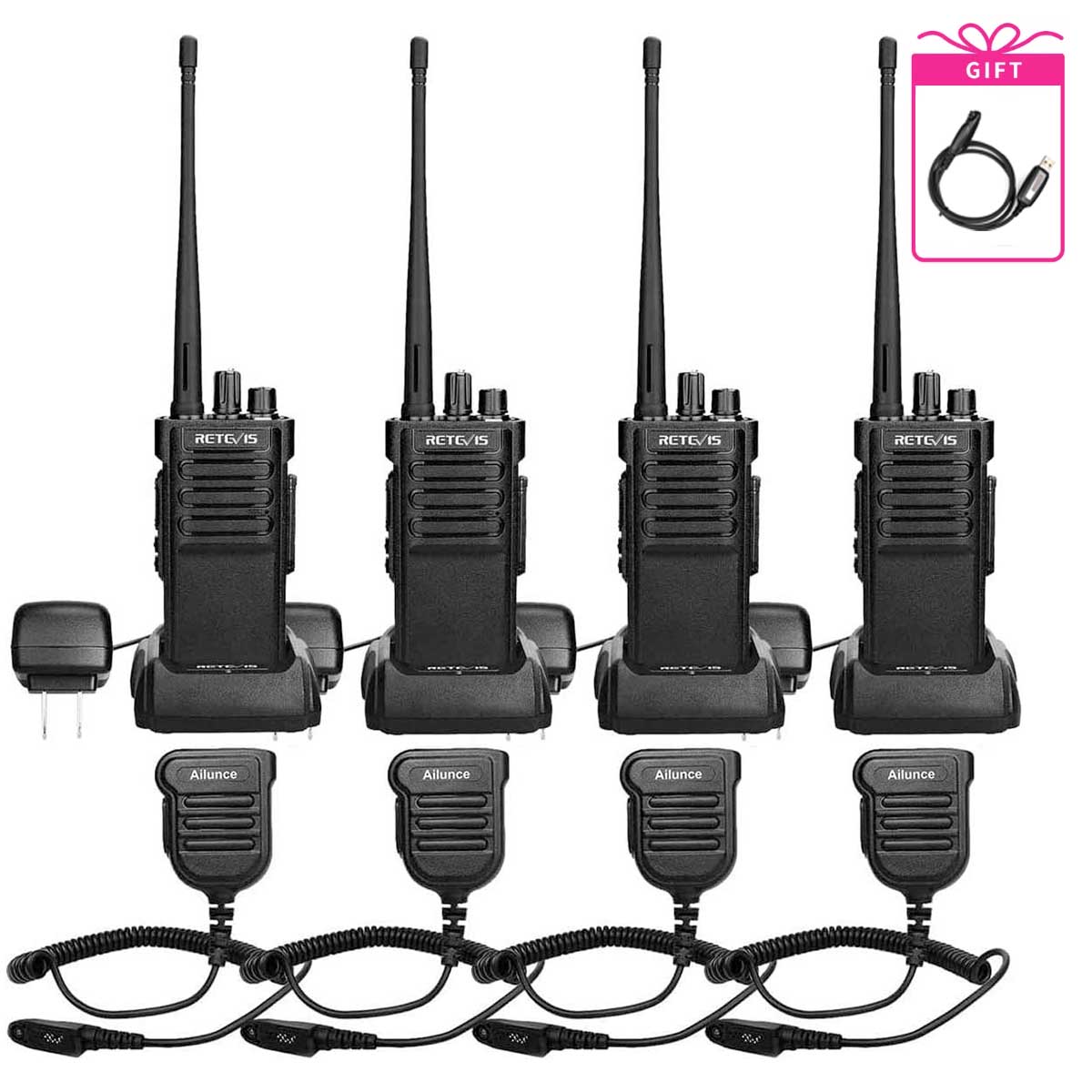



 Google
 Amazon
Comments
No data Yet