
Table of Contents
Optimizing Signal Penetration in Industrial Areas: How to Enhance Radio Signals?
- Posted by:Retevis
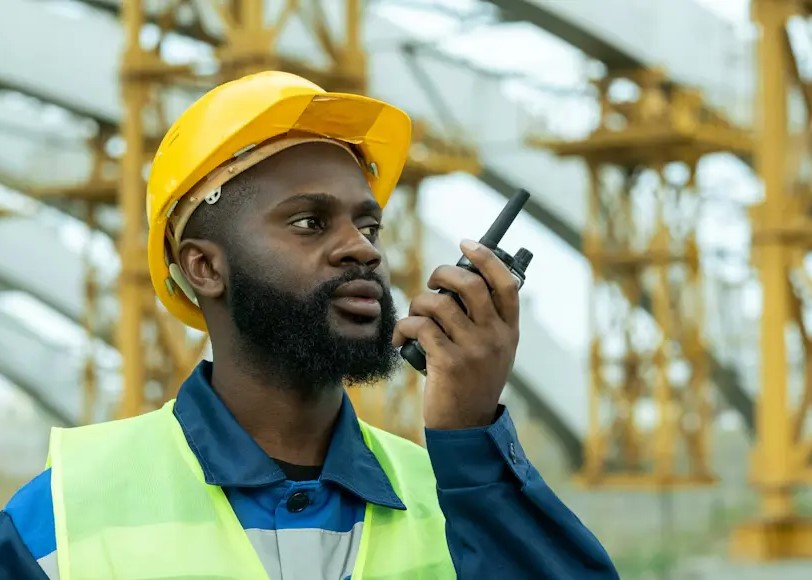
Radio communication is widely used in operations within large factory workshops, metal warehouses, or multi-floors industrial zones; enhancing radio signal propagation in industrial zones is not just for convenience, but essential. Clear communication ensures that production, logistics, or maintenance teams can work safely, efficiently, and quickly in any location requiring constant movement. This article delves into how to booster radio signals in industrial environments and introduces some practical solutions such as radio antennas, signal extenders, and repeaters.
What are Radio Signals?
Radio signals are generated by alternating current in a transmitter, which forces electrons to oscillate and produce waves emitted by an antenna. Essentially, a radio signal is an electromagnetic wave. By modulating the amplitude, frequency, or phase of the wave, information is encoded onto the radio wave, and the electromagnetic wave carrying the information is wirelessly transmitted between two wireless devices.
How do radio signals work? Radio signals rely on transmitting antennas to send electromagnetic waves and receiving antennas to receive them. This enables wireless transmission to meet the instantaneous voice communication needs in industrial settings.The intensity of these electromagnetic waves weakens with distance, interference, or obstructions. Therefore, industrial areas filled with machinery, concrete, and metal buildings present challenges for radio signal transmission.

Do Radio Signals Travel at The Speed of Light?
Yes, electromagnetic radio signals typically travel at the speed of light, approximately 300,000 kilometers per second in a vacuum. As a type of electromagnetic spectrum, radio waves' astonishing speed ensures near-instantaneous communication. However, the actual coverage of radio signals depends on factors such as radio power, antenna quality, and the external environment.
Challenges of Radio Signals in Industrial Areas
What Are Industrial Zones? Industrial areas include factories, warehouses, production lines, chemical plants, and manufacturing centers. These areas, often characterized by both open spaces and dense metal structures, present a challenging environment for two-way radio communication.
- Multi-floors factories with heavy machinery.
- Metalworking workshops or processing plants.
- Warehouses where steel shelving obstructs signals.
Radio Signal Speed in Industrial Areas
While radio waves travel at the speed of light, obstacles reduce the effective communication speed. Metal surfaces, thick concrete walls, and electronic interference can all create signal blind spots. Even the best walkie-talkies struggle to communicate effectively within large industrial zones. Radio signals attenuation as they pass through walls or encounter metal obstacles. Equipment such as forklifts and cranes also reflect or scatter signals. Core factors affecting radio singal propagation include:
- Physical obstacles such as steel beams.
- Electromagnetic interference from motors, welding machines, and other machinery.
- Atmospheric conditions, such as humidity or dust in the air.
- Physical Barriers: Concrete, metal walls, and machinery.
- Distance: Standard two-way radios have limited effective range, especially indoors.
- Frequency Interference: Other devices use the same or similar frequencies.
- Power Limitations: Low transmission power reduces coverage in large facilities.
By understanding the fundamental physics of radio propagation and the limitations of radio transmission in industrial settings, it becomes clearer why signal amplifiers, repeaters, and upgraded antennas are essential for ensuring reliable, uninterrupted communication in complex industrial facilities.
Industrial Area Radio Signal Enhancement Strategies
Upgraded Antenna Solutions
The high-quality radio antennas are the first line of defense against signal loss. Consider the following:
- Match the antenna to the radio frequency using a SWR table for maximum efficiency.
- Place the antenna appropriately to reduce interference and avoid shadowed areas.
- Directional antennas for specific coverage areas.
Repeaters and Amplifiers
A radio repeater is a device that receives weak radio signals and retransmits them at higher power. This technology is invaluable in large facilities:
- Repeaters receive radio signals and relay them at higher power, thus extending coverage.
- Amplifiers can also enhance signals over long distances or through dense materials.
- They provide reliable two-way radio signal enhancement and reduce dead zones.
Two-Way Radio Signal Boosters
Two-way radio signal boosters and extenders can be extremely useful for smaller teams or specific units:
- Suitable for metal buildings or reinforced concrete areas.
- Enhance coverage without requiring major modifications to existing systems.
- Currently, the mainstream options include radio signal boosters, walkie-talkie signal boosters, and two-way radio signal boosters.
Optimizing Frequency and Power
- VHF is suitable for long distances and open areas.
- UHF signals are used to penetrate dense buildings or metal structures.
- Adjusting radio transmitter power settings can extend coverage, but it is essential to comply with local regulations.
Mapping Industrial Sites & Optimizing Deployment
- Identify high-density metal areas and potential blind spots.
- Strategically deploy repeaters or signal boosters to maintain stable signal coverage.
- Regularly test communication paths to ensure reliable performance.
Advanced Solutions and Best Practices
- Dual-Band Radio: Seamlessly switches between UHF and VHF to maintain indoor and outdoor coverage.
- Regular Maintenance: Inspect antennas, repeaters, and radio equipment for wear or interference.
- Professional Installation: Professional system calibration using tools such as SWR meters can prevent energy waste and weak signal problems.
- Team Training: Educate employees on the correct use of radios, distance limitations, and obstacle awareness.
Maximizing Communication Efficiency in Industrial Zones
Reliable communication is the cornerstone of industrial operations. From metal-structured factories to sprawling warehouses, understanding how to boost radio signals ensures teams stay connected and operations run smoothly. Implementing signal boosters, repeaters, and amplifiers, upgrading antennas, and selecting appropriate frequencies can significantly improve signal coverage. Facility managers, procurement personnel, and project managers can ensure strong and reliable signals throughout the industrial park, ensuring consistent communication and improving safety and efficiency.
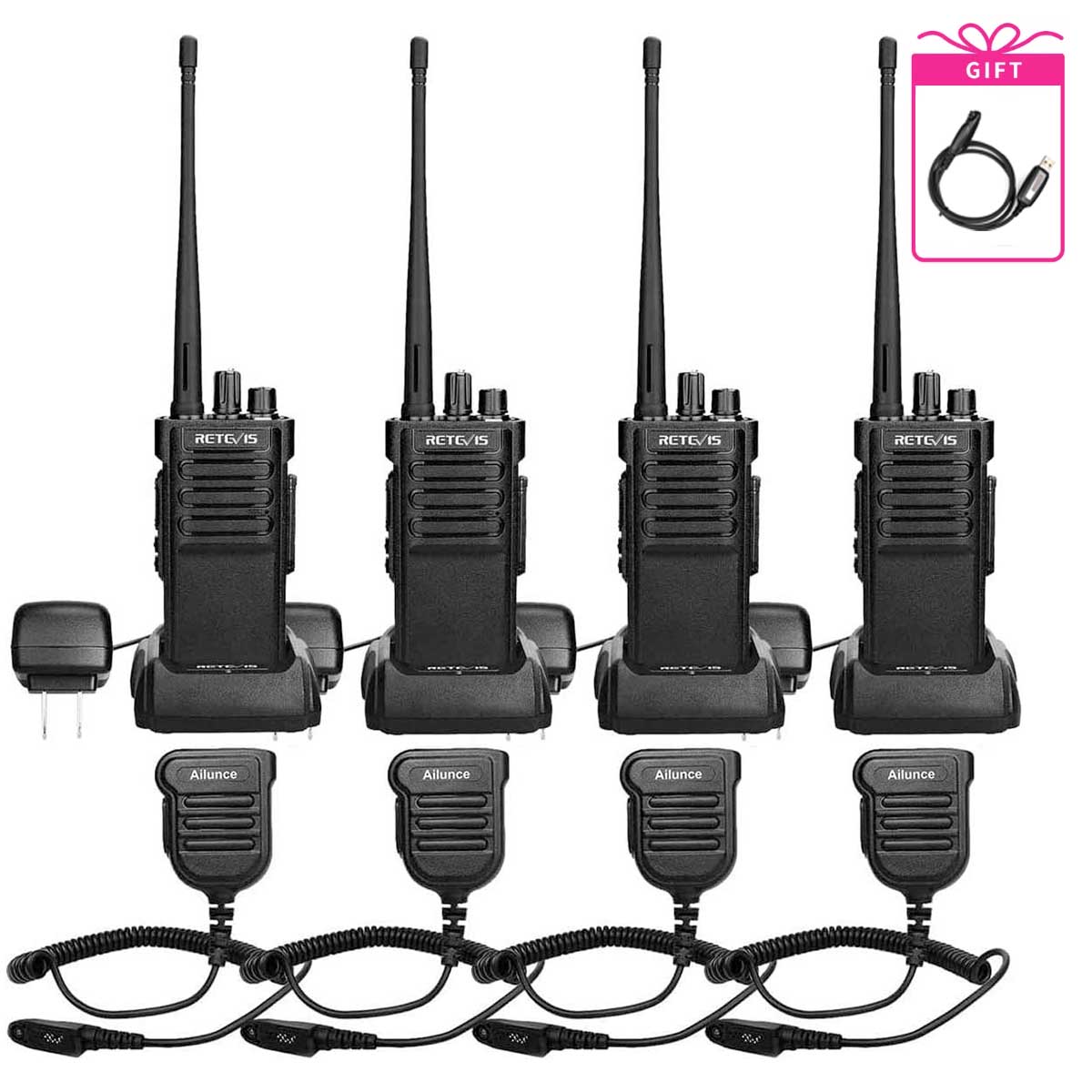


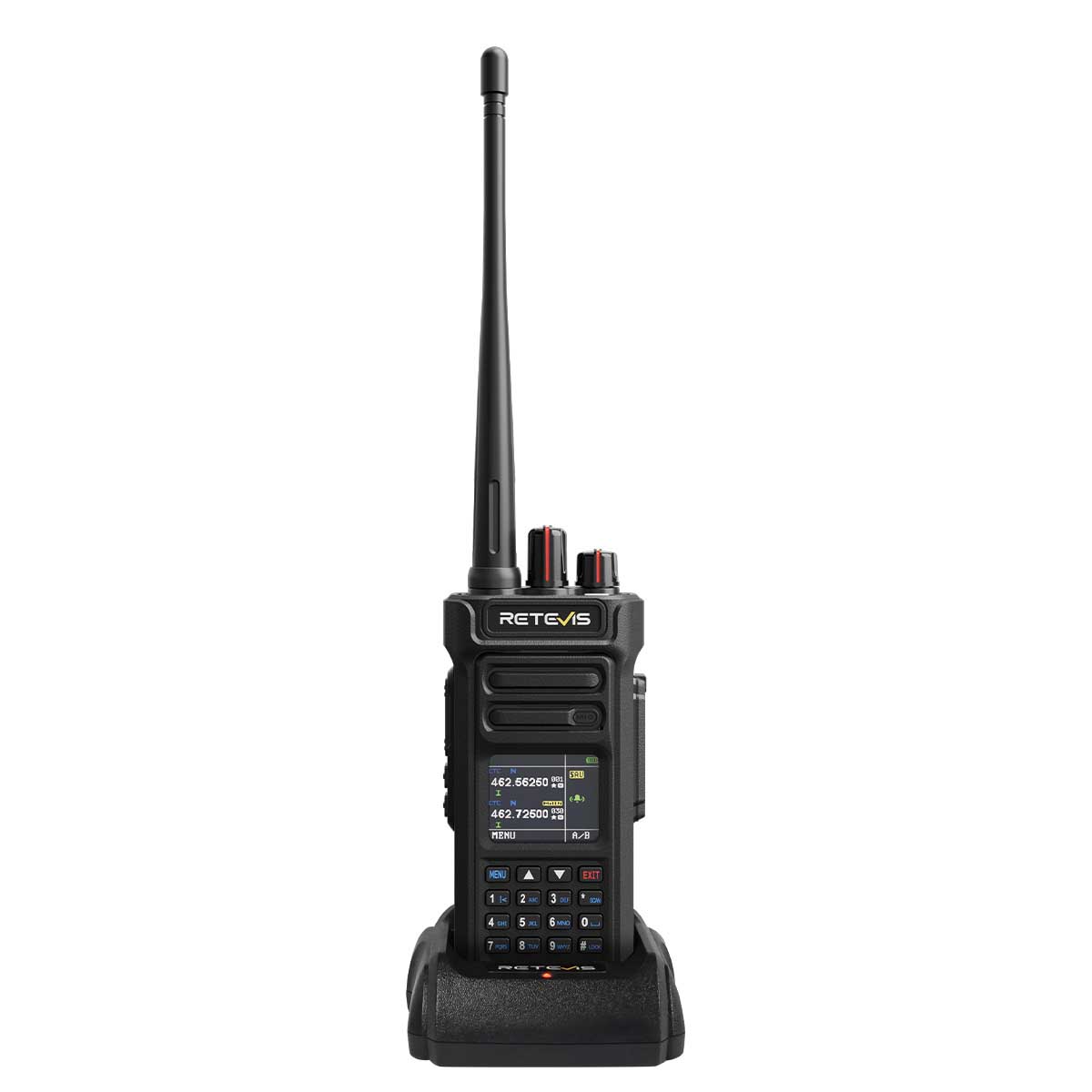
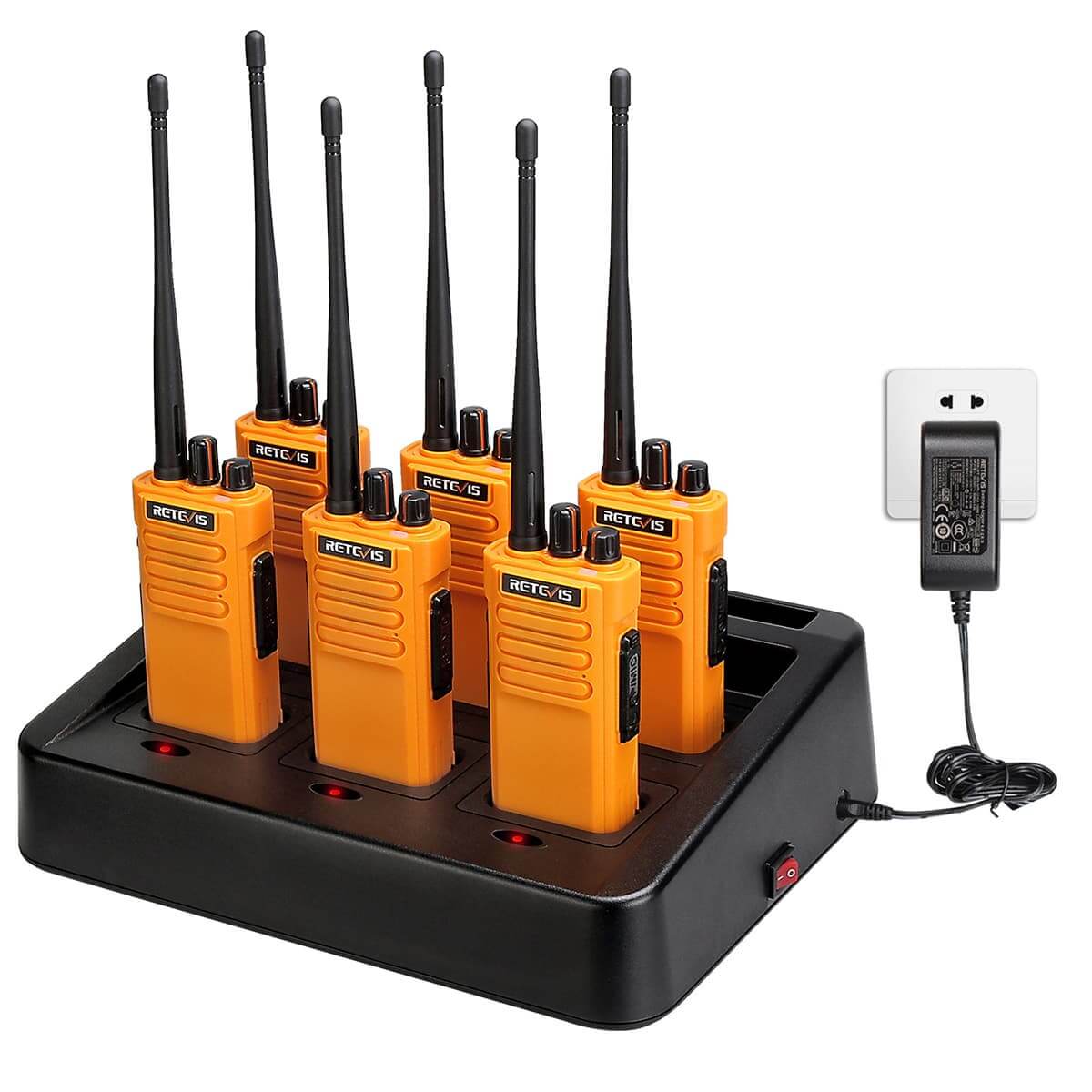


 Google
 Amazon
Comments
No data Yet