

Table of Contents
How to Get FCC License for Ham Radio: A Step-by-Step Guide for Beginners
- Posted by:Retevis
If you’re new to ham radio, the idea of getting an FCC license might seem intimidating. But here’s the truth: thousands of hobbyists pass the exam every year — and you can too. Just 2–4 weeks with basic study, and it opens up a world of communication possibilities that CB or GMRS can never match.
Whether you want to talk across town or around the world, a license unlocks the full potential of amateur radio.
In this guide, I’ll walk you through exactly how to get your FCC license for ham radio, what to study, where to take the test, and which handheld radio is perfect for a newly licensed operator — like the Retevis HA2.
Why Do You Need an FCC License for Ham Radio?
Unlike FRS or CB radios, ham radio operates on frequency bands that require a license from the Federal Communications Commission (FCC). The license isn’t just a legal formality — it proves you understand basic electronics, operating procedures, and safety rules. Without it, transmitting on ham bands is illegal and can interfere with emergency communications.
Benefits of being licensed:
- Access to local, national, and even space-based repeaters (including the ISS)
- City-wide communication: A 5-watt handheld radio can cover an entire city via repeaters
- Ability to build or modify your own equipment
- Emergency preparedness: Join ARES or RACES to help your community during disasters when cell towers fail
- APRS tracking: Share your real-time location with friends and family during hikes or road trips
- Satellite communication: Talk to hams around the world via amateur radio satellites
Everything You Want to Know About the FCC License for Ham Radio
Three FCC License Levels: Which One to Choose First?
The FCC offers three classes of amateur radio licenses. Most beginners start with Technician Class — it’s the quickest path to getting on the air.
|
Class |
Exam Difficulty |
Key Privileges |
Best For |
|
Technician |
Easy (35 multiple-choice questions) |
Full access to VHF/UHF bands (local/regional communication), limited HF privileges |
Beginners, emergency volunteers, outdoor enthusiasts |
|
General |
Moderate (35 questions) |
Full HF band access (global communication) |
Those wanting long-distance contacts |
|
Extra |
Advanced (50 questions) |
All amateur radio frequencies |
Serious hobbyists, technical experimenters |
*Note: All licenses cost $35 and are valid for 10 years. You can upgrade to higher classes later if you want more privileges.
For the vast majority of new users — especially those interested in handheld ham radios for local communication — the Technician license is more than enough. You’ll be able to use repeaters, join local nets, and operate in emergencies.
What’s on the Technician License Exam?
The Technician exam covers:
- FCC rules and regulations (station identification, prohibited communications)
- Operating practices (repeater use, simplex, emergency protocols)
- Basic electronics (Ohm’s law, power, voltage, current)
- Antennas and feed lines (SWR, coax types, grounding)
- Safety (RF exposure, electrical, tower safety)
Question pool size: 423 questions (as of 2026)
Number of questions on your exam: 35
Passing score: 26 correct (74%)
Don’t let the pool scare you — the questions and answers are published. You don’t need an engineering degree; you just need to memorize and understand the material.
How to Prepare for the FCC Ham Radio License
Step 1: Effective (and often free) Study Methods
The Technician exam covers three core areas: basic FCC regulations, safe operating practices, and simple radio theory. No math or advanced electronics knowledge is required—most questions are common sense.
Top Free & Low-Cost Study Resources
- HamRadioPrep.com: Free interactive practice tests and video courses. Most users spend 10–15 hours here and pass on their first try.
- ARRL Study Guide: The official gold standard, available in print or digital format.
- Local Ham Clubs: Many clubs offer free study sessions and practice exams. Find one near you at ARRL.org.
Pro tip: Take 1–2 practice tests daily for 2 weeks. When you consistently score 85% or higher, you’re ready for the real exam.
Step 2: Book Your FCC License Exam
FCC exams are administered by volunteer examiners (VEs) from ARRL-affiliated clubs. You can take the exam in person at a local club or online via video call.
- Go to the ARRL Exam Search page
- Enter your zip code to find upcoming in-person or online exams
- Register directly with the exam coordinator
- Bring a valid photo ID and $35 exam fee on test day
What to bring:
- Photo ID
- FRN (FCC Registration Number — get it for free on the FCC’s CORES system)
- Pencil and calculator (basic, non-programmable)
You’ll get your results immediately after finishing the exam. If you pass, the VE team will submit your application to the FCC.
Step 3: Get Your Call Sign & Activate Your FCC License
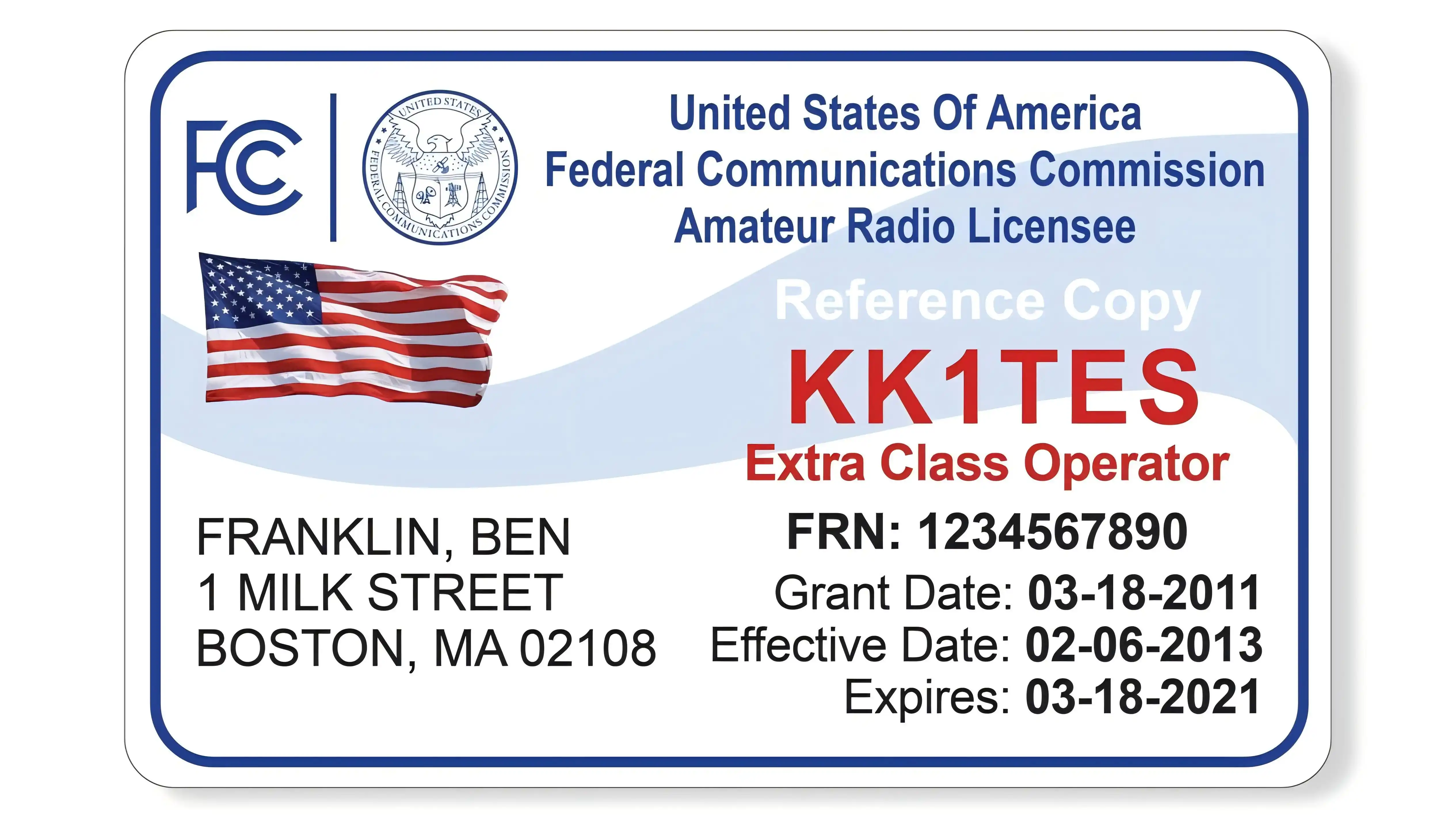
Within 1–3 business days of passing, the FCC will issue your unique call sign (e.g., KK1TES). You can look it up on the FCC Universal Licensing System (ULS).
You don’t need to wait for a physical license card to start operating—once your call sign appears in the ULS, you’re legally allowed to transmit.
You Have Your FCC License — The Best Beginner Ham Radio
Congratulations! Now comes the fun part: buying your first ham handheld radio.
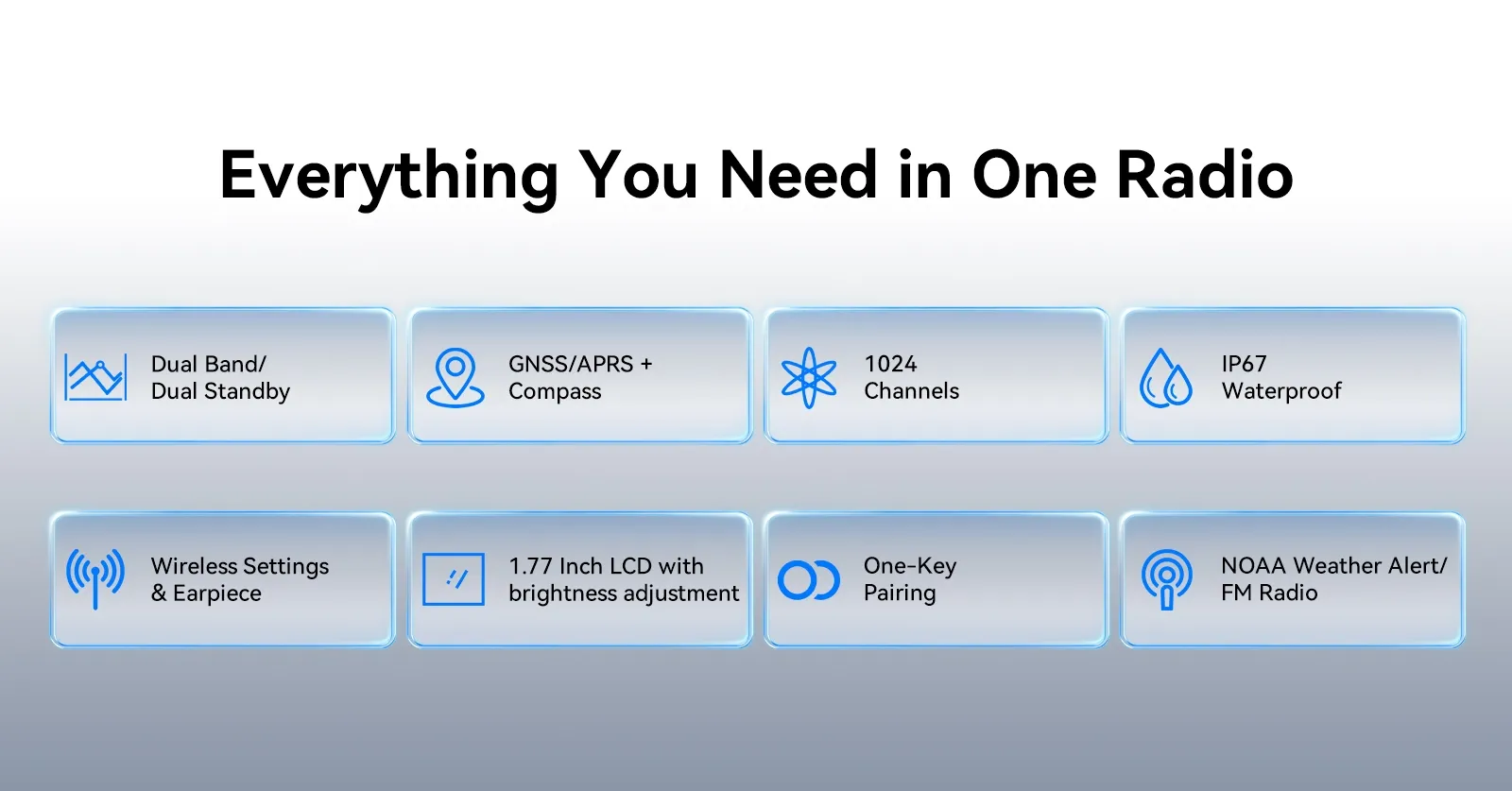
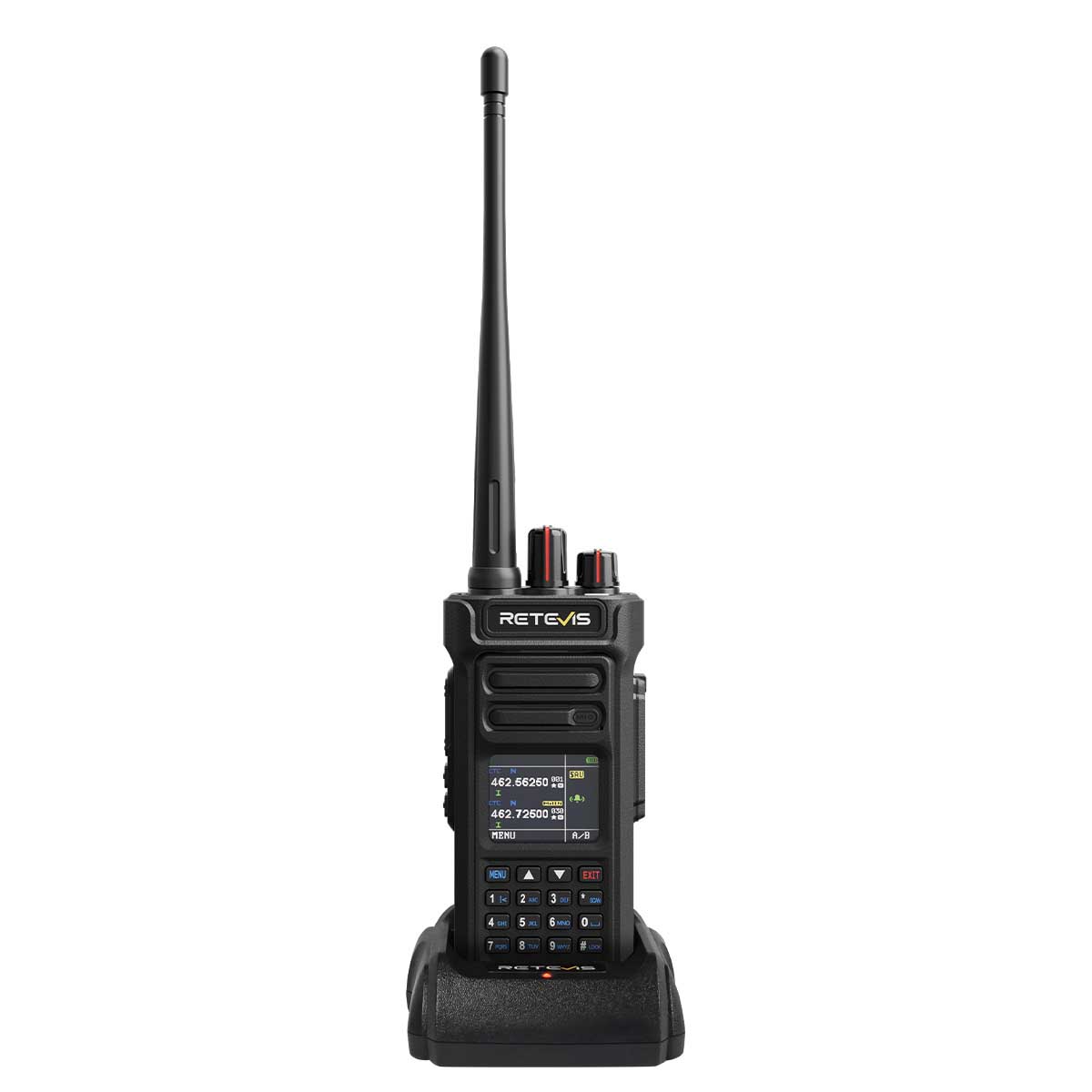
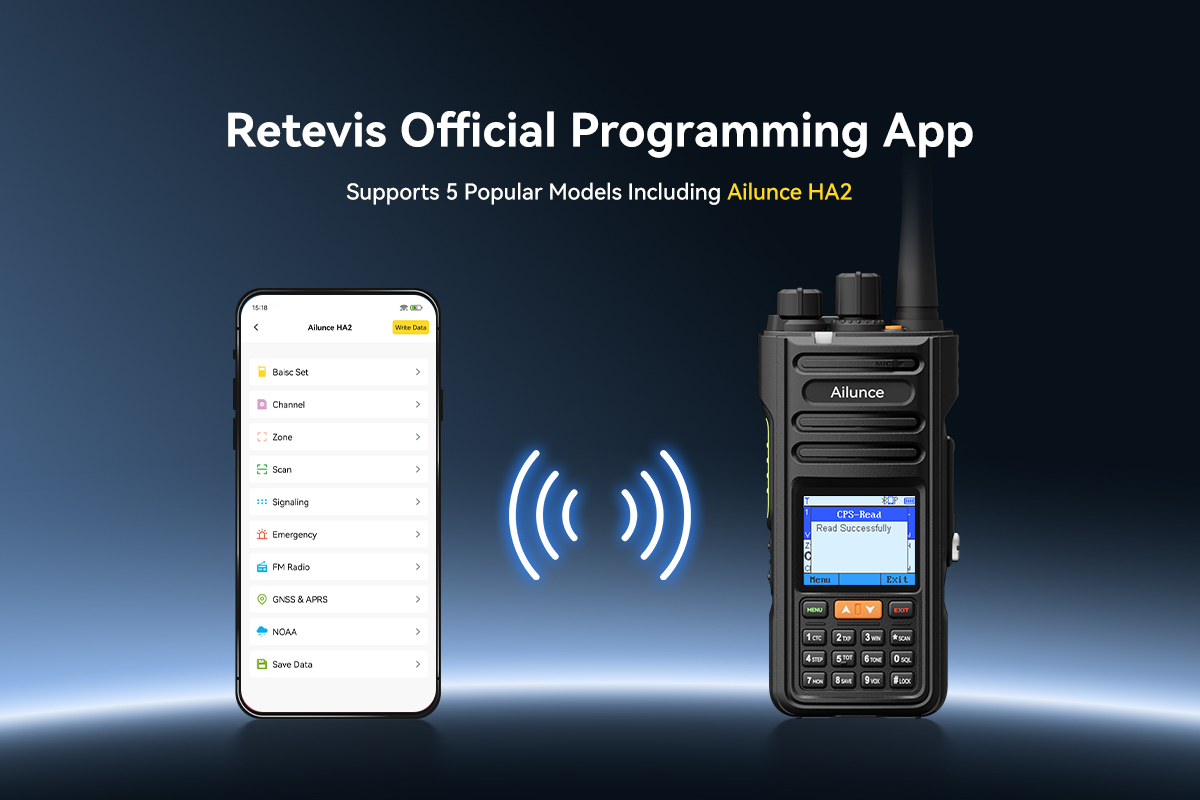
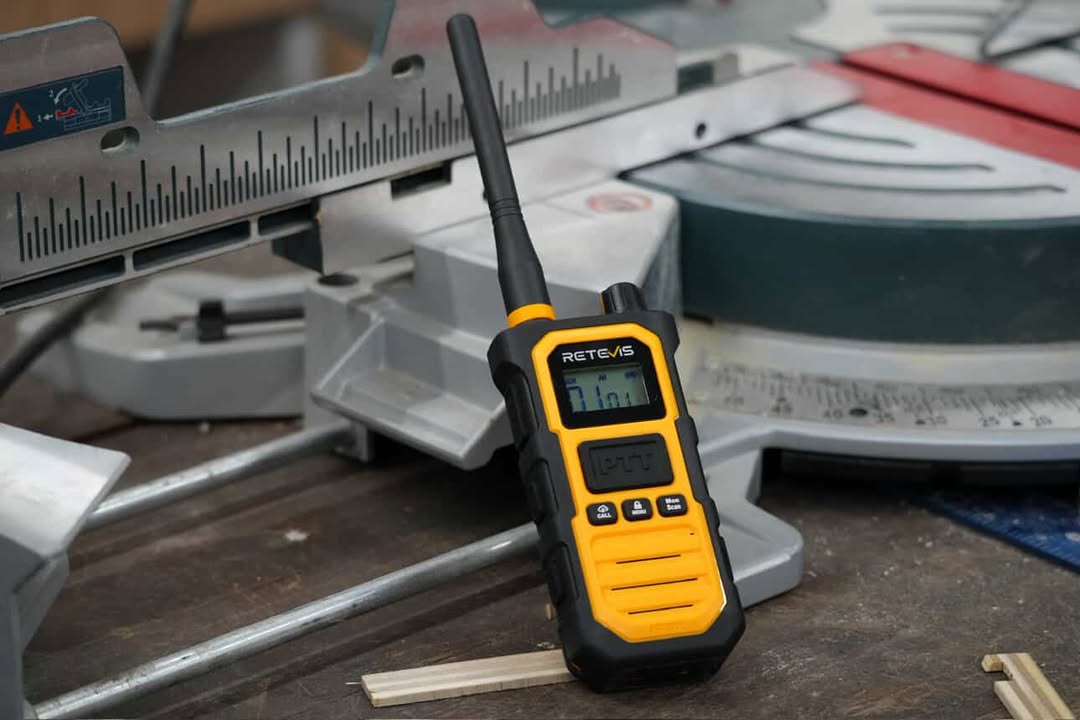
For a new licensee, the smarter choice is a radio that is clean, simple, and reliable. The Retevis Ailunce HA2 is designed specifically for new hams, solving the biggest pain points beginners face.
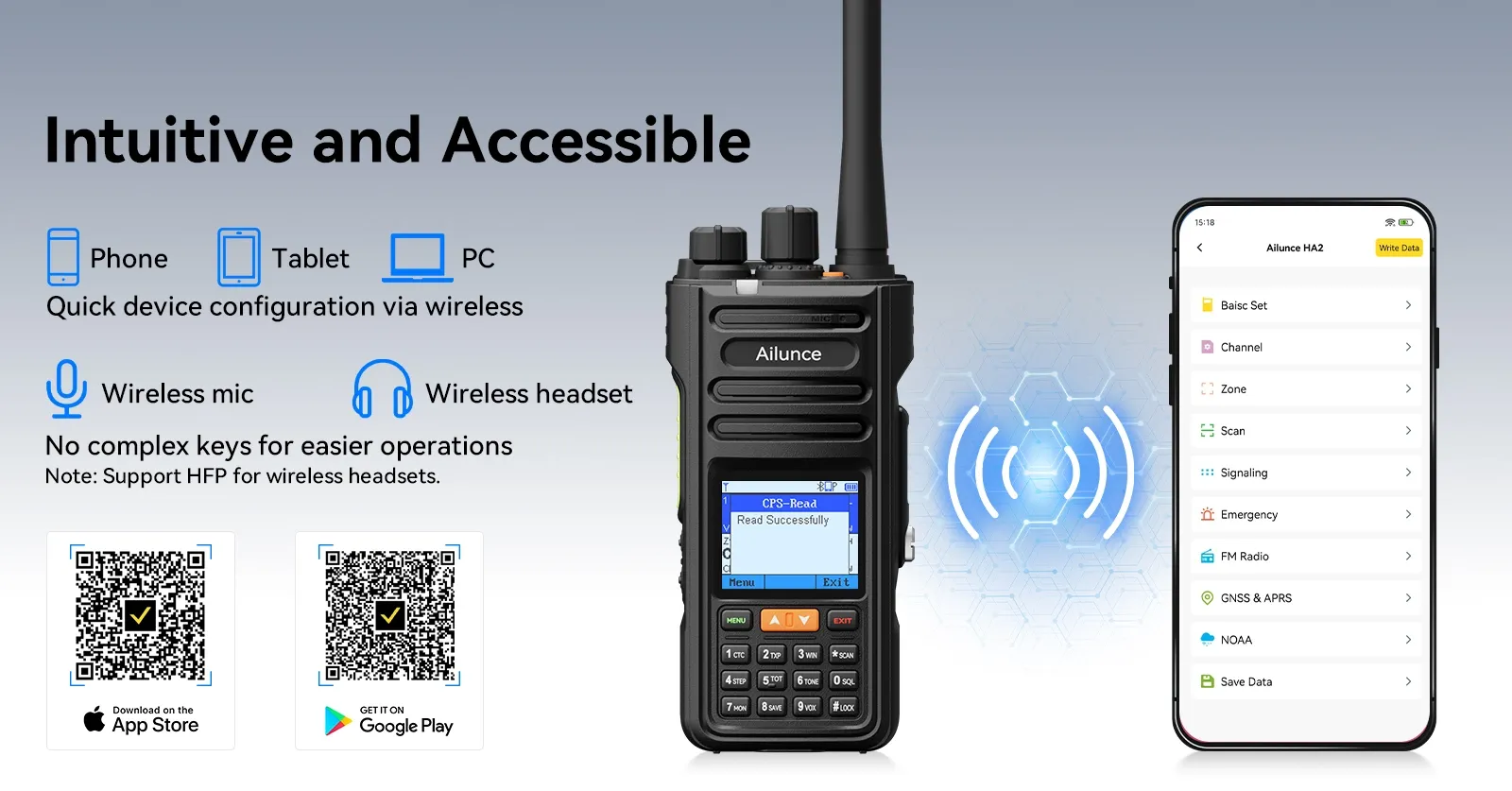
- No complicated button programming
Most beginner radios require hours of manual button pressing to set frequencies. The HA2 connects to your phone via Bluetooth, letting you program channels, adjust settings, and update firmware with a few taps in the app. You’ll be on the air within minutes of unboxing.
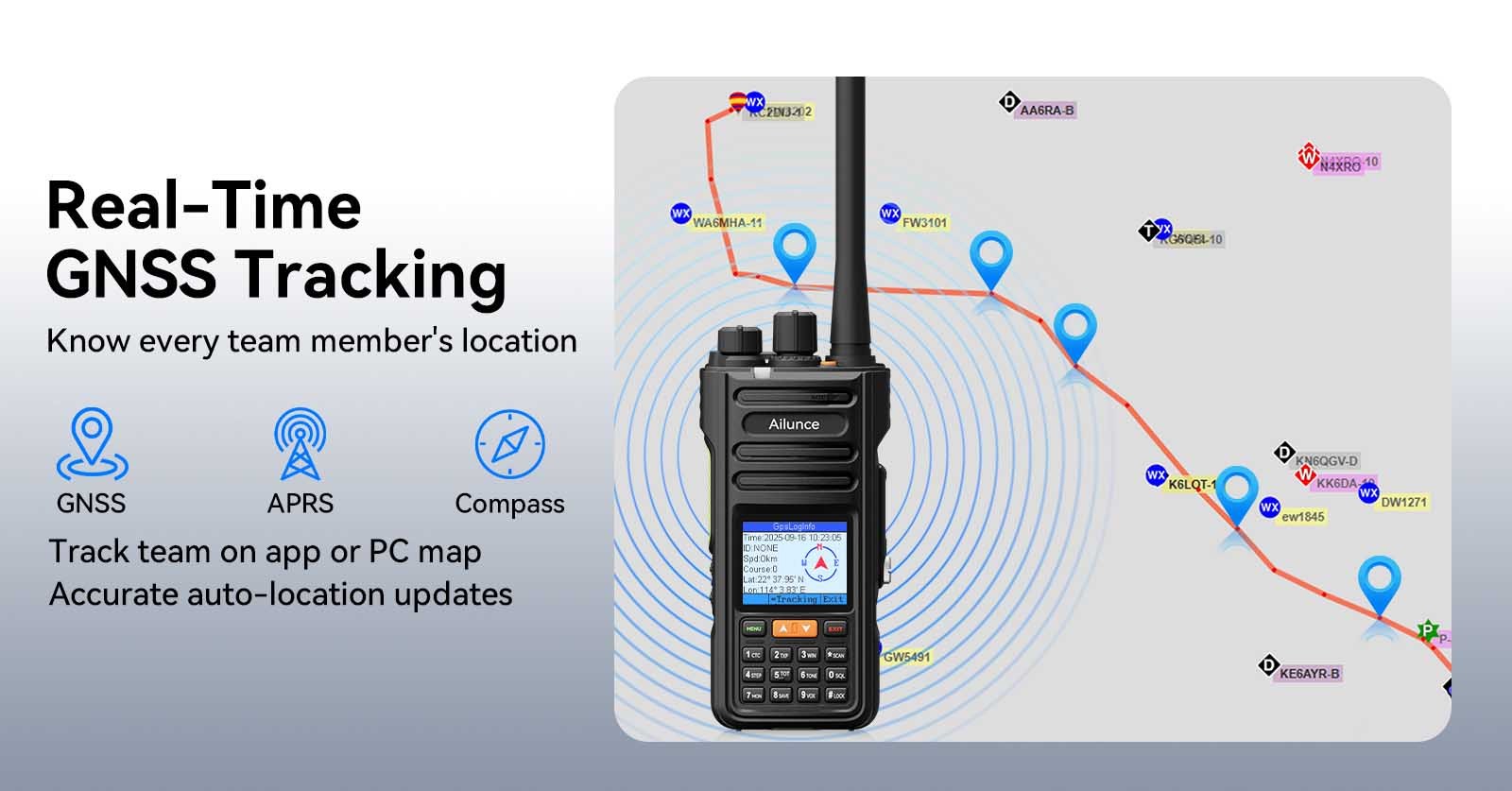
- Built-in GPS & APRS for safety
The HA2’s integrated GPS and APRS functionality let you share your real-time location and track other team members. This is invaluable for outdoor hikes, convoys, or emergency situations where getting lost is a risk. You can also send short text messages via APRS when cell service is unavailable.
- Bluetooth audio for hands-free use
Pair the HA2 with a Bluetooth headset or speaker mic for cable-free communication. This is ideal for long hikes, driving, or working with your hands—no more tangled wires getting in the way.
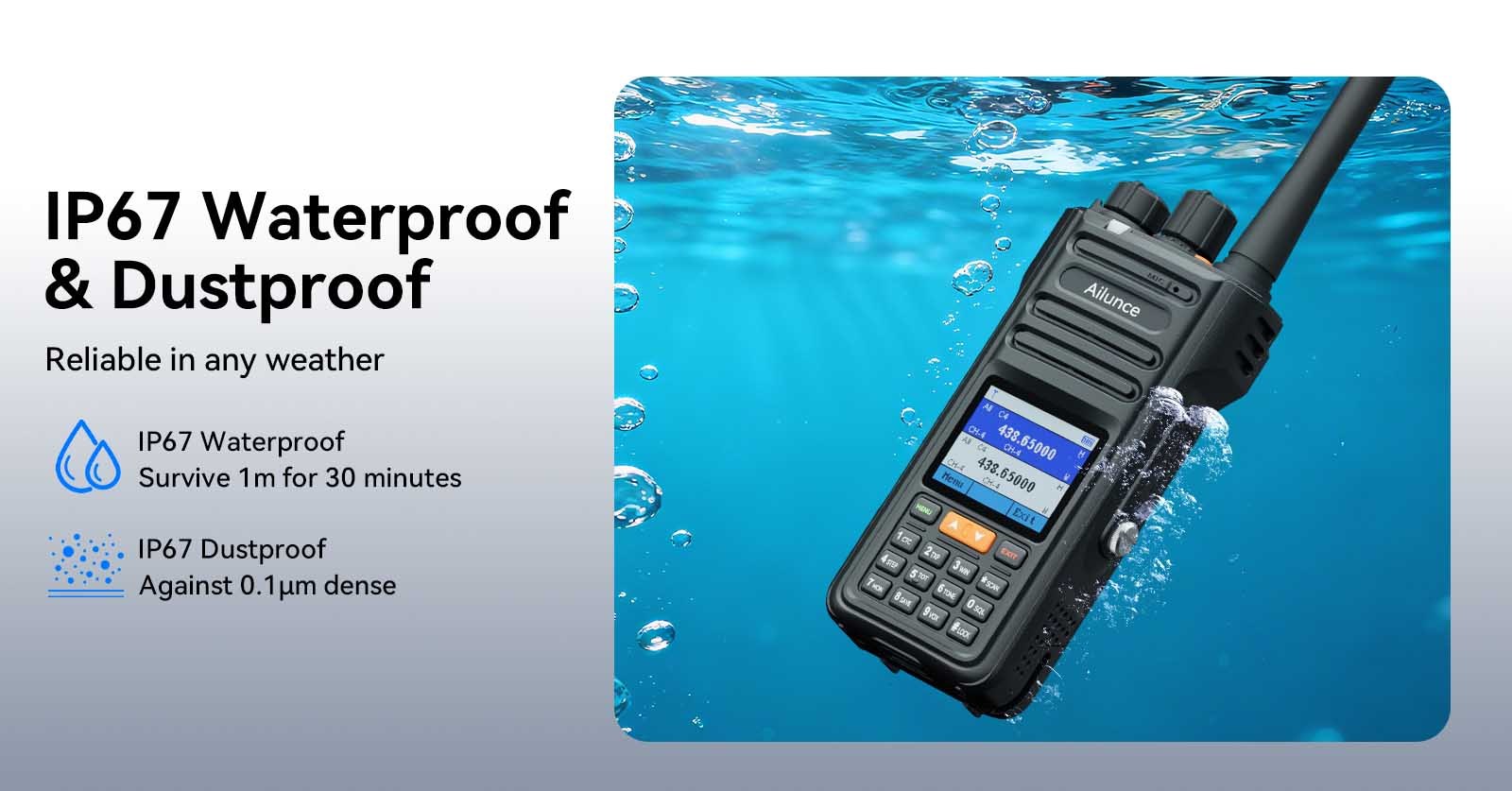
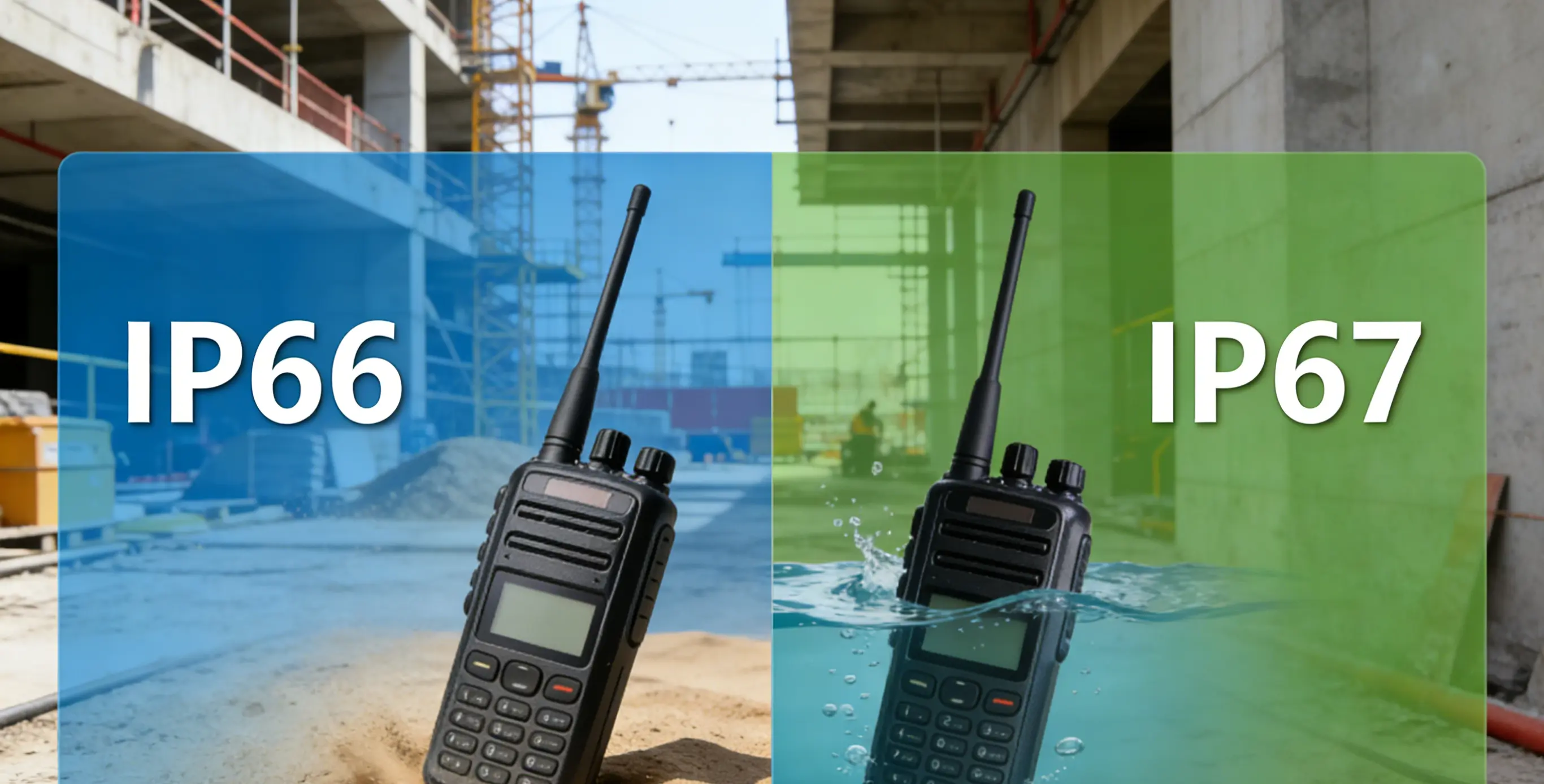
- IP67 waterproof & rugged design
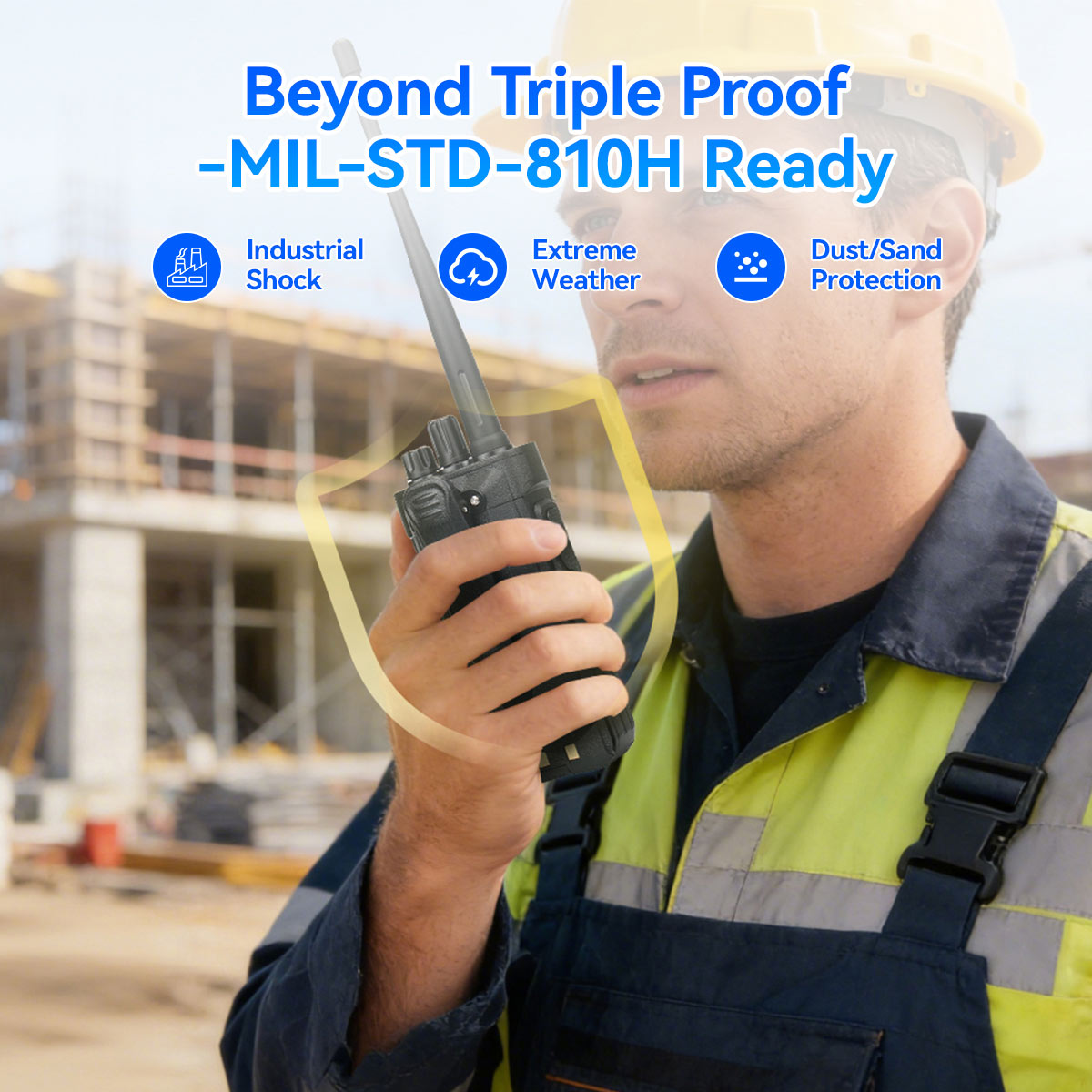
The HA2 can withstand rain, snow, dust, and accidental drops. Whether you’re off-roading, camping, or volunteering at a disaster site, it will keep working when you need it most.
- Aviation band reception
Listen to air traffic control and weather information to stay aware of conditions in your area. This is a great bonus for pilots, hikers, and anyone who wants extra situational awareness.
What Can You Do with Your New FCC Ham Radio License + Retevis HA2?
Once you have your FCC license and a Retevis HA2 in hand, the world opens up:
- Talk through local repeaters – Extend your range from 2 miles to 30+ miles.
- Join weekly nets – Practice your operating skills in a structured format.
- Simplex communication – Direct radio-to-radio for hiking, camping, or neighborhood events.
- Emergency preparedness – Be the neighborhood’s backup comms when cell towers fail.
- Listen to the International Space Station (downlink on 145.800 MHz).
The HA2’s dual-band capability also lets you monitor two channels at once — perfect for scanning both a repeater output and a simplex calling frequency.
Common FAQs About the FCC License for Ham Radio
Is the ham radio exam hard?
No. The Technician exam has 35 multiple-choice questions, and the pass rate is over 80%. Most people study for 2–4 weeks and pass on their first try.
Do I need to know Morse code?
No. The FCC eliminated Morse code requirements for all license classes in 2007.
Can I use my ham radio for business?
No. Amateur radio is for personal, non-commercial use only. For business communication, consider GMRS or business band radios.
How long does the license last?
10 years. You can renew it online for free 90 days before it expires.
Conclusion
Getting your FCC ham radio license is easier than you think, and it’s an investment that pays off for life. In just a few weeks, you’ll gain access to a global community of hobbyists, a reliable emergency communication tool, and endless opportunities for technical exploration.
Start your study journey today with the free resources above, and when you pass your exam, the Retevis Ailunce HA2 will be ready to help you make your first contact. From local chats to global connections, your ham radio adventure starts now.
Ready to get started?
- Online practice tests (Best for active recall)
- HamStudy.org – Spaced repetition, mobile-friendly
- eHam.net – Classic practice exams
- ARRL’s official exam review – Great explanations
- Mobile apps (for studying on the go)
- Ham Radio Exam – Tech (iOS/Android)
- HamStudy app
- Video courses (visual learners)
- Dave Casler’s “Ham Radio License Course” (YouTube, free)
- HamRadioPrep or HamTestOnline (paid but structured)
- Books
- ARRL Ham Radio License Manual – The gold standard
- Gordon West’s Technician Class book – Very readable
Leave a Reply






 Google
 Amazon
Comments
No data Yet