
Table of Contents
How to Get QSL Cards for Ham Radio | Beginner Guide
- Posted by:Retevis
How to Get QSL Cards for Ham Radio
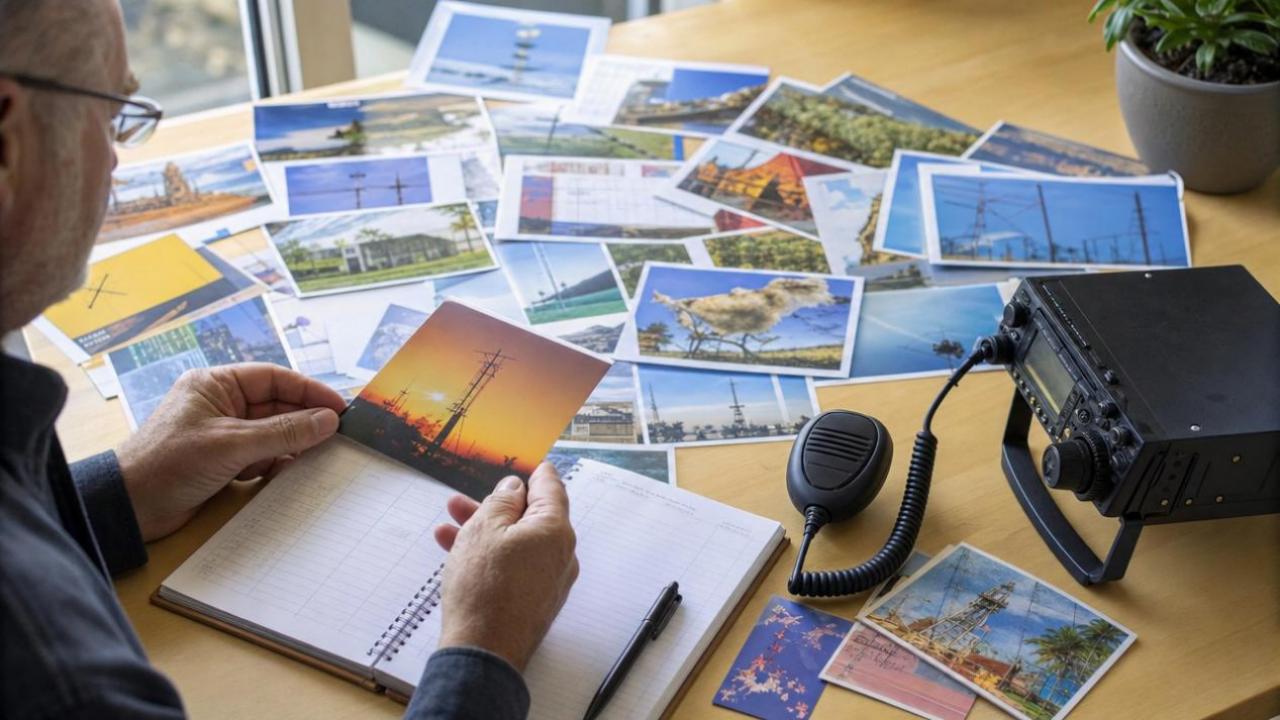
QSL cards are printed postcards that confirm a two-way radio contact between two ham radio operators. For new hams, these cards are often the first tangible reward of getting on the air: a physical note from a stranger hundreds or thousands of miles away, proving a real connection took place.
Every card carries core details of the contact: both call signs, the date and time in UTC, the frequency or band used, operating mode, and signal reports. These details make the card official proof for ham radio awards such as DXCC, WAS, and WPX. For over 100 years, exchanging QSL cards has been a central tradition of the hobby, even as digital tools have grown in popularity.
New hams usually start with one straightforward question: how do I get QSL cards from the stations I work? This guide breaks down every common method for collecting ham radio QSL cards, with clear costs, timelines, and best use cases for each. It also covers basic rules and common mistakes that trip up new operators, so anyone can build a collection without wasting time or money.
Before You Start: Prepare Your Own QSL Cards
Before collecting cards from other operators, operators need their own QSL cards to send out. Exchanging cards works both ways: one operator sends a card to confirm their side of the contact, and the other operator sends one back.
Complex design isn't required to make usable cards. Many online print shops specialize in ham radio QSL cards, with pre-made templates customizable with a call sign and personal details. Standard QSL cards measure 3.5 by 5.5 inches, matching the size of a standard postcard. This size works with every national bureau system and postal service around the world.
Every card must include a few key pieces of information:
- Your call sign, printed clearly in large text
- Blank fields for the other operator’s call sign, contact date, time, band, mode, and RST signal report
- Your full mailing address, so recipients know where to send a reply
Personal touches such as a photo of the station, antenna setup, or local landscape are common. A pack of 100 basic cards usually comes at a low cost, and lasts most new operators many months.
Four Main Ways to Get QSL Cards
1. Direct Mail
Direct mail is the fastest way to get a physical QSL card from another station. Operators send their card straight to the other operator’s home mailing address, and include a self-addressed envelope with enough postage for the return card.
Most operators’ mailing addresses appear on QRZ.com or their personal ham radio profile pages. For international contacts, operators need to include postage valid in the recipient’s country. Many hams buy foreign stamps online from specialist retailers, as International Reply Coupons (IRCs) will be discontinued globally at the end of 2026 and are no longer widely available.
- Cost: High compared to other methods, especially for international mail. Costs include outgoing postage, return postage, and envelope supplies.
- Speed: 1 to 4 weeks for most countries, depending on postal service speed.
- Best for: Rare DX stations, special event stations, or contacts with personal meaning. Direct mail works only for stations where a physical card holds specific value.
2. QSL Bureau
The QSL bureau system is the lowest-cost way to exchange ham radio QSL cards in bulk. Almost every country runs a central bureau, usually managed by the national ham radio association.
The system follows a simple process. Operators send a batch of outgoing cards to their national bureau. Staff there sort all incoming cards by call sign prefix, then bundle them and send them in bulk to bureaus in other countries. When cards from other countries arrive at the national bureau, staff sort them by call sign and hold them for pickup or delivery. Many bureaus mail incoming cards on a regular schedule, or send notifications when cards are waiting.
Only domestic postage to send cards to the local bureau is usually required. There is often no extra fee for incoming cards, especially for members of the national association.
- Cost: Very low. Most operators only pay domestic postage to send outgoing batches.
- Speed: Slow. It usually takes 3 to 12 months to receive cards through the bureau system, and sometimes longer for rare countries. Bulk shipping and manual sorting take time.
- Best for: Regular domestic contacts, casual DX contacts, and any routine QSOs requiring a physical record. This is the default method for most everyday operating.
3. Digital Confirmation
Digital QSL services allow instant contact confirmation without physical cards. Two main platforms see wide use across the ham community: Logbook of The World (LoTW) and eQSL.
Logbook of The World, run by the ARRL, is the most widely accepted digital confirmation system. It counts toward nearly all major ham radio awards, including DXCC, WAS, and WPX. Use of LoTW requires application for a digital certificate, followed by upload of contact logs directly from logging software. The system automatically matches log entries between two operators. A match generates an official confirmation for both sides.
eQSL is a free third-party platform. It has a simpler sign-up process than LoTW, but does not receive acceptance for as many official awards. Many operators use it for casual record-keeping, or to print digital cards as backups.
- Cost: Low or free. LoTW requires a small one-time fee for the certificate, and eQSL offers free basic accounts.
- Speed: Instant. Confirmations appear as soon as both operators upload their logs.
- Best for: Fast award credit, daily operating records, and contacts with no need for a physical card. Most active hams use digital confirmation as their primary award verification method.
4. OQRS and QSL Managers
Popular DX stations and large DXpeditions often do not handle their own QSL cards. Instead, they appoint a dedicated QSL manager, or use an Online QSL Request System (OQRS).
A QSL manager is an experienced ham who handles all card requests on behalf of a rare station or expedition team. Requests and return postage go to the manager, not the operator themselves.
OQRS platforms, such as the system built into ClubLog, enable fully online card requests. Users look up the station, check for their contact in the official log, pay a small processing fee online, and receive the card by mail once processing starts. Most DXpeditions use this method for its convenience for both the expedition team and requesting operators.
- Cost: Medium. Fees usually cover printing, postage, and processing time.
- Speed: 1 to 3 months after the DXpedition ends and processing begins.
- Best for: Remote DX stations, official DXpeditions, and rare entities that do not accept regular direct mail.
Simple Starter Plan for New Ham Radio Operators
There is no need to use every method for every contact. For new amateur radios operators just starting to collect ham radio QSL cards, following this simple plan keeps things organized and avoids unnecessary costs:
First, sign up for LoTW and configure logging software to upload logs automatically. This step delivers instant award credit for every contact, with almost no extra work. It should serve as the default confirmation method for all regular contacts.
Second, order 100 basic QSL cards and register with the national QSL bureau. Once a month, gather all outgoing cards and mail them in one batch to the bureau. This approach keeps costs low and builds a physical collection steadily over time.
Third, reserve direct mail or OQRS for high-priority stations. Rare countries, special event stations, or especially memorable contacts justify the extra cost of a direct physical card. Routine contacts work perfectly well with bureau and digital systems.
Finally, keep a simple record of sent and received cards. A basic spreadsheet works, as do tracking tools built into QRZ or ClubLog. This record helps avoid duplicate requests, and makes it easy to follow up on cards that never arrive.

Common Mistakes to Avoid
New operators often run into the same problems when first learning how to get QSL cards. Avoid these five common mistakes to save time, money, and frustration:
- Using local time instead of UTC.
All ham radio contacts and QSL cards use UTC time, also called Zulu time. Local time written on a card will not match the other operator’s log, and the card will not count for awards. Always convert contact time to UTC before filling out a card.
- Using short numeric dates.
A date like 3/2/25 means March 2 in some countries and February 3 in others. This confusion can invalidate a card for award use. Always spell out the month, such as “02 March 2025”, to eliminate all ambiguity.
- Sending direct requests without return postage.
This is one of the most frequent mistakes new hams make. Most operators will not cover postage for return cards. Always include a self-addressed envelope with correct return postage, or an IRC for international mail.
- Ignoring the station’s stated QSL policy.
Before sending any card, check the operator’s QRZ or ClubLog page for their QSL information. Many stations clearly state no acceptance of direct mail, or only reply via the bureau system. Sending a card to a station that does not use direct mail wastes postage and never receives a reply.
- Leaving out required contact details.
A valid QSL card needs both call signs, date, time, band, mode, and signal report. Missing any of these fields makes the card unusable for awards, and may lead to no reply from the other operator. Fill out every field clearly and legibly.
QSL cards are more than just pieces of paper. They are physical reminders of the connections made across the airwaves. A card from a distant country, a remote island, or a special event can turn a brief radio contact into a lasting memory.
There is no need to collect a card for every single contact. Pick the methods that align with personal goals, whether those goals include chasing awards, building a collection of rare cards, or just keeping a record of time on the air. Start simple, stick to the basic rules, and any collection will grow one contact at a time.






 Google
 Amazon
Comments
No data Yet