
Table of Contents
QRV in Ham Radio: What It Means and How It's Used
- Posted by:Retevis
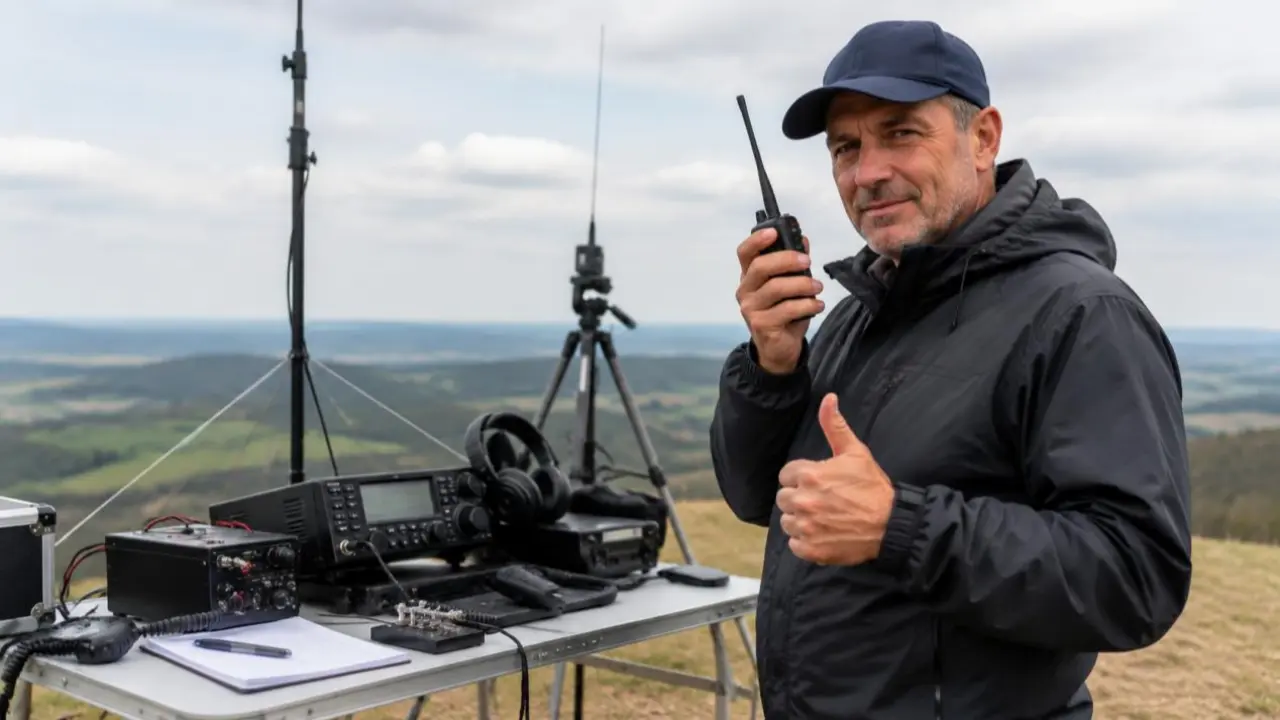
In amateur radio, some terms appear so often that they become part of the operating culture. QRV ham radio is one of those terms. It is short, practical, and widely recognized by operators across different bands and modes. For newcomers, it may look mysterious at first. In reality, it is one of the most useful Q-codes in daily radio communication. This article explains what is qrv in ham radio, how operators use it, and why the term still matters in modern amateur radio.
What Does QRV Mean in Ham Radio?
QRV is a Q-code used in amateur radio to mean “I am ready” or “Are you ready?” The exact meaning depends on the context of the conversation. That flexibility makes QRV very useful in live radio contacts. Operators can share information fast and keep the conversation clear.
Q-codes were created to make radio communication shorter and easier. They help when signals are weak, time is short, or operators speak different languages. Instead of saying a full sentence, an operator can use a short code that carries the same meaning.
In everyday use, an operator may ask, “QRV?” to check readiness. The reply, “QRV,” confirms that the station is prepared to continue. This may happen before a scheduled contact, before a frequency change, or before starting a transmission.
For people new to amateur radio, understanding this term is a useful step toward reading on-air language with confidence.
Why QRV Still Matters in Ham Radio Today
Modern radios are far more advanced than the equipment used when Q-codes were first created. Digital modes, repeaters, and online logging systems have changed the way operators talk on the air. Even so, QRV remains a familiar and practical term.
There are several reasons for that.
1. It saves time
Radio communication is often about efficiency. On voice, every second matters. A short code is faster than a long sentence and easier to copy under poor signal conditions.
2. It works across language barriers
Amateur radio is international. Operators from different countries may not share the same first language, but Q-codes create a common language for ham radios around the world.
Many contacts happen in noisy environments, during contests, or while using portable gear. Under those conditions, short and clear language is more effective than long explanations.
4. It remains part of ham radio tradition
Amateur radio is not only technical. It also has a strong culture and history. Using terms such as QRV connects modern operators with long-standing operating practice.
That is why qrv ham radio is still more than a phrase from the past. It continues to serve a real purpose.
How Operators Use QRV on the Air
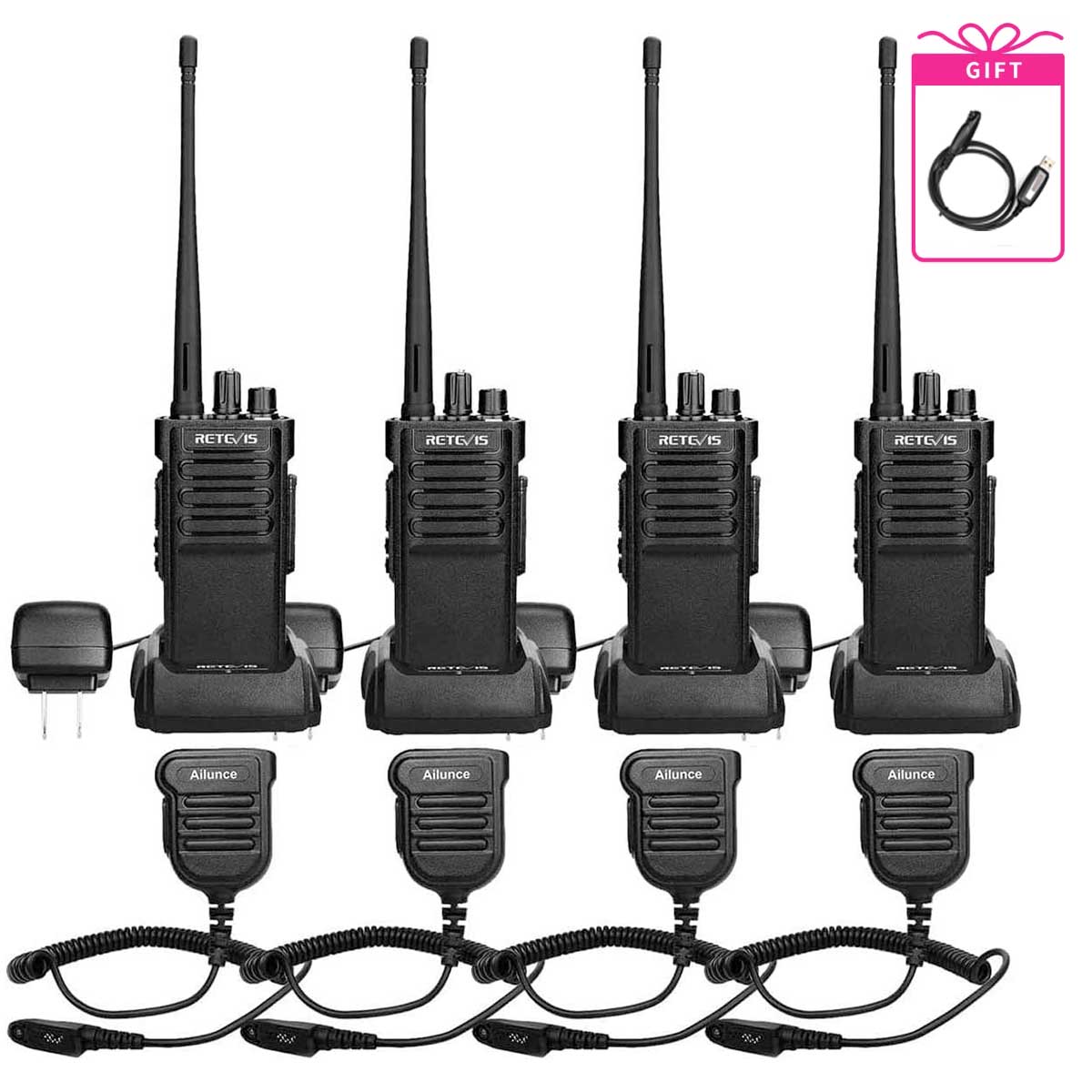
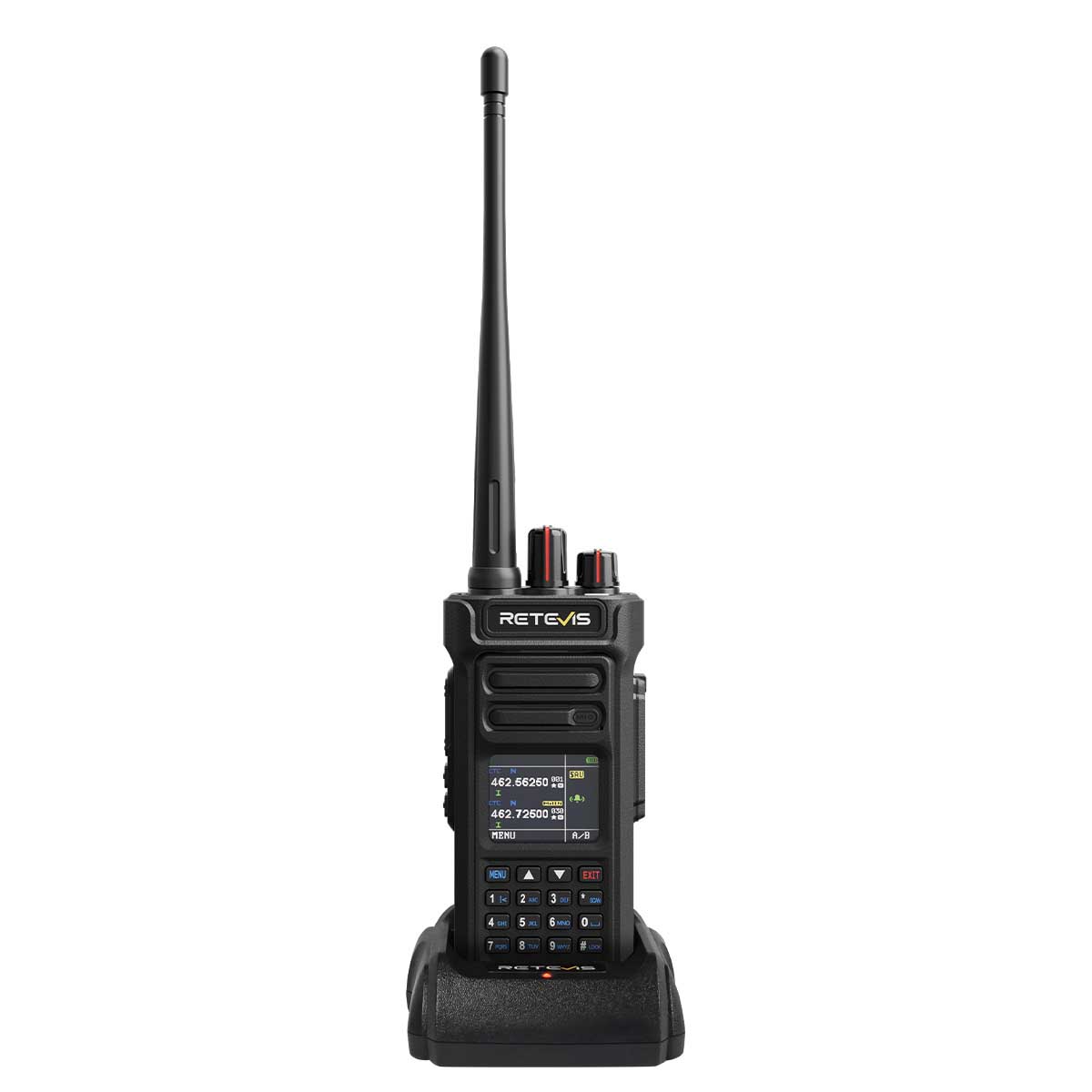
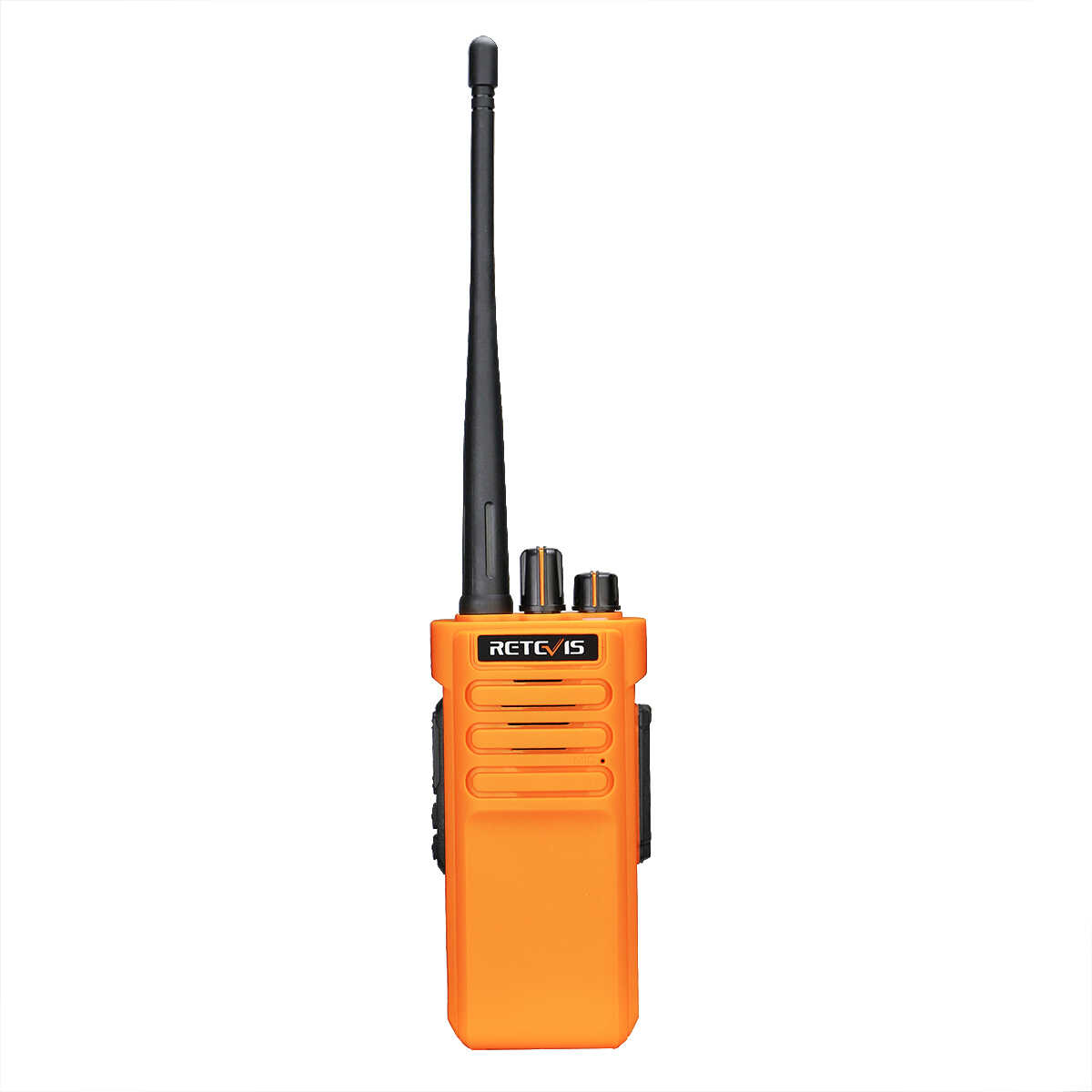
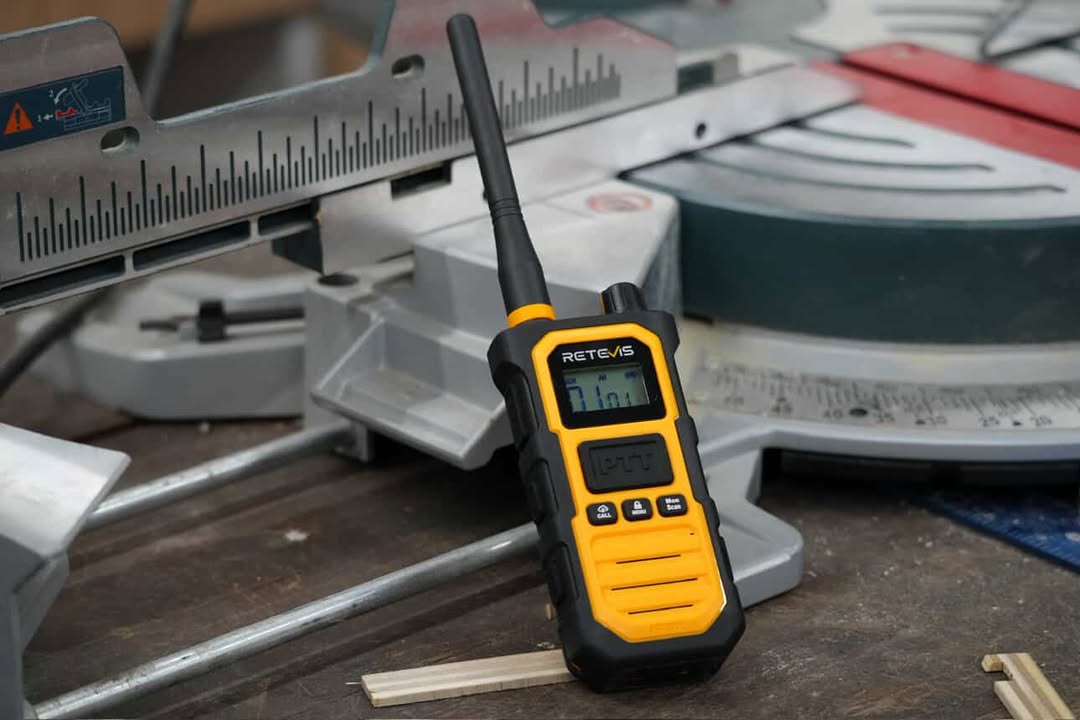
To understand the term properly, it helps to see how it appears in real communication. For example, a ham using a Retevis HAM two-way radio can quickly confirm readiness before a local contact, a portable setup, or field operation.
Before a contact starts
An operator may ask, “QRV?” to check if the other station is ready. This is common before starting a QSO.
When confirming station setup
An operator may say, “QRV now,” after finishing antenna setup, radio setup, or power checks. This tells the other side the station is ready.
During a scheduled contact
Many operators make plans ahead of time. They may agree on a frequency and a time. When the contact starts, QRV helps both sides confirm readiness before they begin.
In field operation
Portable operators often need short, clear communication. A hand-held or mobile radio is often used in this kind of work. A reliable radio such as a Retevis HAM two-way radio can make it easy to confirm readiness before a quick local contact or a field setup.
In emergency or time-sensitive work
When communication needs to stay short and direct, QRV helps operators move fast. It supports clean communication and reduces confusion.
These uses show that QRV is not just a textbook term. It has real value in day-to-day radio work.
QRV Compared With Other Common Q-Codes
New operators often hear QRV together with other Q-codes. A short comparison helps keep them apart.
|
Q Code |
Meaning |
Example |
|
QSY |
to change frequency |
“Let’s QSY to 14.250 MHz.” |
|
QSL |
acknowledgment or confirmation |
“QSL, I copied your signal.” |
|
QTH |
location |
“My QTH is near Chicago.” |
|
QRV |
ready |
“QRV now” or “Are you QRV?” |
The key difference is simple. QRV is about readiness. It is often used right before a contact begins or when an operator wants to move forward with the next step.
What New Operators Should Remember
For someone entering the hobby, QRV is worth learning early. It is short, common, and easy to recognize once it has been seen a few times on the air.
A few points stand out:
- It means readiness.
- It may be used as a question or a statement.
- It appears in both casual and more structured operating situations.
- It helps make communication faster and more efficient.
Learning terms like QRV also builds a stronger foundation for other parts of ham radio. Once the basic Q-codes start making sense, many on-air exchanges become much easier to follow.
QRV in Different Operating Styles
The meaning stays the same, but the way QRV is used can vary depending on the station.
HF operation
On HF, QRV often appears before a scheduled contact or a longer conversation. It helps both sides confirm that the frequency, antenna, and radio settings are ready.
VHF and repeater work
On local VHF communication or repeater traffic, the term may appear less often than on HF, but it still shows up when operators want to confirm readiness.
Contest and DX work
In contesting and DX operation, communication is fast and direct. QRV is useful because it avoids unnecessary words and keeps the exchange efficient.
Portable and emergency use
In field settings, operators need concise language. QRV works well when checking station readiness, battery status, or setup before transmitting.
Conclusion
QRV is a small term, but it carries real weight in amateur radio. On voice, every second matters. A short code is faster than a full sentence and easier to understand when signals are weak. For anyone learning radio procedures, understanding what is qrv in ham radio is a useful first step toward better on-air communication. It is one of those core expressions that appears again and again in operator practice, and it remains central to the meaning of qrv ham radio today.
FAQs
What does QRV mean in ham radio?
QRV means ready. It can also mean “Are you ready?” depending on the context.
Is QRV still used today?
Yes. Many operators still use QRV in voice contacts, portable operation, contesting, and scheduled radio work.
What is the difference between QRV and QSY?
QRV means ready. QSY means change frequency.








 Google
 Amazon
Comments
No data Yet