
Table of Contents
How Radios Help Improve Construction Site Safety Compliance
- Posted by:Retevis
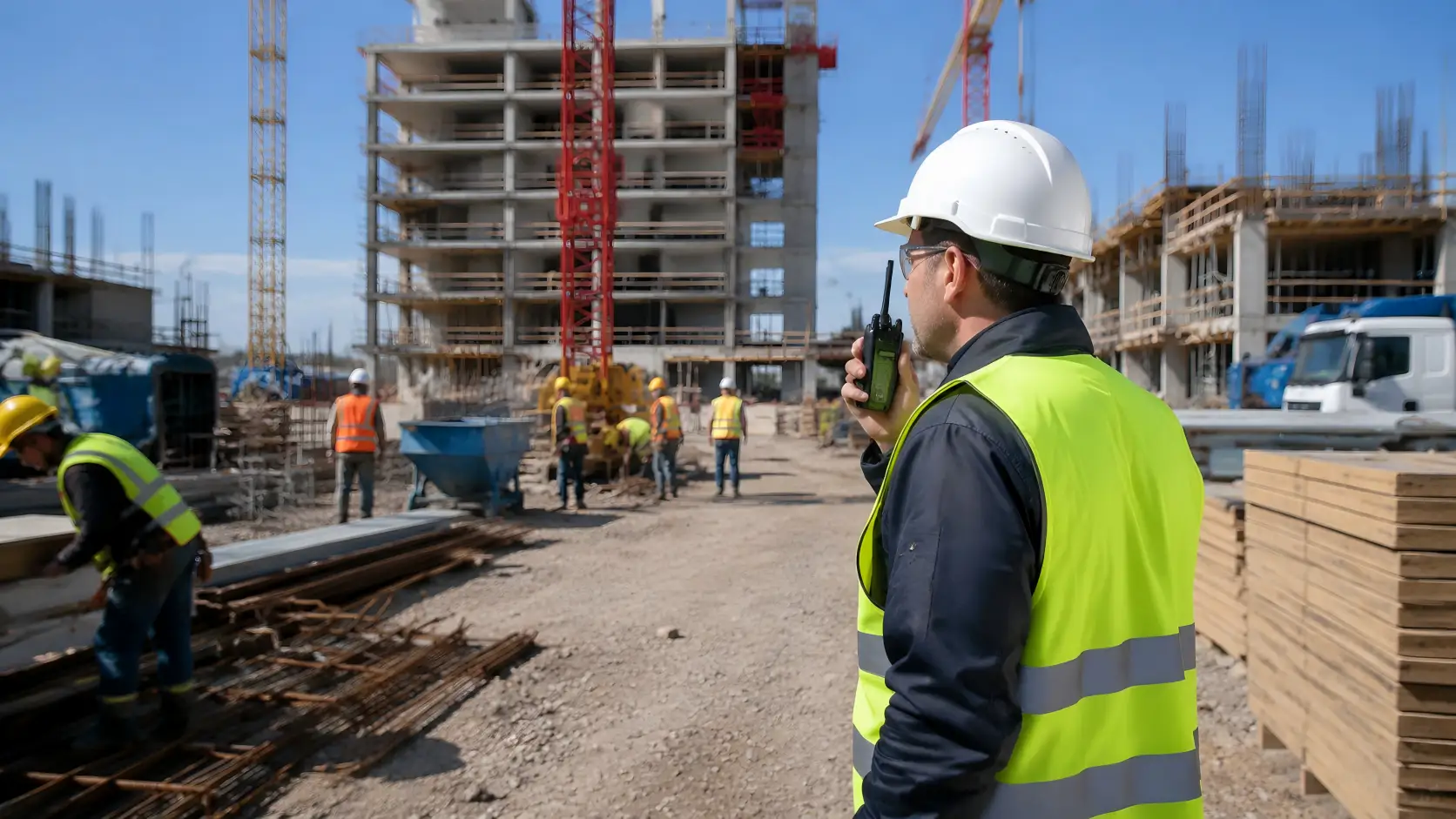
Construction sites are busy, noisy, and often dangerous. Workers move between different areas, machines run all day, and site conditions can change in minutes. In this kind of environment, good communication is not just helpful. It is a key part of safety.
That is why jobsite communication matters so much. When teams can share updates fast, they can avoid mistakes, report hazards sooner, and keep work moving safely. A reliable construction radio system helps make that possible. In fact, radios improve construction site safety compliance by helping workers follow rules, respond faster, and stay aware of changing site conditions.
On a construction site, even a small delay can lead to a bigger problem. A warning that comes too late, an instruction that is not heard clearly, or a missed update about a hazard can put people at risk. Radios help close that gap. They give crews a direct, simple way to stay connected all day long.
Why Safety Compliance Depends on Clear Communication
Safety compliance is not just about having rules on paper. It is about following those rules every day on the jobsite. A company may have strong policies, training, and inspection steps, but if workers do not get the right message at the right time, safety problems can still happen.
Poor communication can lead to:
- late hazard reports
- missed instructions
- confusion during emergencies
- unsafe equipment movement
- access to restricted areas
- delays in correcting dangerous conditions
These problems can put workers at risk and make it harder to meet safety standards. Clear communication helps teams stay on the same page. That is why many contractors use two way radios for construction sites instead of depending only on phones or text messages.
Radios work well in noisy places. They also let workers speak to each other right away. This makes them a strong tool for daily safety work. When people can communicate without delay, they are more likely to follow site rules and less likely to make avoidable mistakes.
In many ways, compliance depends on quick action. If a hazard appears, someone must report it fast. If a supervisor changes a work zone, the crew must hear it right away. If an emergency starts, the team must know what to do without waiting. Radios make this easier.
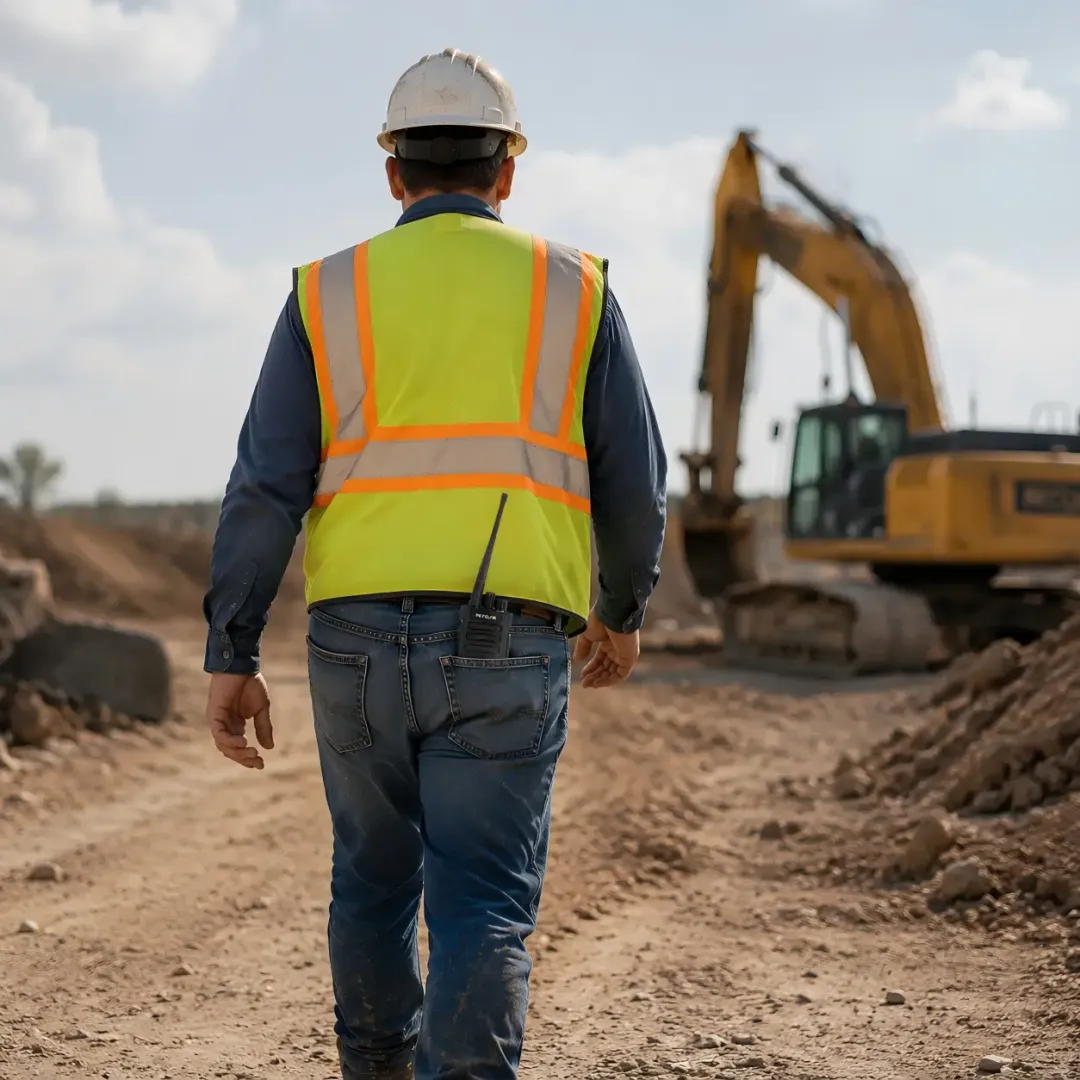
How Radios Support Safer and More Compliant Worksites
Radios help construction teams work safely and follow site rules more closely. They are simple, but they play a big role in how a site operates.
Faster hazard alerts
If a worker sees a hazard, they can report it right away. This may include a spill, falling debris, exposed wiring, an open trench, or unsafe equipment use. A fast warning can stop a small problem from becoming a serious one.
This is one of the main reasons radios are so useful for construction safety. Workers do not need to stop and search for a phone. They can press a button and give a warning in seconds. That speed can make a real difference in preventing accidents.
Better crew coordination
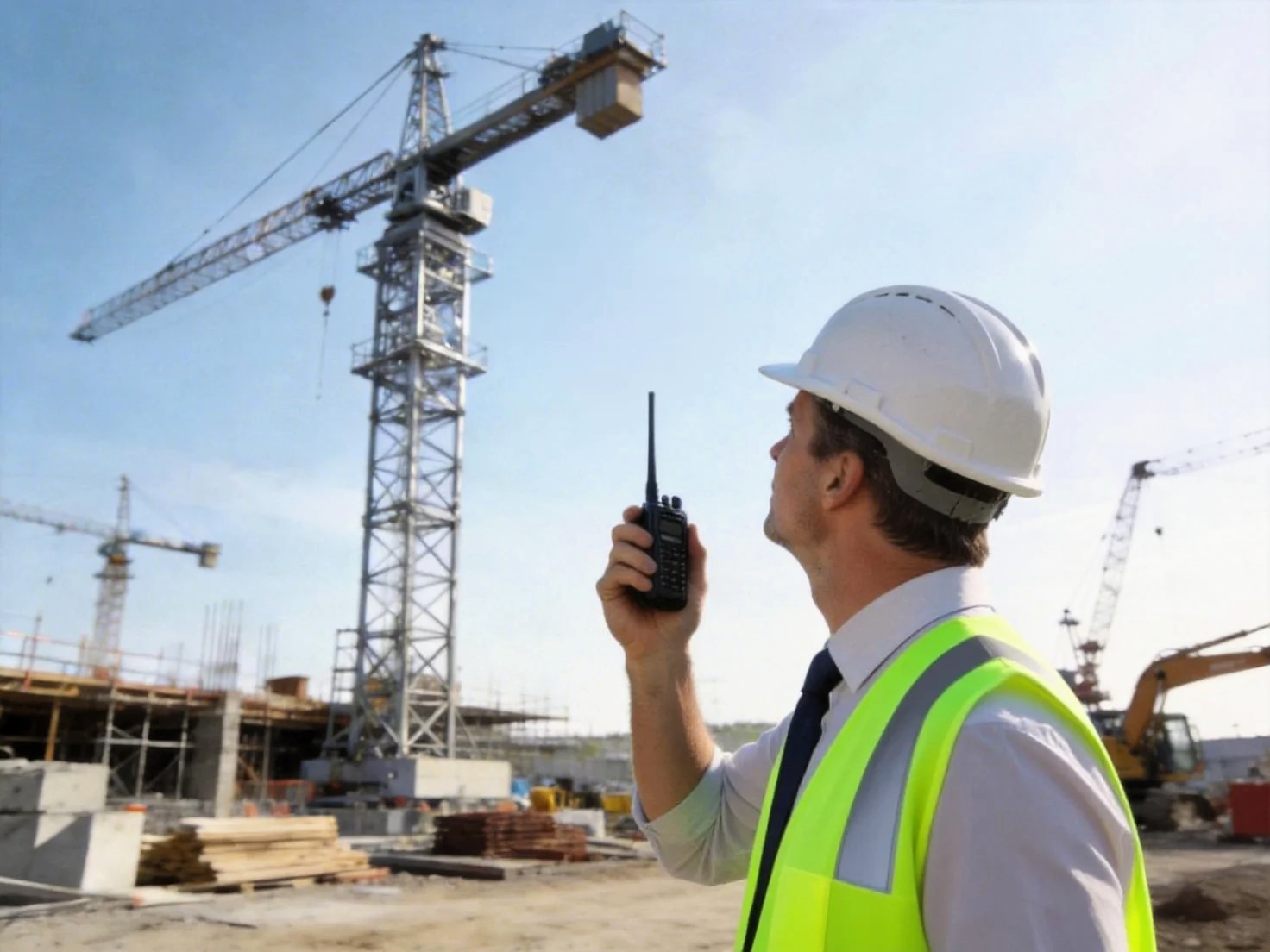
Construction sites often have many crews working at once. Supervisors need to guide workers, deliveries, and equipment across the site. Radios make this easier. They help teams stay connected across different zones and levels.
For example, a supervisor can tell one crew to pause while a delivery passes through. A spotter can warn a machine operator about someone entering a work area. A safety lead can tell workers when a zone has changed or when a new risk appears.
On larger projects, long range walkie talkies can help keep communication strong across wide areas. This is useful when teams work far apart, across different floors, or in outdoor areas where sound and visibility are limited.
Better emergency response
When an emergency happens, time matters. Radios help teams react quickly. They can warn others, call for help, and guide people to safety. This can be very important during a fire, injury, equipment accident, or other urgent event.
A radio call can alert site leadership in seconds. It can also help direct emergency responders to the right location. In a fast-moving situation, that kind of immediate communication can reduce confusion and save time.
Stronger accountability
When supervisors give instructions over a radio, the message is clear and direct. Workers know what to do and when to do it. This helps reduce confusion and supports safer behavior on site.
It also helps supervisors keep track of important actions. If a restricted area must stay closed, if a machine must stop moving, or if a crew must wait for clearance, the instruction can go out right away. That makes it easier to manage the site in a controlled and consistent way.
Strong accountability is important because many safety issues start with small misunderstandings. Radios reduce that risk by making communication simple and immediate.
Radios in Daily Compliance Procedures
Radios are useful not only in emergencies but also in daily work. They help support routine safety steps that keep a site compliant. These small, repeated actions matter because they shape how the site runs every day.
Toolbox talks
Toolbox talks are one of the most common safety routines on a construction site. Supervisors use them to review risks, remind crews about rules, and share updates before work begins. Radios can help make this process easier by gathering teams, sharing timing updates, and passing along changes in the day’s plan.
If the weather changes, if a delivery is late, or if a new hazard appears, the supervisor can use the radio to update crews quickly. That helps workers start the day with the right information.
Restricted-area control
Some areas on a site may need limited access. These may include lift zones, excavation areas, active equipment paths, or spaces where only certain workers are allowed. Radios help supervisors tell workers when to stay out, when to enter, and when conditions change.
This supports compliance because access control is a major part of jobsite safety. If people enter the wrong zone at the wrong time, the chance of an incident rises fast. Radios help prevent that by keeping everyone informed.
Equipment movement
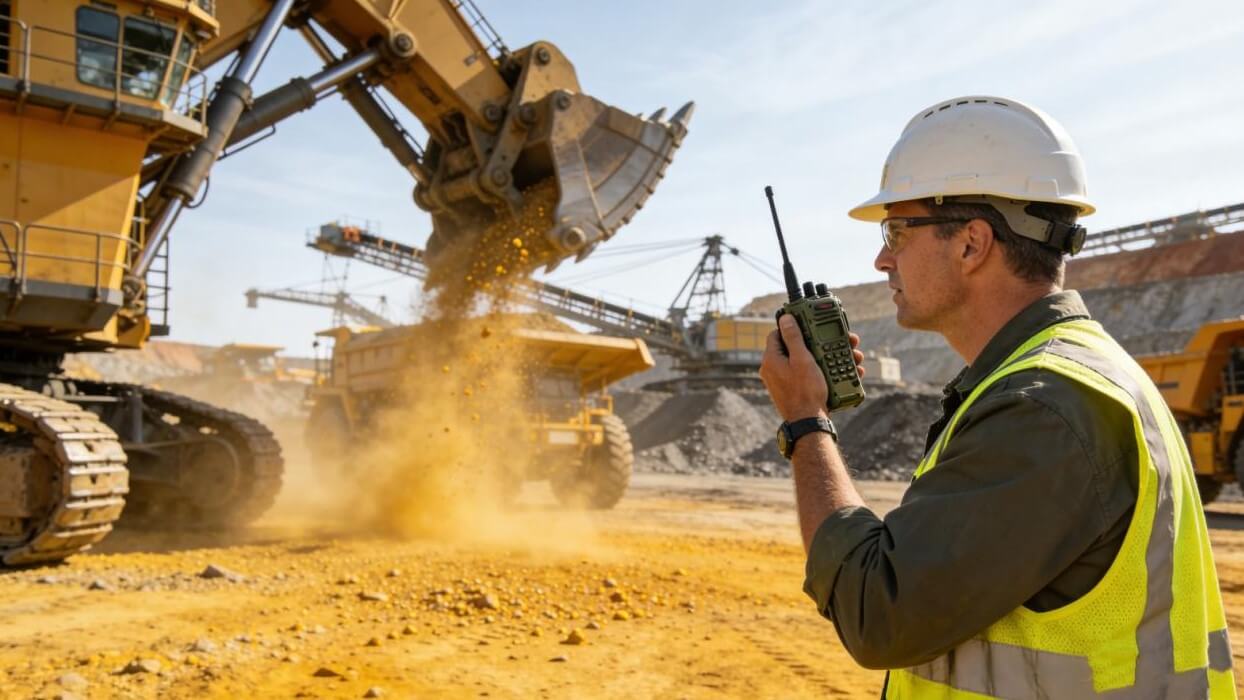
Heavy equipment, trucks, and lifting operations need careful control. Radios help operators and spotters communicate clearly so they can avoid mistakes and keep people safe.
For example, a signal person can warn an operator before a lift begins. A ground worker can tell a truck driver when the area is clear. A supervisor can stop movement if a person walks too close to the active zone. These small exchanges can prevent serious problems.
Incident reporting
If something goes wrong, workers need to report it quickly. Radios make it easy to escalate an issue without delay. This helps the site respond faster and improve compliance.
Incident reporting is not only about major accidents. It also includes near misses, unsafe conditions, and small problems that should be corrected before they become bigger. Radios make that process faster and more reliable. When workers know they can report issues easily, they are more likely to speak up.
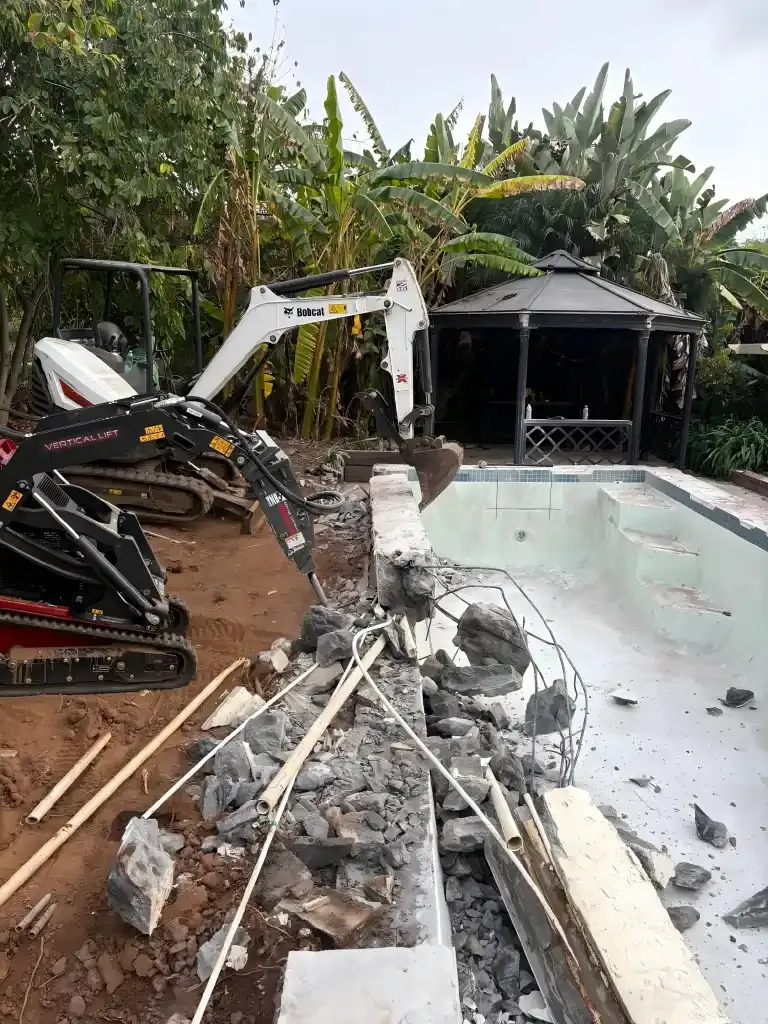
Choosing the Right Radio System for Construction Sites
Not every radio fits every jobsite. The best system depends on the size of the site, the noise level, and the type of work being done. A small project may only need basic coverage. A large commercial build may need stronger range and more advanced features.
When choosing a radio system, look for these features:
- strong durability
- long battery life
- clear sound in noisy places
- reliable range across the site
- easy operation for workers
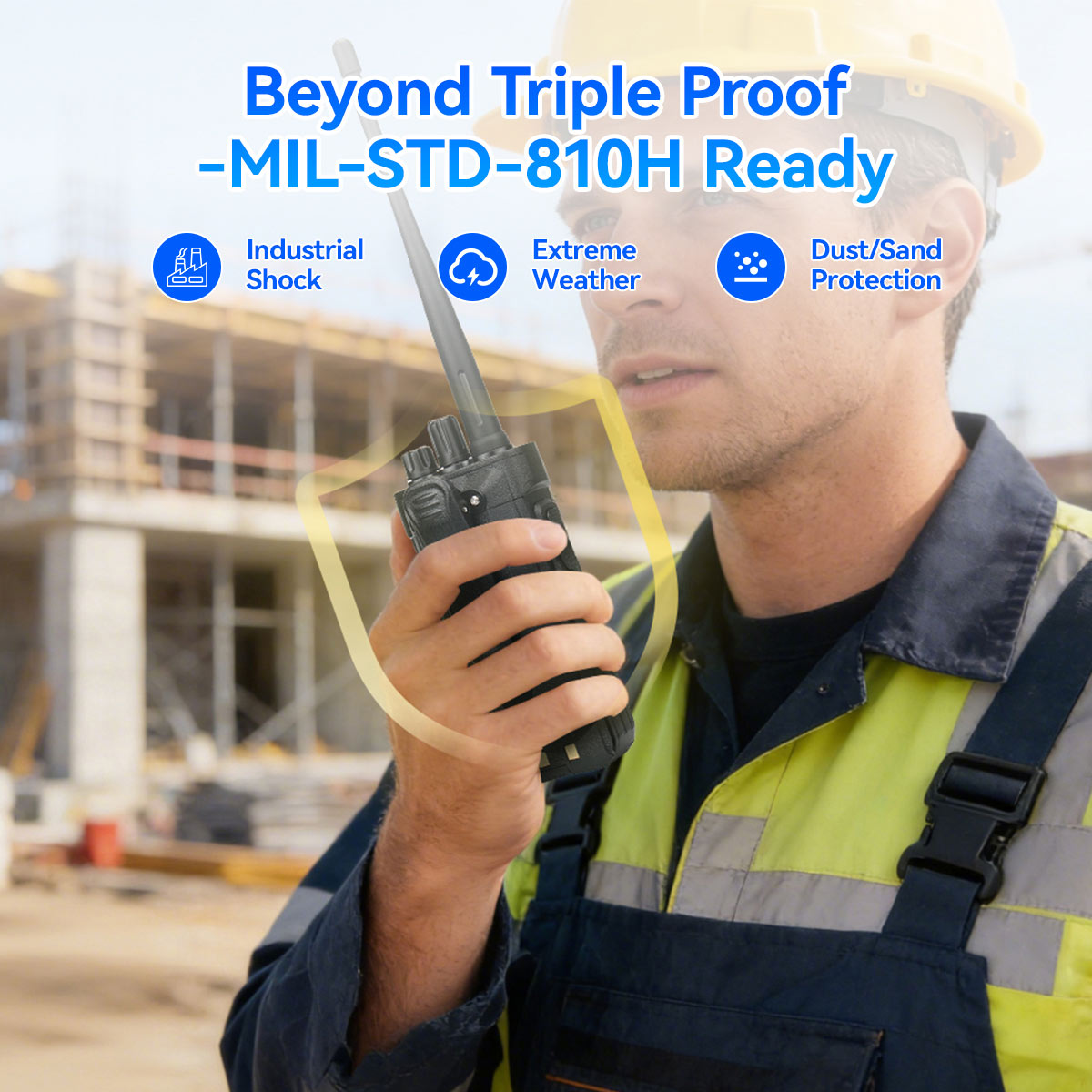
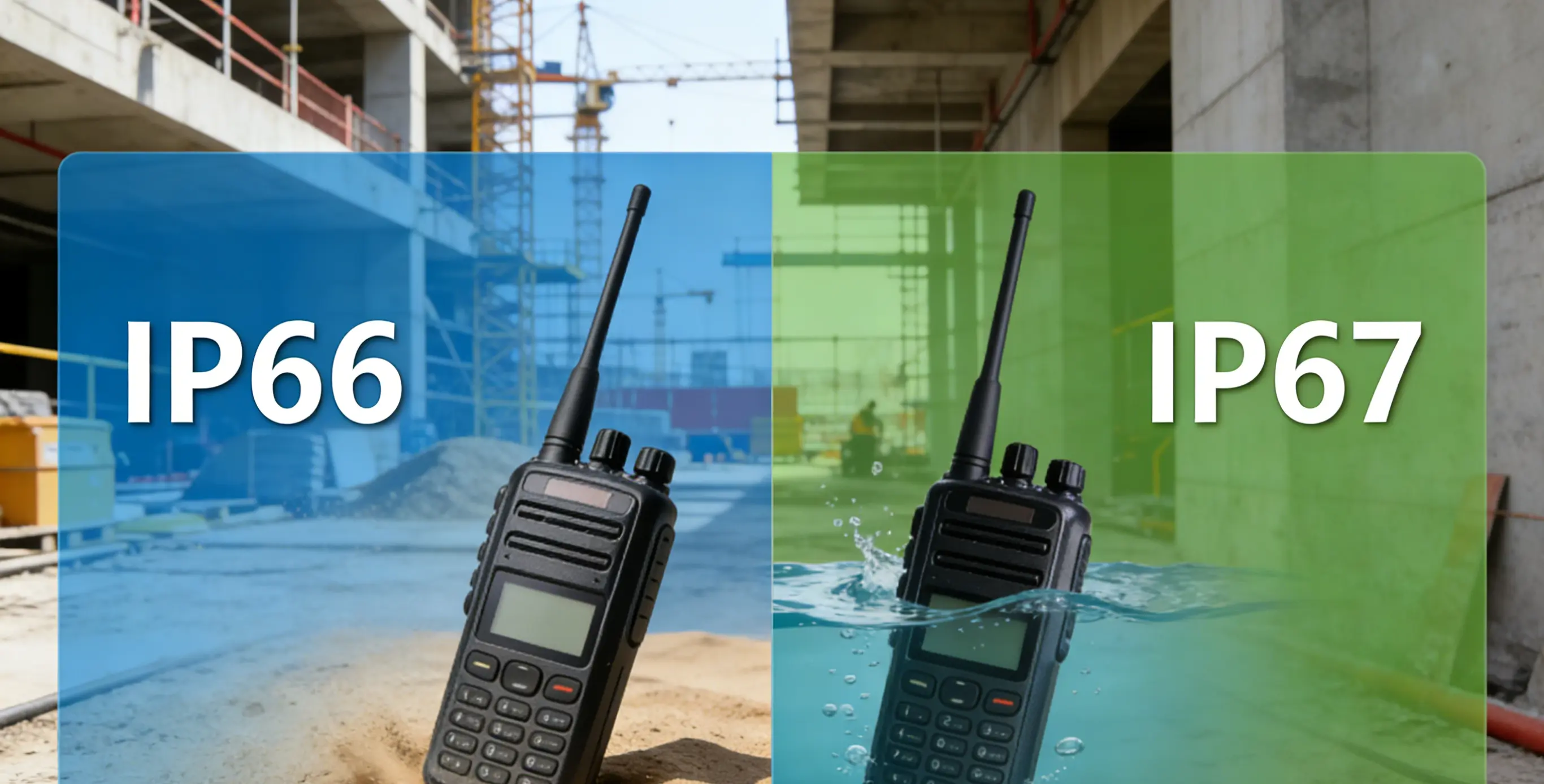
Durability matters because construction sites are rough. Radios should handle dust, drops, vibration, and moisture. Battery life matters because workers need devices that last through long shifts. Clear sound matters because loud equipment and background noise can make communication hard. Range matters because large sites need coverage across multiple zones.
A good system should make communication simple, not harder. Workers should be able to use it quickly without special training. If a radio is too complicated, people may stop using it when they need it most.
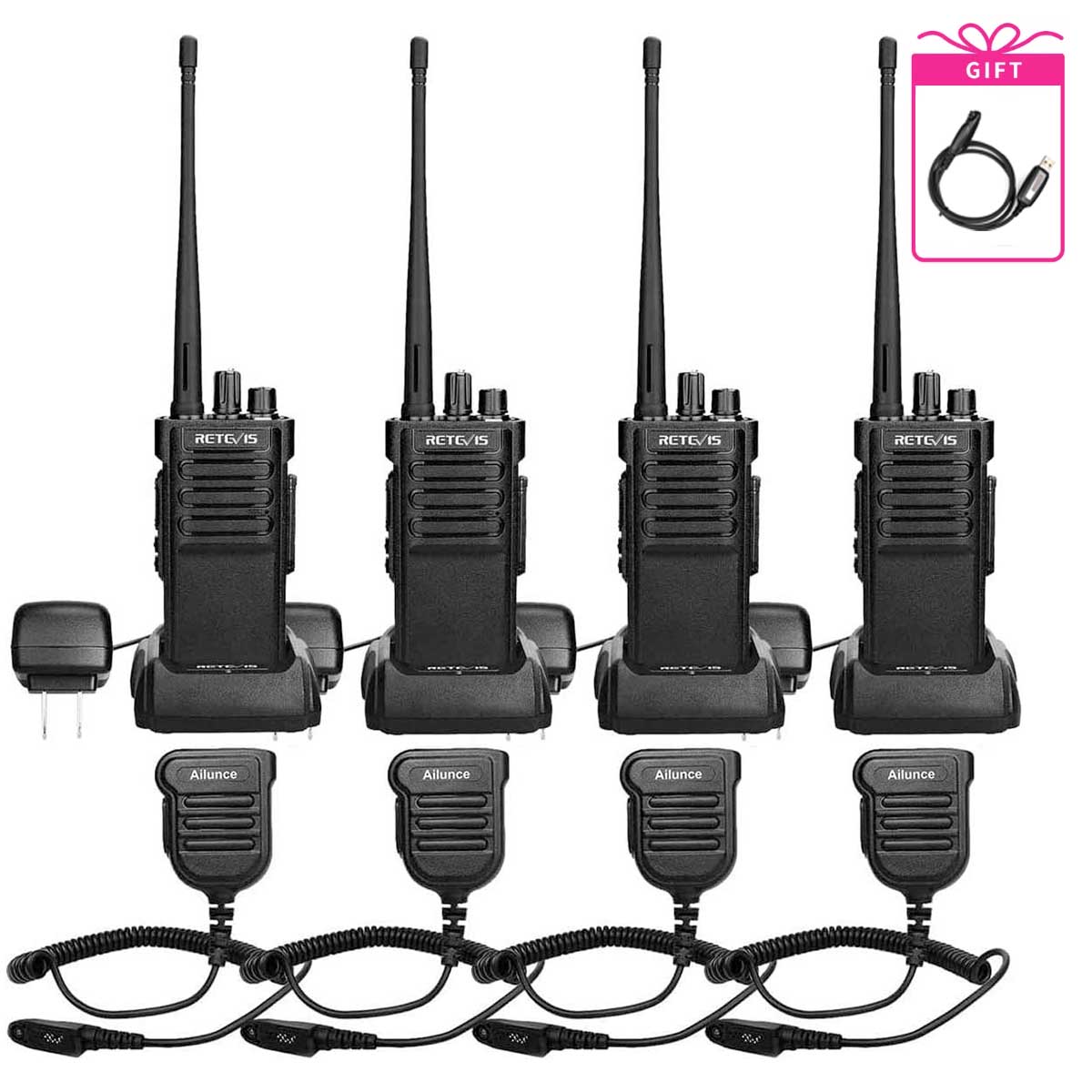
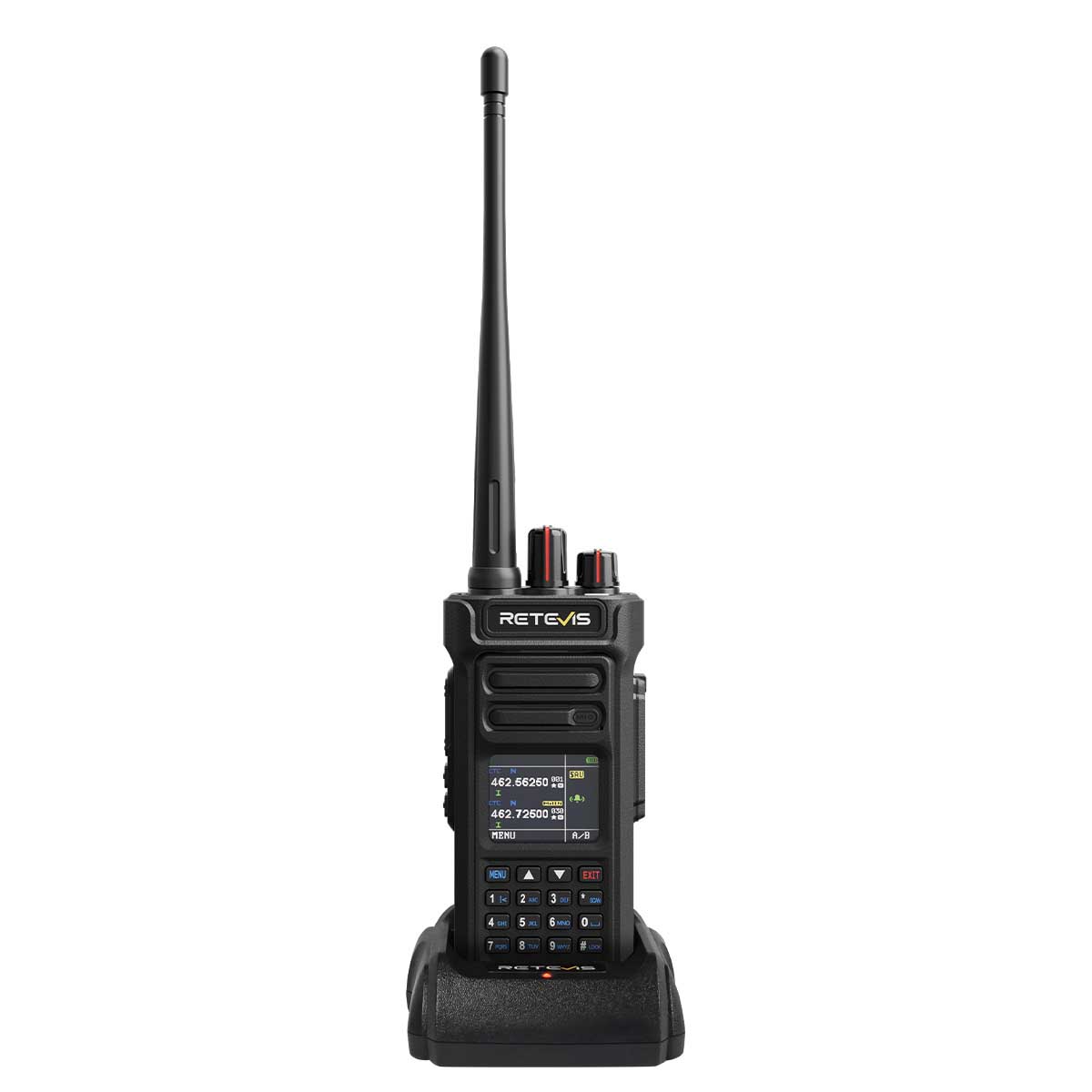
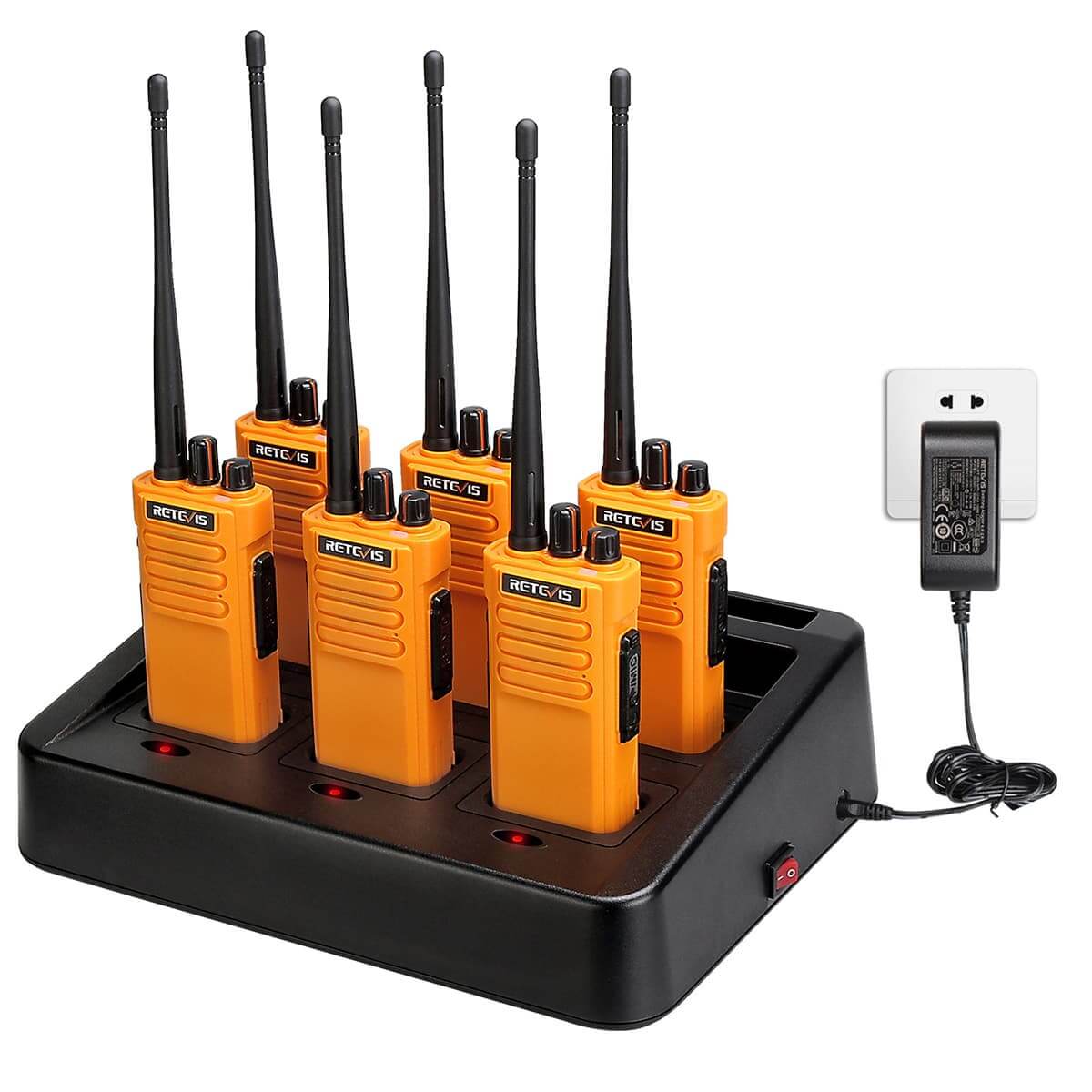
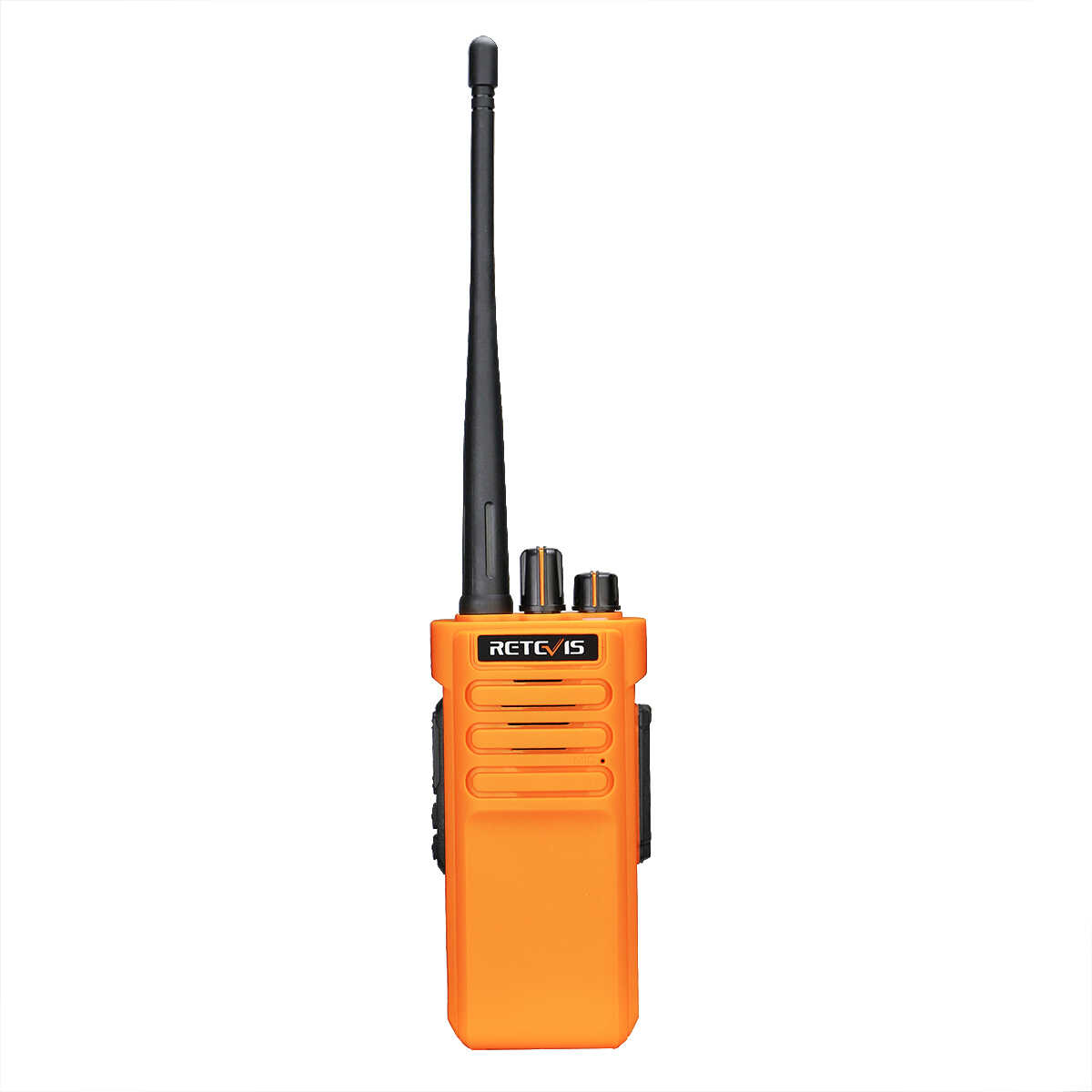
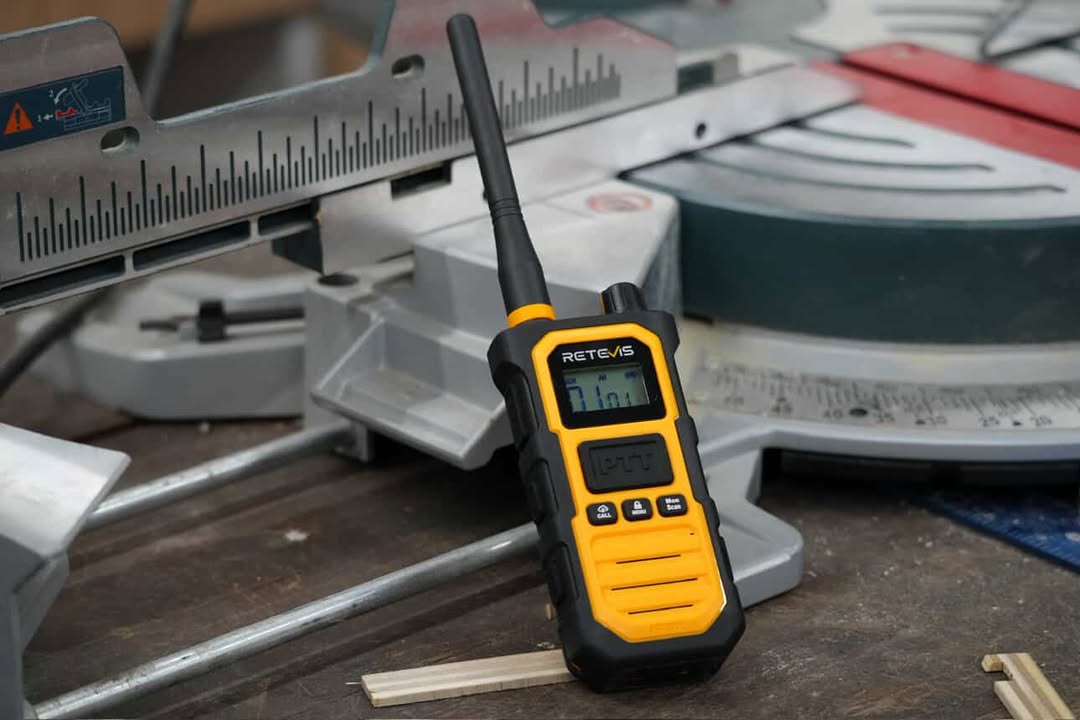
That is why many site managers look for dependable construction radio options and two way radios for construction sites that are built for real field use, not office use.
Why Radios Still Matter in a Digital Workplace
Many construction companies now use mobile apps, phones, and digital tools. These tools are helpful, but they do not replace radios.
Phones need signal, battery life, and time to connect. Apps can slow down communication. In a busy worksite, that delay can be a problem. Workers may be wearing gloves, carrying tools, or moving between areas. They need a fast way to talk without stopping their work for too long.
Radios are faster. A worker can press a button and speak right away. That is a big advantage when people need quick, clear jobsite communication.
This is one reason radios improve construction site safety compliance. They make it easier for teams to share urgent updates, follow instructions, and react to changing site conditions. They also support a stronger safety culture because communication becomes part of the daily workflow.
Digital tools are useful for planning and reporting, but radios are better for instant communication on the ground. On many jobsites, the two work best together. A digital system can store records, while radios handle real-time updates.
Best Practices for Using Radios on Site
To get the most value from a radio system, the team should use it well. Good equipment helps, but good habits matter too.
Here are a few simple best practices:
- keep messages short and clear
- use standard terms for people, places, and hazards
- confirm important instructions when needed
- check battery levels before each shift
- make sure every key role has access to a radio
- train workers on how and when to use it
These habits help reduce confusion and keep communication efficient. They also make the radio system more useful for safety compliance because messages become easier to understand and act on.
It is also important to assign radios where they matter most. Supervisors, spotters, safety leads, equipment operators, and delivery coordinators often benefit the most from direct communication. When the right people have the right tools, the whole site runs more safely.
Conclusion: A Simple Tool That Strengthens Safety Compliance
A construction site needs more than rules. It needs clear communication that works every day.
Radios help workers report hazards, coordinate tasks, and respond to emergencies. They also support daily safety routines and help teams follow site rules more consistently. That is why construction radio systems remain so valuable in the field.
Whether a site uses basic radios or advanced two way radios for construction sites, the goal is the same: better communication, fewer mistakes, and stronger safety compliance.
In the end, radios improve construction site safety compliance by making it easier for everyone on site to stay informed, stay aligned, and stay safe. For teams that want stronger control, faster response, and better jobsite communication, radios are still one of the simplest and most effective tools available.



 Google
 Amazon
Comments
No data Yet