
Table of Contents
90 Seconds to Crisis: Why Security Teams Need Reliable Two-Way Radios
- Posted by:Retevis
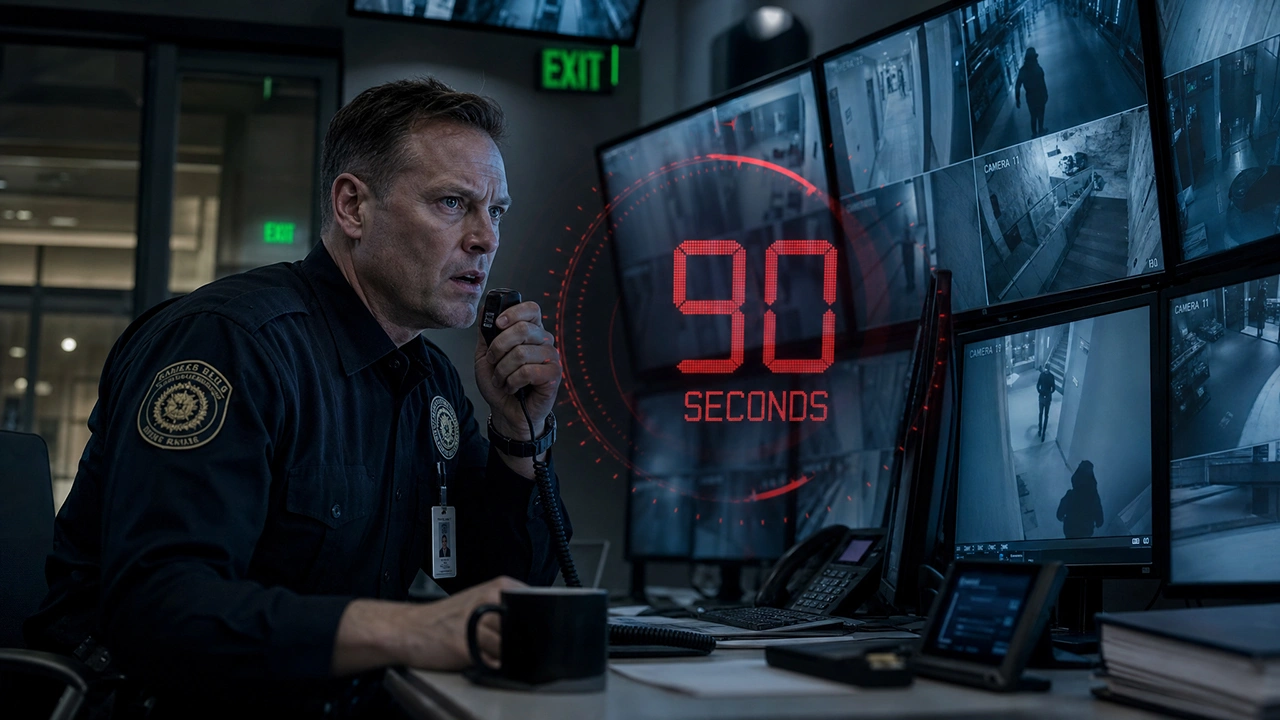
Violent incidents escalate to crisis level in 90 seconds. Property crimes finish in 10–15 minutes. That is the window security teams have to stop a threat.
The difference between intercepting an intruder and filing a loss report often comes down to one factor: how quickly your team can communicate. Industry data shows security personnel arrive on scene 4–8 minutes before police or fire departments. Those first minutes belong entirely to your team—and your communication system determines whether those minutes count.
According to ASIS International research, teams with documented communication plans are 48% more confident in their active-assailant response. Teams without those plans? Just 5% express confidence. That gap is not about training or headcount—it is about having tools that work under pressure.
Three Communication Gaps That Cost Security Teams
Most security operations hit the same three walls, often with serious consequences.
1. Response delays turn small incidents into major problems
The NFPA 1221 standard requires 90% of emergency calls to process within 64 seconds. That standard exists for a reason: every second of delay creates more risk.
Mobile patrols take 4–7 minutes to reach an incident on a typical facility, per Cascadia Global Security. That timeline assumes instant communication. When guards fumble with phones, wait for dial tones, or deal with dropped calls, that window stretches. A guard who spots a vehicle break-in at 2:17 AM needs backup at 2:17—not 2:22, when the suspect is already off the property.
The Manchester Arena bombing inquiry documented a catastrophic version of this failure: poor radio communication between police and fire kept units staged two miles away for two hours during an active mass casualty event. Most teams will never face that scale of incident, but the principle holds. When communication fails, response fails.
2. Dead zones create blind spots across your property
Underground garages. Stairwells. Elevators. Remote perimeter fences. Metal-walled warehouses. These are exactly where security incidents happen—and exactly where cell service dies.
A guard on patrol in a basement level who cannot get a signal is not just out of touch. They cannot call for help if they encounter a threat. They cannot warn other posts about a developing situation. They are effectively alone.
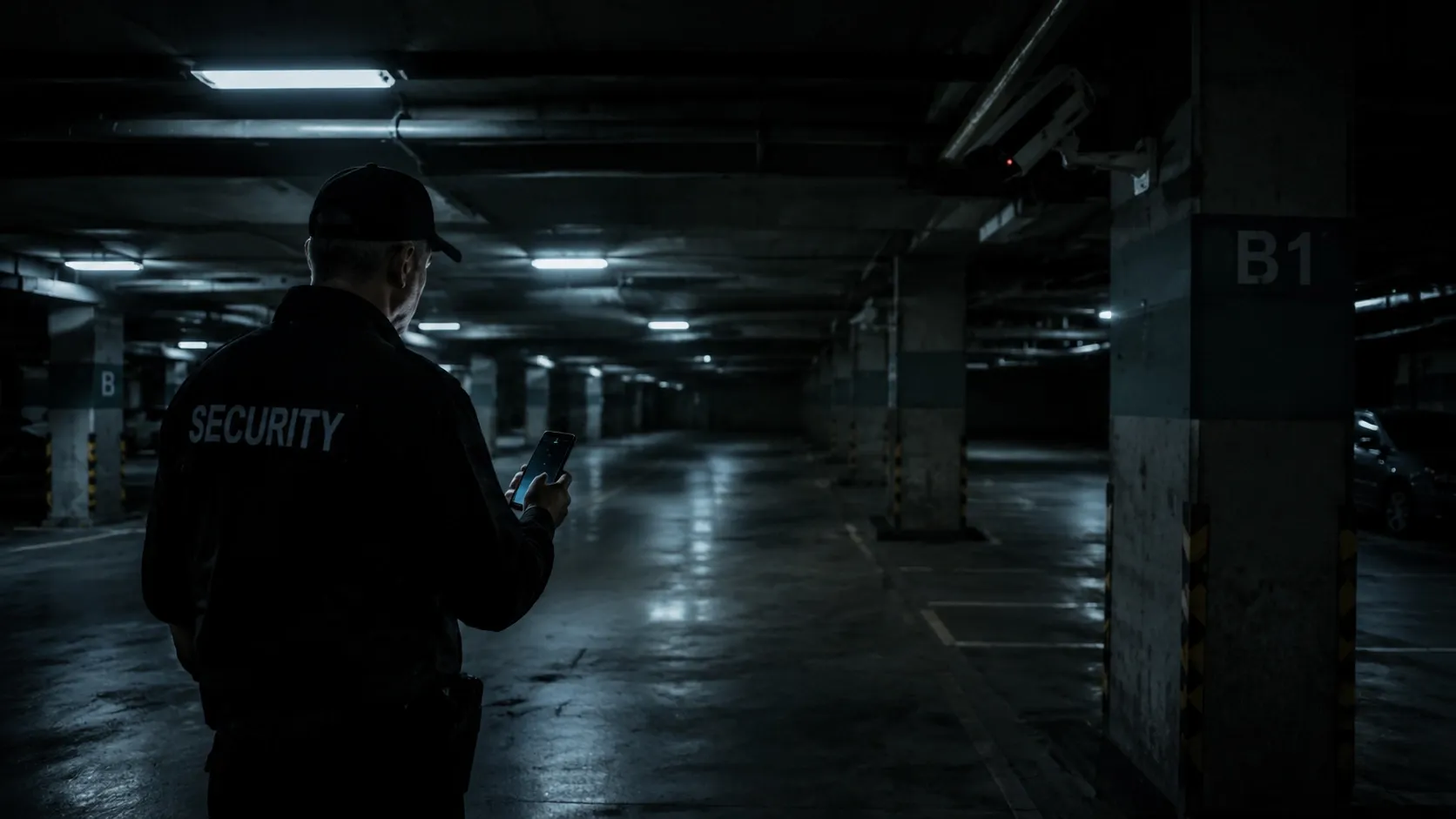
Cell networks depend on infrastructure that fails during severe weather, power outages, or network congestion. Two-way radios operate independently of that infrastructure. They work when cell towers are overloaded, when power is out, and when you are three levels underground.
3. One-to-one calling cannot coordinate a team response
Security work is a team operation. When an incident breaks, you do not need to call one person—you need to alert every post at once.
Phones do not do that. Group texts get missed. Phone trees take too long. The bipartisan Senate investigation into the 2024 Trump rally shooting identified communication failures between observation posts and the response team as critical breakdowns that contributed to the incident. Counter-sniper teams observed threats but did not relay that information in time.
That is not a political problem—it is a systems problem. When your communication tool only lets you talk to one person at a time, you cannot run a coordinated response. You need instant, one-to-many communication that reaches every team member the second you press a button.
Why Phones Fail as Security Tools
Many organizations try to cut costs by issuing phones instead of purpose-built radios. That decision usually reverses after the first serious incident. Phones have five fundamental weaknesses for security work:
- Connection delay. A phone call takes 5–10 seconds to connect. A radio connects in under half a second with one button press.
- One-to-one limitation. You cannot broadcast to your entire team at once. Group calls require everyone to answer, and people miss them constantly.
- Network dependence. Dead zones, outages, and overloaded towers kill phone communication exactly when you need it most.
- Distraction. Phones carry personal messages and apps that pull guards' attention away from posts. Radios do one thing: work communication.
- Durability. A phone dropped on concrete or exposed to rain breaks. Security work happens outdoors in rough conditions. Consumer devices are not built for it.
Phones work fine for reports and non-urgent coordination. They do not work as primary incident response tools.
Four Non-Negotiable Features for Security Radios
Not every two-way radio handles security work. When evaluating equipment, lock in these four features first:
12+ hour battery life. Security shifts run 12 hours, often with overtime. A radio that dies at hour 8 leaves a guard unprotected during overnight hours. Look for 3200mAh+ batteries with actual use time ratings, not standby numbers. Type-C charging is a practical bonus for quick top-ups.
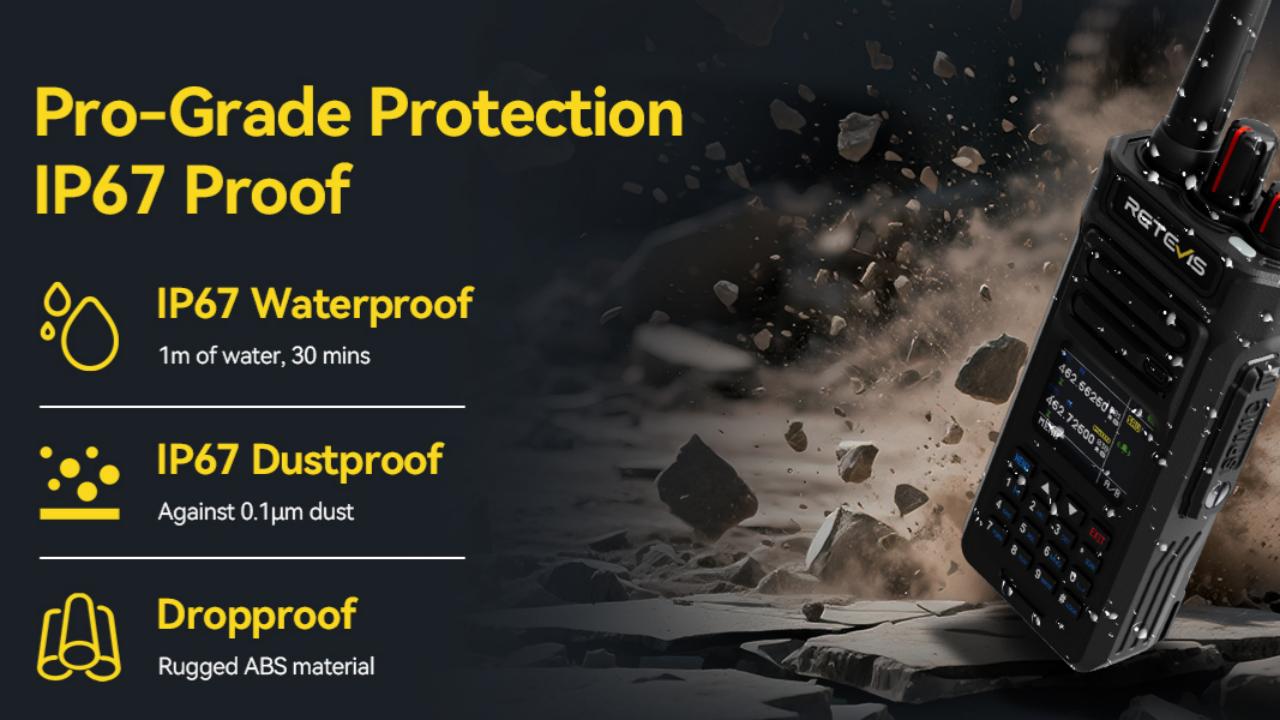
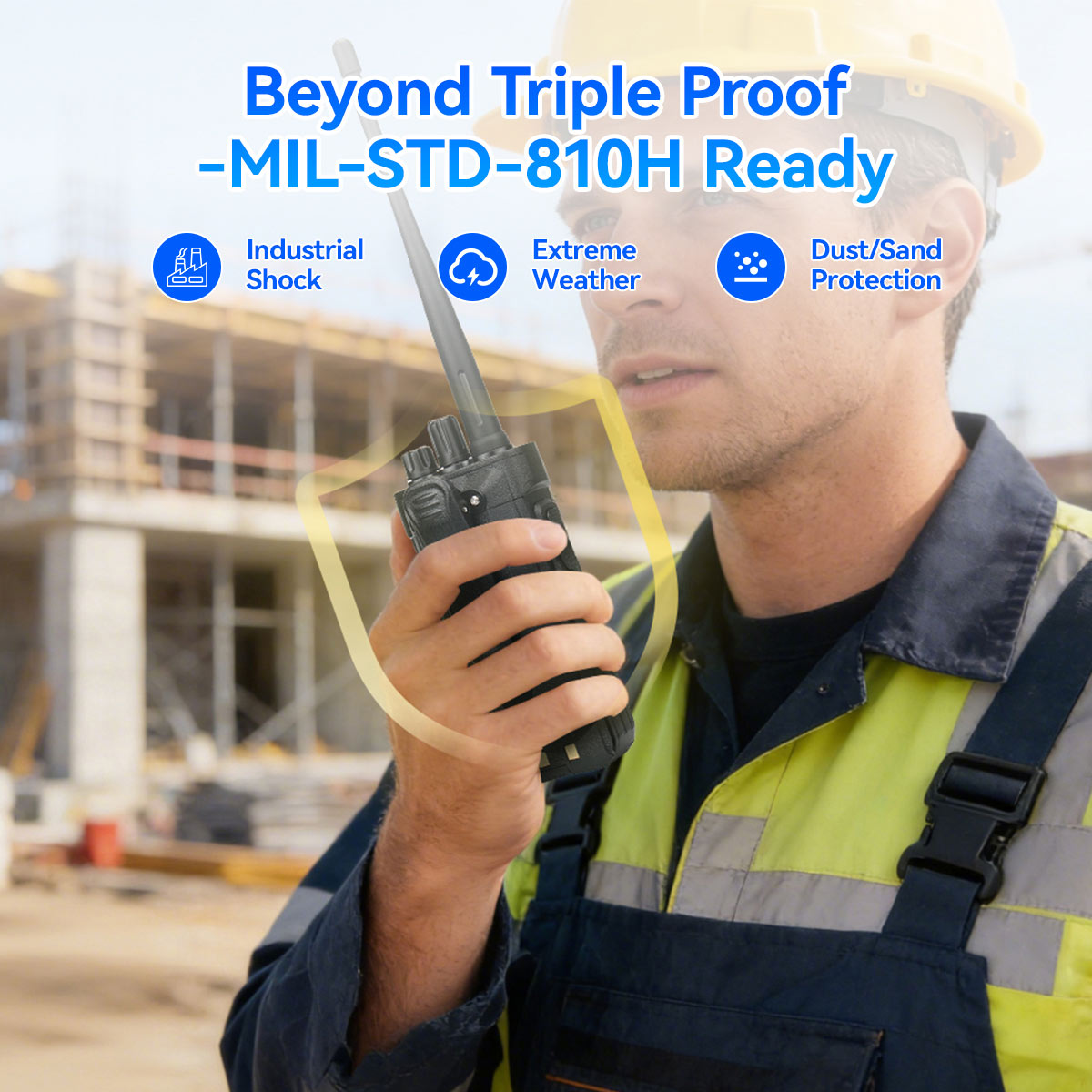
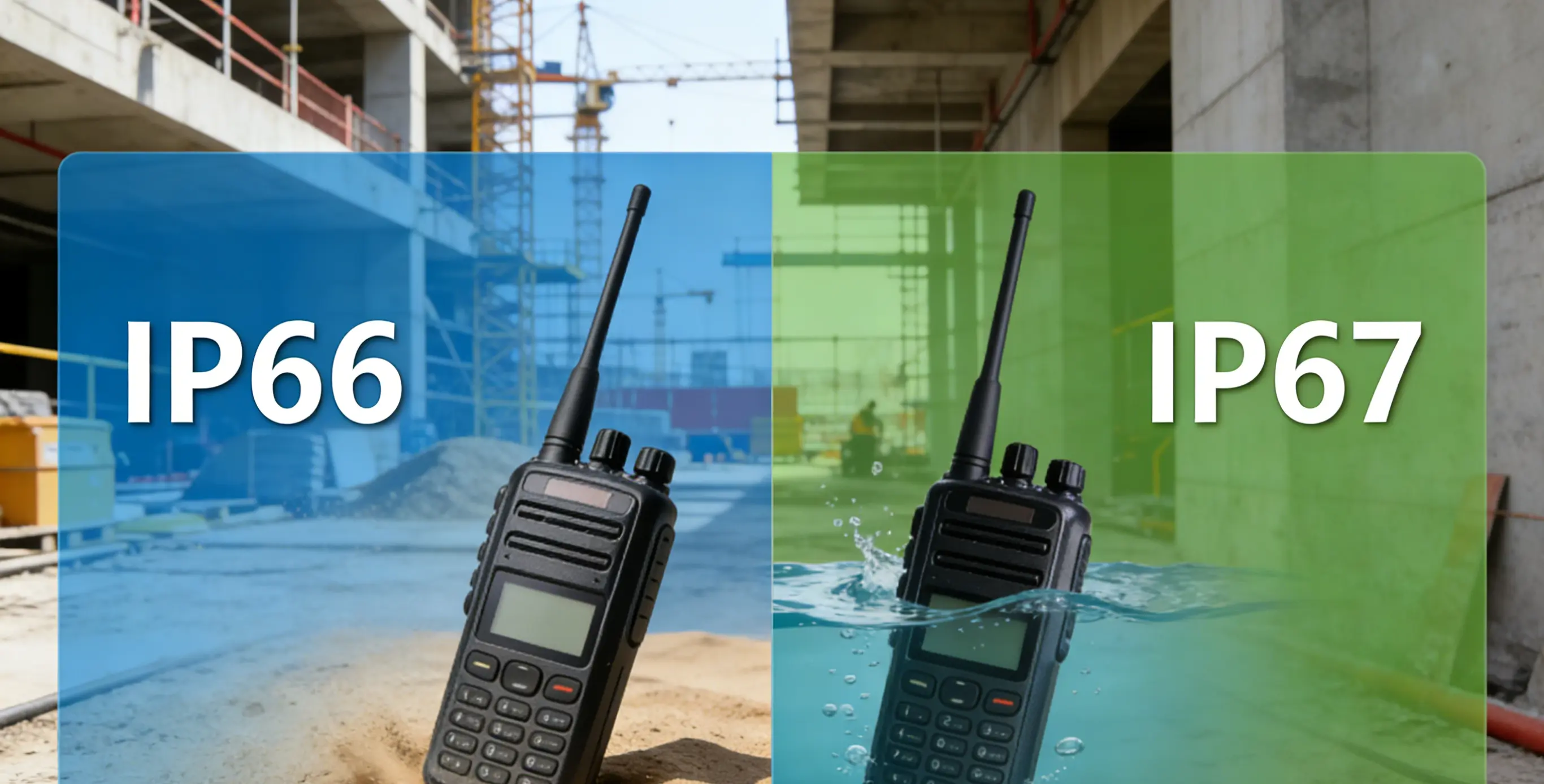
IP67 or better dust/water resistance. Patrols happen in rain, snow, and dust. IP67 means complete dust protection and survival in 1 meter of water for 30 minutes. That covers rainstorms, puddle drops, and dusty warehouse environments.
Noise cancellation for high-traffic areas. Guards work next to roads, loading docks, and crowds. Proper DSP noise separation with 8–10dB volume boost ensures transmissions stay clear in 85–90dB environments. Test this before buying.
Strong signal penetration. UHF radios with 10W output and high-gain antennas cut through concrete and steel. A reliable security radio should cover 30+ floors of reinforced construction with no dead spots in basements or elevators.
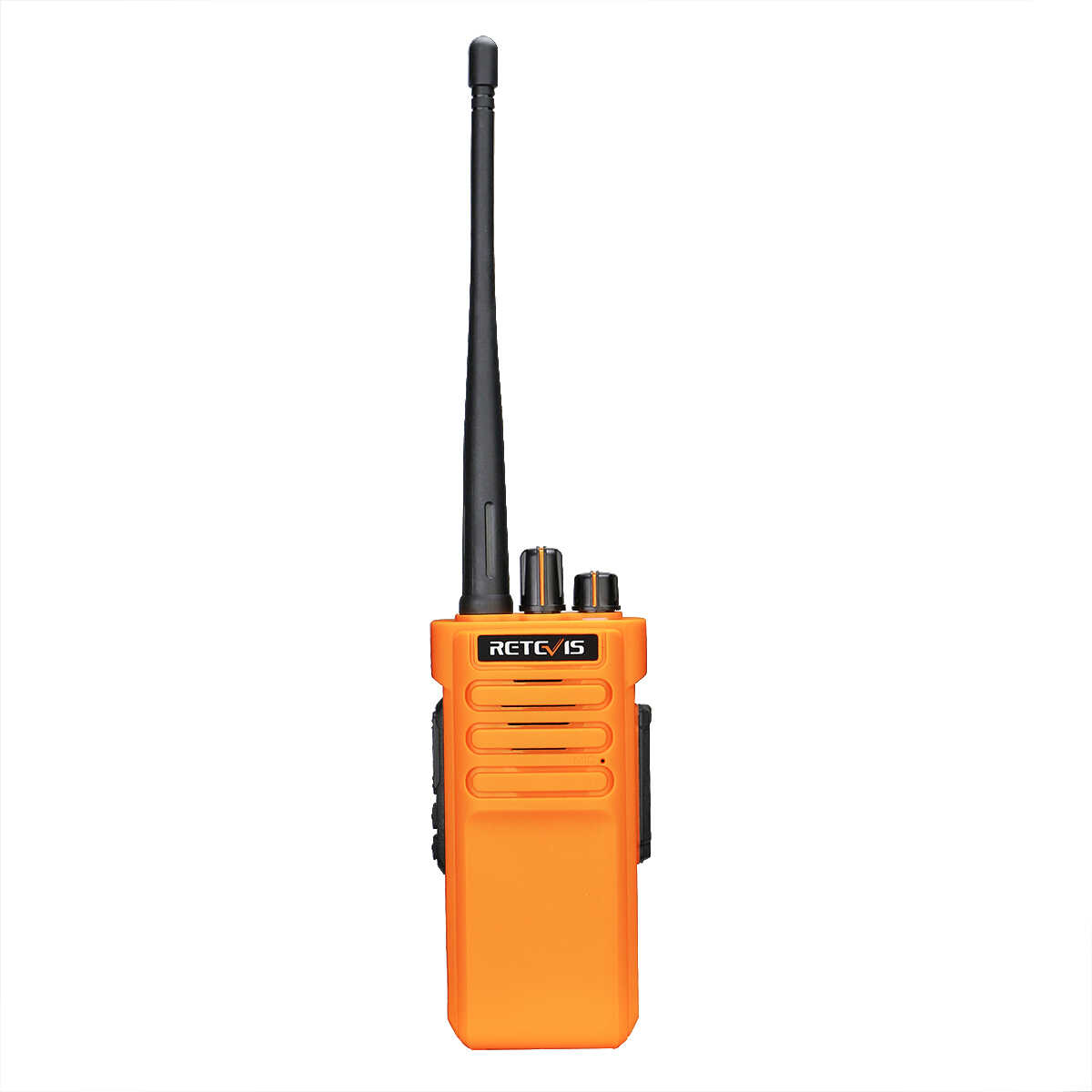
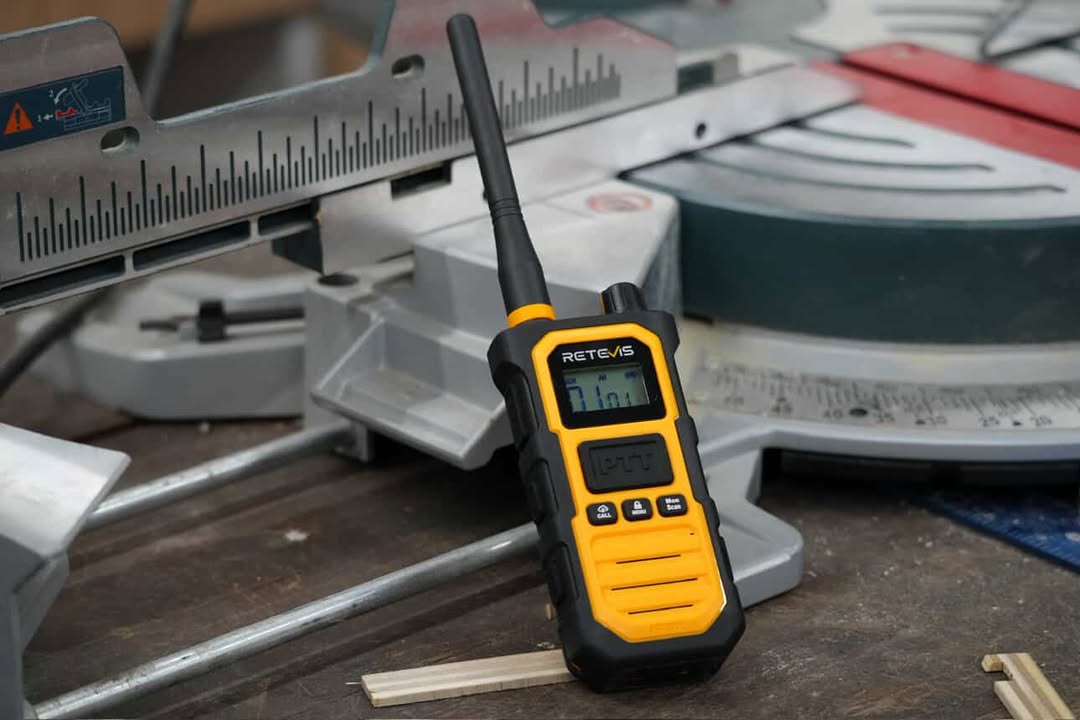
Retevis RT29S: Built for Frontline Security
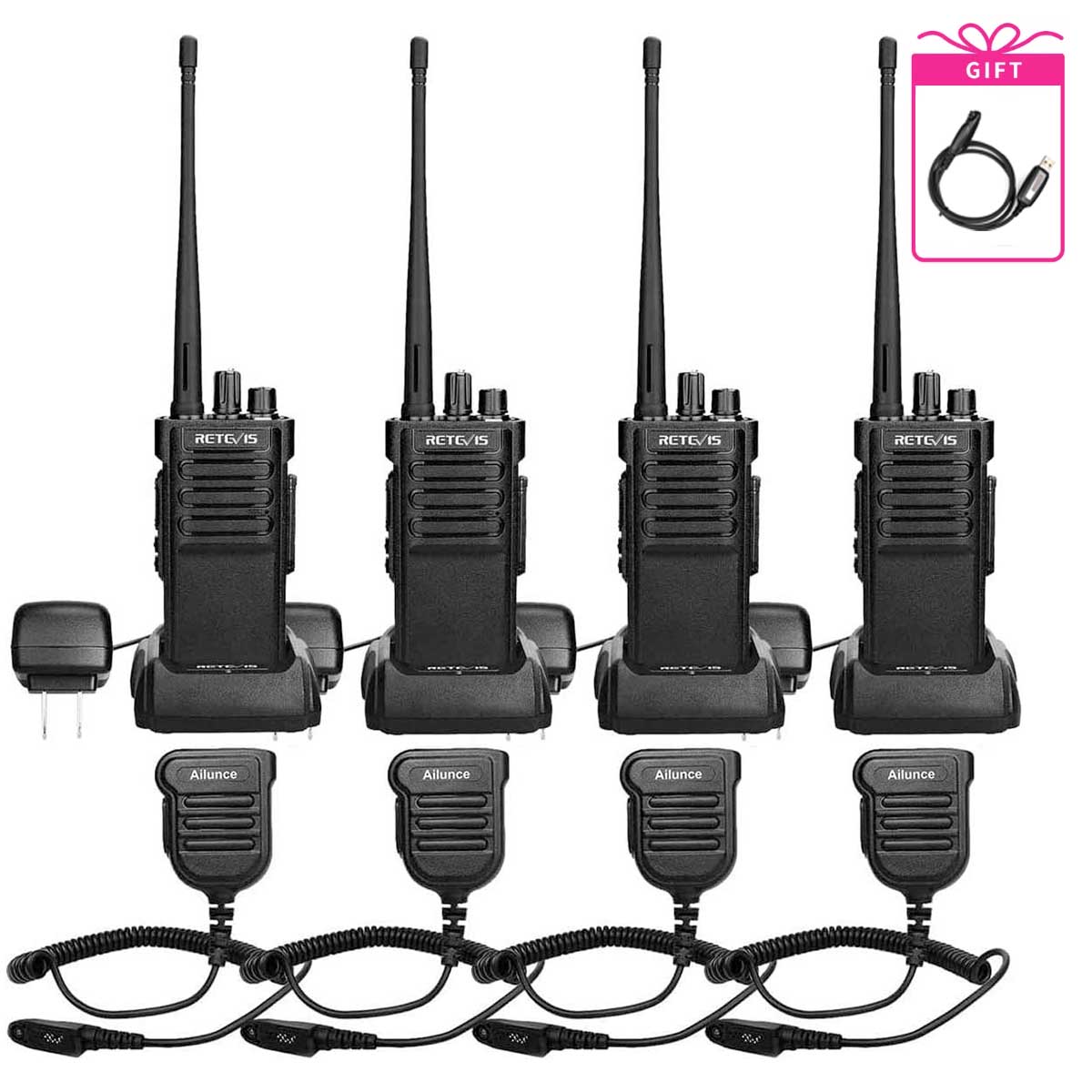
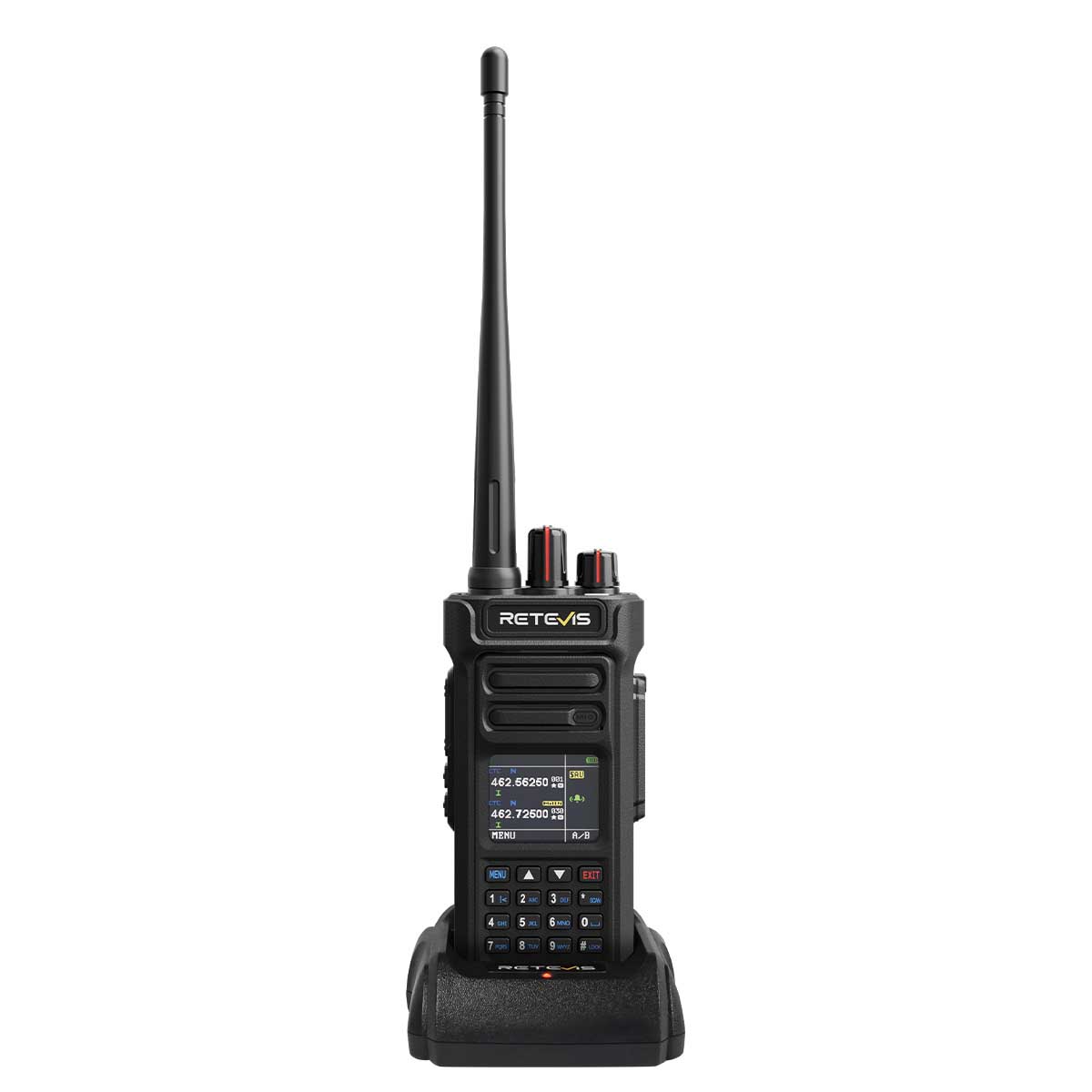
The Retevis RT29S checks every box for security deployment, with specs validated for field use:
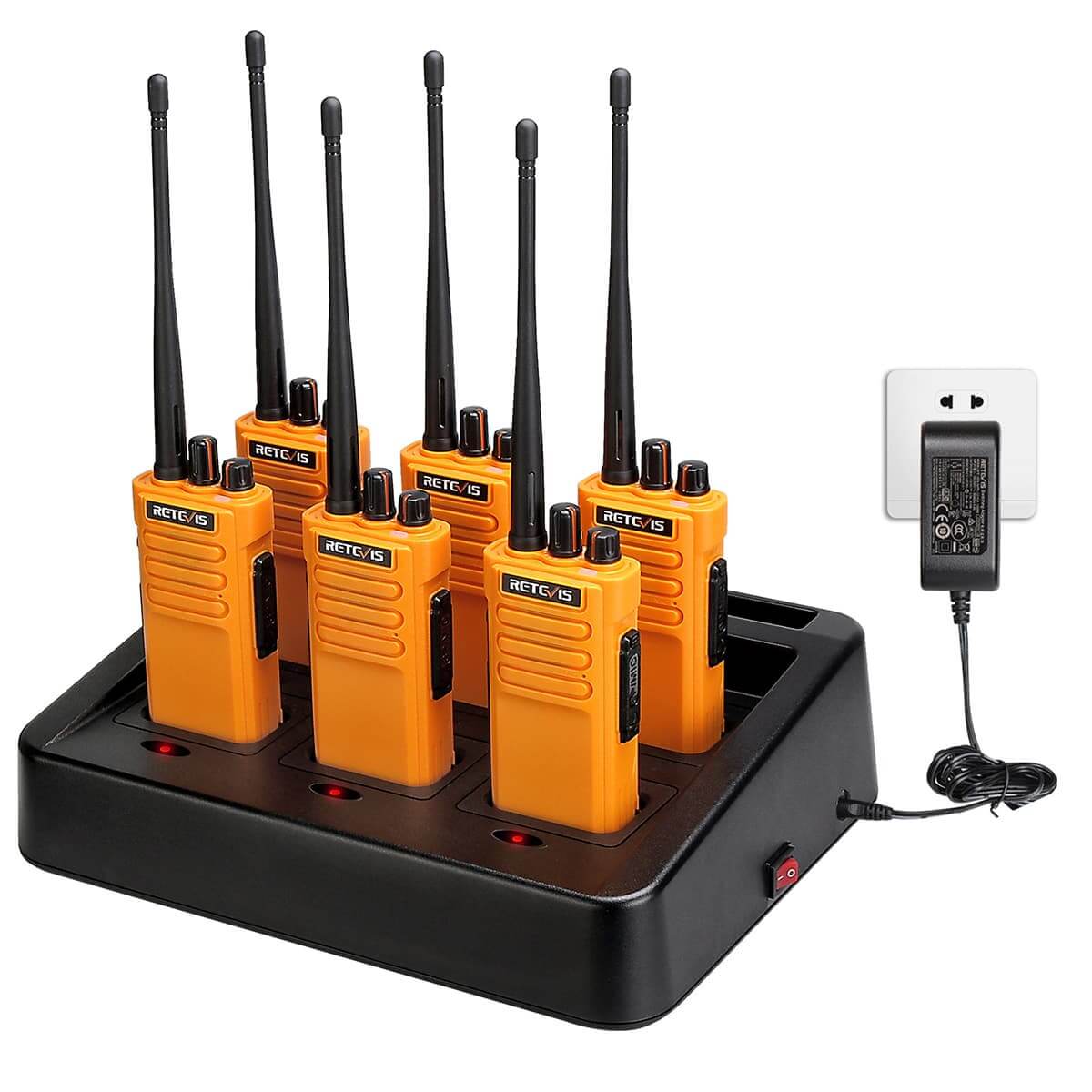
- 28.9 hours of actual use from a 3200mAh battery covers 12-hour shifts with overtime reserve. Type-C fast charging brings a dead battery to 50% in roughly 30 minutes.
- IP67 sealed construction stands up to rain, dust, and 1.5m drops onto concrete.
- Advanced noise reduction with +9dB audio boost cuts through traffic, machinery, and crowd noise without distortion.
- 10W high-power output with high-gain antenna penetrates 30 floors of reinforced concrete and covers up to 5km in open areas, from underground garages to rooftop patrols.
- 16 programmable channels separate patrol, gate, emergency, and management traffic. One-touch group calling instantly broadcasts to every radio on a channel for alerts.
Quick Deployment Tips
- Assign dedicated channels for different functions; reserve one channel exclusively for emergencies.
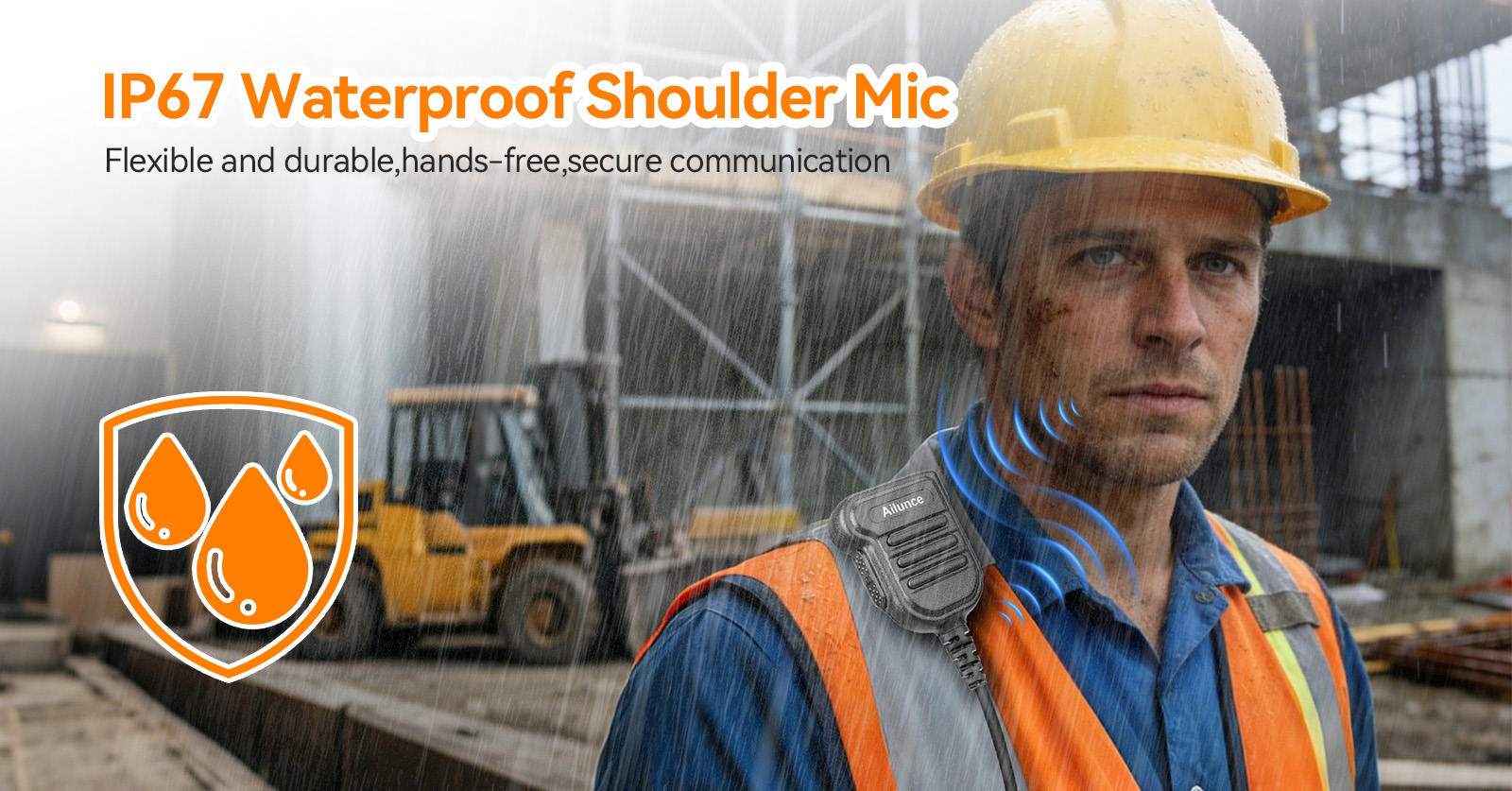
- Issue shoulder mics for hands-free operation and discreet communication.
- Use plain language instead of confusing 10-codes. Confirm critical messages with "copy" or "received."
- Run radio checks from every post at shift start, including basements and far perimeters.
Communication Is Security Infrastructure
Security teams operate on narrow margins. The 90-second crisis window does not leave room for dropped calls, dead batteries, or "can you hear me now?" moments. Reliable communication is not a nice-to-have—it is the foundation of every effective security operation.
Phones and consumer radios fail under pressure. Purpose-built two-way radios that work in dead zones, last full shifts, cut through noise, and reach the whole team instantly are the only tools that hold up when seconds count.



 Google
 Amazon
Comments
No data Yet