
Table of Contents
Why Construction Safety Depends on More Than Hard Hats
- Posted by:Retevis
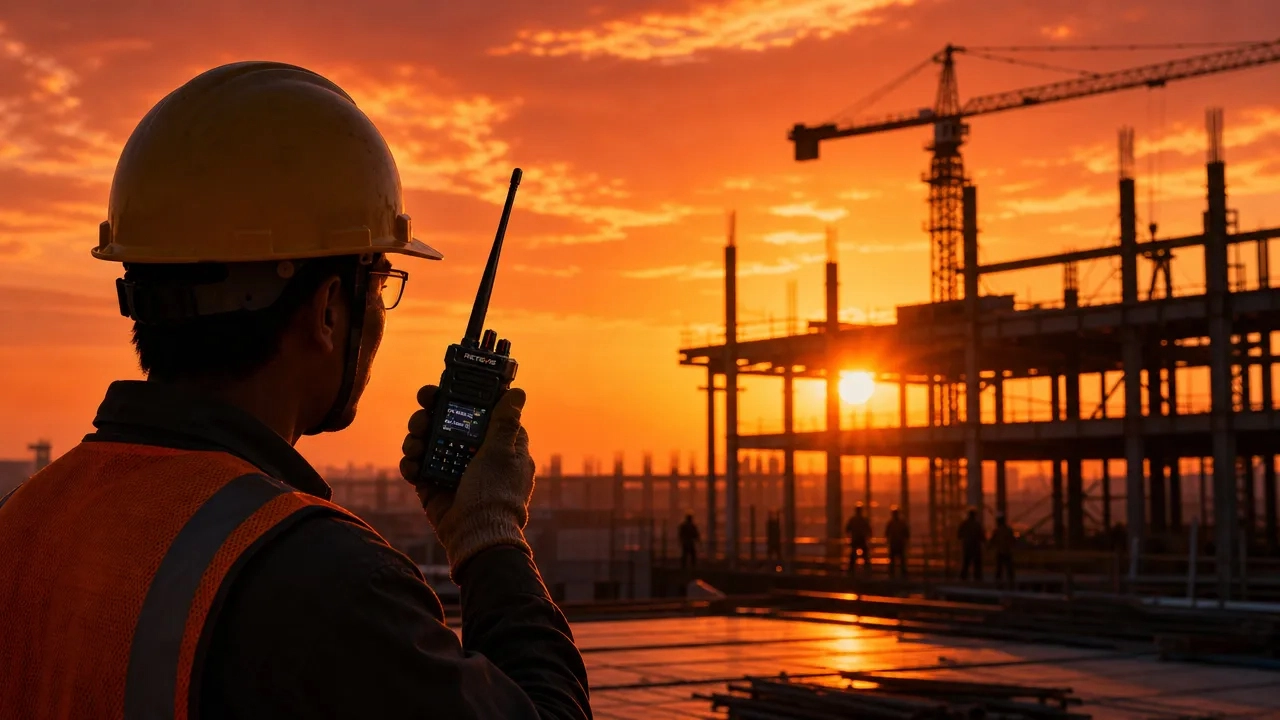
When people think about construction safety, the first images are usually hard hats, safety harnesses, and guardrails. These are personal protective equipment, or PPE. They protect workers after a hazard is already present. What receives less attention is the system that prevents hazards from becoming accidents in the first place.
That system has three layers. The first is physical protection. The second is procedural management—permits, inspections, training. The third is real-time communication. The first two are static. They sit on the job site waiting to be used. The third is dynamic. It connects the first two and makes them function as a system. Without it, a hazard can be identified but never acted upon, or acted upon too late.
The Three Layers of Construction Safety
Physical protection includes guardrails, netting, helmets, and high-visibility clothing. These are visible and easy to audit. Procedural management includes lockout-tagout protocols, confined-space entry permits, and daily safety briefings. These are documented and inspectable. Real-time communication includes the actual transmission of information between workers, supervisors, and equipment operators during active work.
The gap is usually in the third layer. A supervisor spots a worker approaching an unguarded edge. A spotter sees a pedestrian enter a crane's swing radius. A confined-space attendant notices the worker inside has stopped responding. In each case, the hazard is seen. The failure is in getting that information to the person who can stop the incident.
Why Traditional Methods Fall Short for Job Site Communication
Drawbacks of Standard Mobile Phones for Construction Work
Mobile phones are the default communication tool in most industries. On construction sites, they fail for four reasons.
First, cellular signal is unreliable inside steel structures, below ground, or on remote sites.
Second, a phone call reaches one person at a time. A supervisor warning ten workers about a hazard must make ten calls.
Third, phones are not built for dust, moisture, or impact.
Fourth, they require dialing, waiting, and voicemail—steps that consume seconds a hazard does not allow.
The Ineffectiveness of Verbal Shouting in Noisy Worksites
Shouting is the historical alternative. It fails because construction noise routinely exceeds 100 dBA from equipment such as concrete saws, compressors, and pile drivers. OSHA standard 29 CFR 1926.52 sets a permissible exposure limit of 90 dBA over an eight-hour shift, but actual levels frequently surpass this threshold. At 100 dBA, a shout from ten meters away is inaudible. Instructions are missed. Warnings are unheard.
Restrictions of Hand Signals for On-Site Coordination
Hand signals work only when the operator and the signaller maintain direct line of sight. They fail at night, in dust, around corners, or when the operator is focused on a different task. They also cannot convey complex information. A signal for "stop" is clear. A signal for "swing left slowly because a worker is behind the load" is not.
How Two-Way Radios Fill the Communication Gap
Unique Working Principle of Construction Two-Way Radios
A two-way radio for construction operates on a different principle from a phone. It adopts mature half-duplex communication technology, enabling ultra-efficient one-to-many voice interaction: one person presses a button to transmit, releases it to receive. No dialing. No ringing. No voicemail. The transmission goes to every unit tuned to the same channel, realizing real-time group broadcasting that mobile phones cannot achieve.
Site-Oriented Architecture Solves Traditional Communication Pain Points
Built for harsh job site conditions, two-way radio systems solve the core flaws of traditional communication tools. They work on independent local networks instead of relying on cellular towers, delivering stable signals in remote areas, underground spaces, and steel-structured buildings where mobile signals fail. Featuring native one-to-many transmission, a single broadcast reaches all on-site team members simultaneously, far more efficient than individual phone calls. With industrial-grade rugged build, these radios resist dust, water, and impact, ensuring stable performance in tough construction environments.
Core Advantage: Extreme Communication Speed for Hazard Response
The biggest strength of two-way radios is ultra-fast emergency communication, a vital feature for construction safety. Workers can instantly broadcast hazard alerts and on-site instructions via one PTT press, with all channel members receiving messages synchronously in under two seconds. This eliminates the lengthy process of dialing and calling multiple workers via mobile phones. In time-sensitive risky scenarios, this rapid response bridges the efficiency gap of traditional communication methods, minimizing potential safety hazards and greatly improving on-site coordination efficiency.
Safety Scenarios Where Seconds and Clarity Matter
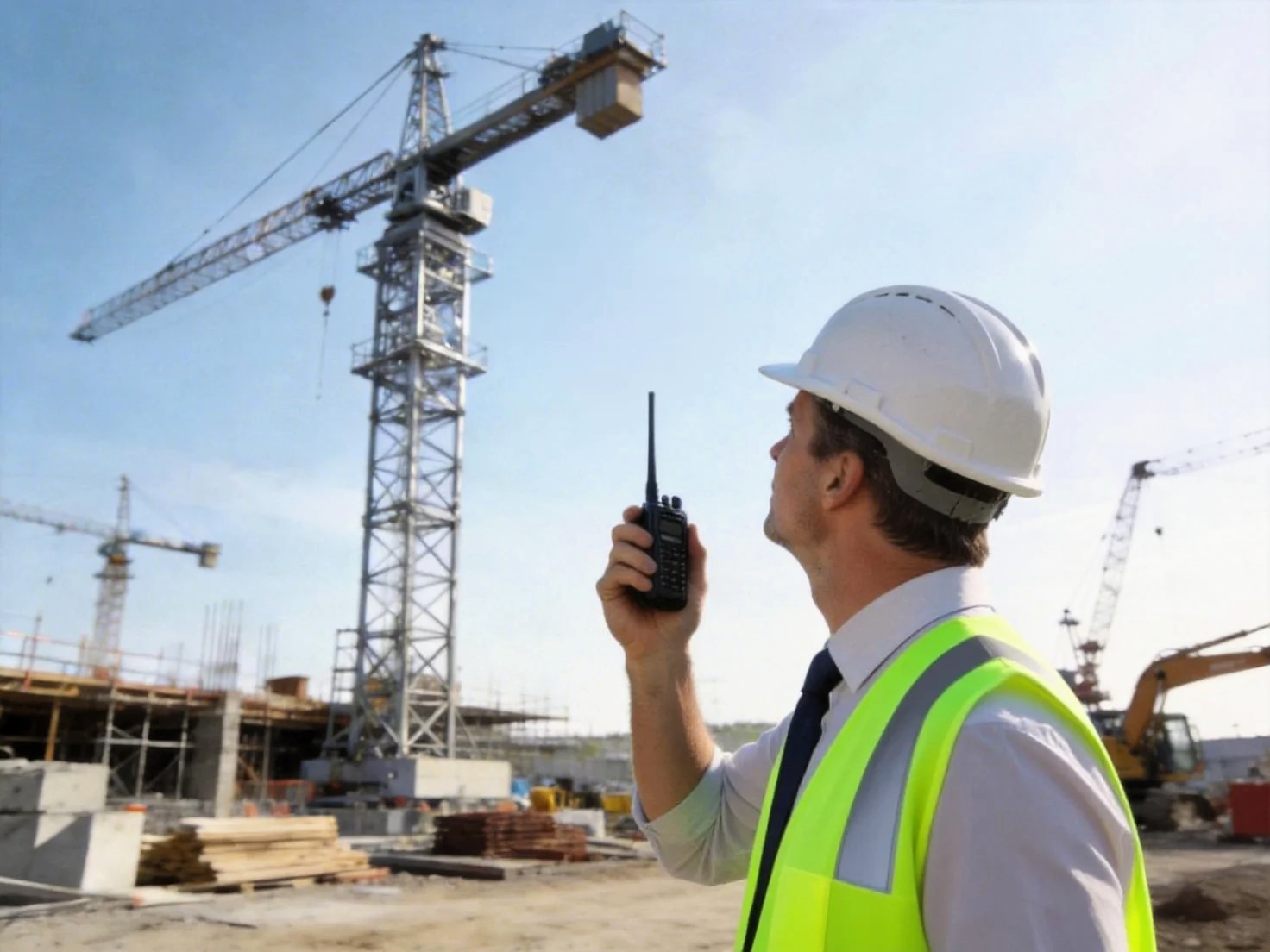
Tower crane coordination. A crane operator cannot see the full swing radius from the cab. A spotter on the ground provides guidance. With a walkie-talkie for noisy environments, the spotter confirms each movement in real time. If a worker enters the blind spot, the spotter transmits "hold" before the operator initiates the next move. Without radio, the operator swings until visual contact is re-established—often too late.
Mass evacuation. A gas leak, structural alarm, or incoming storm requires immediate site-wide response. A supervisor with a construction walkie talkie presses one button and issues a single broadcast: "All crews, evacuate to the north assembly point." Every worker on the channel hears it at the same moment. Phone-based notification requires sequential calls or text messages that arrive at different times, if they arrive at all.
Confined-space rescue. A worker inside a tank or trench stops responding. The attendant outside radios for help immediately. The rescue team begins preparation while the attendant continues assessment. Without radio, the attendant must leave the entry point to find help, abandoning the worker inside for the duration of the search.
What to Look for in a Job Site Communication System
Key Selection Criteria for Construction Two-Way Radios
- Selecting a two-way radio for construction requires matching the device to the environment, not the budget alone.
- Coverage area determines transmission power and antenna design. A site with multiple floors or underground levels needs stronger signal penetration than a single-story warehouse.
- Audio output must exceed ambient noise. A device rated at 1 watt of audio power will be drowned out at 100 dBA.
- Battery life must exceed the longest shift, including overtime. A radio that dies at hour nine of a ten-hour shift is a safety liability, not an asset.
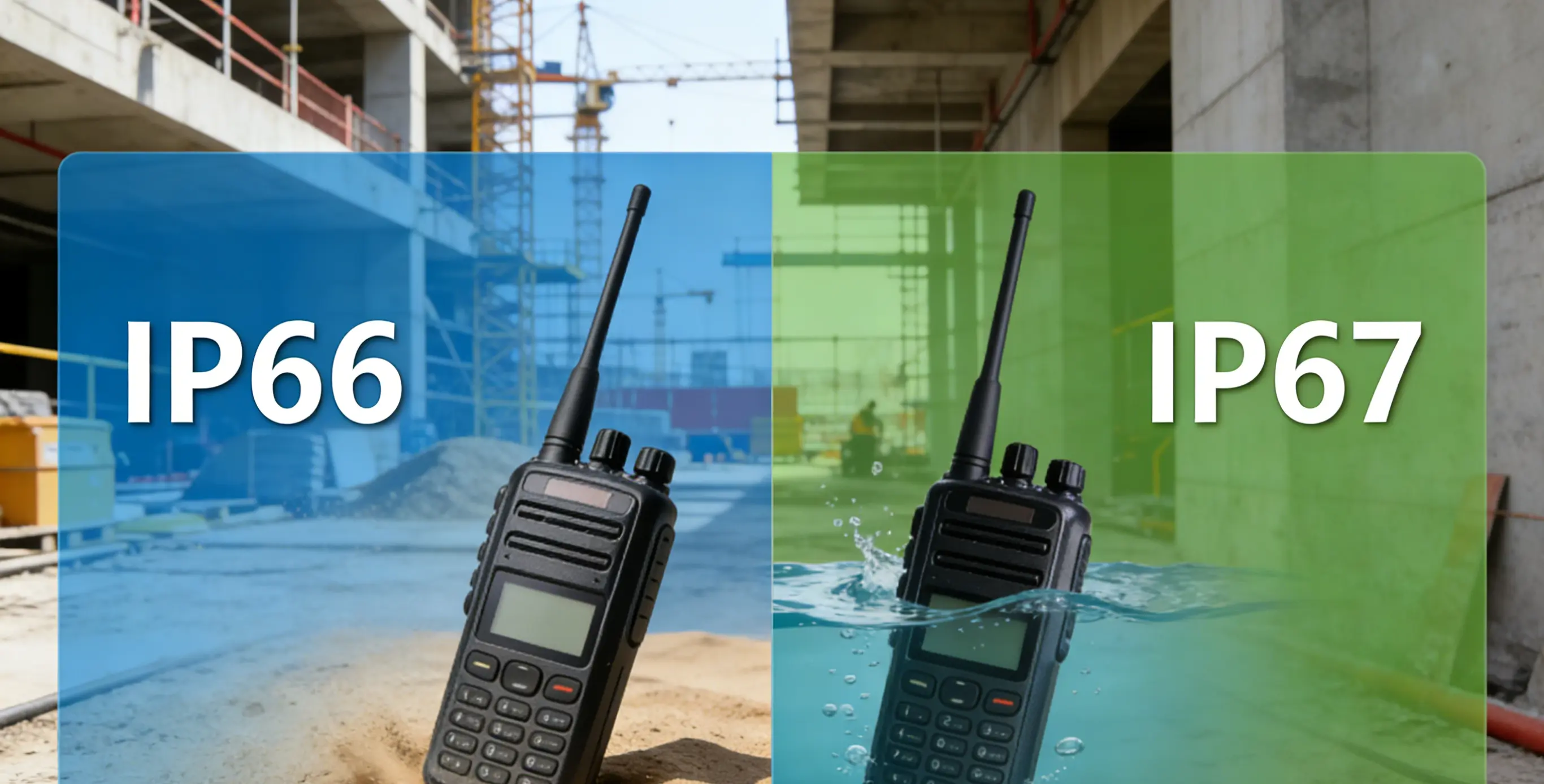
- Durability ratings indicate resistance to dust and water ingress. IP67 certification means the device survives submersion and heavy particulate exposure.
- Channel planning is part of deployment. Separate channels for crane operations, general labor, and security prevent cross-talk while allowing supervisors to monitor multiple groups.
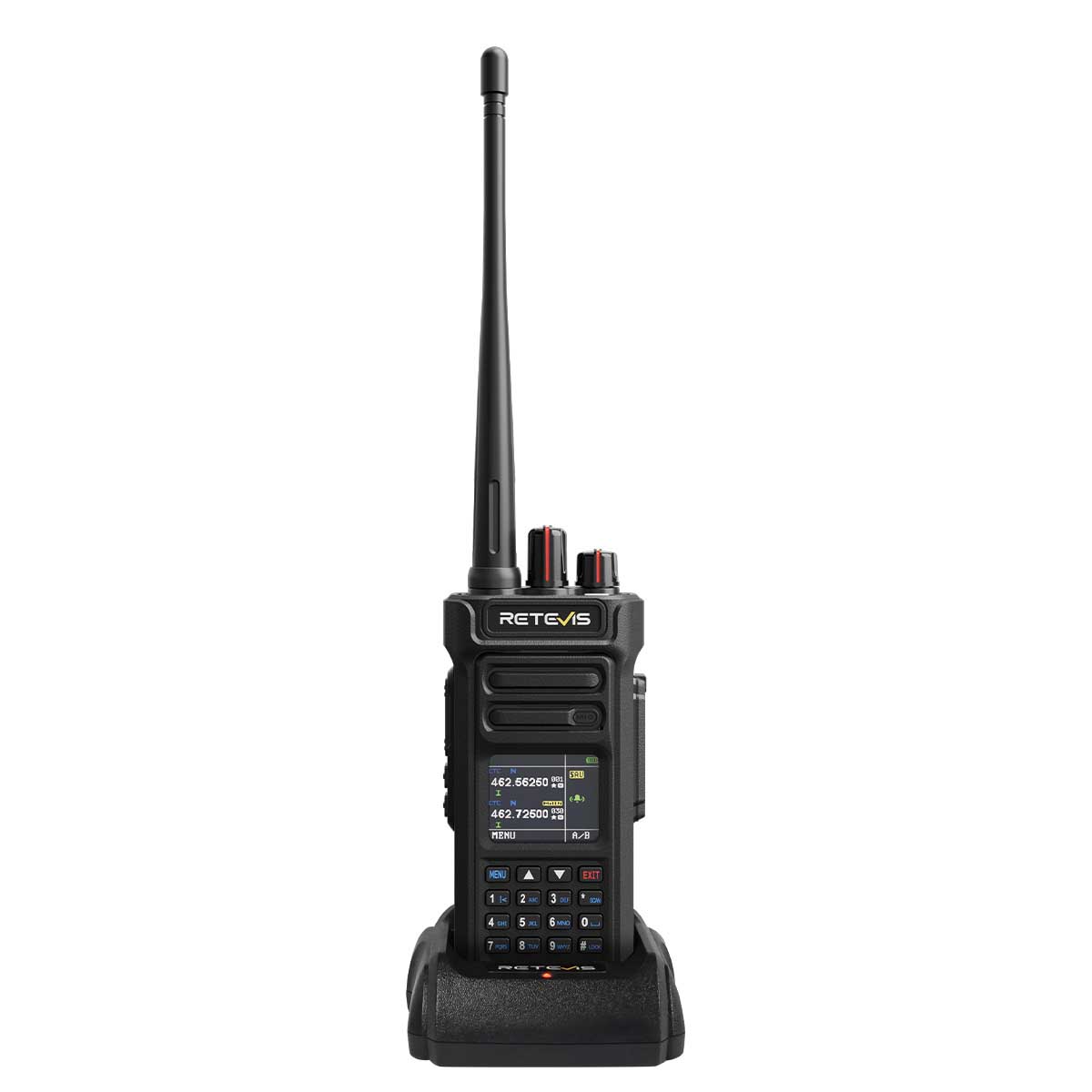
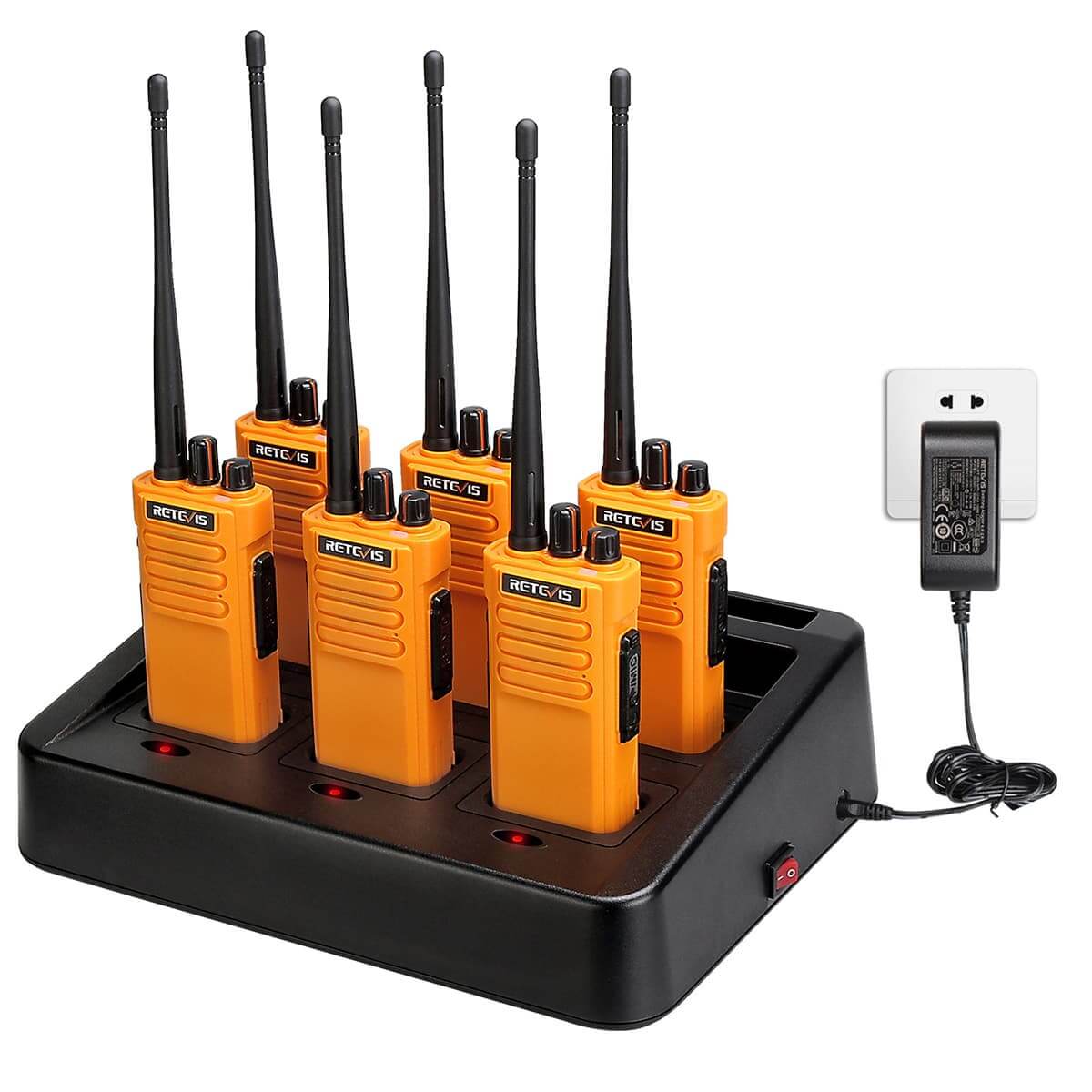
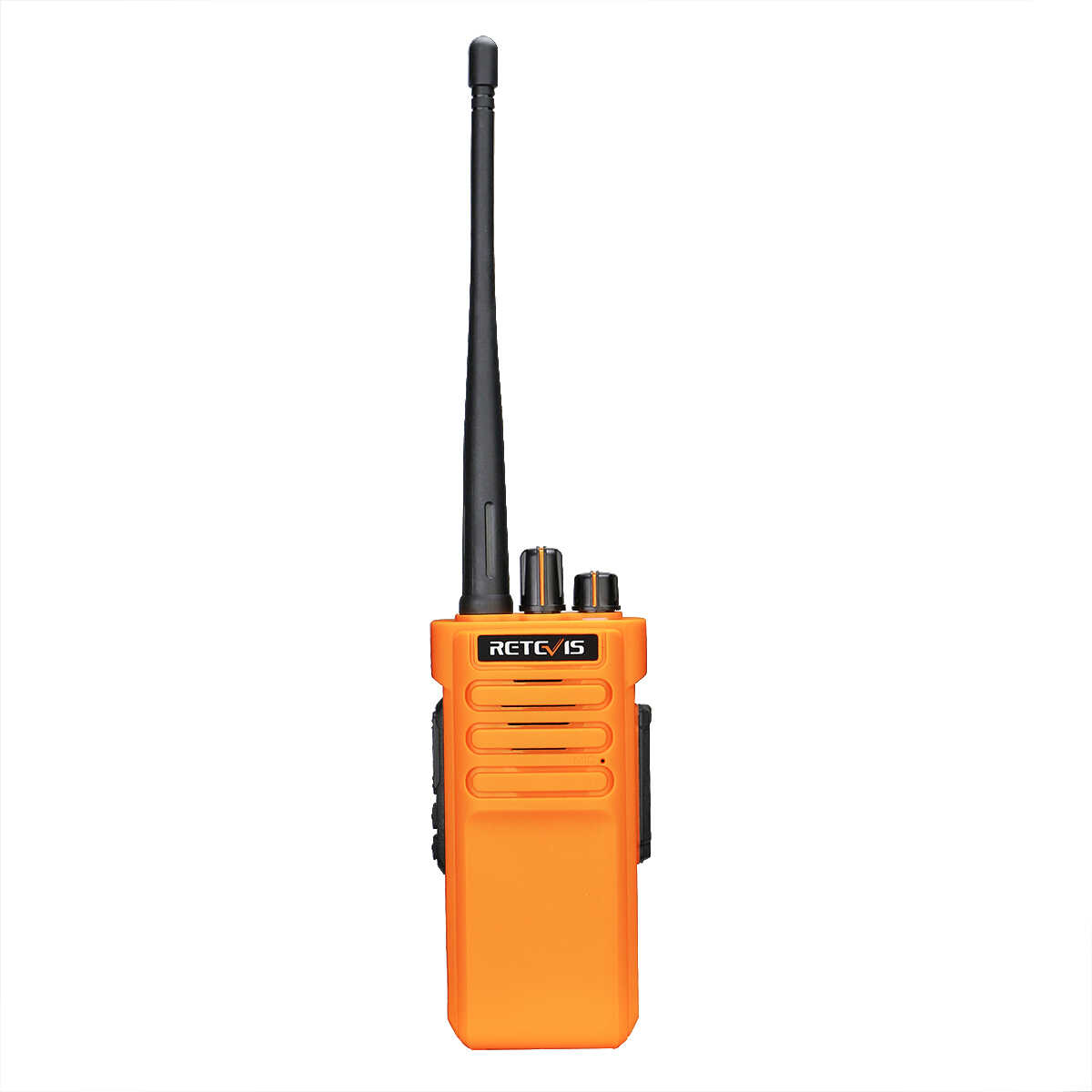
Retevis RT29S: Tailored Communication Solution for Construction Sites
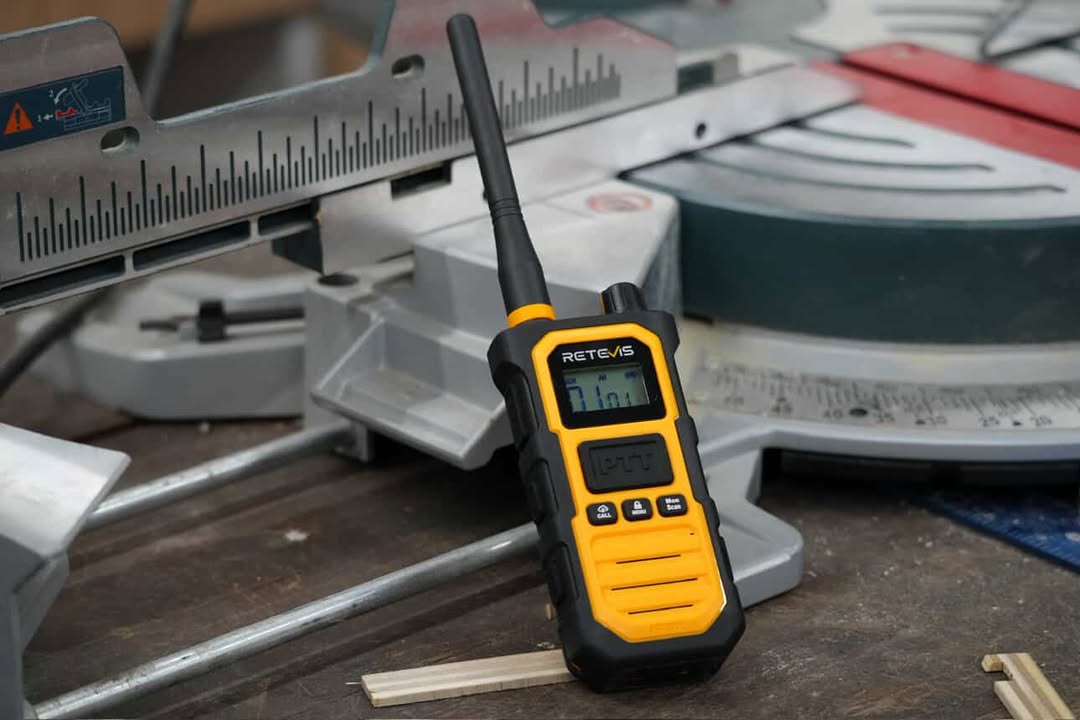
The Retevis RT29S is built for the core demands of construction site communication.
RT29S boasts strong signal penetration and multi-layer coverage capability, perfectly solving signal attenuation and blind spot problems in multi-story buildings, underground spaces and complex steel structure construction environments.
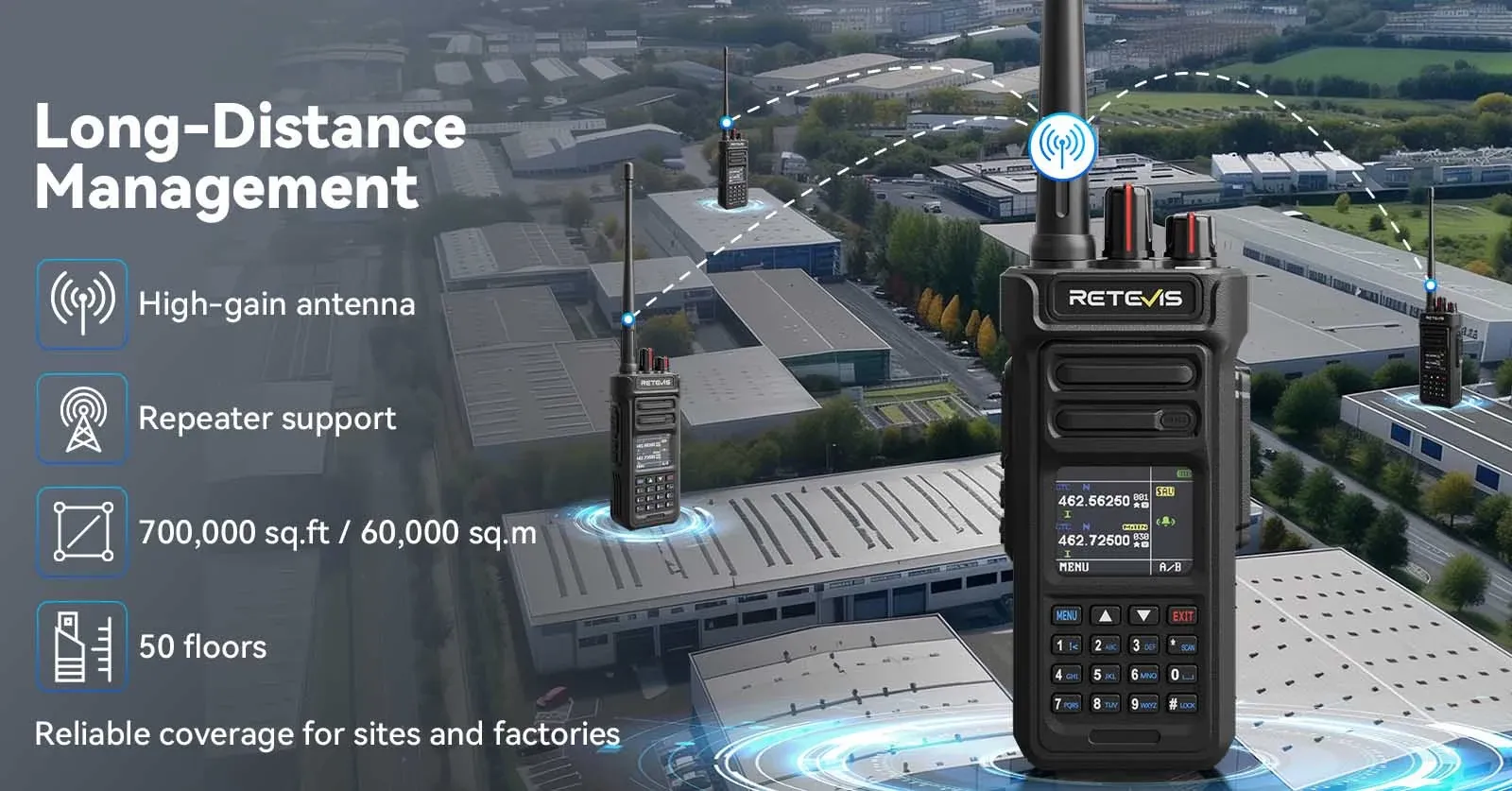
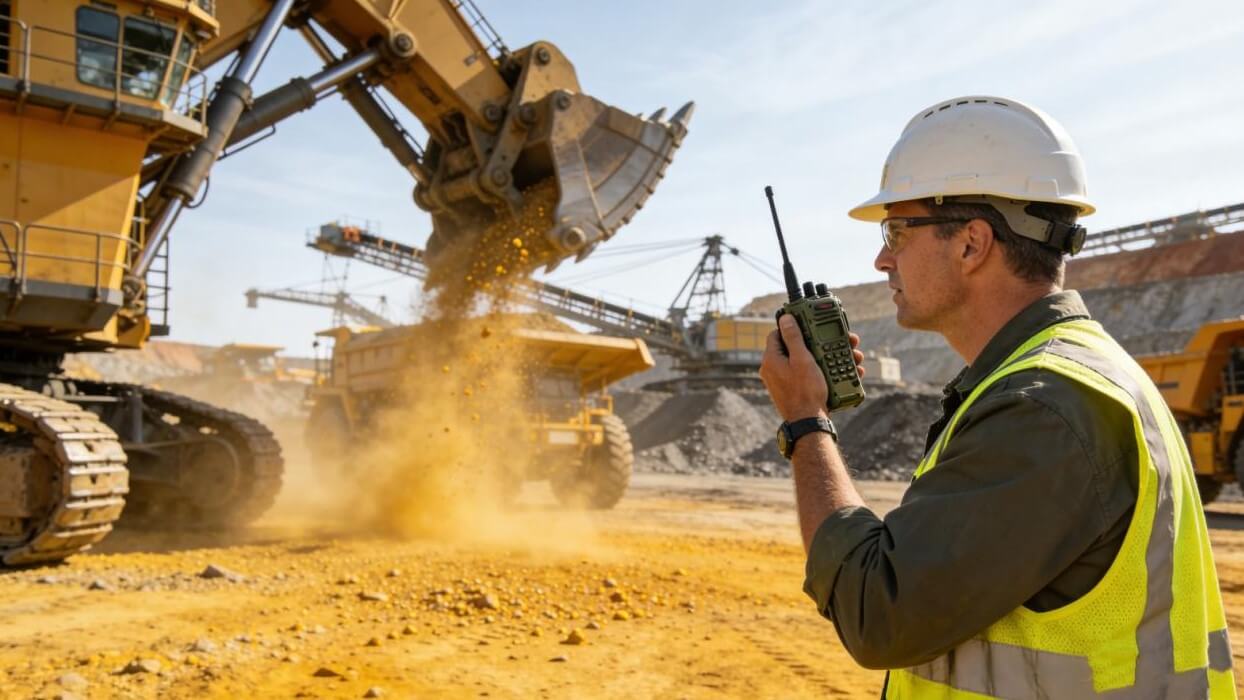
Its high-power audio output ensures clear and loud voice transmission, which can effectively suppress 100 dBA high ambient noise and ensure every instruction and hazard alert is accurately heard by on-site workers.
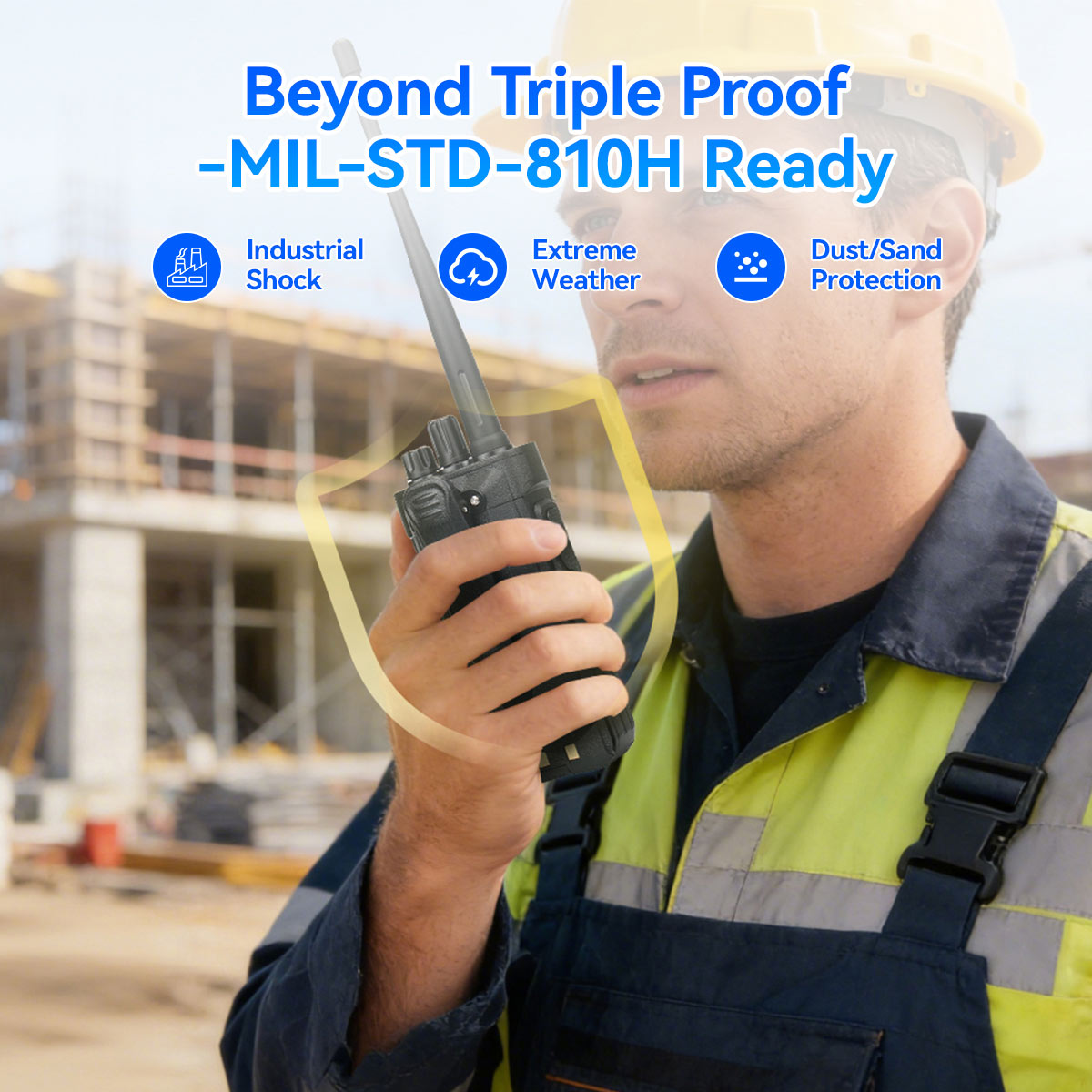
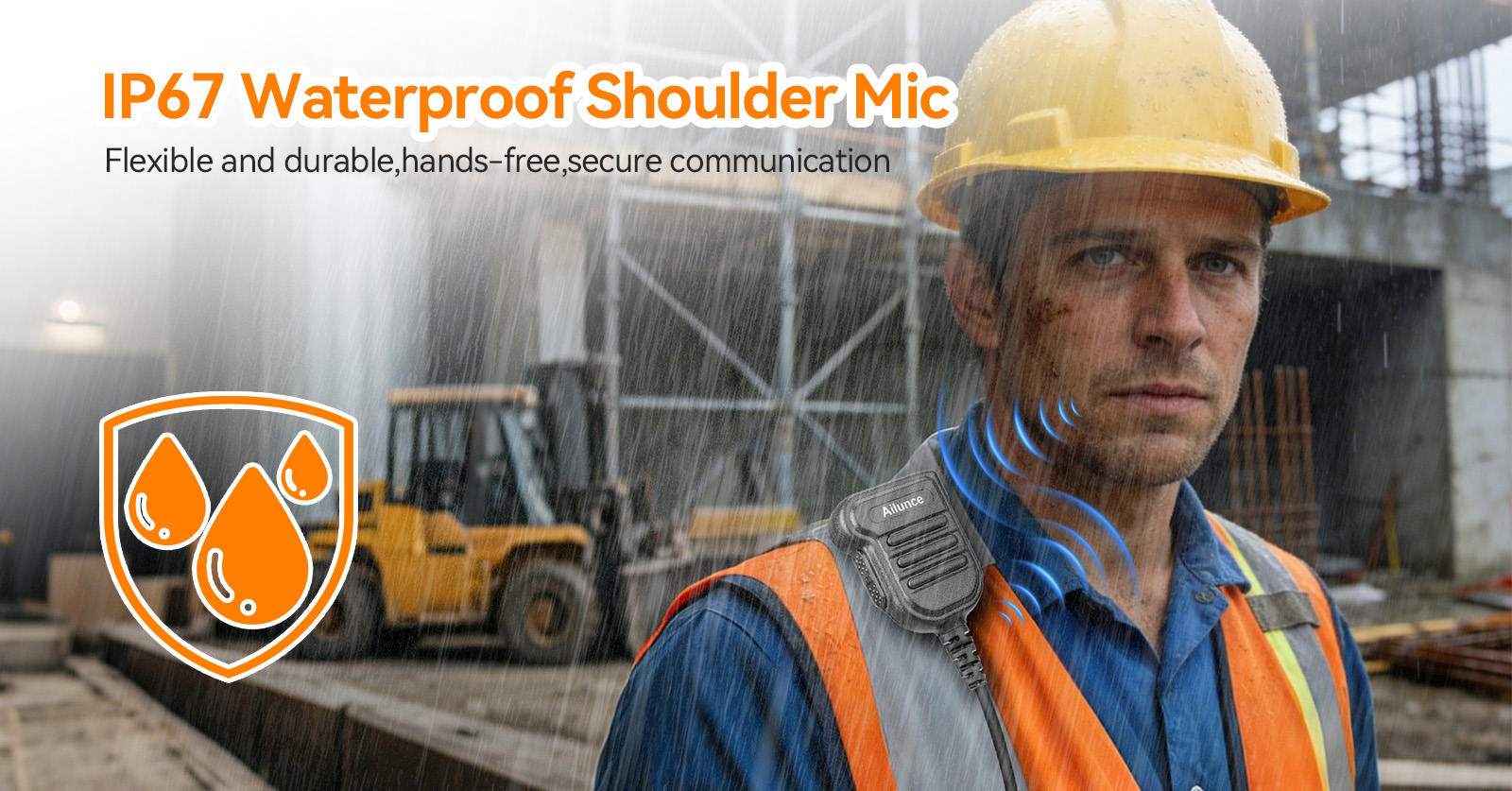
Adhering to industrial-grade rugged design, it comes with IP67 dustproof and waterproof certification, resisting dust, moisture and accidental drops on site, and maintaining stable operation in harsh working conditions..
Click here to learn more about Retevis RT29S Long Range Radio with Noise Reduction.
Communication as Safety Infrastructure
Construction safety budgets allocate most resources to PPE and training. These are necessary and visible. Real-time communication receives less attention because its failure is less visible—until an incident occurs.
A job site communication system does not replace hard hats or safety protocols. It connects them. It turns a static set of rules and equipment into a responsive network where hazards are seen, reported, and stopped before they become injuries.
View the RT29S specifications on Retevis to learn more about how it supports reliable communication on active job sites.
Reference
U.S. Department of Labor, Occupational Safety and Health Administration. (n.d.). Noise in Construction. 29 CFR 1926.52. https://www.osha.gov/noise/construction



 Google
 Amazon
Comments
No data Yet