
Table of Contents
How to Improve Communication Efficiency on Multi-Story Construction Sites
- Posted by:Retevis
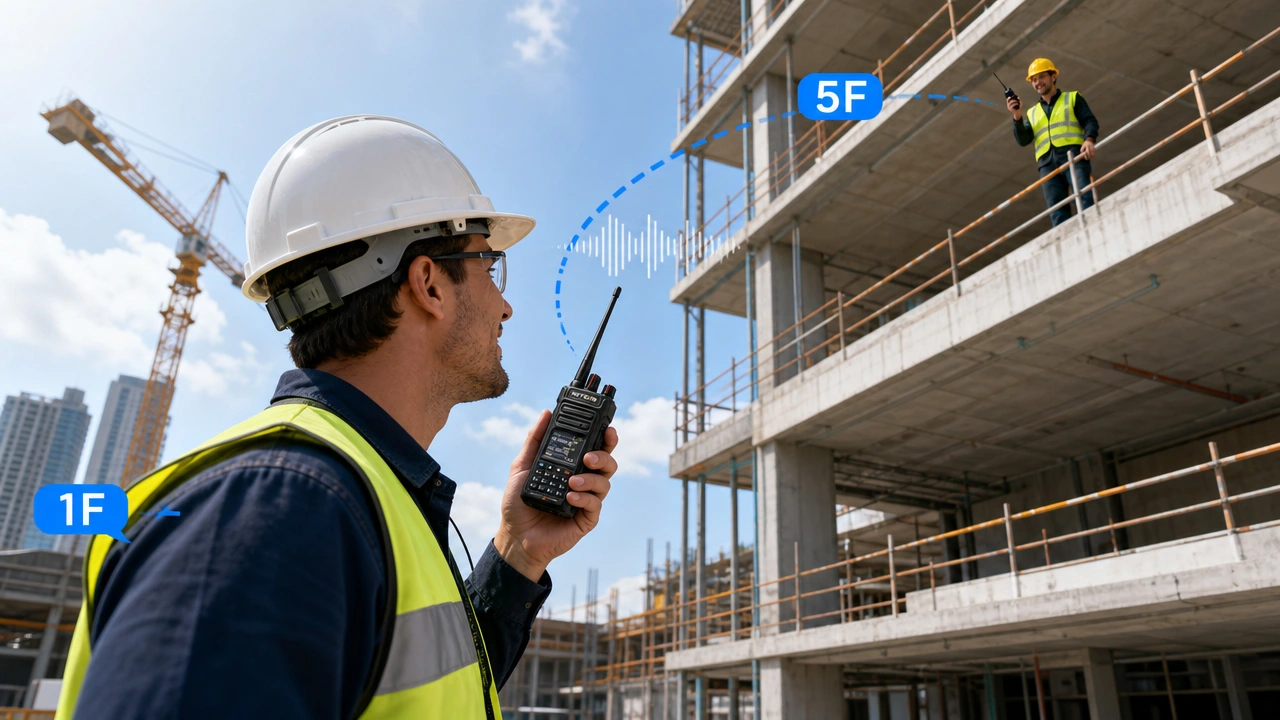
A high-rise skeleton throws a unique gauntlet at anyone responsible for keeping teams connected. Steel beams reflect radio waves unpredictably, concrete slabs absorb them, and the distance between the ground floor and the upper levels stretches far beyond shouting range.
Improving communication on multi-story construction sites demands a deliberate, layered strategy that goes beyond hoping smartphones will work.
Core Physical Reasons for On-Site Signal Failure
The first step toward better communication is understanding the enemy. Concrete and steel are not just building materials—they are signal killers. Reinforced concrete walls can attenuate radio signals by 20-30 decibels per floor. Steel structures create Faraday cage effects that trap radio waves inside individual floors. A construction walkie talkie that works perfectly on an open site may struggle to penetrate three floors of a modern high-rise.
Cell phones fare even worse. Most multi-story construction sites have spotty cellular coverage at best, and dead zones in elevators, stairwells, and underground levels. A 2025 study by Mobile Systems Limited found that cellular signals fail completely in 60% of basement levels on urban construction projects. Workers in these areas become isolated—unable to call for help, report hazards, or receive critical updates.
Choose the Right Construction Radios and Supporting Equipment
UHF Frequency Band for Vertical Signal Penetration
So what works? Start with the right frequency band. UHF (Ultra High Frequency) radios perform significantly better in dense urban environments and multi-story buildings than VHF models. UHF signals have shorter wavelengths that bounce off hard surfaces and weave through structural elements. They are the alley cats of radio frequencies—sneaky, adaptable, and able to find a path where others cannot.
High-Power Radios for Multi-Floor Signal Coverage
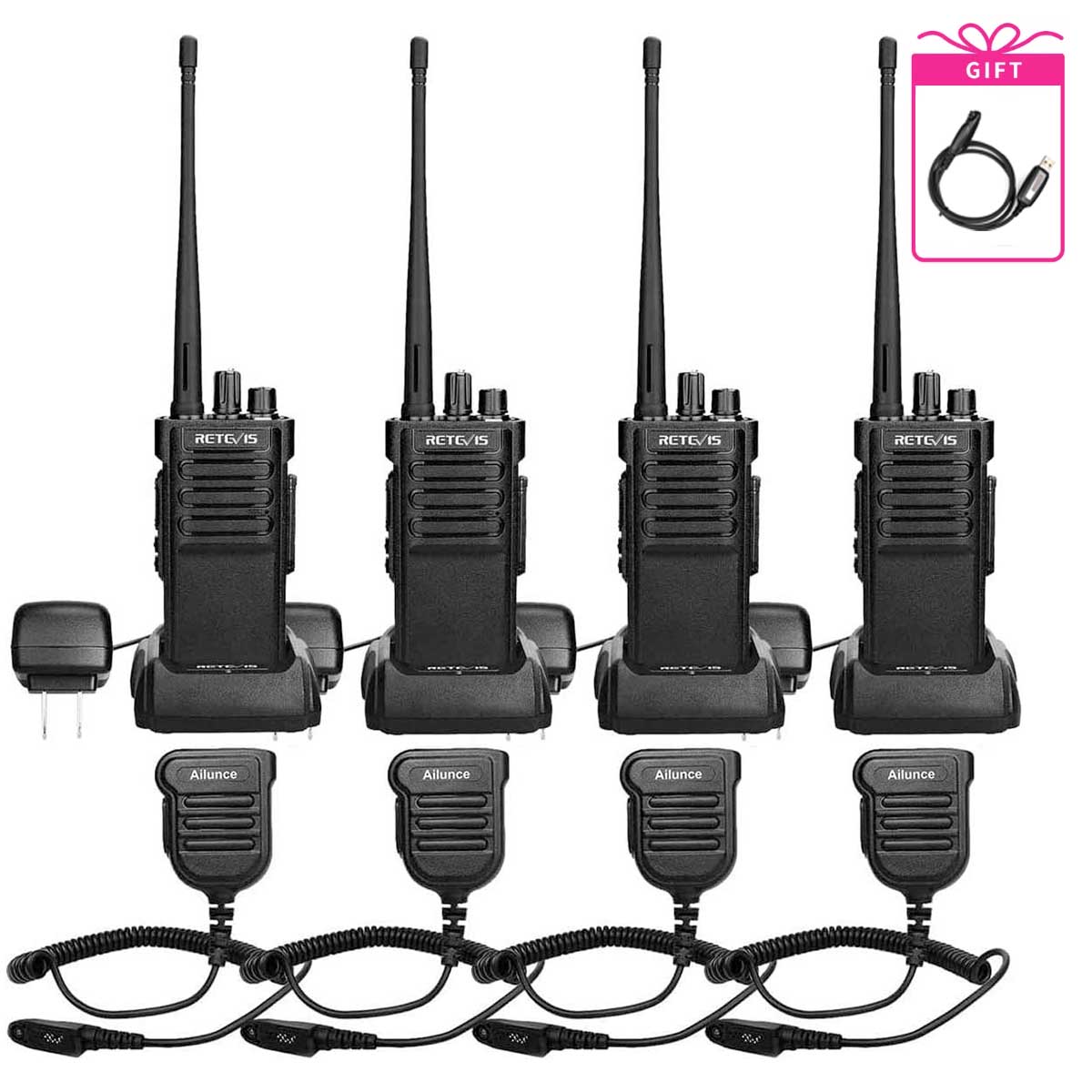
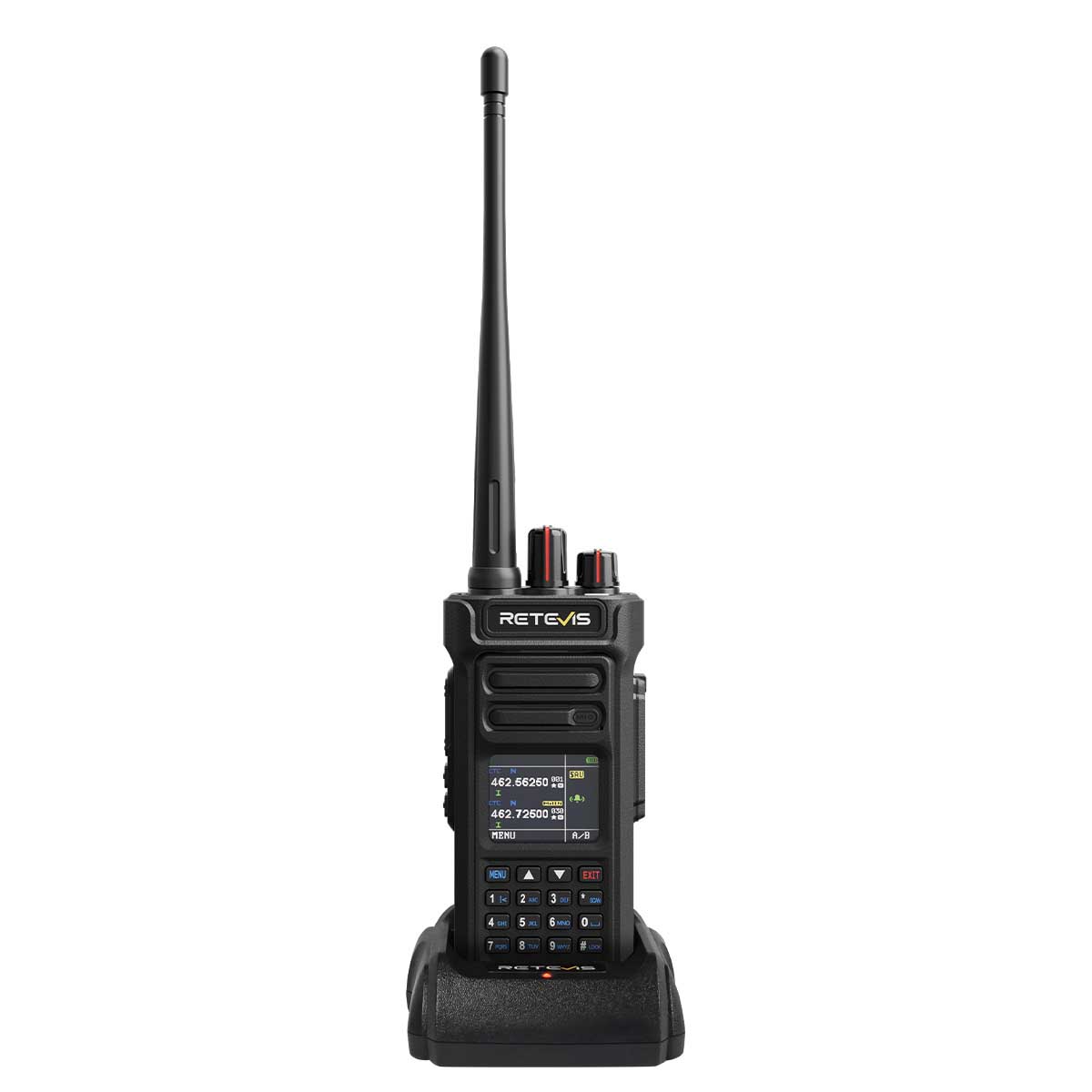
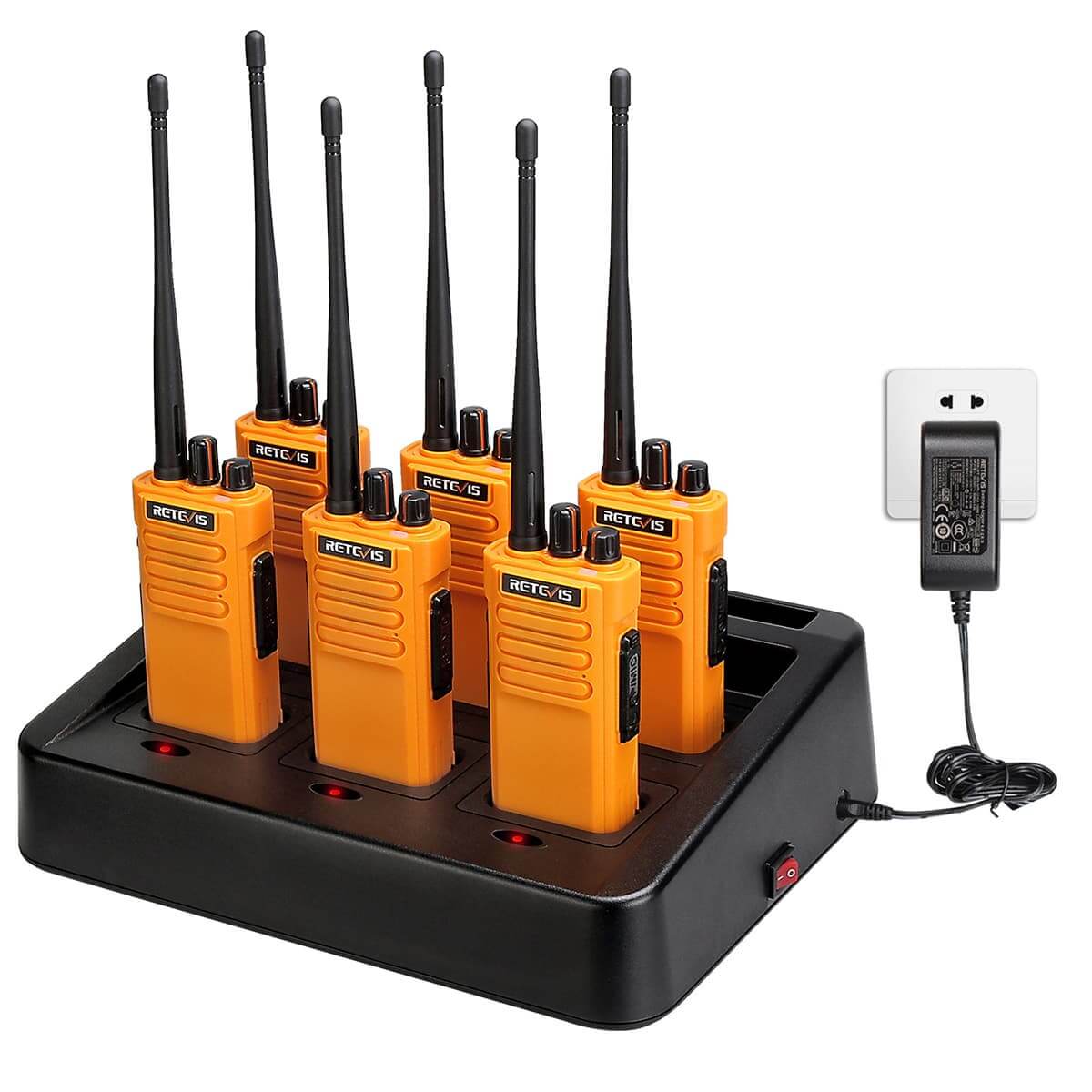
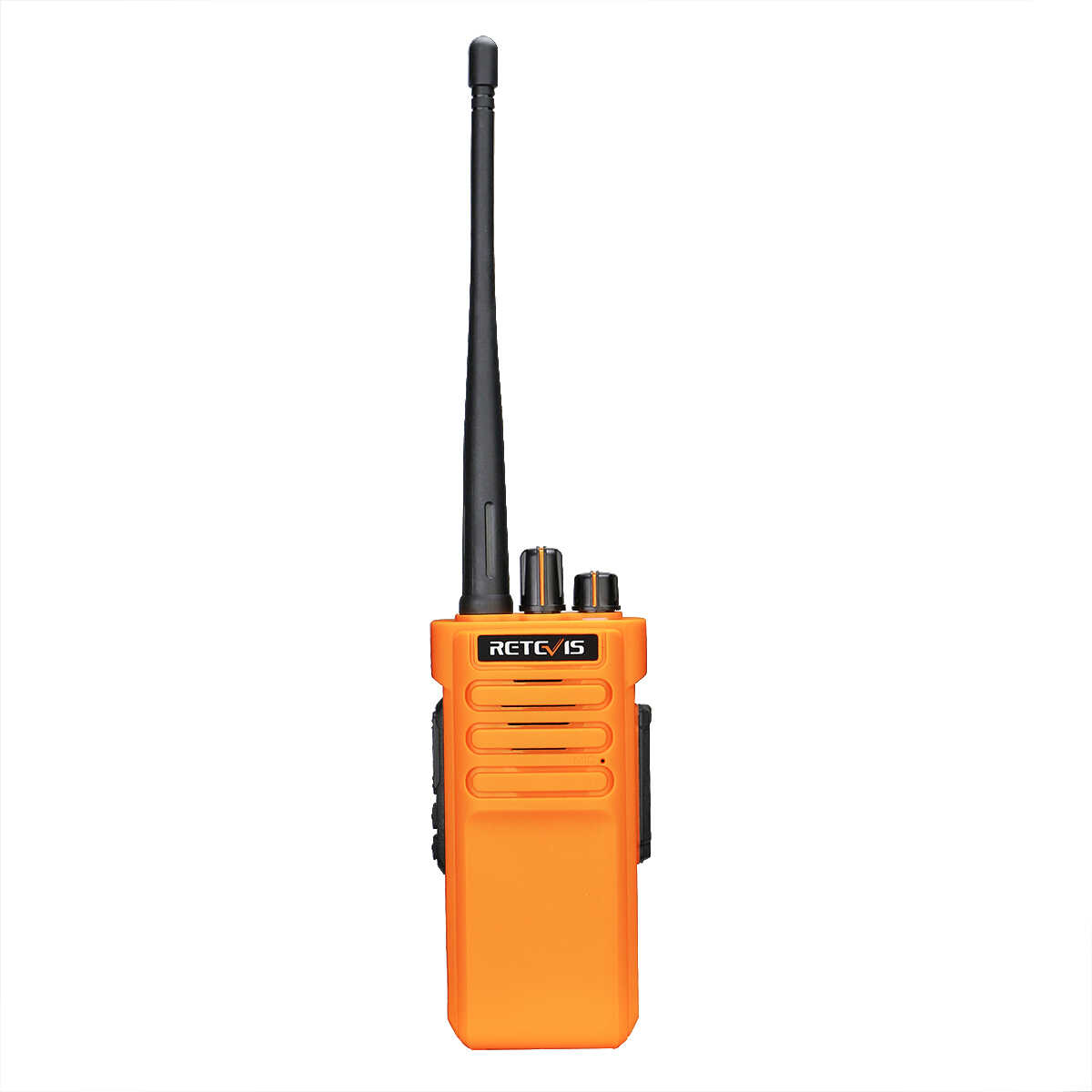
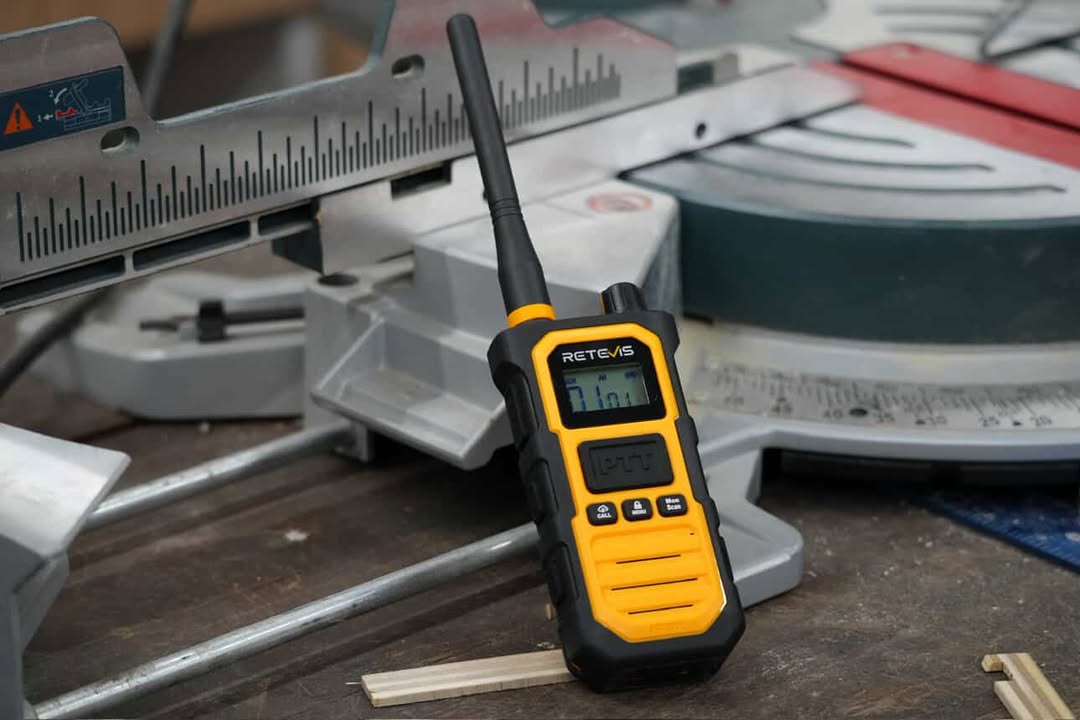
Power output matters too. A 2W consumer walkie talkie will never punch through 15 floors of concrete. You need real power—10W or more—for serious vertical penetration. The Retevis RT29S delivers 10W of transmit power, giving it the muscle to push signals through multiple floors of steel and concrete. Think of it this way: a 2W radio is a flashlight. A 10W radio is a floodlight. Both illuminate, but one reaches much farther.
Repeater System to Eliminate Signal Dead Zones
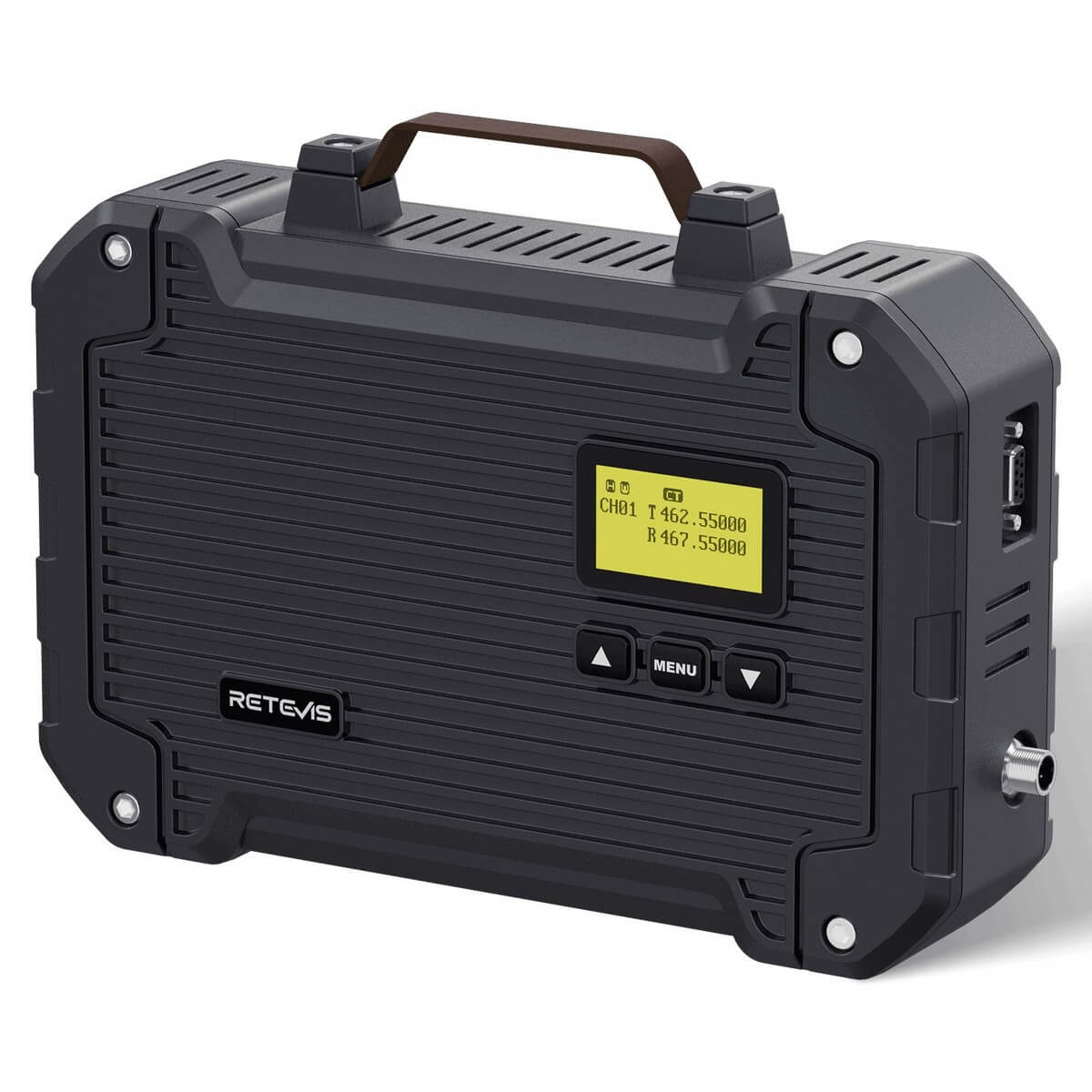
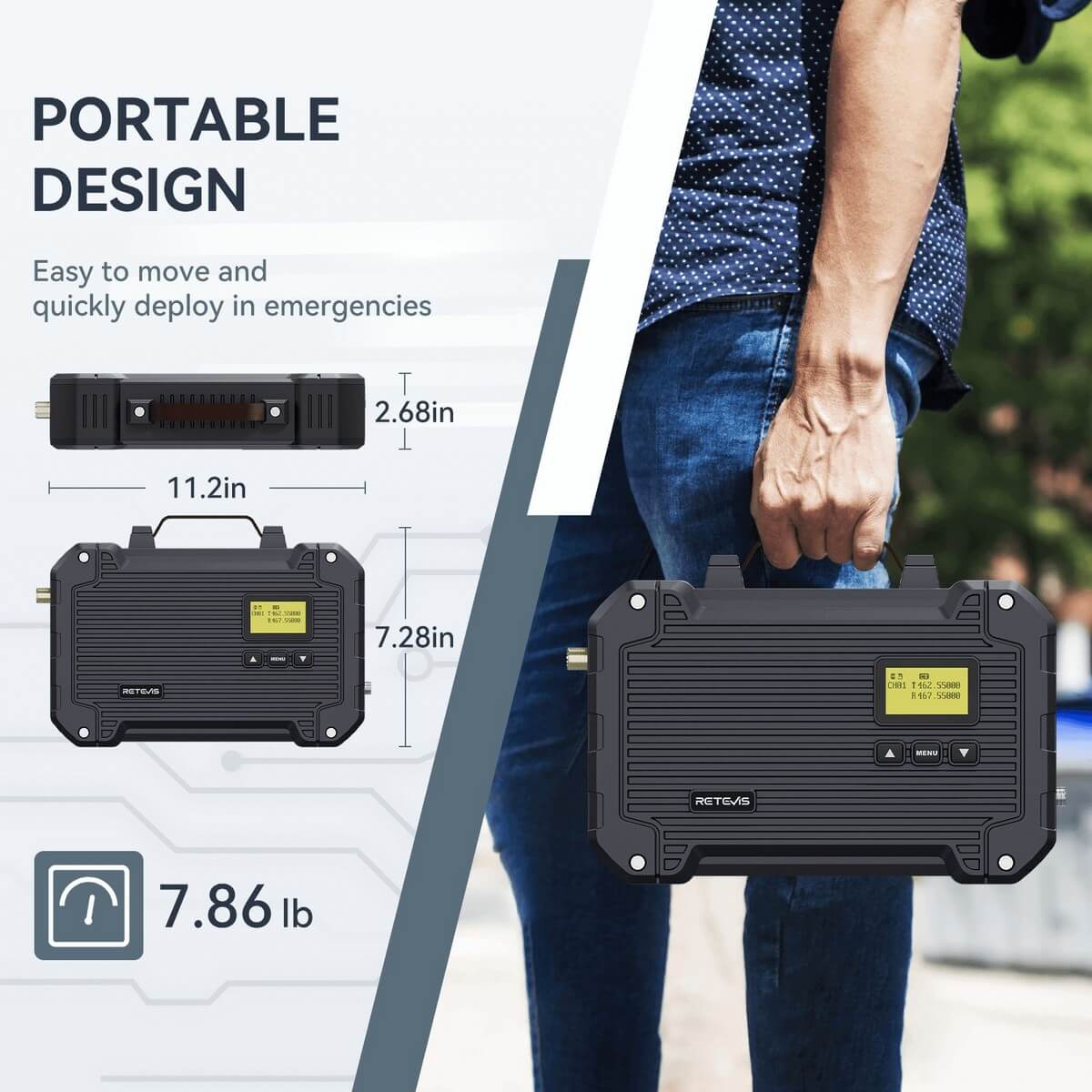
Repeaters are another arrow in your quiver. A strategically placed repeater on the roof or middle floor can rebroadcast signals throughout the building, eliminating dead zones entirely. Retevis offers repeater solutions like the RT97L that pair seamlessly with their construction radio lineup. When combined with high-power handhelds, a repeater system creates blanket coverage across every floor, every stairwell, and every basement level. No more dropped messages. No more "can you hear me now?" games.
AI Noise Cancellation for Noisy Construction Environments
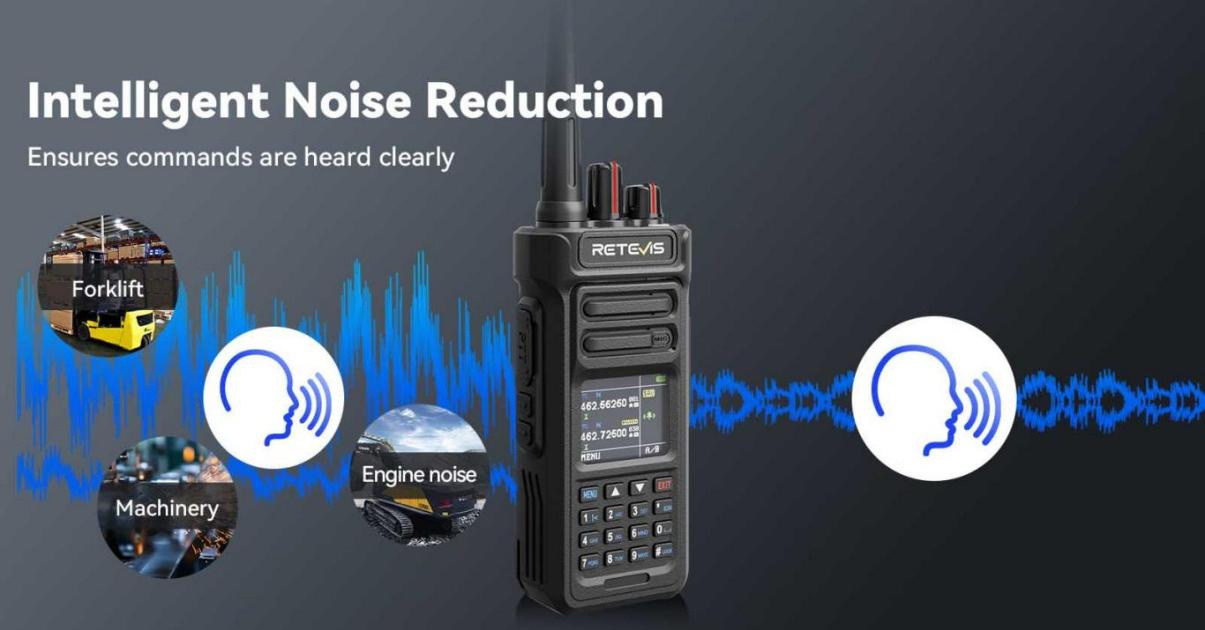
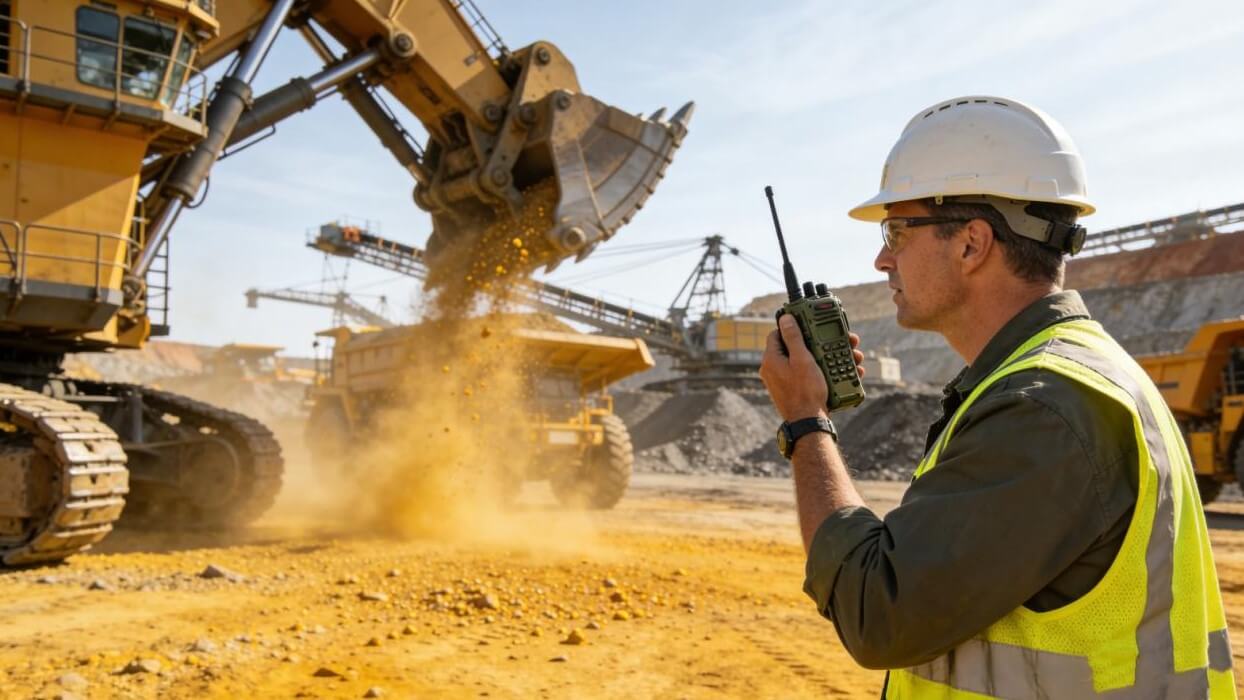
Noise cancellation technology has revolutionized construction site communication in recent years. Anyone who has stood next to a jackhammer knows that ordinary radios become useless at close range. The machinery drowns out everything. Modern two-way radios for construction use AI-powered noise reduction that filters out background sounds while preserving human voice. The Retevis RT29S, for example, offers adjustable squelch levels from 0-9, allowing workers to fine-tune audio clarity based on their immediate environment. It is like having a personal sound engineer in your pocket.
Optimize Channels and Equipment Layout
Professional Channel Classification to Avoid Congestion
Channel management is a frequently overlooked piece of the puzzle. On a large multi-story project, you might have 200 workers across 10 different trades all trying to communicate at once. A single shared channel turns into chaos. The solution is to divide your team into logical groups with dedicated channels. One channel for the concrete crew. One for electricians. One for safety officers. One for crane operations. This reduces channel congestion and ensures critical messages get through.
Reasonable Equipment Placement and Antenna Configuration
Crane operators sitting in cabs 200 feet in the air need different antenna configurations than workers on the ground. Building materials stacked in staging areas can block signals between teams. Good communication planning means thinking about where people work, where equipment sits, and how signals travel between them. It is less about technology and more about geography.
Standardized Training and SOP: Build a Complete Communication System
On-Site Radio Usage Standard Training
The fanciest radio in the world is useless if workers do not know how to use it properly. Every crew member should understand basic radio etiquette: keep transmissions short, identify yourself before speaking, listen before you key the mic, and know which channel to use for different situations. A 15-minute training session at the start of a project can prevent hours of confusion and delay later.
Unified SOP and Emergency Communication Protocols
Create a simple channel guide that every worker carries. Post channel assignments in break rooms and staging areas. Establish clear protocols for emergency communications—who calls for help, what channel to use, what information to provide. When everyone follows the same playbook, communication flows smoothly even in chaotic situations.
Regular Communication Audits and Upgrades
What works at ground level might not work once the building reaches 20 stories. Conduct weekly check-ins with foremen and safety officers to identify dead zones, channel congestion issues, or equipment problems. Test coverage on new floors as construction progresses. A communication system is not a set-it-and-forget-it solution. It evolves with the project.
Conclusion: A Vertical Challenge Met with Reliable Engineering
Improving communication on a multi-story construction site is not a single purchase or a quick fix. It is a deliberate strategy built on understanding how signals move through steel and concrete, how noise drowns out vital warnings, how batteries dictate reliability, and how fragmented teams can become one unified crew.
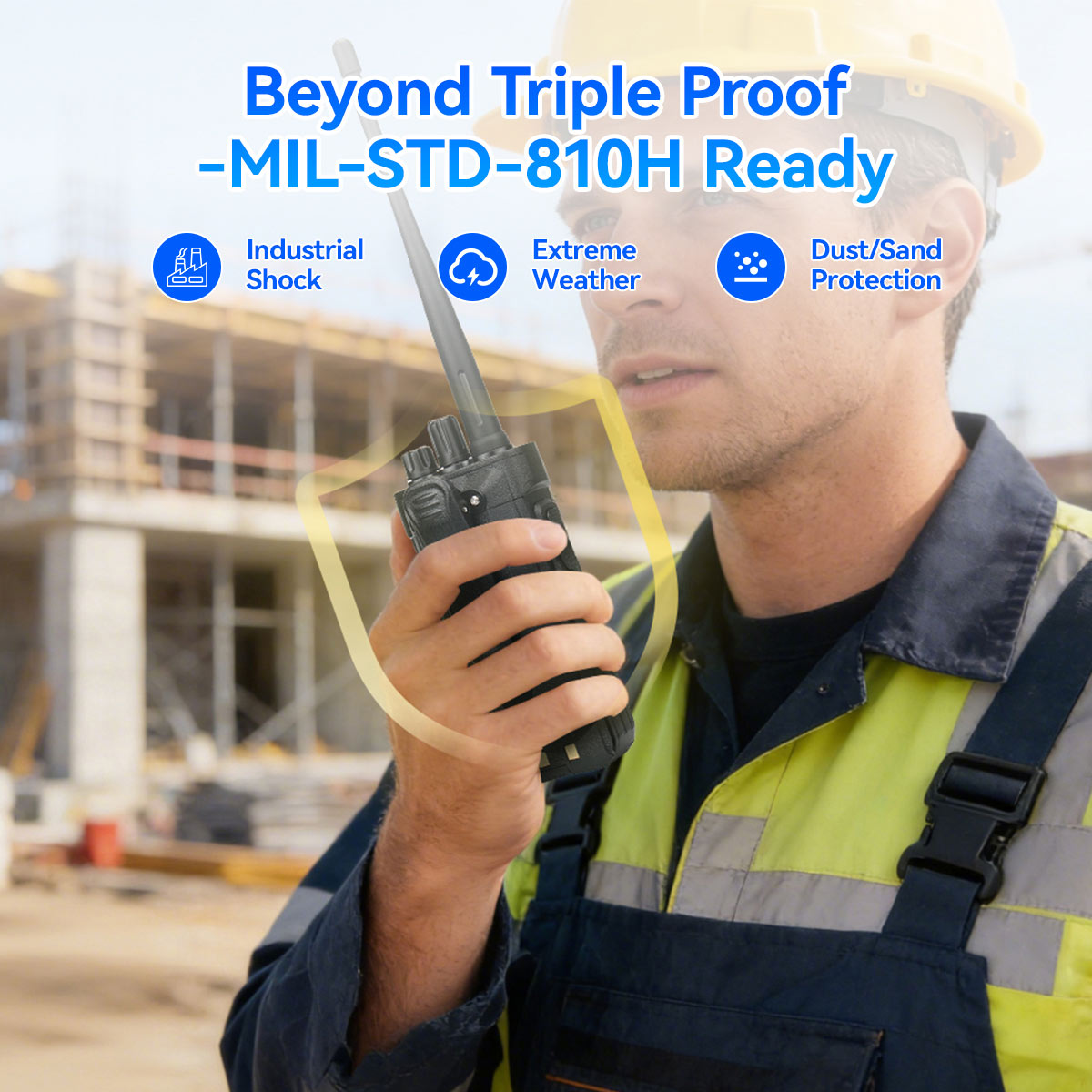
The Retevis RT29S heavy-duty walkie-talkie steps into this demanding arena with the kind of rugged, no-nonsense design that keeps conversations clear from the parking structure to the penthouse. It delivers stable multi-floor coverage that refuses to drop signals, noise-cancelling audio that works in deafening industrial settings, all-day battery life that removes charging anxiety from the equation, and the channel flexibility to weave security, logistics, and construction crews into a single responsive network.
These capabilities translate directly into safer lifts, fewer rework incidents, and a project tempo that stays on schedule. When every floor matters and every message counts, the right two-way radio for construction does not just improve communication; it builds the foundation on which the entire structure rises safely, floor by floor.
References



 Google
 Amazon
Comments
No data Yet