
Table of Contents
Two-Way Radios vs. Phones for Construction Teams: A Field Comparison
- Posted by:Retevis
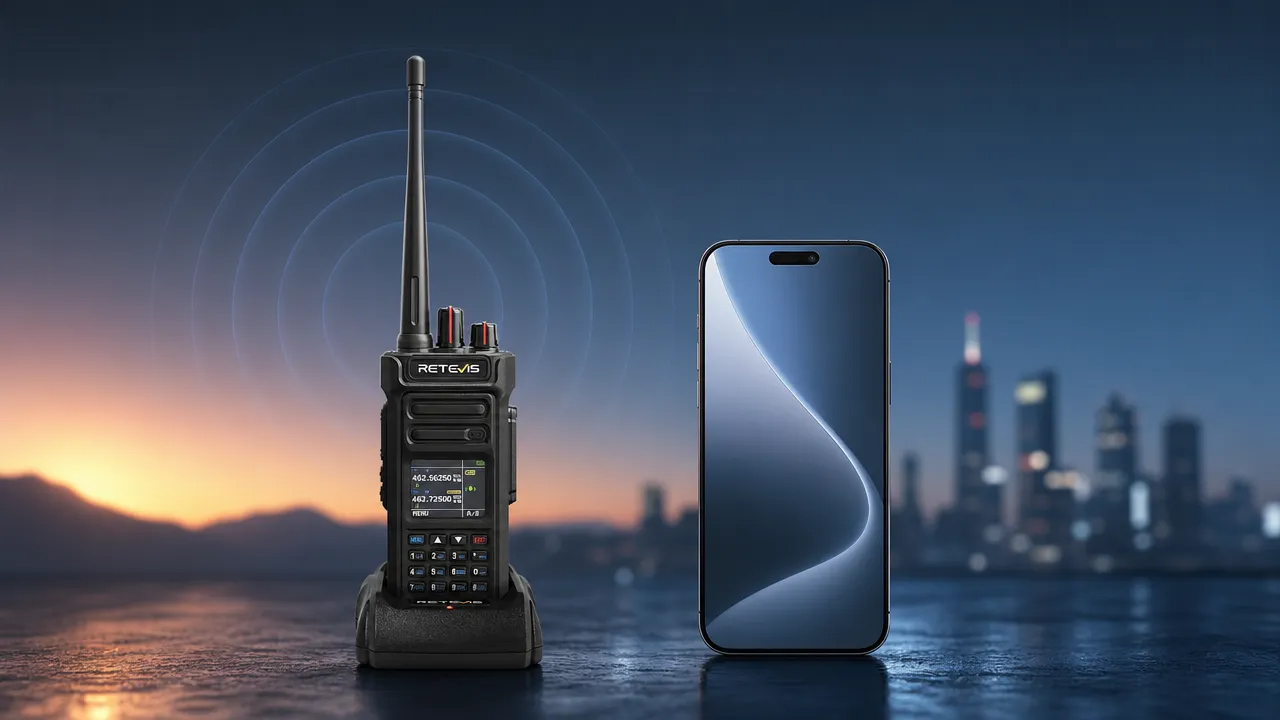
Most construction teams use mobile phones as their primary communication tool. The reason is simple: nearly everyone already owns one. But a device designed for consumer use in urban environments is not automatically the right tool for a steel-framed building site with 100-decibel ambient noise and no cellular signal below ground. The default choice is not always the optimal choice.
The following comparison examines six dimensions where phones and two-way radios perform differently in actual construction conditions. The goal is not to dismiss phones—they remain essential for external communication—but to identify where a construction walkie talkie is the more effective tool.
At a Glance: Smart Phones vs. Two-Way Radios on the Job Site
|
Dimension |
Mobile Phone |
Two-Way Radio |
Job Site Impact |
|
Signal Source |
Cellular towers |
Self-contained RF network |
Phones lose signal underground and inside steel structures; radios maintain coverage across the full site footprint |
|
Communication Mode |
One-to-one dial |
One-to-many broadcast |
Emergency alerts require sequential calls on phones; radios reach all channel members instantly |
|
Response Time |
30 seconds to minutes |
Under 2 seconds |
Phone calls include dialing, ringing, and voicemail delays; radios transmit on button press |
|
Noise Performance |
Inaudible above 90 dBA |
High-wattage audio cuts through 100+ dBA |
Phone ring tones and call audio are lost in construction noise; radio audio remains intelligible |
|
Glove Compatibility |
Touchscreen requires bare fingers or special gloves |
Physical PTT button works with standard work gloves |
Workers must remove gloves to operate phones; radios operate without interruption |
|
Durability Rating |
IP53–IP68 (consumer-optimized) |
IP67 + MIL-STD-810 (industrial-grade) |
Phones fail from drops, dust, and water; radios survive daily job site abuse |
|
Battery Life |
4–6 hours heavy use |
8–12 hours continuous |
Phones die mid-shift; radios last through overtime |
|
Monthly Cost |
$30–$60 per line |
None |
Phone plans accumulate recurring charges; radios have no service fees |
|
3-Year TCO (20-person team) |
$30,000–$60,000 |
$8,000–$15,000 |
Phone total cost frequently exceeds radios even before repair and replacement |
|
External Distractions |
Calls, texts, apps, notifications |
None—voice only on assigned channel |
Phone interruptions divert attention from hazardous work; radios maintain focus |
1 Coverage: When the Signal Dies
Mobile phones depend on cellular towers. Inside a steel-framed structure, between poured concrete walls, or below grade, signal strength drops to zero. Workers in basements, elevator shafts, or remote site locations cannot make or receive calls. A supervisor on the ground floor has no direct line to a crew pouring concrete in the parking garage three levels down.
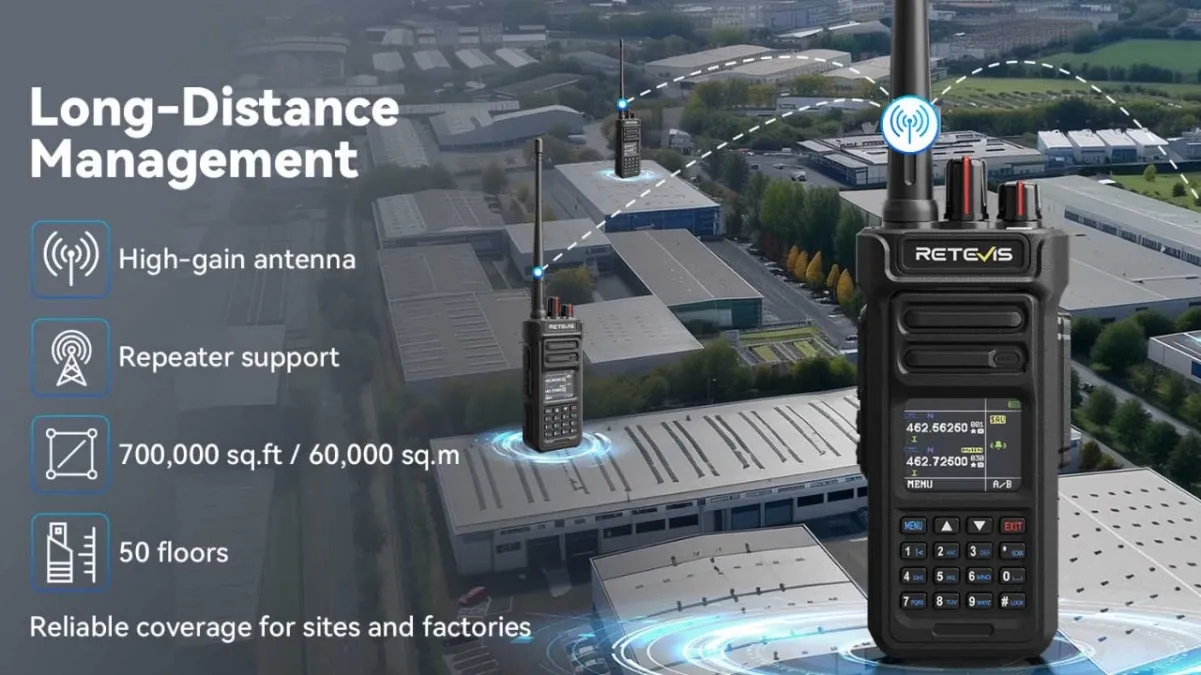
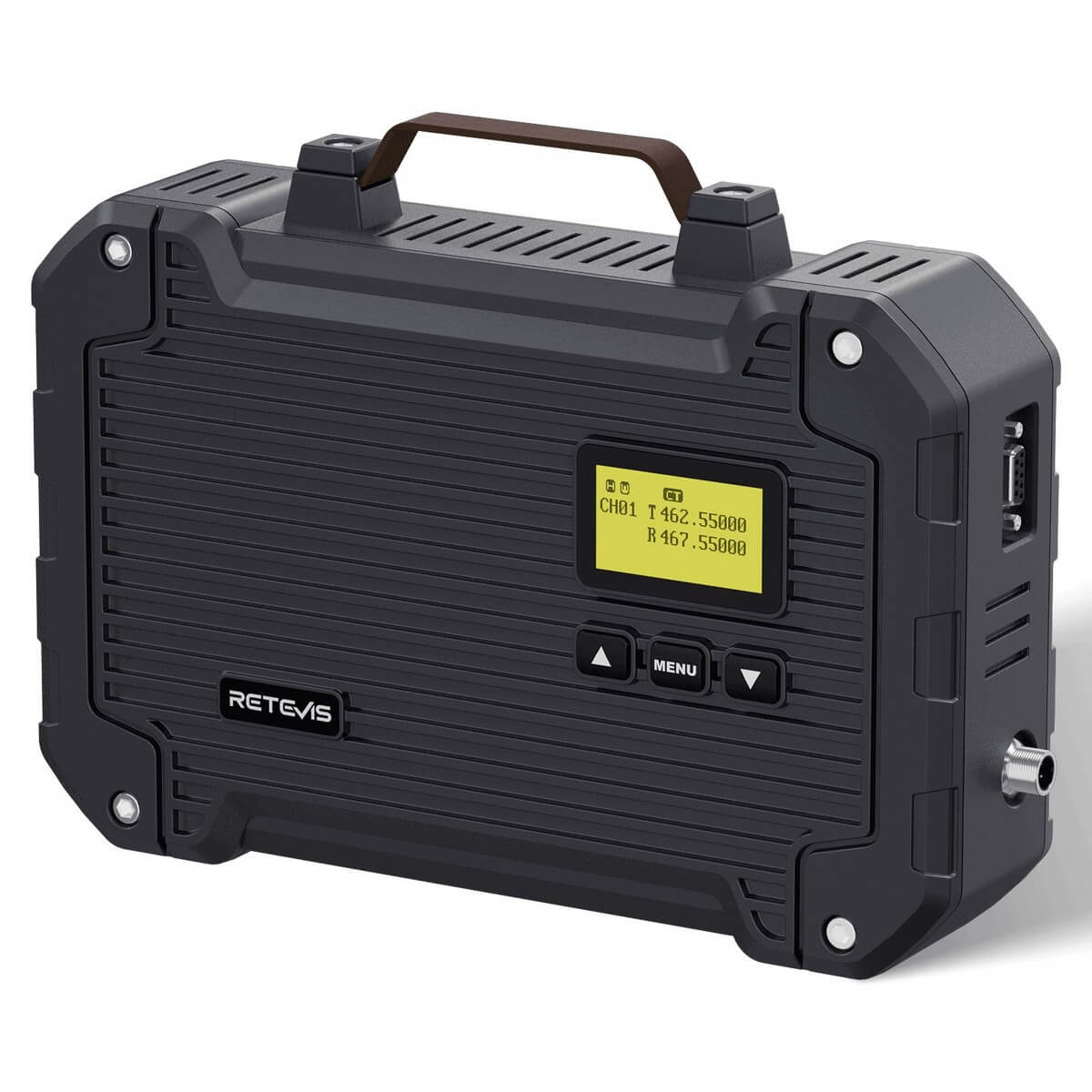
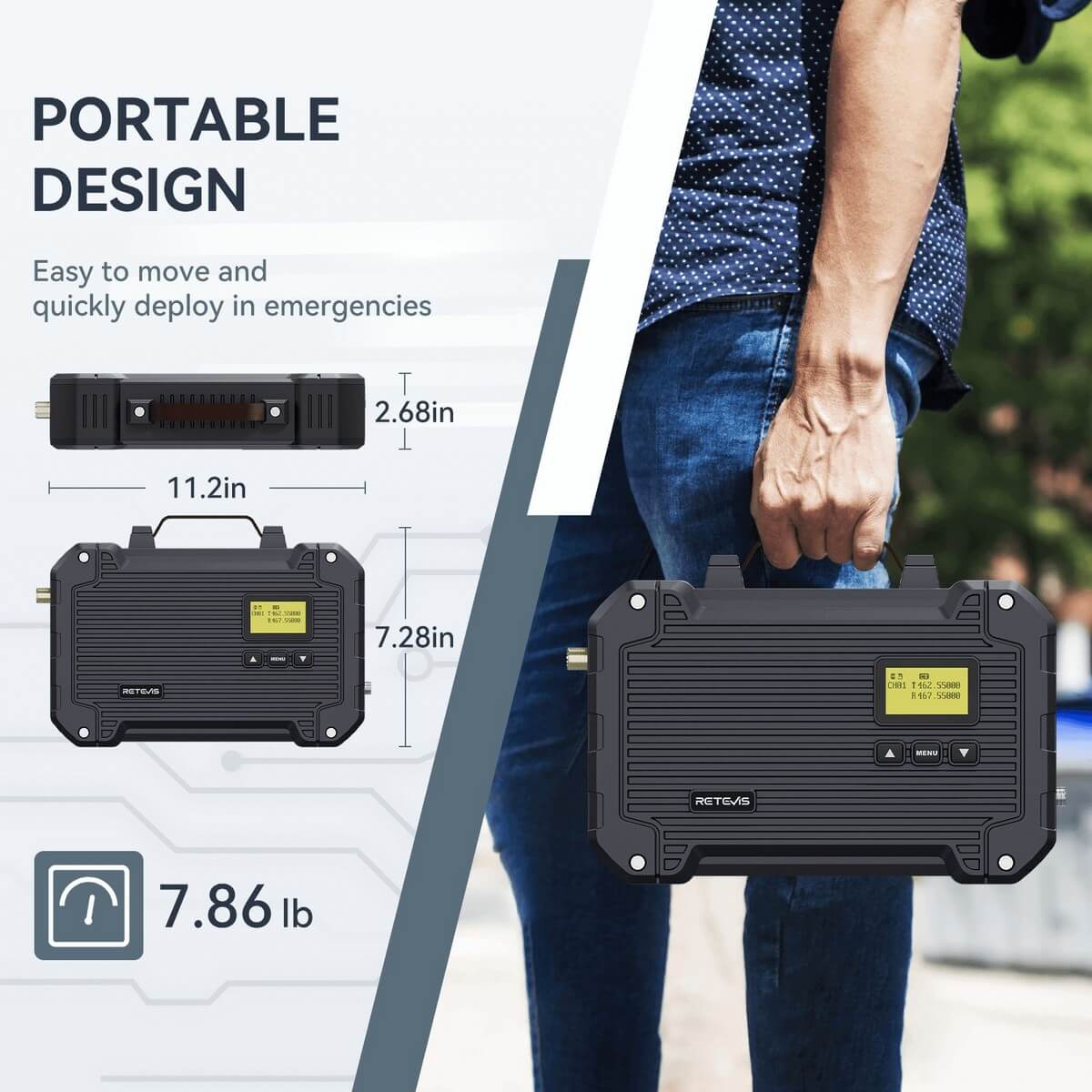
A two-way radio for construction operates on its own radio frequency network. It does not need a cellular tower. A base station or repeater on site extends coverage across the entire project footprint, including underground levels and interior cores where cellular signal cannot penetrate. The communication layer remains intact regardless of external infrastructure.
2 Speed: One-to-Many vs. One-to-One
A phone call reaches one person at a time. A group text or chat message reaches multiple people, but delivery is staggered, read receipts are inconsistent, and response is voluntary. In an emergency, a supervisor warning ten workers about an overhead hazard must dial ten numbers or hope everyone checks their messages.
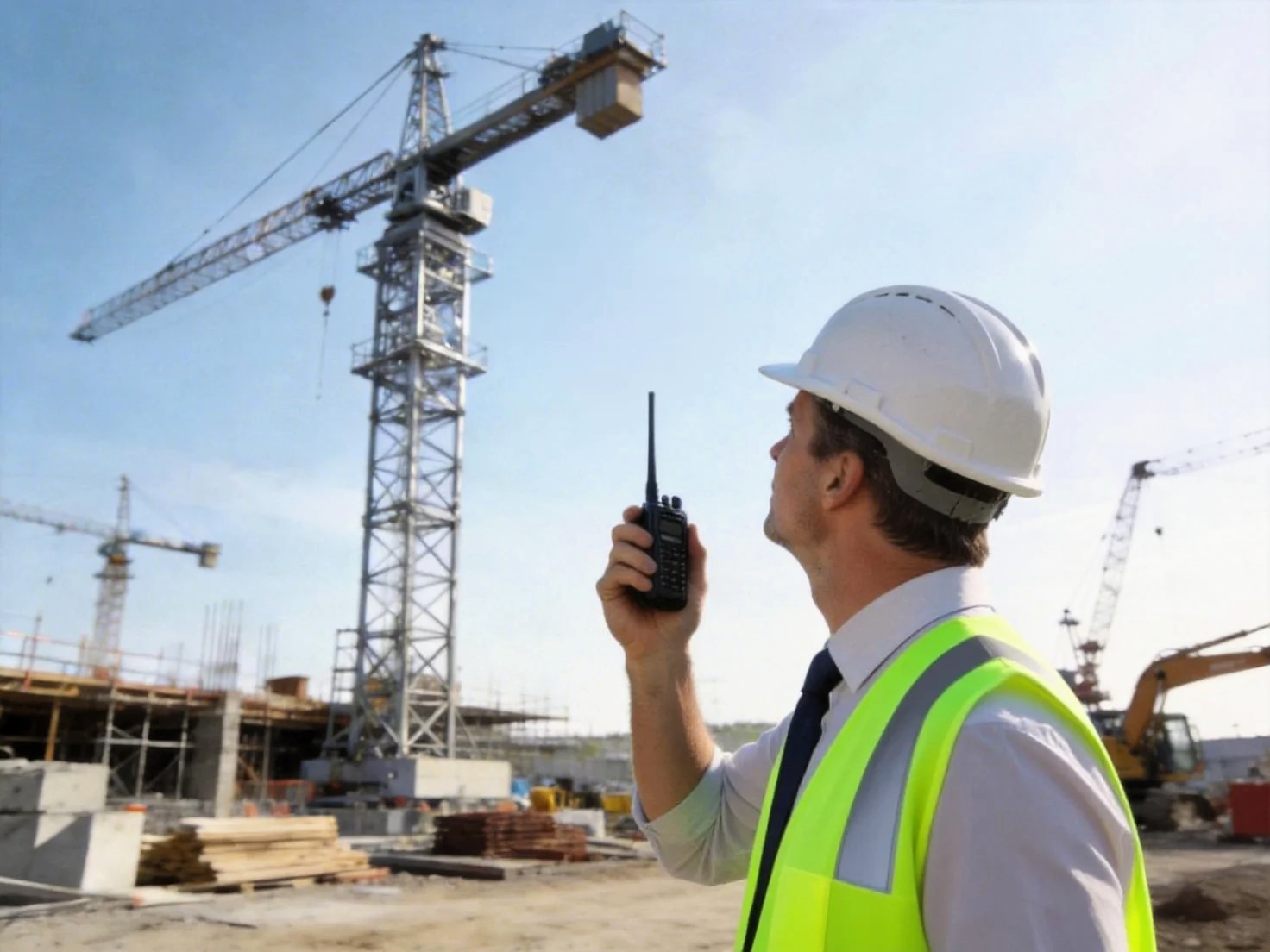
A construction walkie talkie uses half-duplex communication on shared channels. One button press transmits to every unit tuned to that channel. The message arrives simultaneously. There is no dialing, no ringing, no voicemail, and no waiting for someone to pick up. The time from observation to broadcast is under two seconds.
3 Durability: Dust, Water, and Drops
Consumer smartphones carry IP ratings between IP53 and IP68, but most are optimized for splash resistance rather than construction-site survival. A drop from scaffolding onto concrete typically shatters the screen. Dust infiltration degrades charging ports and speakers. Water damage from rain or hose spray voids warranties and requires replacement.
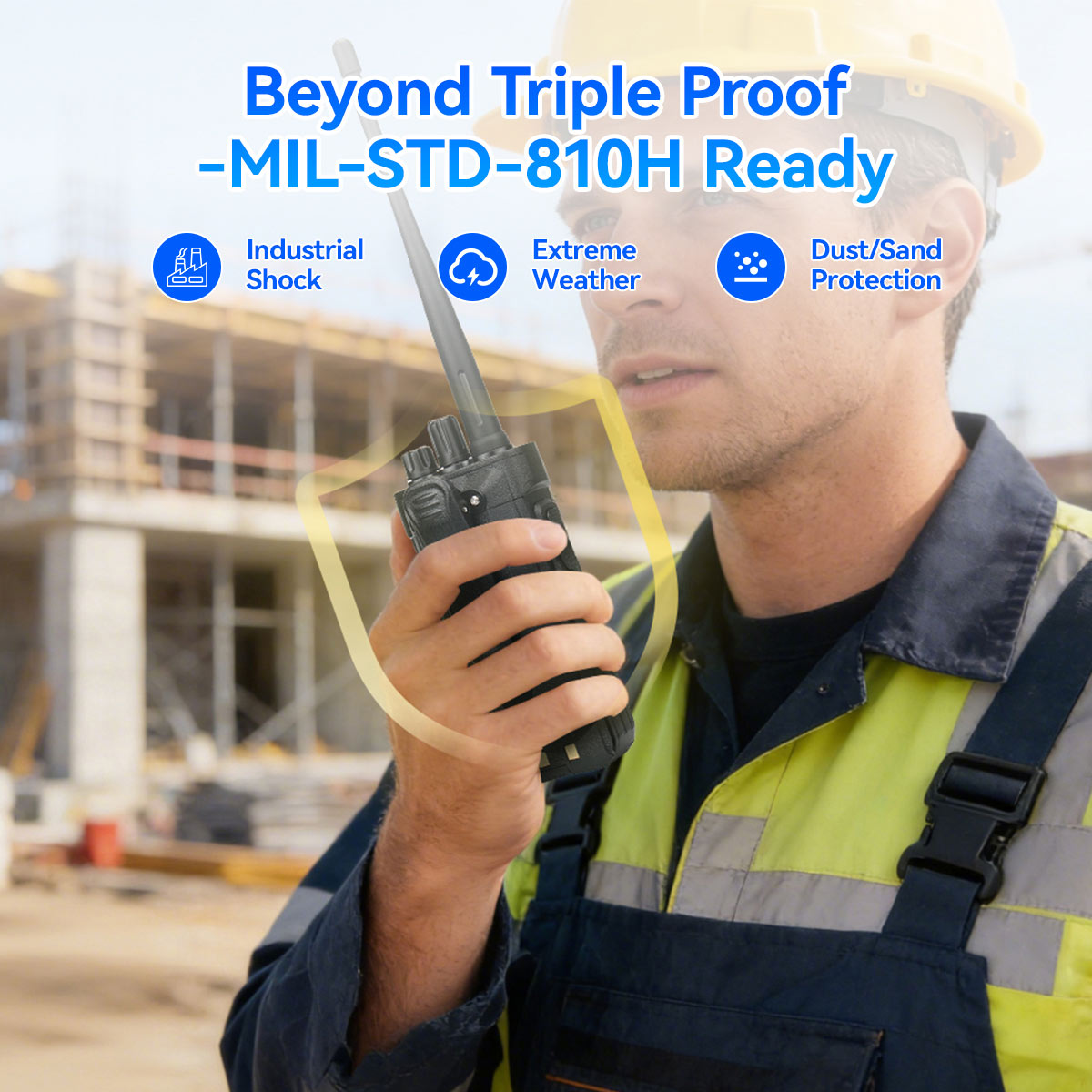
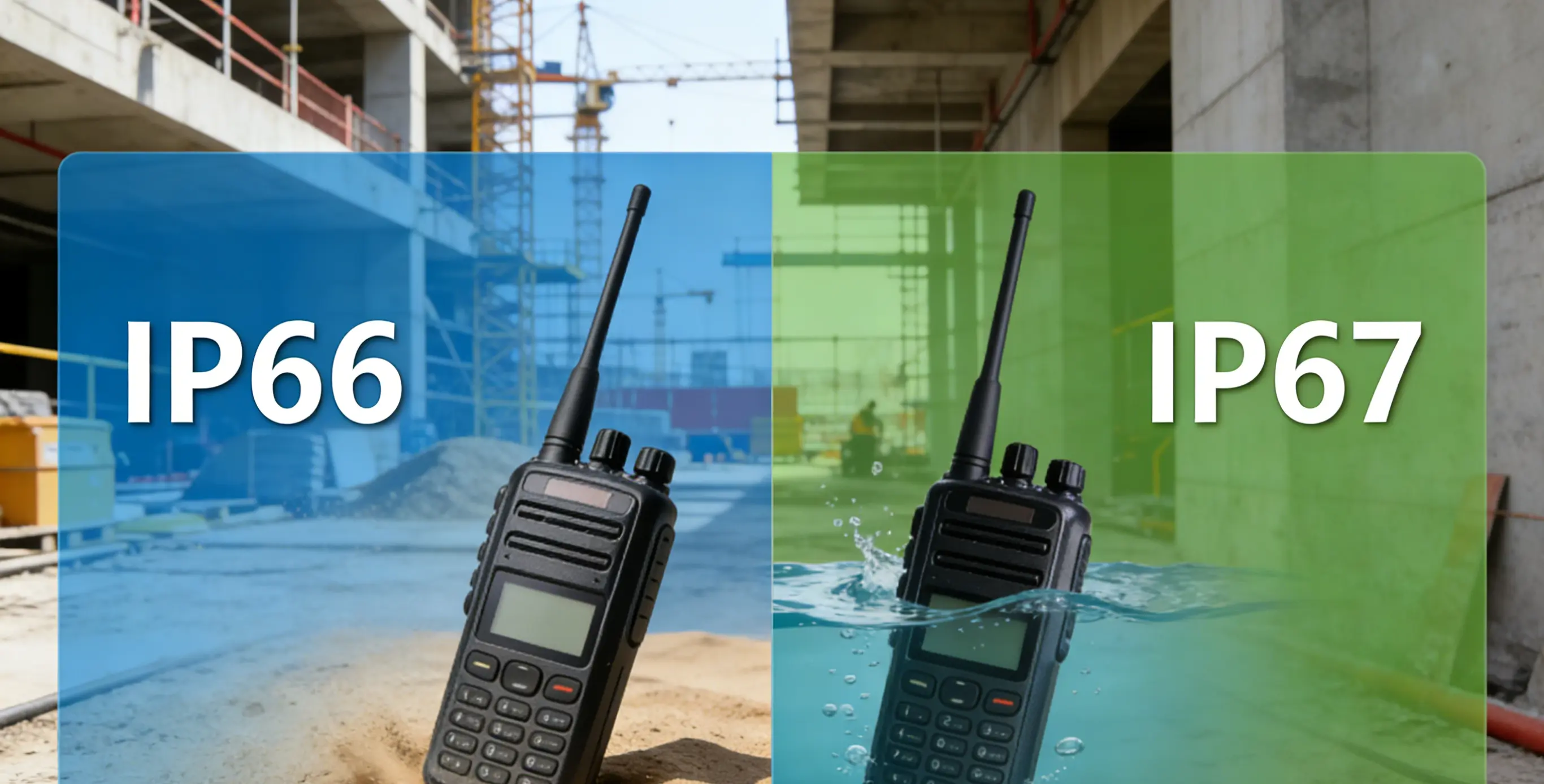
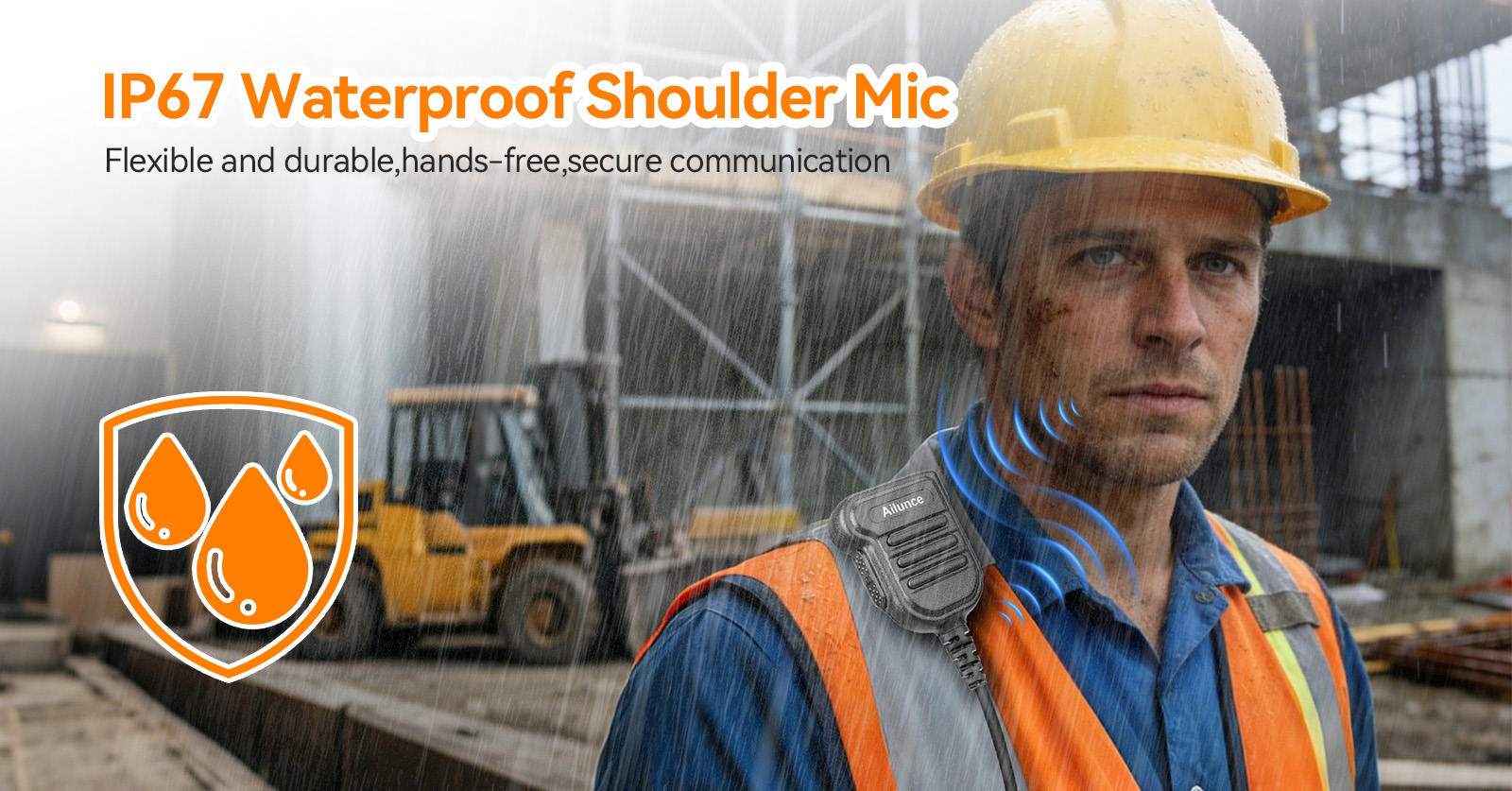
Heavy duty walkie talkies are built to MIL-STD-810 standards for shock and vibration, with IP67 ratings that allow submersion in water and complete dust protection. They survive the drops, impacts, and environmental exposure that occur daily on active job sites. The replacement cycle is measured in years, not months.
4 Usability: Gloves, Noise, and Distraction
Smartphone touchscreens do not respond reliably through work gloves. Wet fingers or dust-coated hands cause mis-taps. In ambient noise above 90 dBA, ring tones and call audio are inaudible. Incoming calls from outside the job site—personal messages, app notifications, spam—interrupt work flow and divert attention.
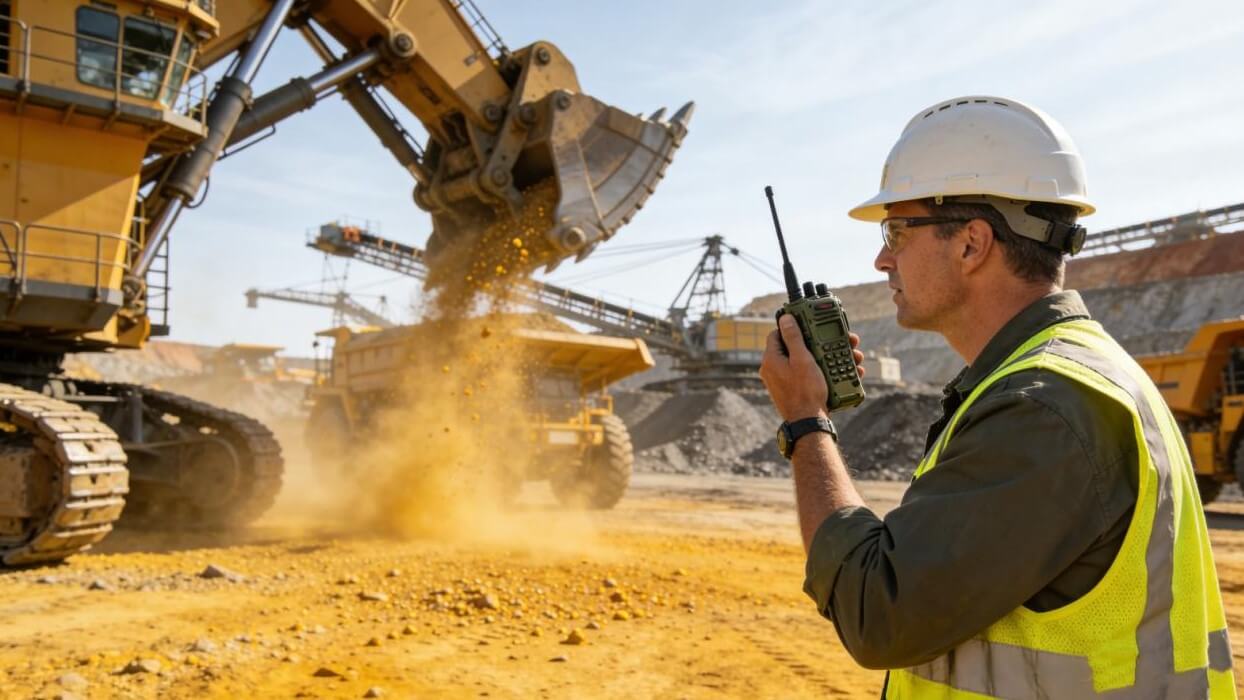
A walkie-talkie for noisy environments uses physical push-to-talk buttons that operate with gloved hands. High-wattage audio output cuts through industrial noise. There are no social media notifications, no personal calls, and no screen to unlock. The device does one thing: transmit and receive voice on the channel assigned to the task.
5 Total Cost: Beyond the Purchase Price
A smartphone for field use costs between $400 and $1,000. Monthly service plans add $30 to $60 per line. Over a three-year period, a single device generates $1,500 to $3,000 in total cost, before accounting for screen repairs, water damage replacements, or cases and protective accessories.
A commercial walkie talkie requires a higher upfront investment per unit but no recurring service fees. The device lifespan is typically five to seven years in construction use. For a 20-person team over three years, the total cost of ownership for radios is frequently lower than phones, even before factoring in the reduced downtime from device failures.
6 Battery Life: Making It Through the Shift
Smartphones under heavy use—GPS navigation, camera documentation, frequent calls—drain to critical levels within four to six hours. A construction shift runs eight to twelve hours. Mid-shift charging requires workers to leave their stations, carry power banks, or swap to personal devices. A dead phone mid-afternoon leaves a worker unreachable during the final hours of the day.
Long range walkie talkies are engineered for continuous operation across full shifts. Battery packs are hot-swappable on many models, allowing a depleted battery to be replaced without powering down the unit. A worker on overtime or double shift remains connected without interruption.
Conclusion: The Right Tool for the Right Layer
Phones and two-way radios are not mutually exclusive. They serve different communication layers. Phones connect the job site to the outside world—clients, suppliers, architects, inspectors. They handle data, documents, and detailed conversations that require privacy and record-keeping.
A two-way radio for construction handles the internal coordination layer. It moves information between workers, foremen, and equipment operators in real time, under conditions that break standard consumer devices. It is not a replacement for the phone. It is a specialization for the environment.
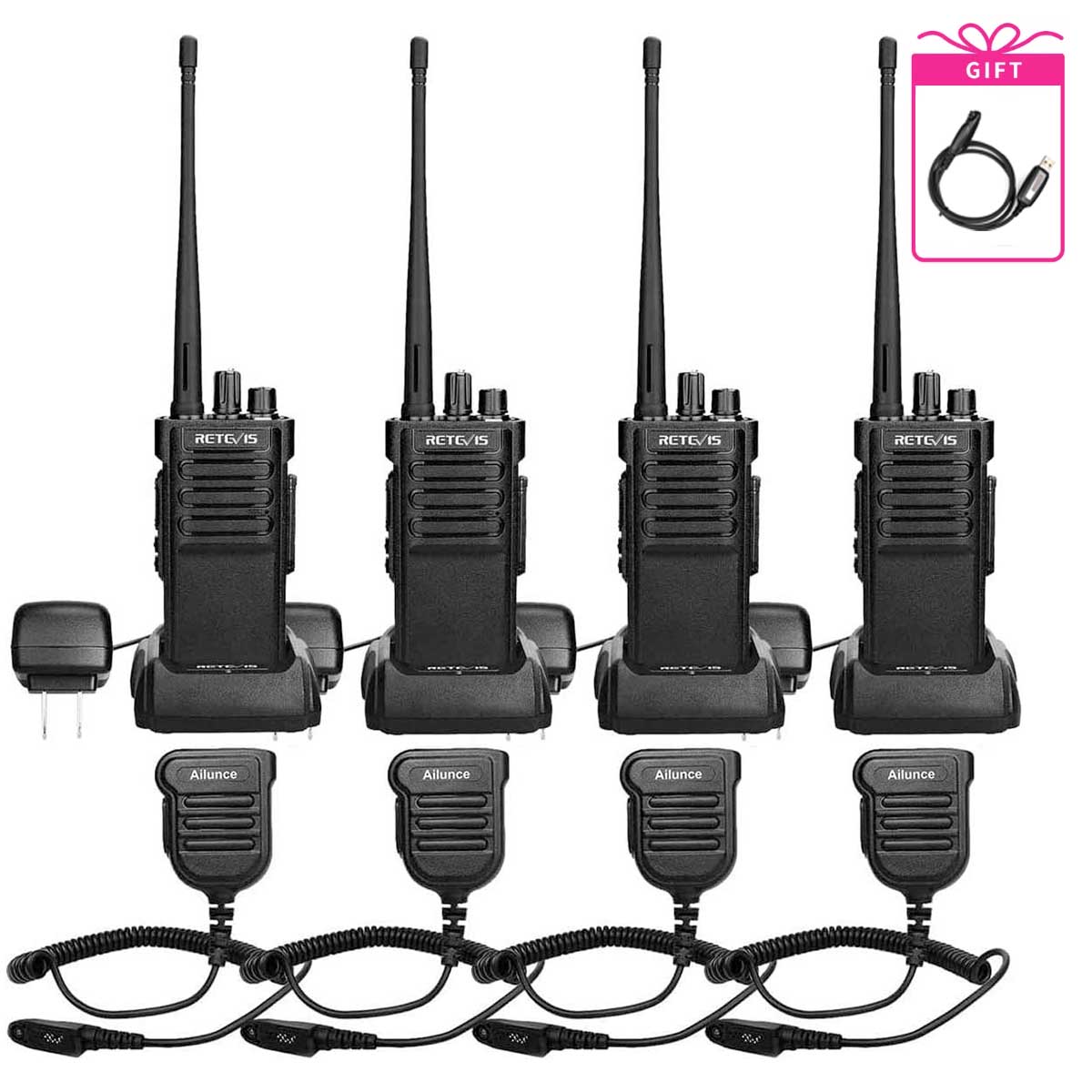
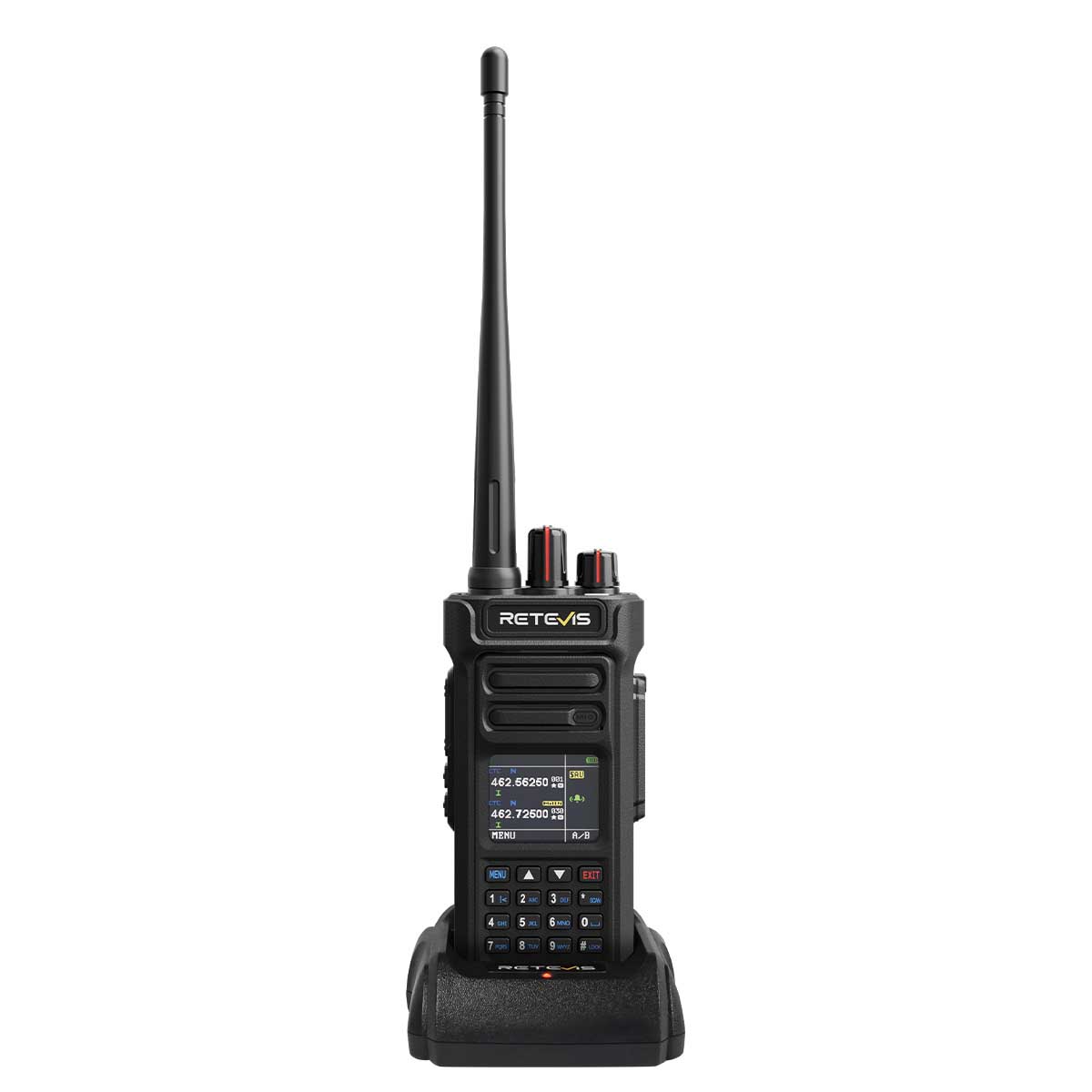
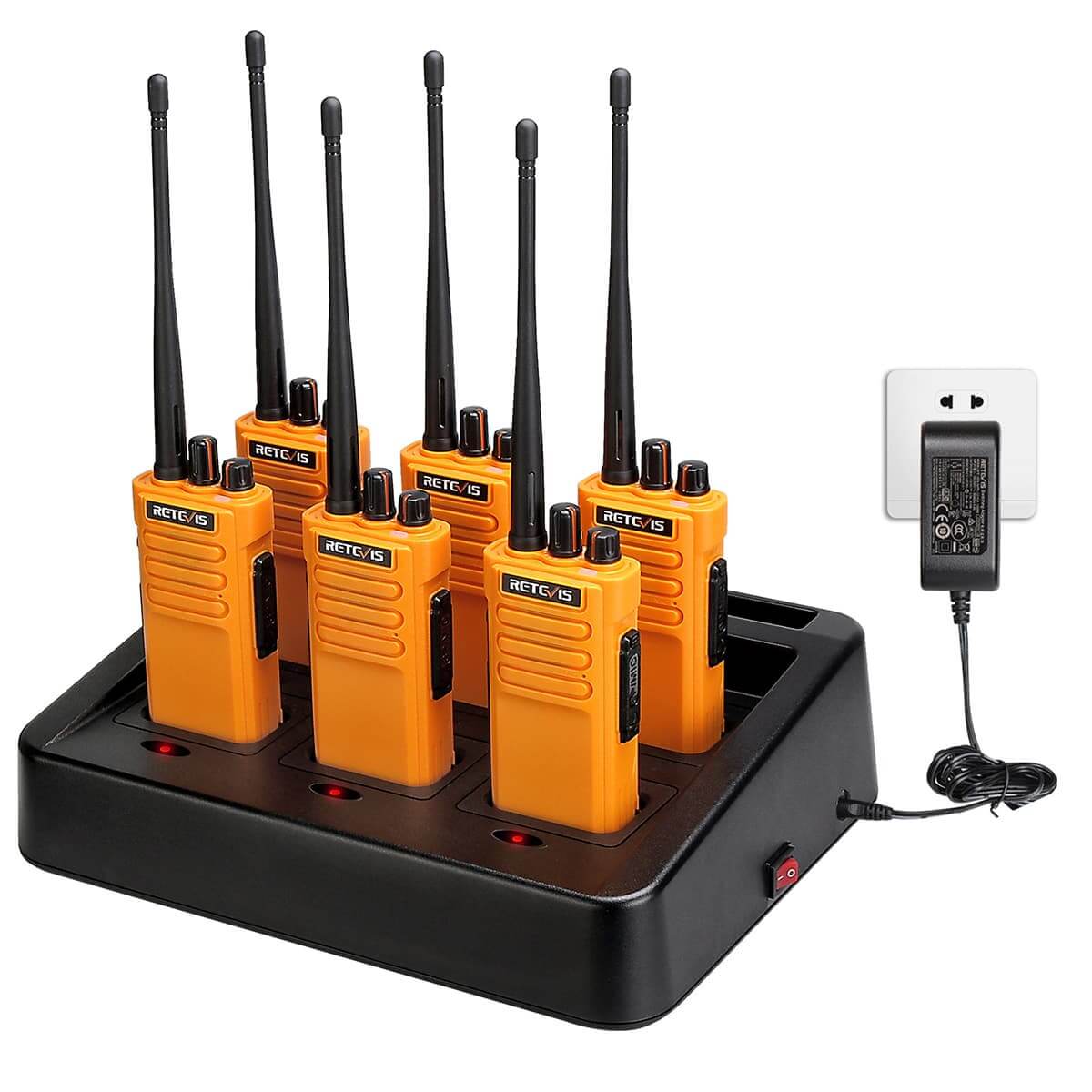
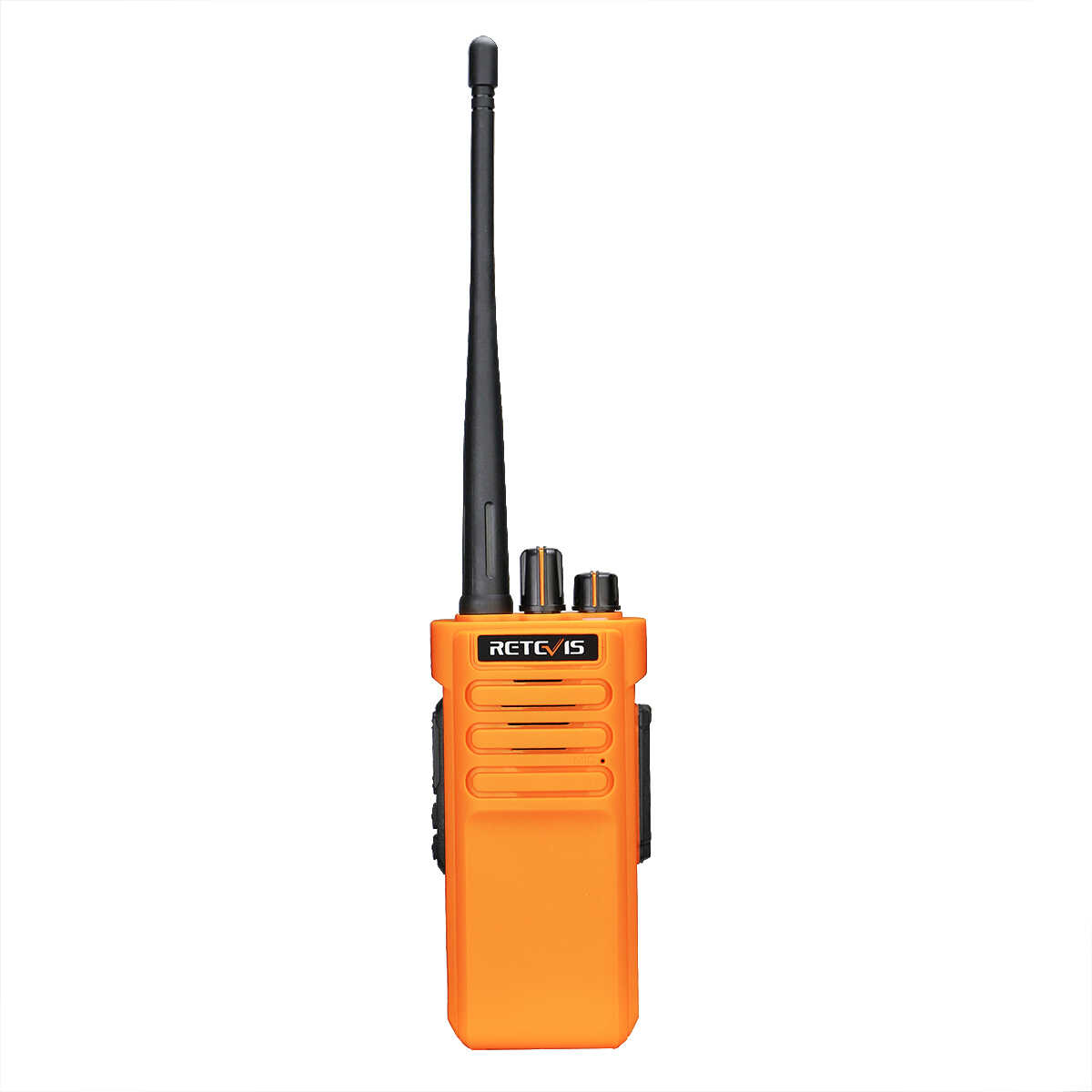
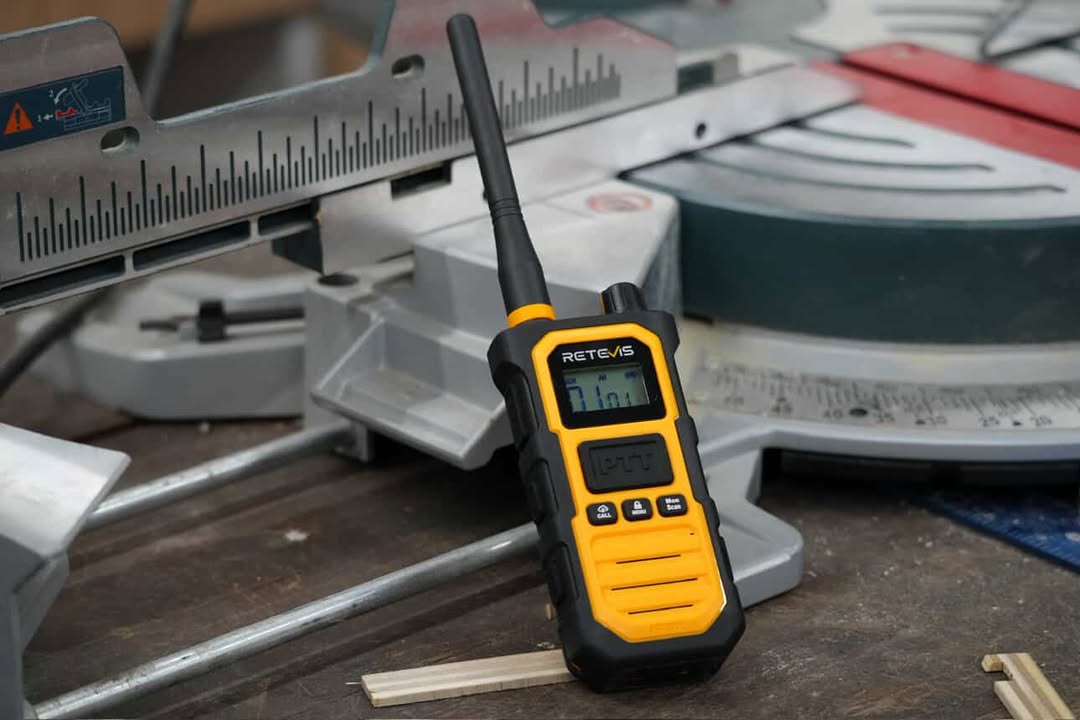
The RT29S long-range walkie-talkie is built for this layer. It delivers multi-floor signal coverage, audio clarity above 100 dBA, all-day battery life, and instant group broadcast. These specifications match the demands of active construction sites where communication failure is not an inconvenience but an operational breakdown.
Reference
U.S. Department of Labor, Occupational Safety and Health Administration. (n.d.). Noise in Construction. 29 CFR 1926.52. https://www.osha.gov/noise/construction



 Google
 Amazon
Comments
No data Yet