

Table of Contents
How to Improve Two-Way Radio Coverage in a Large Facility
- Posted by:Retevis
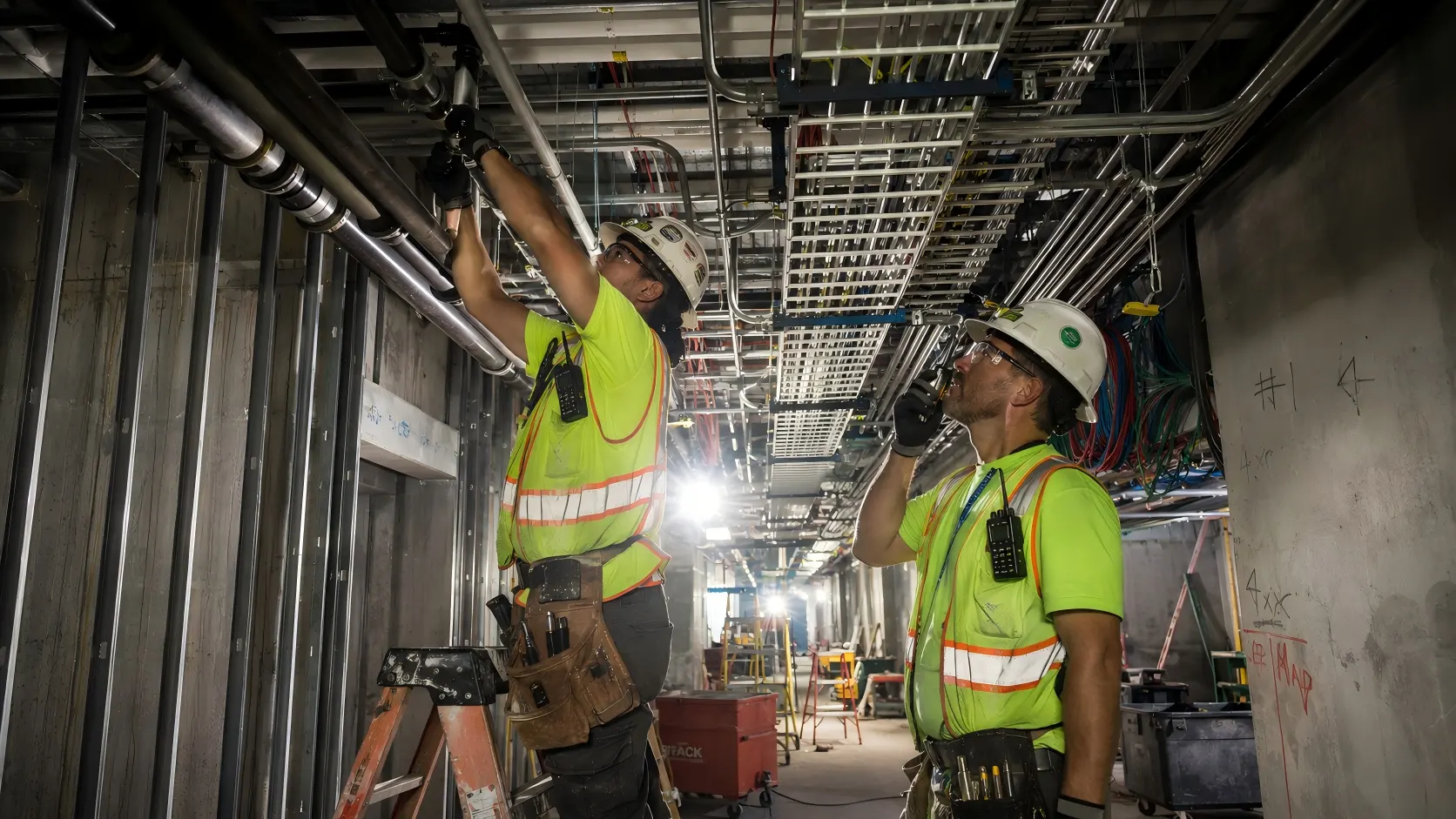
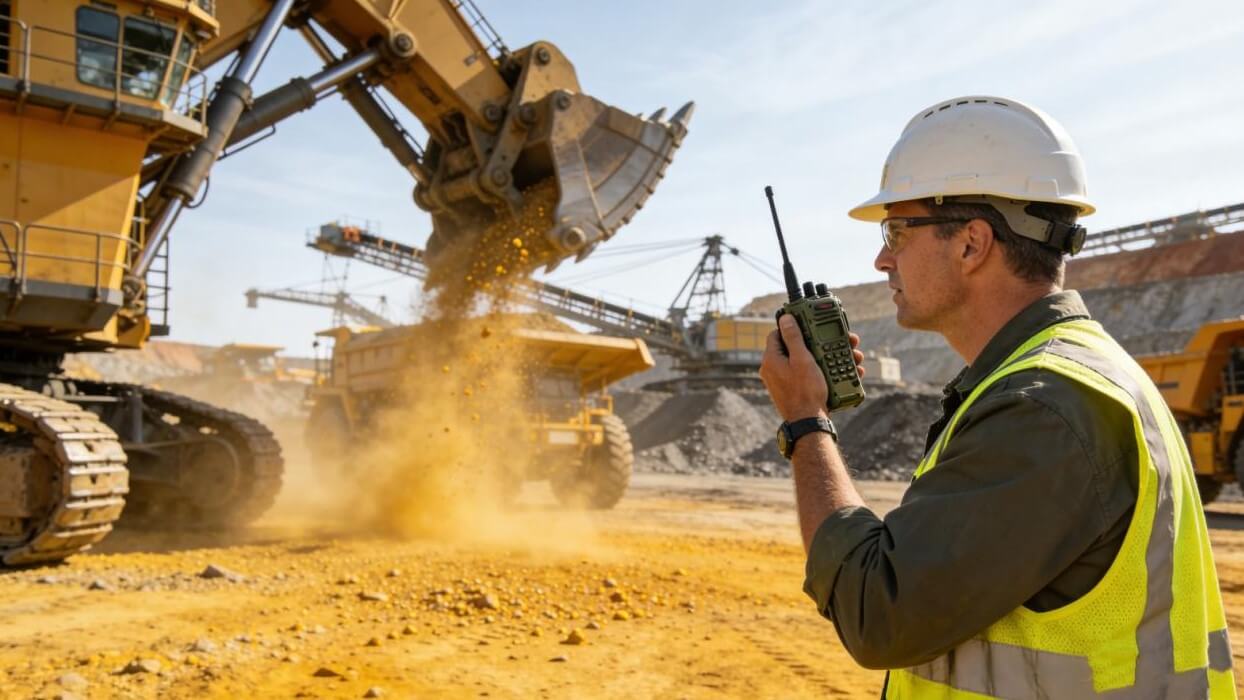
Reliable radio communication becomes more difficult as a facility grows larger and more complex. A handheld radio may communicate clearly across an open area but lose coverage when users move between buildings, floors, equipment rooms or outdoor work areas.
For power plants, manufacturing facilities, large warehouses and industrial construction sites, reliable coverage depends on more than radio transmit power. Building materials, equipment, elevation, antenna location and the communication system itself all affect performance.
Why Large Facilities Create Radio Dead Zones
Several physical factors can weaken or block radio signals.
Concrete and precast construction can reduce signal penetration between rooms and floors. Fire-rated walls and other building separations may create additional barriers.
Metal equipment and machinery can also obstruct or reflect radio signals. In a power plant, large engines, switchgear, screens, tanks and other metal structures may create difficult propagation conditions.
Multiple floors and elevation changes add another challenge. A facility may include ground-level work areas, elevated equipment platforms, stairs and upper floors. Communication that works well on one level may not perform the same way between levels.
Indoor and outdoor areas may also require different coverage considerations. Workers may move from control rooms and electrical rooms to transformer yards, service areas or other outdoor work zones during the same shift.
Handheld Radios vs. Repeater-Assisted Coverage
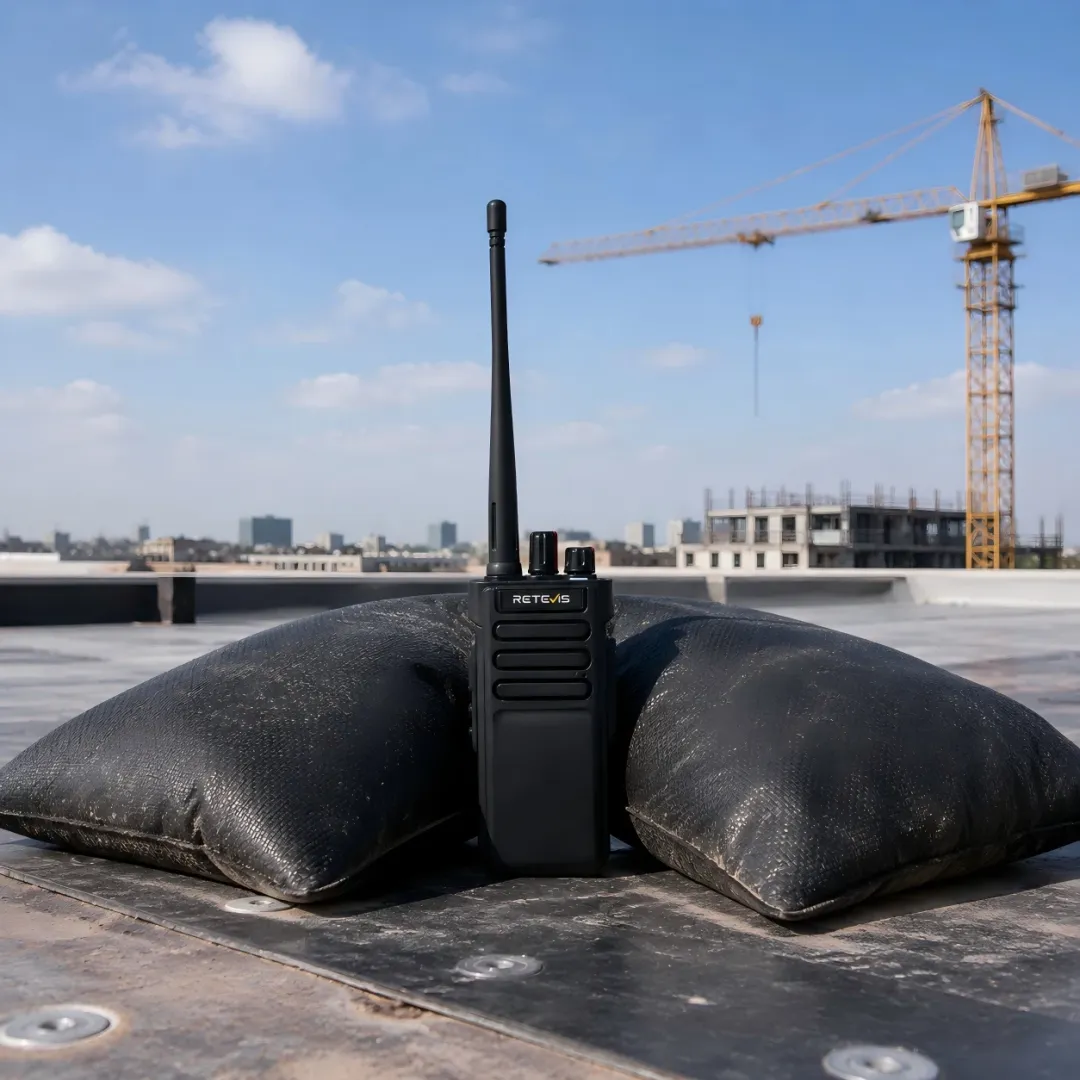
A basic radio system may use handheld radios communicating directly with each other. This can be effective when users are relatively close and there are few physical obstructions.
A larger facility may require repeater-assisted communication when:
- Users work across several floors
- Buildings or work areas are separated
- Concrete or metal structures create significant attenuation
- Outdoor and indoor areas both need coverage
- Workers frequently move beyond reliable handheld-to-handheld range
- Consistent coverage is required across critical work areas
The important question is not simply, "How far can the radio transmit?"
Instead, ask:
Can the radio system provide intelligible communication from the locations where workers actually operate?
Start With the Facility, Not the Radio
Coverage planning should begin with the facility layout.
Useful information includes:
- Site plans
- Floor plans
- Building sections
- Building materials
- Equipment locations
- Floor elevations
- Outdoor work areas
- Candidate antenna locations
- Areas where communication is especially important
For example, a power plant construction and commissioning project may require communication across engine areas, control rooms, electrical rooms, stairs, elevated equipment platforms and outdoor transformer yards.
A coverage plan should identify these areas before selecting the final system configuration.
Where Should the Repeater and Antenna Go?
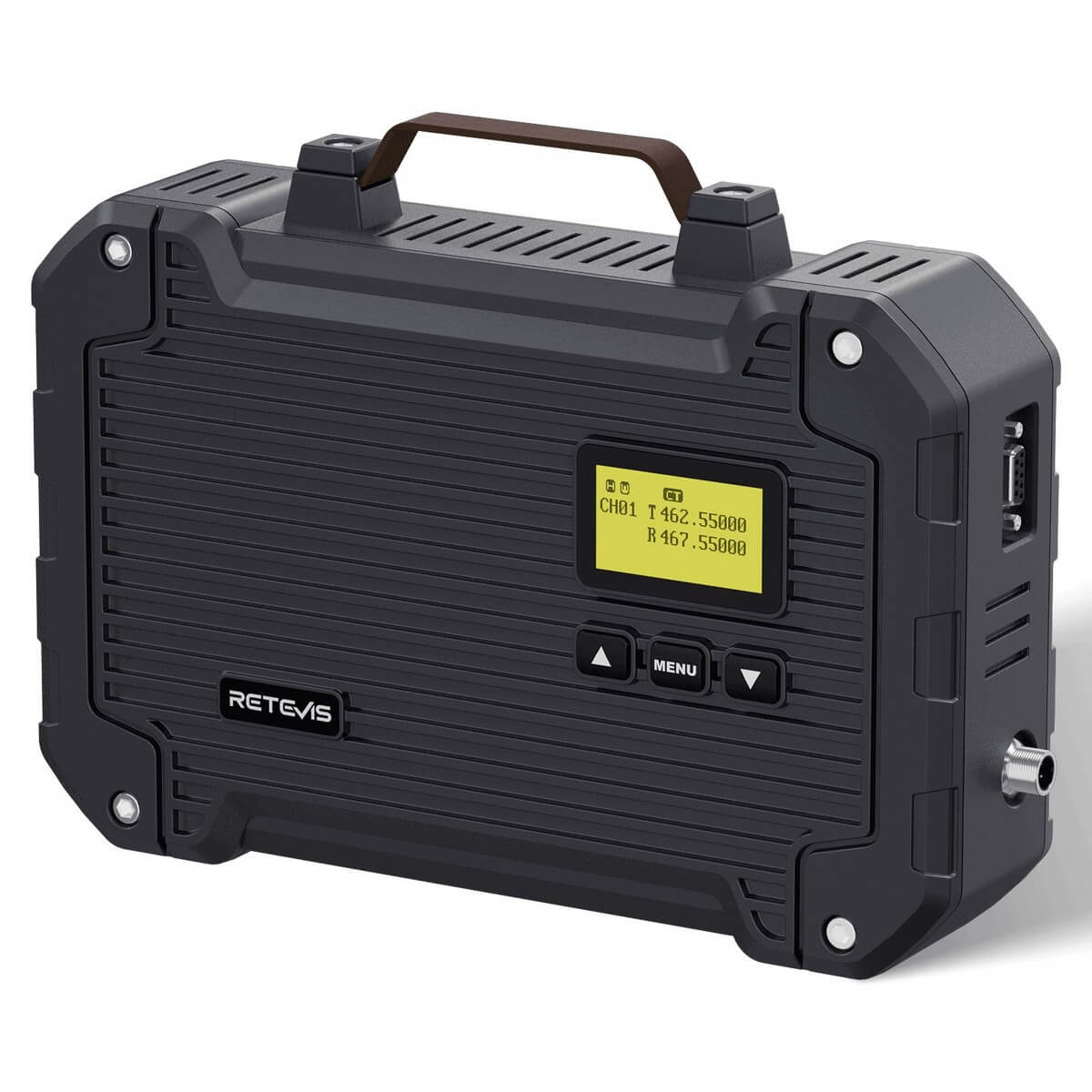
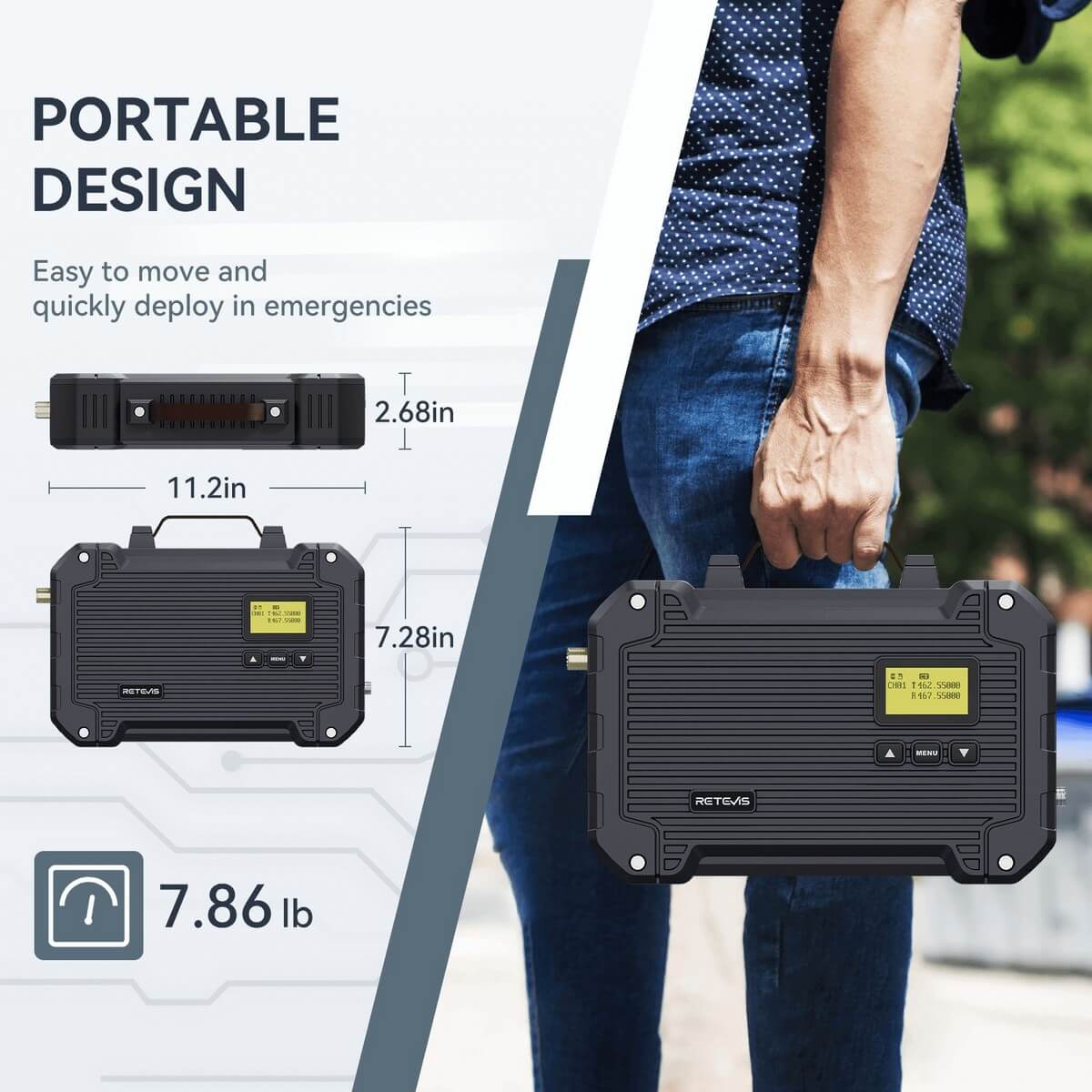
Repeater location is one of the most important decisions in a large facility.
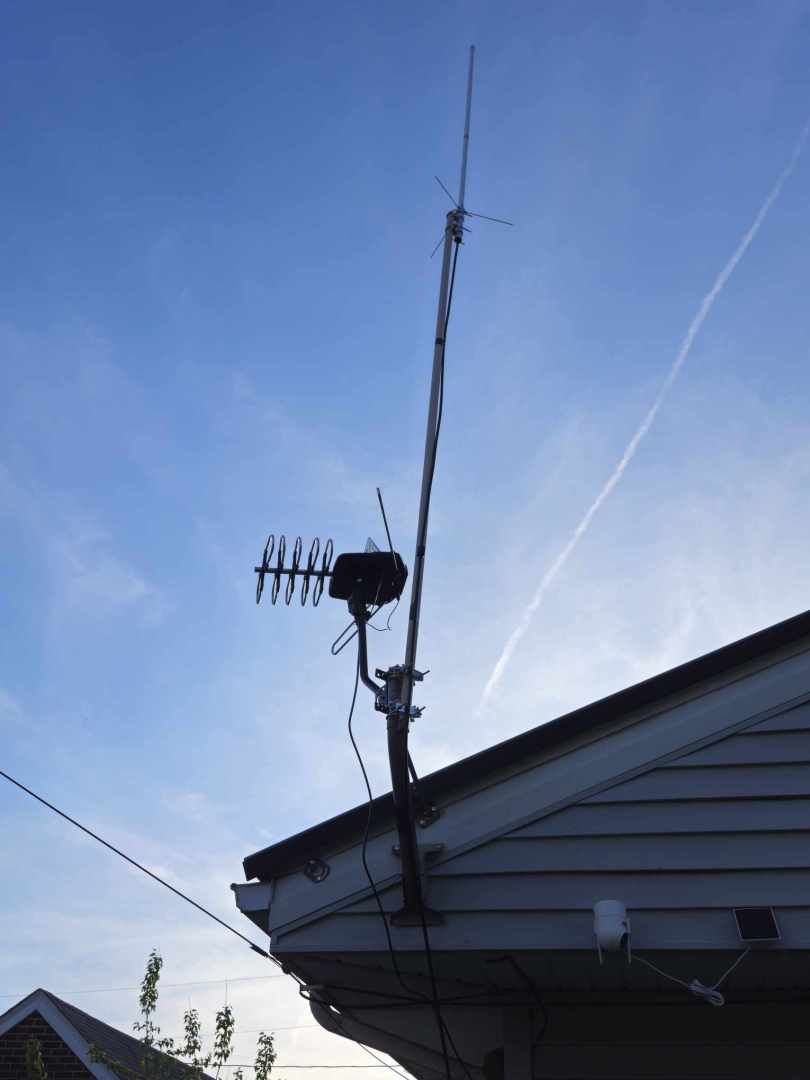
A candidate location should provide an effective path toward the required coverage areas while allowing practical installation of the antenna, feedline, power and associated equipment.
An elevated antenna location may improve the radio path to multiple areas, but cable routing and feeder loss also need to be considered.
The best location therefore depends on the actual building and coverage requirements rather than a fixed rule such as "put the repeater in the center of the building."
Test Critical Areas Before Finalizing the System
When possible, conduct a field coverage test before final deployment.
Testing should include:
- Critical indoor rooms
- Different floors
- Stairways and vertical transitions
- Areas surrounded by machinery
- Outdoor work areas
- Elevated platforms
- Areas where users reported previous communication problems
Voice intelligibility should be evaluated rather than simply recording whether a radio can open a channel.
Build Coverage Around the Job, Not a Range Number
A radio advertised with a particular range does not guarantee that distance inside a complex industrial facility.
The practical goal is reliable communication across required work areas.
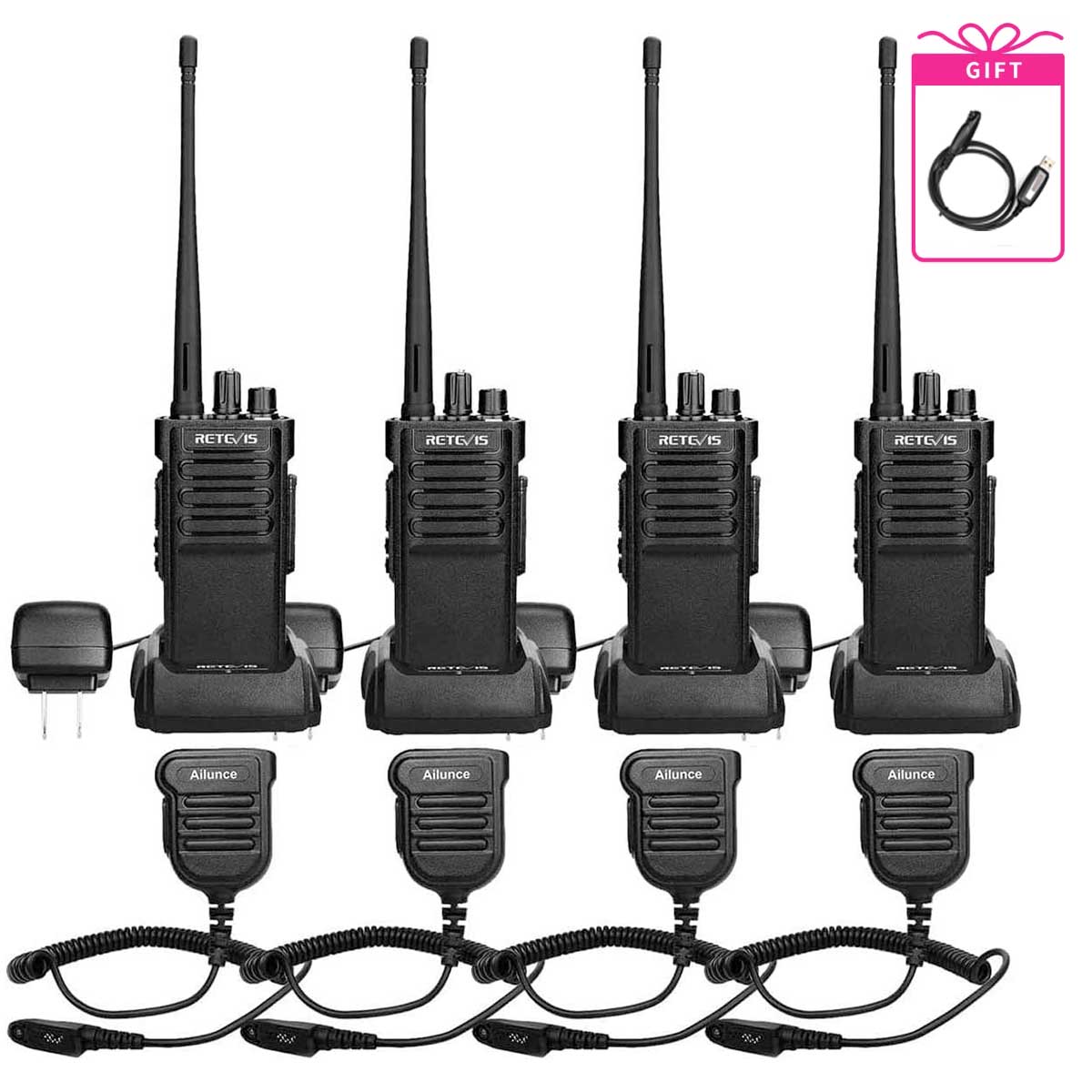
A well-designed system may combine handheld radios, direct channels, repeater-assisted channels and properly positioned antennas to match the facility's actual communication needs.



 Google
 Amazon
Comments
No data Yet