
The holiday season is the busiest time of year across many industries. Sectors such as retail, restaurant, hospitality, and warehousing and logistics all experience a sharp surge in customer traffic or operational volume. For employees in these fields, this means working in highly efficient coordination to handle the increased workload. In such an environment, even a minor breakdown in communication or coordination during a single shift can trigger a chain reaction, potentially leading to far more significant consequences.
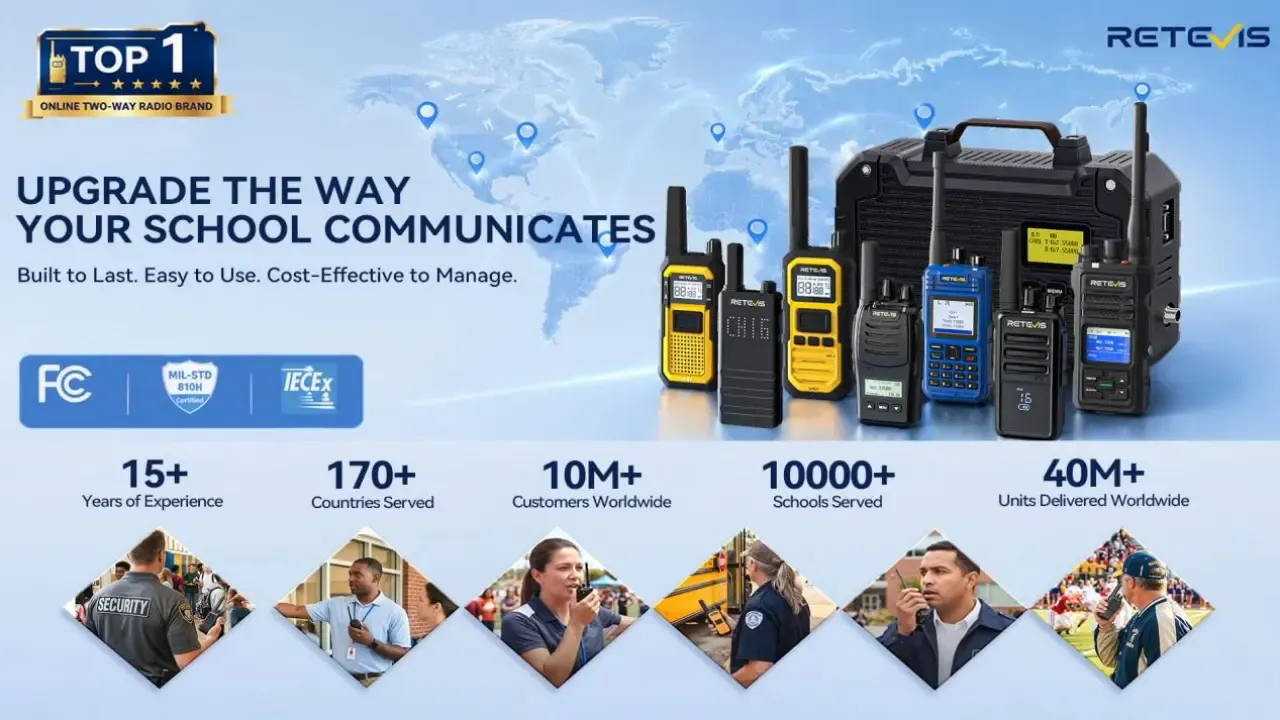
Retevis brings 16 years of experience in building two-way radios for both business teams and consumers. Operating in over 170 countries, the brand has delivered more than 40 million units and served a global base of over 10 million users through its official store, online marketplaces, and local dealers. A verified buyer who runs a deployment said: "We bought these radios for a security site that spanned three city blocks. The sound quality is clear. The radios are easy to use." That ease matters most during a rush and the reliable way to get it is an operating method with the radio in the role of the tool.
 Building a communication routine for good communication
Good communication for small business teams during the holiday rush depends on shared habits, not just on a device. Each team gets a channel it can rely on every task request ends with a read‑back and one coordinator keeps the plan up to date. Calls stay short urgent calls carry a marker and the whole routine is written down so a substitute or a seasonal hire can follow it. A two‑way radio for business carries the call. The routine decides whether the call lands. Learning how to keep staff connected during holidays is mostly the work of setting these habits before the floor fills up and the same habits carry over to a hotel, a restaurant or a campus.
When staff are spread across a floor different sections, a back room or an outdoor area the method comes first. Assign one channel to each area agree on a short call format so messages stay brief and name a point person who answers when someone calls. Ask for a read‑back on task requests so a message never disappears into noise. Start the shift with a huddle so everyone knows the day’s priorities and the urgent‑call marker, which keeps routine chatter from blocking a real request.
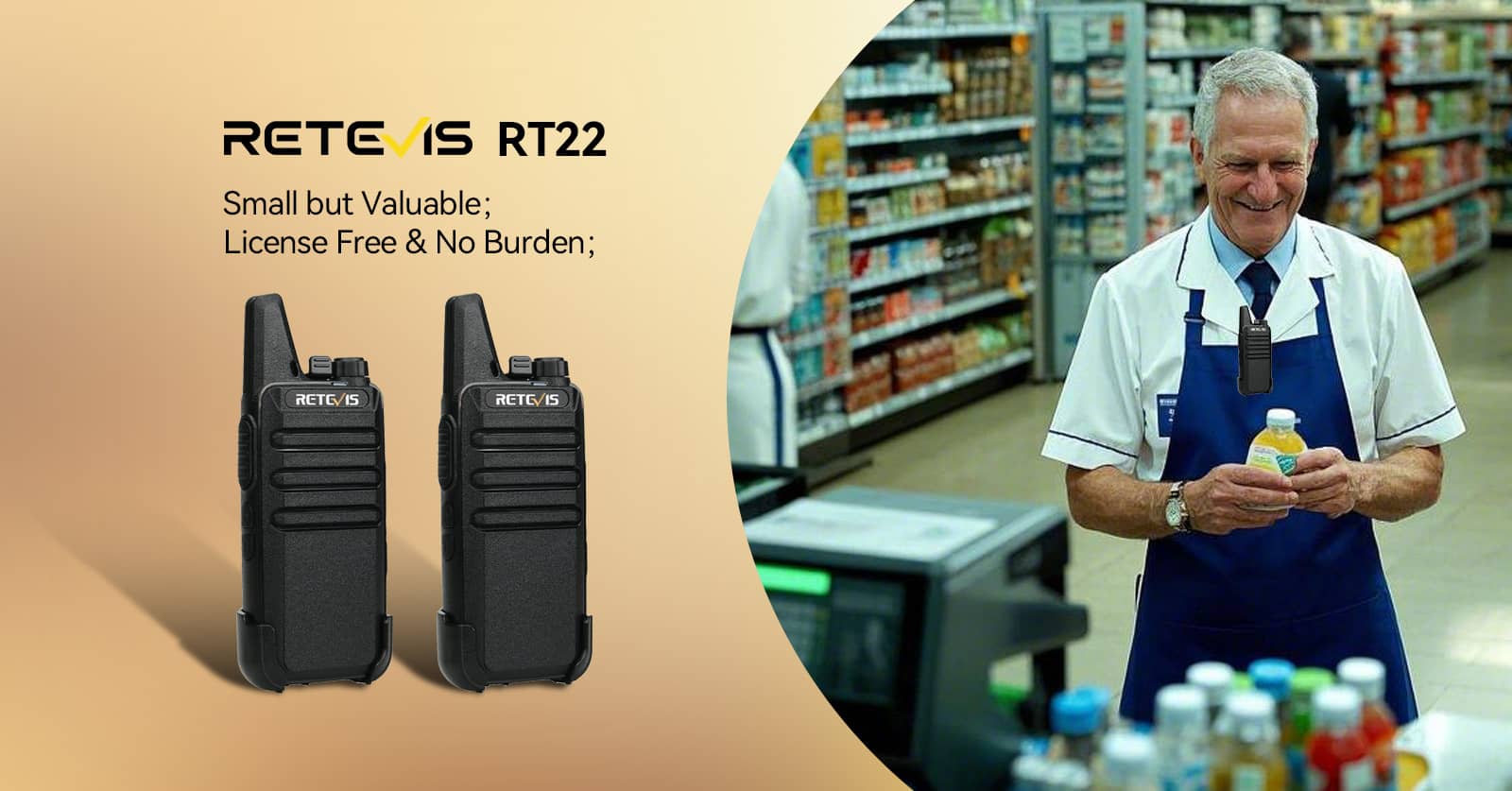
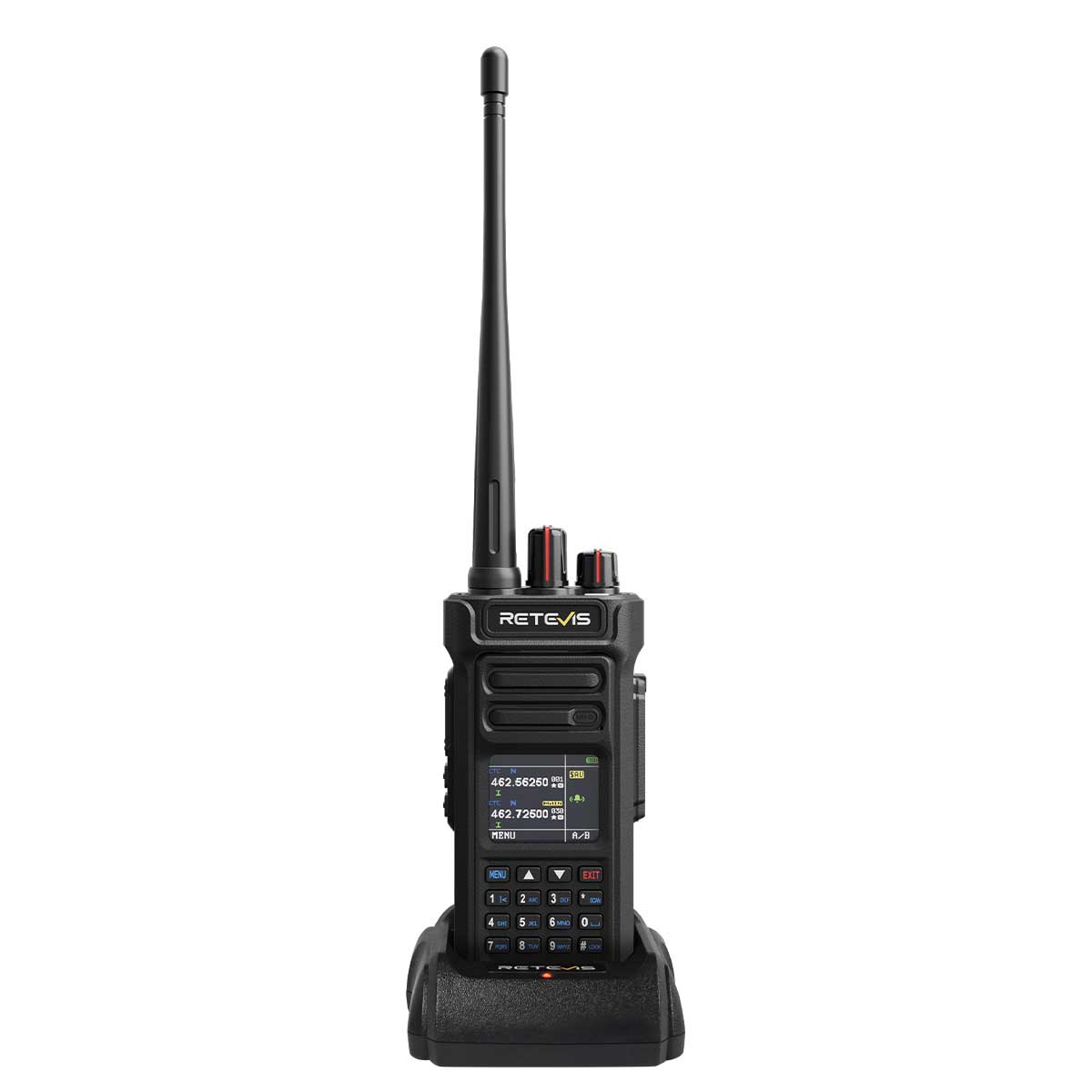
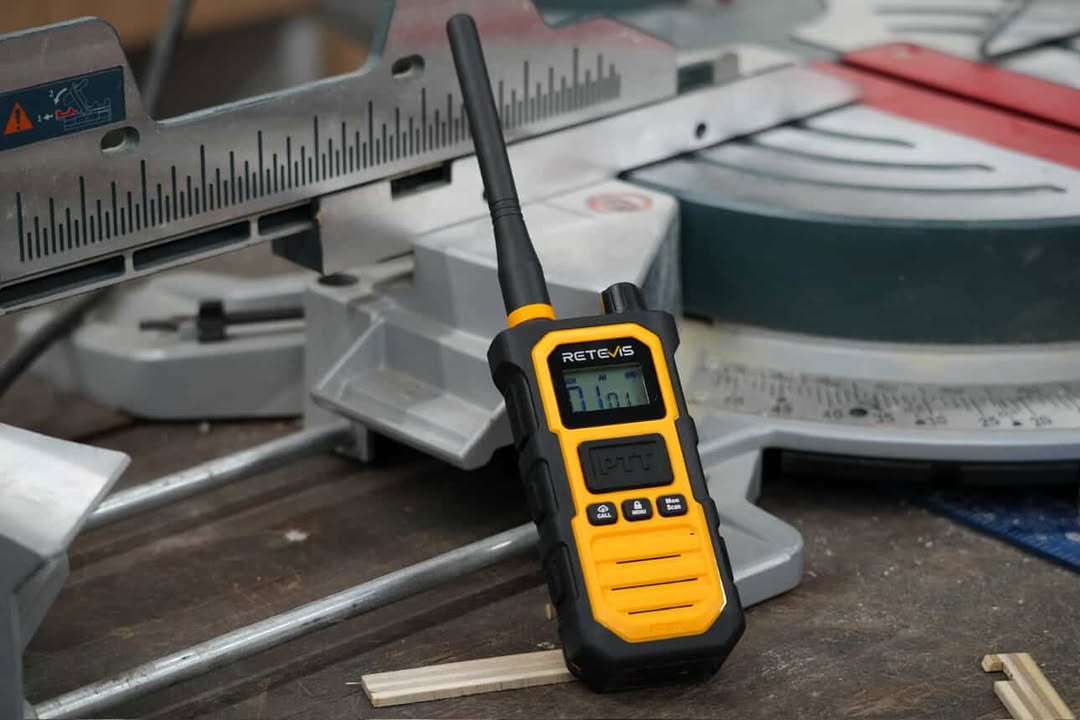
The RT22 is the handset that runs this routine on the floor. Staff keep it clipped within reach speak through VOX while their hands are busy and use the key when the huddle’s emergency marker applies so a cross‑area call gets answered mid‑task rather than after a walk across the floor.
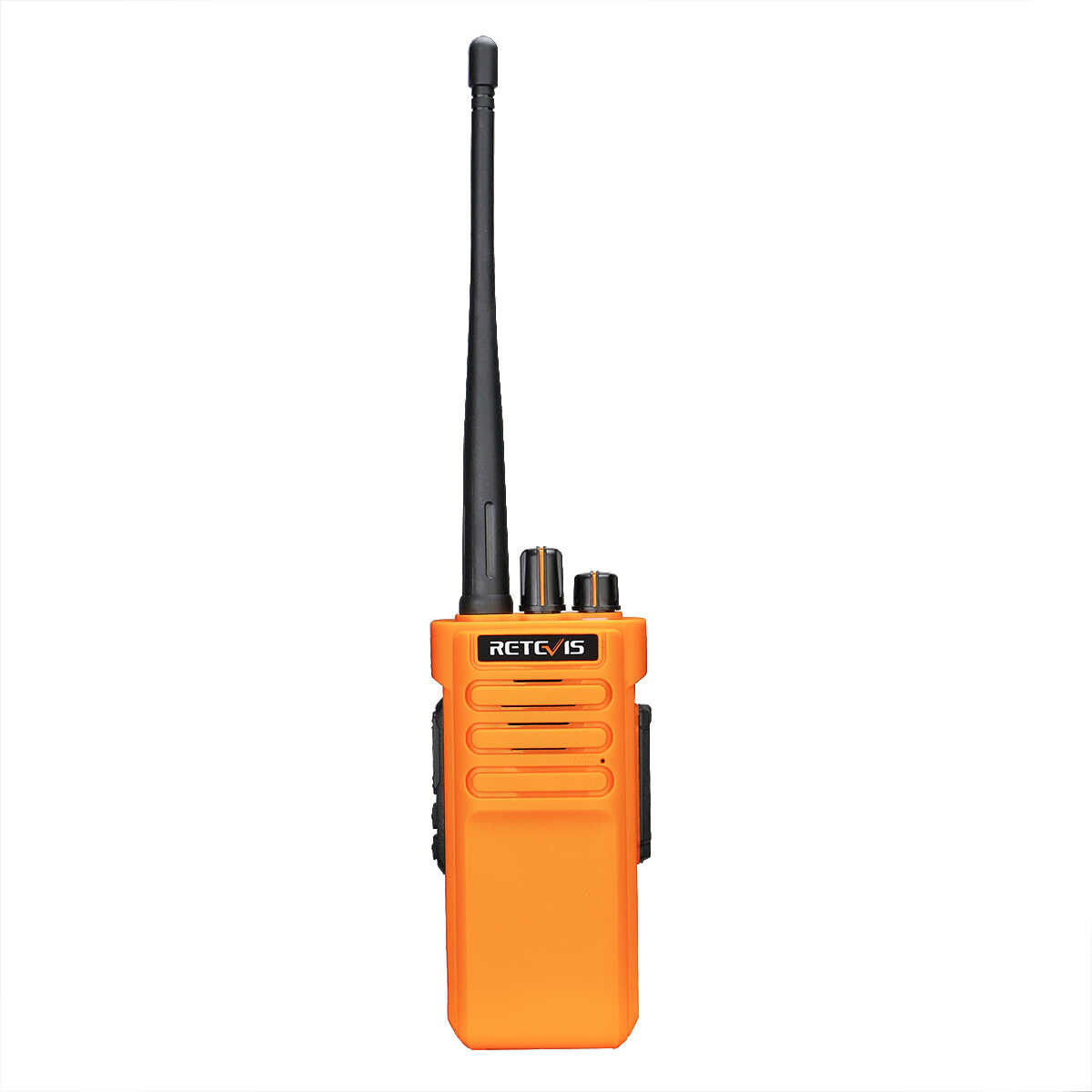
The same method works for a campus spread across buildings and a sports field. The H777S, a license‑free radio for school events and safety handles autumn and winter use. It is a 2W FRS radio with up to 4.7 km range under conditions a one‑key alarm and a 1100 mAh battery that runs over 12 hours. A verified school buyer said that with one person inside the building and another at the soccer field about a quarter mile away the call was "clear as a bell.”
The front desk cannot make a guest wait while someone walks to the back to find an answer. The method is to set an escalation path keep one shared channel for front desk back‑office coordination and require the back office to confirm a request and give a short time estimate. The front desk then knows what to tell the customer. Keep a note of requests that repeat through the day because a question asked five times usually points to a process gap that a manager can fix once.
The tool here is the B3H radio, made for the customer‑facing side of the escalation path. Its slim frame and hidden display let the front desk call the office without a bright screen or a bulky unit interrupting the guest and the channel lock holds the handset, on the shared coordination channel through a back‑to‑back shift. The SOS key raises a request the moment the routine path is too slow and the battery carries a full double shift before it needs a cable.
Empty shelves and low stock cause the obvious rush problems. The solution is to set a fixed recheck schedule use a named replenishment channel of general chatter and have the stockroom give a read‑back of the estimated arrival time for every request. Floor staff stop chasing and begin to know when stock will arrive.
A seasonal hire should be useful on day one not after a week. The approach involves documenting the channel plan, introducing the push-to-talk and VOX procedures, and pairing each new hire with a buddy for their first shifts. The channel lock further eliminates the risk of accidental setting changes by newcomers.
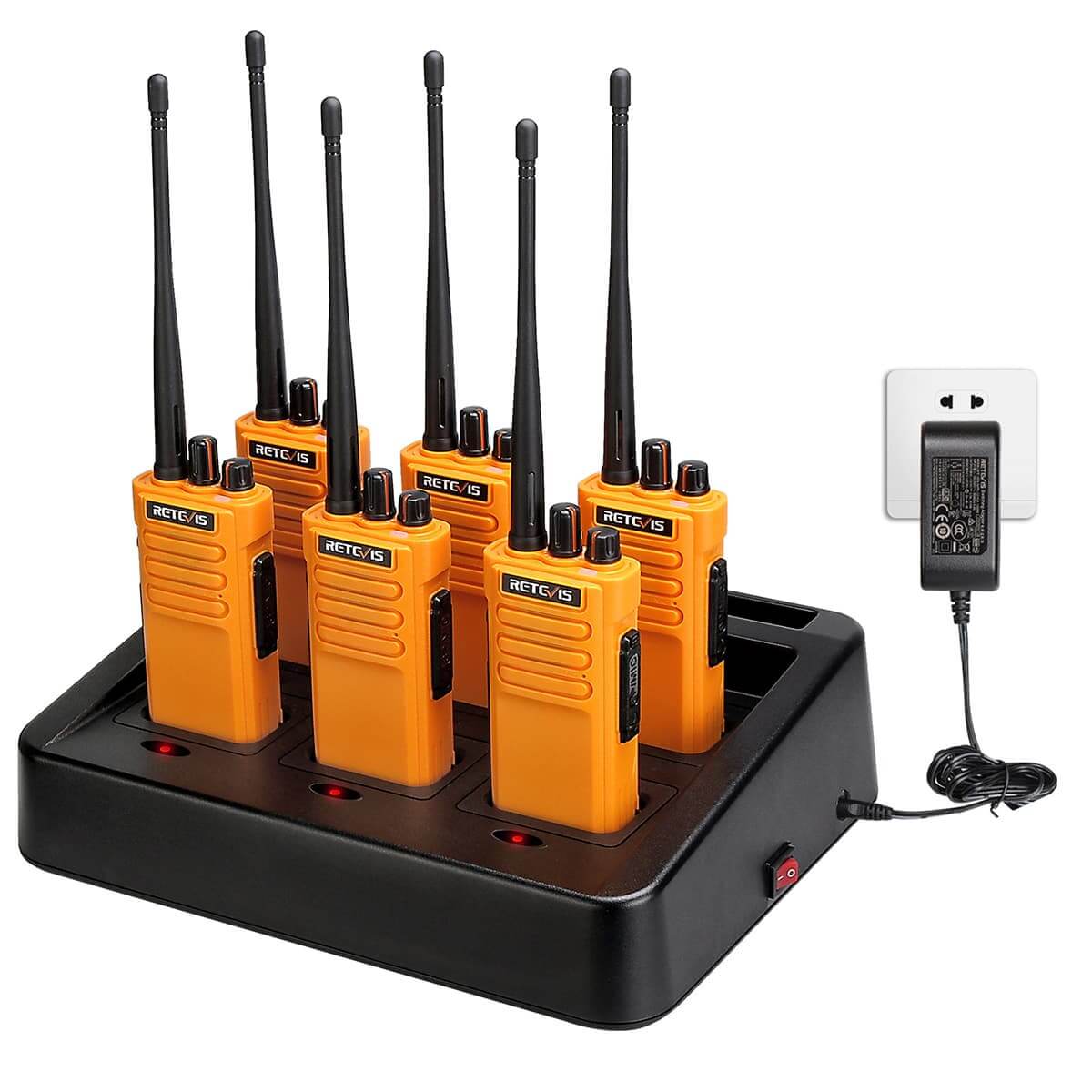
Firstly, bring all radios to a single charging area so they come back with a full battery overnight, using multi-unit gang chargers for teams of six or more.
Secondly, plan the channels for each team in advance. Document the assignments rather than relying on memory.
Thirdly, walk the site to locate coverage gaps—such as basements, stairwells, and outdoor areas—then adjust the plan before a busy day exposes them.
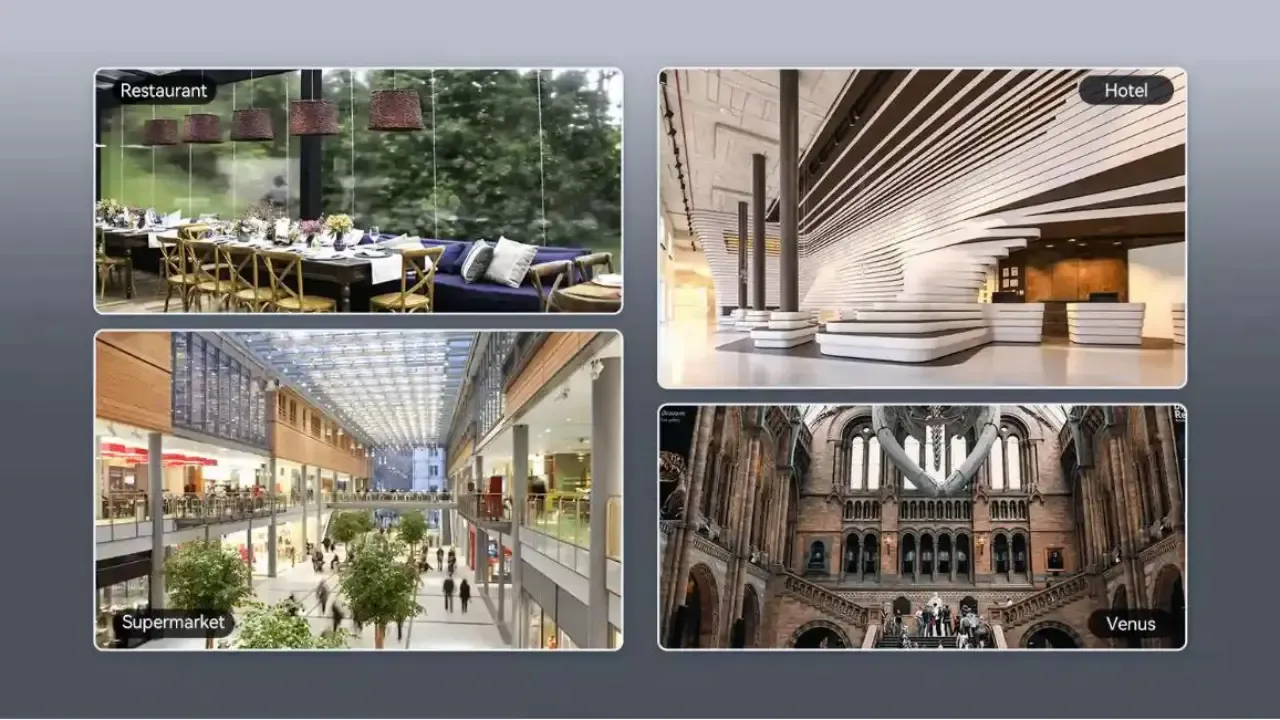
A license free walkie talkie set turns the routine into calls and the best walkie talkie for small business teams in a holiday rush is the one the whole staff actually uses.
Fix the four breakpoints with channels, read‑backs and a short onboarding routine then let the RT22 carry frontline and stock calls the B3H hold front desk coordination and the H777S support campus events and safety. Browse the licensed-free business radio series or contact Retevis to size the set, for the season.
No data Yet








 Google
 Amazon