

Table of Contents
How AI Noise Reduction and DMR Improve Construction Radio Communication
- Posted by:Retevis
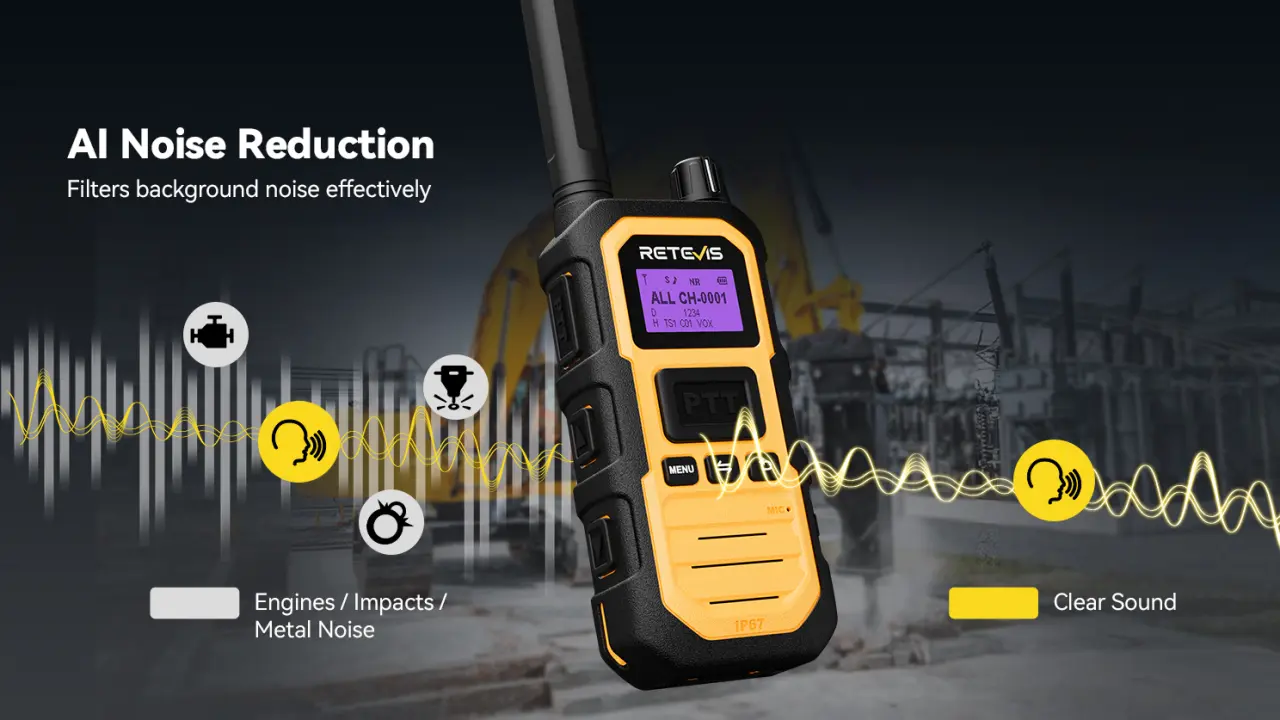
Construction sites are some of the hardest places to communicate. Heavy machinery runs all day. Drills and cutters add more noise. Vehicles move in and out of the site. Different teams work in different zones. In that kind of environment, even a simple message can get lost. That is why reliable construction communication is so important. A basic construction radio may work in quieter settings, but on a noisy site, workers often need something stronger. That is where an industrial digital walkie talkie becomes a real advantage.
This article looks at two technologies that help solve the problem: AI noise reduction and DMR digital communication. Together, they improve voice clarity, reduce repeat messages, and help teams stay better coordinated. For companies looking for a construction site communication solution, or a better walkie talkie for noisy environments, these features are worth understanding.
Why Construction Noise Creates Communication Problems on Jobsites
Construction sites are full of sound. That is normal. But noise becomes a problem when it blocks important communication.
Heavy machinery
Excavators, loaders, compressors, and other machines create a constant background roar. That makes voice messages harder to hear.
Drilling and cutting
These sounds are sharp and sudden. They can cover a call instantly, especially if the worker is already far from the speaker.
Vehicle movement
Trucks, lifts, and site vehicles add more noise and movement. Workers may need to stop, move, or respond quickly, which makes communication even harder.
Multiple teams working together
Large jobsites often have several crews active at the same time. One team may be framing, another may be handling concrete, and another may be moving materials. Everyone needs updates, but not everyone is in the same place.
When all of this happens at once, instructions are missed, messages are repeated, and decisions take longer. That is why construction communication on a busy site needs more than a basic device. It needs a tool built for real industrial pressure.
Why Traditional Walkie Talkie Struggle in Noisy Construction Environments
Many teams start with traditional walkie talkies. That can work for a while. But on noisy construction sites, regular walkie talkies often begin to show their limits.
Background noise interference
A traditional walkie talkie may pick up too much of the surrounding sound. The message gets mixed with machine noise and worker noise, so it becomes harder to understand.
Unclear instructions
If the voice is not clean, workers may miss part of the message. Then they have to ask for it again. That slows the job down.
Reduced efficiency
Supervisors spend more time repeating information. Workers spend more time trying to confirm what they heard. Small delays turn into lost time.
This is why two way radios for construction need to do more than just transmit. In high-noise areas, communication quality matters more than simply having a radio. A radio should help the worker hear the message clearly the first time.
How AI Noise Reduction Improves Voice Clarity on Construction Sites
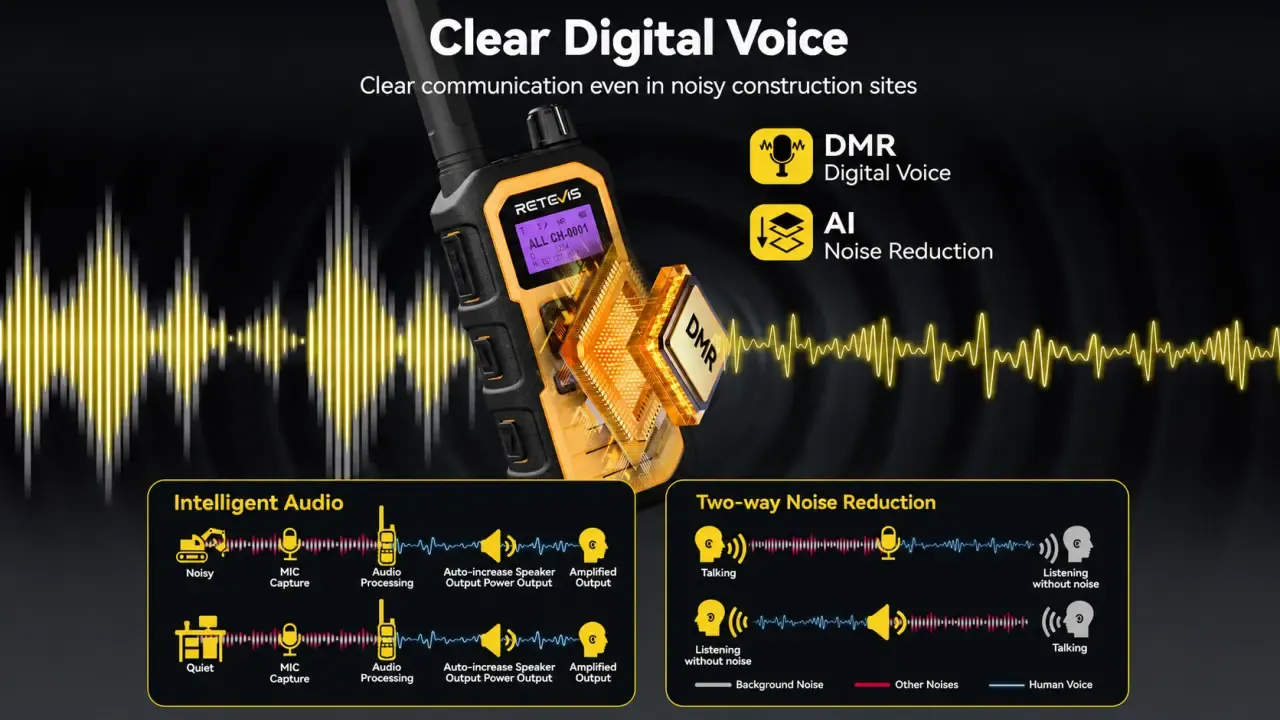
AI noise reduction is designed to make speech easier to hear in noisy places. It does not remove all sound. Instead, it helps separate the human voice from the background noise.
Identify human voice
AI can focus on speech and treat other sounds as background. That means the voice becomes easier to follow.
Reduce unwanted noise
It helps lower the effect of machinery sounds, wind noise, and surrounding interference. That is important when the jobsite is always changing.
Improve message understanding
When workers hear the message more clearly, they respond faster. They do not need to stop and ask for repeats as often.
This is why an AI noise reduction radio can be such a useful noise reduction walkie talkie on a construction site. It helps keep the voice clean and direct, which makes the whole communication flow better.
A digital walkie talkie for industrial use with AI noise reduction can help crews stay focused on the work instead of fighting the noise.
Why DMR Digital Communication Improves Construction Team Coordination
DMR digital communication adds another layer of value. It improves how the voice signal is carried and received.
Clearer digital voice
Digital transmission helps reduce static and distortion. That makes the message sound cleaner.
More stable communication
On large jobsites, signal stability matters. DMR helps keep communication more consistent across teams and zones.
Better team management
Construction teams often need group communication. DMR can support different channels and organized coordination, which makes it easier to manage multiple crews.
This is especially useful when several teams work in different areas of the site. A DMR digital radio gives supervisors a better way to keep track of everyone. A digital two way radio helps make team communication more structured and less chaotic.
For larger projects, this can be the difference between a crew that reacts slowly and a crew that stays aligned.
Why AI Noise Reduction and DMR Work Better Together
AI noise reduction and DMR technology solve different parts of the same communication problem. Together, they combine as a superior and safer construction communication system for construction coordination working team.
AI Noise Reduction: Can workers hear the voice clearly? This feature filters out loud background noise to deliver a crisp, clean voice without background static.
DMR Digital Technology: Can the signal reach the worker stably? This system stabilizes the transmission across the entire site and prevents signal dropouts over long distances.
The RB48D Solution
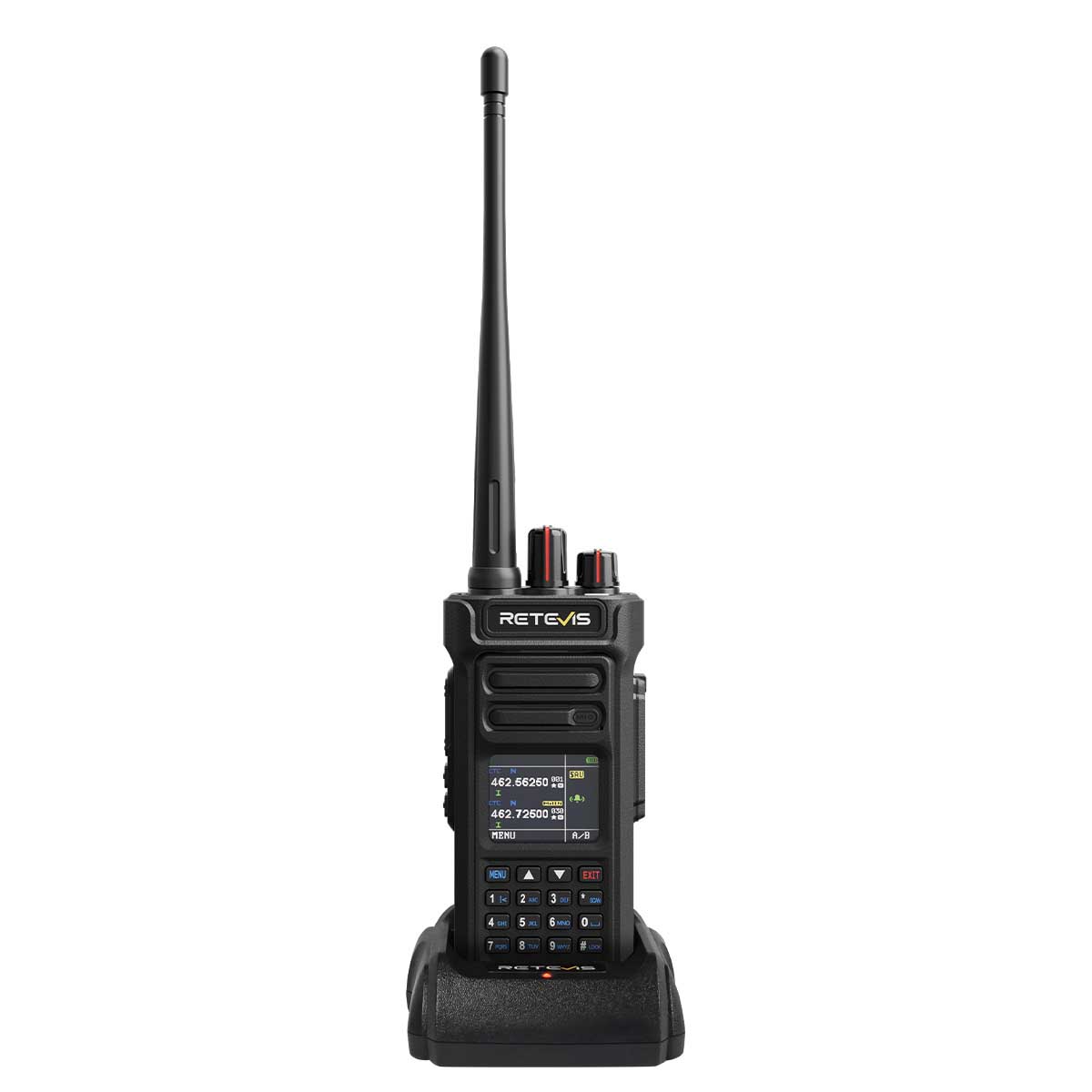
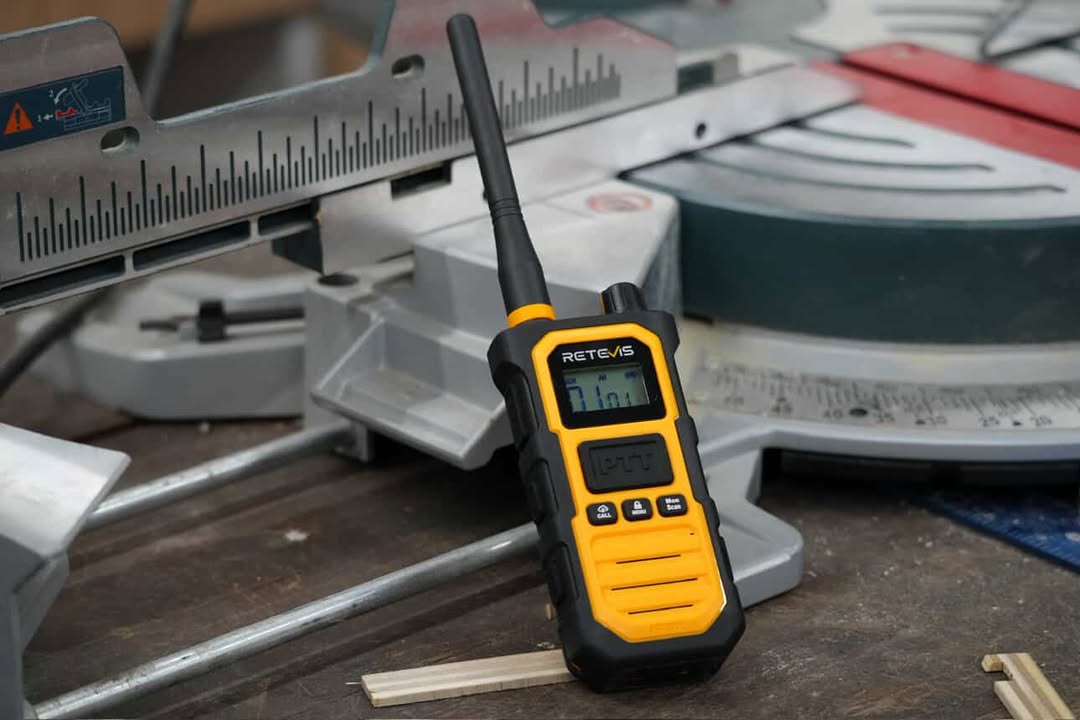
The RB48D industrial digital walkie-talkie fits this need perfectly. Built for loud construction sites and busy factories, it blends AI noise reduction with DMR processing. This powerful combination helps workers catch every critical update instantly, keeping the workday moving smoothly.
What Construction Teams Should Look for in a Communication Radio
If you are choosing a radio for a construction site, a few things matter most.
Audio performance
The radio should make speech clear and easy to understand, even in noise.
Noise reduction capability
For noisy construction sites, this is one of the most important features. The radio should help workers hear the message without too much background interference.
Communication reliability
A DMR radio for construction should keep the signal stable across the site and support team coordination.
Jobsite durability
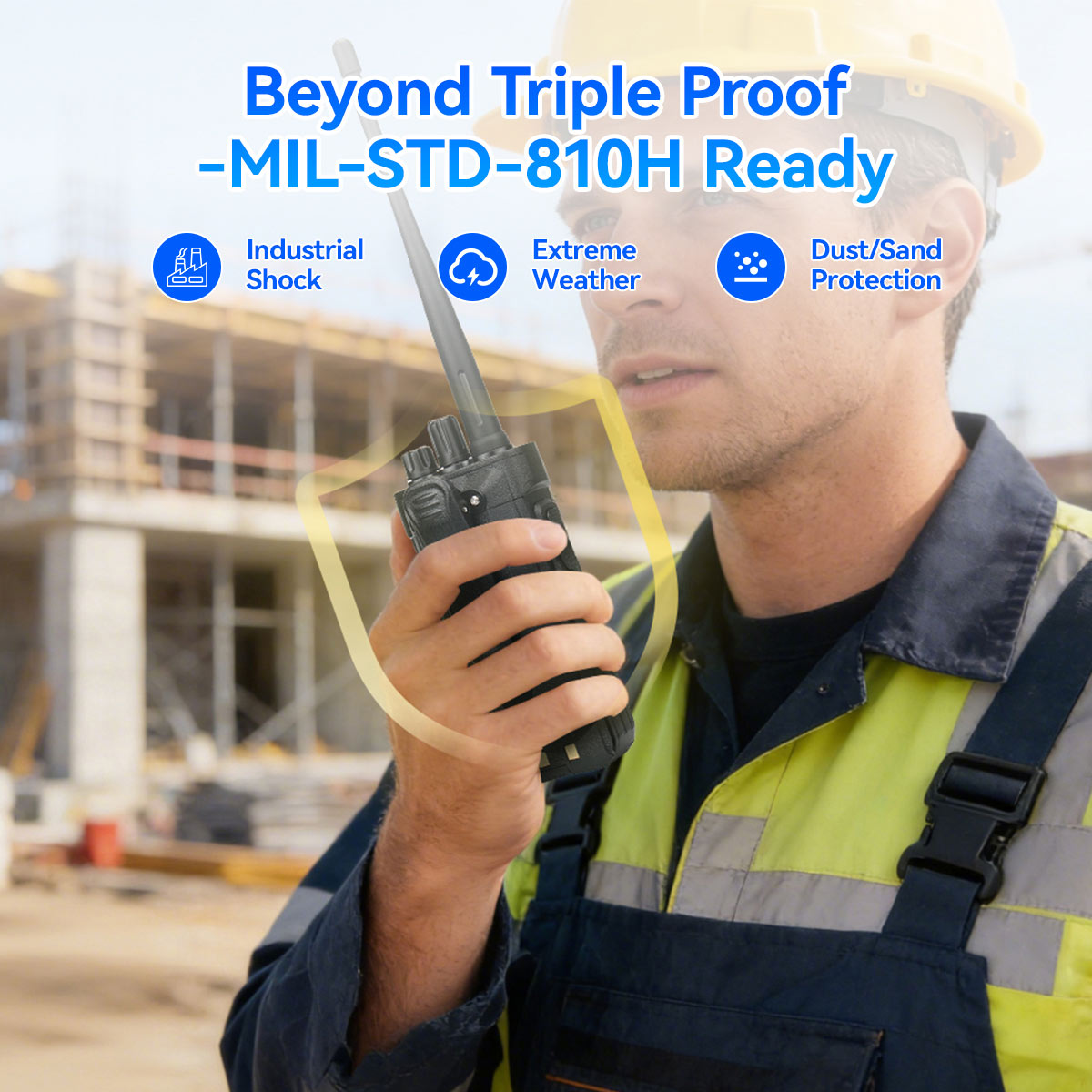
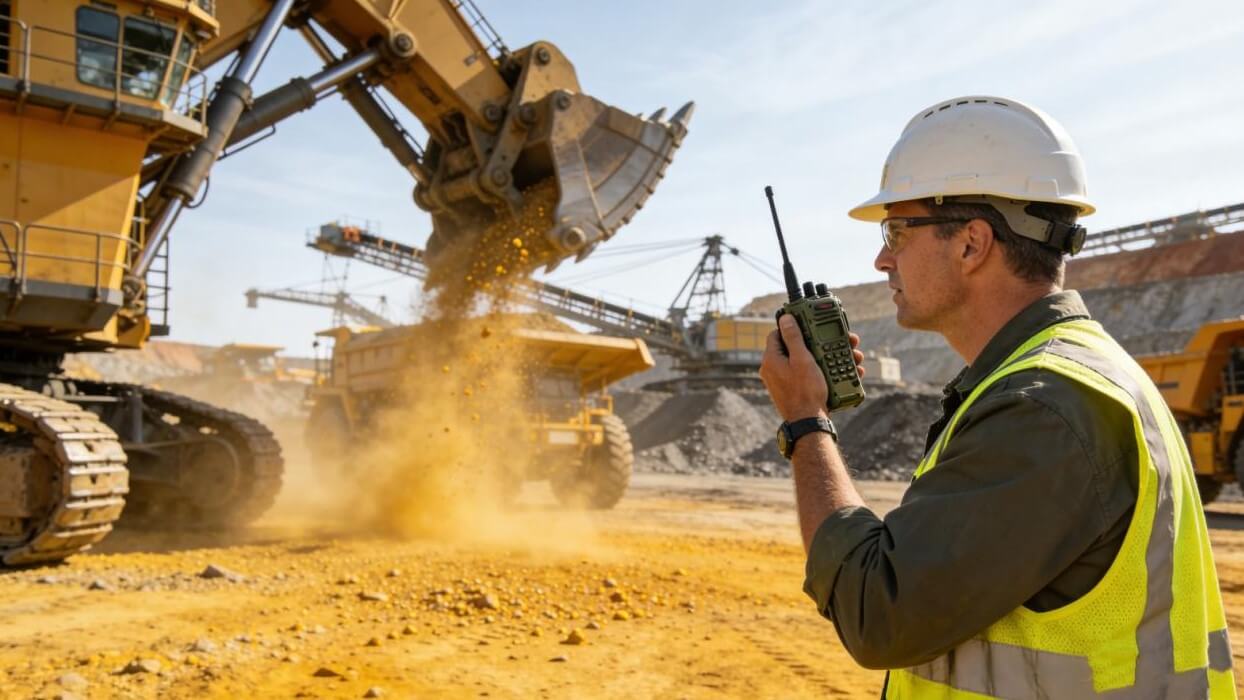
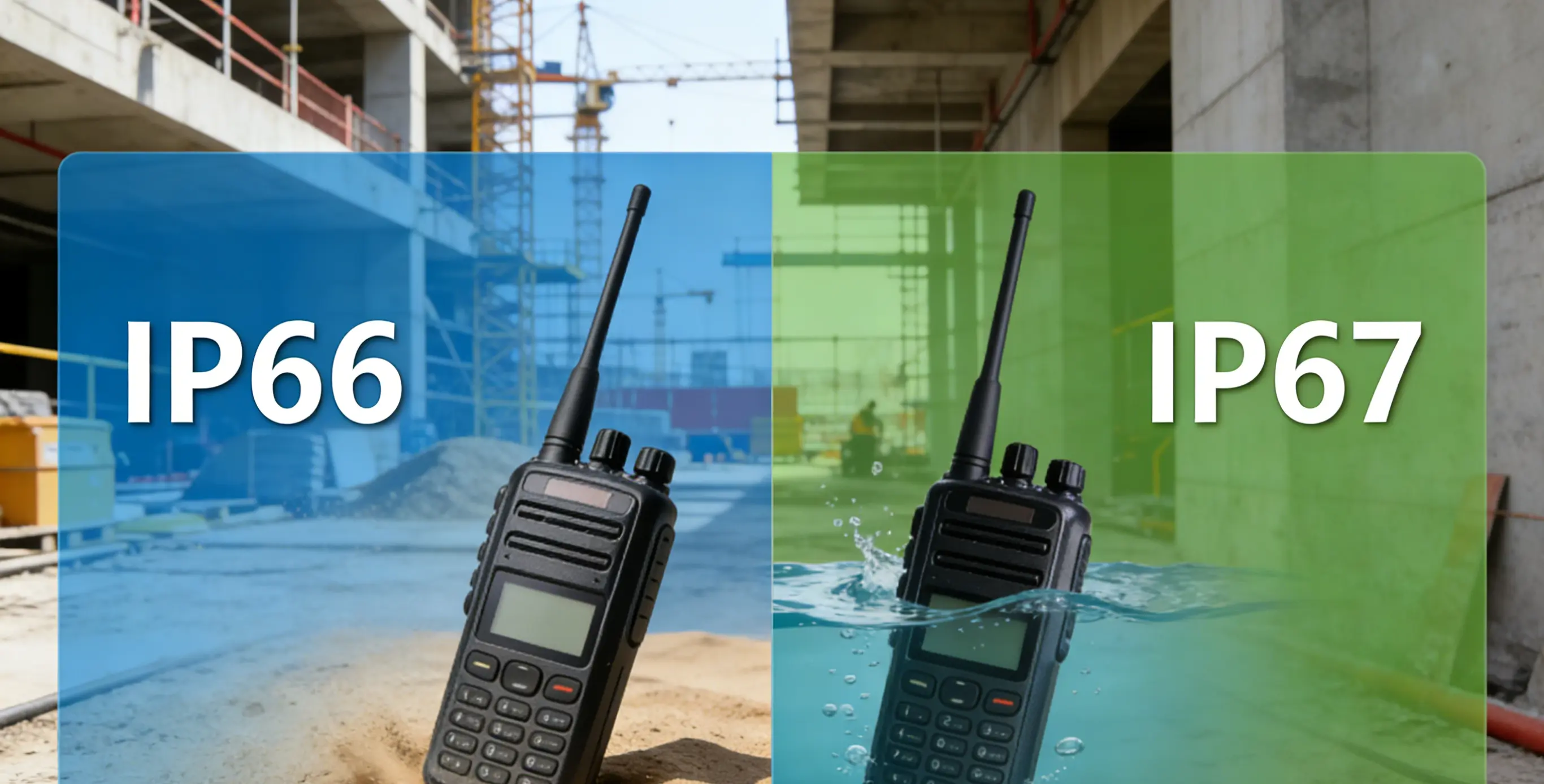
Construction site environments are typically relatively harsh. The radio should have a rugged design and be ready for dust, drops, and daily wear.
Daily usability
Battery life, simple controls, and easy operation all matter. Workers need a radio they can trust during a full shift.
If you are searching for the best digital radio for construction, the right choice is the one that performs well where the work actually happens. A strong walkie talkie for noisy environments should fit the pace, pressure, and noise level of the site.
Better Communication Helps Construction Teams Work Safer and Faster
Construction noise creates real communication barriers. Traditional radios can struggle when the site is loud, busy, and always changing. That is why AI noise reduction and DMR digital communication matter. AI noise reduction improves voice clarity. DMR improves communication stability. Together, they help teams understand messages faster, repeat less, and coordinate better.
For companies looking for a construction site communication solution, or a digital walkie talkie for industrial use, these features can make a real difference. In construction, good communication is not only about convenience. It helps crews work safer, faster, and with fewer mistakes. And in a noisy jobsite, that makes all the difference.



 Google
 Amazon
Comments
No data Yet